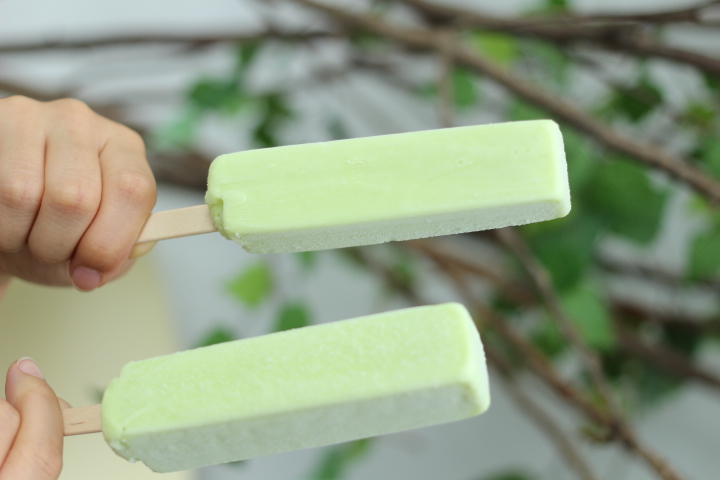
Who Makes Melona? Binggrae, the Korean Banana Milk Company, and Who Owns It
Melona is Korean: it is made by Binggrae (빙그레), the Banana Milk company, about 41% owned by Kim Ho-youn, younger brother of Hanwha's chairman.
EpicKor Business
Practical context on Korean SMEs, industries, supplier discovery, and market entry, built as a separate trade-media surface inside EpicKor.

Melona is Korean: it is made by Binggrae (빙그레), the Banana Milk company, about 41% owned by Kim Ho-youn, younger brother of Hanwha's chairman.

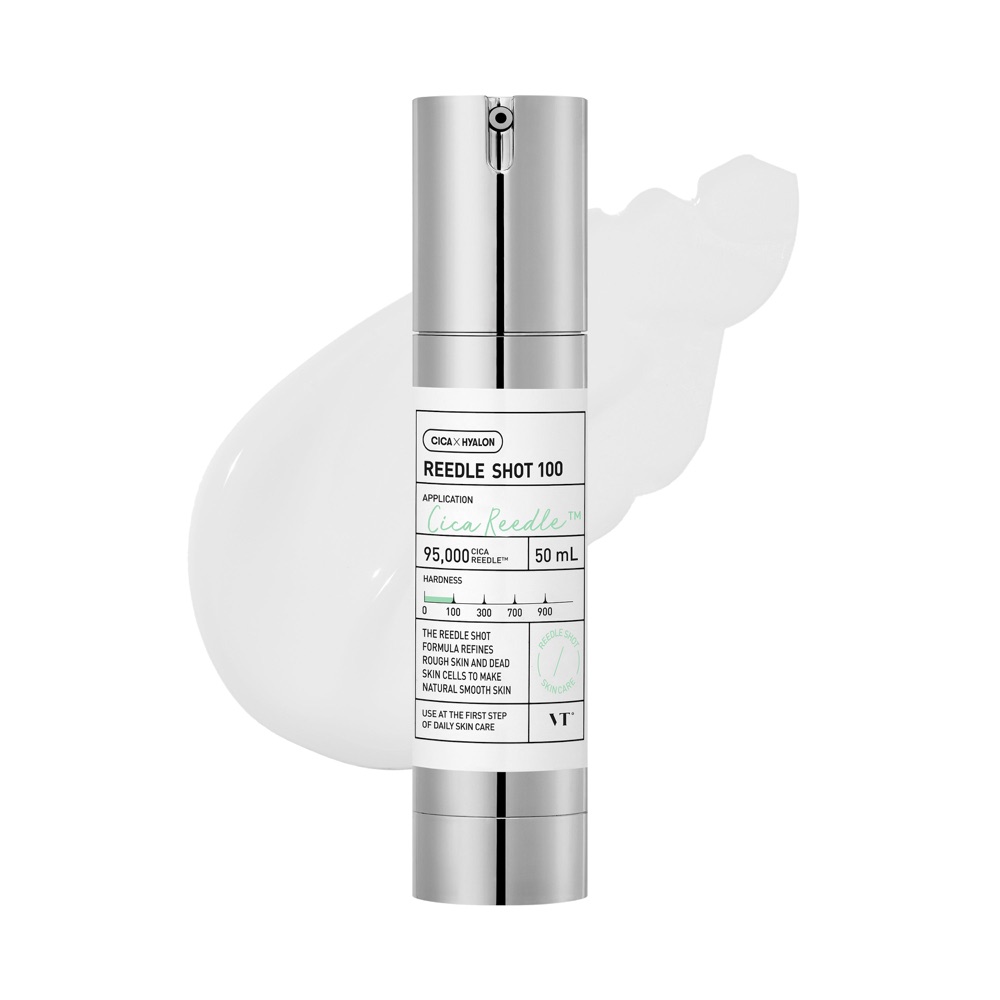
VT Cosmetics is Korean. Its owner, VT Co., Ltd. (브이티), began in 1986 as GMP, a laminating-machine maker in Paju. Cosmetics sales rose from ₩177bn in 2023 to ₩409bn in 2025, per DART. Who owns it, who makes it, and where the profit went.

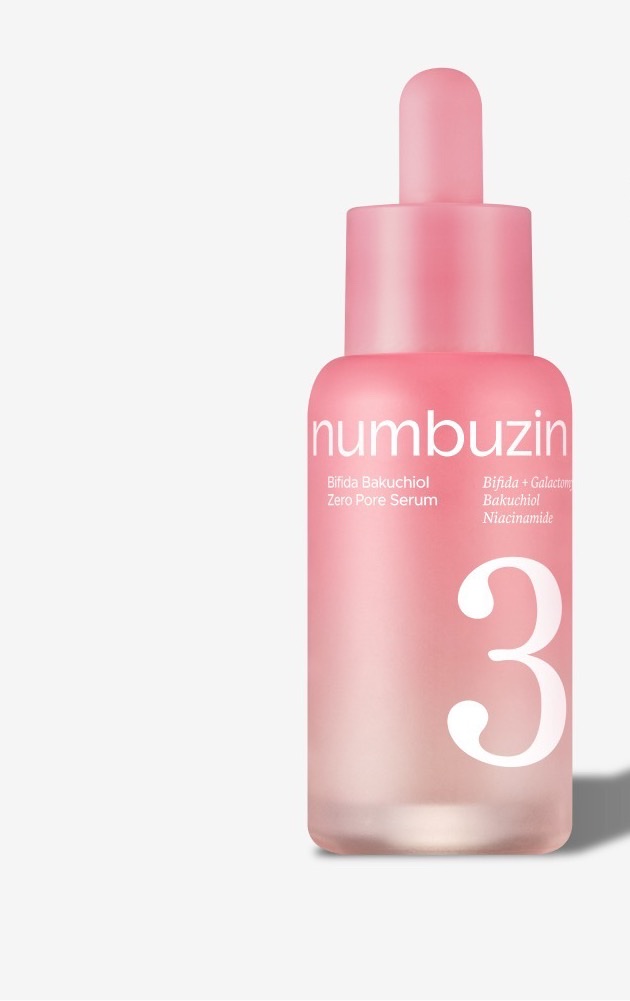
Numbuzin is Korean. The brand belongs to BENOW Inc. (비나우) in Seocho, Seoul, which also owns the makeup brand fwee. Its two largest shareholders hold 66.9%, per DART audit reports. Revenue reached ₩325 billion in 2025, 55% of it from outside Korea.

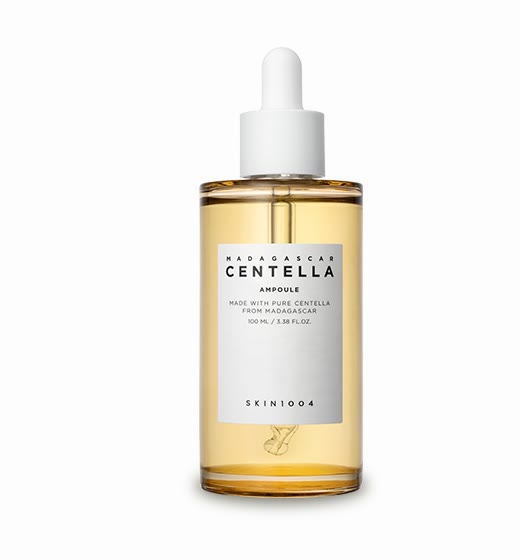
SKIN1004 is Korean. Its maker, Craver Corporation (크레이버코퍼레이션) in Seoul, is controlled by Goodai Global through TM Beauty and a Japanese holding company, per DART filings. Revenue reached ₩678 billion in 2025, 83% of it from outside Korea.

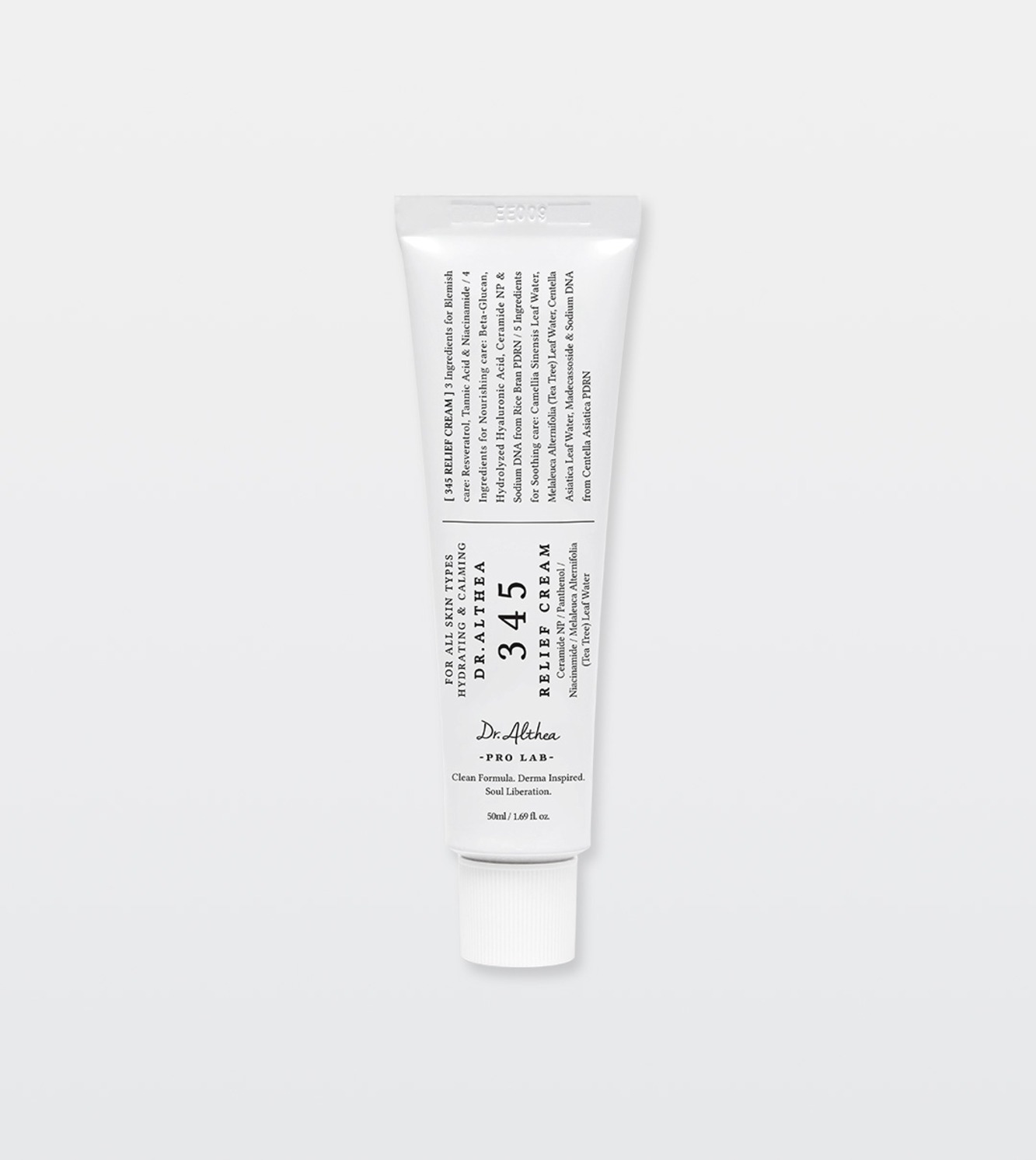
Dr.Althea is Korean. The brand belongs to The Pure Lab (더퓨어랩) in Seoul, a 2025 spin-off wholly owned by JL Holdings, per DART audit reports. The Pure Lab booked ₩204.4 billion in 2025 revenue and ₩86.1 billion in net profit.

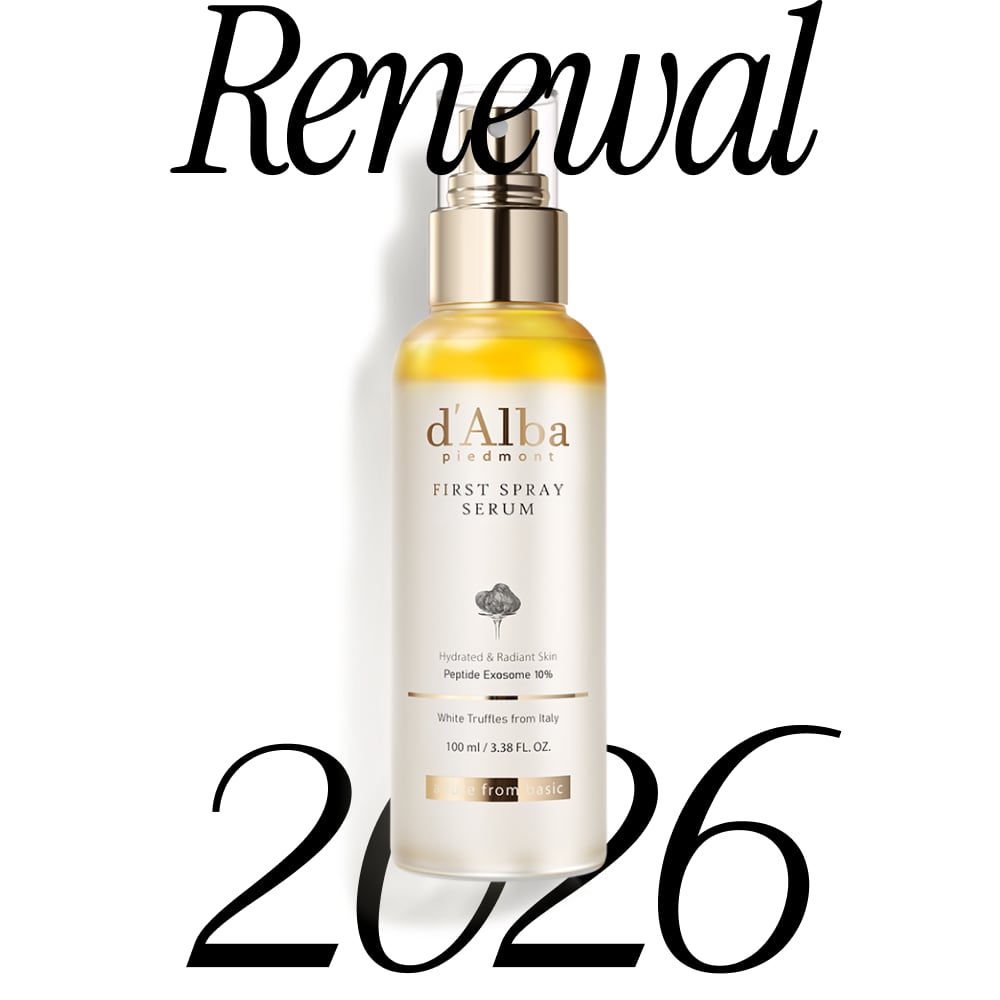
d'Alba is Korean, not Italian. d'Alba Global (달바글로벌) is a Seoul company listed on KOSPI since May 2025, its founder owns 18.2%, and the mist is made in Korea by B&B Korea. Only the truffle extract and the name point to Italy.

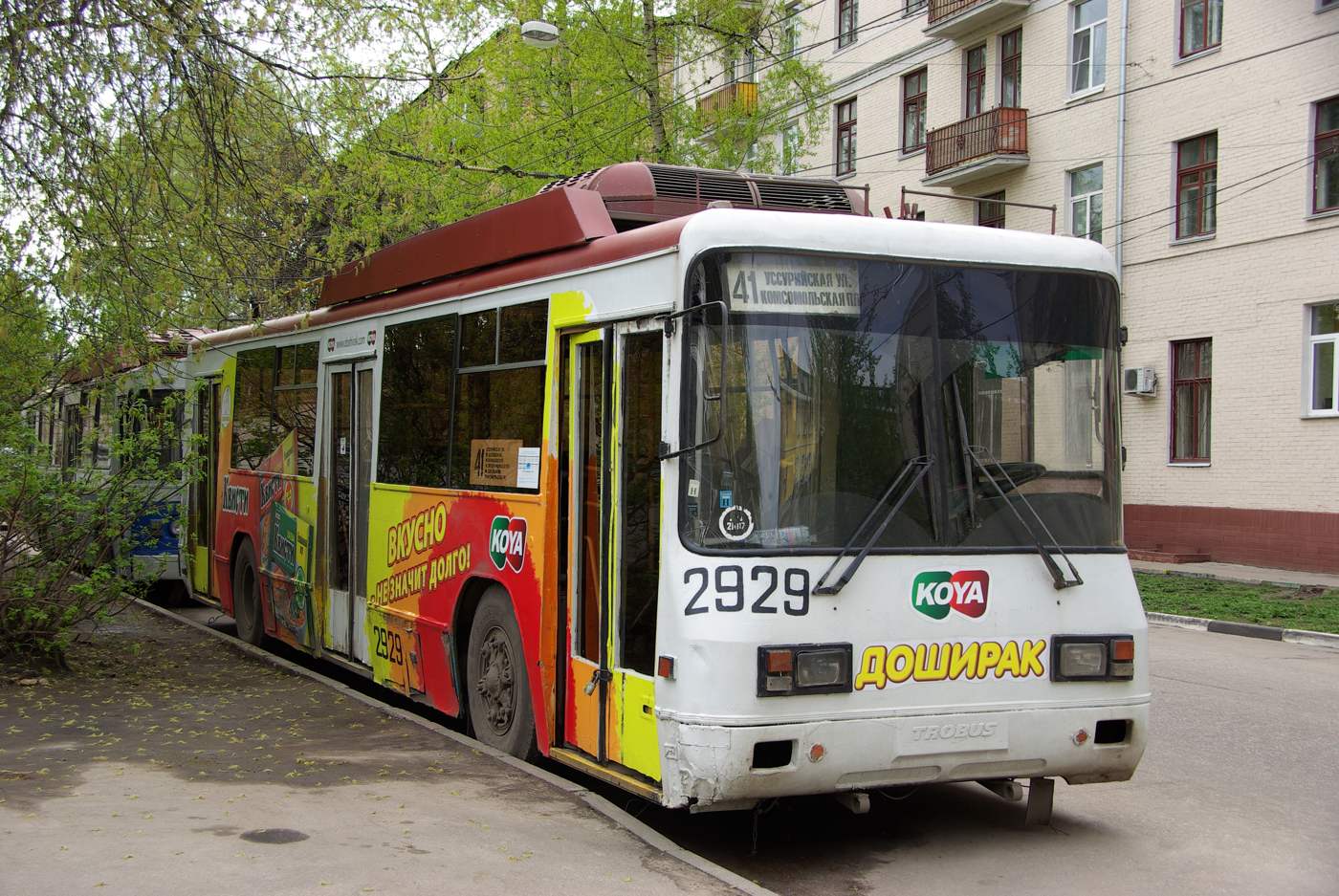
Doshirak is a Korean cup noodle Paldo launched in 1986. Russia has bought 8 billion, ten times Korea's 800 million. A tray is ₽109 in Moscow. In 2025 the Russian arm netted ₩105.1bn; Paldo's Korean business made ₩0.93bn operating profit.

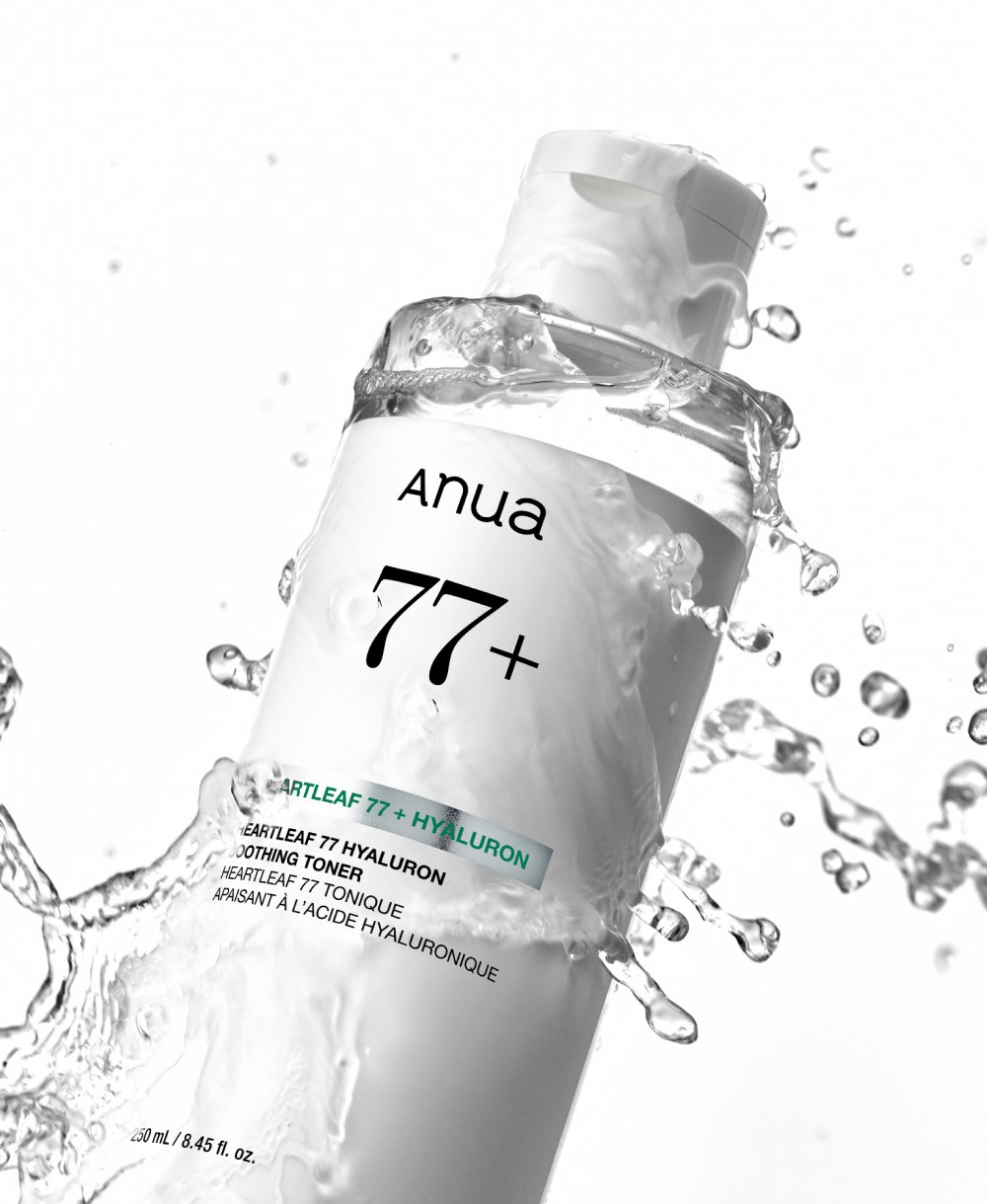
Anua is Korean. Its parent, The Founders (더파운더즈), is 100% owned by its two co-CEOs, per its DART audit report. Revenue rose from ₩57.6 billion in 2022 to ₩717.7 billion in 2025, and the toner is made by Kolmar Korea.

Biodance is Korean. It belongs to Beauty Selection (뷰티셀렉션), a Seoul company whose co-founder and CEO own 87.6% of it. Revenue went from ₩41.6 billion in 2023 to ₩248.1 billion in 2025, per its DART audit reports.

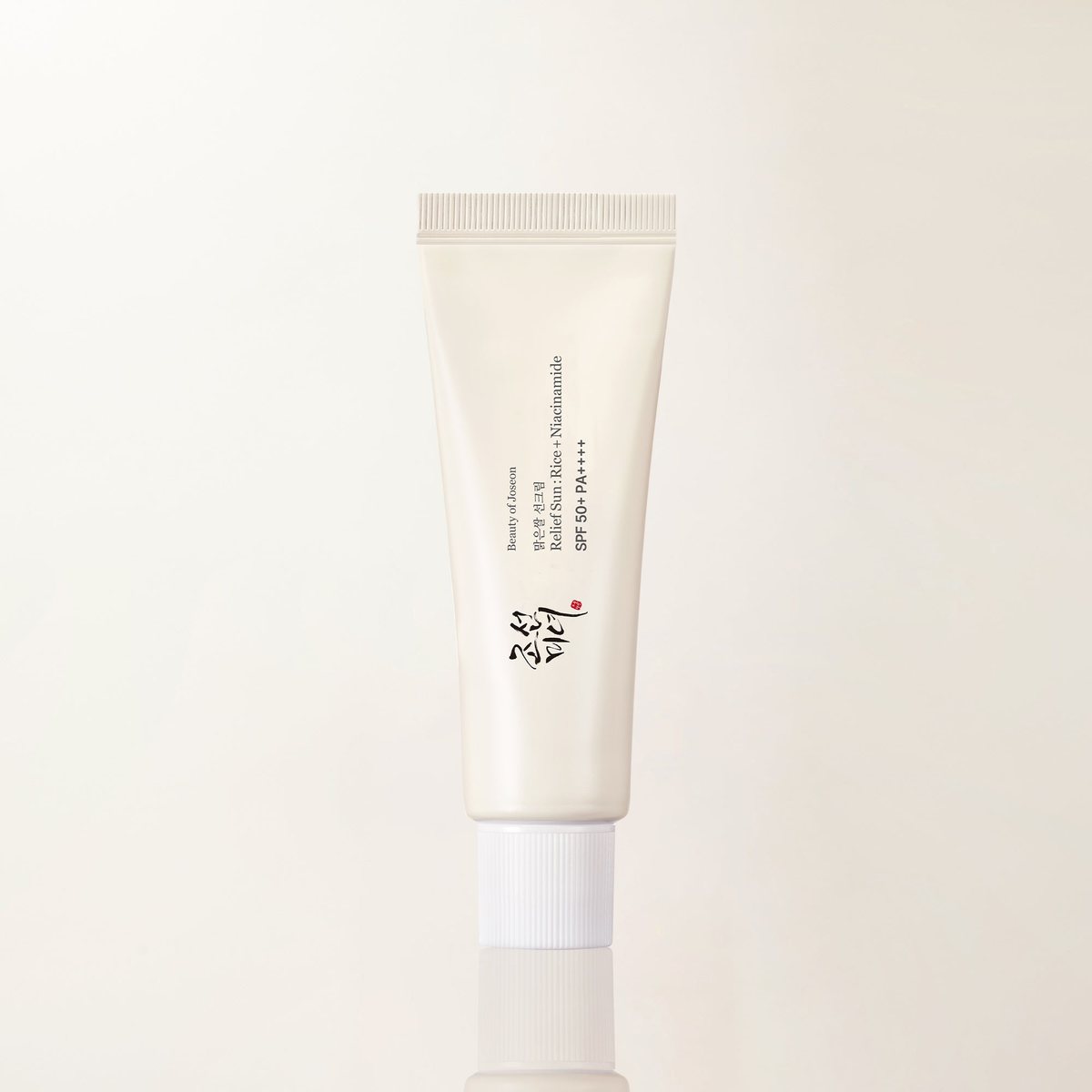
Beauty of Joseon is not independent. It belongs to Goodai Global (구다이글로벌), a Seoul company 96.4% owned by its CEO that also owns TIRTIR, SKIN1004, Round Lab and Skinfood. ₩1.47 trillion revenue in 2025, read from its DART audit report.

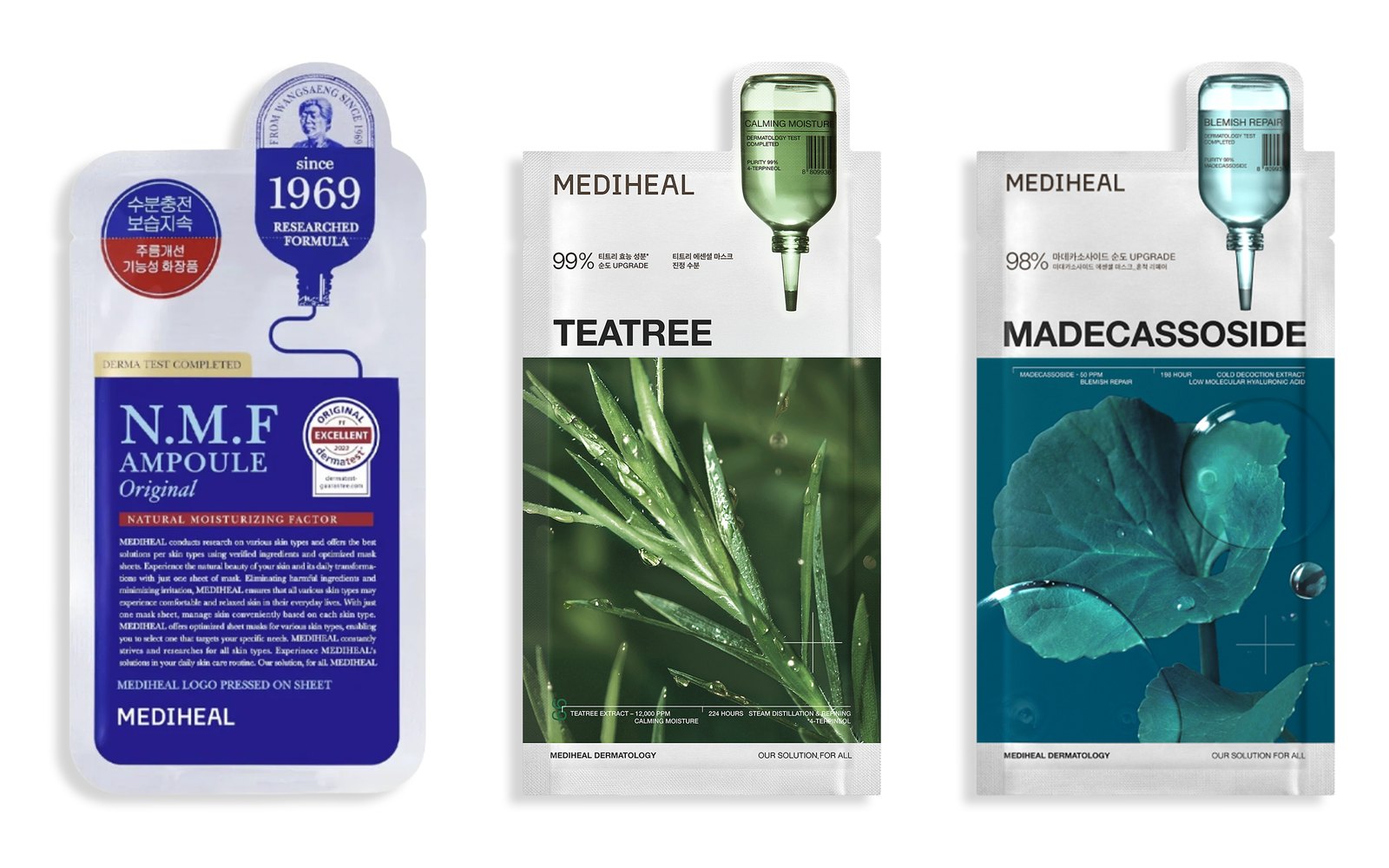
MEDIHEAL is made by L&P Cosmetic, an unlisted Seoul company — not by Medicube's owner APR. Its audit report shows ₩323.4bn revenue in 2025, a ₩190bn sale of Manyo Factory, and a shareholder register led by a holder Korean press identify as the founder's wife.

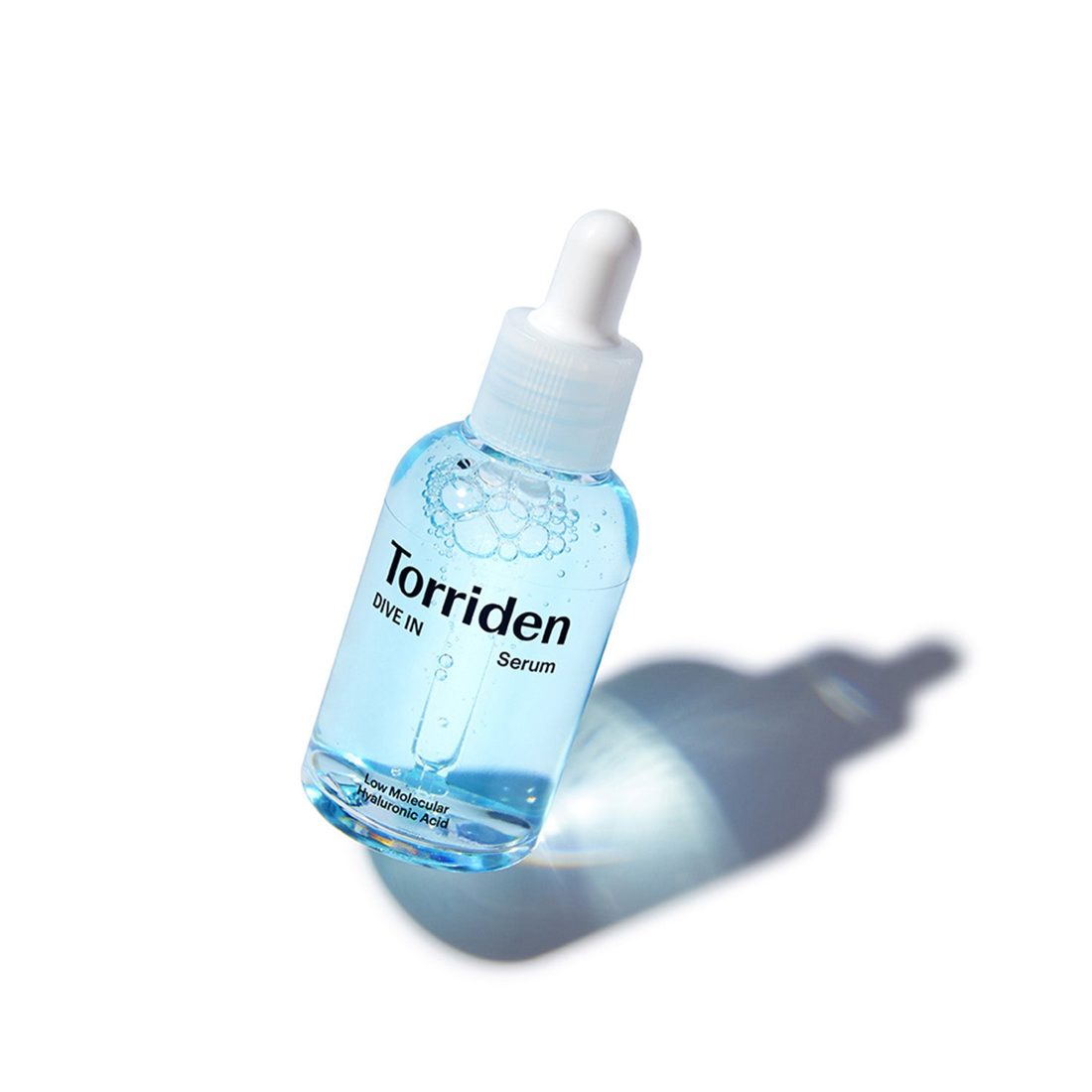
Torriden, the Korean company behind Dive-In serum, is still run and controlled by its two Daejeon co-founders, who held 70% in its DART audit report. ₩274.3bn (US$207m) in 2025 sales, no factory of its own, a dead LG deal and a Goodai Global minority stake.

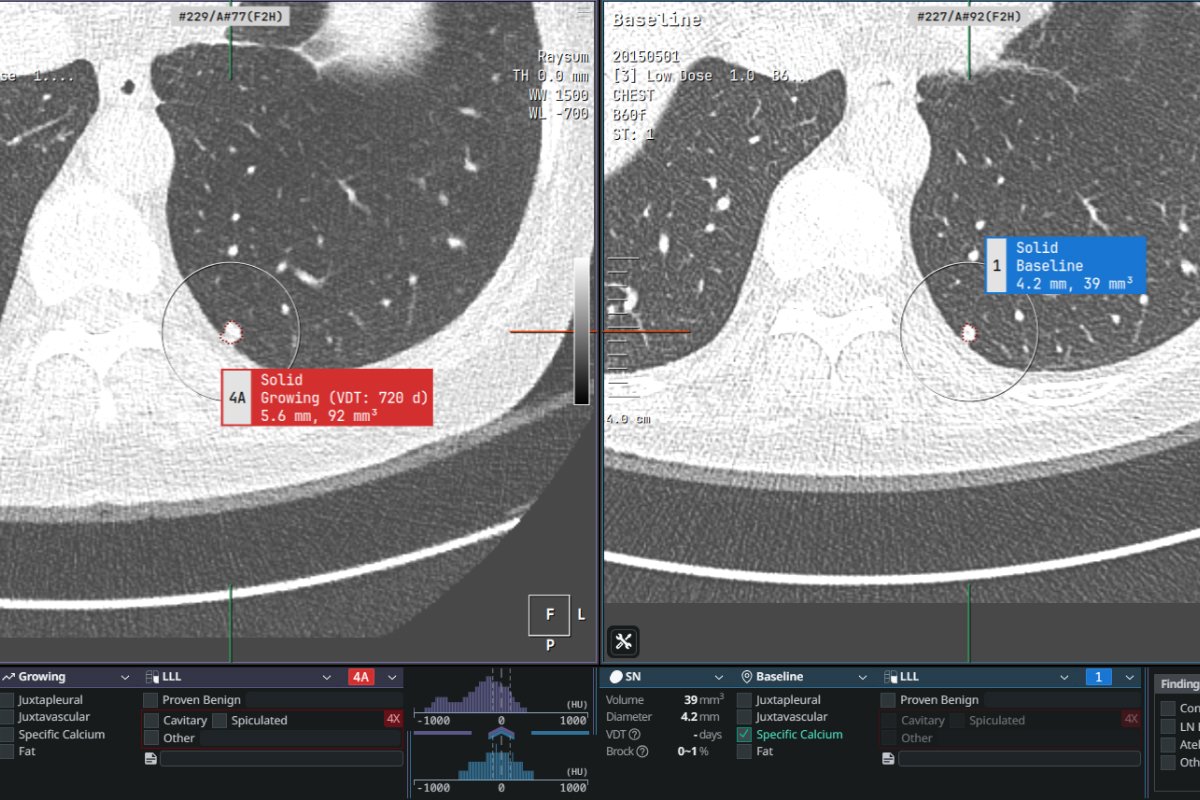
Germany's new lung cancer screening rules require computer-aided detection software. Seoul's Coreline Soft, 95 staff, went from about 10 new German contracts in 2025 to 77 by July 2026, plus 18 upgrades. Its revenue is still catching up.

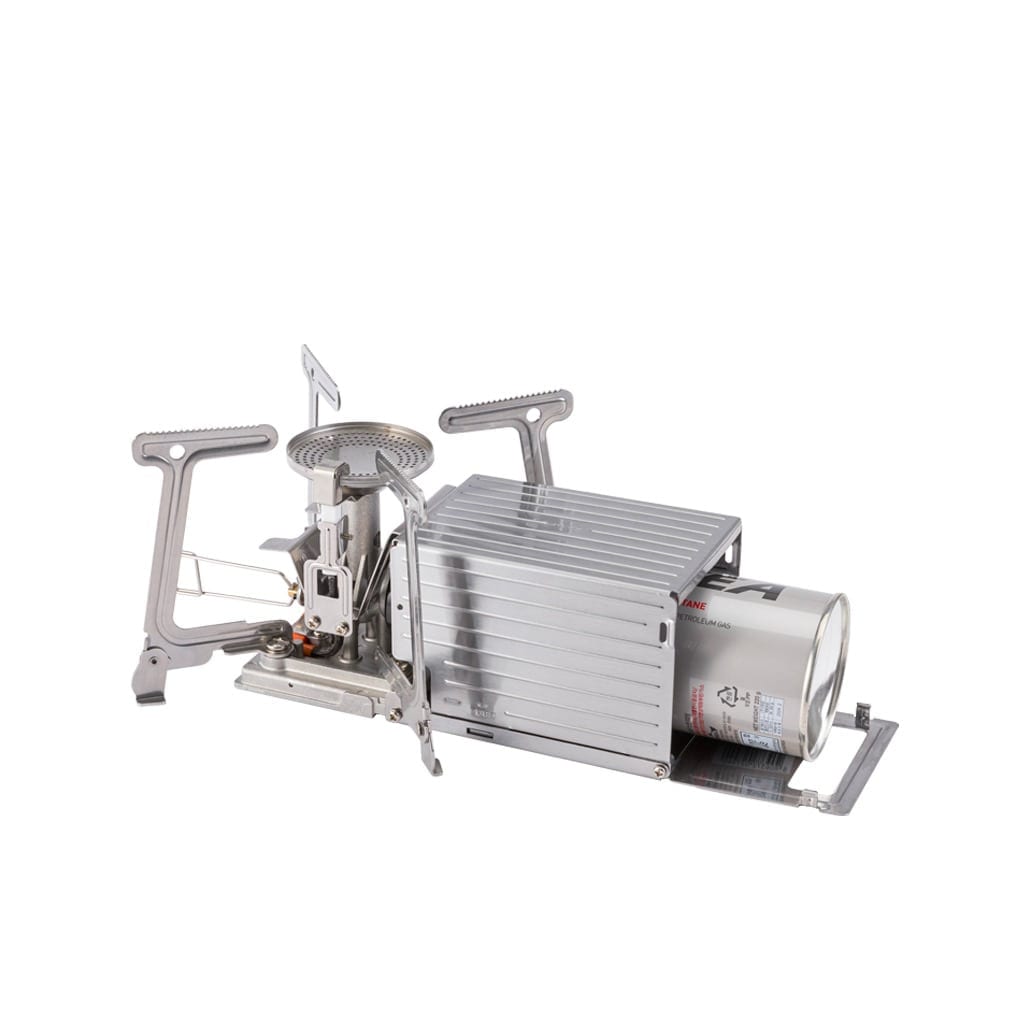
Look at the box your Snow Peak LiteMax came in and it says Made in Korea. Kovea started in 1982 when its late founder took apart a Swedish SVEA burner, now supplies MSR and Decathlon, and still earned a 21% operating margin after Korea's camping market halved.

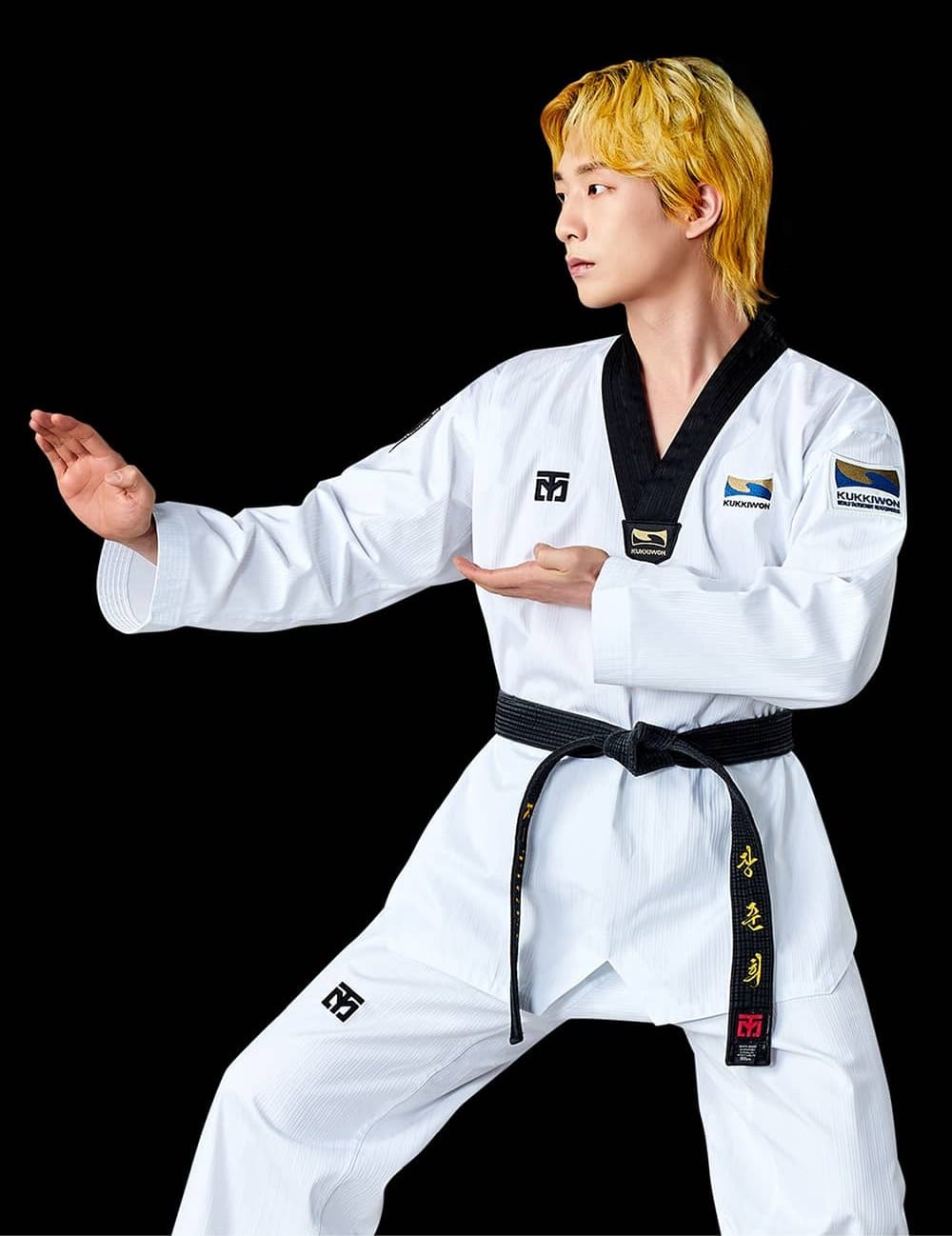
World Taekwondo recognises Mooto in six equipment categories. The two it is absent from are the electronic ones — and the scoring system at Tokyo 2020 and Paris 2024 came from Barcelona. A look at the Korean company that dresses the sport Korea exported.

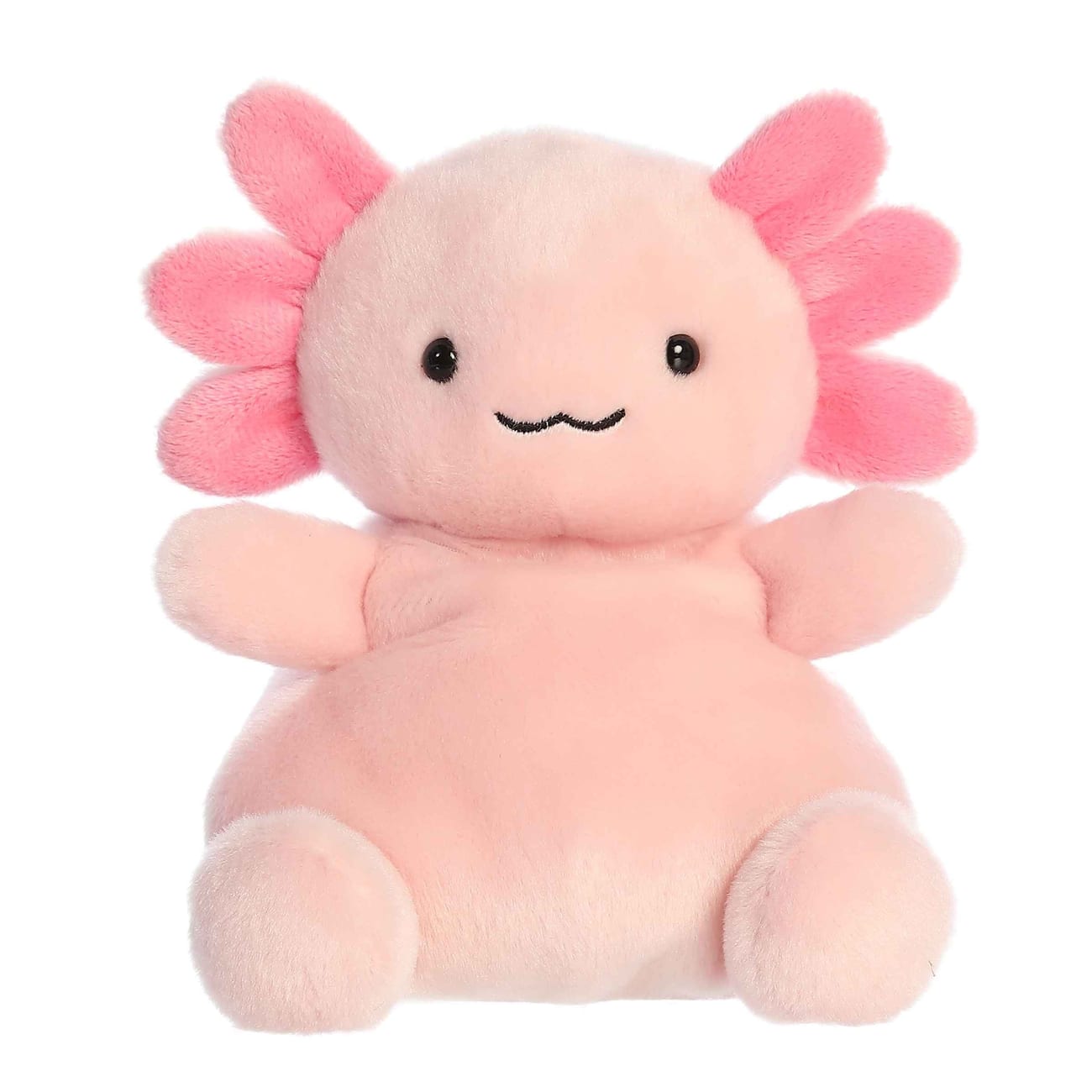
Aurora World Corporation (오로라월드) is a KOSDAQ-listed Seoul company; Aurora World, Inc. in California is its wholly owned US arm. A DART-filing deep dive: FY2025 revenue ₩328.1bn, H1 2026 ₩188.6bn, the founder family's 46.50%, its own Indonesian factories, Palm Pals, Mary Meyer and the debt.

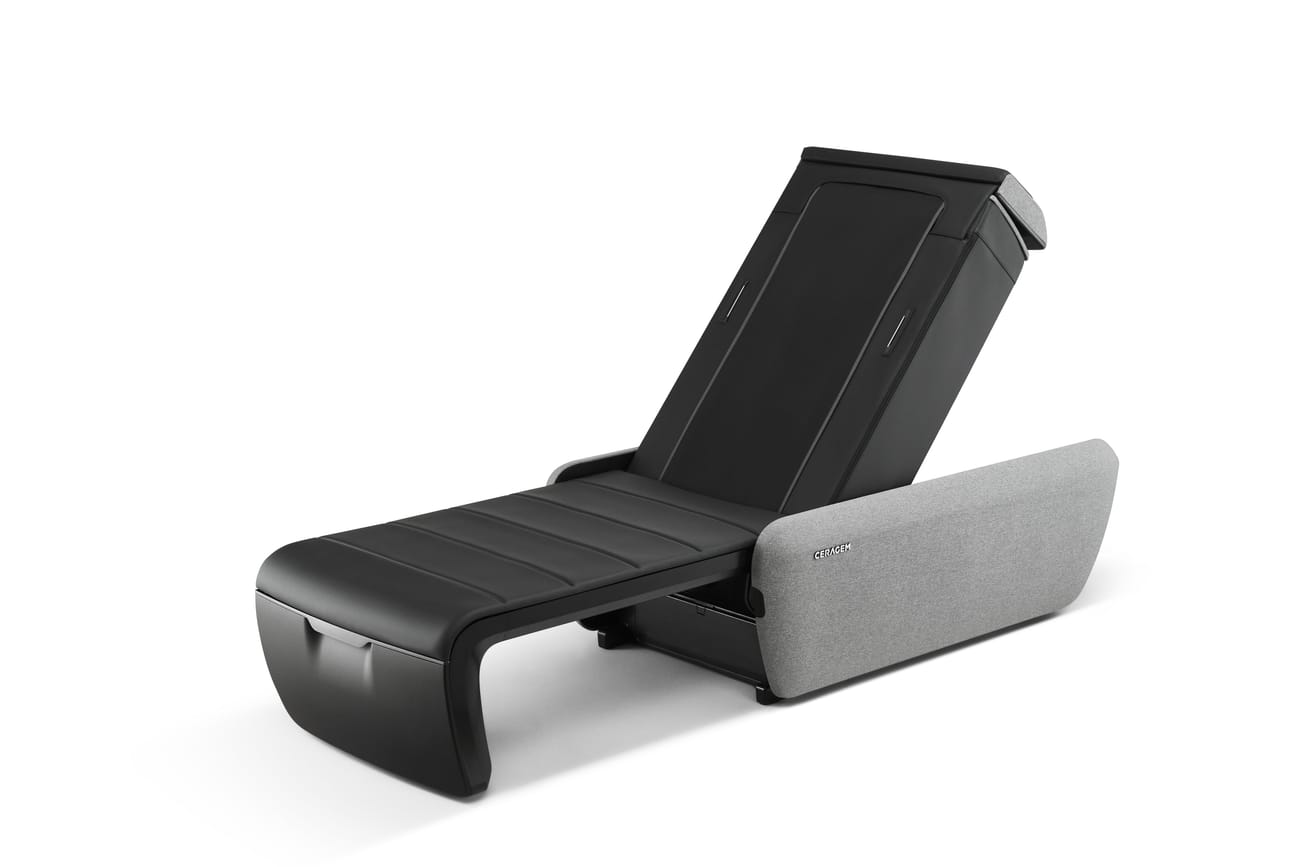
CERAGEM's real invention was not the thermal massage bed but the café where you lie on one free with a coffee — 5.72 million people by 2024. A deep dive from its DART audit reports: revenue down 27% from the 2022 peak, and operating profit up from ₩2.2bn to ₩25.8bn in 2025.

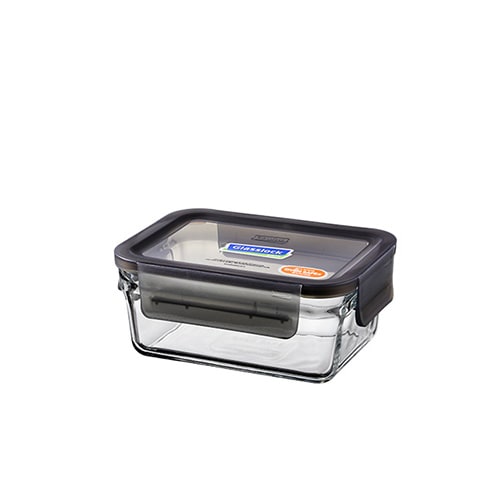
Lock&Lock is the Korean container brand English speakers know, and a Hong Kong private equity firm owns all of it. Glasslock, still Korean-owned and made in Korea, has no English story at all. A public-information deep dive on SGC Solution.

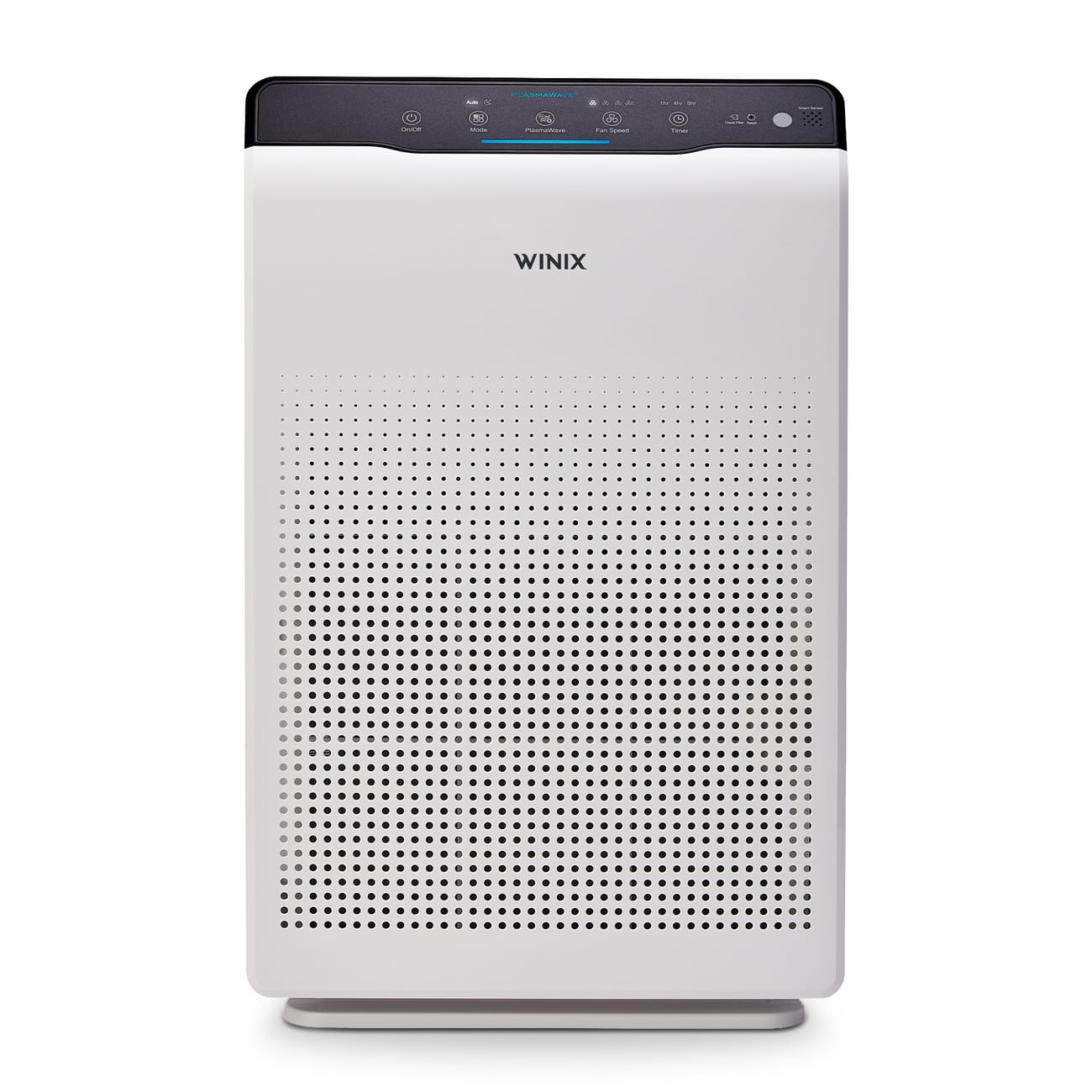
The Winix 5500-2 sits in Costco carts and Wirecutter lists, and almost nobody who buys one knows the maker: a Korean company founded in 1973 that localised refrigerator heat exchangers, owns Korea's dehumidifier market — and in 2024 bought an airline.

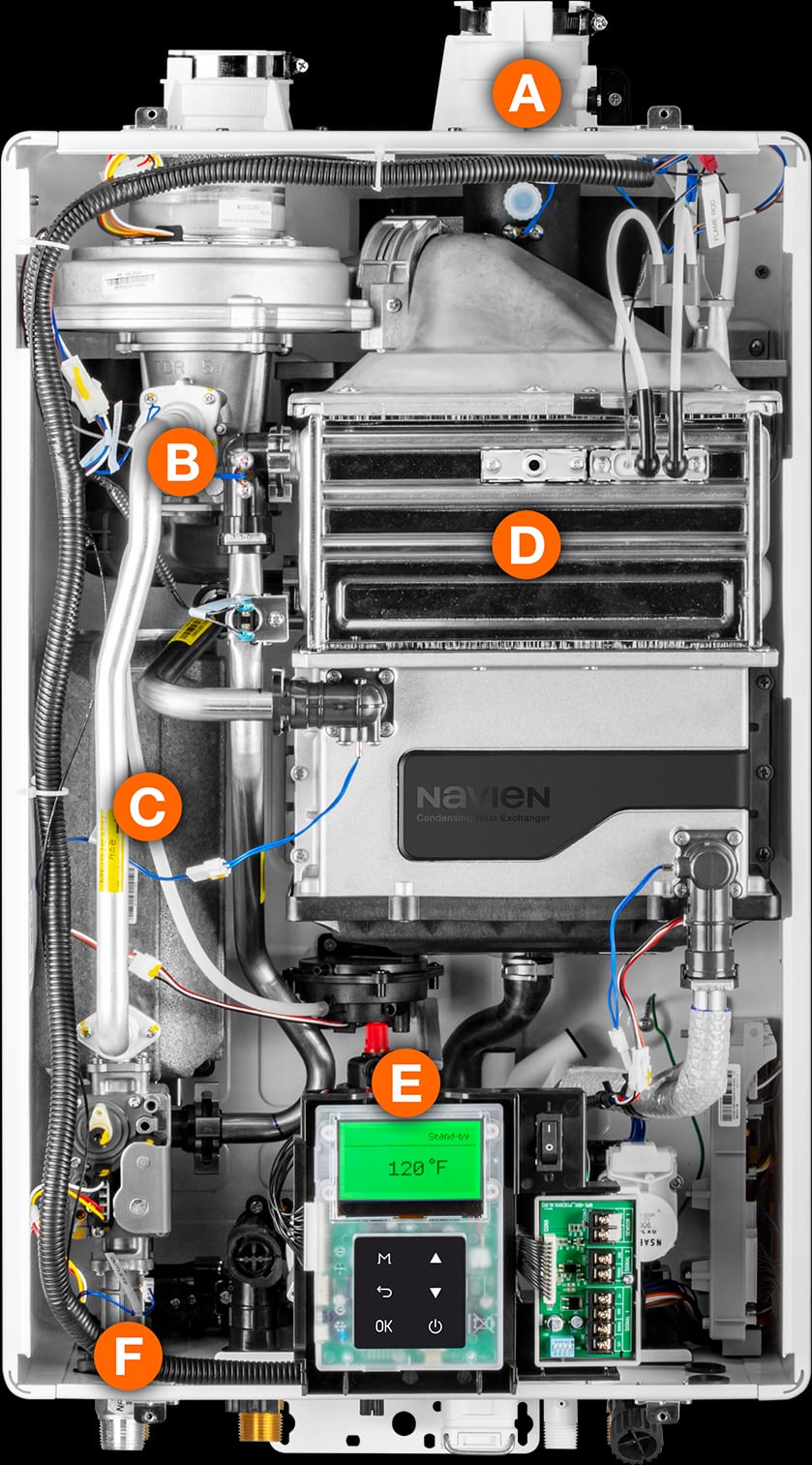
Navien is Korean: the brand belongs to Kyungdong Navien (경동나비엔), 56.72% owned by the Son family's holding company Kyungdong Won (경동원). Navien says it is North America's top-selling maker of gas tankless water heaters, and its H1 2026 operating profit already beat all of 2025.

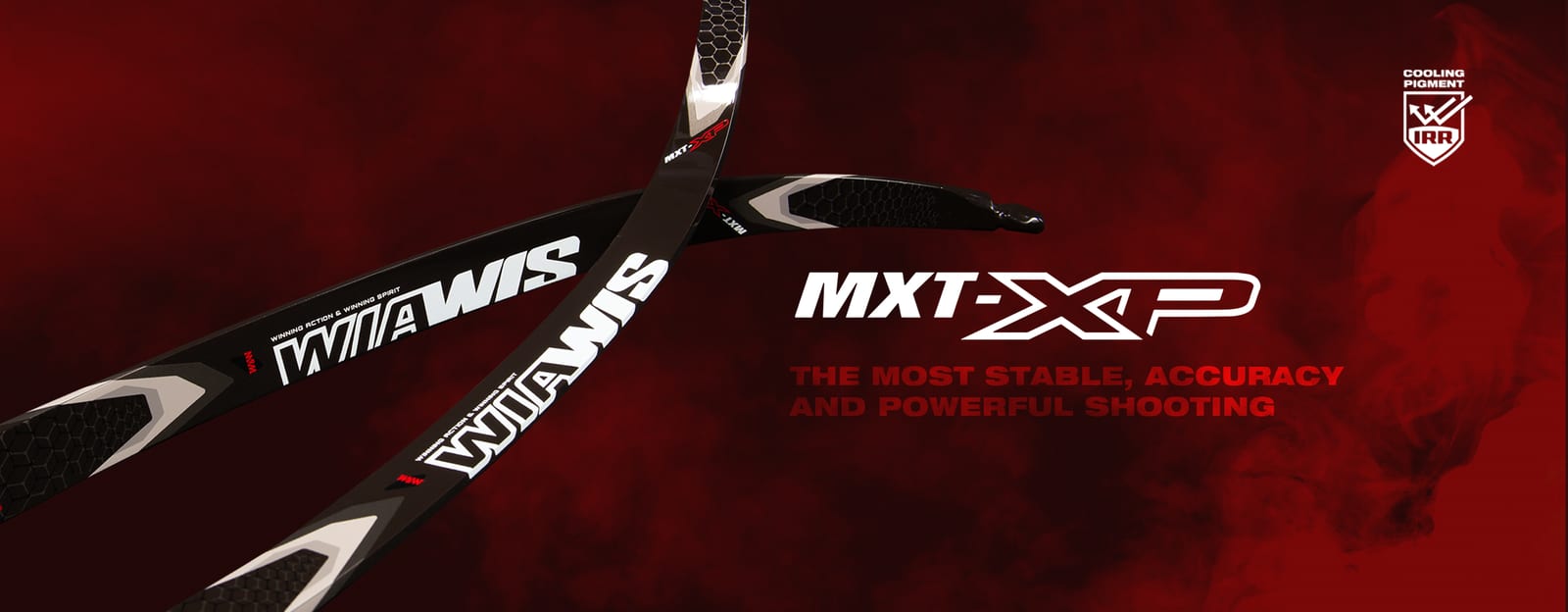
At Paris 2024, 65 of the 128 Olympic archers shot a Korean bow. Thirty years earlier, Korea's gold medals were won on American equipment — until national-team coach Park Kyung-rae quit a ₩100 million job, bet his entire fortune on carbon, and built WIAWIS.

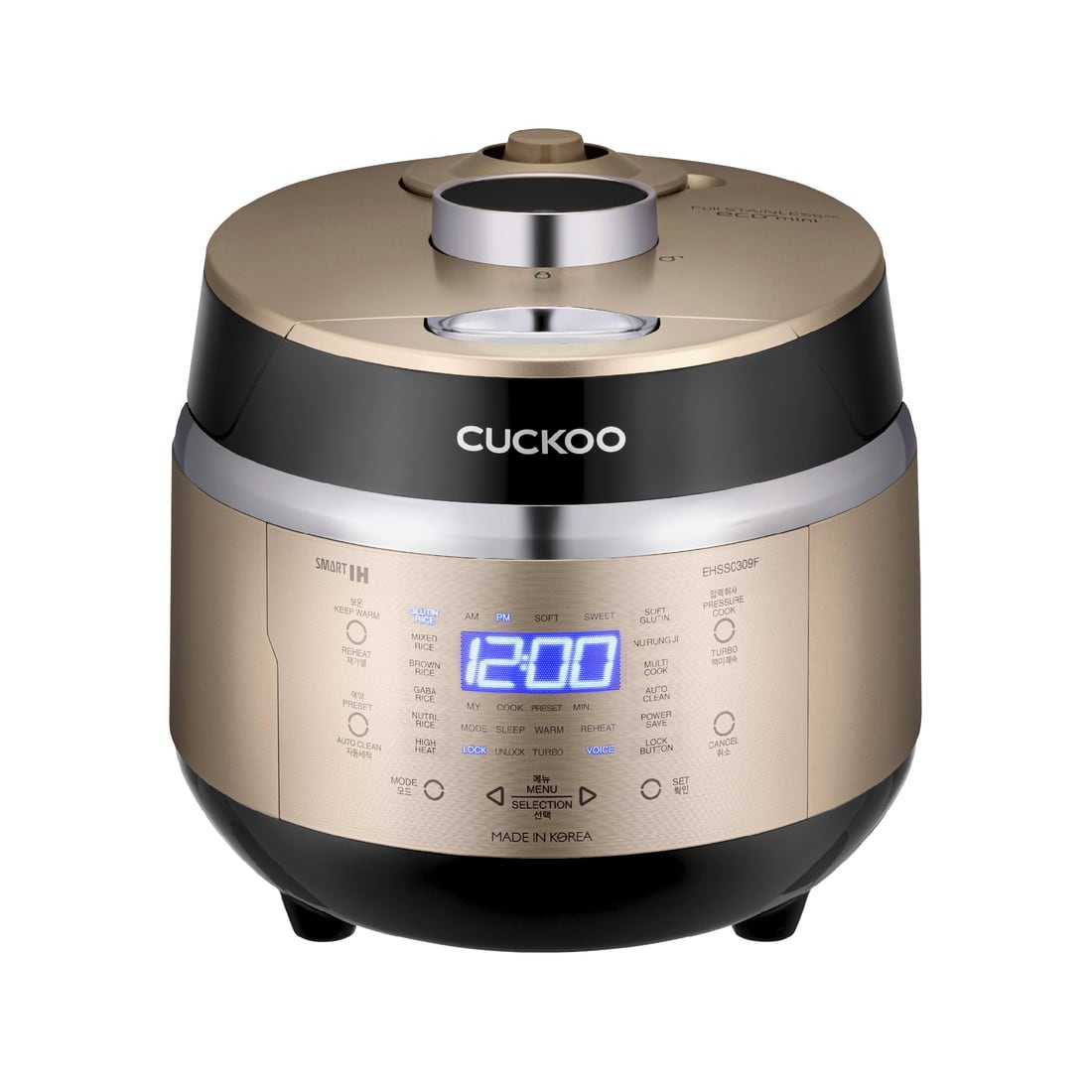
Cuckoo is Korean: Cuckoo Electronics (쿠쿠전자) is wholly owned by Yangsan-based Cuckoo Holdings, 64.85% held by the Koo family. Its rental sister, Cuckoo Homesys, outsold the rice cookers in 2025.

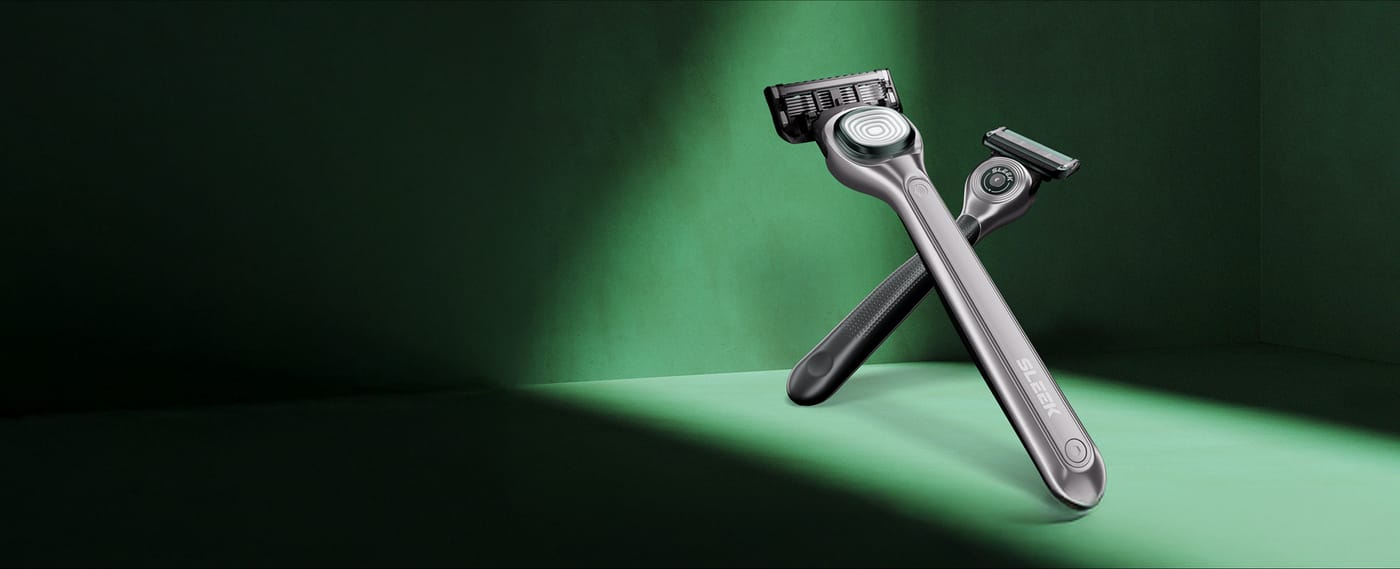
Millions of Americans shaved with Korean blades and never knew. Dorco made Dollar Shave Club's razors while DSC sold to Unilever for $1 billion — then DSC faded and the 70-year-old Korean blade maker grew 26% with a 20% margin. Koreans think it is Japanese.
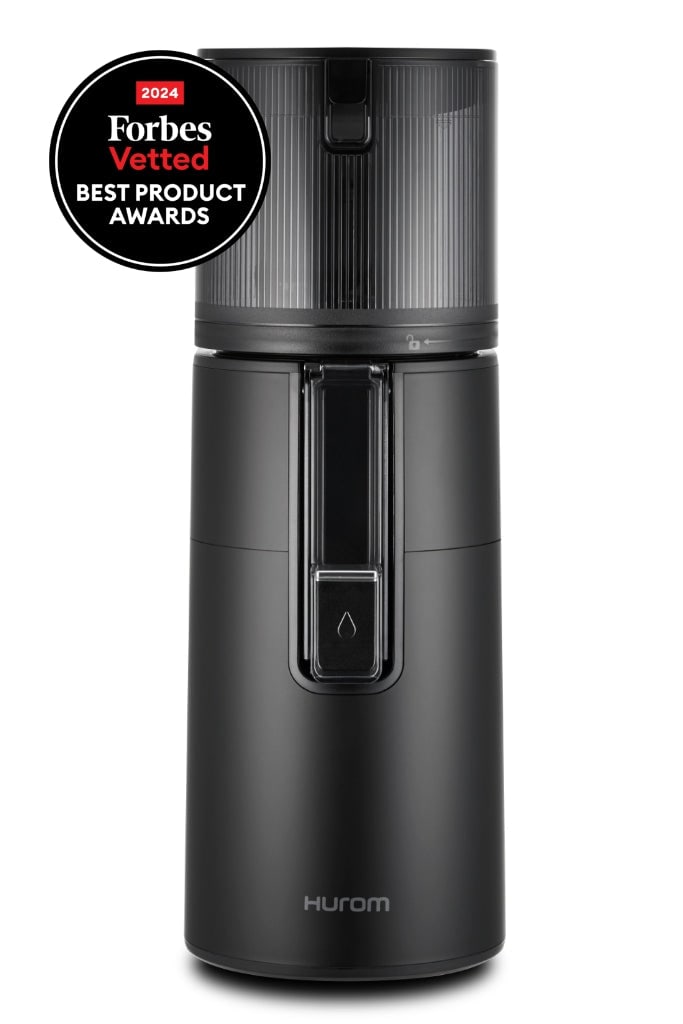
Every slow juicer on earth descends from a machine a Gimhae company launched in 2005. Hurom sold 12 million units in 80 countries — then a European court voided its patent, revenue fell 15%, and the invention outgrew the inventor. The full arc, honestly.

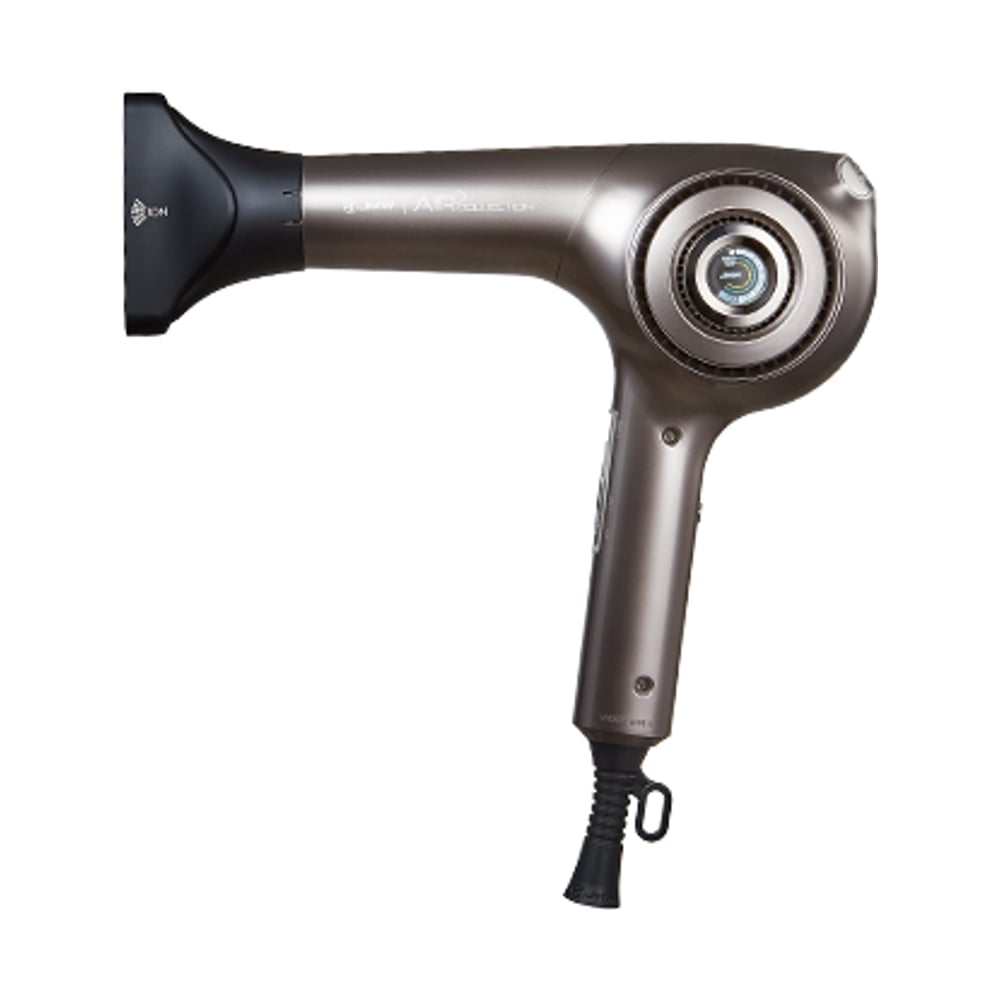
Overseas listings say JMW builds aircraft motors. It does not — it is a 50-person Seoul company that put a BLDC motor in a hair dryer first, became the Korean salon standard, and coined a category name its own buyers now believe.

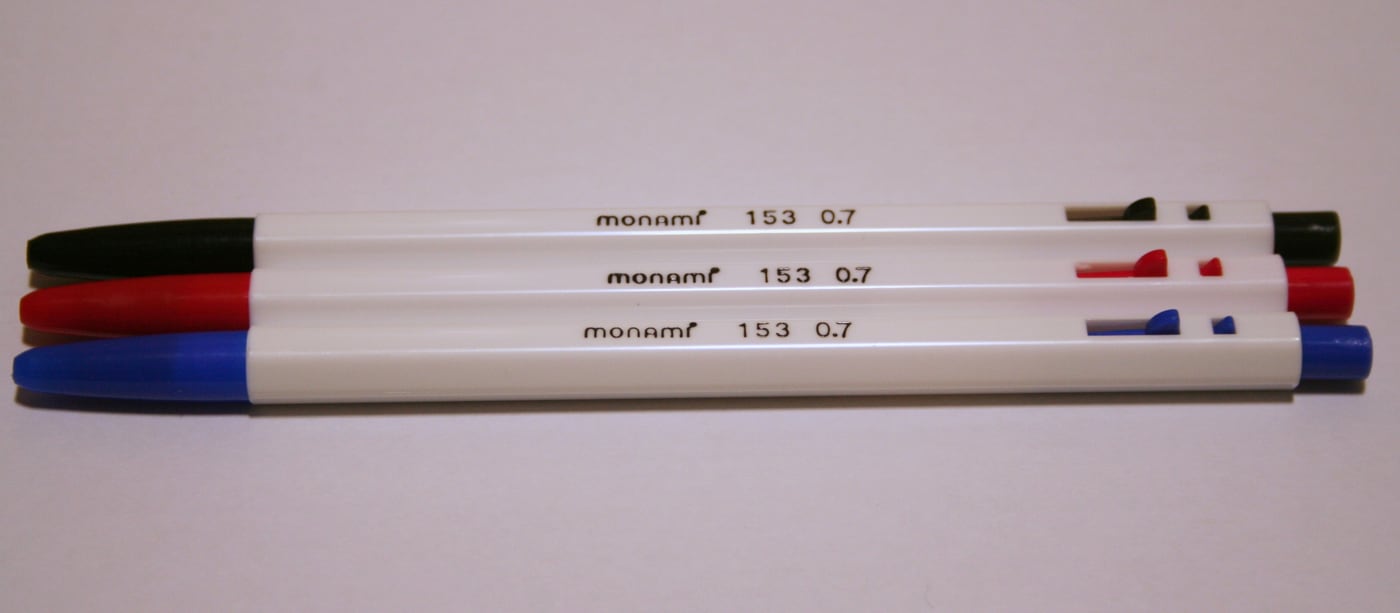
The Monami 153 has been Korea's default pen since 1963 — named for its ₩15 launch price, and it now costs ₩400. Limited editions sell out in hours and resell at multiples. The company behind it has lost money three years running. Both halves, explained.

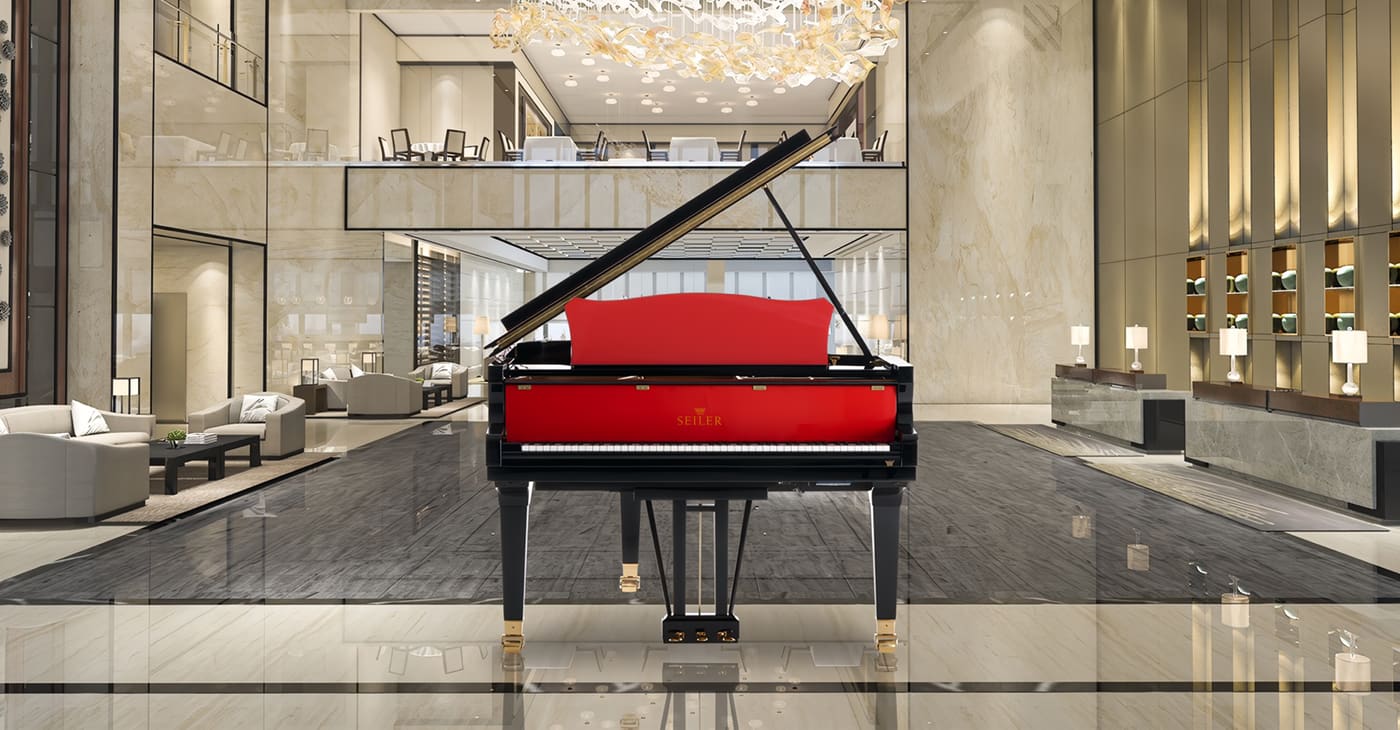
In 1994 one Korean company built nearly 50% of the world's guitars — your vintage Epiphone or Squier may be one of them. Then a ₩2.7 billion bounced note bankrupted it, a new owner revived it, and in 2013 it came one dollar per share short of owning Steinway.

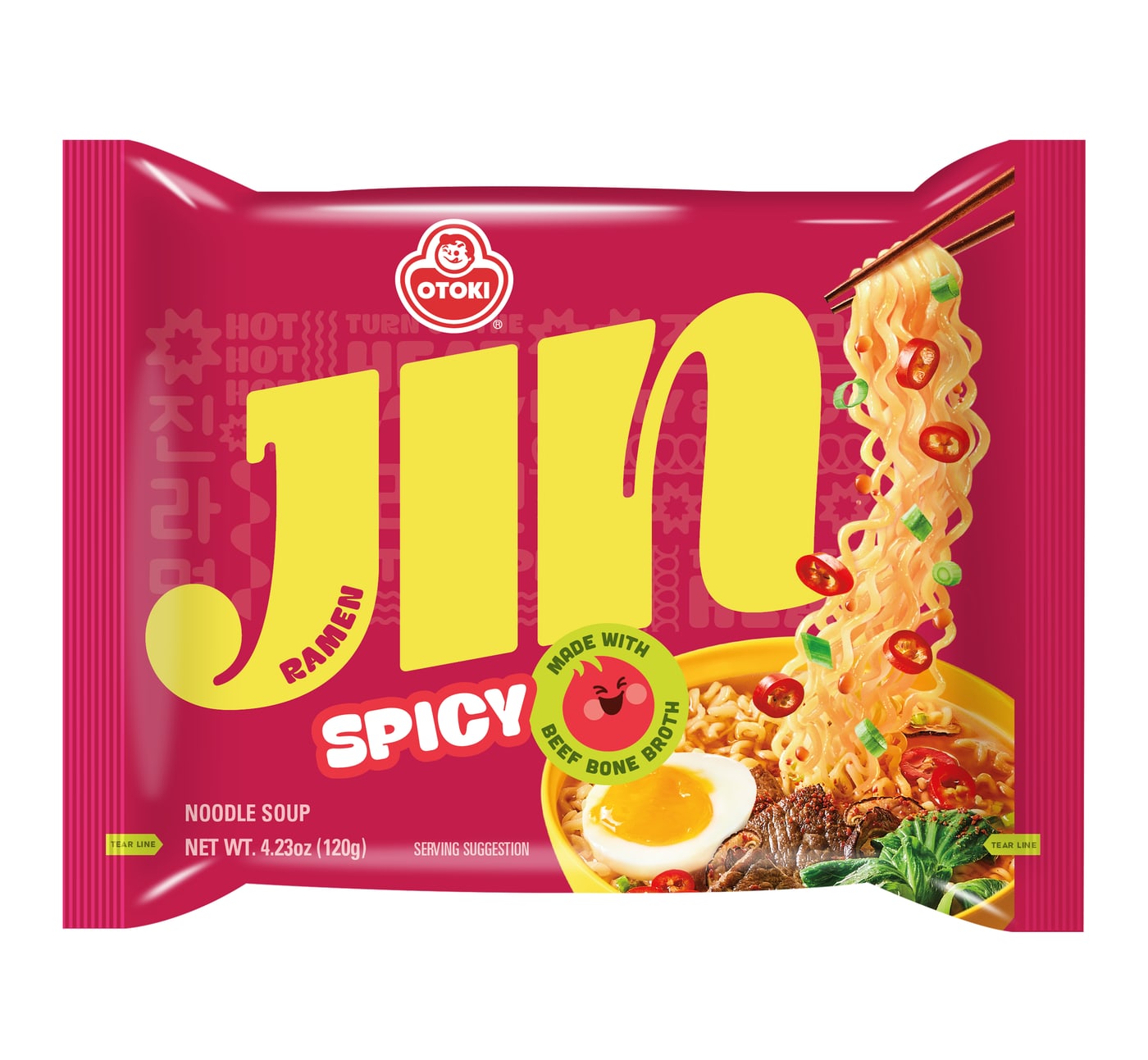
Ottogi renamed itself Otoki in English in 2024. It sells more curry, mayonnaise and instant rice inside Korea than almost anyone, yet only about 11% of revenue comes from overseas while Samyang Foods runs at 84.5%. Here is why, and what changes by 2030.

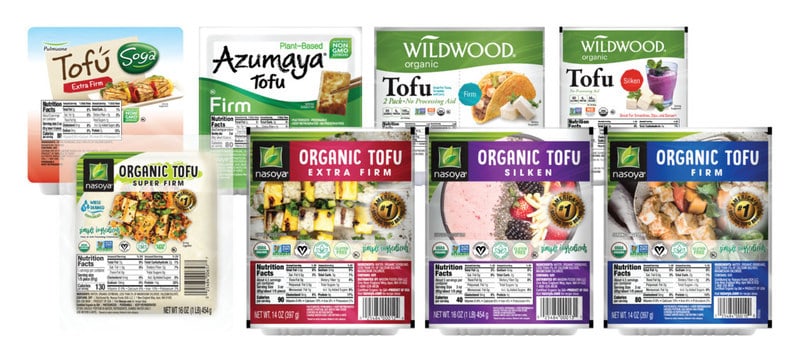
Nasoya, Wildwood, Azumaya and Soga are all owned by one Korean company, and none of them say so on the pack. Pulmuone has led the US tofu market for 11 straight years. Its overseas division still lost money in 2025. Both facts are true.
ICONIX makes under 10 percent of its money from broadcasting Pororo and over 90 percent from licensing it. A public-information deep dive on the Korean character IP company behind Pororo, Tayo and Zanmang Loopy, and what its model shows overseas operators.

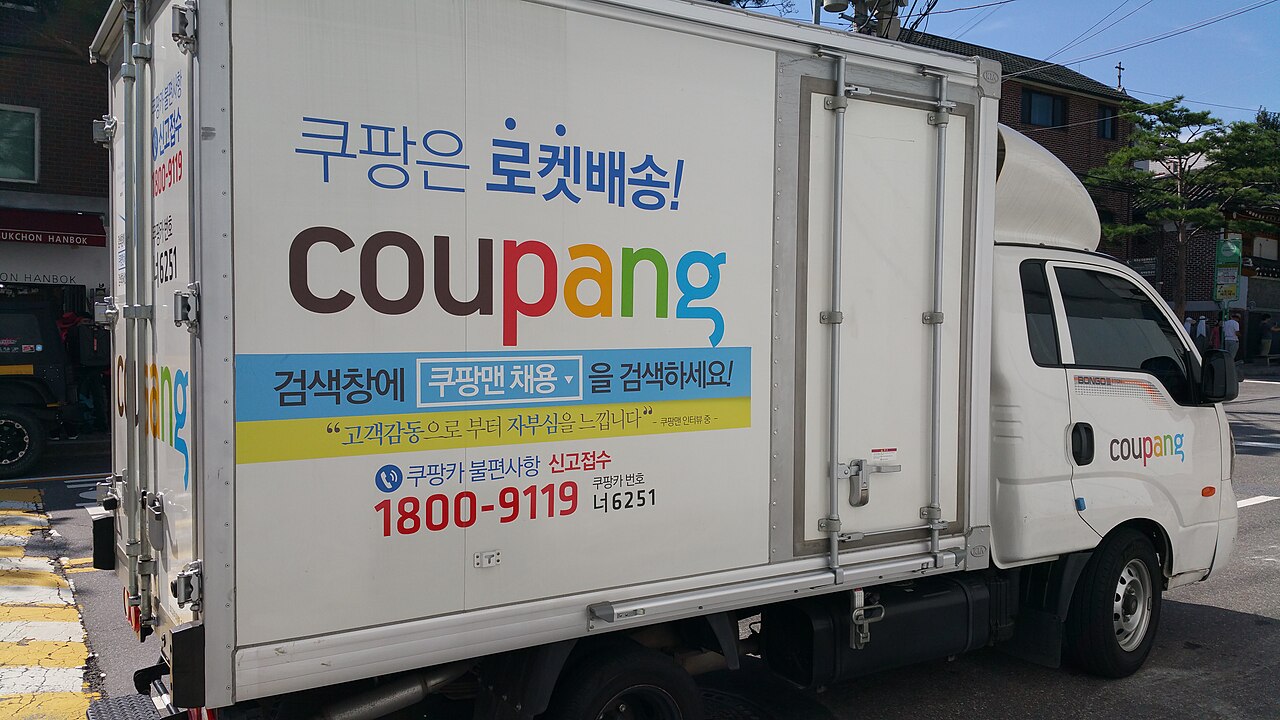
A public-info deep dive on Coupang, Korea's dominant e-commerce company, covering Rocket Delivery, 2025-2026 financials, Farfetch/R.LUX, and real risks.

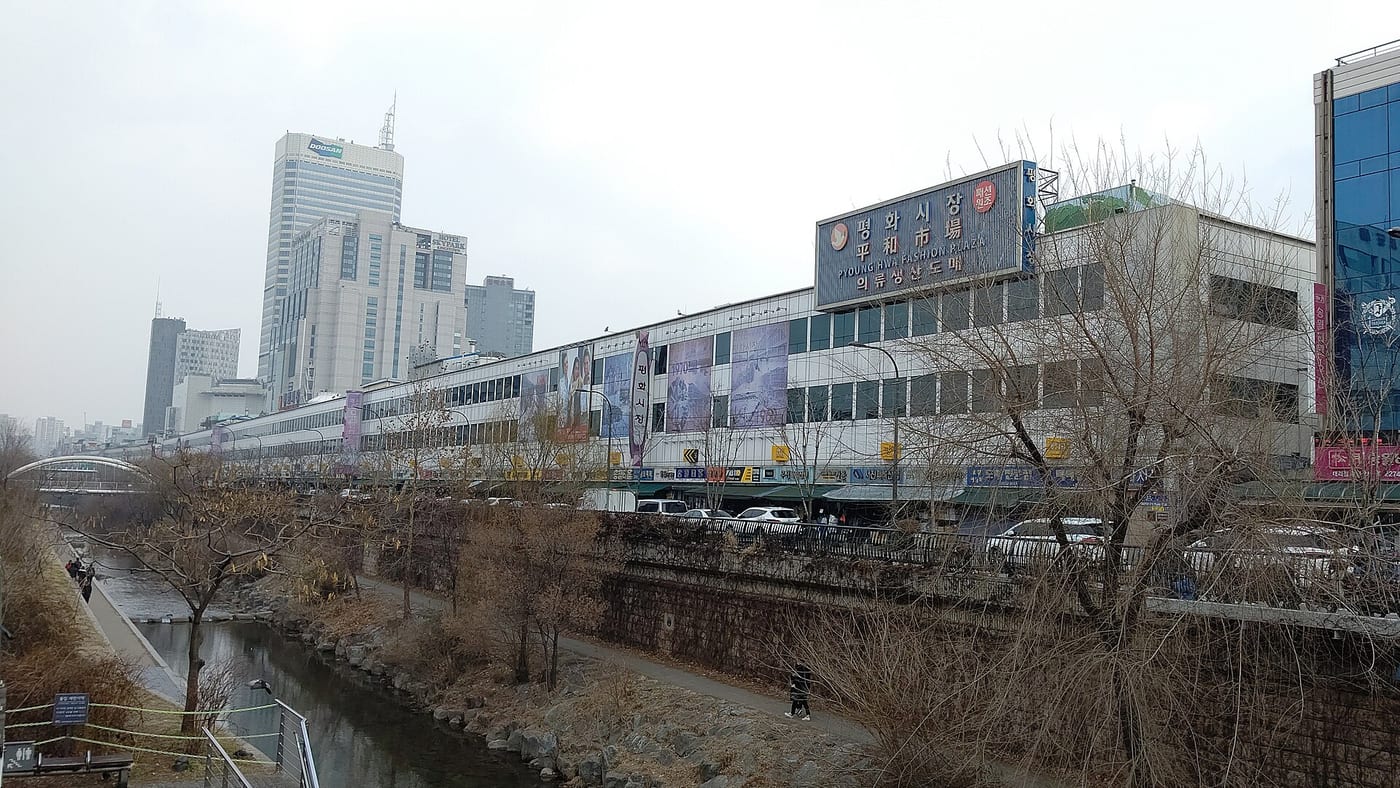
An overseas-buyer guide to Korean apparel manufacturers and Dongdaemun sourcing: wholesale vs OEM, MOQs, sample rooms, quality checks, and export risk.

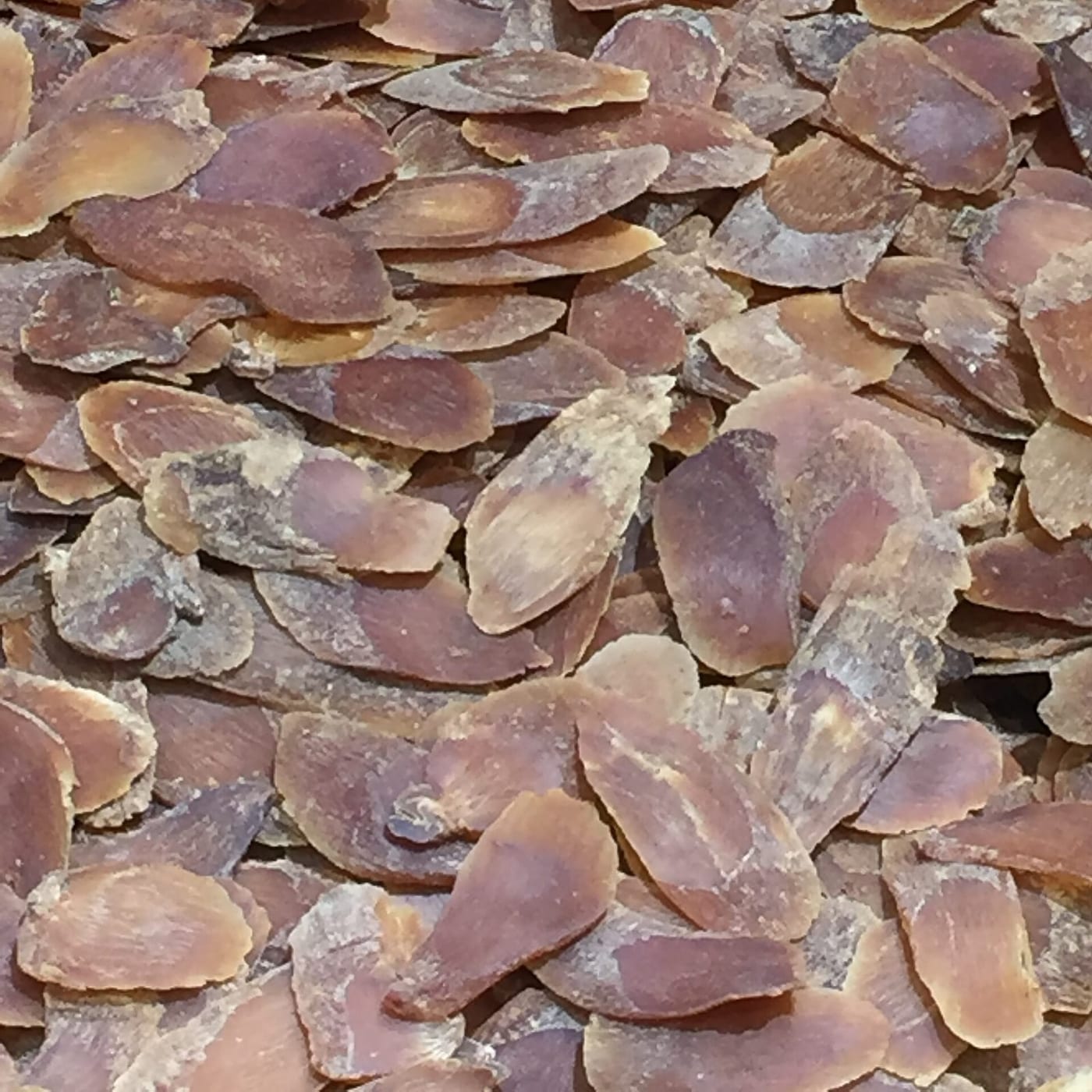
An overseas-buyer guide to Korean health supplement suppliers: red ginseng, collagen, MFDS health functional food rules, GMP, and sourcing risk.

A practical overseas-buyer guide to Korean medical device suppliers, dental implants, aesthetic devices, trade shows, MFDS checks, and sourcing risk.

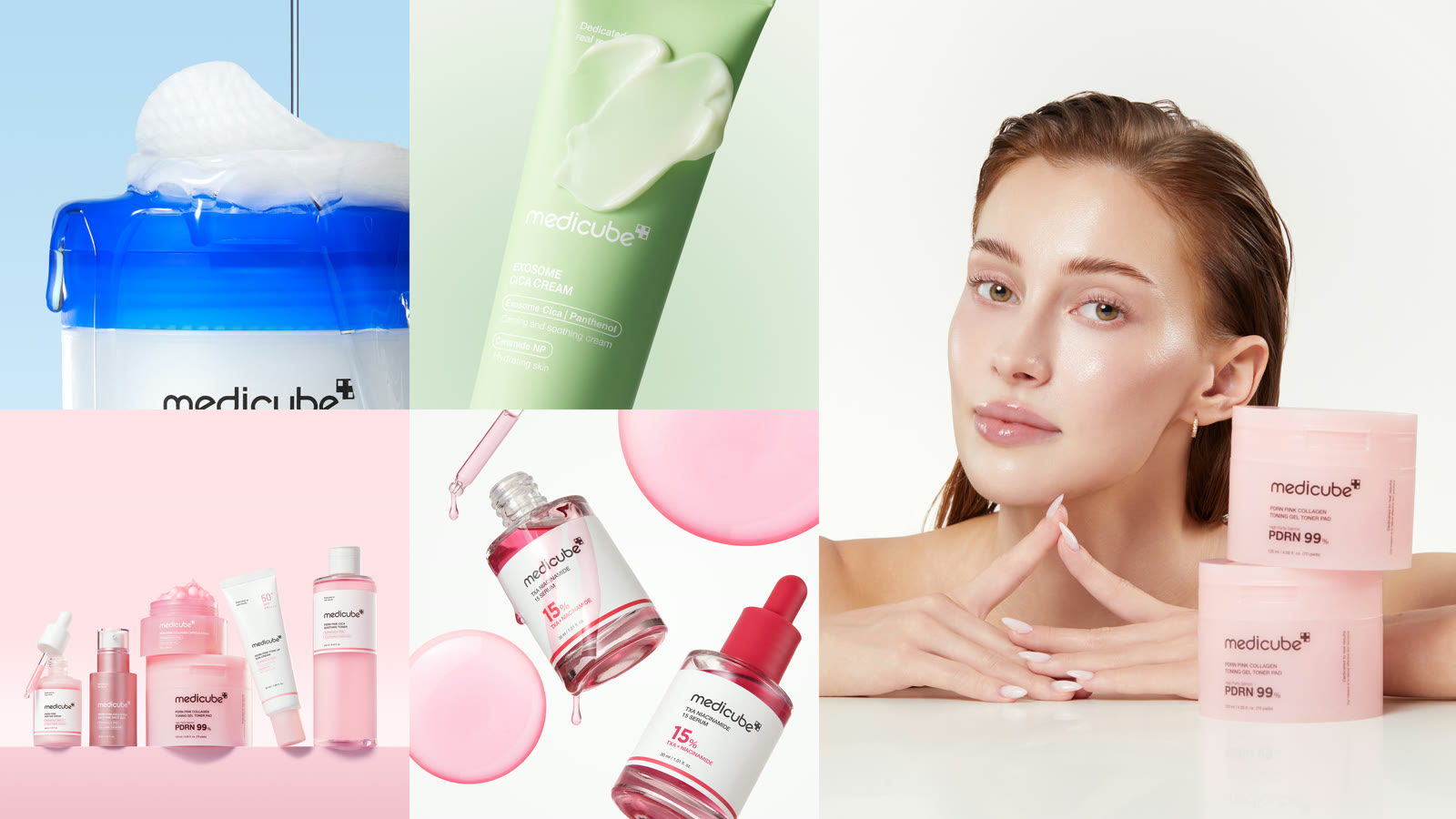
Medicube is Korean. It belongs to APR Co., Ltd. (에이피알), a Seoul KOSPI company founded in 2014. Founder-CEO Kim Byung-hoon owns 31.93% (34.81% with related parties) per its latest DART filing. No foreign parent.

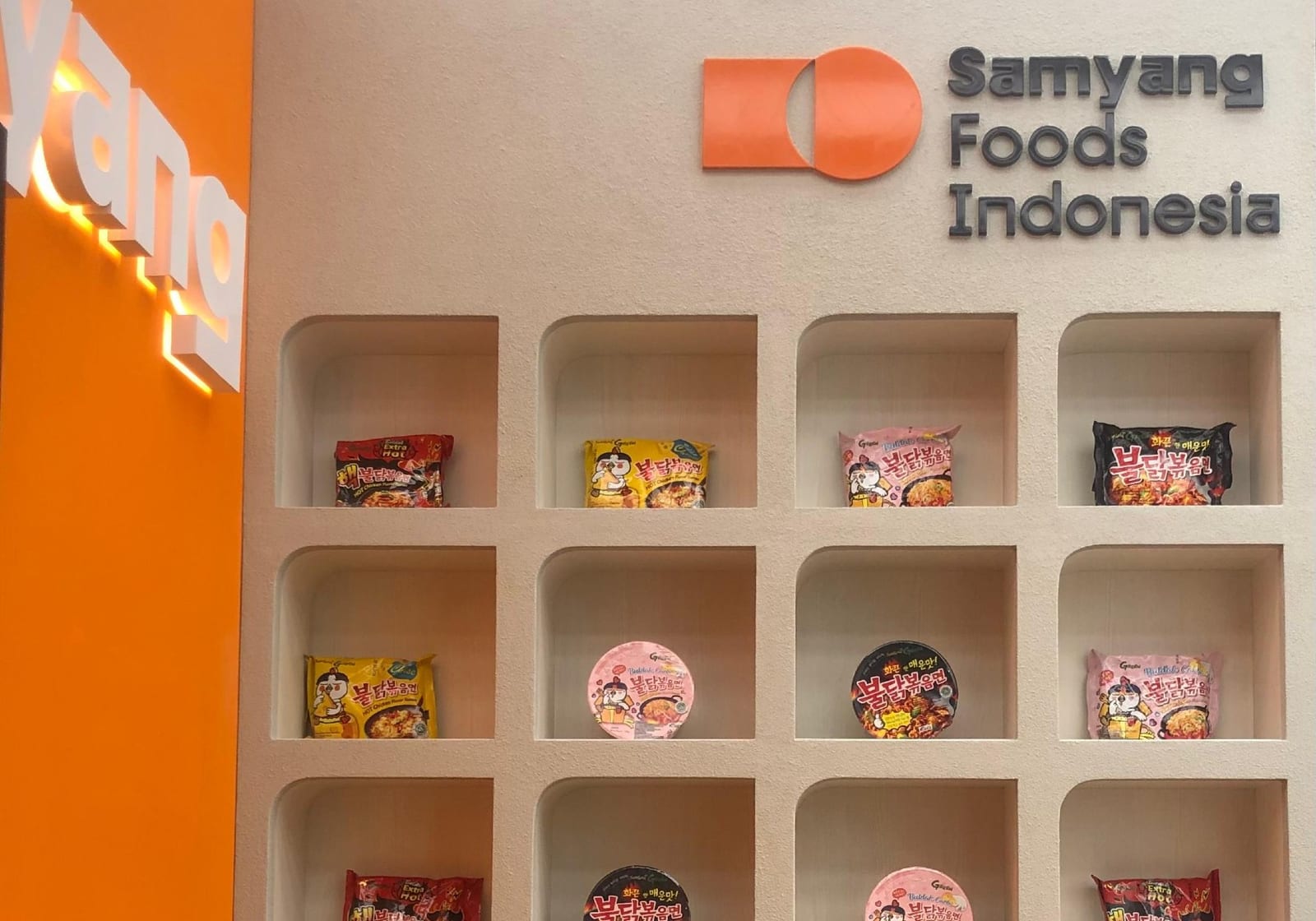
Yes, Buldak is Korean: Samyang Foods (삼양식품), KOSPI-listed, makes it in Wonju, Iksan and Miryang. Owners, plants and H1 2026 sales (83% exported), from DART filings.

A public-info COSMAX deep dive explaining Korean beauty ODM, global factories, R&D, brand services, buyer checks, and expansion risks.

MUSINSA closed 2025 with record revenue of ₩1.47 trillion, opened its first overseas stores in Shanghai, and is expected to file for a KOSPI listing. A public-info deep dive on Korea's fashion platform: numbers, stores, global push, and risks.

A public-info deep dive on Toss and Viva Republica, covering its super-app model, user reach, fintech ecosystem, risks, and global lessons.

A Korean cosmetics wholesale guide covering authorized distributors, gray-market risk, sourcing platforms, category checks, and documents.

A practical guide to Korean packaging suppliers for cosmetics, food, labels, cartons, MOQs, samples, compliance checks, and export-ready sourcing.

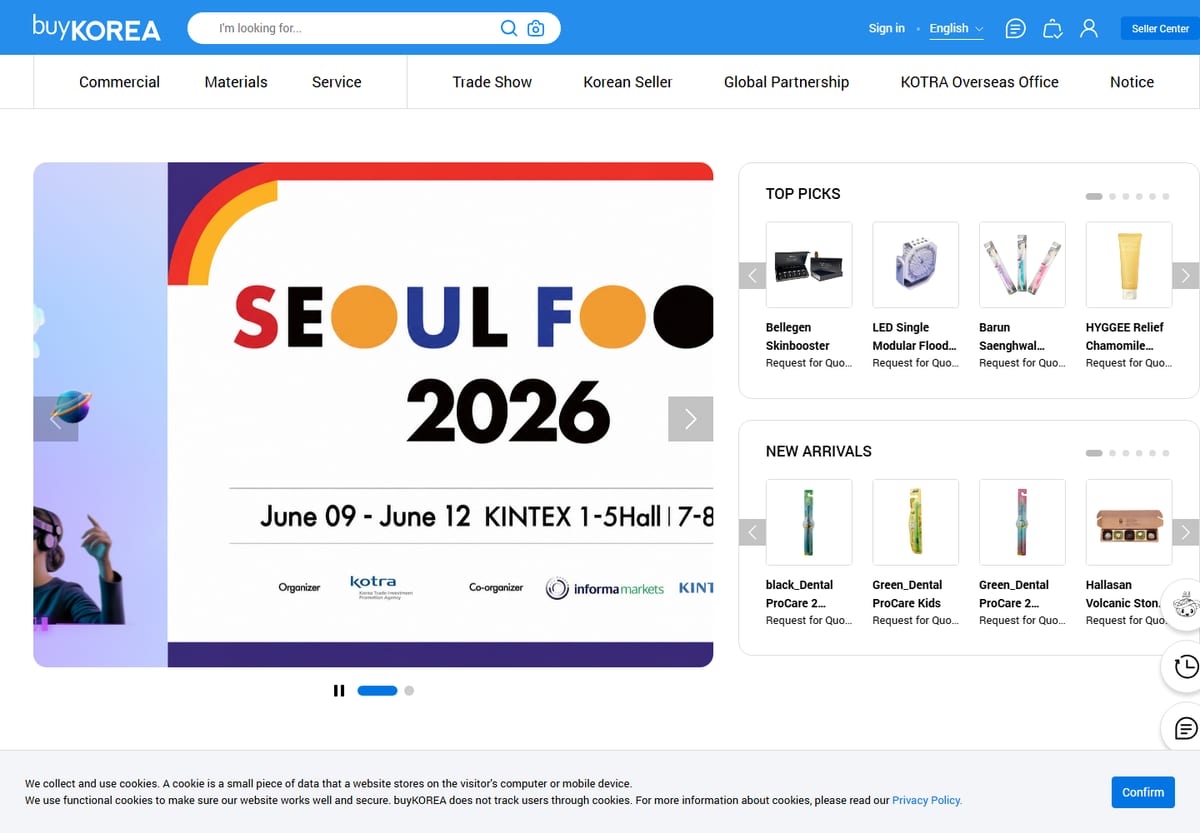
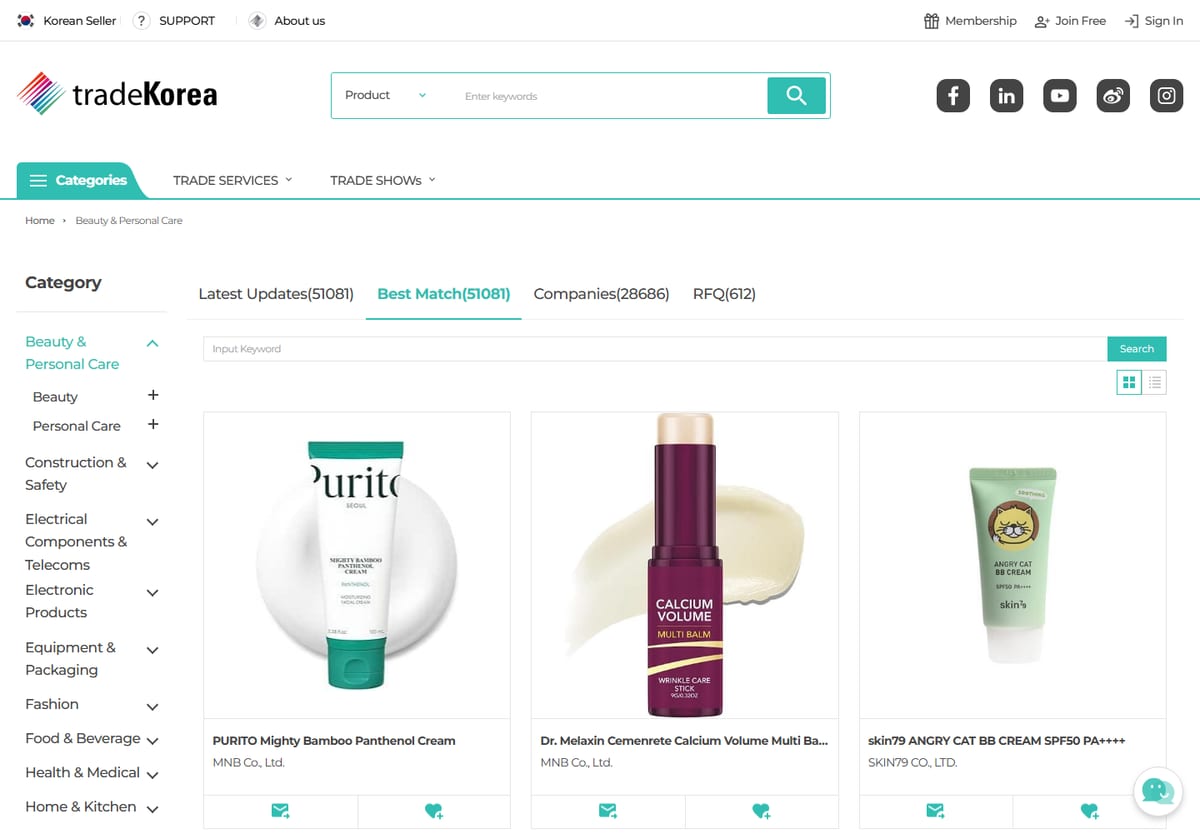
A practical Korea sourcing guide for overseas buyers comparing KOTRA, buyKOREA, tradeKorea, GobizKOREA, verification, and first contact.

A practical K-beauty OEM/ODM guide for overseas brands covering manufacturer roles, MFDS cautions, samples, documents, and first contact.

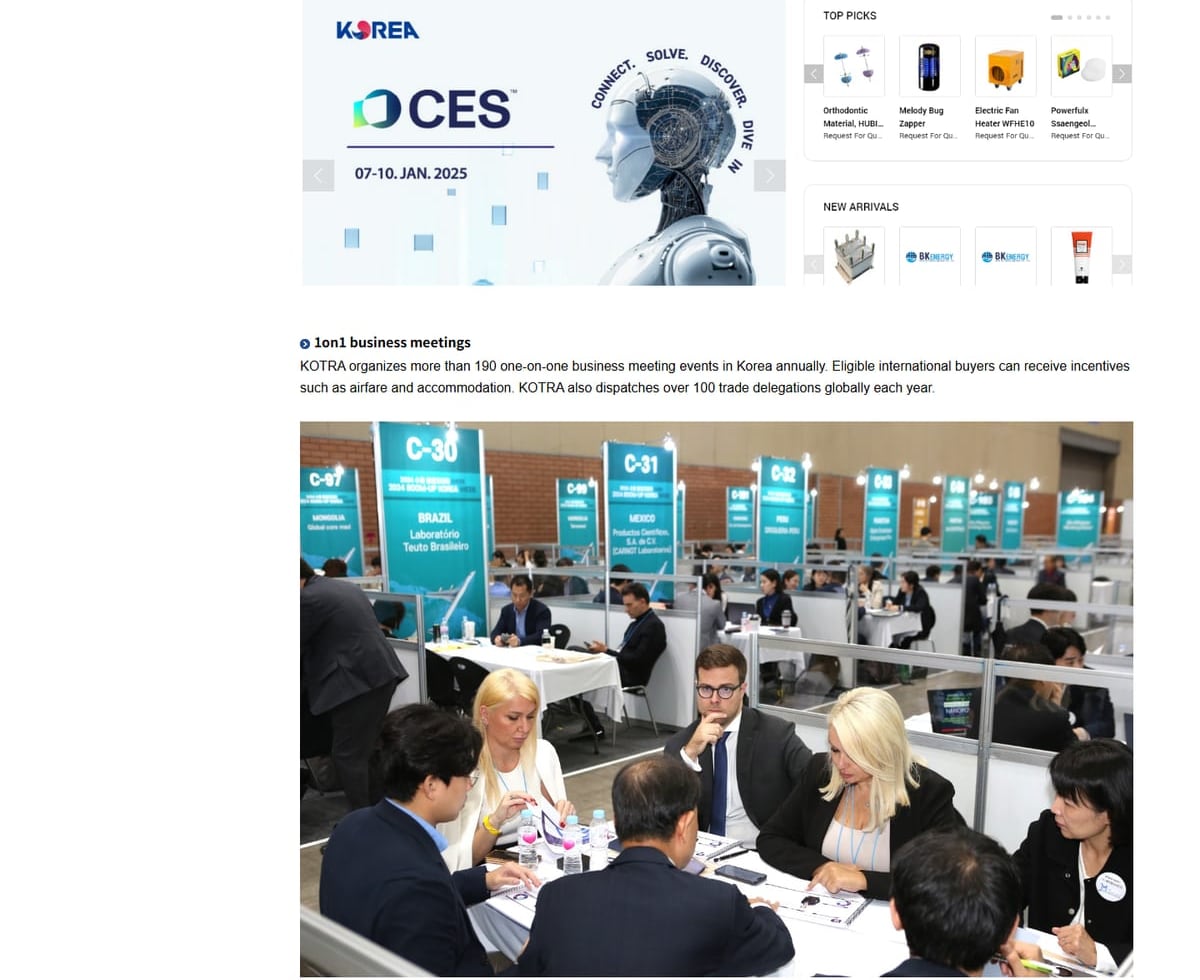
A practical Korea trade-show guide for overseas buyers using KOTRA resources, Korea pavilions, B2B matching, meetings, and follow-up.