
COSMAX Deep Dive 2026: The ODM Engine Behind Global K-Beauty
A public-info COSMAX deep dive explaining Korean beauty ODM, global factories, R&D, brand services, buyer checks, and expansion risks.
Quick Answer
COSMAX is one of the companies that makes the K-beauty boom possible before a product ever reaches an Olive Young shelf, a TikTok review, or a retailer's buying meeting. The Korean company works behind consumer-facing brands on formulation, product development, manufacturing, testing, packaging coordination, and, in some cases, broader brand-building support. That makes it a useful case study for anyone trying to understand why Korea can launch beauty concepts so quickly and at such variety.
The important word is ODM, or original development manufacturing. A brand does not simply hand COSMAX a finished formula and ask a factory to fill bottles. In an ODM relationship, the manufacturer can participate earlier: translating a product concept into a workable formula, testing it, preparing it for production, and helping move it through a larger development system. COSMAX's current English site also presents OBM, or original branding manufacturing, as a wider service that can extend from product creation into branding.
This is a public-information-only company spotlight. EpicKor is not implying a client relationship with COSMAX, recommending the company as a supplier, or claiming access to confidential customer terms. Company descriptions are based on official COSMAX materials and public filings available as of July 11, 2026. Buyers still need to verify the exact legal entity, factory, certification, formula rights, claims evidence, commercial terms, and destination-market requirements that apply to their own project.
Why COSMAX Matters Outside Korea
K-beauty is often narrated as a story about charismatic founders, memorable packaging, viral ingredients, and fast-moving retailers. Those elements matter, but they leave out the industrial middle. A brand can have an excellent concept and still fail if it cannot stabilize the formula, secure compatible packaging, reproduce samples at scale, document claims, control quality, or deliver on schedule.
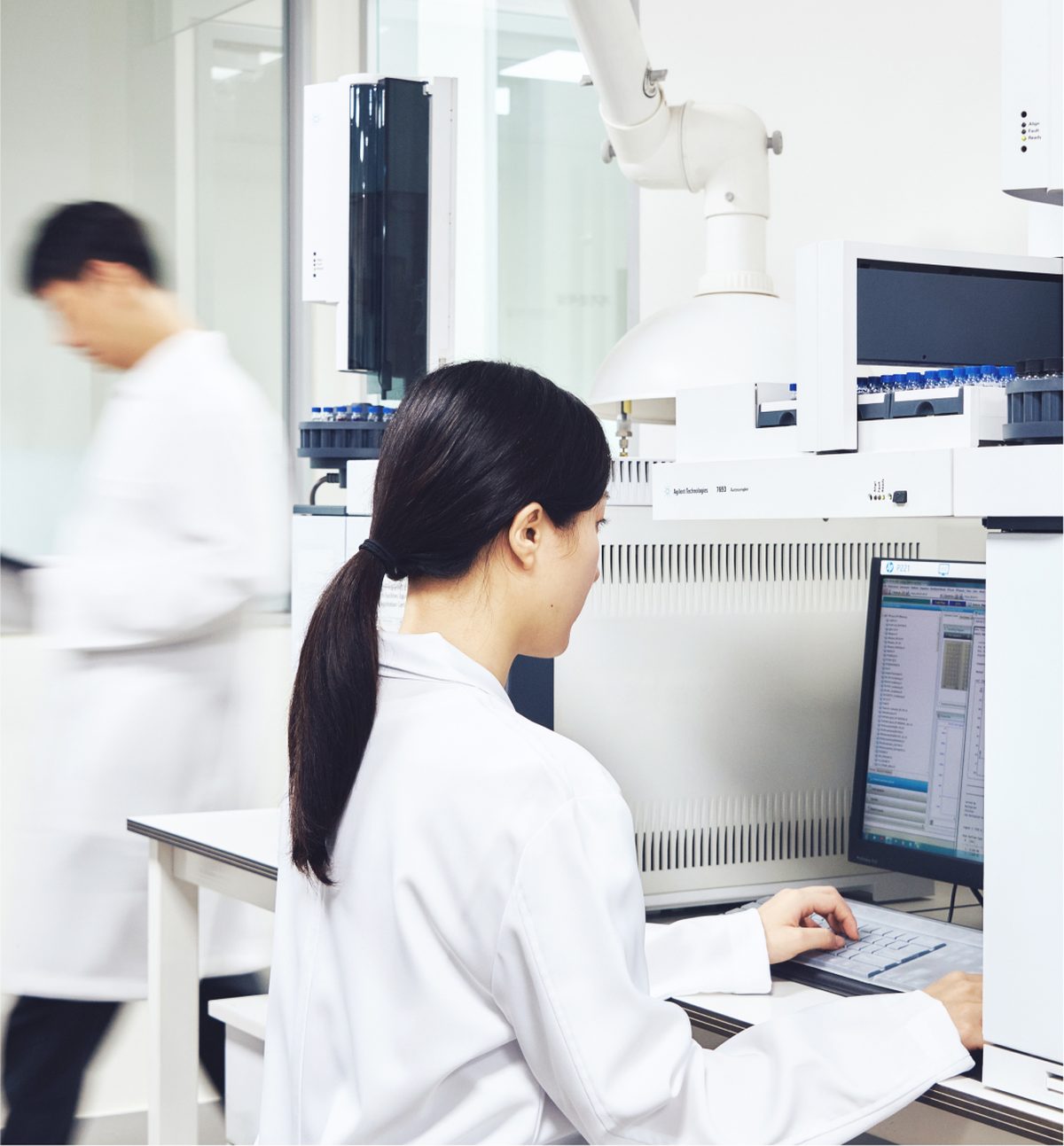
COSMAX sits inside that industrial middle. Its official English site describes services across the beauty pipeline, from formulation to branding. It identifies ODM as the development and manufacture of products without the customer's branding, and OBM as a wider process in which products and brands can be developed together. The site also presents research, trademark technologies, safety and certifications, manufacturing, factories, and supply-chain coordination as connected parts of the offering.
That structure matters to overseas operators for three reasons.
First, it explains how a small or mid-sized brand can access capabilities that would be expensive to build internally. Cosmetic chemistry, stability testing, microbiological control, scale-up, filling, packaging compatibility, regulatory documentation, and quality systems require different specialists. An ODM can assemble those activities into one development path.
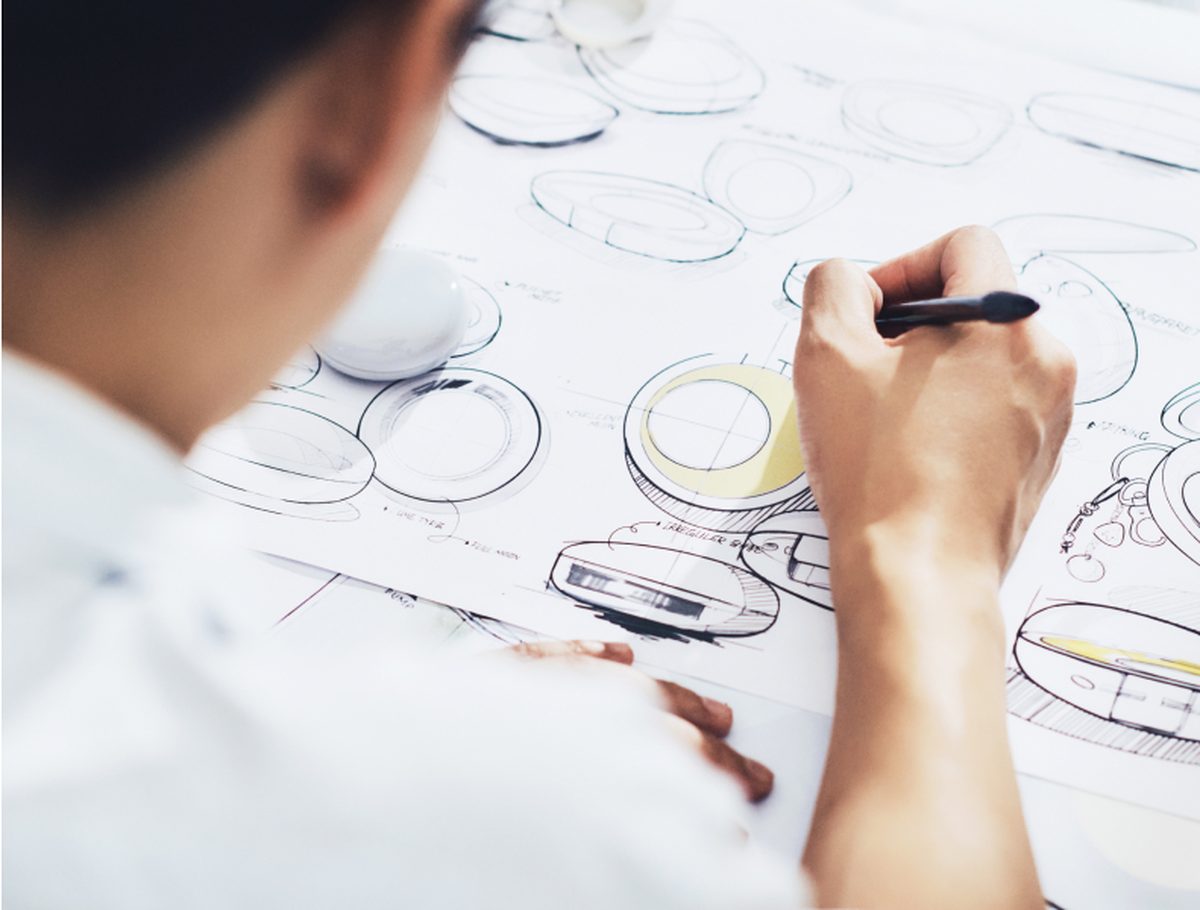
Second, it shows why Korean beauty manufacturing is more than low-cost contract production. The value proposition is partly speed and capacity, but it is also the ability to convert trend signals into formulas and formats. COSMAX describes its work as science-backed and highlights research, proprietary technologies, and category development. Those are company claims, not an independent EpicKor performance test, but they reveal how COSMAX wants customers to understand the business: as a development platform, not merely a factory.
Third, COSMAX gives overseas readers a practical lens on supply-chain power. The name on the bottle may be the brand, but formulation knowledge, raw-material networks, packaging coordination, manufacturing slots, certifications, and regional factories influence what the brand can promise. The manufacturer behind the label can shape launch speed, texture, cost, compliance work, and the ability to expand into another market.
What COSMAX Actually Does
The simplest description is that COSMAX helps beauty companies turn product ideas into manufacturable goods. The actual work can span several layers, and the scope depends on the contract.
| Layer | What It Can Include | Why A Brand Uses It | What A Buyer Must Clarify |
|---|---|---|---|
| Concept and formulation | Product brief, texture direction, ingredients, prototypes, and formula development. | Access to cosmetic scientists and an existing formulation library. | Formula ownership, exclusivity, change rights, substantiation, and target-market restrictions. |
| Testing and documentation | Stability, compatibility, quality testing, specifications, and supporting records. | Creates a repeatable product and evidence trail for production and registration work. | Which tests are included, who pays for extras, acceptance criteria, and whether documents satisfy the destination market. |
| Manufacturing and filling | Bulk production, filling, assembly, batch control, and release processes. | Avoids building and operating a dedicated cosmetics plant. | MOQ, forecast commitments, lead time, capacity reservation, yield, defect handling, and change control. |
| Packaging coordination | Container selection, compatibility checks, decoration, cartons, and component sourcing. | Connects the formula to a package that can survive filling, shipping, storage, and consumer use. | Who owns tooling, component substitutions, artwork responsibility, testing, and packaging-supplier liability. |
| Brand-building support | COSMAX presents OBM as a broader path covering product and brand development. | Useful when an operator needs more than a finished bulk formula. | Deliverables, intellectual property, market research method, branding ownership, and what remains the brand's responsibility. |
This table is a map, not a promise that every COSMAX engagement contains every service. A startup ordering one stock-based product, a global retailer developing an exclusive line, and an established brand localizing a formula may receive very different commercial proposals. Buyers should ask for a written scope rather than assuming that "ODM" automatically includes packaging, claims support, registration, or brand strategy.
The distinction between OEM and ODM is also important. In a conventional OEM arrangement, the customer may bring more of the finished formula, specification, or design and ask the manufacturer to produce it. In ODM, the manufacturer contributes more of the development. In practice, projects can sit between those labels. The contract, technical documents, and statement of work matter more than the acronym.
The Research And Manufacturing System
COSMAX's public story puts research and production in the same operating system. Its English website highlights skincare, makeup, personal care, fragrance, and other beauty categories, along with research teams, proprietary technologies, safety systems, factories, and a global supply chain for raw materials, scents, packaging, and related components.
That combination is strategically significant. A laboratory prototype is not yet a sellable product. The formula has to survive scale-up, interact safely with its container, remain within specification, and be reproducible from batch to batch. Ingredient changes can affect color, odor, viscosity, preservation, and claims. A pump or bottle change can alter compatibility. A new country can introduce different ingredient, label, notification, or testing requirements.
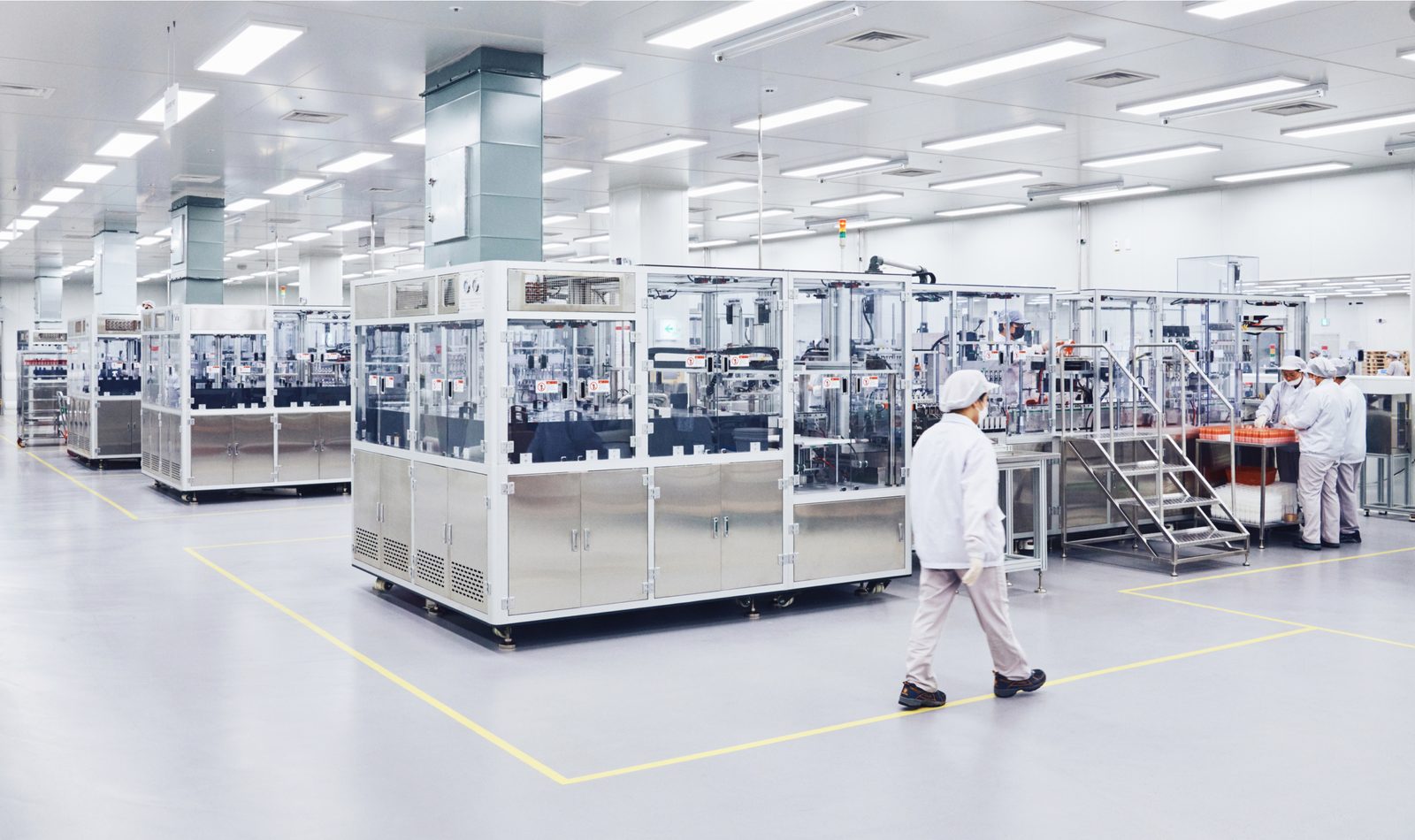
The company's factory page currently identifies facilities in Korea, China, the United States, Indonesia, and Thailand. COSMAX's February 2026 media announcement added a new strategic development: the acquisition of Italy's Keminova to establish what the company called its first European production base. That does not mean every formula can move freely between factories or that all facilities offer identical capabilities. It does show that regional production is becoming part of the company's global proposition.
For a brand, regional manufacturing can reduce distance to customers, retailers, and regulatory teams. It can also create a more complicated qualification problem. The buyer must know which legal entity signs the contract, which site develops the formula, which site makes commercial batches, which certifications apply there, and whether technology transfer between sites requires new tests or approvals.
COSMAX has published older sustainability reports with historical scale and capacity figures, but those snapshots should not be presented as current 2026 performance. A responsible company study distinguishes a dated report metric from a live operating fact and checks the latest filing before using a number in a commercial decision.
Operator research note: As an Amazon Associate, EpicKor may earn from qualifying purchases. Before turning an ODM idea into a supplier brief, compare cosmetic product-development books and beauty-brand business guides so your formula, claims, packaging, and commercial questions are separated before the first meeting.
Why Packaging Is Part Of The Product
A cosmetics brand can lose months by treating packaging as decoration. The container has to work with the formula, the filling line, the intended dose, the label, the shipping route, and the consumer's bathroom or handbag. A beautiful airless pump is not useful if the formula cannot dispense consistently. A clear bottle can create stability concerns for a light-sensitive product. A decoration method can fail during compatibility or transport testing.
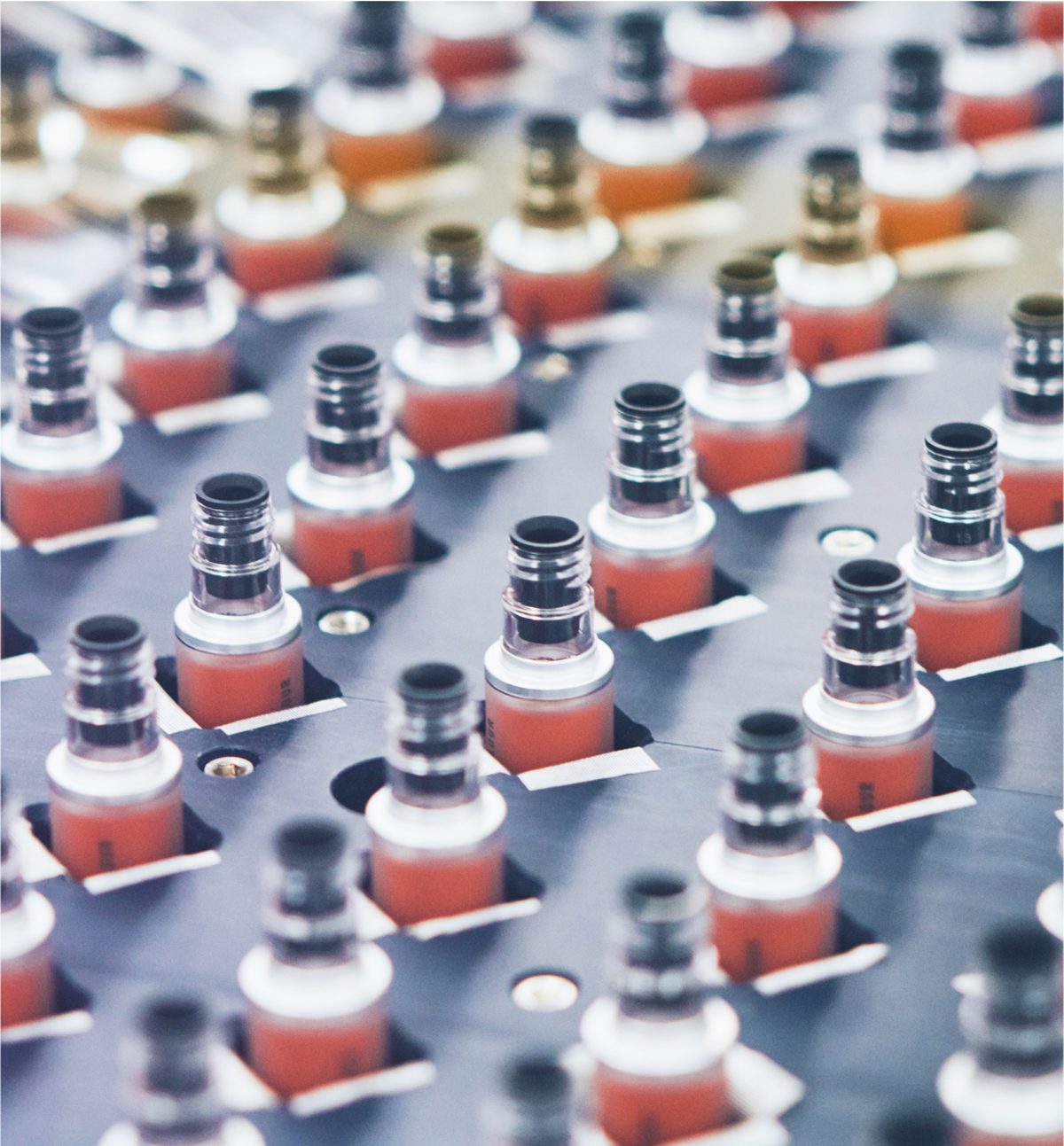
This is where the COSMAX spotlight connects directly to EpicKor's guide to Korean packaging suppliers. Even when an ODM coordinates components, the brand should clarify whether the manufacturer is selecting from an approved network, buying on the brand's behalf, or simply testing buyer-supplied packaging. Tooling ownership, minimum order quantities, mold maintenance, color tolerances, decoration standards, substitutions, leftover inventory, and end-of-project rights should be written down.
The same applies to labeling. A manufacturer can support documents, but the brand or responsible person may still carry legal responsibility in the destination market. Ingredient names, warnings, net contents, claims, language, importer details, lot coding, period-after-opening symbols, and recycling marks can vary by jurisdiction. "Made in Korea" is a commercial advantage only when the origin claim and manufacturing record support it.
COSMAX's Global Expansion Lens
COSMAX's 2026 European move is useful because it shows the difference between exporting from Korea and becoming locally embedded. The company's official media center announced the acquisition of Italian cosmetics manufacturer Keminova as its first European production base. At Cosmoprof Bologna 2026, the official booth image presented COSMAX and Keminova together.
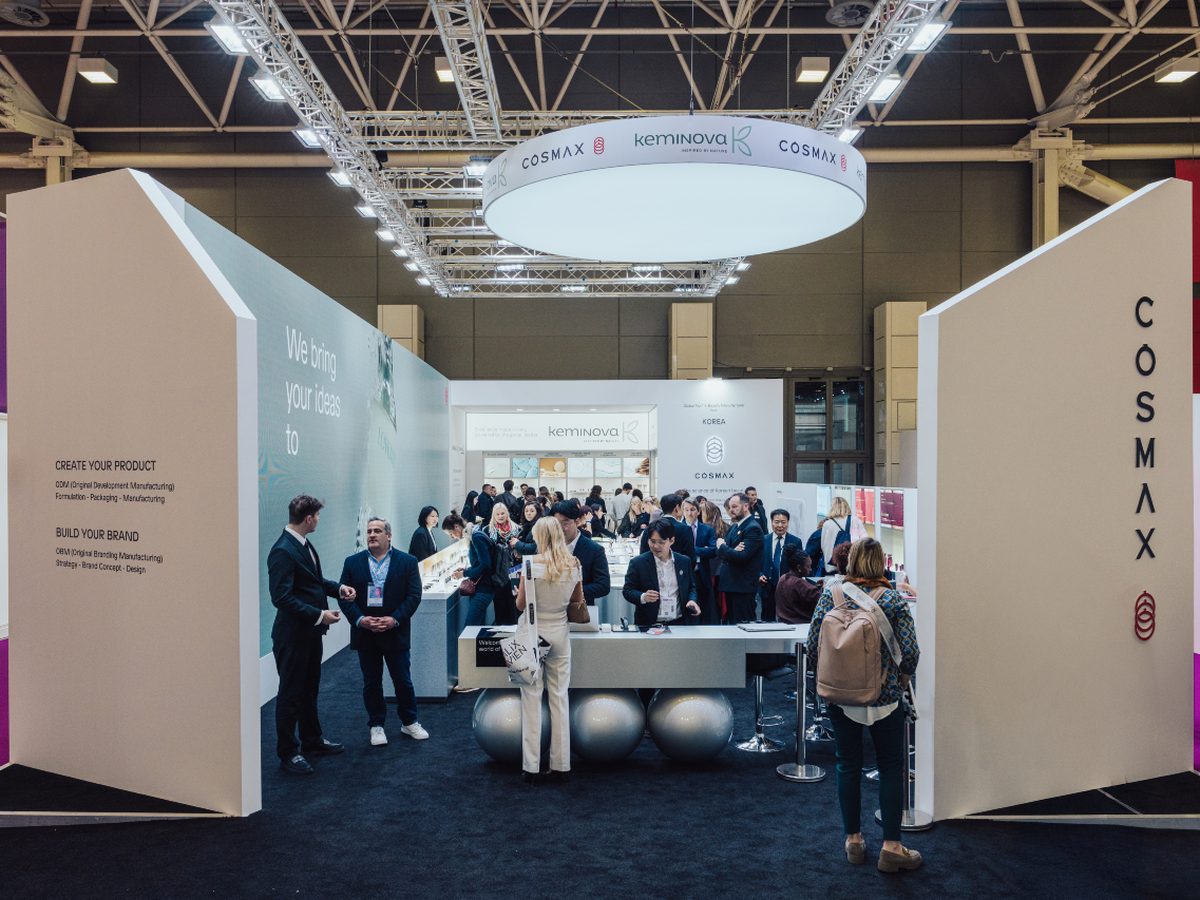
For global brands, a European base could make development conversations, local manufacturing, supply continuity, and market-specific support easier. For COSMAX, it can also mean integrating a new organization, quality system, customer base, and production culture. Acquisitions do not become seamless global networks on announcement day.
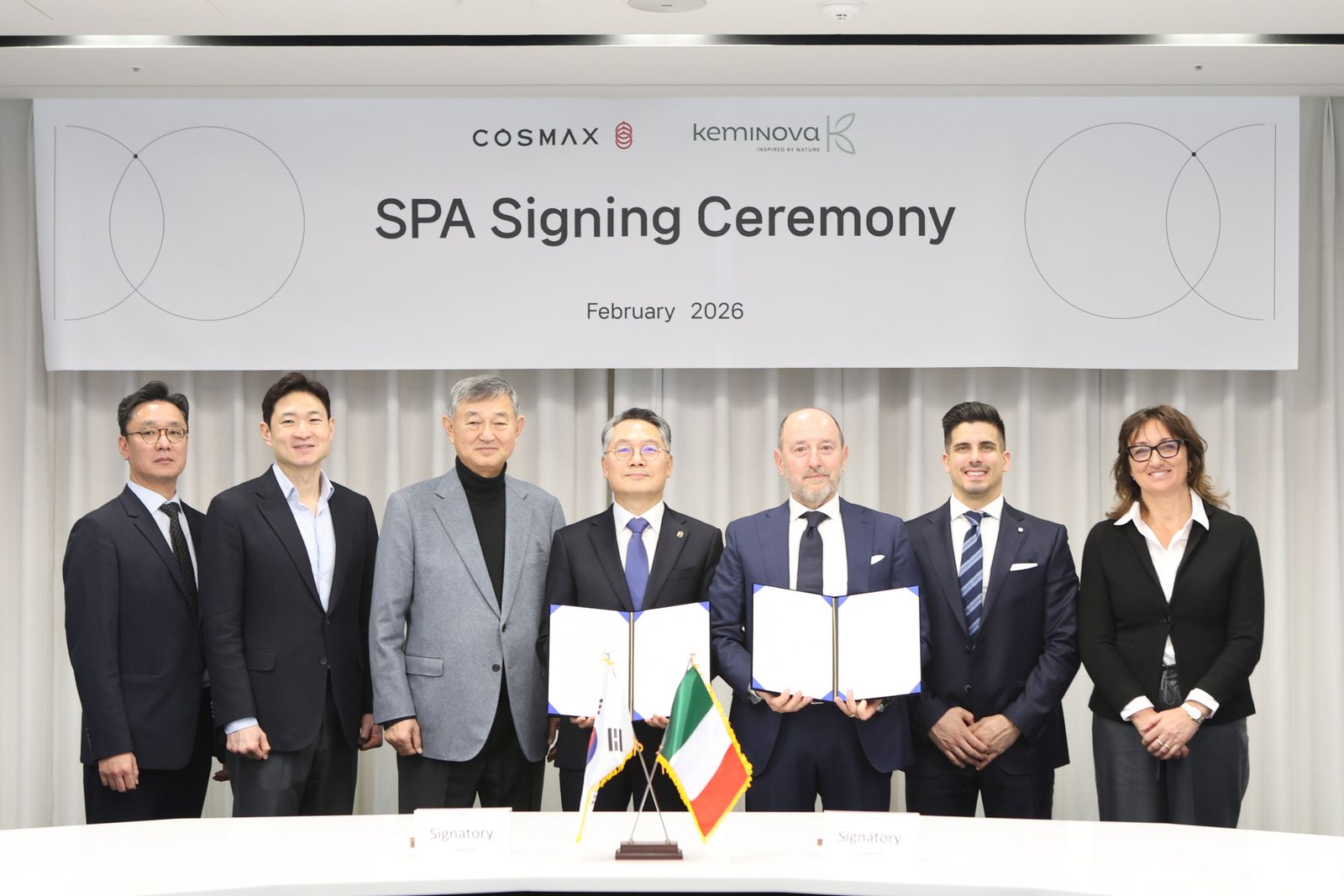
Overseas readers should therefore track execution, not just geography. Does the European operation offer the same categories? Which formulas can be transferred? How are quality standards aligned? What changes for existing Keminova customers? Does local manufacturing shorten lead times after qualification, or add an extra handoff? Public announcements establish direction; customer-specific technical answers establish usability.
The broader lesson applies beyond COSMAX. Korean manufacturers are no longer relevant only as exporters from Korean factories. Some are building or acquiring regional production and research networks. That changes the sourcing question from "Can this Korean company ship to my market?" to "Which part of this company's network should develop, make, document, and support my product?"
What Overseas Buyers Should Verify
COSMAX has recognizable scale and a substantial public information base, but a well-known manufacturer is not a substitute for due diligence. The correct question is not "Is COSMAX good?" It is "Is the proposed COSMAX entity, site, team, formula path, and contract appropriate for this product and destination?"
| Decision | Questions To Put In Writing | Evidence To Request |
|---|---|---|
| Formula and IP | Is the formula custom, semi-custom, or shared? Who owns it? Can it be sold to another brand? Who owns improvements? | Development agreement, formula/IP clause, exclusivity terms, and change-control process. |
| Claims and compliance | Which claims are supported, by what tests, and for which market? Who completes notification or registration? | Test reports, specifications, safety documentation, claim files, and destination-market responsibility matrix. |
| Commercial scale | What are sample fees, MOQ, price breaks, forecast commitments, payment terms, and launch lead times? | Formal quotation, MOQ by component, production schedule, payment milestones, and cancellation terms. |
| Factory and quality | Which site will manufacture? What certifications and audit results apply to that exact site and category? | Current certificates, audit scope, batch records, release specifications, complaint and recall procedure. |
| Packaging and logistics | Who sources components, owns tools, approves substitutions, and carries damage or obsolete-inventory risk? | Approved component list, compatibility plan, tooling agreement, packing specification, Incoterms, and insurance terms. |
Start by reading EpicKor's K-beauty OEM/ODM guide, then use the supplier verification workflow before samples or payment. If you plan to meet manufacturers in person, the Korea trade-show guide explains how to shortlist exhibitors and structure follow-up. Retailers should also understand the distinction between manufacturing and authorized distribution in the Korean cosmetics wholesale guide.
The point is not to create a longer checklist for its own sake. It is to prevent assumptions from becoming expensive. A sample approval is not a capacity reservation. A factory certificate is not a destination-market registration. A promising formula is not a trademark clearance. A packaging rendering is not a compatibility result. A global company name is not the same thing as a contract with the correct legal entity.
Build the buyer file: Compare supplier-quality management books and cosmetic-packaging references if you need a practical framework for approvals, change control, defects, and packaging decisions.
Risks And Limits Of The ODM Model
ODM can accelerate a brand, but it can also create dependence. If the manufacturer controls the practical knowledge behind the formula, packaging setup, and scale-up process, switching suppliers may be difficult. A brand should understand what technical information it can take elsewhere and what must remain with the ODM.
There is also a differentiation risk. A capable ODM can serve many brands at once. The customer needs to know what makes its product meaningfully distinct: a proprietary brief, exclusive technology, ingredient story, sensory target, clinical evidence, packaging system, distribution insight, or brand community. Manufacturing competence alone does not create consumer demand.
Capacity creates another tension. Large manufacturers can offer systems and scale, but smaller customers may not receive the same scheduling flexibility as major accounts. MOQ, forecast accuracy, component availability, and launch timing can become decisive. Buyers should ask how pilot batches transition to commercial volume and what happens if demand is far above or below forecast.
Finally, global expansion increases both resilience and complexity. Multiple factories can bring production closer to markets, but each site has its own capabilities, qualification status, regulatory context, and operating history. Never assume that a product approved at one site can be moved to another without technical and regulatory work.
Why COSMAX Is A Useful Korea Business Case
COSMAX is valuable to EpicKor's business readers because it turns the abstract phrase "K-beauty ecosystem" into something concrete. Korean beauty exports are not powered only by brands and retailers. They rely on laboratories, manufacturers, component makers, testing systems, trade shows, regulatory teams, logistics providers, and global distribution partners.
The company also shows how a Korean industrial business can become internationally relevant without becoming a household consumer brand. COSMAX's customers put their own names on products. The manufacturer's influence is real, but often invisible to the final shopper. That makes it a strong example of a Korean company building global reach through embedded B2B capability.
The complementary brand-owner case is APR: EpicKor's APR and Medicube beauty-tech deep dive shows how a consumer company can combine ODM-supplied cosmetics with more tightly controlled device manufacturing, D2C data, and global channels.
For overseas founders, the lesson is to evaluate the whole development system, not just the formula sample. For buyers, the lesson is to verify entity, site, scope, and evidence. For Korea-market researchers, the lesson is that the manufacturing layer deserves as much attention as the viral brand layer.
FAQ
Q: Is COSMAX a Korean cosmetics brand?
COSMAX is primarily presented as a cosmetics research, development, and manufacturing company rather than a consumer brand. It works behind other beauty businesses through services such as ODM and the broader OBM model described on its official site.
Q: What is the difference between COSMAX ODM and OEM?
ODM generally means the manufacturer contributes to product development as well as production. OEM generally places more of the finished design or specification with the customer. Real contracts can combine elements of both, so buyers should define formula ownership, testing, packaging, claims, and manufacturing responsibilities in writing.
Q: Does COSMAX manufacture only in Korea?
No. COSMAX's current official factory materials identify operations in Korea, China, the United States, Indonesia, and Thailand. In February 2026, the company also announced its acquisition of Italy's Keminova as its first European production base. Capabilities and qualifications can differ by site.
Q: Does working with a large ODM guarantee regulatory approval?
No. A manufacturer can provide technical documents and support, but legal responsibility depends on the product, contract, destination market, responsible person, importer, and local rules. Buyers must confirm who handles notification, registration, claims, labels, and post-market obligations.
Q: Is COSMAX automatically the right supplier for a small beauty startup?
Not necessarily. Fit depends on category, MOQ, development budget, target market, launch timing, desired exclusivity, packaging needs, and the support available to a smaller account. Compare the written proposal with other qualified options and verify the exact site and commercial terms.
Sources And Further Reading
More Business Guides
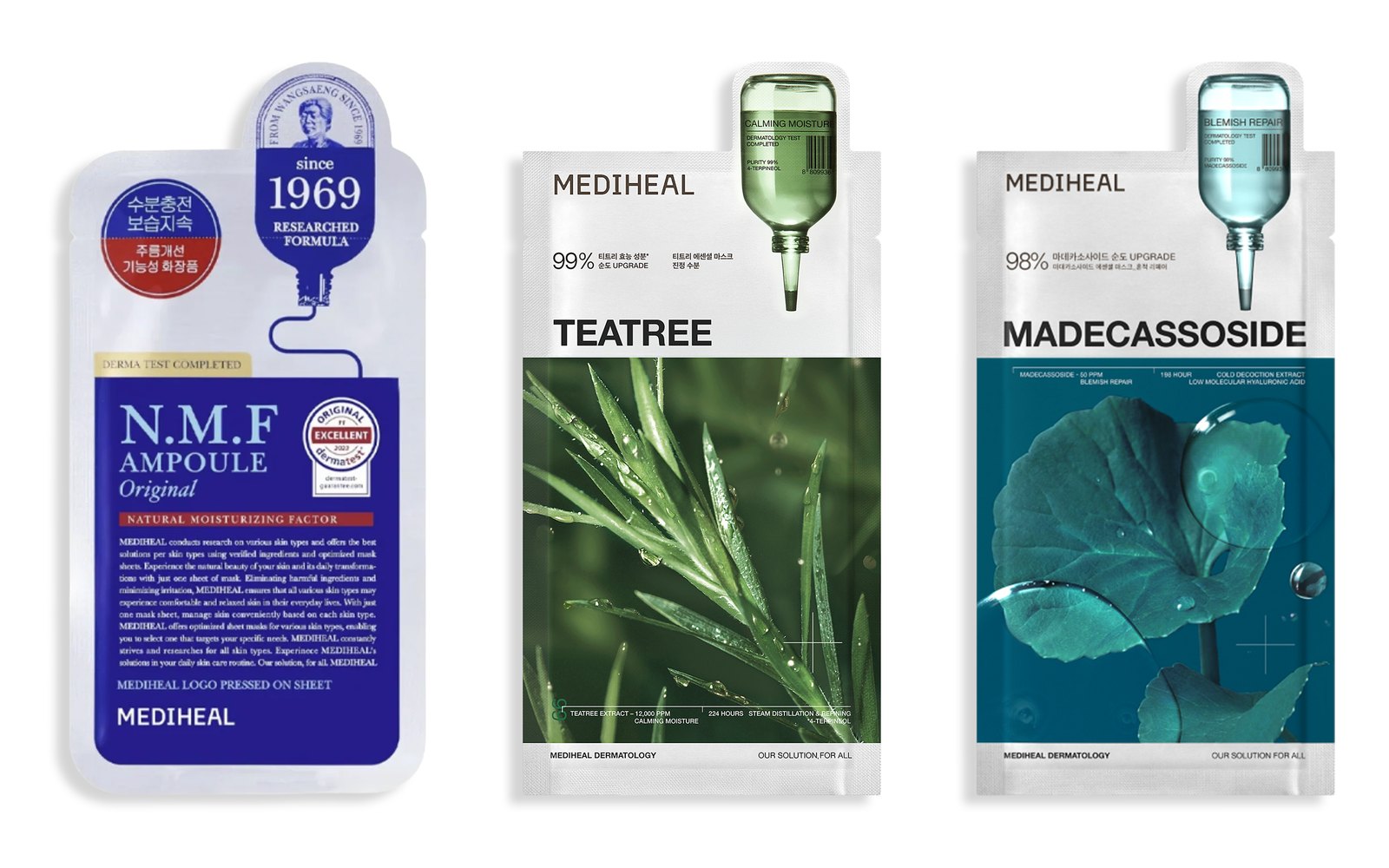
Who Owns MEDIHEAL? The Korean Sheet-Mask Company Behind It, and Why It Is Not Medicube
MEDIHEAL is made by L&P Cosmetic, an unlisted Seoul company — not by Medicube's owner APR. Its audit report shows ₩323.4bn revenue in 2025, a ₩190bn sale of Manyo Factory, and a shareholder register led by a holder Korean press identify as the founder's wife.
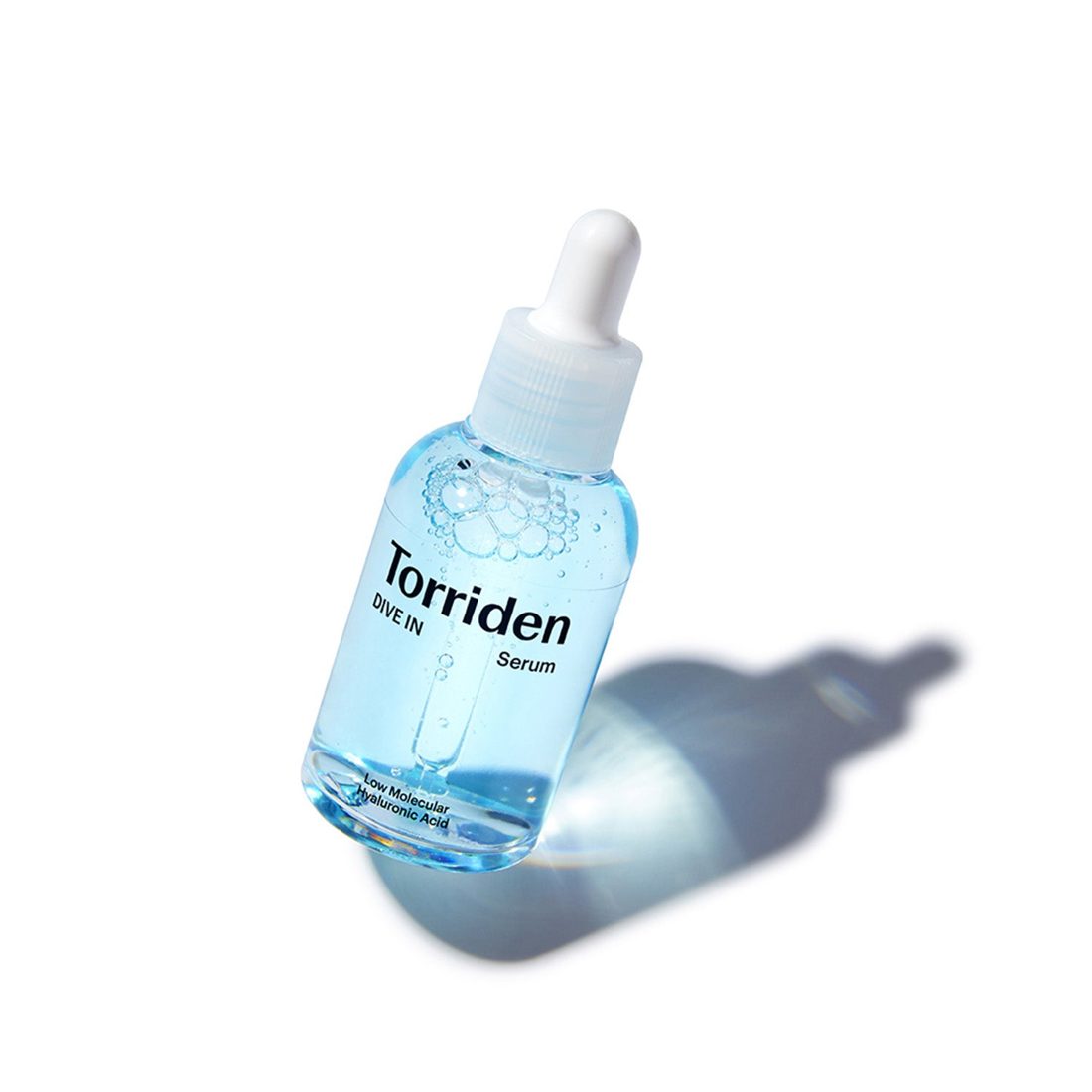
Who Owns Torriden? The Korean Company Behind Dive-In Serum, Read From Its Audit Report
Torriden is a Korean company from Daejeon, and its audit report shows two co-founders owning 70% of it on 31 December 2025. ₩274.3bn revenue, no factory of its own, a failed LG H&H deal and a 2026 minority stake from Goodai Global.
Coreline Soft Deep Dive: Germany Wrote Lung-Screening AI Into Law, and a Small Korean Company Signed 95 German Deals in Seven Months
Germany's new lung cancer screening rules require computer-aided detection software. Seoul's Coreline Soft, 95 staff, went from about 10 new German contracts in 2025 to 77 by July 2026, plus 18 upgrades. Its revenue is still catching up.