Korean Health Supplement Suppliers 2026: K-Supplement Sourcing Guide
An overseas-buyer guide to Korean health supplement suppliers: red ginseng, collagen, MFDS health functional food rules, GMP, and sourcing risk.
Quick Answer
Korea is a credible sourcing market for health supplements, especially red ginseng, collagen and "inner beauty" products, lutein and eye-health formulas, probiotics, and vitamin-mineral blends. The category benefits from an unusual advantage: Korea regulates these products under a dedicated legal category, so there is a formal approval and manufacturing framework a buyer can actually check.
But that framework is also the trap. A Korean health functional food approval is a Korean approval. It does not make a product legal to sell in the United States, the EU, the Gulf, or Southeast Asia, and it does not transfer with the shipment. Buyers who assume otherwise end up with inventory they cannot label, claim, or clear.
This guide is written for overseas buyers, distributors, private-label brands, and market-entry researchers who want a practical first map of Korean health supplement suppliers. It is not legal, medical, customs, or regulatory advice, and it does not evaluate whether any ingredient works.
Why Korea Is on Supplement Buyers' Radar
Korea occupies a useful middle position. It is not the cheapest contract manufacturing market, and it is not the largest. What it offers is a mature domestic supplement market with a regulated approval system, established manufacturing discipline, and a set of categories where Korean origin carries genuine consumer recognition abroad.
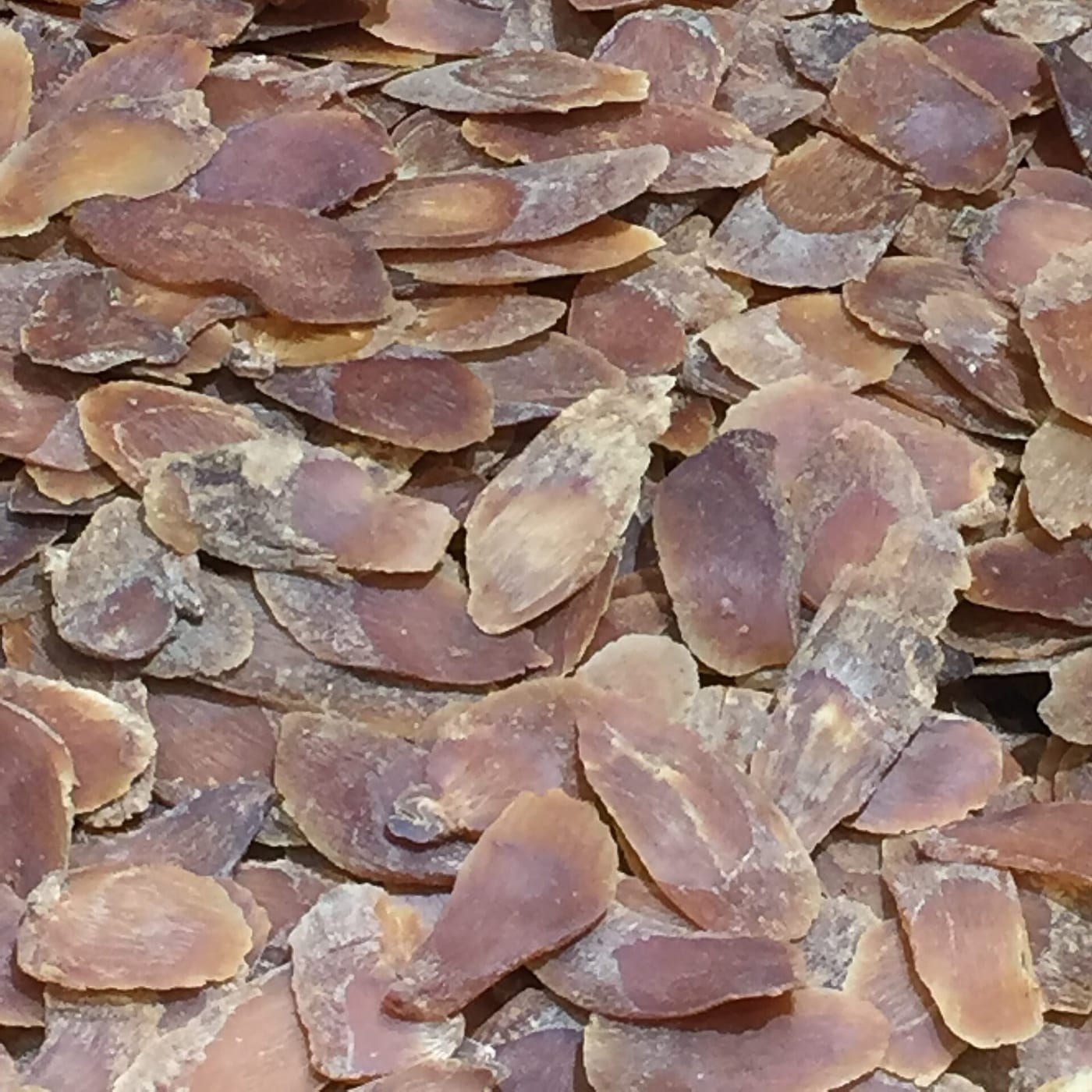
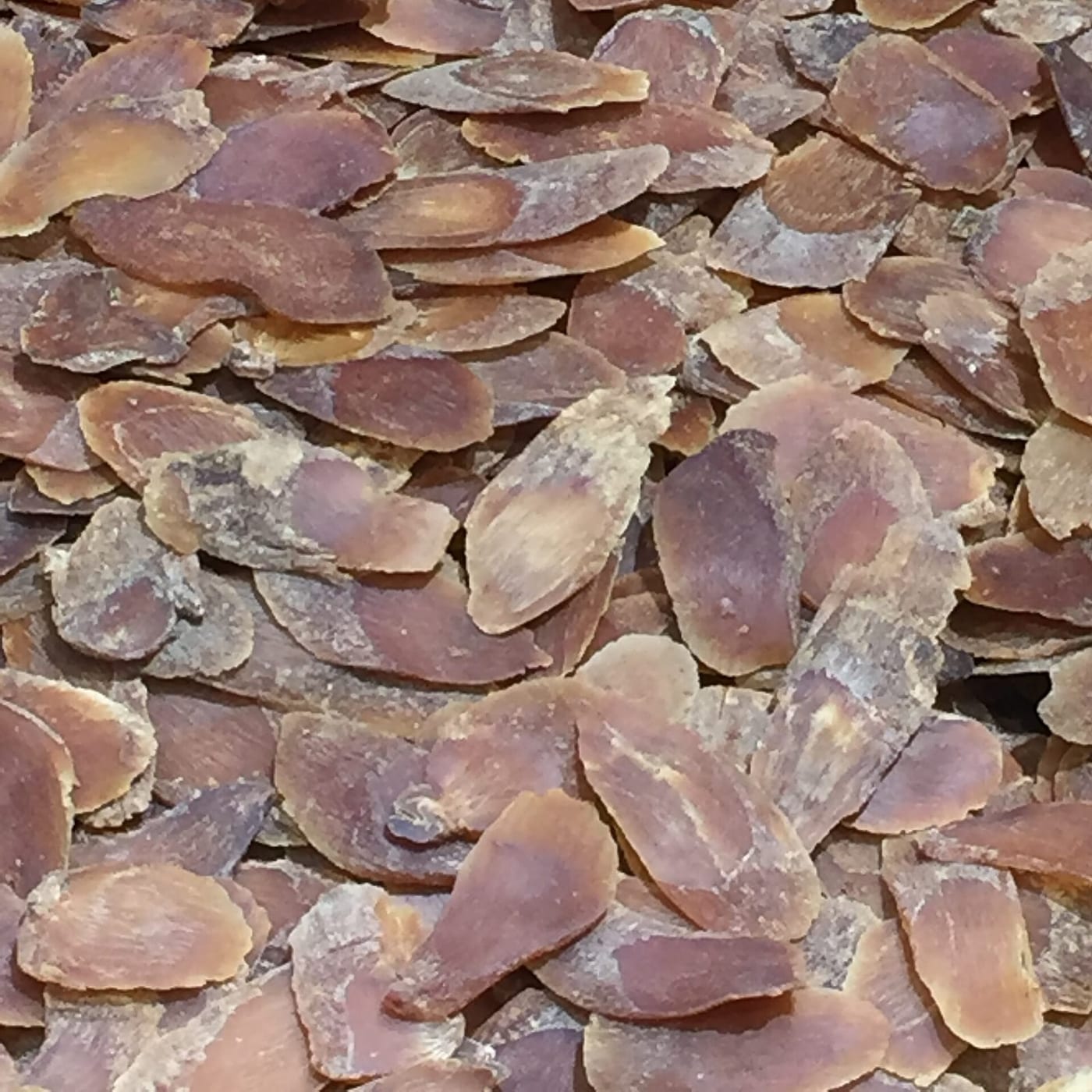
Red ginseng is the obvious one. It has a long domestic history, a well-developed processing industry, and export recognition that few other national supplement categories enjoy. Beyond ginseng, Korean manufacturers have built real capacity in collagen and "inner beauty" formats, eye-health ingredients such as lutein, probiotics, and increasingly in convenient delivery formats — sticks, jellies, films, and single-serve pouches — where Korean packaging engineering is a competitive advantage in its own right.
If you want the consumer-side view of the same category — the formats Korean shoppers actually buy, how products are labeled, and the safety cautions that come with them — EpicKor's Korean red ginseng guide covers the retail end of this supply chain.
The honest counterweight: "Korean-made" is not a quality guarantee, and origin marketing is not a substitute for due diligence. Korea has excellent manufacturers and it has trading intermediaries with no factory at all. Your job as a buyer is to tell them apart.
The Categories Worth Separating
Do not run one undifferentiated search for "Korean supplement supplier." The sourcing path, the regulatory exposure, and the supplier type differ sharply by category.
| Category | Why Buyers Look at Korea | Due Diligence Focus | Common Buyer Mistake |
|---|---|---|---|
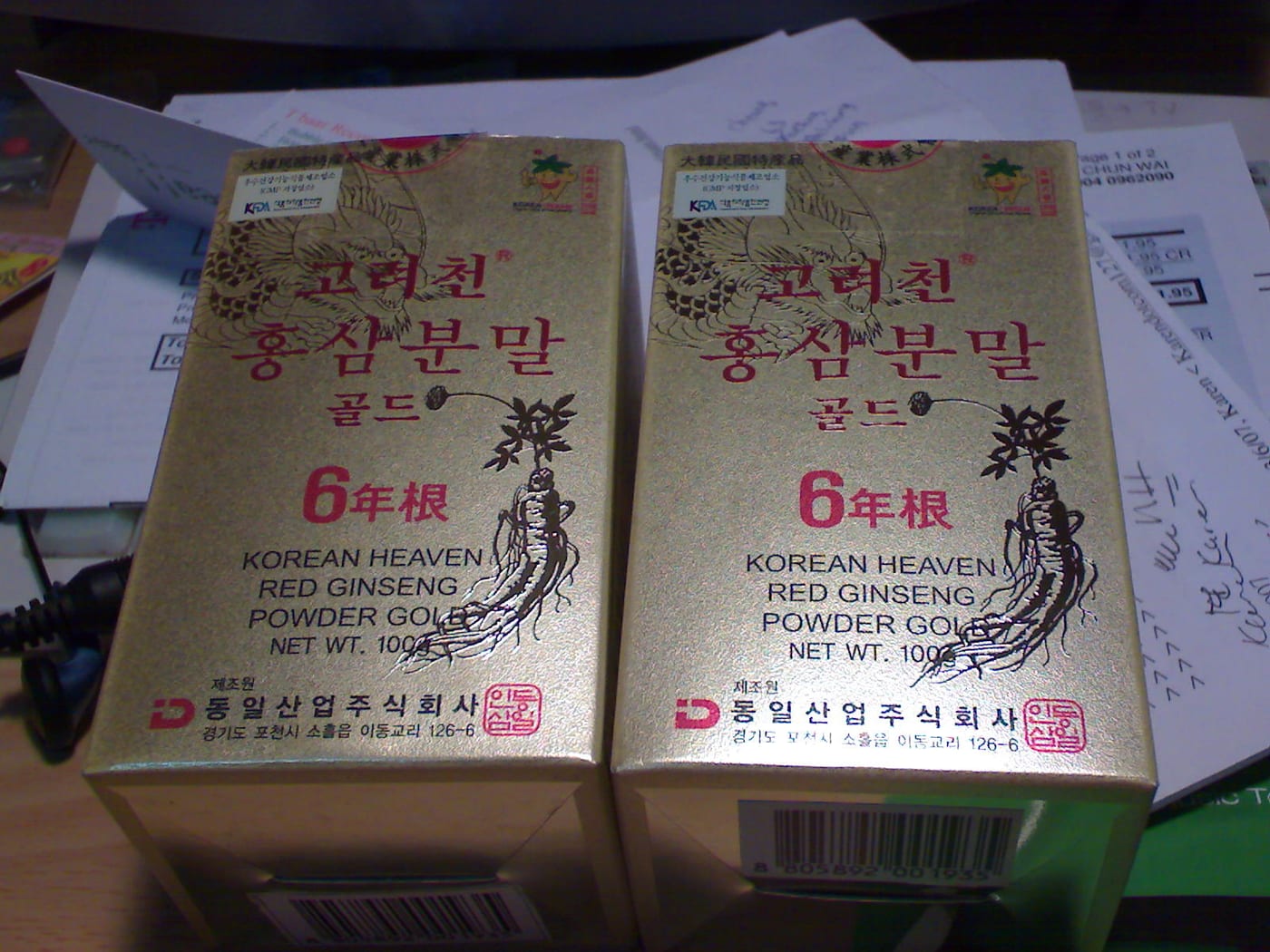
| Red ginseng | Deep processing history and strong export recognition | Root age and grade claims, extract ratio, processing method, origin documentation | Treating all "6-year root" claims as equivalent and verified |
| Collagen / inner beauty | Format innovation and strong domestic demand | Source of collagen, molecular-weight claims, allergen and religious-compliance issues | Copying Korean marketing claims into a market that prohibits them |
| Eye health (lutein etc.) | Established domestic category with mature formulas | Ingredient origin, whether the functional ingredient is individually approved | Assuming the Korean functional claim transfers abroad |
| Probiotics | Strain development and stability formats | Strain identity, CFU at end of shelf life, storage and transport conditions | Comparing CFU at manufacture instead of at expiry |
| Vitamin / mineral blends | Cost-competitive contract manufacturing and packaging | Dosage limits in the destination market, excipients, packaging compliance | Importing a formula that exceeds destination dosage caps |
The Regulatory Reality: Health Functional Food Is a Legal Category
This is the part most first-time buyers get wrong, so it is worth being precise.
In Korea, health functional food (건강기능식품) is a distinct legal category governed by its own act and administered by the Ministry of Food and Drug Safety (MFDS). It is not the same as ordinary food, and it is not a drug. Products in this category may carry specified functional claims; ordinary foods may not.
Functional ingredients fall into two broad routes. Some are publicly listed ingredients set out in MFDS standards, which any qualified manufacturer may formulate within the stated specifications. Others are individually approved ingredients, where a specific company obtained recognition for a specific ingredient, often with its own supporting data. That distinction has a direct sourcing consequence: an individually approved ingredient is tied to its approval holder. If a trading company offers you a product built on someone else's individual approval, ask exactly how that right flows to your order.
Manufacturing sits under a GMP designation system for health functional food facilities. Ask whether the actual production site is GMP-designated, not whether "the company follows GMP." Those are different sentences.
Now the part that costs people money: none of this transfers automatically to your market. A Korean functional claim is not an FDA-permitted structure/function claim, an EU authorised health claim, or a halal or GCC registration. Plan your destination-market pathway in parallel with sourcing, not after the container ships.
Build the background before the first call: As an Amazon Associate, EpicKor may earn from qualifying purchases. Buyers new to this market often benefit from a short shelf of doing-business-in-Korea books covering negotiation norms and company structures before the first supplier meeting.
How to Find and Verify Korean Supplement Suppliers
Use official and semi-official channels first, then verify independently. Trade-show booths and marketplace listings are leads, not evidence.
| Step | What to Do | What Proves It |
|---|---|---|
| 1. Identify supplier role | Establish whether they manufacture, hold the brand, or trade | Factory address, business registration, site photos or an audit |
| 2. Confirm the production site | Ask which facility actually produces your SKU | GMP designation for that specific site, not a group claim |
| 3. Check the functional ingredient route | Determine if it is a listed or individually approved ingredient | Documentation showing the approval and who holds it |
| 4. Map destination compliance | Check dosage caps, permitted claims, labeling, and registration | Your own market's rules, confirmed by a local specialist |
| 5. Test independently | Third-party testing on a real production lot | Lab reports tied to lot numbers, not generic certificates |
| 6. Lock the commercial terms | MOQ, lead time, shelf life at delivery, change control | A contract that names the site and forbids silent substitution |
Public export-support channels are genuinely useful for the first pass. KOTRA runs buyer matching and overseas offices, and agri-food export support bodies cover ginseng and food-adjacent categories. Korea's trade-show circuit is the fastest way to compare many manufacturers in one week — EpicKor's guide to Korea trade shows for overseas buyers covers how to use KOTRA, national pavilions, and B2B matching. For the general verification workflow that applies across categories, start with how to find suppliers in Korea.
Red Flags and Common Buyer Mistakes
A few patterns show up repeatedly.
Claim copying. A Korean product page states a functional claim permitted under Korean rules. The buyer translates it directly into English for a market where that claim is not authorised. This is the single most common and most expensive error in the category.
The vanishing factory. A supplier is fluent, responsive, and cannot name the production site. If you cannot identify and verify the manufacturing facility, you are buying a promise.
Approval borrowed from someone else. An individually approved functional ingredient belongs to its approval holder. Confirm in writing how your order is covered.
Grade claims without documents. Root age, extract ratio, and origin claims should be supported by documentation, not by a brochure adjective.
Testing at the wrong moment. Certificates from a previous year on a different lot do not describe your shipment. Test the lot you are buying.
Buyers coming from cosmetics will find the structural parallels familiar — the gray-market and authorised-distributor issues covered in EpicKor's Korean cosmetics wholesale guide and the manufacturing-partner logic in the K-beauty OEM/ODM guide apply here with different paperwork.
Get the import mechanics right: Compare importing and sourcing reference books covering supplier audits, incoterms, and quality agreements. Most supplement sourcing failures are contract and documentation failures, not manufacturing failures.
Frequently Asked Questions
Q: What is a Korean "health functional food"? It is a distinct legal product category in Korea, regulated by the Ministry of Food and Drug Safety under its own act. Products in this category may carry specified functional claims that ordinary foods may not. It is separate from both general food and pharmaceuticals.
Q: Does Korean MFDS approval let me sell the product in my country? No. Korean approval applies in Korea. Your destination market has its own rules on permitted claims, dosage limits, labeling, ingredient status, and registration. Plan that pathway alongside sourcing rather than after shipment.
Q: What is the difference between listed and individually approved functional ingredients? Listed ingredients are set out in MFDS standards and can be formulated by qualified manufacturers within those specifications. Individually approved ingredients were recognised for a specific company, typically with its own supporting data, and the right is tied to that approval holder — which matters when a trading company offers a product built on it.
Q: Which Korean supplement categories are most established for export? Red ginseng is the flagship, with collagen and inner-beauty formats, eye-health ingredients such as lutein, probiotics, and vitamin-mineral blends also well developed. Korean convenience formats — sticks, jellies, and single-serve pouches — are a distinct competitive strength.
Q: How do I verify a Korean supplement manufacturer? Establish whether they manufacture or trade, identify the specific production site and confirm its GMP designation, document the functional ingredient route, run third-party testing on an actual production lot, and put the named site and change-control terms in the contract.
Q: Is "6-year-root" red ginseng a verified standard? Root age is a meaningful commercial distinction in the Korean ginseng trade, but a label claim is not self-proving. Ask for cultivation and processing documentation tied to the lot you are buying rather than accepting the phrase as a specification.
The Bottom Line
Korea's supplement industry gives buyers something rare: a formal regulatory category with checkable approvals and a GMP designation system. Use it. Identify the real manufacturer, confirm the site, understand which functional-ingredient route your product uses and who owns it, test the actual lot, and map your destination-market rules in parallel.
The suppliers worth working with will answer these questions with documents. The ones that answer with adjectives have told you what you needed to know.
Sources and further reading:
More Business Guides
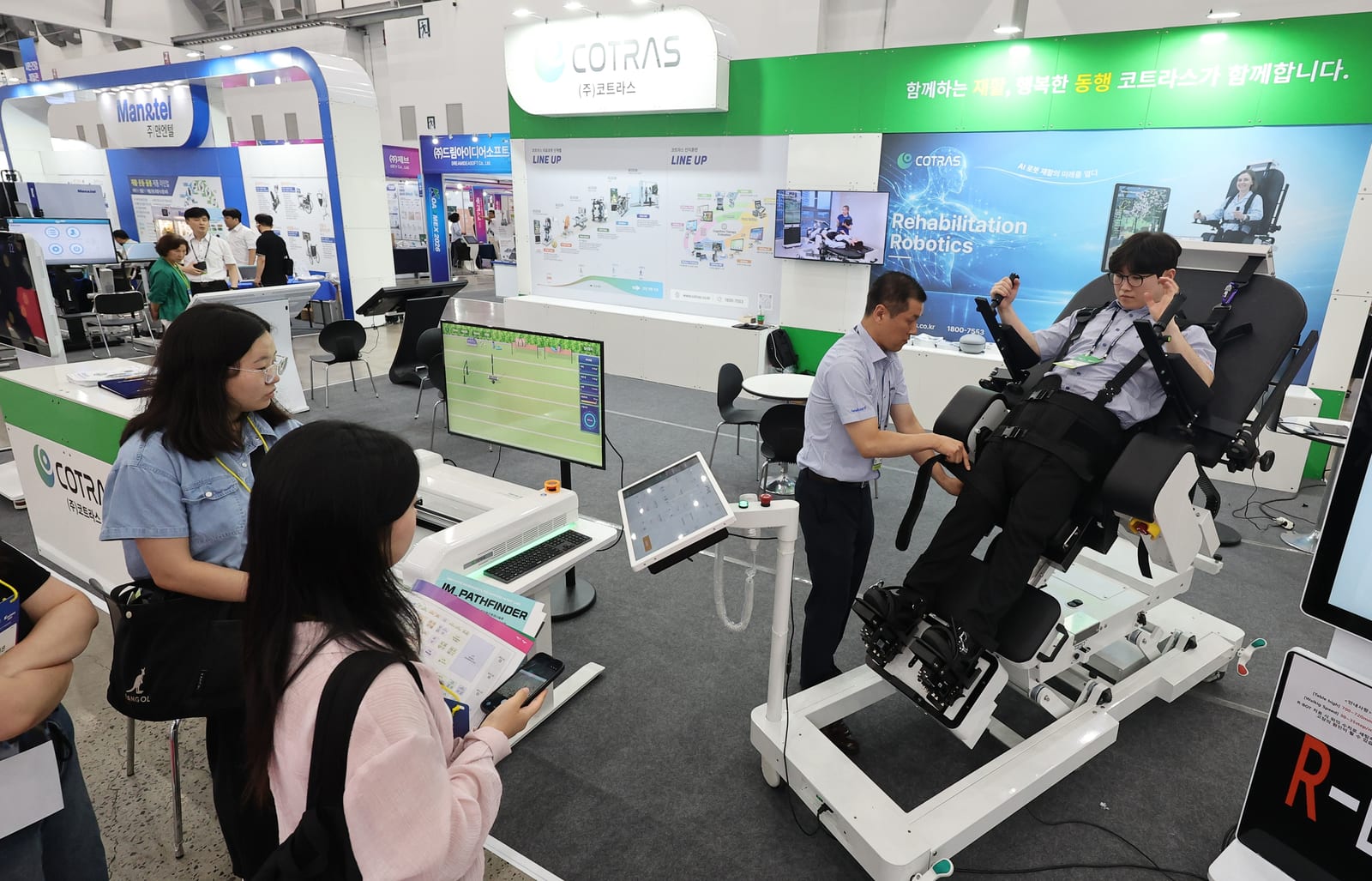
Korean Medical Device Suppliers 2026: Buyer Due Diligence Guide
A practical overseas-buyer guide to Korean medical device suppliers, dental implants, aesthetic devices, trade shows, MFDS checks, and sourcing risk.
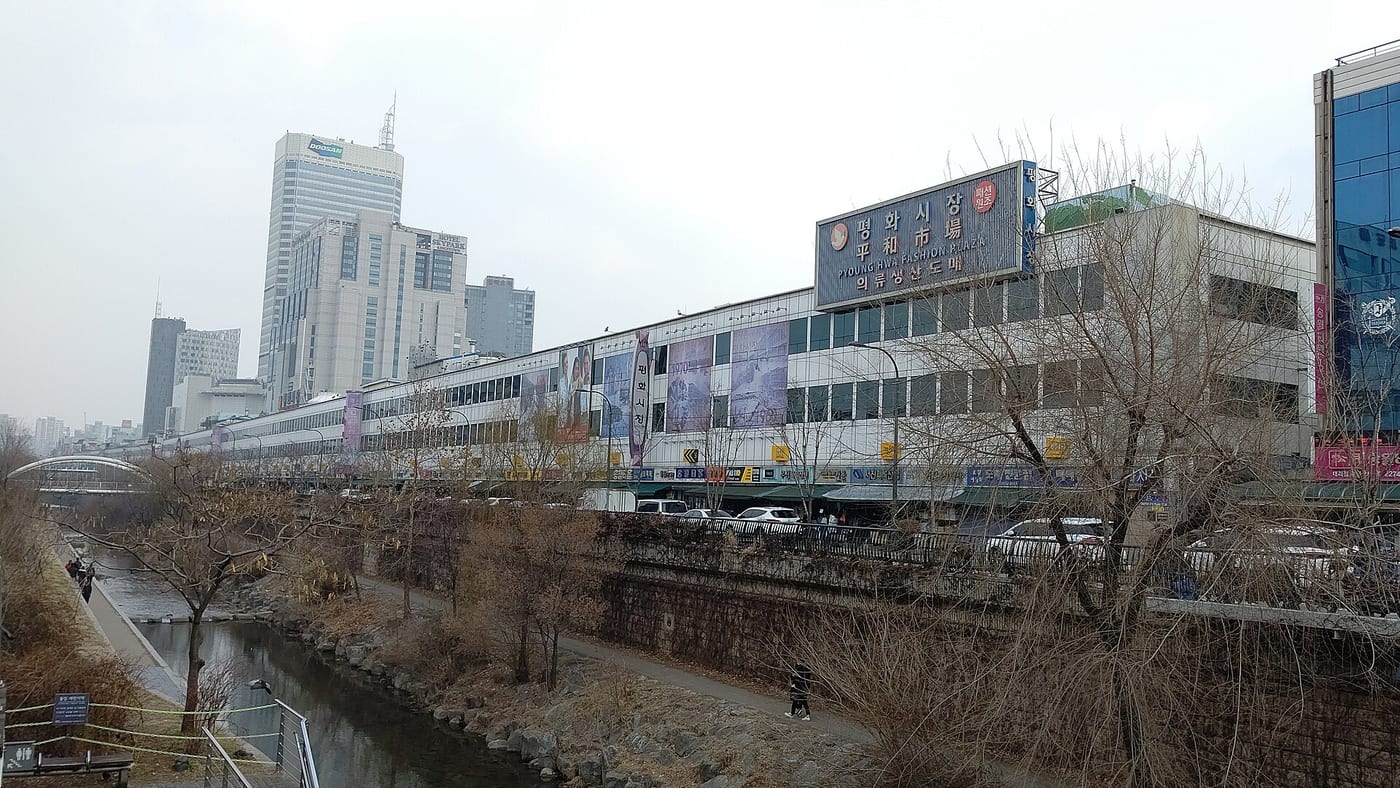
Korean Apparel Manufacturers 2026: Dongdaemun Sourcing Guide
An overseas-buyer guide to Korean apparel manufacturers and Dongdaemun sourcing: wholesale vs OEM, MOQs, sample rooms, quality checks, and export risk.
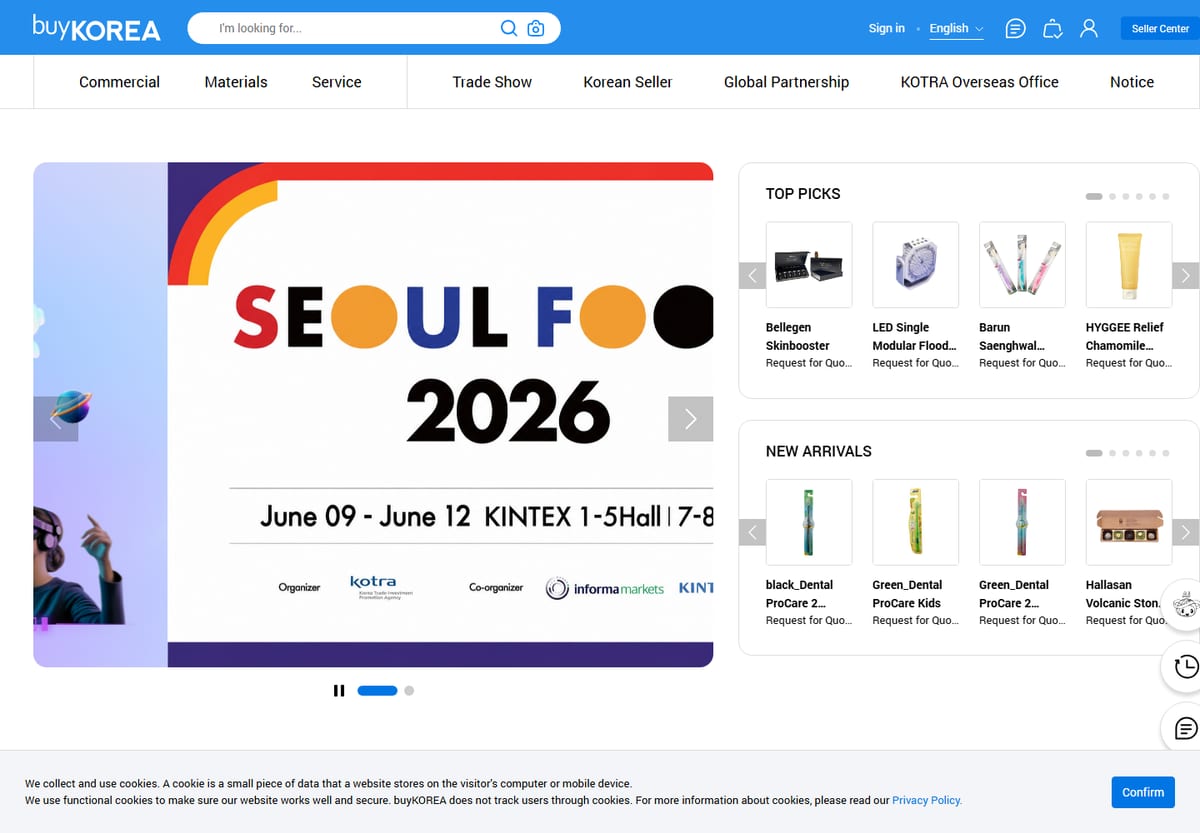
How to Find Suppliers in Korea: Official Platforms, Verification, and First Contact
A practical Korea sourcing guide for overseas buyers comparing KOTRA, buyKOREA, tradeKorea, GobizKOREA, verification, and first contact.