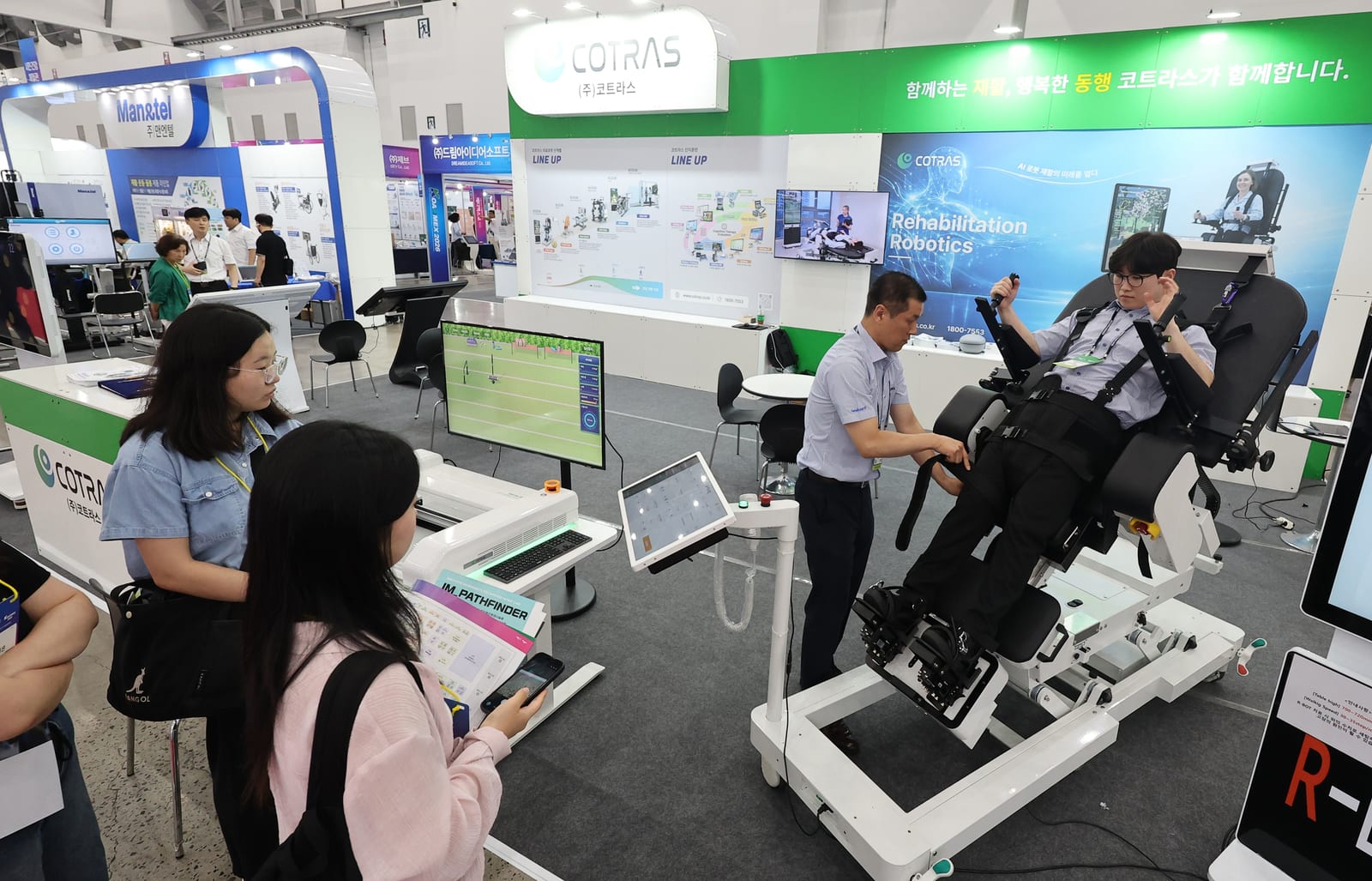
Korean Medical Device Suppliers 2026: Buyer Due Diligence Guide
A practical overseas-buyer guide to Korean medical device suppliers, dental implants, aesthetic devices, trade shows, MFDS checks, and sourcing risk.
Quick Answer
Korea can be a serious sourcing market for overseas medical device buyers, especially in categories such as dental implants, diagnostic equipment, aesthetic and dermatology devices, imaging-related equipment, and selected digital-health or AI-enabled device areas. But medical devices are not ordinary consumer goods. A buyer should not treat a catalog, trade-show booth, or marketplace listing as proof that a product can be legally imported, sold, reimbursed, serviced, or used in the target country.
Start with category scope, supplier role, regulatory status, manufacturing evidence, export history, technical documentation, after-sales capability, and market-specific compliance. For Korea-specific context, use official sources such as Korea's Ministry of Food and Drug Safety (MFDS), public trade data, official trade-show exhibitor lists, and reliable market guides. Then verify everything against your own country's medical device rules.
This guide is written for overseas buyers, distributors, sourcing teams, hospital procurement researchers, and market-entry operators who want a practical first map of Korean medical device suppliers. It is not legal, clinical, customs, reimbursement, or regulatory advice.
Why Korea Is on Medical Device Buyers' Radar
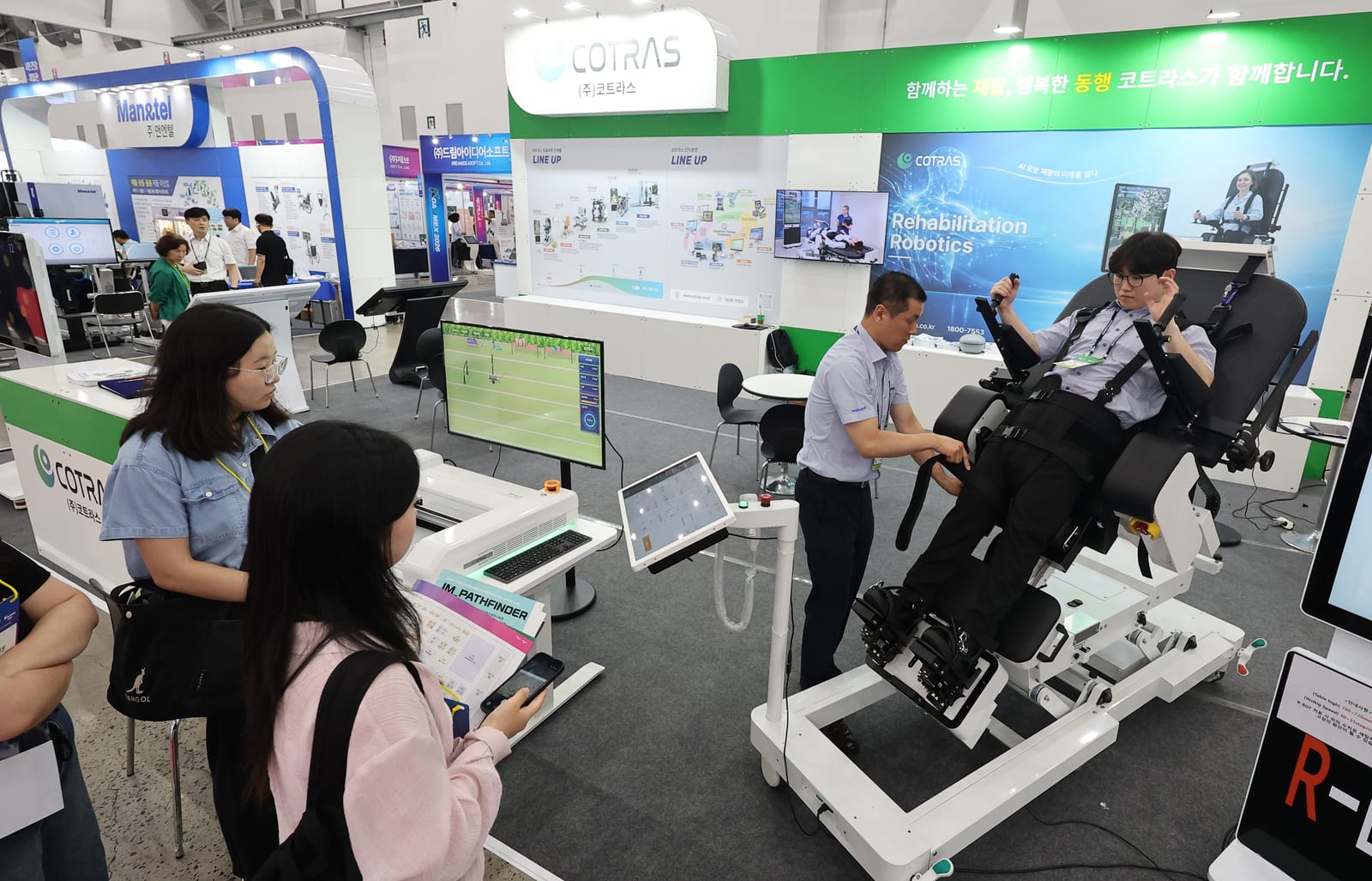
Korea sits in an interesting middle position. It is not only a low-cost manufacturing search. It is also not limited to a few giant consumer-electronics brands. In medical devices, Korean companies often appear in categories where engineering, clinical adoption, manufacturing discipline, export orientation, design, and price-performance all matter.
MFDS reported in 2026 that Korea's 2025 medical device production and exports increased, and that the medical device trade balance remained in surplus for a sixth consecutive year. The same release highlighted dental implant fixtures and skin-improvement medical devices among notable production and export areas. Trade.gov's South Korea medical equipment and devices guide also points to dental, imaging, and beauty-related device growth while warning that regulatory review, Korean Good Manufacturing Practice, local representation, and reimbursement structures matter.
For buyers, the signal is not "Korea is automatically better." The signal is "Korea has enough depth in selected device categories that a structured supplier search is worth doing."
The Categories Worth Separating
Do not search "Korean medical device supplier" as one giant category. Split the market first.
| Category | Why Buyers Look at Korea | Due Diligence Focus | Common Buyer Mistake |
|---|---|---|---|
| Dental implants and dental instruments | Korean companies are visible in implant fixtures, dental tools, and clinic equipment | Registration status, clinical evidence, component compatibility, training, distributor support | Treating a sample kit as proof of market authorization |
| Aesthetic and dermatology devices | Korea's beauty and clinic ecosystem creates strong demand for lasers, RF, ultrasound, skin-improvement, and treatment devices | Device classification, indications, clinical claims, service network, local rules for use | Using marketing claims before checking permitted claims in the target country |
| Imaging and diagnostic equipment | Korean engineering and hospital adoption support selected imaging and diagnostic categories | Technical documentation, calibration, software updates, training, cybersecurity, maintenance | Ignoring after-sales service and replacement-part timelines |
| IVD and testing products | Korea built export experience in diagnostics, especially visible after the pandemic period | Regulatory classification, performance data, shelf life, cold chain, lot traceability | Assuming pandemic-era export strength applies equally to every current IVD item |
| Digital health and AI-enabled devices | Korean healthcare groups, software firms, and device makers are exploring AI and remote-care tools | Data privacy, clinical validation, software lifecycle, local approval pathway, reimbursement | Buying a demo before defining regulatory and hospital IT requirements |
If your category is not on this table, Korea may still be relevant. The point is to define the product and regulatory class before contacting suppliers. Medical device sourcing starts badly when the buyer sends the same message to implant companies, beauty-device brands, software startups, and general trading companies.
Supplier Roles: Manufacturer, Brand, Distributor, or Trading Company?
Korea sourcing becomes clearer when you ask what the counterparty actually controls.
A manufacturer may own production and quality systems but may not sell directly to your country. A brand may control product positioning and export relationships but outsource some manufacturing. A distributor may have real market access but not technical authority. A trading company may help small buyers combine categories but may be too distant from documentation, service, and regulatory details.
For regulated products, distance from the actual legal manufacturer matters. If a seller cannot provide technical files, certificates, authorized distributor letters, manufacturing-site evidence, or regulatory-contact clarity, slow down. The seller may still be useful, but the risk profile changes.
This is why our broader Korea supplier search guide recommends treating supplier discovery as a workflow rather than a directory hunt.
Korea-Specific Verification Paths
Medical device verification has two sides. One side is Korea-side evidence: company, product, manufacturing, MFDS-related status, export capability, and trade-show presence. The other side is target-market legality: whether your country permits import, sale, marketing claims, clinical use, reimbursement, and servicing.
For the Korea-side check, use official and source-near materials:
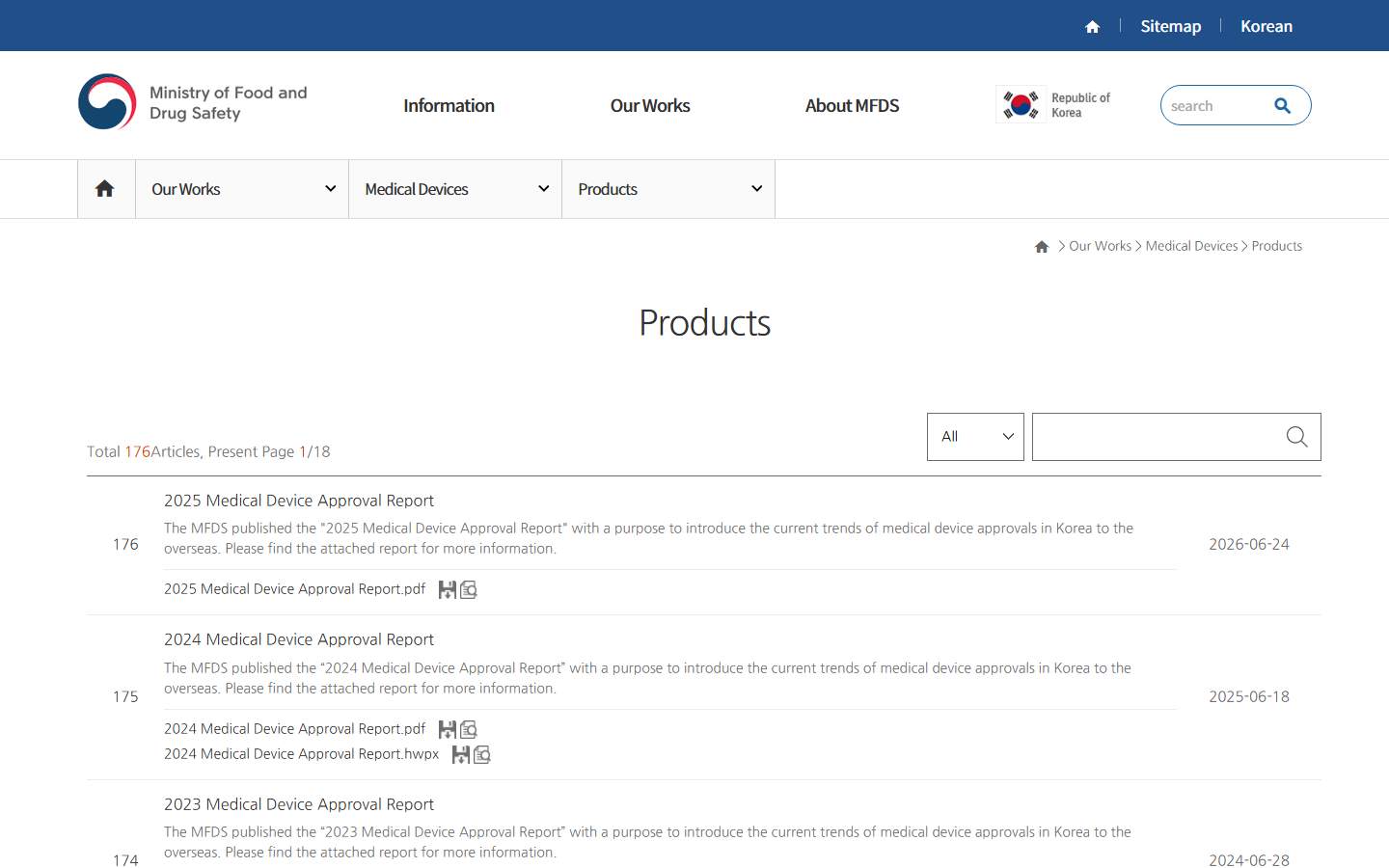
- MFDS English pages for medical device regulations, approvals, product information, and certificate verification paths.
- MFDS reports and press releases for category trends, approval context, and market direction.
- Official company websites, catalogs, manuals, regulatory statements, and warranty documents.
- Official trade-show exhibitor lists such as KIMES or K-Hospital Fair when the supplier claims booth participation.
- KOTRA, buyKOREA, tradeKorea, or other Korea-focused sourcing paths as discovery tools, not final proof.
Then ask the supplier for documents in the exact form your market requires. Do not accept screenshots when a signed, dated, verifiable document is needed. Do not rely on English brochures alone.
Medical sourcing desk setup: As an Amazon Associate, EpicKor may earn from qualifying purchases. For early category research, compare medical device regulatory affairs books and import-export business books before you turn a supplier list into purchase orders.
First Email Template for Korean Medical Device Suppliers
A vague "send price list" message is weak. Use a structured first contact that lets a serious supplier understand whether you are worth answering.
Include:
- Your company name, country, website, and buyer role.
- Target product category and intended use.
- Target market and current regulatory status you need.
- Annual or pilot quantity range, clearly labeled as estimate.
- Whether you need manufacturer, brand owner, OEM, ODM, distributor, or private-label cooperation.
- Required documents: catalog, technical specifications, regulatory certificates, quality-system documents, warranty, training, service, and authorized distributor terms.
- Your next step: video call, sample evaluation, distributor discussion, or trade-show meeting.
This format protects you from two bad outcomes: unserious sellers and serious suppliers who ignore you because your inquiry looks fake.
Trade Shows and In-Person Checks
Medical devices are a category where trade shows can matter. You can compare product finish, booth team competence, documentation readiness, demo quality, service explanations, and competitor positioning in one place. Trade.gov lists Korea medical-device events including KIMES and K-Hospital Fair as relevant industry shows. These events are not a substitute for regulatory review, but they are useful for building a short list.
Before visiting, read our Korea trade shows guide for overseas buyers. The same trade-show logic applies here, but medical devices need an extra layer: every booth conversation should become a document checklist afterward.
| Trade-Show Question | What a Strong Supplier Can Explain | Why It Matters |
|---|---|---|
| Who is the legal manufacturer? | Manufacturing entity, site, quality system, and relationship to brand or exporter | Regulatory responsibility and document control start here |
| Which countries already use this product? | Market list, distributor names when shareable, registration status, service model | Export experience reduces friction but does not replace your own approval |
| What claims are approved? | Intended use, indications, contraindications, marketing language boundaries | Overclaiming can create legal and clinical risk |
| How is service handled? | Training, spare parts, software updates, warranty, repair timeline, local partner needs | Devices fail commercially when service is weak |
| What documents can be shared under NDA? | Technical file index, certificates, test reports, manuals, labeling, IFU, audit evidence | Real suppliers know what can be disclosed and when |
Aesthetic Devices Need Extra Claim Discipline
Korea's beauty ecosystem can make aesthetic devices look especially attractive. Clinics, dermatology content, K-beauty branding, and Korean consumer trust can create strong export appeal. But aesthetic devices are also where marketing language can outrun regulation.
Words such as lifting, tightening, whitening, fat reduction, pain-free, no downtime, medical grade, FDA-approved, MFDS-approved, or clinically proven need exact checking. Which version of the device? Which indication? Which market? Which study? Which certificate? Which treatment protocol? Which operator qualification?
If the device will be sold to clinics, spas, consumers, distributors, or hospitals, the regulatory and training path may differ. Do not use Korean clinic popularity as a shortcut for your local compliance review.
For adjacent consumer-beauty context, see our APR Medicube global beauty-tech deep dive and K-beauty OEM/ODM guide. Those are useful background, but medical devices require stricter evidence than cosmetics or general beauty goods.
Red Flags
Slow down if you see any of these:
- A supplier claims "MFDS approved" but cannot show product-specific documentation.
- The seller is not the manufacturer and cannot explain authorization.
- The brochure makes broad clinical claims that do not match the certificate language.
- The company avoids quality-system questions.
- Warranty and service terms are vague.
- Software updates, cybersecurity, or calibration are ignored for connected devices.
- The supplier pushes full payment before samples, documents, or contract terms are reviewed.
- The product name, model number, and certificate do not match.
- The seller says "same as famous brand" or implies compatibility without evidence.
- Trade-show booth claims cannot be matched to official exhibitor information.
In a regulated category, a red flag does not always mean fraud. Sometimes it means the seller is inexperienced with your market. That still matters.
Procurement Flow for a First Buyer
Use a staged approach:
- Define the target product, intended use, and country.
- Identify 10-20 Korean companies through official sites, trade shows, and B2B platforms.
- Remove companies that do not match your buyer role.
- Send a structured first inquiry to 5-8 candidates.
- Hold video calls with 3-4 serious candidates.
- Request documents under NDA where appropriate.
- Have regulatory and technical specialists review the package.
- Request samples or demos only after the document path makes sense.
- Negotiate territory, pricing, service, training, warranty, and marketing claims.
- Start with a controlled pilot rather than a large blind order.
This looks slow. It is faster than solving a regulatory, service, or liability problem after shipment.
Trade-show and document control: A Korea supplier trip is easier when supplier notes, certificates, booth cards, and follow-up tasks stay connected. Compare trade-show planner notebooks and travel document organizers before you visit KIMES, K-Hospital Fair, or supplier offices.
Final Take
Korean medical device suppliers deserve serious attention in selected categories, but the sourcing process has to be more disciplined than ordinary consumer-goods buying. Korea can offer strong engineering, category depth, export experience, and competitive product development. It can also expose buyers to familiar sourcing risks: unclear supplier role, weak documentation, overbroad claims, service gaps, and target-market compliance problems.
The best first move is not to ask, "Who is the best Korean medical device company?" The best first move is to define the device, market, regulatory path, and buyer role so clearly that the right Korean suppliers can prove whether they fit.
FAQ
Q: Are Korean medical device suppliers good for overseas buyers?
They can be, especially in selected categories such as dental devices, aesthetic devices, imaging-related equipment, diagnostics, and technical healthcare products. But each supplier and product needs document-level verification.
Q: Is MFDS approval enough for my country?
No. MFDS status can be useful Korea-side evidence, but import, sale, clinical use, claims, and reimbursement depend on your target market's rules.
Q: Where can I meet Korean medical device companies?
Industry trade shows such as KIMES and K-Hospital Fair, official exhibitor lists, company websites, KOTRA-linked channels, and Korea-focused B2B platforms can all support discovery.
Q: What documents should I request first?
Ask for product catalog, model-specific technical specifications, regulatory certificates, quality-system evidence, intended-use language, labeling/IFU, warranty, service terms, and distributor authorization where relevant.
Q: Are Korean aesthetic devices the same as K-beauty products?
No. Aesthetic medical devices may involve device classification, clinical claims, operator training, service obligations, and stricter local rules than cosmetics or general beauty tools.
Q: Can EpicKor recommend a specific supplier?
This guide does not recommend or endorse a specific supplier. It provides a buyer workflow for evaluating Korean medical device suppliers using official sources and structured due diligence.
Sources and Useful Links
- MFDS English product information and 2025 Medical Device Approval Report listing
- MFDS Korean release on 2025 medical device production, exports, and trade balance
- Trade.gov: South Korea Medical Equipment and Devices country commercial guide
- KIMES official website
- K-Hospital Fair / KHIMA official website
More Business Guides
Korean Health Supplement Suppliers 2026: K-Supplement Sourcing Guide
An overseas-buyer guide to Korean health supplement suppliers: red ginseng, collagen, MFDS health functional food rules, GMP, and sourcing risk.
Korean Apparel Manufacturers 2026: Dongdaemun Sourcing Guide
An overseas-buyer guide to Korean apparel manufacturers and Dongdaemun sourcing: wholesale vs OEM, MOQs, sample rooms, quality checks, and export risk.
How to Find Suppliers in Korea: Official Platforms, Verification, and First Contact
A practical Korea sourcing guide for overseas buyers comparing KOTRA, buyKOREA, tradeKorea, GobizKOREA, verification, and first contact.