Korea Trade Shows for Overseas Buyers: How to Use KOTRA, Pavilions, and B2B Matching
A practical Korea trade-show guide for overseas buyers using KOTRA resources, Korea pavilions, B2B matching, meetings, and follow-up.
Quick Answer
Korea trade shows are useful when you treat them as a planned sourcing sprint, not a sightseeing add-on. Start before the show with a clear product scope, exhibitor shortlist, meeting requests, and document checklist. During the show, use booth conversations to test seriousness and product fit. After the show, move quickly into written follow-up, sample control, quotation comparison, and supplier verification.
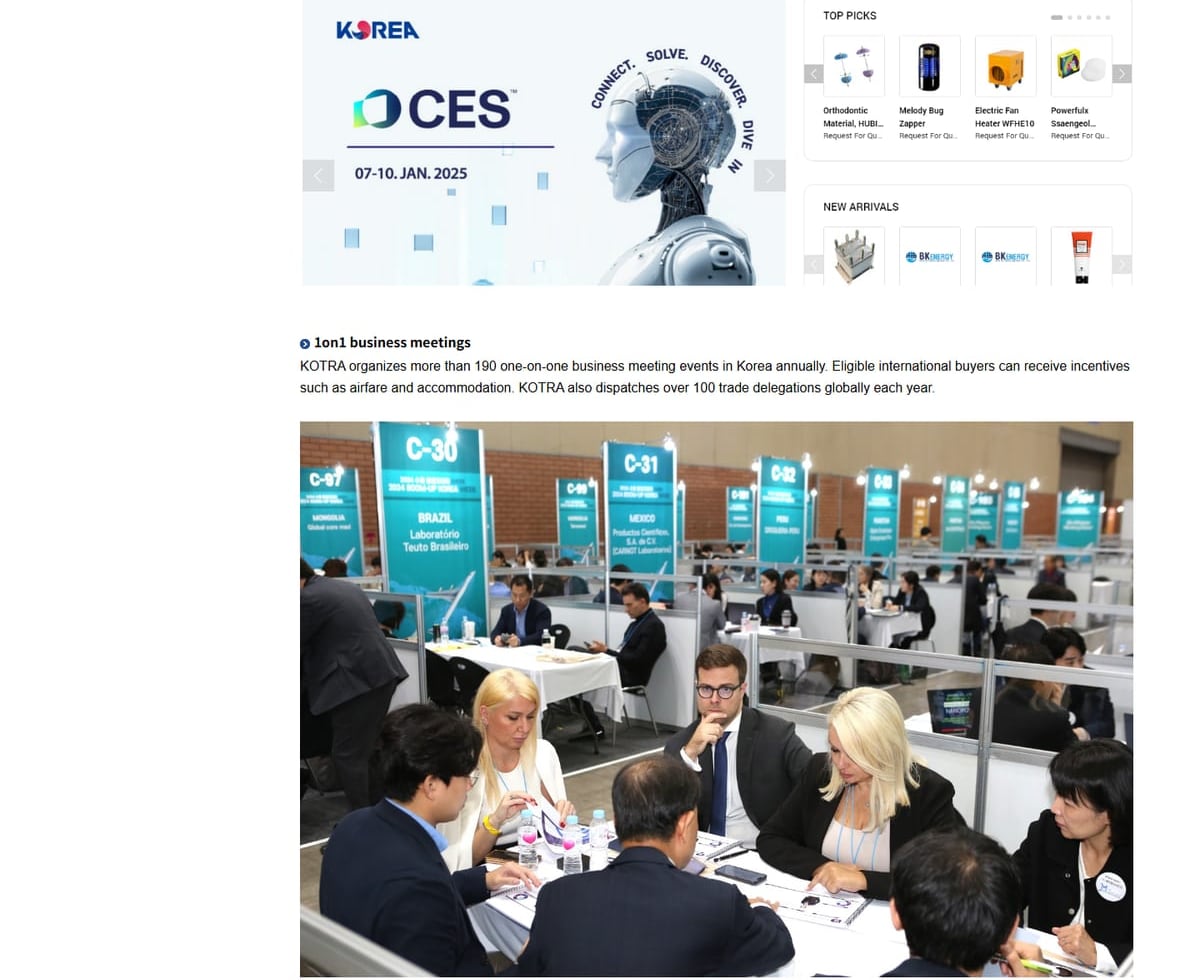
KOTRA's buyer page says it supports international buyers through online marketplace access, business meetings in Korea, trade fairs in and outside Korea, and import inquiries. It also states that KOTRA organizes Korea Pavilions at major international trade fairs and invites exhibitors and buyers to trade fairs hosted in Korea. That makes KOTRA a useful starting point for understanding official buyer-facing channels.
The show itself is only one part of the process. The buyer who wins is usually the buyer who prepares better before arrival and follows up faster after the meeting.
When a Korea Trade Show Is Worth the Trip
A Korea trade show is most useful when the category benefits from touch, comparison, or relationship-building. Beauty, food, packaging, gifts, fashion materials, home goods, machinery, electronics, medical-adjacent equipment, and consumer products can all benefit from in-person inspection. You can compare finishes, textures, packaging, samples, booth quality, catalog depth, and export-manager communication in a few concentrated days.
For beauty shows specifically, separate manufacturing meetings from finished-product wholesale meetings. If a booth conversation is about existing Korean skincare or makeup brands for resale, use the Korean cosmetics wholesale guide to check authorization, gray-market exposure, batch proof, and channel restrictions after the show.
It is less useful when your brief is still vague. If you cannot explain your target market, quantity range, product requirements, and decision timeline, an in-person meeting may only produce brochures. Trade shows reward focused buyers. They do not automatically create a sourcing strategy.
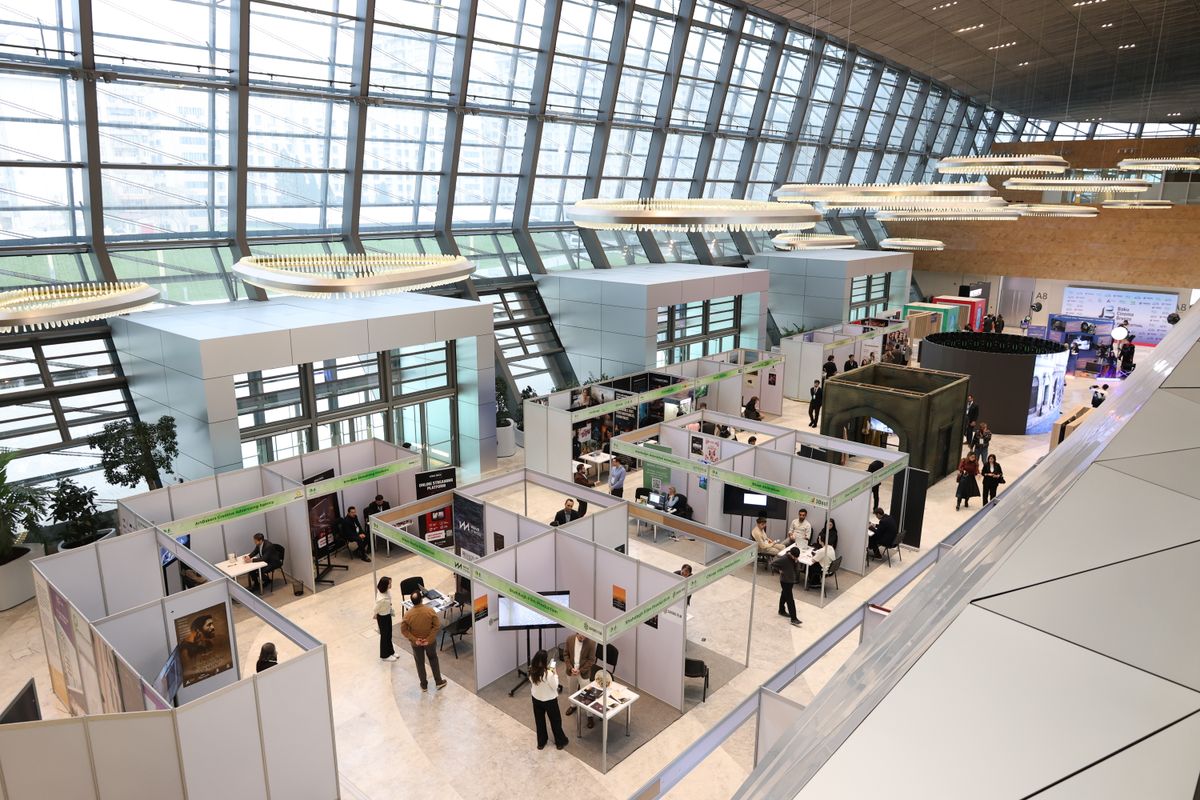
Trade shows also help when you need to understand an industry map. A buyer new to K-beauty packaging, Korean food exports, or SME consumer goods may learn faster by walking a floor than by reading scattered search results. But the floor can mislead you if you confuse presentation with readiness. A polished booth does not prove export reliability. A small booth does not prove weakness.
KOTRA, Pavilions, and B2B Matching
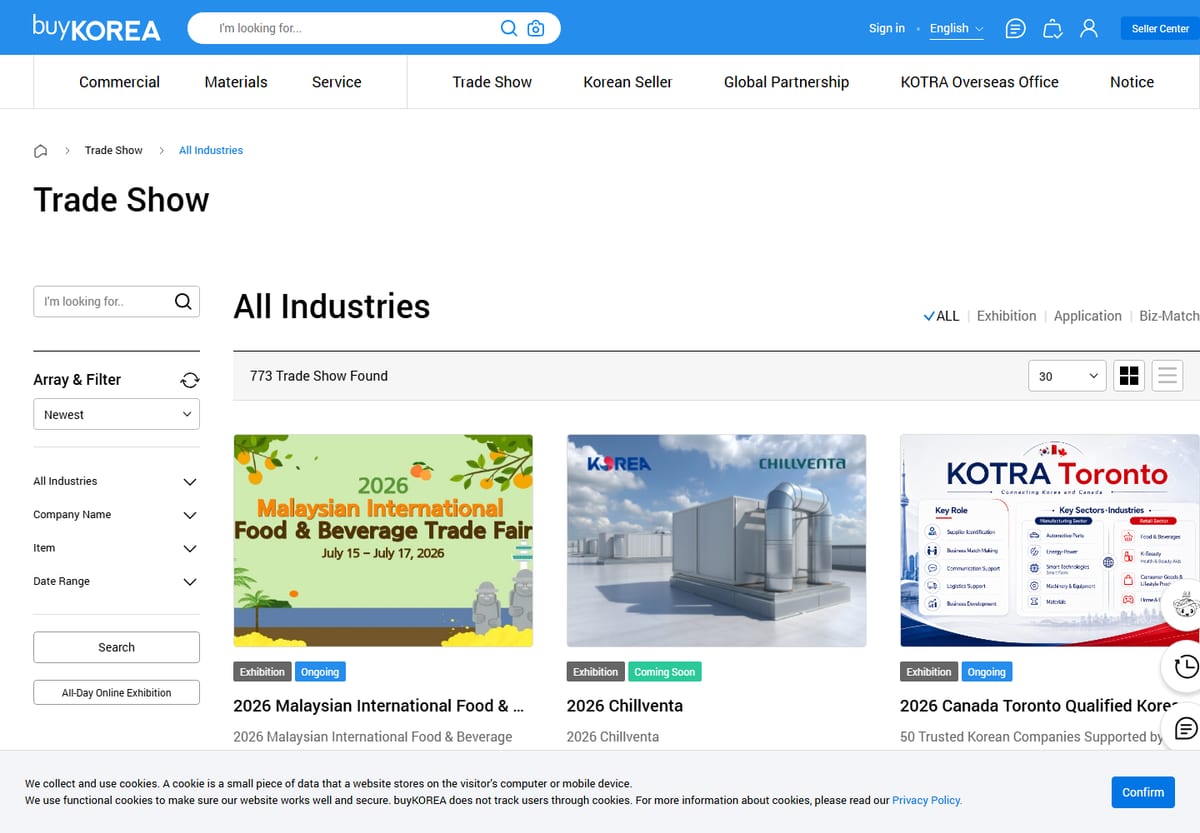
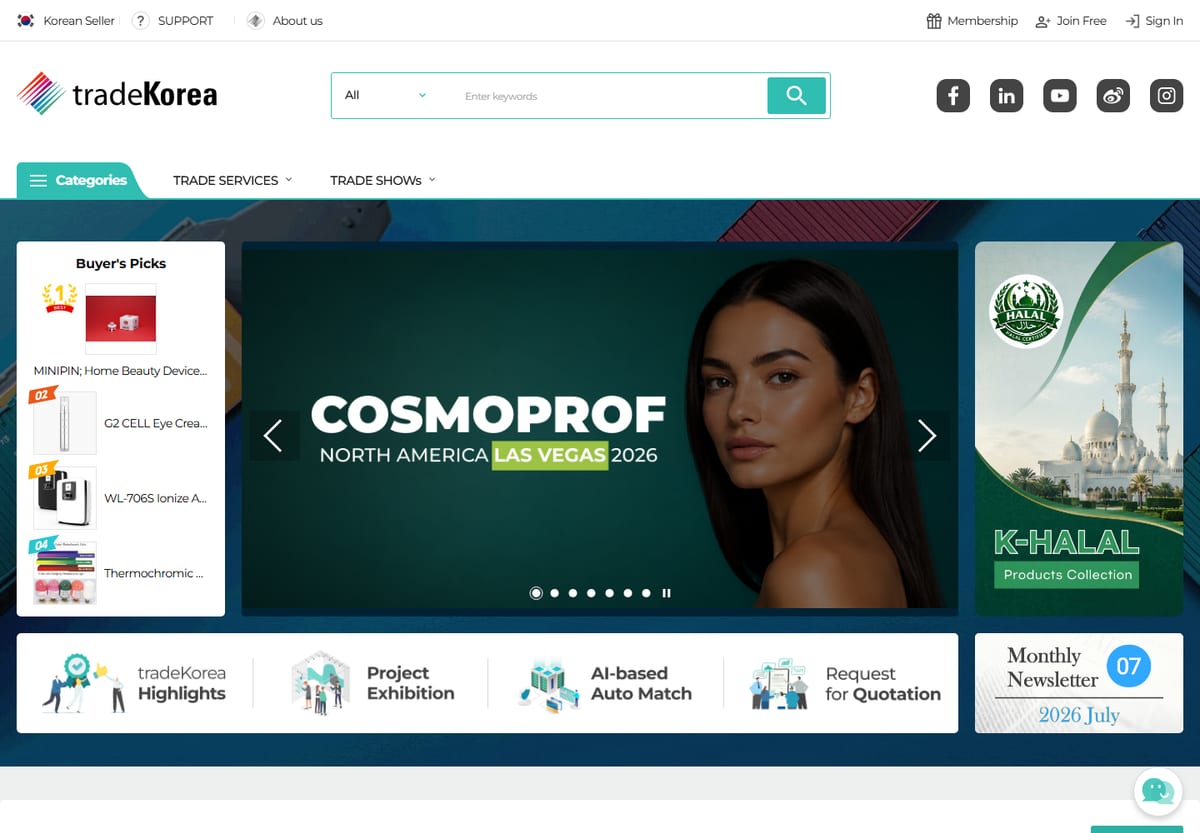
Use official and platform resources as planning tools. KOTRA's buyer page describes several paths: BuyKorea.org, one-on-one business meetings, trade fairs, import inquiries, and sales representative support for Korean SMEs. buyKOREA's trade-show area shows a trade-show search and online exhibition/Biz-Match structure. These resources can help you identify events, categories, and buyer support options.
| Resource | Use It For | Buyer Action | Do Not Assume |
|---|---|---|---|
| KOTRA buyer services | Finding official trade-promotion paths, business meetings, and Korea pavilion context. | Check event lists, local office routing, import inquiry options, and buyer eligibility. | That official support equals full due diligence or guaranteed commercial fit. |
| Korea Pavilions | Meeting Korean companies at major international trade fairs outside Korea. | Use pavilion lists to screen Korean exhibitors before a global show. | That every pavilion exhibitor is right for your product, market, or quantity. |
| Trade fairs in Korea | Comparing many Korean suppliers and products in one local visit. | Request meetings before travel and group booths by product category. | That walking in without appointments will secure export-manager time. |
| B2B matching | Getting structured introductions or meeting slots. | Submit a clear buyer profile, target items, and volume range. | That a matched meeting removes the need to verify documents and samples. |
| buyKOREA and tradeKorea | Checking company listings before and after the show. | Compare booth contacts with platform profiles, catalogs, and direct websites. | That one listing is enough proof of capability or authorization. |
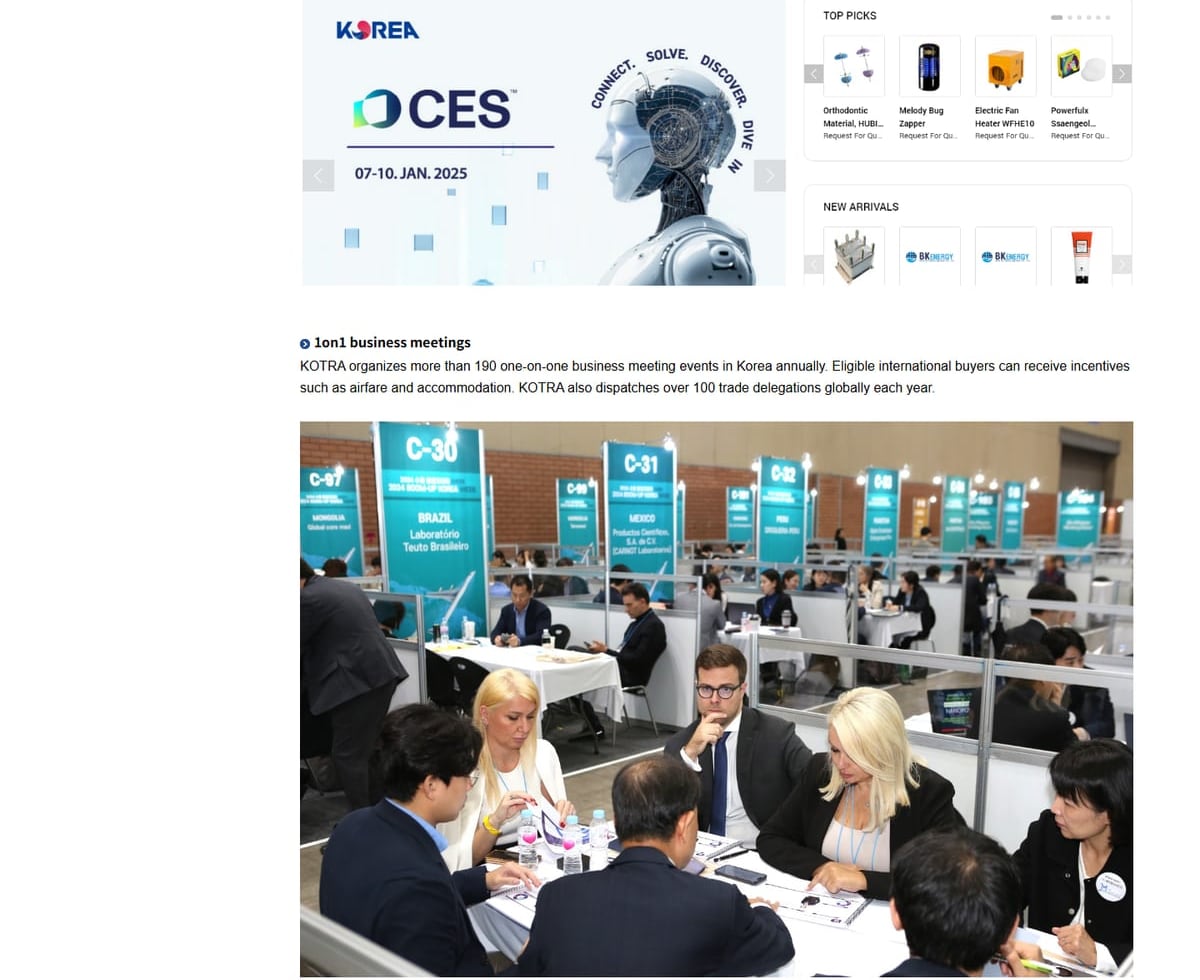
KOTRA says it organizes more than 190 one-on-one business meeting events in Korea annually and dispatches more than 100 trade delegations globally each year. Treat those numbers as proof that a structured meeting ecosystem exists, not as proof that every buyer will qualify for every incentive or program.
Trade-show desk note: As an Amazon Associate, EpicKor may earn from qualifying purchases. Before a Korea sourcing trip, compare trade-show planner notebooks or business-card organizers so booth notes, cards, samples, and follow-up tasks stay connected.
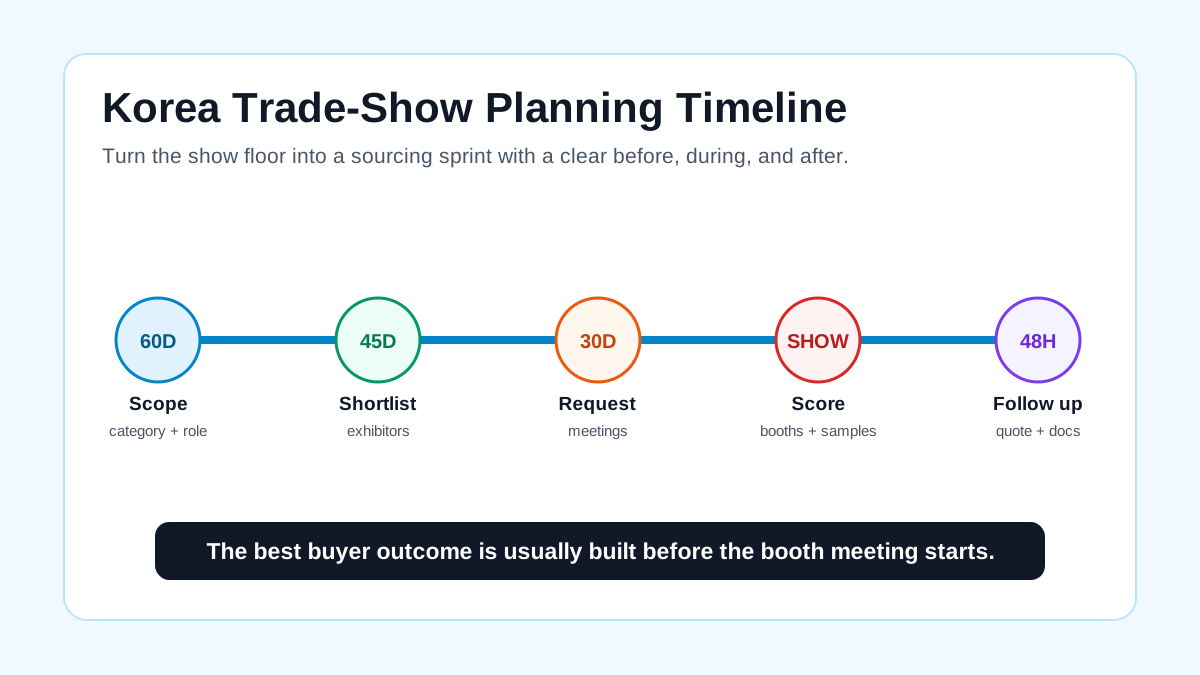
The 60-Day Planning Timeline
At 60 days before the show, define the category and buyer role. Are you looking for a manufacturer, ODM partner, distributor, wholesaler, packaging supplier, or trading company? Decide what you will not evaluate. A narrow brief prevents the floor from turning into noise.
At 45 days, build the exhibitor list. Use the official show page, Korea pavilion information, buyKOREA, tradeKorea, company websites, and LinkedIn or email signatures where available. Divide companies into A, B, and C targets. A targets deserve appointment requests. B targets deserve booth visits. C targets are optional discovery.
At 30 days, send meeting requests. Include your company profile, target market, product need, volume range, required documents, preferred meeting time, and whether you want samples, catalog review, or OEM discussion. If you need an interpreter, arrange one early. Do not assume every booth will have the right English-speaking person available at the moment you walk in.
At 14 days, build a meeting sheet. For each target, record booth number, contact name, category, reason for meeting, questions, required documents, and next step. Add backup companies in case meetings move.
During the show, record every serious conversation immediately. Photos of booths and samples are useful only if you also capture the company name, contact, product version, quoted MOQ, and promised follow-up. Ask permission before taking sensitive product photos.
Within 48 hours after the show, send follow-up messages. Thank the supplier, restate the product discussed, attach your request sheet, ask for quotation and documents, and set a deadline. The best supplier relationships often start with disciplined follow-up, not the warmest booth conversation.
Booth Meeting Scorecard
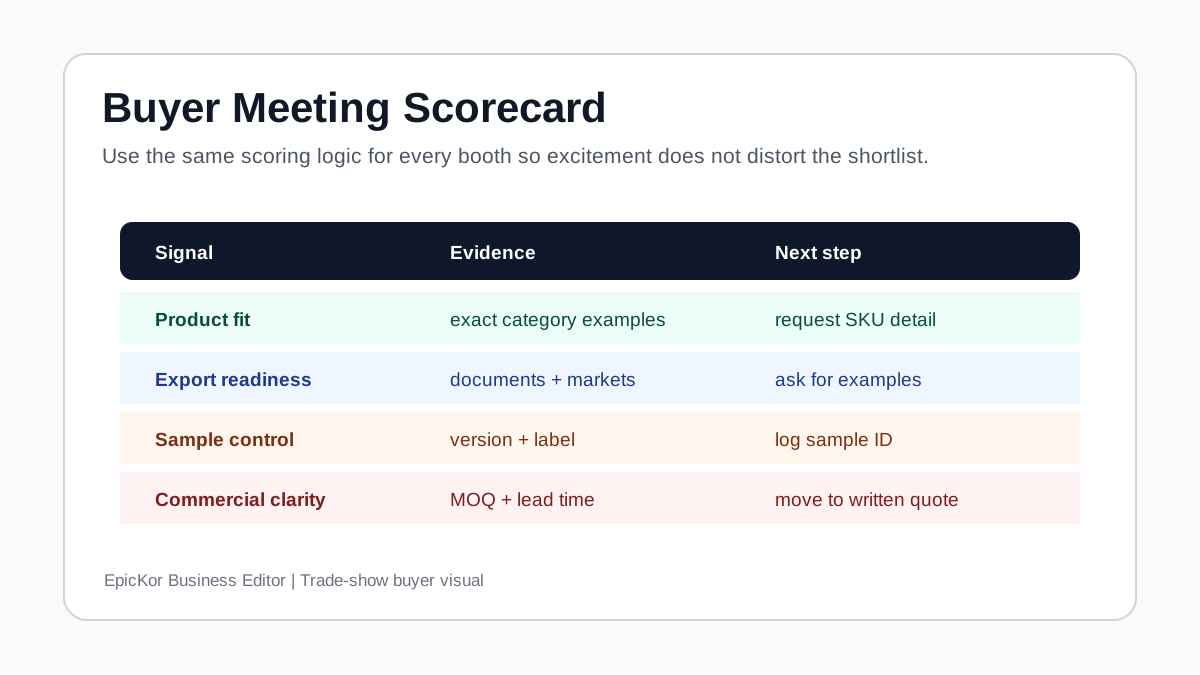
Use a scorecard while the memory is fresh.
| Signal | Strong | Weak | Next Step |
|---|---|---|---|
| Product fit | They show exact or close category examples. | They redirect every question to a generic catalog. | Request SKU-level or project-level details. |
| Export readiness | They can explain target markets, documents, packing, and lead times. | They only discuss domestic sales or vague overseas interest. | Ask for export document examples and shipment history by region. |
| Decision-maker access | The export manager or product lead can join or follow up. | The booth staff cannot answer and no follow-up owner is named. | Get a named contact before leaving the booth. |
| Sample control | Samples are labeled, versioned, and tied to quoted specs. | Samples are attractive but not traceable. | Record sample ID, version, packaging, and claimed features. |
| Commercial clarity | MOQ, lead time, payment, Incoterms, and customization limits are discussed. | Everything is possible, cheap, and fast. | Move promises into a written quotation request. |
What To Do After the Show
Post-show follow-up is where trade-show sourcing becomes real. Build a comparison sheet with supplier name, product, role, contact, promised documents, quotation status, sample status, MOQ, lead time, payment terms, export experience, and risk notes. Do not rank only by unit price. Rank by the full cost of getting the product legally, consistently, and on time to your market.
If a supplier was found at a Korea pavilion outside Korea, still verify the company directly. If a supplier was found through a trade fair in Korea, compare the booth information with official platform listings and company websites. If a meeting came through matching support, thank the organizer but continue your own commercial review.
For a wider supplier workflow, read How to Find Suppliers in Korea. For beauty-specific manufacturing meetings, read K-Beauty OEM/ODM in Korea.
Travel work setup: A Korea trade-show trip is easier when your receipts, passports, samples, and meeting notes are separated. Compare travel document organizers or portable power banks before a multi-day booth schedule.
FAQ
Q: Do I need to visit Korea to find Korean suppliers?
No. Many first screens can happen through platforms, emails, video calls, samples, and document review. A Korea visit becomes more useful when the category is visual, tactile, technical, regulated, or relationship-heavy.
Q: Are KOTRA business meetings free?
Eligibility and support details depend on the program, event, buyer profile, and timing. Check the current KOTRA event or local office information before assuming cost, incentive, or meeting availability.
Q: What should I bring to a Korea trade show as a buyer?
Bring a concise company profile, product brief, target market details, quantity range, document requirements, meeting schedule, business cards, note system, and a plan for sample tracking. If the category is regulated, bring a checklist from your regulatory adviser.
Q: How soon should I follow up after meeting Korean suppliers?
Within 48 hours is a strong rule. Restate the exact product discussed, attach your request, ask for quotation and documents, and set a clear next step. Waiting two weeks makes the booth conversation much less valuable.
Q: Can I rely on a trade-show booth as proof that a supplier is legitimate?
No. A booth is a useful signal, but not final proof. Verify company identity, role, documents, sample traceability, authorization, payment terms, and compliance before moving to serious purchase orders.
Sources and Further Reading
More Business Guides
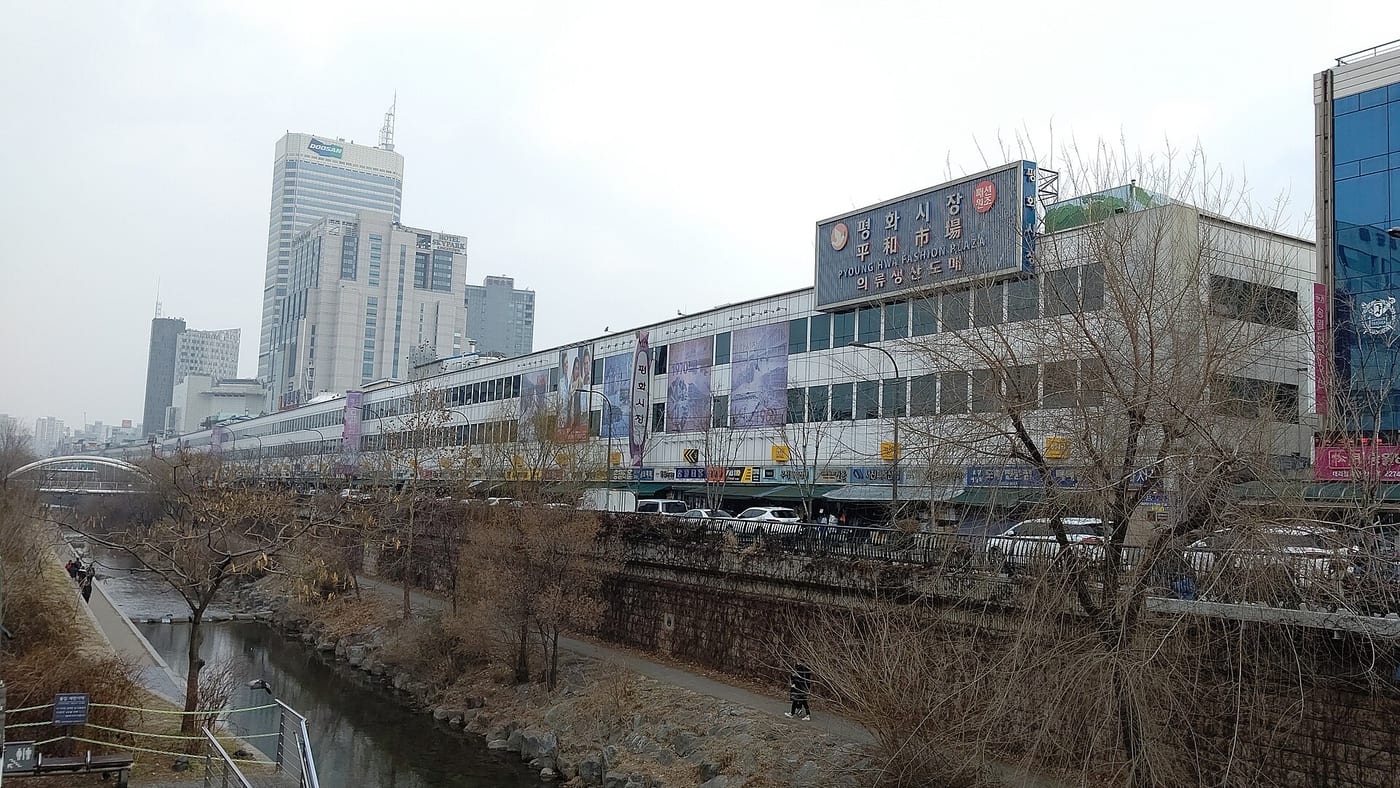
Korean Apparel Manufacturers 2026: Dongdaemun Sourcing Guide
An overseas-buyer guide to Korean apparel manufacturers and Dongdaemun sourcing: wholesale vs OEM, MOQs, sample rooms, quality checks, and export risk.
Korean Health Supplement Suppliers 2026: K-Supplement Sourcing Guide
An overseas-buyer guide to Korean health supplement suppliers: red ginseng, collagen, MFDS health functional food rules, GMP, and sourcing risk.
Korean Medical Device Suppliers 2026: Buyer Due Diligence Guide
A practical overseas-buyer guide to Korean medical device suppliers, dental implants, aesthetic devices, trade shows, MFDS checks, and sourcing risk.