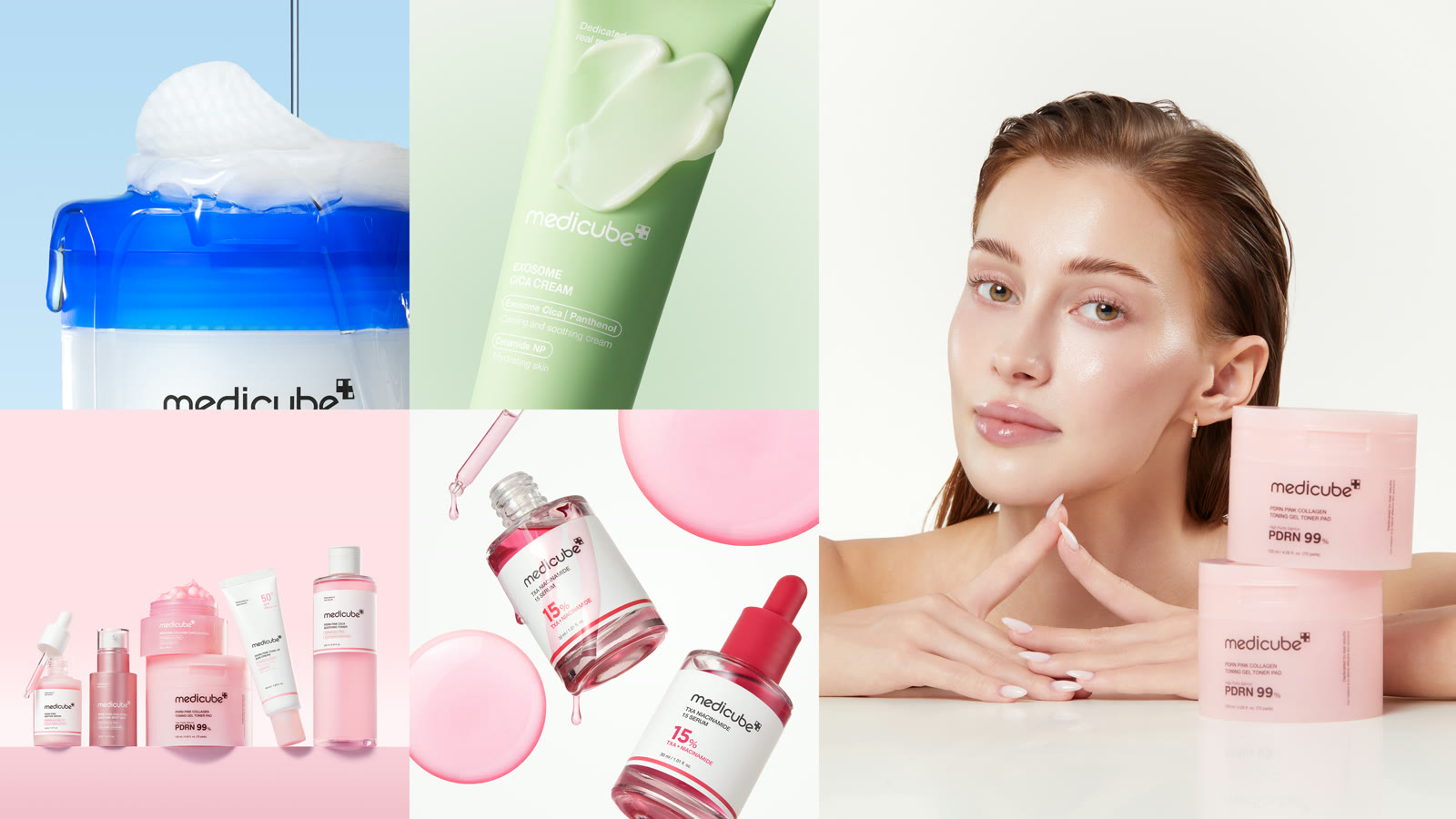
Who Owns Medicube? Inside APR, the Korean Beauty-Tech Company Behind AGE-R
Medicube belongs to APR (에이피알), a KOSPI-listed Korean company whose founder Kim Byung-hoon owns about 32%. AGE-R devices are built in Pyeongtaek, Korea, and 92% of Q2 2026 sales (₩767.5bn) came from abroad.
Quick Answer
Who owns Medicube? Medicube (메디큐브) is a brand of APR Co., Ltd. (주식회사 에이피알), a Korean company listed on the Korea Exchange's main KOSPI market under the code 278470. APR was founded in 2014 by Kim Byung-hoon (김병훈), who is still its chief executive and largest shareholder. His 11,953,660 shares work out to roughly 32% of the company, and Korean press put the founder and related parties together at about 34.8%. There is no foreign parent and no private-equity owner.
Is it a Korean company? Yes. APR's official website gives its headquarters as Songpa-gu, Seoul. Most of its money, however, is no longer made in Korea. In the second quarter of 2026, 91.8% of APR's ₩767.5 billion revenue came from outside the country, and North America alone was 49%.
Where is Medicube made? That depends on the product. The AGE-R (에이지알) home beauty devices are built by APR itself at its APR Factory campus in Poseung-eup, Pyeongtaek (평택시 포승읍), Gyeonggi Province. In July 2026, Korean trade press gave its capacity as up to 6 million devices a year. The skincare (pads, serums, creams) comes partly from Korean ODM manufacturers, which APR's own sustainability report lists in its value chain. To find the maker of a specific jar, read the 제조업자 (manufacturer) line on the Korean label. Korean cosmetics law requires it.
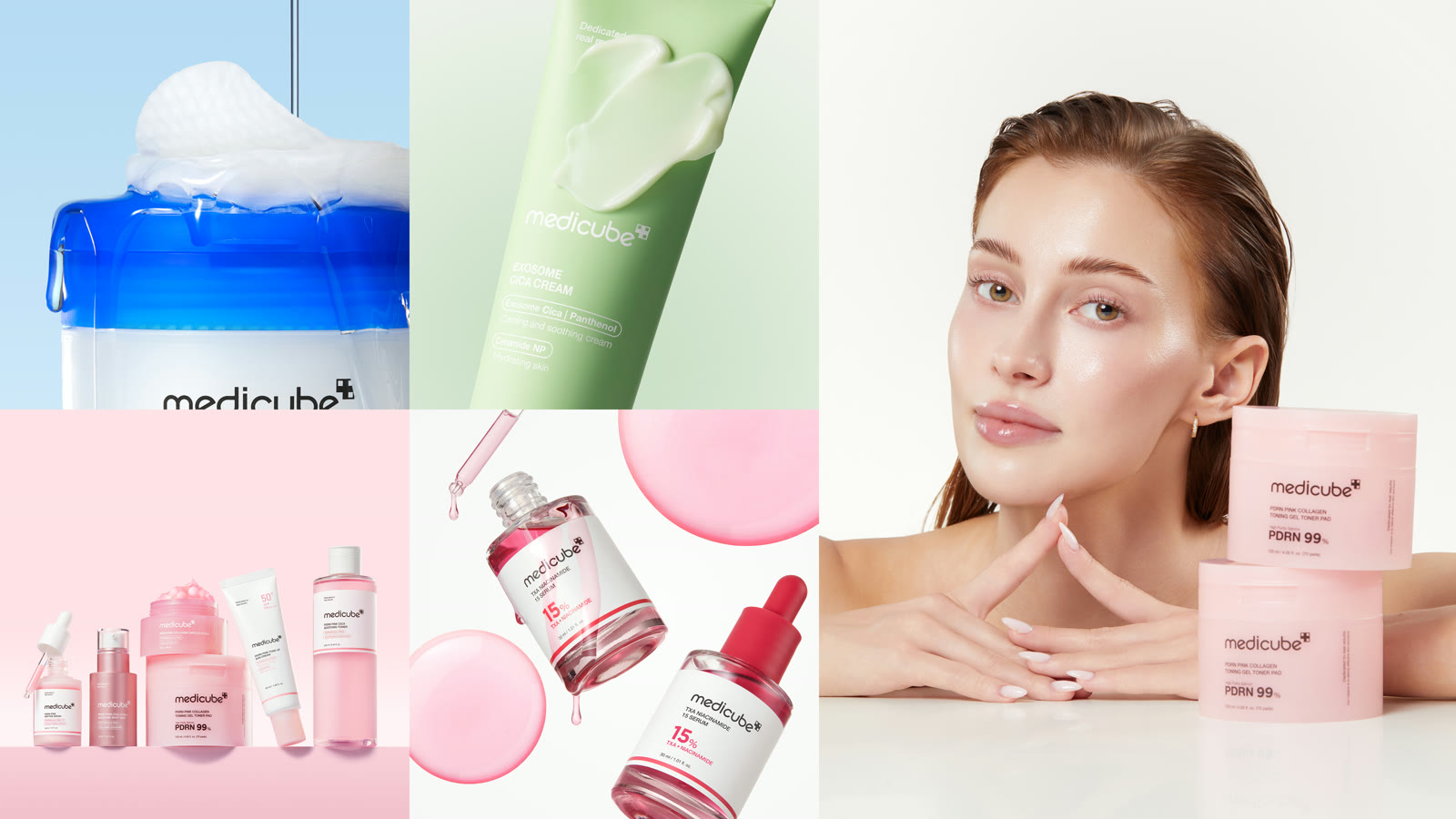
The device at the center of this company: medicube AGE-R Booster ProAffiliate link. As an Amazon Associate, EpicKor earns from qualifying purchases at no extra cost to you.
This is a public-information company spotlight. EpicKor has no client relationship with APR or Medicube, and nothing here is investment advice. The won figures are company disclosures as reported by Korean press, and each is dated. Dollar figures use ₩1,350 to the dollar, rounded and approximate.
APR At A Glance
| Item | Detail | Date / basis |
|---|---|---|
| Official name | APR Co., Ltd. (주식회사 에이피알) | Korean corporate name |
| Founder and CEO | Kim Byung-hoon (김병훈), born 1988 | Founded the company in 2014 |
| Largest shareholder | Kim Byung-hoon, 11.953 million shares (about 32%); about 34.8% with related parties | 2026 half-year report as reported by Korean press |
| Listing | KOSPI, code 278470 | Listed 27 February 2024 at a ₩250,000 offer price |
| Headquarters | Songpa-gu, Seoul | APR official website |
| Device factory | APR Factory, Poseung-eup, Pyeongtaek (평택) | Opened May 2024; up to 6 million units a year (July 2026) |
| Brands | Medicube (메디큐브), AGE-R (에이지알), Aprilskin (에이프릴스킨), Forment, Glam.D Bio, NERDY | APR official brand pages |
| 2025 revenue | ₩1.5273 trillion (about $1.13 billion) | Full year 2025, up 111% |
| 2025 operating profit | ₩365.5 billion (about $271 million) | Full year 2025, up 198% |
| Q2 2026 revenue | ₩767.5 billion (about $569 million), up 134.2% | April–June 2026 |
| Q2 2026 operating profit | ₩190.6 billion, a 24.8% margin | April–June 2026 |
| Overseas share | 80% (2025) → 91.8% (Q2 2026) | Company results |
| Market value | ₩13.65 trillion (about $10.1 billion) at ₩364,500 a share | 30 September 2026, after-hours quote |
The headline is that APR's revenue for the first half of 2026 alone, ₩1.3609 trillion, nearly matched all of 2025. On its second-quarter earnings call in August 2026, the company raised its full-year 2026 revenue target from ₩2.1 trillion to ₩3 trillion (about $2.2 billion). That target is a company forecast. It is not a result.
medicube AGE-R Glutathione Glow Capsule Cream — the low-cost way into the system Skincare is most of APR's revenue, and this is the kind of product that does the work: a cream under the AGE-R name that you can buy without the device and that makes the brand familiar first. Check the current price on the listing. As an Amazon Associate, EpicKor earns from qualifying purchases at no extra cost to you.
See the AGE-R capsule cream on AmazonWho Is Kim Byung-hoon?
Kim Byung-hoon (김병훈) started APR in 2014 while still in his twenties. The first brand was Aprilskin (에이프릴스킨), the source of the "APR" name. Medicube followed, then the AGE-R devices. That makes APR a founder-run company in the Korean sense: the person who built the brand still holds the largest block of shares and runs the business day to day. It is not a chaebol affiliate and not a spin-off from a larger group.
The stake is large enough to make him one of Korea's richest people under forty. At ₩364,500, the after-hours price on 30 September 2026, his 11.95 million shares were worth about ₩4.36 trillion (about $3.2 billion) on paper. That is EpicKor's arithmetic, not a reported figure. Insight Korea calculated in September 2026 that his dividends paid in 2026 come to about ₩47.8 billion: ₩17.9 billion from the final dividend for 2025 and ₩29.9 billion from the interim dividend. The half-year report lists his salary for January–June 2026 at ₩1.5 billion, up from ₩1 billion a year earlier.

For readers comparing Korean beauty owners, the structure is the opposite of MEDIHEAL's. Our MEDIHEAL deep dive explains that company's unlisted ownership structure. The two brands are often confused because of the shared "Medi-" prefix, but they belong to different companies.
Where Medicube Is Actually Made
There are two answers, and searchers often get only one of them.
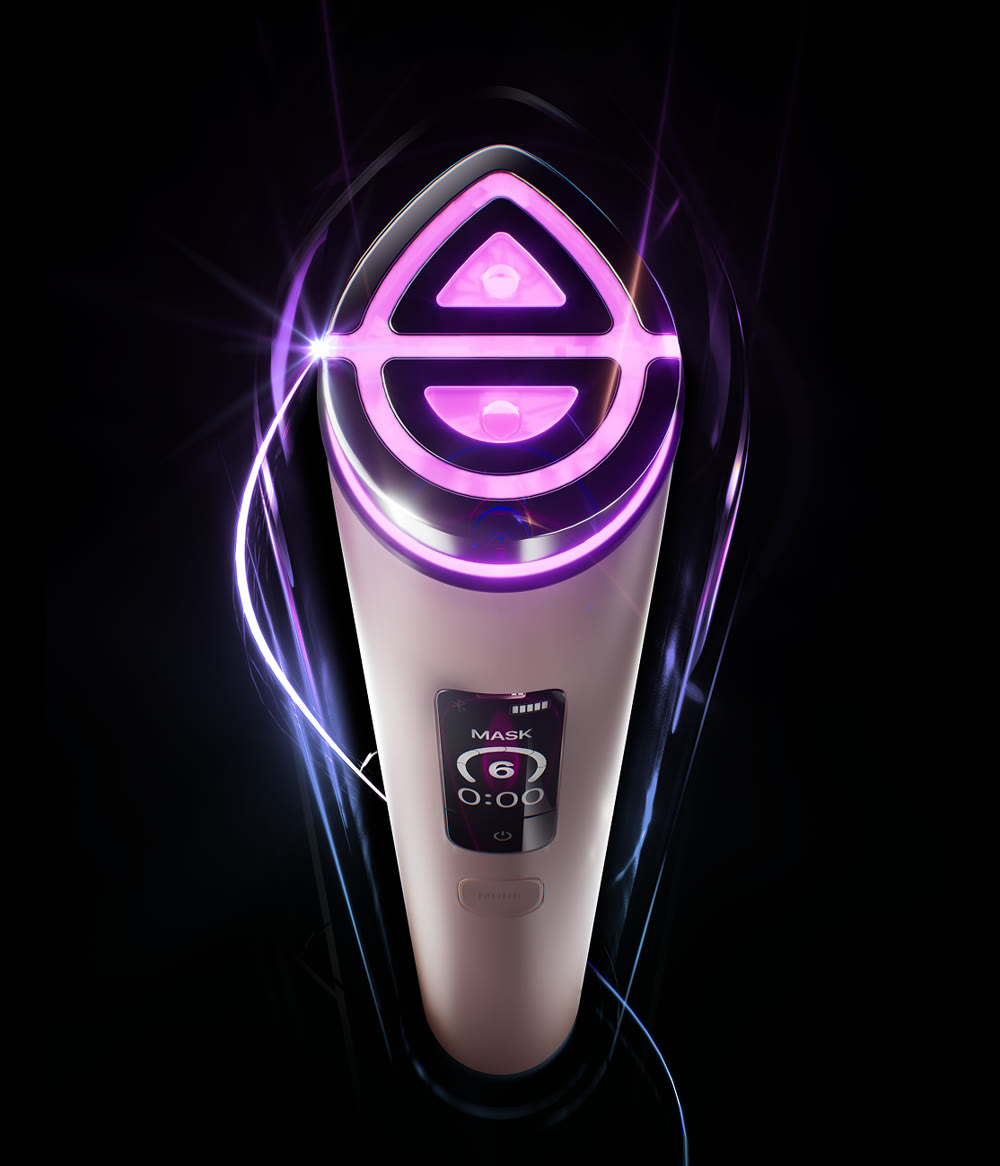
Devices are made in-house, in Korea. APR opened its second factory campus in Pyeongtaek (평택) in May 2024, after starting device production at a first site in Gasan-dong, Geumcheon-gu, Seoul (서울 금천구 가산동) in July 2023. eToday reported at the opening that the goal was capacity of up to 8 million devices a year. A July 2026 Cosin Korea report on an Amazon executive factory visit gave the current figure as up to 6 million a year. The same report described circuit-board (SMT) assembly, device assembly, inspection and a logistics center on site. APR describes itself as the first Korean beauty company to bring home-device manufacturing in-house.
Cosmetics mix in-house direction with outside manufacturing. APR's 2025 Sustainability Report describes a value chain in which cosmetics come through ODM partners. These are Korean contract developer-manufacturers that formulate, test and fill products for brands. APR owns the formula direction, branding, quality oversight and customer data, but not necessarily every filling line. That is normal in Korean beauty. Our COSMAX deep dive explains how that layer works, and the K-beauty OEM and ODM guide covers the questions a buyer should ask.
So "Made in Korea" is accurate for the AGE-R devices. For any particular cream or pad, read the 제조업자 line on the Korean label, or the manufacturer field on an official regional product page, rather than assuming.
The Numbers: 2025 Versus 2026
APR's growth is unusual enough that the dates matter. Here are the two most recent complete pictures.
| Market | Full year 2025 | Q2 2026 (April–June) |
|---|---|---|
| United States / North America | US: 37% | ₩376.3bn (North America, 49%, up 264.6%) |
| Europe | Inside "other overseas" | ₩145.1bn (19%, up 380.3%) |
| Japan / Asia | Japan 12%; Greater China 8% | Asia ₩121.1bn (16%, up 14.5%) |
| Korea | ₩301.6bn (20%) | ₩63.3bn (8%, down 14.5%) |
| Other overseas | 22% | ₩61.7bn (8%) |
| All overseas | ₩1.2258 trillion (80%) | ₩704.2bn (92%) |
| Total | ₩1.5273 trillion | ₩767.5bn |
Both columns come from APR's own earnings releases: the fourth-quarter 2025 release of 4 February 2026 and the second-quarter 2026 release of 5 August 2026. For 2025 the company gave won amounts only for Korea and for overseas as a whole, and shares for each region, so the table shows shares. Korean press carried slightly different won figures for the US and Japan (Byline Network: ₩565.1 billion and about ₩183.2 billion), which do not add up to the company's own overseas total, so we do not use them. The two years also use different regional groupings, US versus North America, so read them as two snapshots rather than one series.
Two shifts stand out. First, Europe appeared from almost nowhere: ₩145.1 billion in a single quarter, nearly five times the year before. North America and Europe together went from 40% of quarterly sales to 68%. Second, Korea is shrinking in both share and absolute terms. Domestic revenue fell 14.5% year on year in Q2 2026 even as the total more than doubled. A company that began selling to Koreans online now makes about one won in twelve at home.
Skincare Versus Devices
| Segment | Full year 2025 | Q2 2026 |
|---|---|---|
| Cosmetics and beauty (화장품·뷰티) | ₩1.0771 trillion (about 70%) | ₩648.3bn (84.5%, up 185.5%) |
| Beauty devices (뷰티 디바이스) | ₩407.0bn (about 27%), up 30.2% | ₩111.9bn (about 15%, up 24.3%) |
This is the most important correction to the popular picture of APR. The AGE-R device gets the headlines, but skincare is now the business. Devices are still growing, by 24% in the quarter, but skincare is growing almost eight times faster. The cumulative device count passed 6 million units in January 2026, about 60% of them sold overseas, according to Byline Network. APR's own fourth-quarter release also gives the 6 million figure.
The Medicube And AGE-R Product System
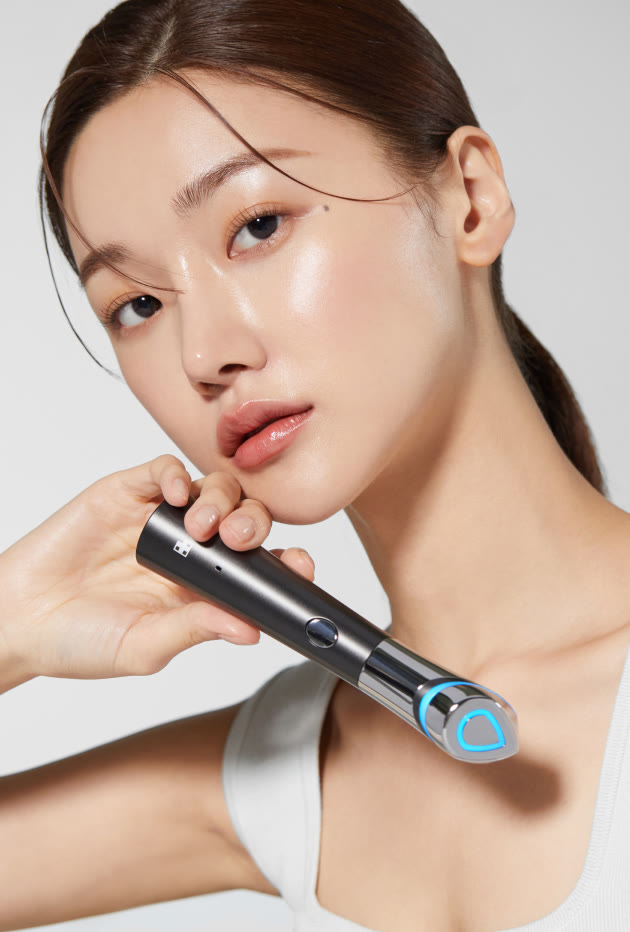
Medicube's skincare is organized around visible concerns such as pores, hydration, blemishes, barrier and texture. The best-known items are the Zero Pore Pad (제로 모공 패드) and the PDRN "pink" line. AGE-R adds handheld tools that the company describes with terms such as electroporation, microcurrent, EMS, RF and HIFU, depending on the model. Recent launches include the Booster V Roller and High Focus Shot Plus (fourth quarter of 2025), the Booster Pro X2 (부스터 프로 X2, March 2026), which adds dual, mask and AI modes, and the Booster Glow (second quarter of 2026). Those descriptions are product positioning, not medical claims.
APR's product-safety page lists country-specific certifications, restricted-substance management and post-market processes, because a certification for one model in one market does not carry over to the next.
For the shopper's side of this question, EpicKor's Korean beauty-device guide explains how to compare modes, warranty, contraindications and realistic expectations.
How The Flywheel Works
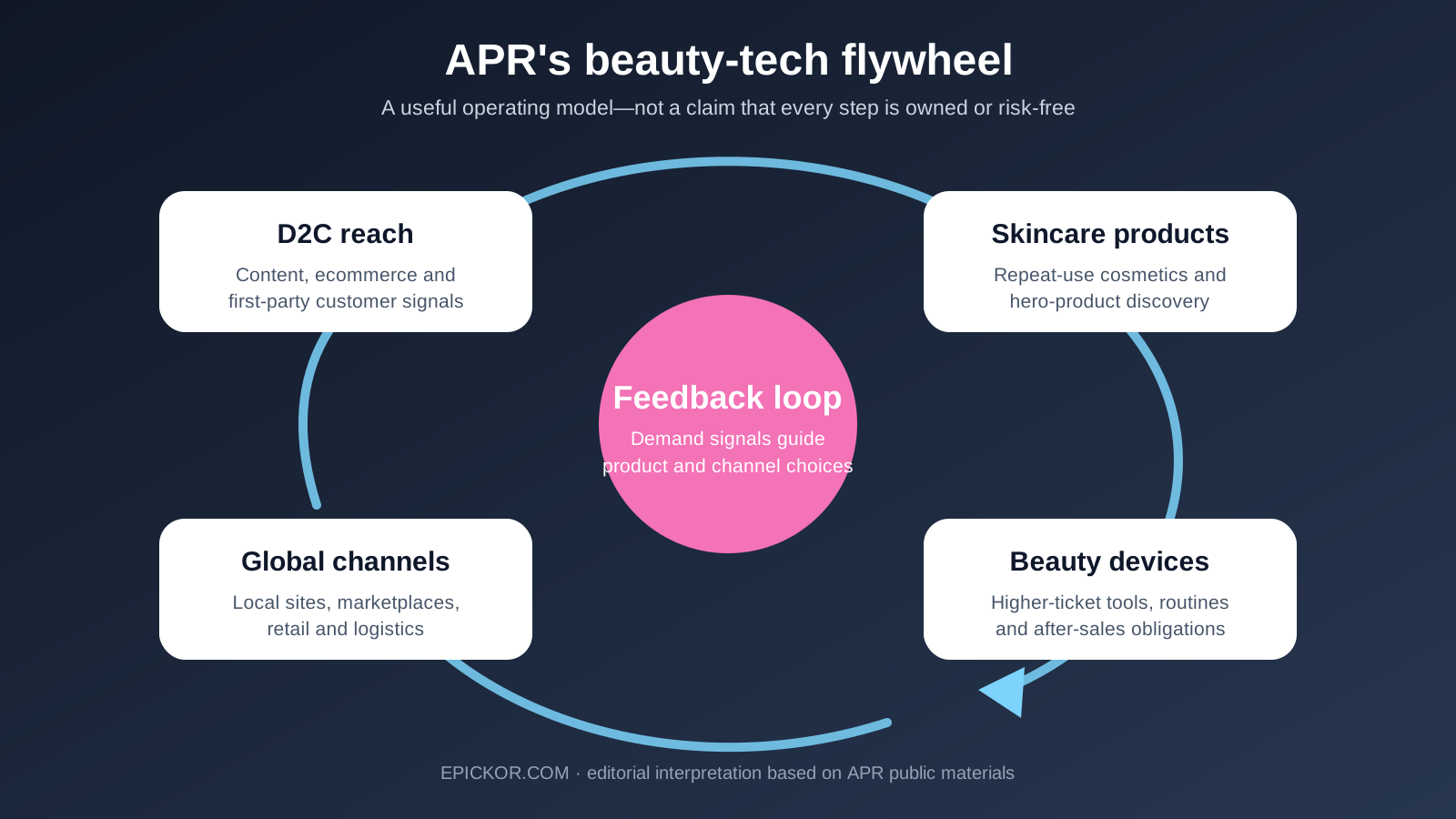
Direct sales create demand signals. APR said in October 2024 that cumulative sign-ups to its own online stores had passed 7.5 million. Sign-ups are not active customers, but the company can watch and reach that audience directly.
Skincare supplies discovery. A pad or cream is cheap, easy to show in a short video and replenished every month, so it introduces the brand before anyone considers hardware. Our Korean skincare routine-order guide shows why a product's place in the routine makes it easier to understand.
Devices deepen the relationship. A device is a bigger, slower purchase that turns skincare into a routine and gives a reason to come back for compatible products. Neither category has to sell the other.
Retail extends the loop, and this is where 2026 changed most.
From Amazon To Ulta, Target, Walmart And Costco
Until 2025, APR's American business ran mainly online, through its own site, Amazon and TikTok Shop. Then it moved onto store shelves in quick succession:
| When | US retailer | What was reported |
|---|---|---|
| August 2025 | Ulta Beauty | About 22 Medicube products, online and in 1,400+ stores |
| April 2026 | Target | More than 1,500 stores |
| June 2026 | Walmart | Roughly 3,200 stores planned |
| September 2026 (scheduled) | Costco | Zero Pore Pad 2.0 named as the lead item, in US warehouses |
The effect is already showing. Asia Economy reported that offline sales rose from 18% of North American revenue in Q1 2026 to 23% in Q2. APR's own Q2 release also lists Nordstrom among its new US store partners. The Costco rollout was reported as scheduled at the end of August, so check current availability with the retailer.
A store shelf needs inventory placed months ahead, retailer compliance, returns logistics and price discipline across every channel. An online-native brand that moves onto four national chains in about a year is running a different company.
What Buyers And Retailers Should Verify
APR is a branded consumer company, not a supplier directory. A distributor or retailer interested in Medicube should start with the authorized regional entity.
| Area | Questions to ask | Why it matters |
|---|---|---|
| Authorization | Who can sell this exact product in this territory and channel? | Stock from unrecognized channels creates warranty, pricing and authenticity problems (see the Singapore case below). |
| Regulatory status | Which cosmetic notification, device registration, label and claim rules apply? | Approval is product- and market-specific. |
| Power and app | Which plug, voltage, charging standard and app functions are supported? | A device that cannot be used locally comes back as a return. |
| Warranty and service | Who handles defects, replacements and consumables? | After-sales is part of the product promise. |
| Commercial terms | MOQ, lead time, payment, Incoterms, returns, marketing support | Gross margin alone does not show the full cost. |
For the general sourcing process, see EpicKor's guide to finding suppliers in Korea.
The 2026 Singapore Recall, And What It Actually Showed
On 26 August 2026, Singapore's Health Sciences Authority (HSA) recalled two batches of Medicube PDRN Pink Collagen Capsule Cream (batch numbers 2E122I.2E117I and 2E191G.2E193G) at retail level, and posted the notice on 28 August. The stated reason was that the product "was detected to contain Sudan IV", a synthetic red dye that The Korea Herald describes as barred from cosmetics. HSA classed it a Class 2 recall, its category for issues that would not likely cause serious adverse health outcomes. The local company named on the notice was Venus Beauty Pte. Ltd.
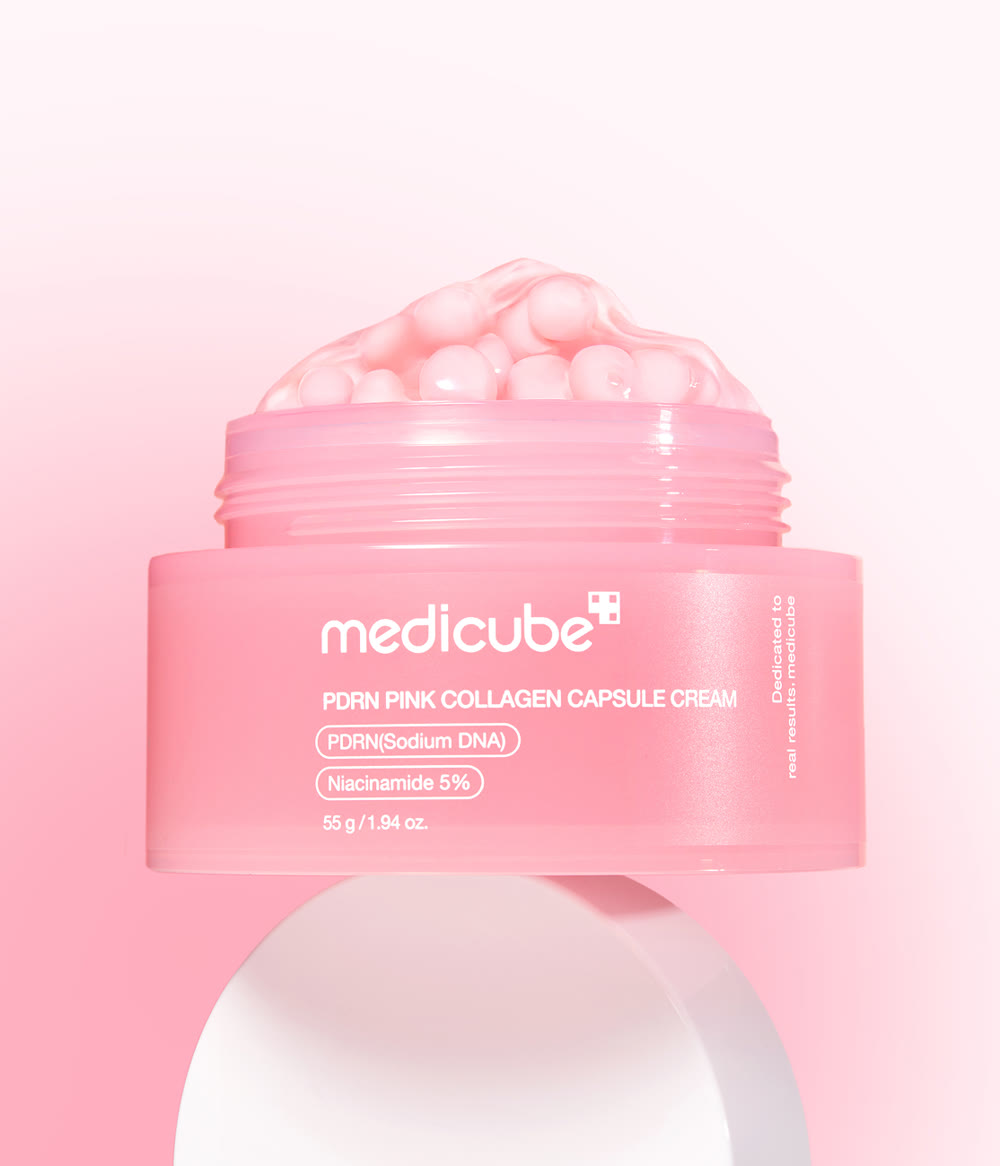
According to The Korea Herald on 6 September 2026, HSA cleared other distributors' batches for resale after finding no contamination, including the stock of APR's official Singapore distributor. APR said it had no record of exporting those batch numbers to Singapore, had never supplied or exported products to Venus Beauty, and disputed the authenticity of the samples tested. It also said tests at certified institutions, including in Korea, and at an HSA-certified institution at the regulator's request found no Sudan dye in products bearing the same batch numbers. We report both sides as they stated them. Whatever the origin of the jars, the case shows why the authorization check in the table above matters: when stock reaches shelves through a channel the brand does not recognize, the regulator's notice still carries the brand's name.
The Risks Inside The Flywheel
Concentration in one brand. Medicube accounted for ₩1.4167 trillion of APR's 2025 revenue, about 93% of the total. Aprilskin and the other brands are small by comparison. A turn in Medicube's fortunes is a turn in APR's.
Cost of growth. Korean analysts flagged rising advertising and freight costs in Q2 2026. The 24.8% margin held, helped by about ₩13 billion in US tariff refunds, according to Asia Economy. Paid acquisition and retail rollouts are not cheap, and platforms can change their prices overnight.
Regulation and claims. Cosmetics and devices sit in different legal categories in every market, and a creator's dramatic wording can create exposure even when the product is legitimate.
Unofficial stock. The Singapore case shows the cost: whatever the lab result, the headline names the brand.
A falling home market. Domestic revenue is declining, which removes the cushion Korean beauty companies traditionally relied on.
Share-price volatility. In the 52 weeks to 30 September 2026, APR traded between ₩204,000 and ₩475,000. Expectations are high, and a single soft quarter can move the price sharply.
Transferable Lessons For Korean SMEs
The lesson is not "sell a beauty device." It is to build a product system in which each layer solves a real problem and makes the next purchase easier. A Korean SME can start with one hero product, educational content that answers recurring buyer questions, direct sales that reveal demand, an ODM partner for scale and a local distributor for each territory. It should bring a capability in-house only when control justifies the capital. APR did that for devices and not, wholesale, for cosmetics.
The second lesson is that "global" is not one channel. APR's numbers show the US, Europe and Asia moving at completely different speeds, at +265%, +380% and +15% in the same quarter. Each needed its own operating plan.
FAQ
Q: Who owns Medicube?
APR Co., Ltd. (주식회사 에이피알), a Korean company listed on KOSPI (278470). Its founder and CEO, Kim Byung-hoon (김병훈), is the largest shareholder with about 32% (about 34.8% with related parties), according to its 2026 half-year filing as reported by Korean press.
Q: Is Medicube a Korean brand?
Yes. APR is headquartered in Songpa-gu, Seoul, and was founded in Korea in 2014. More than 90% of its sales now come from outside Korea, which is why many buyers first meet it on Amazon, at Ulta or on TikTok.
Q: Where are Medicube products made?
AGE-R devices are made at APR's own factory in Pyeongtaek, Gyeonggi Province, Korea. Skincare products partly come from Korean ODM manufacturers. Check the manufacturer (제조업자) line on the Korean label for a specific product.
Q: How big is APR?
Revenue was ₩1.5273 trillion in 2025 and ₩1.3609 trillion in the first half of 2026 alone. Its market value was about ₩13.65 trillion (about $10.1 billion) on 30 September 2026.
Q: Are Medicube and MEDIHEAL the same company?
No. MEDIHEAL belongs to L&P Cosmetic, an unlisted Seoul company. See our MEDIHEAL deep dive.
Q: Was Medicube recalled?
In August 2026, Singapore's HSA recalled two batches of PDRN Pink Collagen Capsule Cream, sold through a local company, after detecting Sudan IV. APR says it never supplied that company and that tests it commissioned found no Sudan dye in products with the same batch numbers. It was a batch-level retail recall in Singapore, not a global product recall.
Q: Can overseas retailers buy Medicube directly from APR?
It depends on country, channel and volume. Contact APR or its regional entity and verify authorization, territory, regulatory responsibility, warranty and approved marketing materials before ordering.
Sources And Further Reading
- APR official corporate website (2025 sales summary, headquarters)
- APR official company overview and history
- APR official Medicube and AGE-R brand overview
- APR earnings release, 4 February 2026: full-year 2025 results by division and region
- APR earnings release, 5 August 2026: Q2 2026 results by division and region
- APR 2025 Sustainability Report (value chain, ODM partners, D2C members)
- APR product-safety and quality-management page
- Digital Daily (Korean), 4 February 2026: 2025 full-year results
- Byline Network (Korean), February 2026: 2025 segment and regional figures
- Newsis (Korean), 5 August 2026: Q2 2026 results
- Metro Seoul (Korean), 5 August 2026: Q2 2026 segment and domestic figures
- Asia Economy (Korean), 5 August 2026: guidance raised to ₩3 trillion, offline share, tariff refund
- Insight Korea (Korean), 17 September 2026: founder's shares, dividends and salary
- Topstar News (Korean), 30 September 2026: after-hours share price, market value, 52-week range
- Byline Network (Korean), 22 January 2026: AGE-R passes 6 million units
- eToday (Korean), 8 May 2024: Pyeongtaek factory opens
- Cosin Korea (Korean), 20 July 2026: factory capacity and in-house production
- Yahoo Finance: Target and Walmart rollout
- Singapore HSA recall notice, August 2026
- The Korea Herald, 6 September 2026: APR's response to the Singapore recall
Last Updated: 11 October 2026. Results by division and region are from APR's own earnings releases (preliminary, as published; the audited 2025 operating profit on APR's website is ₩365.5 billion). Share price and market value are an after-hours quote on 30 September 2026 and change daily. Ownership percentages, the founder's paper wealth and all regional and segment shares are EpicKor calculations from disclosed share counts and won amounts. The ₩3 trillion figure is a company target, not a result. Dollar figures use ₩1,350 to the dollar and are approximate. EpicKor has no commercial relationship with APR, and nothing here is investment advice.
More Business Guides
Who Owns Biodance? Beauty Selection, the Korean Company Behind the Collagen Mask
Biodance is Korean. It belongs to Beauty Selection (뷰티셀렉션), a Seoul company whose co-founder and CEO own 87.6% of it. Revenue went from ₩41.6 billion in 2023 to ₩248.1 billion in 2025, per its DART audit reports.
Who Owns Beauty of Joseon? Goodai Global, the Korean Company Behind TIRTIR, SKIN1004 and Round Lab
Beauty of Joseon is not independent. It belongs to Goodai Global (구다이글로벌), a Seoul company 96.4% owned by its founder that also owns TIRTIR, SKIN1004, Round Lab and Skinfood. ₩1.47 trillion revenue in 2025, read from its DART audit report.
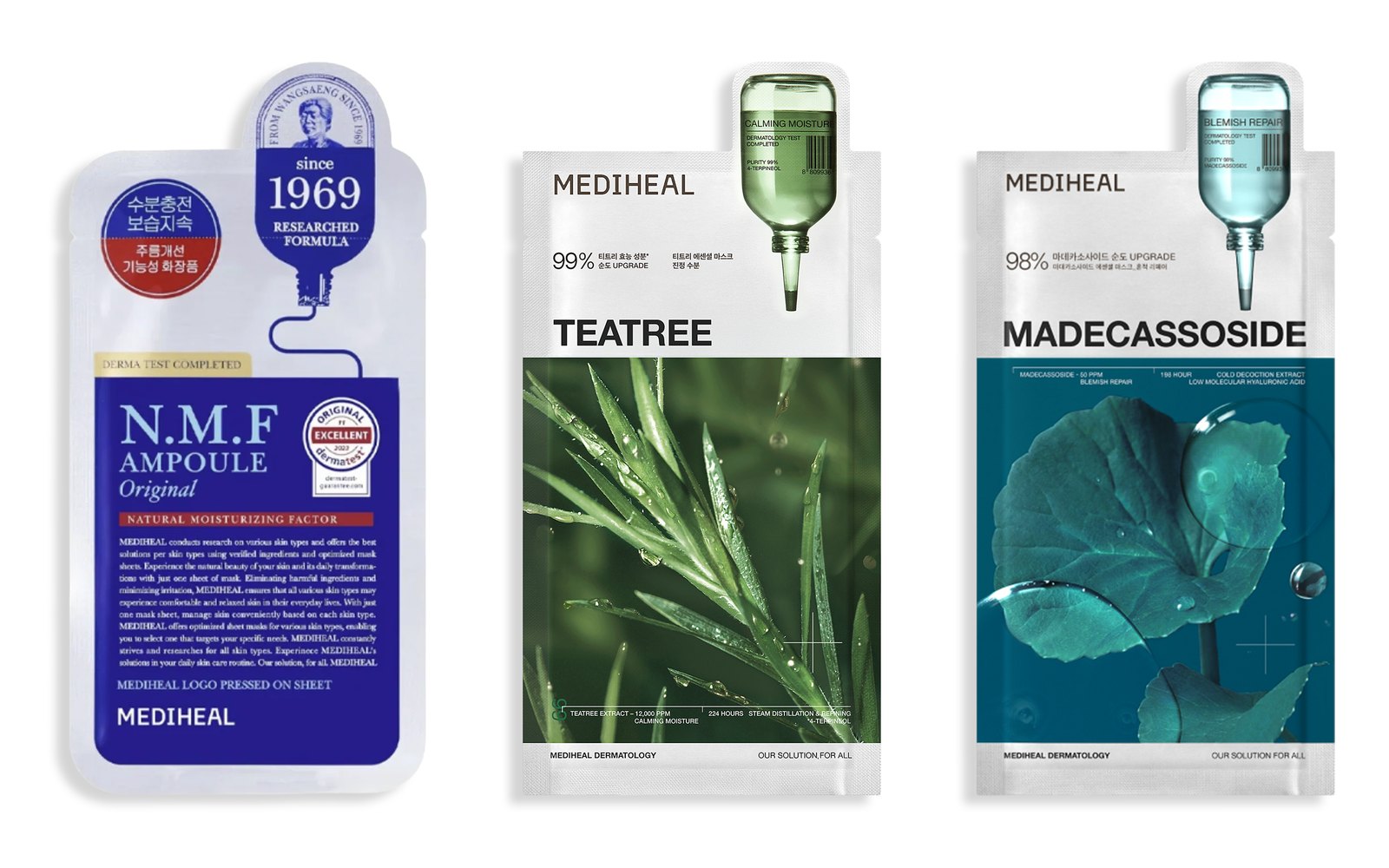
Who Owns MEDIHEAL? The Korean Sheet-Mask Company Behind It, and Why It Is Not Medicube
MEDIHEAL is made by L&P Cosmetic, an unlisted Seoul company — not by Medicube's owner APR. Its audit report shows ₩323.4bn revenue in 2025, a ₩190bn sale of Manyo Factory, and a shareholder register led by a holder Korean press identify as the founder's wife.