Samick Deep Dive: The Korean Company That Built Half the World's Guitars — and Nearly Bought Steinway
In 1994 one Korean company built nearly 50% of the world's guitars — your vintage Epiphone or Squier may be one of them. Then a ₩2.7 billion bounced note bankrupted it, a new owner revived it, and in 2013 it came one dollar per share short of owning Steinway.
Quick Answer
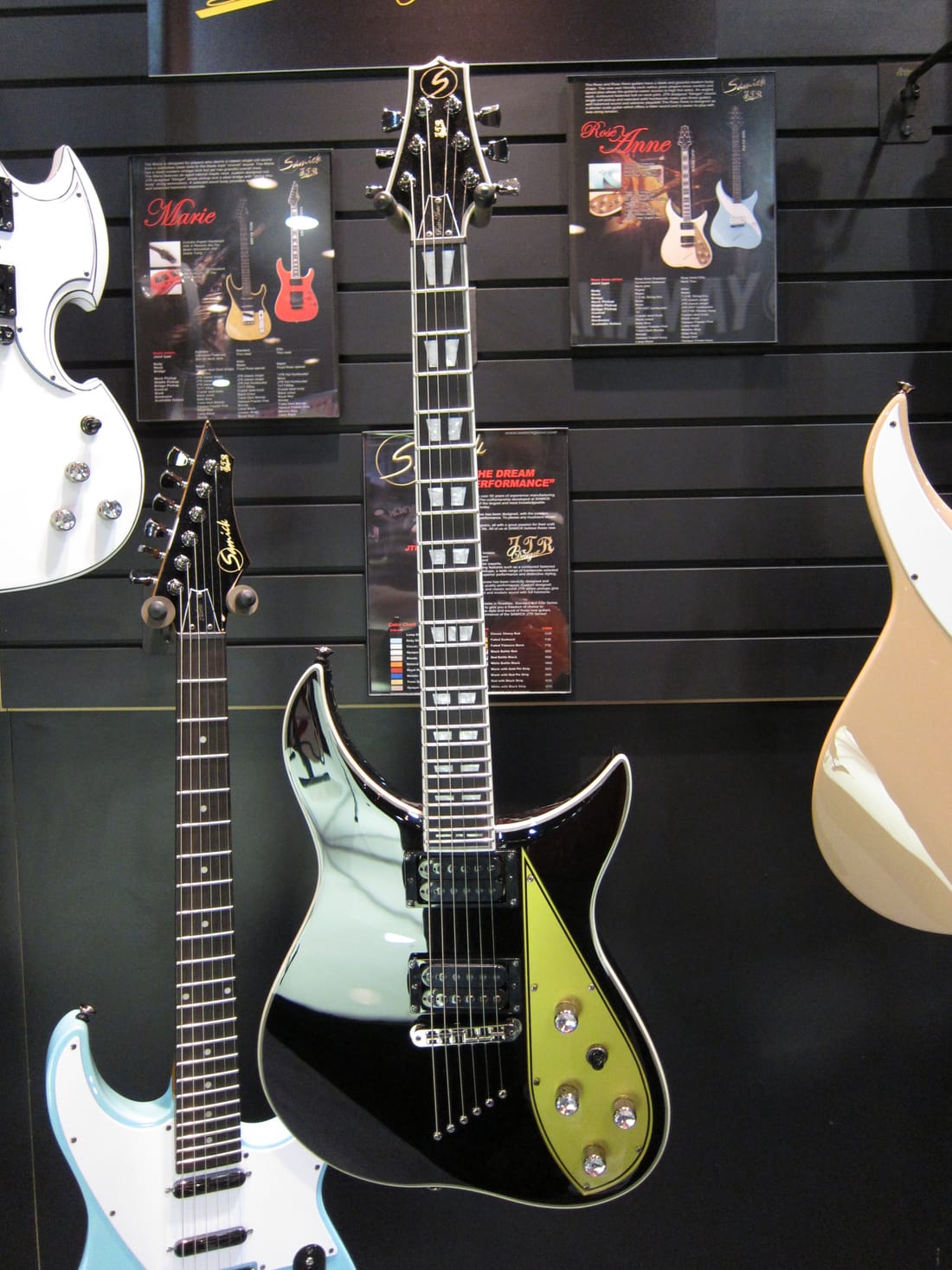
Check the headstock of a 1980s or 1990s Epiphone, an early Korean-era Squier, a vintage Hondo, Washburn or Hohner. There is a good chance the factory that built it belonged to Samick (주식회사 삼익악기) — a company from Incheon that, at its peak in 1994, built nearly 50% of the world's guitars.
Almost nobody who owns those guitars knows the name. That is the Dorco pattern again — the invisible Korean manufacturer inside a famous Western brand — but Samick's story swings harder in both directions:
- The fall: in 1996, overexpansion caught up with it, a ₩2.7 billion promissory note bounced, and the world's largest guitar maker went into court receivership.
- The revival: in 2002 a consortium led by Kim Jong-sup (김종섭) of Speco bought it for about ₩125 billion; it was profitable again by 2004.
- The audacity: Samick then went shopping upmarket — acquiring Germany's Seiler pianos and building the largest single shareholding in Steinway Musical Instruments (32% by 2010). In 2013 it bid $39 a share to take Steinway whole. John Paulson bid $40 and won at $512 million. The Korean factory that built the world's budget guitars came one dollar per share short of owning the most storied piano name on earth.
Today Samick is KOSPI-listed (002450), produces in Indonesia, sells through subsidiaries in the US, China and Europe, and posted ₩224.3 billion in 2025 revenue. This is the fifth and final entry in our current series on Korean manufacturers behind global products, after JMW, Dorco, Hurom and Monami.
From Baldwin Agent to Half the World's Guitars
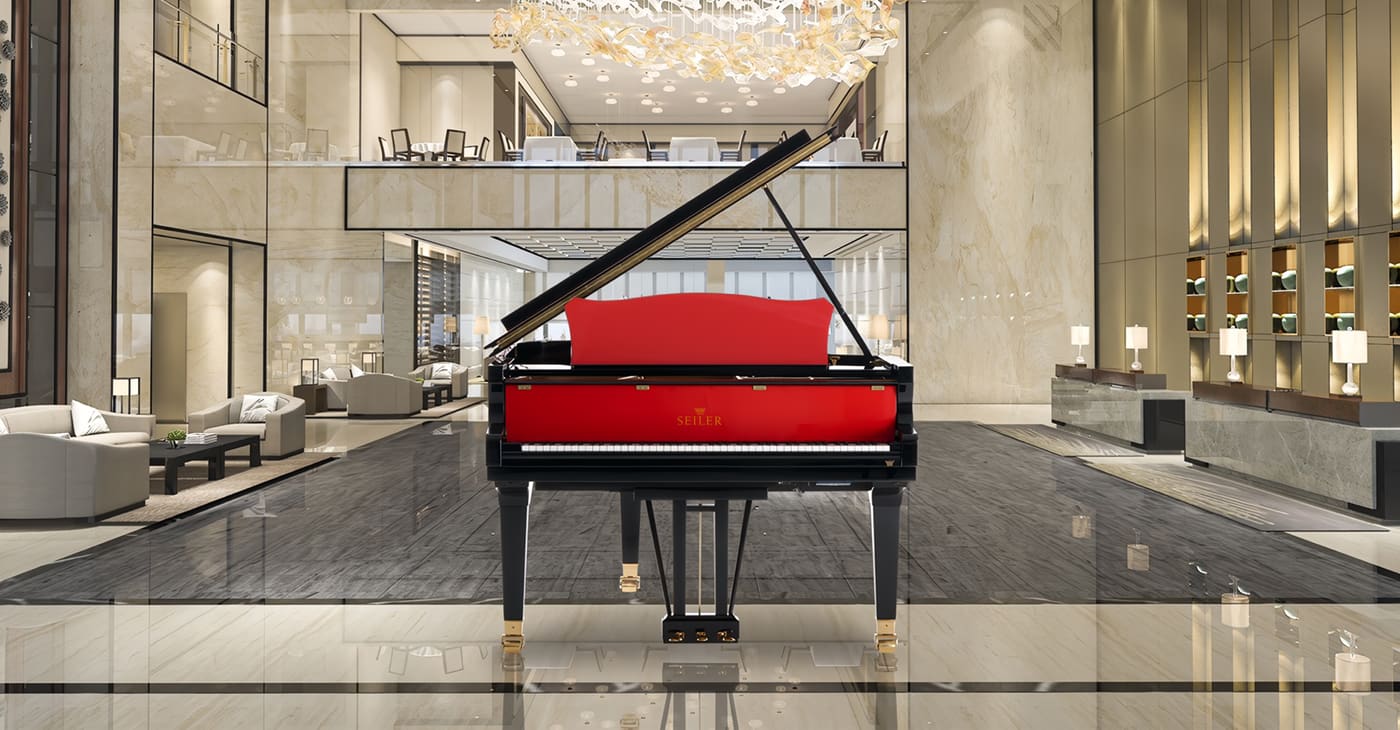
Lee Hyo-ick (이효익) founded Samick in Incheon in 1958 as a piano business — initially an agent for America's Baldwin pianos, then a maker in its own right. Guitars came in 1965, aimed frankly at the bottom of the market.
What followed is the classic Korean manufacturing ladder, climbed rung by rung:
| Year | Event | Meaning |
|---|---|---|
| 1958 | Founded in Incheon by Lee Hyo-ick; Baldwin piano agency | Start as distributor, learn the product |
| 1965 | Acoustic guitar production begins | Enter at the cheap end |
| 1984 | Epiphone production moves to Samick as Japanese costs rise | The OEM engine: Western brands, Korean factories |
| 1986 | First Korean-built Squiers | |
| 1988 | KOSPI listing (002450) | |
| 1994 | ~50% of world guitar production; world's largest | The peak — mostly under other names: Hondo, Epiphone, Squier, Washburn, Hohner |
| 1996 | ₩2.7bn note bounces; court receivership | Overexpansion, affiliate distress — a very 1990s-Korea failure |
| 2002 | Kim Jong-sup / Speco consortium acquires for ~₩125bn | Exit from receivership |
| 2004 | Back in the black | |
| 2008–2010 | Acquires Germany's Seiler; builds Steinway stake to 32% | The budget manufacturer buys heritage |
| 2013 | Bids $39/share for Steinway; Paulson wins at $40 ($512M) | One dollar short of the summit |
Two things in that table deserve a pause.
The 1984 Epiphone move is how manufacturing migrates. Epiphones were then built in Japan; Japanese costs rose; production moved to Korea — to Samick — exactly as Korean costs would later push the same work to Indonesia and China, some of it in Samick's own offshore plants. If you want one company whose history is the global guitar supply chain, this is it.
The 1996 collapse is a very specific kind of Korean failure. The world's largest guitar maker did not die of bad guitars. It died of the 1990s Korean disease — debt-fuelled expansion and affiliate entanglement — brought down by a bounced note worth roughly 0.1% of today's annual revenue. Scale in manufacturing and fragility in finance are not opposites; in 1990s Korea they were roommates.
The Steinway Gambit
The 2013 episode is the best single story in Korean musical-instrument history, and it is almost unknown in Korea and abroad alike.
Steinway Musical Instruments — the NYSE-listed parent of Steinway & Sons, ticker LVB, for Ludwig van Beethoven — had a patient Korean shareholder. Samick began building a stake in late 2009 (16.5%) and reached 32% by November 2010, making it the largest shareholder of the most prestigious piano company in the world.
When Steinway went into play in 2013, Samick moved to take it private at $39 a share. Hedge-fund billionaire John Paulson answered at $40, valuing Steinway at $512 million, and won.
Think about what was almost true: the company that entered the industry as Baldwin's Korean sales agent in 1958, that built the world's cheap guitars under other people's names, that went bankrupt over a ₩2.7 billion note — came within 2.5% of owning Steinway & Sons. Samick sold its stake into Paulson's offer at a substantial profit, which is the consolation prize version of history. The alternate version was a dollar away.
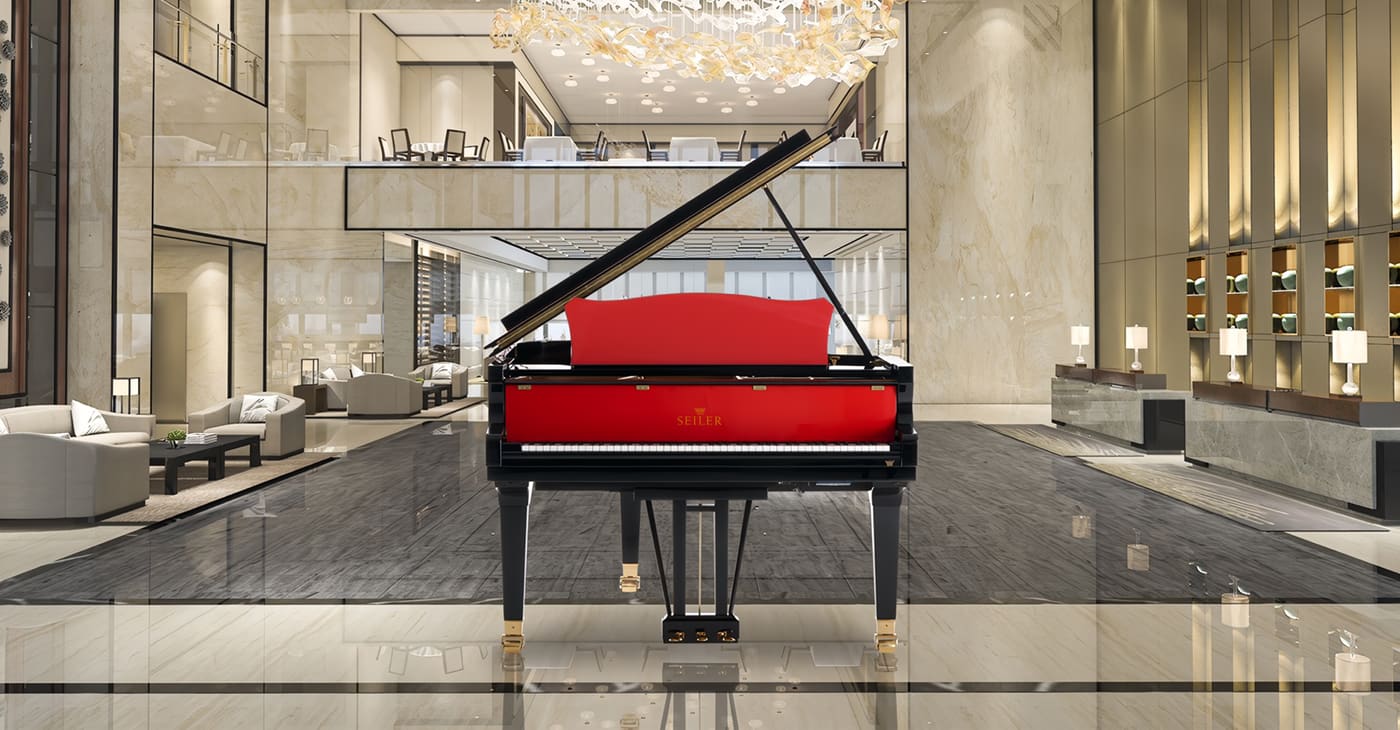
The Seiler acquisition is the piece of that ambition that stuck: the German house founded in 1849 now belongs to Samick, and sits on the front page of samick.co.kr — which is why it is the hero image above.
The Numbers Now
KOSPI 002450 — audited, public:
- 2025 revenue: ₩224.3 billion (−2.7% from ₩230.4bn)
- 2025 operating profit: ₩2.9 billion (−50.6% from ₩5.9bn) — a thin ~1.3% margin
- 2025 net profit: ₩16.5 billion (+429.6%) — the divergence from operating profit signals non-operating items; treat the operating line as the health gauge
- Production: Indonesia is the manufacturing centre; sales subsidiaries in the US, China and Europe
- Listed since 1988; chaired by Kim Jong-sup since the 2002 acquisition
The shape is familiar from this series: a globally significant manufacturer running thin margins in a mature category, with the brand power concentrated in other people's names it once built for, and in European heritage marques it bought.
What This Means If You Source from Korea
1. "Check the back catalogue" is a real due-diligence method. Samick's OEM history — Epiphone from 1984, Squier from 1986, Hondo, Washburn, Hohner — is documented not by Samick but by Western collector communities decoding serial numbers. When evaluating a Korean manufacturer's claims, hobbyist archaeology (serial guides, factory-code forums) is often better evidence than the company's own marketing. It is the same lesson as Dorco's shaving forums — and the same one that surfaced when Korean gim exports turned out to be best documented by the importing countries' trade data rather than by the brands.
2. Manufacturing migrates along cost curves, and Korean firms now sit on both sides. Samick received Japan's guitar production in 1984 and exported its own to Indonesia a generation later. Korean manufacturers today are often managers of lower-cost production rather than the factory floor itself — which changes what "Made by a Korean company" means on a spec sheet, and which country's labour laws and logistics you are actually exposed to.
3. Heritage is buyable, and Koreans have bought it. Seiler (1849) is Korean-owned. Samick nearly added Steinway. When a storied European brand appears in your supply conversation, check the ownership line — the answer is Korean more often than the branding admits, and the reverse of the Pulmuone play, where a Korean company wins abroad by buying local names.
4. The operating line, not the net line. Samick's 2025 net profit jumped 429% while operating profit halved. Korean mid-cap filings frequently carry large non-operating swings (asset sales, FX, equity stakes); reading only the bottom line of a KOSPI small-cap will mislead you in both directions.
As an Amazon Associate, EpicKor may earn from qualifying purchases at no extra cost to you. Samick's own-brand instruments sell on Amazon US — browse Samick guitars or the Greg Bennett design series — the same factories that built the famous names, selling under their own.
The Honest Caveats
- The "nearly 50% in 1994" figure comes from Western guitar-history documentation, not an audited market study; it is widely repeated and directionally right (Samick was the world's largest), but treat the precise percentage as lore-grade.
- OEM specifics vary by era and line. Not every 1980s–90s Epiphone or Squier is a Samick; production was split across Korean makers (Cort among them). The serial-number communities are the arbiters, guitar by guitar.
- We could not verify current OEM clients. Contract manufacturing relationships are confidential; the documented OEM history is historical.
- The 2025 net-profit spike is unexplained here deliberately — the filings will contain the answer, and speculating (asset sale? stake revaluation?) would be exactly the kind of guess this series avoids.
- Samick Korea's site mixes maker and distributor roles — its homepage shows global brands it distributes domestically alongside its own. We rejected two images for exactly that ambiguity; the confusion is real enough to shop-floor customers, too.
Sources Checked
- The Unique Guitar Blog's Samick history and Vintage Guitar magazine for the 1958 founding by Lee Hyo-ick as a Baldwin agent, 1965 guitar entry, Epiphone production from 1984, Korean Squiers from 1986, the Hondo/Washburn/Hohner OEM roster, and the ~50%-of-world-guitars peak in 1994.
- Speconomy's governance profile and Money Today's Kim Jong-sup interview for the 1996 ₩2.7bn bounced note and receivership, the 2002 ~₩125bn Speco-consortium acquisition, and the 2004 return to profit.
- Wikipedia's Samick Music Corporation entry for the Steinway stake build (16.5% in 2009, 32% by November 2010, largest shareholder), and Columbus CEO plus MMR Magazine for the $39-vs-$40 auction and the $512M Paulson purchase.
- Digital Today on the 2025 results and FnGuide (KOSPI 002450) for revenue ₩224.3bn (−2.7%), operating ₩2.9bn (−50.6%), net ₩16.5bn (+429.6%), the 1988 listing, and the Indonesia production / US-China-Europe sales structure.
FAQ
Q: Did Samick really make Epiphone and Squier guitars?
A: Yes, for specific eras — Epiphone production moved to Samick in 1984 as Japanese costs rose, and the first Korean-built Squiers appeared in 1986. Not every guitar of those brands from that period is a Samick (Korean production was shared with other makers like Cort), and serial-number communities are the per-guitar arbiters.
Q: Was Samick really the world's largest guitar maker?
A: In the mid-1990s, yes — guitar-history documentation puts it at nearly half of world guitar production in 1994, mostly under other brands' names. Treat the exact percentage as lore-grade; the ranking itself is well established.
Q: What happened to Samick in 1996?
A: Overexpansion and affiliate distress ended in a bounced ₩2.7 billion promissory note and court receivership — a very typical 1990s Korean corporate failure. A consortium led by Kim Jong-sup of Speco bought the company for about ₩125 billion in 2002, and it returned to profit by 2004.
Q: Did Samick almost buy Steinway?
A: Genuinely. Samick was Steinway Musical Instruments' largest shareholder — 32% by November 2010 — and bid $39 a share to take it private in 2013. John Paulson's $40 bid won, valuing Steinway at $512 million. Samick sold its stake into the offer at a profit.
Q: Does Samick own any famous piano brands?
A: Yes — Seiler, the German house founded in 1849, which Samick acquired during its post-revival expansion and features on its own homepage.
Q: How big is Samick today?
A: KOSPI-listed (002450) with 2025 revenue of ₩224.3 billion, thin operating margins (~1.3%), manufacturing centred in Indonesia, and sales subsidiaries in the US, China and Europe.
More Business Guides
Kovea Deep Dive: The Korean Burner Maker That Took Apart a Swedish Stove — and Now Builds for MSR
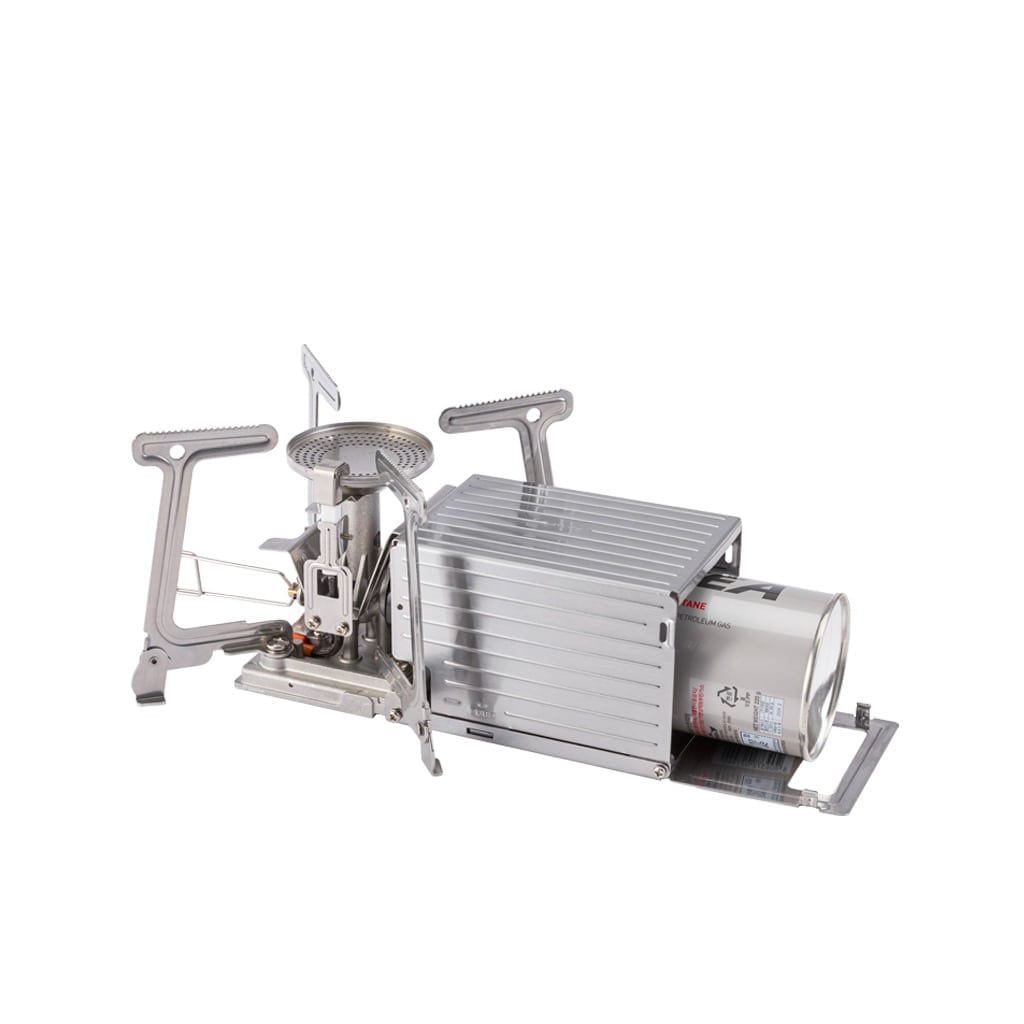
Look at the box your Snow Peak LiteMax came in and it says Made in Korea. Kovea started in 1982 when its late founder took apart a Swedish SVEA burner, now supplies MSR and Decathlon, and still earned a 21% operating margin after Korea's camping market halved.
Mooto Deep Dive: Korea Still Dresses Taekwondo — Spain Makes the Part That Scores the Points
World Taekwondo recognises Mooto in six equipment categories. The two it is absent from are the electronic ones — and the scoring system at Tokyo 2020 and Paris 2024 came from Barcelona. A look at the Korean company that dresses the sport Korea exported.
Aurora World Deep Dive: The Korean Company Behind the Plush Toy on Your Shelf
Aurora's plush sits in zoo shops, bookstores and Target aisles worldwide, and its own American website never mentions Korea. A public-information deep dive on the Seoul company that owns its factories, built Palm Pals, and bought a 90-year-old Vermont brand.