Coreline Soft Deep Dive: Germany Wrote Lung-Screening AI Into Law, and a Small Korean Company Signed 95 German Deals in Seven Months
Germany's new lung cancer screening rules require computer-aided detection software. Seoul's Coreline Soft, 95 staff, went from about 10 new German contracts in 2025 to 77 by July 2026, plus 18 upgrades. Its revenue is still catching up.
Quick Answer
On 1 April 2026, Germany's statutory health insurers began paying for annual low-dose CT lung cancer screening for heavy smokers aged 50 to 75. The regulation behind it does something unusual: it requires software. Each scan must be read first without, then with, computer-aided detection, and the software must measure nodule volume and calculate how fast a nodule is doubling.
One company moving quickly to meet that demand is not German, American or Chinese. Coreline Soft (코어라인소프트) is a Seoul company with 95 employees at its Korean parent (June 2026), founded in 2012 by two engineers from a Korean hospital-imaging software firm. It signed about 10 new German hospital contracts in all of 2025. In the first seven months of 2026 it signed 77, plus 18 upgrades and add-ons from existing customers, 95 in total, including Berlin's Charité.
The rest of the story is less tidy. Coreline Soft went public in 2023 by merging with a listed shell company, raised little money doing so, and has lost about ₩14 billion a year since. Its market value on 16 September 2026 was ₩46.2 billion, and its share price of ₩2,575 is about a quarter of the ₩10,646 per-share value an outside appraiser put on it for the merger. And by the company's own figures, only about 40 percent of its first-half German contracts had turned into invoices by mid-year.
This is a public-information-only company spotlight. EpicKor has no relationship with Coreline Soft, and nothing here is investment advice.
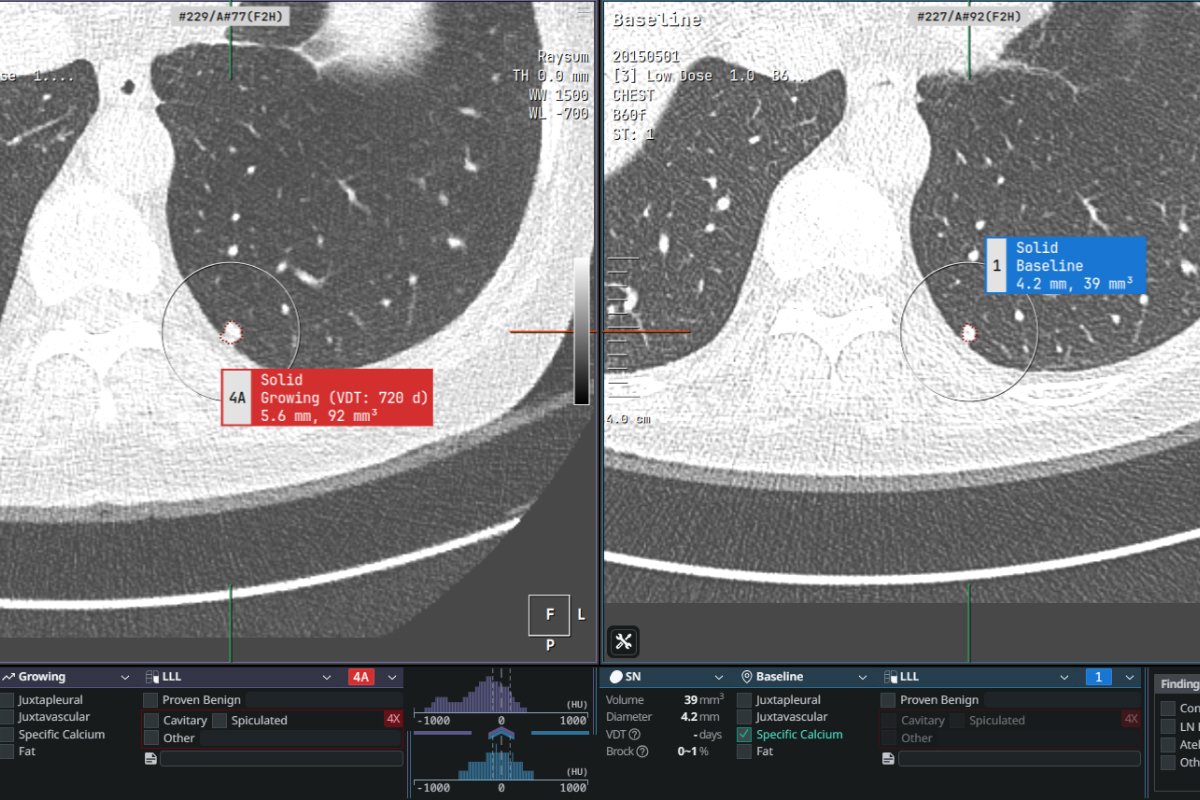
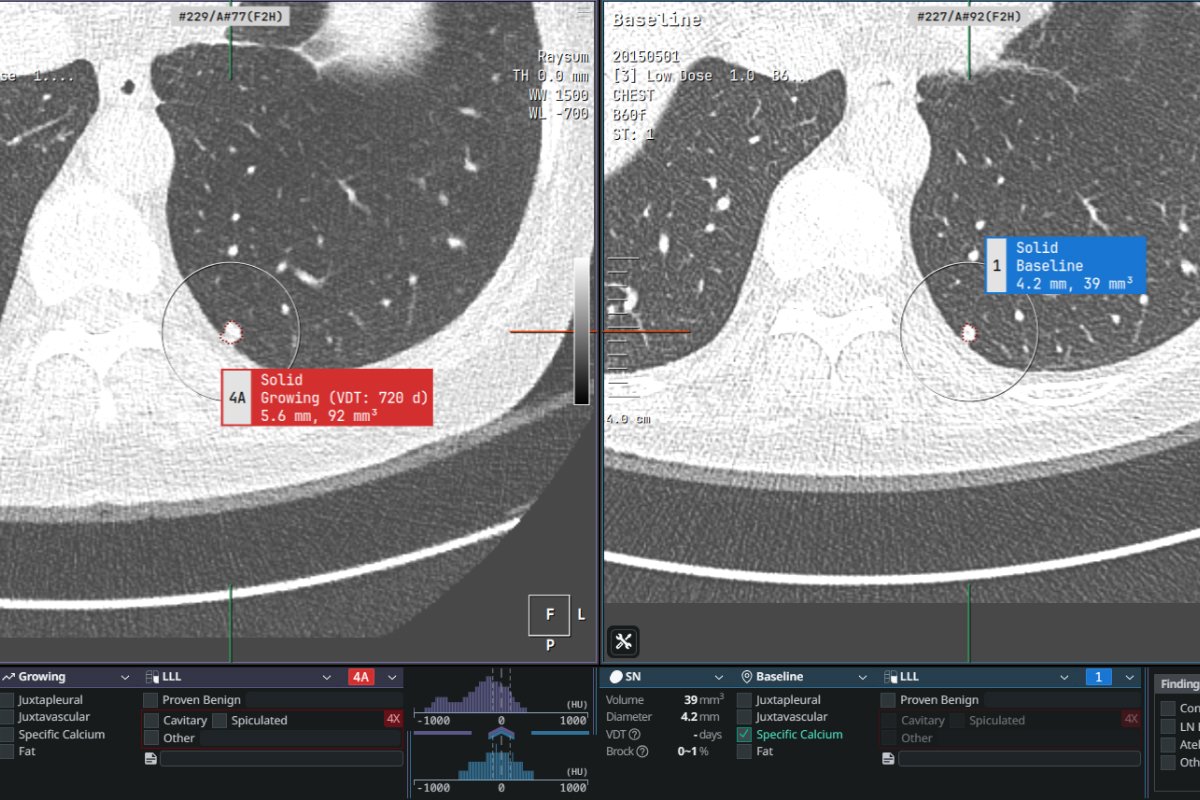
AVIEW LCS Plus comparing a nodule with an earlier scan: volume up from 39 to 92 mm³, a volume-doubling time of 720 days. That measurement is exactly what the German regulation requires the software to provide. Official product image: Coreline Soft, used for identification.
For the wider argument about what AI should and should not do in a hospital, cardiologist Eric Topol's Deep Medicine remains the most readable starting point, radiology included. As an Amazon Associate, EpicKor earns from qualifying purchases.
Coreline Soft at a glance
| Item | Figure | Source |
|---|---|---|
| Founded | 17 September 2012, Seoul (Mapo-gu) | 2025 annual report (DART) |
| Founders | Kim Jin-kook (CEO) and Lee Jae-yeon (CTO), both KAIST PhDs from Infinitt Healthcare | 2025 annual report |
| Employees | 95 at the Korean parent (30 June 2026; 99 at end-2025); 111.5 group average (H1 2026) | Half-year report; annual report; IR letter |
| Listing | KOSDAQ, 18 September 2023, by merger with Shinhan No. 7 SPAC (technology-growth track) | 2025 annual report |
| Largest shareholder | Kim Jin-kook, 8.88%; founders and related parties 15.76% (30 June 2026) | Half-year report (DART) |
| Market value | ₩46.2 billion (close of 16 September 2026, ₩2,575 a share) | Naver Securities |
| 2025 revenue | ₩4.28 billion, 39.8% exported | 2025 annual report |
| 2025 operating loss / net loss | ₩13.4 billion / ₩14.5 billion | 2025 annual report |
| H1 2026 revenue | ₩2.89 billion (+45.7%), 61.9% overseas | Half-year report (DART, 14 August 2026) |
| H1 2026 operating loss / net loss | ₩5.47 billion / ₩6.95 billion | Half-year report |
| Equity (30 June 2026) | ₩12.96 billion, down from ₩18.17 billion at end-2025 | Half-year report |
| US FDA 510(k) clearances | 12 (first decided 31 October 2018) | openFDA |
| Main product | AVIEW LCS Plus: lung nodules, emphysema and coronary calcium from one low-dose chest CT | Company |
AI for Radiology (Oge Marques) — the short primer on imaging AI If you are evaluating a company like this from outside medicine, this slim book explains how imaging algorithms are trained, validated and deployed, which is the vocabulary every contract and filing below assumes. As an Amazon Associate, EpicKor earns from qualifying purchases.
See AI for Radiology on AmazonGermany put the software in the regulation
Most countries that screen for lung cancer leave the choice of software to hospitals. Germany did not.
The Lung Cancer Early Detection Ordinance (Lungenkrebs-Früherkennungs-Verordnung), issued by the federal environment ministry on 15 May 2024 and in force since 1 July 2024, sets the rules. Section 5 says the first reader must assess the scan "first without and then using software for computer-aided detection", and that any finding needing follow-up must be read again, the same way, by a second, independent radiologist. The annex specifies what that software must do: detect and measure the volume of lung nodules, and calculate their volume-doubling time. Section 4 requires the previous two screening scans to be available for comparison.
Payment followed. On 18 June 2025 the Federal Joint Committee (G-BA) added lung cancer screening to statutory insurance, for people aged 50 to 75 who have smoked for at least 25 years and at least 15 pack-years, and who still smoke or quit less than ten years ago, once every 12 months. The German Cancer Research Center (DKFZ) confirmed the start date of 1 April 2026. Germany records about 57,000 new lung cancer cases a year, and the DKFZ says only about 15 percent are found at an early stage.
The effect is simple. Every radiology practice that wants to offer the new insured service needs a certified detection and volumetry tool, a reporting workstation and access to prior scans, and it needed them in a hurry.
From 10 contracts a year to 95 in seven months
Coreline Soft had been in Germany for years before the rules arrived. It set up Coreline Europe GmbH in Oberursel in August 2020, joined the EU-funded 4-IN-THE-LUNG-RUN screening study that year, and supplied the HANSE screening study at Hannover Medical School from 2021. By the time the law took effect, its software had a German research record.
The contract count, from the company's IR letters and Korean press:
| Period | New German contracts | Source |
|---|---|---|
| All of 2025 | About 10 | Hankyung, 19 June 2026 |
| Q1 2026 | 11, including Charité | IR letter Q1 2026 |
| April 2026 | 12 | Hankyung |
| May 2026 | 21 | Hankyung |
| H1 2026 total | 55 | IR letter Q2 2026 |
| July 2026 | 22 | Edaily, 9 September 2026 |
| To end of July | 77 new + 18 upgrades or add-ons = 95 | Edaily; Getnews |
Named German sites include Charité – Universitätsmedizin Berlin (a customer, announced 23 March 2026), Heidelberg University Hospital, Hannover Medical School, University Hospital Bonn and Klinikum Chemnitz. Coreline also sells through partners: Bayer's Calantic platform, Raya Diagnostics, Mint Medical, and Canon Medical Systems GmbH, which in August 2026 bought AVIEW LCS Plus, AVIEW COPD and AVIEW HUB for a screening tender in Lostau, with installation, training and ten years of support. The contract value was not disclosed.

Charité's ward tower in Berlin-Mitte, photographed in 2011 before its façade renovation. Charité signed for Coreline Soft's screening software in the first quarter of 2026. Photo: Fridolin freudenfett, Wikimedia Commons, CC BY-SA 4.0.
The contracts are ahead of the revenue
A contract is not a sale yet. Coreline's model in Germany starts with an installation and training fee and then moves to pay-per-use, charged as scans are read. The company's own disclosures put the gap in numbers:
- Of the 55 new installations won in the first half, about 40 percent had been invoiced and counted as revenue by mid-year (IR letter, Q2 2026).
- By its internal count, new contracts that had been invoiced by 12 August 2026 had a combined contract value of about ₩500 million (Edaily, 9 September 2026).
- European revenue roughly tripled, from about ₩358 million in H1 2025 to about ₩1.07 billion in H1 2026 (Getnews).
- The company did not give a growth forecast for German revenue in the second half. Pharm Edaily reported that AI read volumes could start to show in the data from the third quarter at the earliest.
The DKFZ itself warned in March that the national rollout would start slowly, because radiologists first need to qualify: under the ordinance, a first reader needs 200 chest CT reads in the preceding year. Screening volume, not contract count, will decide Coreline's German revenue.
What the company is
Kim Jin-kook and Lee Jae-yeon both hold KAIST doctorates and both spent 2007 to 2012 at Infinitt Healthcare, one of Korea's main suppliers of hospital picture archiving systems. They left together and founded Coreline Soft in September 2012. Its non-executive chief medical officer, radiologist Paik Sang-hyun, is a former head of the Korean Institute for Accreditation of Medical Image and sat on Korea's national lung cancer screening committee.
The product line sits under the AVIEW brand:
- AVIEW LCS / LCS Plus: lung nodule detection and tracking; the Plus version adds emphysema (COPD) and coronary artery calcium from the same low-dose scan. The company calls this three-disease combination a world first; that is its claim.
- AVIEW COPD, AVIEW CAC, AVIEW HUB (a multi-site double-reading and quality platform), NeuroCAD (brain haemorrhage) and a radiotherapy contouring tool.
- 12 FDA 510(k) clearances, according to the openFDA database, from AVIEW (decided 31 October 2018) to AVIEW Lung Nodule CAD (3 December 2025). The company's own history dates the first clearance to December 2017; the FDA record says October 2018.
- CE marking under the EU Medical Device Regulation and UKCA since October 2024, and approvals in Japan, Taiwan, Australia, Singapore, Brazil and Canada.
At home, Coreline has run the quality-management system for Korea's national lung cancer screening programme for the National Cancer Center since 2019, according to its annual report. Korea screens people aged 54 to 74 with at least 30 pack-years every two years.

Kim Jin-kook, co-founder and CEO. Official photo: Coreline Soft, used for identification.
A listing that raised too little
Coreline Soft chose a SPAC merger rather than a conventional IPO. It merged with Shinhan No. 7 SPAC and listed on KOSDAQ on 18 September 2023, under the technology-growth track that defers revenue and profit tests for companies with strong technology ratings. Korean press reported an external valuation of ₩10,646 a share and an expected post-listing market value of about ₩127 billion.
The CEO later blamed that route for the company's capital problems. In a shareholder letter on the March 2025 rights issue (published with the April 2025 IR letter) he wrote that the SPAC listing brought in only about ₩8 billion, had no institutional book-building and set a cap on the funds raised, so the risk of a thin capital base "was present from the early days of the listing". What followed:
| Date | Funding |
|---|---|
| April 2024 | ₩18 billion convertible bond (2nd series) |
| March 2025 | ₩3.4 billion in convertible preferred shares to rival Vuno, alongside buying Vuno's lung CT business |
| June 2025 | ₩25.07 billion rights offering (5.1 million shares at ₩4,915) |
| February 2026 | ₩12.5 billion convertible bond (3rd series, conversion price ₩4,100), used to repay debt |
The company's annual report also compares its listing forecast with reality. The merger filing projected ₩22.26 billion of revenue and a ₩4.78 billion operating profit for 2025. Actual 2025 revenue was ₩4.28 billion, 80.75 percent below the forecast, with an operating loss of about ₩13.4 billion. The company attributed the 2025 gap to overseas screening programmes opening later than expected and to its switch from one-off licences to usage-based and subscription pricing, which books less revenue up front. For 2024 it had blamed Korea's trainee-doctor walkout.
The listing-rule clock
Technology-track companies get time before KOSDAQ's financial tests apply. Coreline's annual report sets out two:
- Pre-tax loss versus equity. A company is flagged if its pre-tax loss exceeds half its equity in two of the last three years. Coreline's ratios were 120.6 percent (2023), 396.5 percent (2024) and 79.7 percent (2025), but its grace period covered those years and ended on 31 December 2025. theBell reported in January 2026 that the test now counts from 2026.
- Minimum revenue of ₩3 billion. Grace runs to the end of 2027, so the test applies from fiscal 2028. Coreline's 2025 revenue already clears it.
The equity test is the one to watch. In the first half of 2026 alone the group's pre-tax loss was ₩7.13 billion, while equity fell to ₩12.96 billion at 30 June, so the half-year loss was already about 55 percent of equity by our arithmetic. The rule is judged on full-year figures, so this is not a breach, but it shows how little room there is. The company's stated aim is to more than double revenue in 2026 and to turn fully profitable in 2027.
Where AVIEW stands against its rivals
Coreline's newsroom said in June 2026 that a European Radiology study found its product had "the broadest" screening task coverage among 16 CE-marked lung nodule tools. The paper's own figure is more modest. Against four screening guidelines (Lung-RADS, BTS, EUPS, ESTI), it scores:
| Product (vendor) | Lung-RADS | BTS | EUPS | ESTI |
|---|---|---|---|---|
| Rayscape Lung CT | 63 | 93 | 100 | 63 |
| AVIEW (Coreline Soft) | 53 | 79 | 100 | 53 |
| Veolity (MeVis) | 53 | 79 | 100 | 53 |
| qCT-Lung (Qure.ai) | 53 | 79 | 100 | 53 |
| ClearRead CT (Riverain), InferRead (Infervision), VUNO Med-LungCT | 53 | 71 | 91 | 53 |
| AI-Rad Companion Chest CT (Siemens) | 47 | 64 | 64 | 47 |
| DeepHealth Lung (formerly Aidence Veye) | 42 | 57 | 73 | 42 |
AVIEW is among the broadest, tied for second behind Rayscape. The study also found that no product achieved high coverage for Lung-RADS or ESTI, and that only 7 percent of the 60 peer-reviewed studies on these tools were prospective.
A second paper the company cites, from the HANSE study (Scientific Reports, 2024), found that AVIEW's Lung-RADS classification agreed with the final read in 75 percent of cases against 55 percent for a Siemens tool. The authors add two caveats: the Siemens tool was a prototype, and AVIEW had been used in building the reference read itself.
Beyond Germany
- Japan: After buying Vuno's lung CT business in March 2025 (Vuno became a shareholder in the same deal), Coreline says it serves about 80 hospitals, and in September 2026 it announced Japanese regulatory approval for AVIEW Lung Nodule CAD, which it says is the first Korean-developed CT lung nodule detection tool approved there. Japan contributed ₩220 million of first-half revenue.
- France: The company says it is the sole AI supplier to IMPULSION, a national lung screening pilot run with the national cancer institute (INCa) and Paris hospitals (AP-HP) for about 20,000 people from 2025 to 2027.
- Italy: The company says it supplies the RISP screening programme led by Milan's national cancer institute.
- United States: Customers include 3DR Labs, a US imaging post-processing company, Temple Health, UMass Memorial and St. Joseph's Health; the company says two or three more prominent hospital contracts are due in the third quarter.
- Taiwan and Australia: The company says it is in more than 60 Taiwanese hospitals and estimates that its partner handles about 40 percent of scans in Australia's national programme; both are company figures.
What this means for overseas readers
- Hospital and screening buyers should note that the German requirements (volumetry, doubling time, prior-scan comparison, double reading) are now a de facto specification. Ask any vendor, Korean or not, to show each one working on your own scans.
- Distributors and partners can see that Coreline sells both directly and through imaging platforms (Bayer Calantic, Canon, Mint Medical). In the Canon deal, a large scanner vendor chose to bundle Coreline's software into its own tender bid.
- Korea-market researchers should read the IR letters alongside the DART filings; our Korean medical device suppliers guide covers the regulatory checks for Korean medical products generally, and how to find suppliers in Korea covers first contact. The company's releases are enthusiastic; its annual report is candid about forecasts, losses and listing rules.
The honest caveats
- Most growth figures come from the company. Contract counts, hospital totals and market-share estimates are Coreline's own and are not independently audited.
- The balance sheet is thin. At 30 June 2026 the group had ₩12.96 billion of equity, ₩2.49 billion of cash, ₩2.97 billion of short-term deposits and ₩9.77 billion of other short-term financial assets. Current liabilities fell from ₩20.9 billion at end-2025 to ₩3.46 billion, while non-current liabilities rose to ₩13.29 billion (half-year report). The ₩12.5 billion convertible bond issued in February 2026 was earmarked for repaying debt.
- Contract counts are not revenue. The 40 percent invoicing figure and ₩500 million of invoiced contract value to mid-August are the best public measures so far.
Sources Checked
- Coreline Soft half-year report for 2026 (DART, filed 14 August 2026): first-half income statement and balance sheet, revenue by region, shareholders, employees, listing-rule tables.
- Coreline Soft 2025 annual business report (DART, filed 19 March 2026): company history, officers, shareholders, revenue by market, listing forecast versus actual, listing-rule disclosures, funding history.
- Coreline Soft IR letters for Q4 2024 (with the CEO's shareholder letter), Q2 and Q3 2025, and Q1 and Q2 2026; company newsroom in Korean and English (2025–2026).
- Naver Securities (close of 16 September 2026); KIND company overview.
- Lungenkrebs-Früherkennungs-Verordnung (gesetze-im-internet.de); G-BA press release of 18 June 2025 and topic page; DKFZ press release of 26 March 2026.
- openFDA 510(k) database, applicant Coreline Soft Co., Ltd.
- European Radiology (2026), "CE-marked lung nodule AI products" review, doi 10.1007/s00330-026-12580-x; Scientific Reports (2024), HANSE AI comparison.
- Edaily (9 September 2026), Getnews (9 September 2026), Hankyung (19 June 2026), Pharm Edaily (June 2026), Uihak Shinmun and Etoday (7 August 2026), theBell (28 January 2026), IB Tomato (5 November 2025), Topdaily (21 September 2023), Edaily (12 February 2026).
- Korea Biomedical Review coverage (2023–2025); Seoul Economic Daily English (7 August 2026).
FAQ
Q: What does Coreline Soft make? AI software for chest CT under the AVIEW brand, chiefly AVIEW LCS Plus, which detects and tracks lung nodules and also measures emphysema and coronary artery calcium from the same low-dose screening scan.
Q: Why is Coreline Soft growing in Germany? Germany's lung cancer screening ordinance requires computer-aided detection software that measures nodule volume and doubling time, and insured screening began on 1 April 2026. Coreline went from about 10 new German contracts in 2025 to 77 by the end of July 2026, or 95 including upgrades and add-ons.
Q: Is Coreline Soft a listed company? Yes. It has been listed on KOSDAQ since 18 September 2023 (ticker 384470), after a merger with a special purpose acquisition company. Its market value was ₩46.2 billion on 16 September 2026.
Q: Is Coreline Soft profitable? No. It lost ₩13.4 billion at the operating level in 2025 on revenue of ₩4.28 billion, and ₩5.47 billion in the first half of 2026. The company is aiming for full profitability in 2027.
Q: Who owns Coreline Soft? Its co-founder and CEO Kim Jin-kook is the largest shareholder with 8.88 percent; the founders and related parties hold 15.76 percent, and small shareholders hold about 73.5 percent (30 June 2026). It is Korean-owned.
Q: Does Coreline Soft have FDA clearance? Yes. The openFDA database lists 12 510(k) clearances for the company, the first decided on 31 October 2018.
More Business Guides
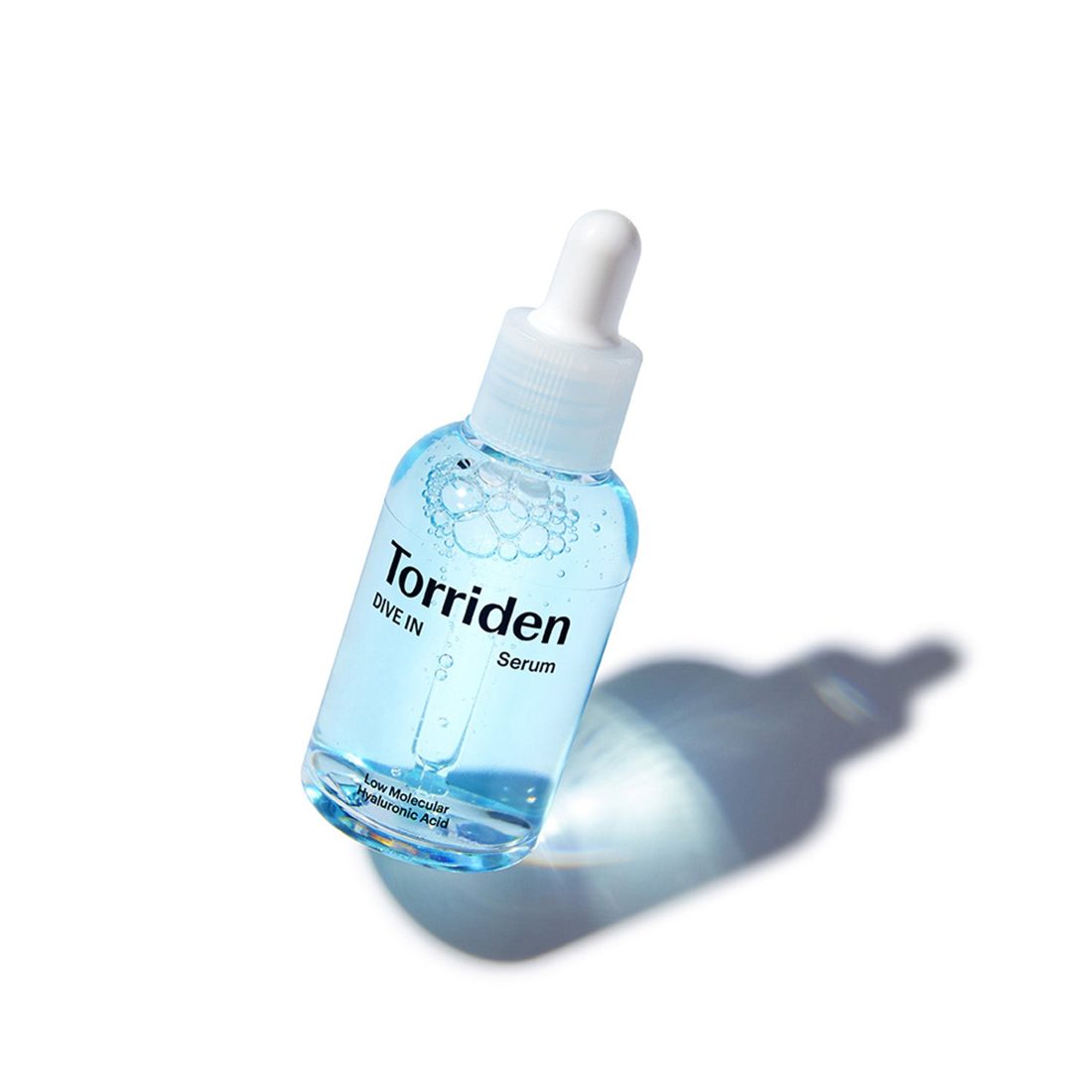
Who Owns Torriden? The Korean Company Behind Dive-In Serum, Read From Its Audit Report
Torriden is a Korean company from Daejeon, and its audit report shows two co-founders owning 70% of it on 31 December 2025. ₩274.3bn revenue, no factory of its own, a failed LG H&H deal and a 2026 minority stake from Goodai Global.
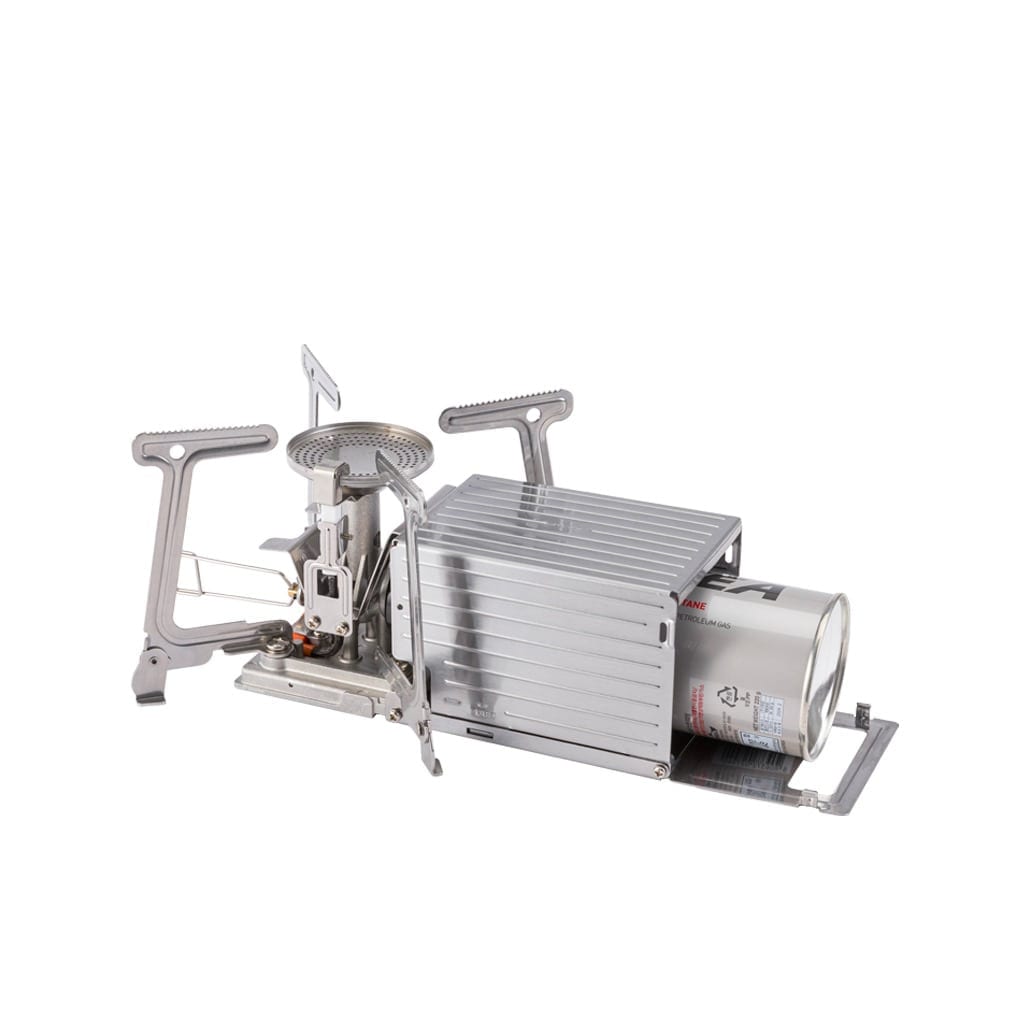
Kovea Deep Dive: The Korean Burner Maker That Took Apart a Swedish Stove — and Now Builds for MSR
Look at the box your Snow Peak LiteMax came in and it says Made in Korea. Kovea started in 1982 when its late founder took apart a Swedish SVEA burner, now supplies MSR and Decathlon, and still earned a 21% operating margin after Korea's camping market halved.

Mooto Deep Dive: Korea Still Dresses Taekwondo — Spain Makes the Part That Scores the Points
World Taekwondo recognises Mooto in six equipment categories. The two it is absent from are the electronic ones — and the scoring system at Tokyo 2020 and Paris 2024 came from Barcelona. A look at the Korean company that dresses the sport Korea exported.