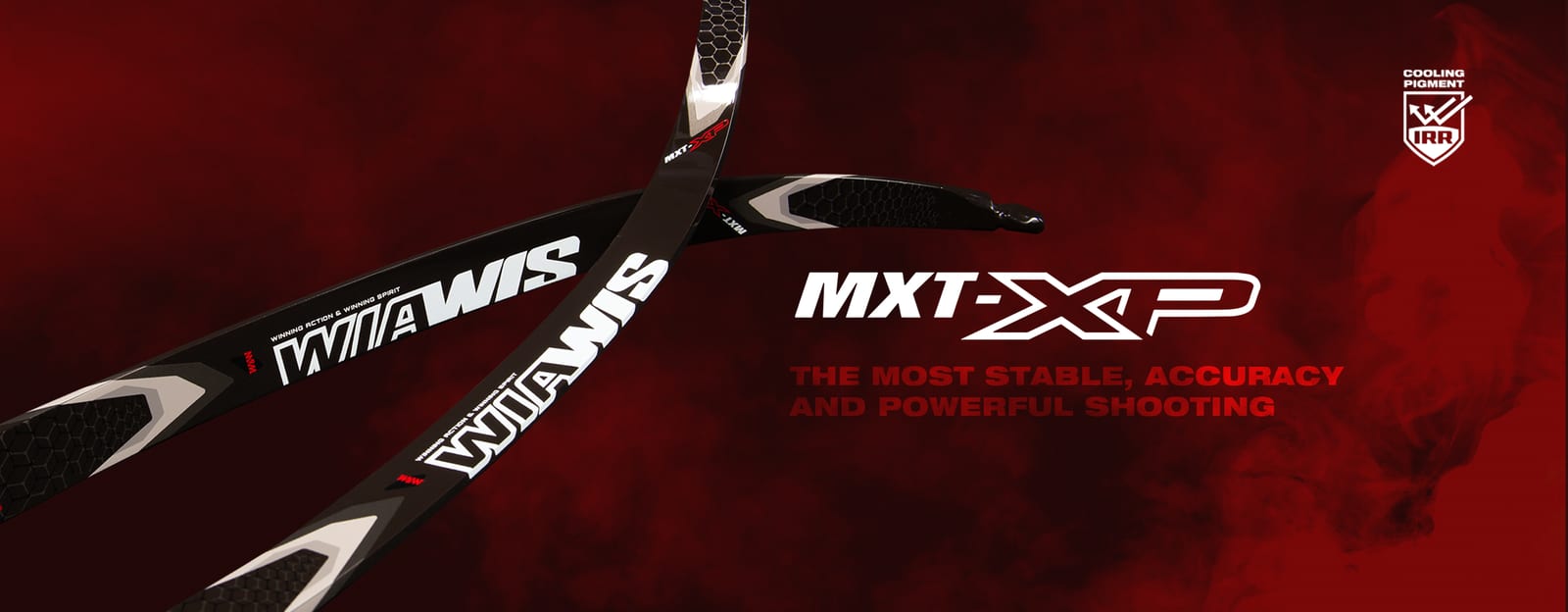
Win&Win Deep Dive: Korea Won Olympic Gold with American Bows — Until Its Own Coach Built a Better One
At Paris 2024, 65 of the 128 Olympic archers shot a Korean bow. Thirty years earlier, Korea's gold medals were won on American equipment — until national-team coach Park Kyung-rae quit a ₩100 million job, bet his entire fortune on carbon, and built WIAWIS.
Quick Answer
Here is a fact that sounds wrong until you check it. Korea has dominated Olympic archery like no country has dominated any sport — all five golds at Paris 2024, women's team titles in ten straight Games. (If you want to feel how seriously Korea takes its sports, a KBO baseball night is the accessible version; archery is the ruthless one.) And for roughly the first decade of that dynasty, the bows were American.
Korea's archers won with equipment from Hoyt, a US manufacturer with a century of history. What changed is the story of Win&Win (윈앤윈), an unlisted company in Gyeonggi-do founded in October 1993 by Park Kyung-rae (박경래) — a man who had been Korea's first-generation national archer in 1975, then the coach behind its 1985 world title and its Seoul 1988 golds. He walked away from a ₩100 million coaching salary, put his entire fortune of about ₩500 million into machinery, and spent two years learning to build a bow out of carbon.
By 2012, Korean accounts say, his company had overtaken Hoyt as the world's number one recurve maker. At Paris 2024, 65 of the 128 Olympic archers shot its WIAWIS bows — including archers competing against Korea. Today the company reports roughly ₩26 billion in annual revenue, 95% of it from exports, holds 46 patents, and puts graphene into bow handles. To beat Korea at its own sport, you now buy Korean.
| Item | Detail |
|---|---|
| Company | Win&Win Co., Ltd. (윈앤윈), Anseong, Gyeonggi-do — unlisted, founder-led |
| Founded | October 1993, by former national archer and coach Park Kyung-rae (박경래) |
| Brands | WIAWIS (flagship bows and carbon bikes), WNS (entry archery), Win Black |
| Position | ~60% of the world recurve market per Korean press; world No.1 since overtaking Hoyt around 2012 |
| Paris 2024 | 65 of 128 Olympic archers shot WIAWIS bows |
| Revenue | About ₩26 billion (2023: ~₩18bn bows, ~₩8bn bikes), 95% exported |
| Technology | 46 patents; carbon → nano-carbon → graphene risers and limbs |
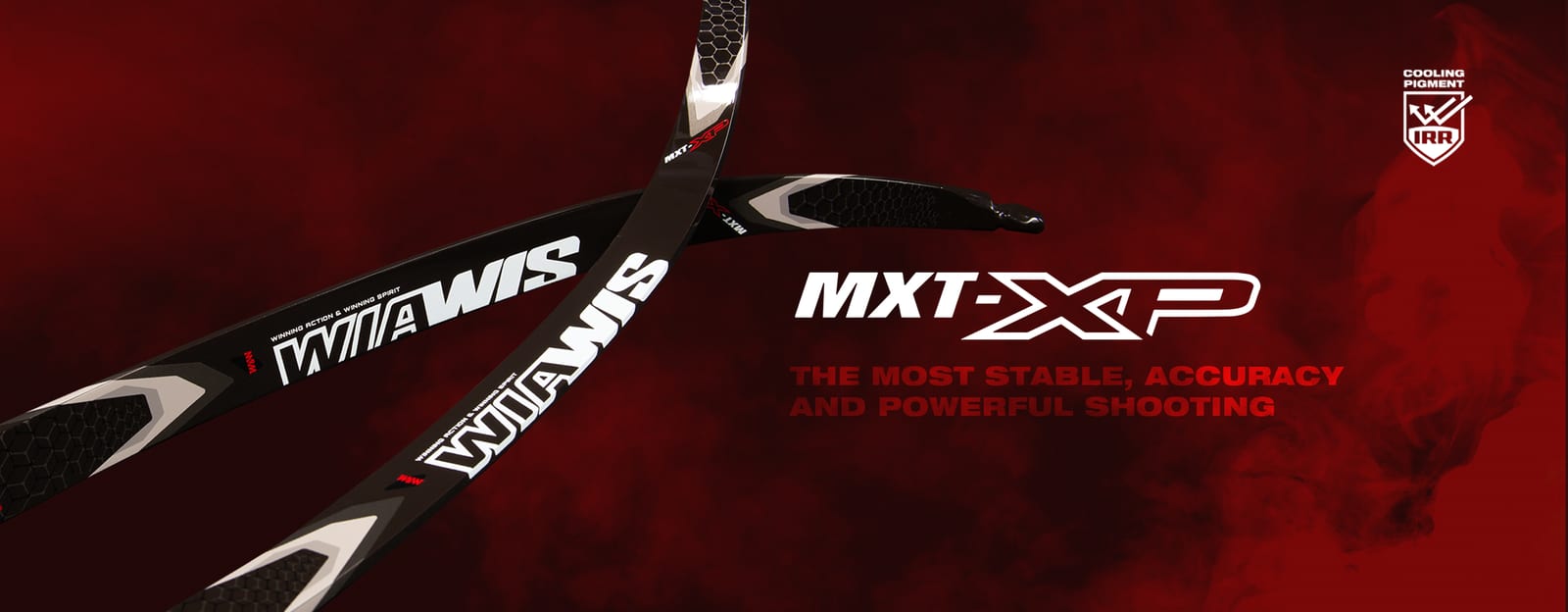
Takedown recurve bows — compare on AmazonAffiliate link. As an Amazon Associate, EpicKor earns from qualifying purchases at no extra cost to you.
Act One: The Humiliation at Atlanta
Every origin story in this series has a wound at the center of it, and Win&Win's is dated precisely: the 1996 Atlanta Olympics.
Korea arrived as the dominant force in archery. Its equipment, like everyone's, came largely from Hoyt — the American standard-bearer. And at a home Games for the United States, Korean accounts of that summer describe the problem with owning nothing: the newest American equipment went to the American team. Korea's men, shooting what they could get, lost both the team and individual golds to the US.
You can argue about how much the equipment mattered. Korean archery officials didn't wait for the argument to settle. From 1997, the Korea Archery Association changed the rules of the domestic pipeline: elementary and middle school archers would compete on Korean-made bows only. Every future Olympian would now grow up with a domestic bow in their hands.
It was industrial policy disguised as a rulebook, and it created something rare: a guaranteed home market for a product that barely existed yet. Two Korean manufacturers stepped into it. One was a familiar name from this series. The other was a coach with no company at all.
Act Two: The Coach Who Quit
Park Kyung-rae's résumé before 1993 reads like the biography of a man who should never have needed to gamble. Selected in 1975 for Korea's first archery national team. Retired into coaching. On his watch: Korea's first World Championship title in 1985, medals at the Asian Games, gold at the Seoul Olympics in 1988. By the early 1990s he was earning ₩100 million a year — an elite salary in that Korea — for doing the thing he was best at in the world.
He quit. In October 1993 he founded Win&Win Sports to build the bow itself, and he made the decision that defines the company to this day: he skipped the aluminum era entirely and bet on carbon. A carbon limb vibrates less than aluminum; less vibration means a steadier arrow. It also meant buying material science the company didn't have. Park put in his entire personal fortune — about ₩500 million — bought the machines, and spent two years failing at it before the first bow worked.
Then he did something quietly telling: he sold it in Japan first. Korean professionals would not stake their careers on an unproven domestic bow, junior mandate or no junior mandate. Foreign archers had less reverence and fewer assumptions. The company that would come to define Korean equipment nationalism made its first real money abroad — a pattern this series keeps finding, from JMW's export towers before domestic fame to Samick selling guitars into America.
The proof arrived on scoreboards. At the 1999 World Championships, Hong Sung-chil and Lee Eun-kyung took both individual titles shooting Win&Win. At Sydney 2000, Yoon Mi-jin won double gold on it. The generation raised on Korean bows had reached the podium, and the bows had kept up.
Act Three: The Field Clears
What happened next is less a triumph than an elimination bracket. At the turn of the 2000s, three companies could plausibly own the world recurve market: Hoyt, Yamaha, and the Koreans.
Yamaha left first. In 2002 the Japanese giant — whose bows had armed Olympic champions for decades — exited archery, and its technology and equipment went to Win&Win. Park had effectively acquired the R&D inheritance of Japanese archery for the price of a business unit nobody else wanted. The aftermath borders on satire: Korean accounts now put 80 to 90 percent of Japan's registered archers on Win&Win bows. Japan's archers shoot Korean equipment because Japan's own champion equipment maker gave up.
Samick fell second, and this one stings. If you read our Samick deep dive, you know the Incheon company that built half the world's guitars. What we left out of that story: from 1975, Samick also made bows — the archery workshop reportedly began inside the musical instrument plant, using the string know-how of a piano and guitar factory. Spun off as Samick Sports in the 1998 IMF restructuring, it rode the same domestic-equipment wave as Win&Win and armed its share of medalists. Then Hoyt counterattacked: after the 2008 Beijing Games, Korean reporting describes the American firm courting national federations with cash prizes and equipment volume, while development costs per new model ran into billions of won. The 2008 financial crisis hit, then the 2011 Tohoku earthquake gutted Japanese orders. Samick Sports entered court receivership in 2011 and was declared bankrupt in 2015.
Which left one Korean bow company standing — the one whose founder had bet on materials rather than assembly. By 2012, Win&Win had displaced Hoyt as the world's largest recurve maker, a position Korean press now quantifies at roughly 60% of the global recurve market and 80% at home.
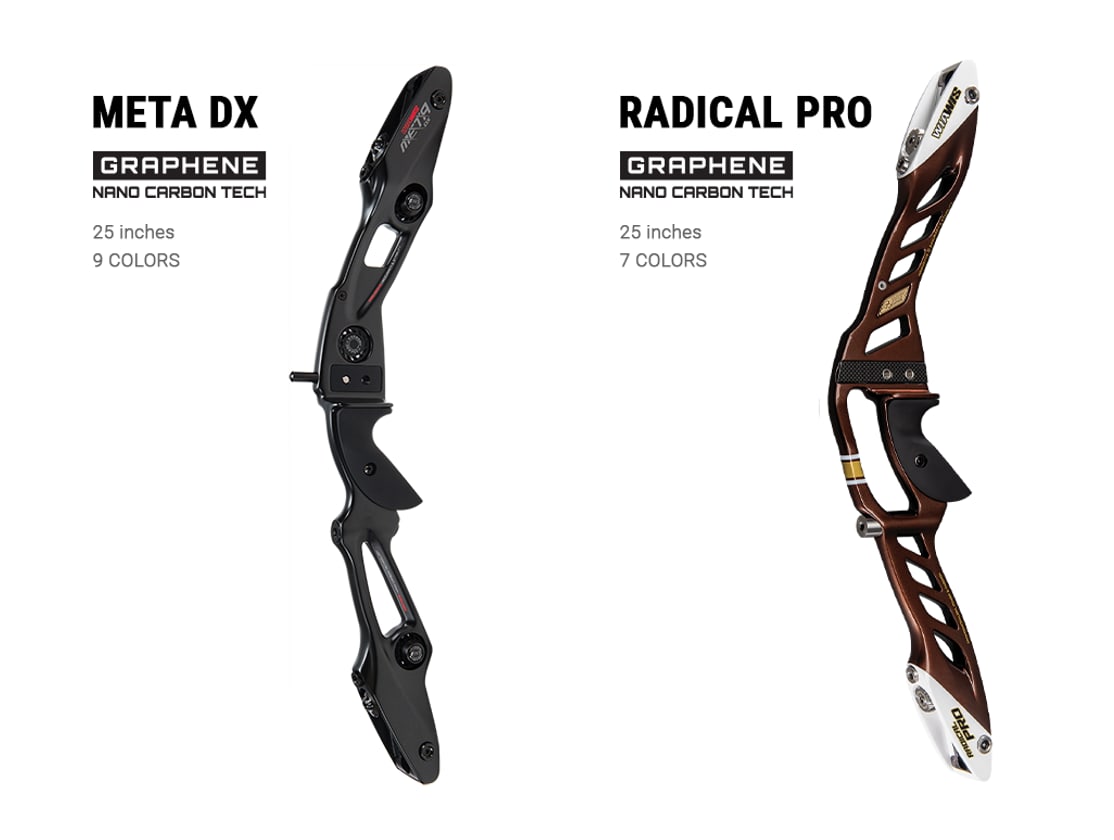
Curious what the sport feels like? As an Amazon Associate, EpicKor may earn from qualifying purchases. WIAWIS competition gear sells through specialist archery dealers, but the entry point is the same everywhere: compare beginner takedown recurve bows and a basic arm guard and finger tab set — the form Korean juniors learn on before they ever touch a ₩2 million competition rig.
The Numbers Now
Win&Win today is a case study in how small a world-dominating company can be. The figures below are from the founder's own 2024 interviews and Korean business coverage — the company is unlisted, so treat them as reported rather than audited:
- Revenue: about ₩26 billion — roughly ₩18 billion from archery, ₩8 billion from carbon bicycles.
- Exports: about 95% of sales. The company that exists because of Korean equipment nationalism barely sells in Korea; there aren't enough archers.
- Paris 2024: 65 of 128 Olympic archers on WIAWIS.
- Patents: 46, concentrated in carbon composite processing.
- Diversification: WIAWIS carbon road and track bikes since the mid-2010s, built on the same composite line; a second archery brand, WNS, for the entry market.
That last bullet deserves a pause. The bicycle business is the graphene-and-carbon expertise looking for a second act — the same play Hurom attempted horizontally and struggled to defend. The difference: Win&Win's moat was never the category patent. It is the two decades of composite processing that nobody can engineer around, because it is not a claim — it is a factory.
What This Means If You Source from Korea
1. The best Korean niche manufacturers are former users. Park shot the product, coached the product's users for a decade, then built the product. JMW's founders came out of appliance manufacturing; Park came off the podium itself. When a Korean SME's founding story starts with "the founder was the customer," the product claims tend to survive checking — the company was built to fix a specific, personally felt failure.
2. Watch what happens when a Japanese incumbent exits. Yamaha's 2002 archery exit handed Win&Win its technology inheritance; a generation later, Japan's own archers shoot Korean. This series found the same shape in razors and rice cookers: a Japanese or Western giant treats a category as non-core, a Korean specialist treats it as everything, and ten years later the market has quietly changed nationality. If you are scouting Korean suppliers, "who absorbed the incumbent's exit" is a shortlist all by itself.
3. A guaranteed home market starts companies; exports keep them alive. The 1997 domestic-equipment mandate created Korean bow-making, but the two companies it fed diverged: Samick Sports stayed an equipment assembler and died when the incumbent counterattacked; Win&Win became a materials company and now exports 95% of what it makes. Policy can open a door. It cannot be the business.
4. Owning the sport is not the same as owning its equipment. Archery is the case where a Korean company took the hardest part — the composite engineering — and kept it. Taekwondo went the other way: our Mooto deep dive finds Korean brands all over World Taekwondo's recognised uniform and protector lists, and a Spanish company supplying the electronic scoring system at Tokyo 2020 and Paris 2024. Same national origin story, opposite outcome, and the difference is which layer of the product a Korean firm chose to master.
The Honest Caveats
- The market-share figures are Korean press and company claims, not audited numbers. "Roughly 60% of world recurve" and "80–90% of Japanese registered archers" recur across reputable Korean outlets, but no independent global audit of archery equipment share exists. The Paris count of 65/128 comes from the founder's own interview.
- Hoyt is not beaten everywhere. The American firm remains formidable, particularly in compound archery — a discipline WIAWIS contests but does not dominate, and one that becomes an Olympic event at LA 2028. The next chapter is genuinely open.
- The Atlanta 1996 account is the Korean telling. That Hoyt's newest equipment went preferentially to the US team is how Korean archery institutionally remembers the Games; Hoyt's side of that story is not on record. What is verifiable is the policy response: the domestic-equipment mandate from 1997.
- The company is private. Revenue and export figures come from founder interviews, not filings. We could not independently verify the patent count.
- Most English-language material on Win&Win is either the company's own brand copy or equipment-review content. This piece leans on Korean business journalism precisely because the independent English record is thin — which is, as usual, why it is in this series.
Sources Checked
- Asia Economy's 2024 interview with Park Kyung-rae for the ₩100 million coaching salary, revenue split (₩18bn bows / ₩8bn bikes), 95% export share, 46 patents, and the 65-of-128 Paris equipment count.
- Seoul Economic Daily on Win&Win's world-market conquest for the ~60% global / 80% domestic recurve share, the ₩500 million founding bet, the two-year carbon development, the Japan-first sales route, and the 1999–2000 championship proof points.
- Newstop's fact-check on Korean bow manufacturing for the Atlanta 1996 equipment account, the 1997 domestic-equipment mandate, the Yamaha 2002 acquisition, Japanese archers' 80–90% Win&Win usage, and Samick Sports' 2011 receivership and 2015 bankruptcy.
- Kyeonggi Ilbo's 2004 profile of Samick Sports for the 1975 origin inside Samick Musical Instruments and the piano-string connection.
- Win&Win's official company history for founding details, the WIAWIS brand meaning, and the graphene nano-carbon product line.
FAQ
Q: What bows do Korean Olympic archers actually use? Korean national archers shoot Korean-made WIAWIS bows from Win&Win, as do roughly half the Olympic field — 65 of 128 archers at Paris 2024 by the founder's count. Until the late 1990s, Korea's medals were won largely on American Hoyt equipment; the switch followed a 1997 rule requiring Korean juniors to compete on domestic bows.
Q: Is WIAWIS a Korean brand? Yes. WIAWIS ("Winning Action, Winning Spirit") is the flagship brand of Win&Win Co., an unlisted company in Gyeonggi-do founded in 1993 by former national-team archer and coach Park Kyung-rae. The same carbon line also produces WIAWIS bicycles, and the WNS brand covers entry-level archery.
Q: Why did Yamaha stop making bows? Yamaha exited archery in 2002 as a non-core business, and its technology and equipment went to Win&Win. Korean coverage now estimates 80–90% of Japan's registered archers shoot Win&Win — the Korean company effectively inherited the Japanese market along with the technology.
Q: What happened to Samick's archery business? Samick — the guitar giant from our earlier deep dive — made bows from 1975, reportedly beginning inside the instrument factory with its string-making know-how. Spun off as Samick Sports in 1998, it was squeezed by Hoyt's post-2008 counterattack and rising development costs, entered receivership in 2011, and went bankrupt in 2015. Win&Win is the survivor.
Q: Can you buy a WIAWIS bow outside Korea? Yes — that is most of the business, with about 95% of revenue exported through specialist archery dealers worldwide. Competition risers and limbs are dealer-channel purchases; if you are simply curious about the sport, beginner takedown recurve bows in the general market are the same format Korean juniors start on.
More Business Guides
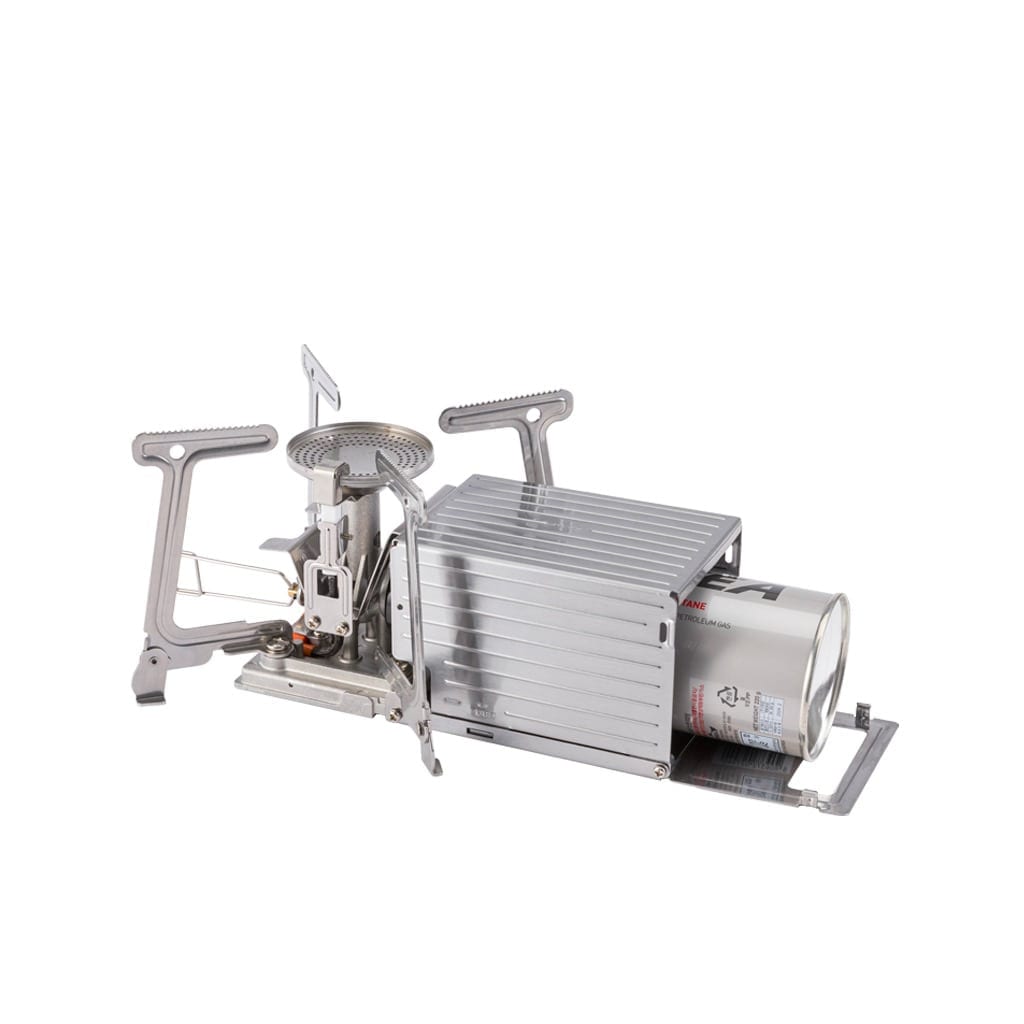
Kovea Deep Dive: The Korean Burner Maker That Took Apart a Swedish Stove — and Now Builds for MSR
Look at the box your Snow Peak LiteMax came in and it says Made in Korea. Kovea started in 1982 when its late founder took apart a Swedish SVEA burner, now supplies MSR and Decathlon, and still earned a 21% operating margin after Korea's camping market halved.
Mooto Deep Dive: Korea Still Dresses Taekwondo — Spain Makes the Part That Scores the Points
World Taekwondo recognises Mooto in six equipment categories. The two it is absent from are the electronic ones — and the scoring system at Tokyo 2020 and Paris 2024 came from Barcelona. A look at the Korean company that dresses the sport Korea exported.
Aurora World Deep Dive: The Korean Company Behind the Plush Toy on Your Shelf
Aurora's plush sits in zoo shops, bookstores and Target aisles worldwide, and its own American website never mentions Korea. A public-information deep dive on the Seoul company that owns its factories, built Palm Pals, and bought a 90-year-old Vermont brand.