Cuckoo Deep Dive: The Korean Rice Cooker That Outlived LG, Its Own Client
For 20 years Cuckoo built rice cookers as LG's anonymous OEM. When the IMF crisis pushed LG out of the market, the subcontractor launched its own brand on April Fools' Day 1998 — and now holds 70% of Korea, talks to you in Korean, and runs a ₩2 trillion group.
Quick Answer
Every story in this series has been about a Korean manufacturer stuck in someone else's shadow — JMW behind a marketing myth, Dorco behind Dollar Shave Club, Samick behind half the world's guitar headstocks. Cuckoo is the one that walked out of the shadow and took the market.
The sequence is almost too clean. Sungkwang Electronics (성광전자), founded by Koo Ja-shin (구자신) in Yangsan in 1978, spent twenty years building rice cookers as an OEM for LG Electronics — anonymous, dependent, one client. Then the 1997 IMF crisis hit and LG decided to exit the rice cooker business. For a subcontractor, that is a death sentence.
Instead, on 1 April 1998, the factory launched its own brand: Cuckoo (쿠쿠). Within a few years it was the number-one rice cooker in Korea. Today it holds over 70% of the Korean market, the group booked ₩1.535 trillion in revenue through the first three quarters of 2025 with operating profit up 33%, and its pressure cookers announce themselves in a cheerful Korean voice that has become such a cultural fixture that a 2025 New York art exhibition was built around talking Cuckoo rice cookers.
This is the closing entry of the series, and the inversion of everything before it: proof that the OEM-to-brand leap Korean manufacturers dream about is actually survivable — and what it took.
Twenty Years as Somebody Else's Factory
The first two decades are the standard Korean subcontractor biography, worth sketching because everything after depends on it.
Koo Ja-shin founded Sungkwang Electronics in 1978 in Yangsan, near Busan. Its business was OEM rice cookers for LG — LG's name on the front, Sungkwang's work inside. By the mid-1990s the arrangement was mature and comfortable: Korea's rice-cooker penetration rate had reached 98%, the market was saturated, and Sungkwang was an invisible, competent piece of LG's supply chain.
Then came 1997. The IMF crisis forced every chaebol to shed non-core businesses, and LG chose to abandon rice cookers. The polite way to describe Sungkwang's position: a single-client OEM whose single client had just quit the category.
The decision that defines the company: rather than find a new client, Koo decided the factory would sell under its own name. Cuckoo launched on 1 April 1998 — mid-crisis, into a saturated market, against Samsung and the remaining brands, with no consumer-brand experience whatsoever.
It worked for a reason that generalises badly and teaches well: the factory already made the best product in the category. Twenty years of OEM discipline meant the engineering was there; the only thing missing had been the nameplate. In a crisis, when consumers hunted value, "the company that actually builds them" turned out to be a sellable identity. Korea's rice-cooker duel (Cuckoo versus Cuchen, itself descended from another maker) has been a battle of former manufacturers ever since; the chaebols never came back.
By 2002 the company renamed itself Cuckoo outright, and the export name became the corporate identity.
The Talking Rice Cooker Is the Product
To understand why Cuckoo holds 70%+ of Korea, you have to understand that a Korean rice cooker is not the appliance Western reviewers compare to an Instant Pot.
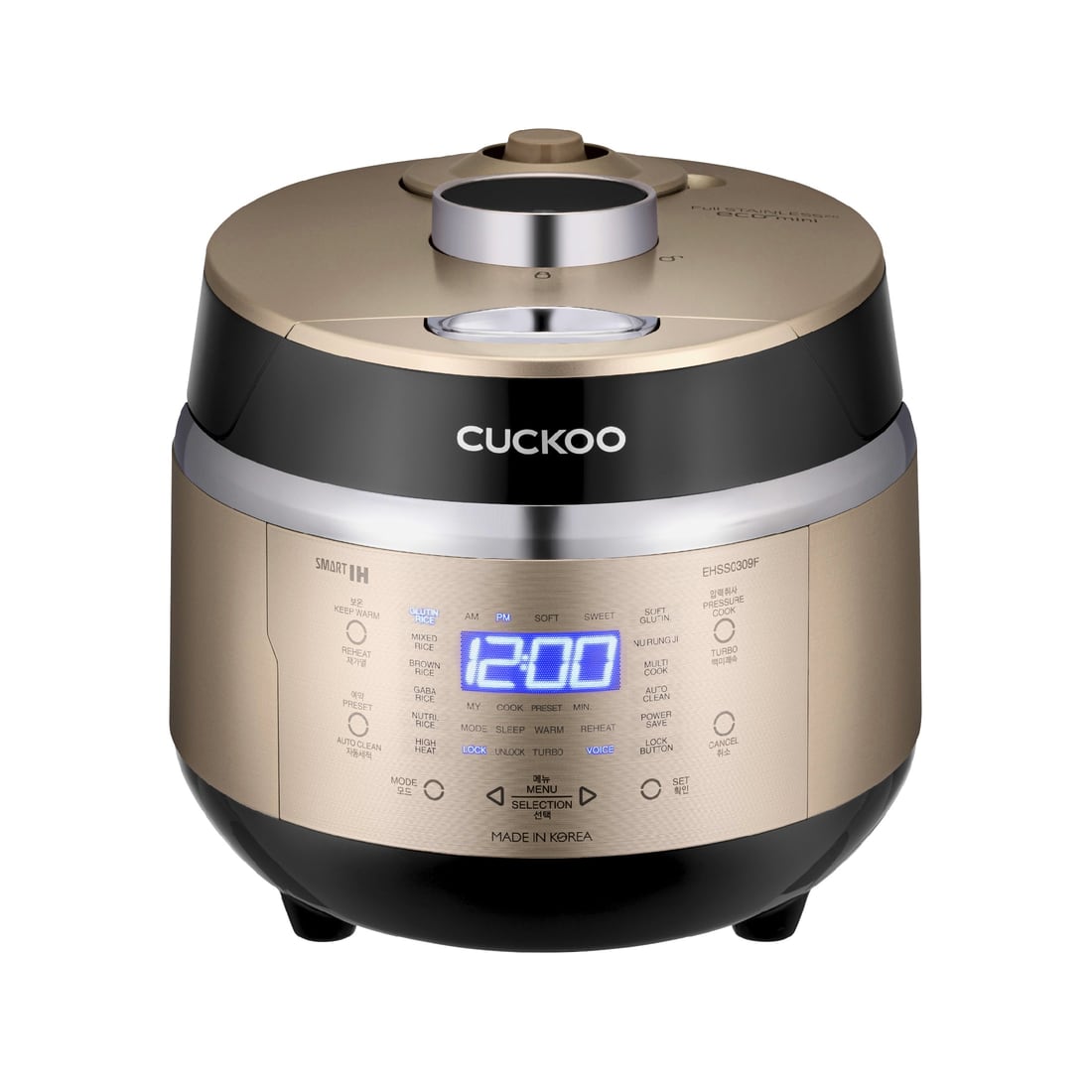
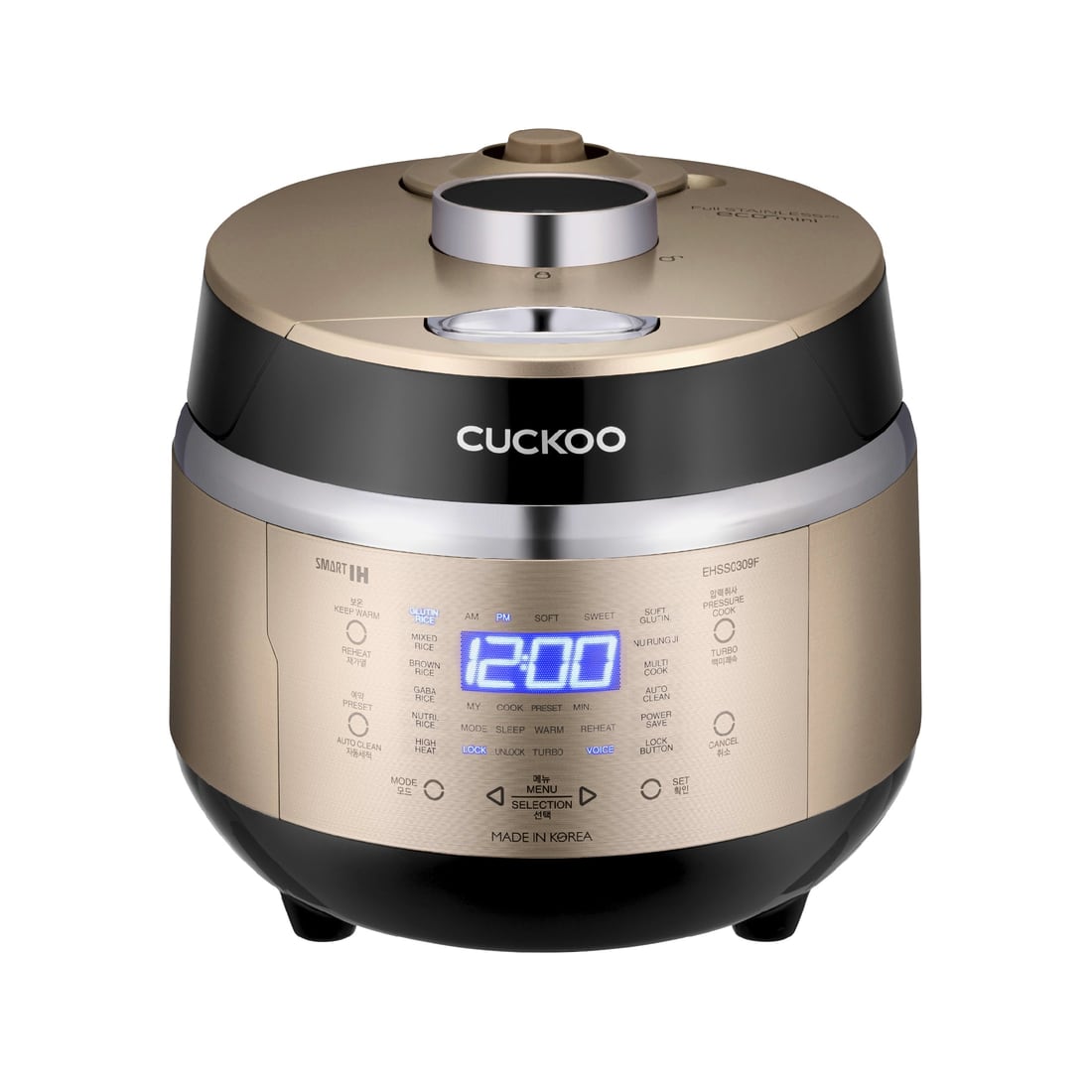
- Pressure is the point. The flagship line (CRP) cooks under genuine pressure, producing the dense, glossy 찰진 texture Korean rice culture treats as correct. The cheaper micom line (CR) exists, but the pressure models are the brand.
- It talks. Cuckoo cookers announce steps and completion in a bright Korean voice — so universally recognised that Koreans abroad describe the sound as instantly homesick-making. The 2025 PAC NYC exhibition (talking rice cookers exploring twenty years of Korean history) used the voice itself as the artistic medium. No spec sheet captures this: the product is a domestic sound.
- It is the appliance Koreans ask visitors to carry. For decades, the 밥솥 in the suitcase has been a running joke and a real logistics phenomenon in Korean immigrant life — 220V models hand-carried to 110V countries, transformers and all, until local subsidiaries finally made that unnecessary.
That last point is the export story in miniature: the demand abroad existed informally, in luggage, years before the company followed it.
The Numbers Now
Both group companies are listed, so the figures are audited:
| Entity | 2024 | What it is |
|---|---|---|
| Cuckoo Homesys (284740) | ₩1.0572 trillion (+10.8%) — first ₩1tn year | The rental business: water purifiers, air purifiers, bidets on subscription, including the Malaysian operation |
| Cuckoo Electronics (under Holdings, 192400) | ₩748 billion (+6.7%) | The appliances — rice cookers and kitchen electrics |
| Group, 2025 through Q3 | ₩1.535tn revenue, ₩203.3bn operating profit (+13% / +33%) | Growing on both lines — the series' only subject accelerating |
Read the first row again, because it is the least-known fact about Cuckoo: the rental subscription business is now bigger than the appliance business. Cuckoo followed Coway's Korean playbook — sell water purifiers and air care as monthly subscriptions with service visits — and then exported that model to Malaysia, where Cuckoo International (launched 2014 with local partner Hoe Kian Choon) built one of the country's dominant rental operations, extending into Singapore, Brunei and Indonesia. Second-generation CEO Koo Bon-hak (구본학) is now pushing further — a 2025 agreement with Thailand's CP AXTRA being the latest move — while US revenue grows double-digit on the appliance side.
The rice cooker built the brand; the subscription fridge-door economy pays for the group. That two-step — hero product first, recurring revenue second — is the maturity move most companies in this series never found.
What This Means If You Work with Korean Manufacturers
1. The OEM-to-brand leap is survivable — under specific conditions. Cuckoo had all three: genuine product superiority accumulated during the OEM years, a client exit that cleared the field rather than a client dispute that poisoned it, and a crisis that made consumers value substance over nameplate. A supplier considering the same jump against a continuing client faces a completely different fight. Timing was the strategy.
2. Listen for the moat. Cuckoo's durable advantages — pressure-rice texture and a voice Koreans recognise from childhood — appear on no comparison chart. When evaluating why a Korean brand dominates its home market before deciding whether it can travel, ask what the untranslatable part is. Sometimes it exports anyway (Malaysia); sometimes it must be re-localised entirely (US "multicookers").
3. The suitcase is a market signal. Koreans hand-carried 220V rice cookers across oceans for years before Cuckoo built a US subsidiary. Diaspora luggage is one of the most reliable early indicators of exportable Korean demand — it is how gim, ramyeon and this appliance all crossed over before official channels existed.
4. Check where the profit actually lives. A partner assuming Cuckoo is "the rice cooker company" would model the wrong business — subscriptions now outweigh appliances. Korean mid-caps diversify quietly; the listed-entity structure (Holdings vs Homesys here) is usually the map.
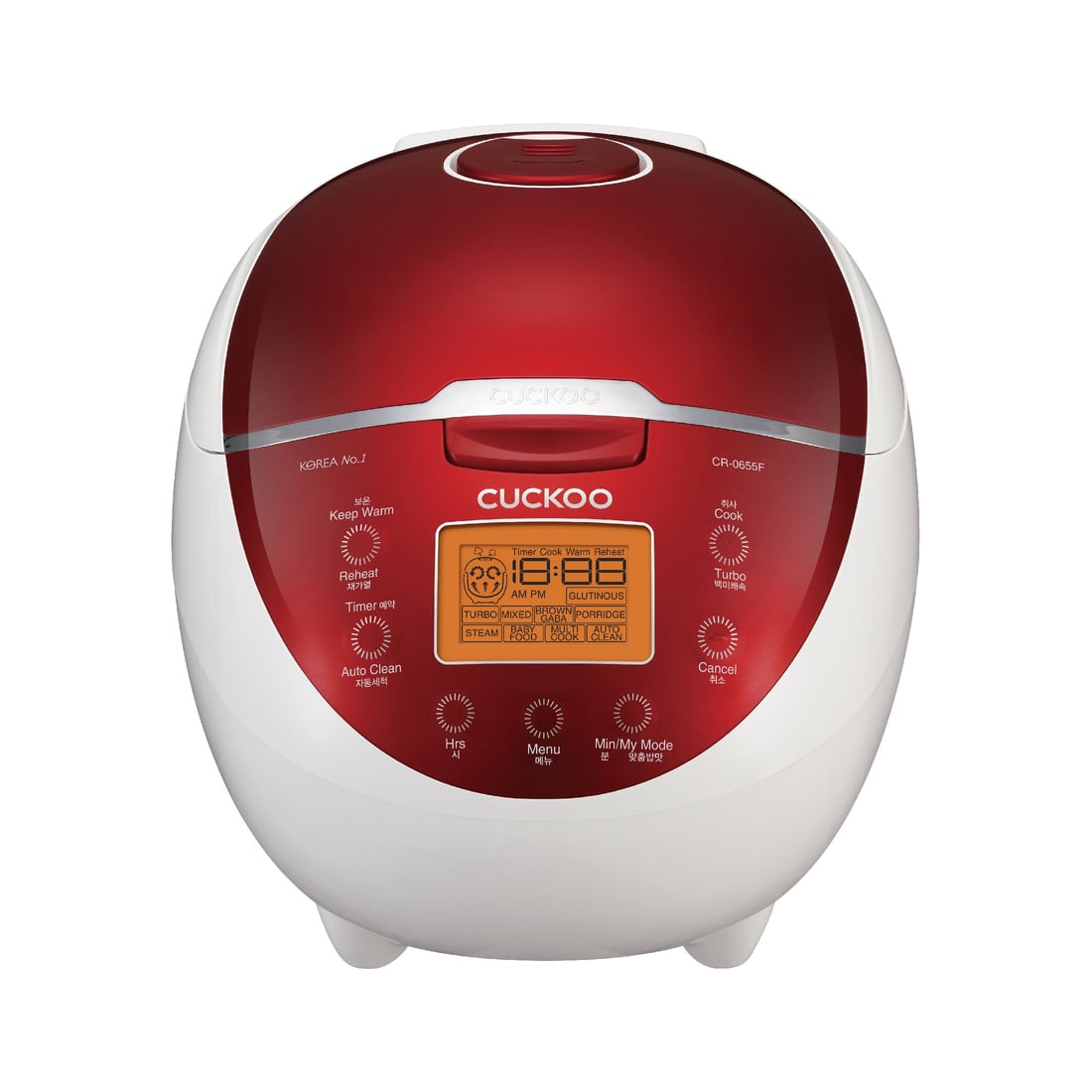
As an Amazon Associate, EpicKor may earn from qualifying purchases at no extra cost to you. Cuckoo sells directly on Amazon US — the CR-0655F 6-cup micom is the entry point, and the CRP pressure line is the one that cooks rice the way the 70% of Korea that owns one expects. The pressure model is the brand.
The Honest Caveats
- The 70%+ Korean share figure is industry-standard shorthand, consistently reported in Korean business media but not a single audited statistic; the duopoly with Cuchen moves a few points year to year.
- The IMF-era narrative is the company's own founding legend, corroborated by contemporaneous reporting (LG's exit, the 1998 launch) but polished by two decades of retelling. The dates and the market outcome are solid; the boardroom drama is as-told.
- English-language coverage of the company is genuinely thin — Wikipedia, brand pages, product reviews, and one art-exhibition writeup. This piece leans on Korean business journalism (The Bell's governance analysis, Kyongnam Shinmun's founder interview) because that is where the substance is. Product reviews in English are plentiful; the company story was the gap.
- Malaysia's Cuckoo International is a partnership, not a wholly-owned subsidiary, and its structure has its own Korean-press coverage; we simplify it here as "the Malaysian operation."
Sources Checked
- Kyongnam Shinmun's founder interview with Koo Ja-shin and ETNews' 2001 profile for the 1978 Sungkwang founding, the 20-year LG OEM era, LG's IMF-era exit, and the April 1998 own-brand decision.
- Wikipedia's Cuckoo Electronics entry and Cuckoo's official history for the 98% penetration context, the 2002 rename, 2002 US distribution, the late-2016 LA subsidiary, and the 2014 Malaysian launch with Hoe Kian Choon.
- Datanews on Homesys passing ₩1 trillion for the 2024 figures (Homesys ₩1.0572tn +10.8%, Electronics ₩748bn +6.7%), and Korea Economic Daily for the 2025 Q3 cumulative ₩1.535tn / ₩203.3bn (+13%/+33%) and the 70%+ domestic share.
- The Bell's governance analysis for the holding-company structure and succession to Koo Bon-hak, and Etoday for the overseas push including the CP AXTRA agreement.
- This Week in New York on the PAC NYC talking-rice-cooker exhibition for the cultural-object status of the voice.
FAQ
Q: Was Cuckoo really LG's rice cooker maker?
A: Yes. Founded as Sungkwang Electronics in 1978, the company spent twenty years building rice cookers as an OEM for LG Electronics. When LG exited the category during the IMF crisis, Sungkwang launched its own brand — Cuckoo — on 1 April 1998, and renamed the company itself in 2002.
Q: How dominant is Cuckoo in Korea?
A: It holds over 70% of the Korean electric rice cooker market, in a long-running duopoly with Cuchen. Group revenue through Q3 2025 was ₩1.535 trillion with operating profit up 33%.
Q: Why do Cuckoo rice cookers talk?
A: Voice guidance announces cooking stages and completion in Korean. It began as a usability feature and became a cultural signature — familiar enough that a 2025 New York art exhibition used talking Cuckoo cookers as its medium, and Koreans abroad describe the voice as the sound of home.
Q: Is Cuckoo mainly a rice cooker company now?
A: By revenue, no. Cuckoo Homesys — the rental subscription business for water purifiers, air purifiers and bidets, including the Malaysian operation — passed ₩1 trillion in 2024 and is larger than the appliance arm (₩748 billion). The rice cooker is the brand; subscriptions are the bigger business.
Q: What is the difference between Cuckoo's CR and CRP lines?
A: CR models are micom (microcomputer) cookers — good, conventional. CRP models cook under real pressure, which produces the dense, glossy rice texture Korean rice culture considers correct. The pressure line is what the Korean market share is built on.
Q: Can I buy Cuckoo outside Korea?
A: Yes — Cuckoo sells directly on Amazon US with 110V models, has run a Los Angeles subsidiary since late 2016, and operates across Southeast Asia through the Malaysian-based rental business. The suitcase era is over.
More Business Guides
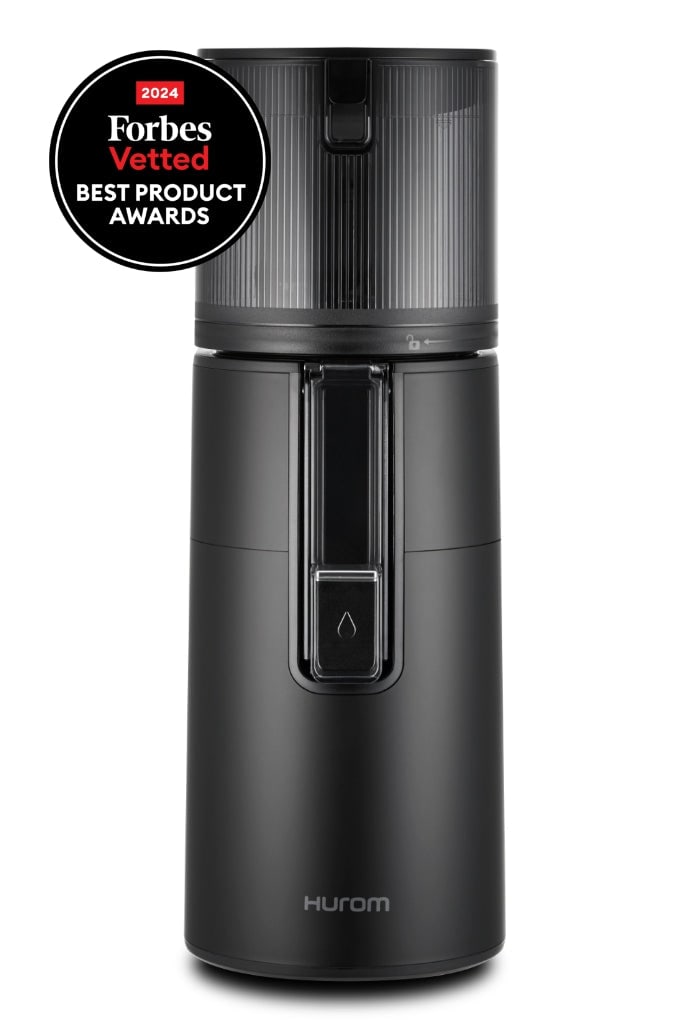
Hurom Deep Dive: The Korean Company That Invented the Slow Juicer — and What Happens After Everyone Copies You
Every slow juicer on earth descends from a machine a Gimhae company launched in 2005. Hurom sold 12 million units in 80 countries — then a European court voided its patent, revenue fell 15%, and the invention outgrew the inventor. The full arc, honestly.
Kovea Deep Dive: The Korean Burner Maker That Took Apart a Swedish Stove — and Now Builds for MSR
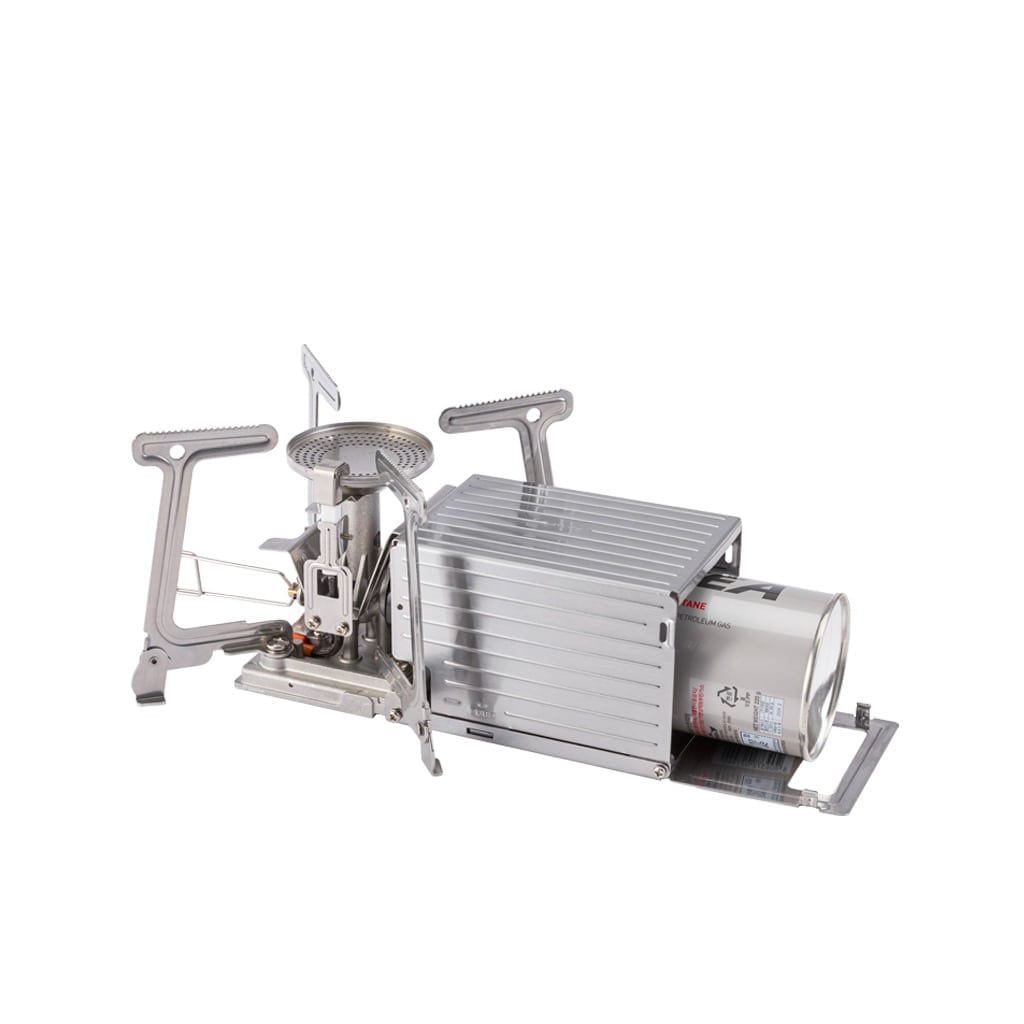
Look at the box your Snow Peak LiteMax came in and it says Made in Korea. Kovea started in 1982 when its late founder took apart a Swedish SVEA burner, now supplies MSR and Decathlon, and still earned a 21% operating margin after Korea's camping market halved.

Mooto Deep Dive: Korea Still Dresses Taekwondo — Spain Makes the Part That Scores the Points
World Taekwondo recognises Mooto in six equipment categories. The two it is absent from are the electronic ones — and the scoring system at Tokyo 2020 and Paris 2024 came from Barcelona. A look at the Korean company that dresses the sport Korea exported.