Korean Packaging Suppliers: Cosmetics And Food Guide
A practical guide to Korean packaging suppliers for cosmetics, food, labels, cartons, MOQs, samples, compliance checks, and export-ready sourcing.
Quick Answer
If you are looking for Korean packaging suppliers, do not start with a generic request for "best price for packaging." Start by separating the exact packaging job: cosmetics primary packaging, food-contact packaging, printed boxes, labels, flexible pouches, inserts, shipping cartons, display packaging, or export packing. Then screen Korean suppliers by material, tooling, print control, sample process, compliance documents, export readiness, and whether they are a manufacturer, converter, trading company, or design-plus-sourcing partner.
Korea can be a useful packaging search lane for overseas beauty, food, lifestyle, and private-label brands because Korea-focused sourcing surfaces and trade events explicitly cover cosmetics packaging, food packaging, packaging materials, packaging machines, printing, and shipping packaging. But packaging sourcing is easy to underestimate. A box is not just a box when the artwork, barcode, claim language, food-contact material, carton strength, humidity, MOQ, and shipping route all affect whether the final product can actually sell.
For a first sourcing workflow, use Korea-focused public paths such as KOTRA buyer services, buyKOREA, and the tradeKorea packaging category. Treat these as discovery surfaces, not as a replacement for your own commercial, quality, legal, and destination-market compliance review.
First, Define What "Packaging Supplier" Means
Packaging is not one supplier type. A cosmetics bottle supplier, a paper box converter, a pouch manufacturer, a label printer, a molded tray producer, and an export-carton provider can all sit under the same broad search term. If your inquiry does not define the component, the buyer role, and the product category, good suppliers may not know how to quote it.
For cosmetics, packaging often breaks into primary packaging and secondary packaging. Primary packaging touches or holds the product: bottles, tubes, jars, pumps, caps, droppers, compacts, sticks, sachets, and refill pouches. Secondary packaging supports retail presentation and logistics: unit cartons, labels, inserts, display trays, set boxes, tamper seals, and outer cartons. If you are building a K-beauty product, pair this packaging search with EpicKor's guide to K-beauty OEM/ODM in Korea, because the manufacturer and packaging supplier may need to coordinate formula compatibility, filling line constraints, claim language, and artwork timing.
If you are not developing a new formula but buying finished Korean beauty products for resale, start with the Korean cosmetics wholesale guide instead. That path depends more on brand authorization, batch proof, expiry dates, channel permission, and destination-market labels than on custom packaging design.
For food, packaging can include flexible film, stand-up pouches, retort pouches, trays, cups, sleeves, labels, cartons, corrugated boxes, and shipping materials. Food packaging adds another layer because food-contact materials, shelf life, temperature, oxygen or moisture barriers, and destination-market labeling rules matter. A supplier that can print a beautiful pouch may not be the right party to advise on whether your exact food-contact structure is acceptable in the market where you will sell.
For export-ready consumer goods, packaging also includes the transport layer. This is where buyers often lose money. A retail box can look correct but fail in shipping. A carton can survive domestic movement but deform during export. A pallet pattern can look efficient until humidity, container loading, or courier handling exposes weak assumptions. Ask about retail packaging and shipping packaging as separate scopes.
The Practical Packaging Supplier Types
Use this table before outreach so your first email reaches the right kind of Korean counterpart.
| Supplier Type | Typical Scope | Best Fit | Buyer Check |
|---|---|---|---|
| Primary packaging maker | Bottles, tubes, jars, caps, pumps, droppers, pouches, sticks, compacts, and other direct product containers. | Cosmetics, personal care, food, supplements, and liquid or semi-liquid products. | Material compatibility, food-contact or cosmetic suitability, closure fit, leakage, MOQ, molds, and sample traceability. |
| Paper box or carton converter | Unit cartons, set boxes, sleeves, display boxes, inserts, corrugated cartons, and retail-ready packaging. | Beauty sets, snacks, gifts, lifestyle goods, and export cartons. | Board grade, dieline, print proof, coating, barcode readability, carton strength, pallet pattern, and artwork ownership. |
| Label and printing partner | Labels, stickers, sleeves, barcode labels, multilingual inserts, and small-run print support. | Brands adapting Korea-made products for one or more overseas markets. | Language review, print tolerance, adhesive behavior, serial or batch code handling, and revision control. |
| Packaging trading company | Coordinates several factories or components and may handle mixed small-lot sourcing. | Smaller buyers that need many packaging parts but lack a Korea sourcing team. | Which factories produce which items, margin structure, document flow, sample responsibility, and defect handling. |
| Design-plus-sourcing partner | Packaging concept, dieline, materials, supplier coordination, and production handoff. | New brands that need Korean design sensibility and manufacturable packaging. | IP ownership, file handover, supplier transparency, print responsibility, and production approval steps. |
The safest early move is to write one packaging brief that separates the component list. Instead of "We need packaging for a skincare line," say something closer to: "We need a 150 ml toner bottle with cap, printed unit carton, product label, master carton, and export carton guidance for an initial test order." The second version lets a supplier tell you what they can truly cover.
Where To Start Your Korea Search
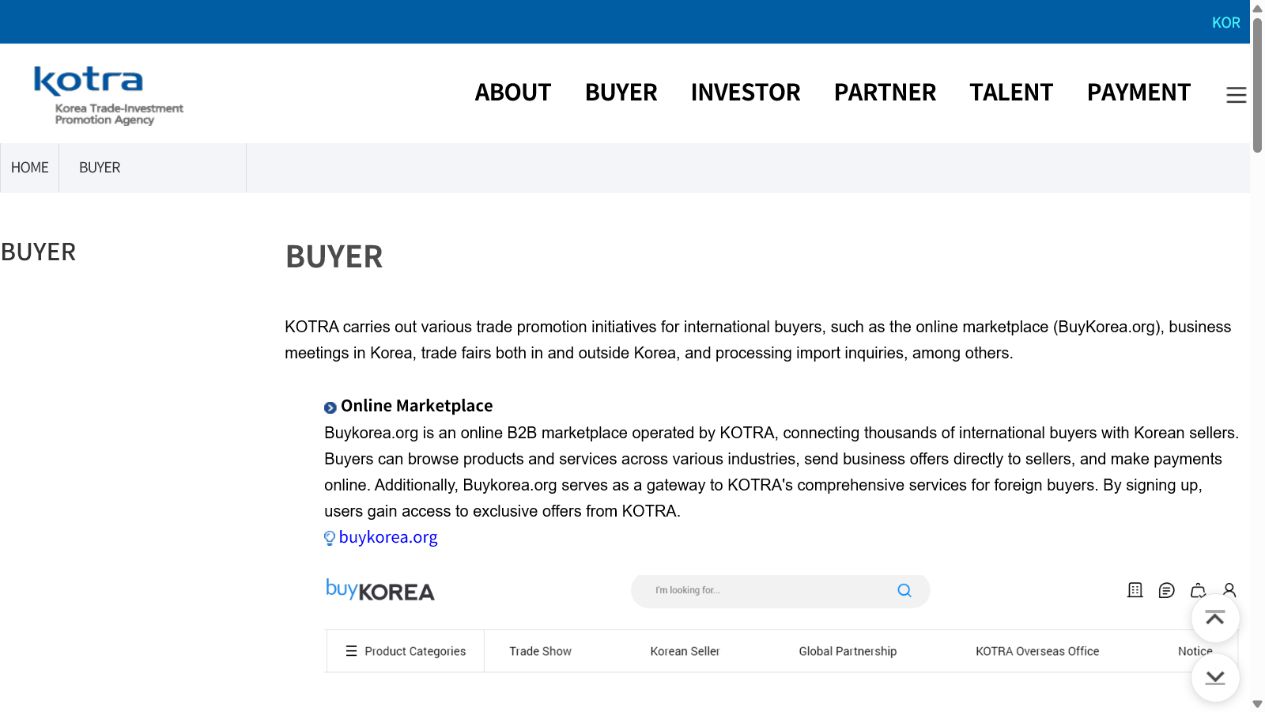
KOTRA, buyKOREA, and tradeKorea are useful first stops because they keep the search Korea-specific. KOTRA's buyer page describes buyer support paths including BuyKorea.org, business meetings, trade fairs, import inquiries, and overseas-office support. buyKOREA says it is an export support platform that helps South Korean companies promote products to overseas buyers and connect online. tradeKorea says it is operated by KITA and designed to help global buyers discover Korean partners.
For packaging specifically, the tradeKorea category structure is a helpful reminder of how broad the field is. Its public category navigation includes cosmetics packaging, food packaging, packaging machines, packaging printing service, packaging supplies, pharmaceutical packaging, special purpose packaging, and shipping packaging under Equipment & Packaging. That structure is useful even if you later find the supplier elsewhere, because it forces you to choose a more exact search lane.
The official KOREA PACK overview is another useful cross-check for buyer scope. It lists packaging machines, packaging-material processing and converting machines, packaging materials, food processing machinery, pharmaceutical and cosmetics machinery, packaging automation, packaging robots, inspection and testing equipment, and printing and labeling solutions. In other words, a Korea packaging search should not be framed as a single supplier search. It is usually a component, process, material, machinery, and documentation search.
Use platform listings to build a short list, not to make a final decision. Then search each company name separately in English and Korean. Look for a real corporate site, product galleries, factory or office address consistency, export experience, certifications, trade-show participation, and whether the company appears across multiple credible surfaces. If a company only appears on one listing, that does not automatically disqualify it. Some Korean SMEs have thin English web presence. It does mean your document and sample checks should be stricter.
Buyer desk note: As an Amazon Associate, EpicKor may earn from qualifying purchases. If this is your first packaging sourcing pass, compare packaging design books or import/export sourcing books before sending RFQs, because unclear briefs are the fastest way to get unusable quotes.
What To Ask Before Sampling
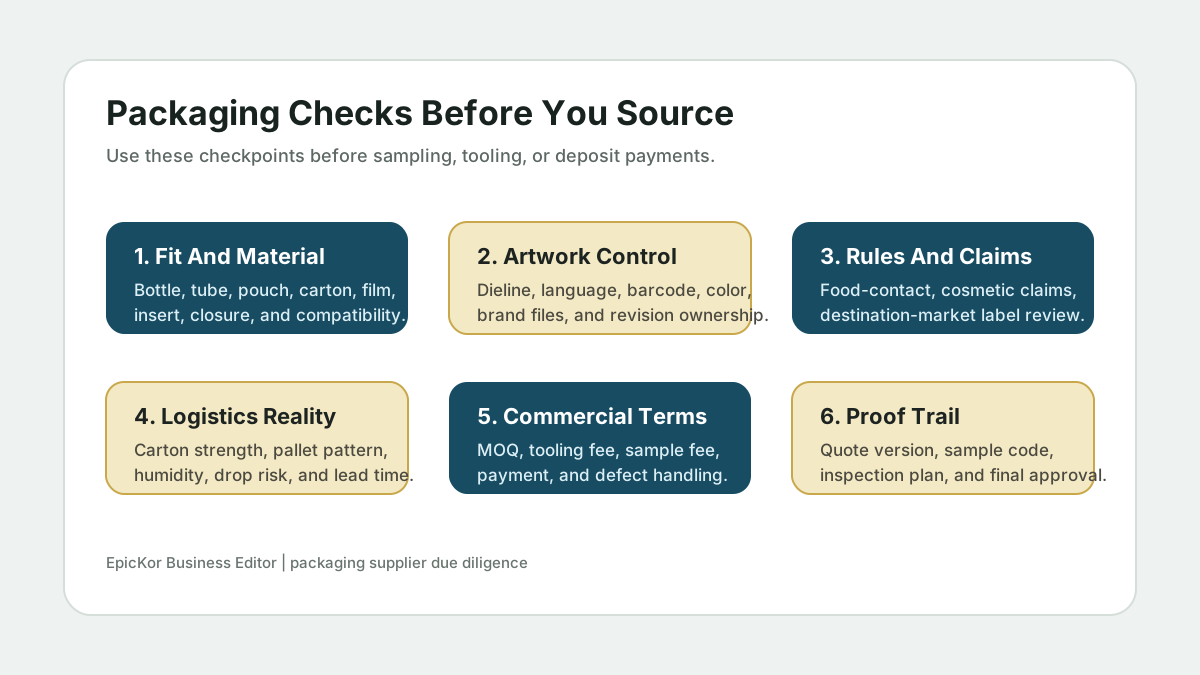
A packaging quote is only useful if the assumptions are visible. Ask for the material, dimensions, tolerance, color method, print method, coating or finish, minimum order quantity, sample fee, tooling or mold fee, lead time, revision process, carton packing, payment terms, and defect handling.
For primary packaging, ask about compatibility and testing. A cosmetic formula may react differently with plastic, glass, coating, pump material, or cap liners. A food product may need barrier properties, heat resistance, retort suitability, refrigeration behavior, or moisture protection. The supplier may know its material, but your product owner and destination-market specialist still need to review whether the structure fits the product and market.
For cartons and labels, ask for dieline control. Who creates the dieline? Who owns the final artwork file? Which file format is required? Who approves the barcode placement? What happens if text changes after the first proof? Does the supplier provide a digital proof only, or a physical press proof? If your product will sell in more than one country, build the language plan before printing.
For export cartons, ask for the practical packing plan. How many units per inner carton and master carton? What is the carton material and burst or edge-crush expectation? How will cartons be stacked? Are there humidity concerns? Is the packaging designed for palletized freight, courier shipments, or mixed e-commerce handling? These details are not glamorous, but they are often where product damage and hidden cost appear.
Compliance: Do Not Outsource The Final Responsibility
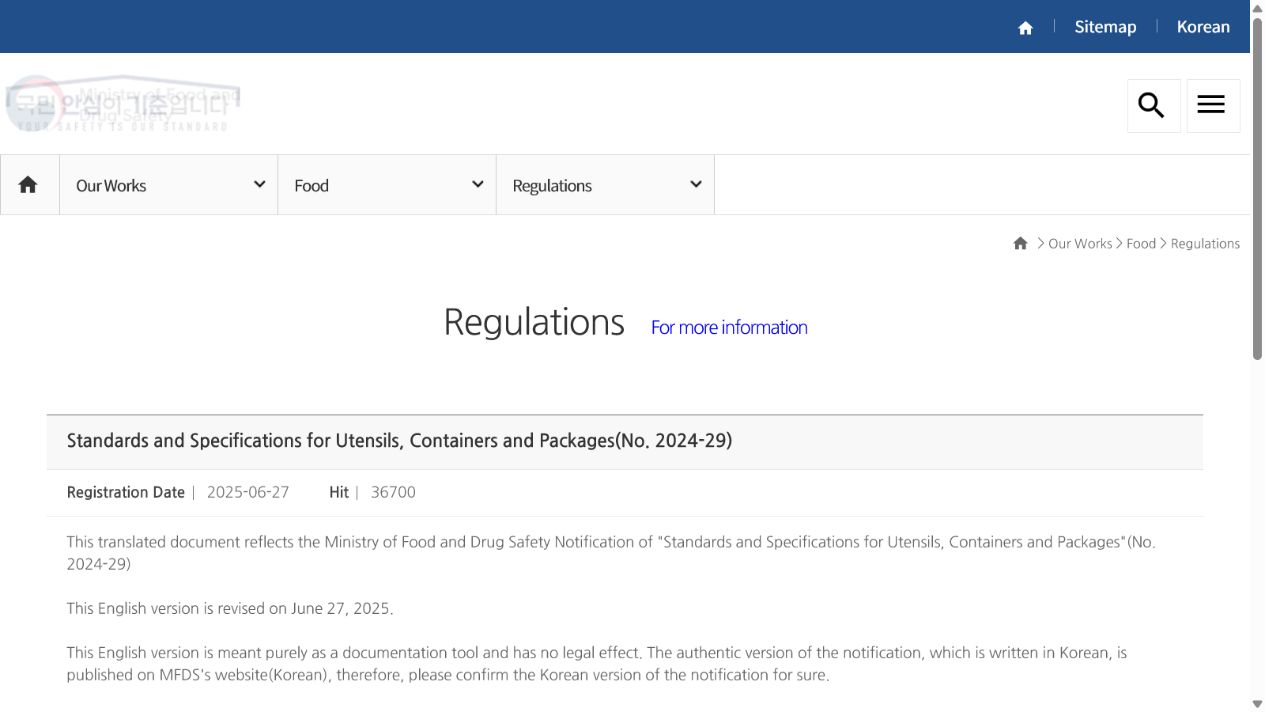
Packaging can trigger regulatory questions even when the product itself is already approved or familiar. Food packaging is the clearest example. MFDS maintains English reference material for food rules, including the Standards and Specifications for Utensils, Containers and Packages. The MFDS English page states that the translated document is a documentation tool and that the authentic notification is the Korean version. For overseas buyers, that is an important signal: use English references to understand the issue, but confirm the legally controlling version and the destination-market rule before selling.
Cosmetics packaging has a different risk profile. Claims, warnings, ingredient display, responsible party, batch or lot traceability, and country-specific label rules may matter more than the container itself. If a Korean OEM/ODM manufacturer is also handling packaging coordination, ask exactly which party reviews label claims and which market the review covers. "Korea-ready" and "U.S.-ready" or "EU-ready" are not the same thing.
For general consumer goods, packaging may involve symbols, recycling marks, safety warnings, age labels, barcode standards, origin marking, and destination-market language. Do not ask a Korean packaging supplier to give a final legal answer for every country unless they are explicitly engaged and qualified for that compliance role. A more realistic ask is: "Please provide material specs, supplier declarations, test reports if available, and production details that our compliance reviewer can evaluate."
MOQ, Tooling, And Why Cheap Samples Can Mislead
Packaging MOQ can be confusing because it may apply by component, material, color, print run, mold, or finish. A supplier may accept a small order for a plain carton but require a larger MOQ for a custom coating, foil, molded insert, pump color, or printed pouch. Another supplier may offer a lower product MOQ but charge a higher tooling or plate fee.
Ask for a quote that separates each line. The unit price, mold or tooling fee, plate fee, sample fee, artwork fee, shipping estimate, and revision cost should not be hidden inside one vague number. This matters because your first order and second order may look very different. A cheap first sample can become expensive when the print run, mold ownership, or material MOQ becomes visible.
The sample stage should have a proof trail. Record sample code, date, supplier contact, file version, material spec, dimensions, finish, test assumptions, and whether the sample is handmade, machine-made, pre-production, or production-line output. If the final shipment is not tied back to the approved sample, the sample has limited value.
Packaging Questions To Put In The First Email
Keep the first contact short but specific. Include the product category, target market, packaging component, size, material preference, estimated first order range, timeline, and whether you need design support or production only.
A practical message might say: "We are an overseas buyer preparing a private-label snack product for the U.S. market. We are looking for Korean suppliers for stand-up pouches and printed retail cartons. Please confirm whether you manufacture in-house or coordinate with partner factories, your MOQ by component, sample process, lead time, and whether you can provide material specifications and food-contact documentation for buyer review."
For cosmetics, adjust the wording: "We are preparing a skincare product and need a bottle, cap, label, unit carton, and master carton. The formula is still under compatibility review. Please confirm available materials, sample timing, color and print options, MOQ, tooling fees, and whether you can coordinate with an OEM/ODM filling partner."
Notice what these messages do not do. They do not ask for a supplier's "best price" without a spec. They do not ask the supplier to solve every compliance question. They do not pretend that a sample photo is enough. They make it easier for a serious Korean supplier to answer clearly.
When To Visit Korea Or Use A Trade Show
A Korea trip makes sense when packaging is visual, tactile, expensive, or central to the product's selling point. Beauty, premium food, gift sets, retail displays, and export cartons can benefit from in-person review because you can compare materials, finishes, print quality, and closure behavior quickly.
If you plan to source across several categories, pair packaging meetings with supplier discovery or a trade event. EpicKor's guide to Korea trade shows for overseas buyers explains how to prepare exhibitor shortlists, meeting notes, samples, and post-show follow-up. If you are still building the supplier funnel, start with how to find suppliers in Korea before contacting packaging companies.
Do not use a trade-show conversation as a purchase order. Use it to collect evidence: business card, catalog, sample, factory role, product scope, certifications, export manager contact, and follow-up timeline. The real decision still happens after written quotes, sample review, compliance checks, and payment safeguards.
Simple sourcing kit: Before a Korea supplier trip, compare trade-show planner notebooks, travel document organizers, or digital luggage scales. They are small tools, but they keep samples, cards, catalogs, and shipping notes from getting mixed up.
FAQ
Q: Where can I find Korean packaging suppliers online?
Start with Korea-focused B2B and trade-support paths such as KOTRA buyer services, buyKOREA, and tradeKorea's packaging category. Use them to build a short list, then verify company identity, capability, samples, documents, and export readiness before payment or tooling.
Q: Are Korean packaging suppliers good for cosmetics brands?
They can be useful because Korea has strong beauty manufacturing and packaging familiarity, but the buyer still needs to check material compatibility, closure fit, print quality, label claims, MOQ, tooling ownership, and destination-market compliance. A cosmetics OEM/ODM partner may coordinate packaging, but you should confirm who is responsible for each component.
Q: Can I use Korean food packaging for my market?
Do not assume that Korean food packaging automatically fits your destination market. Ask for material specifications, food-contact documentation, sample details, and supplier declarations, then have the package reviewed against the rules in the country where you will sell. MFDS English references are helpful context, but legal effect and destination rules need separate confirmation.
Q: What is the biggest packaging sourcing mistake?
The biggest mistake is treating packaging as a finished visual design instead of a production system. Artwork, material, sample stage, MOQ, tooling, label language, carton strength, and shipping conditions all need to match. A beautiful sample is not enough if the supplier cannot reproduce it, document it, and ship it reliably.
Q: Should I use a manufacturer or trading company for packaging?
Use a direct manufacturer or converter when technical control, material detail, or high-volume repeat production matters. Use a trading company when you need several components, lower coordination burden, or mixed small-lot sourcing. In either case, ask which factory handles each component and who is responsible for defects, revisions, and documentation.
Sources And Further Reading
More Business Guides
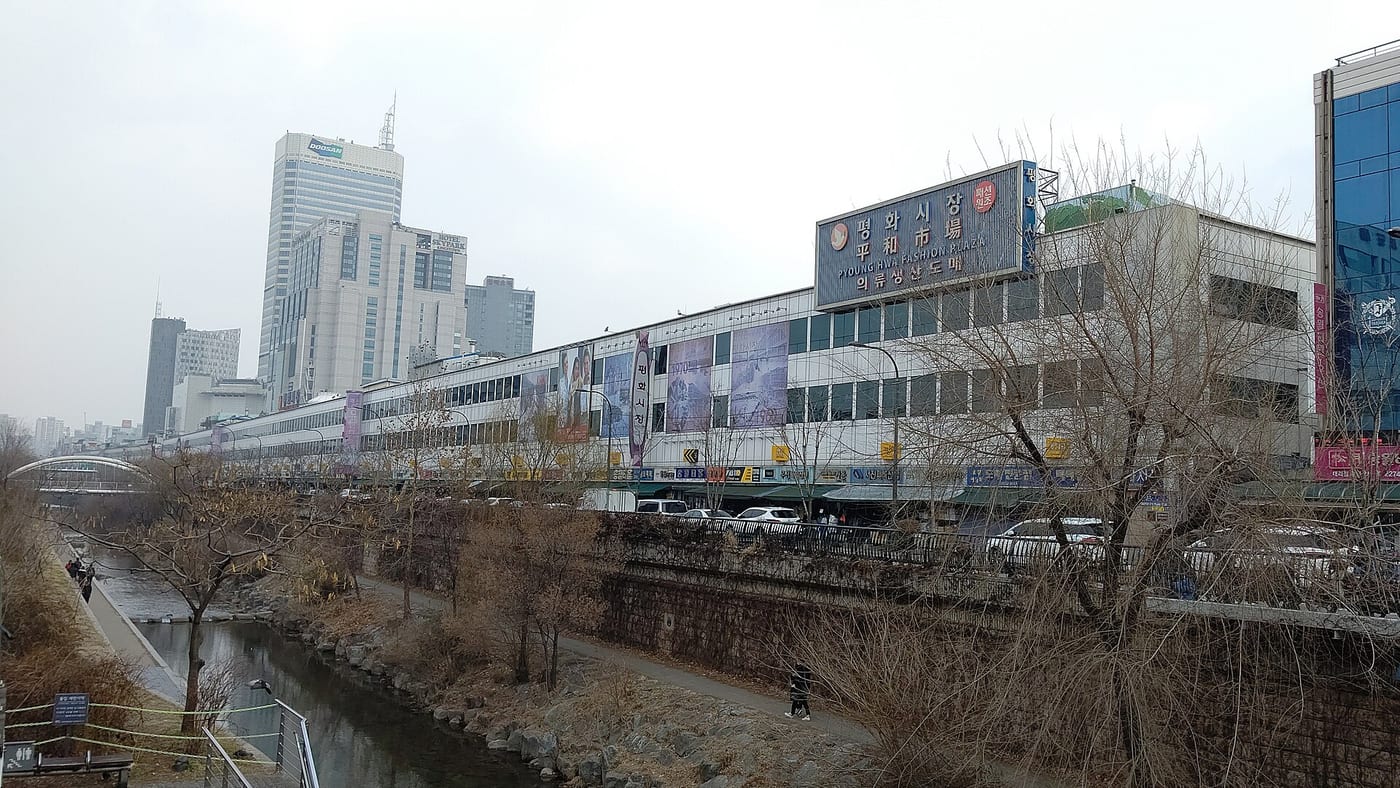
Korean Apparel Manufacturers 2026: Dongdaemun Sourcing Guide
An overseas-buyer guide to Korean apparel manufacturers and Dongdaemun sourcing: wholesale vs OEM, MOQs, sample rooms, quality checks, and export risk.
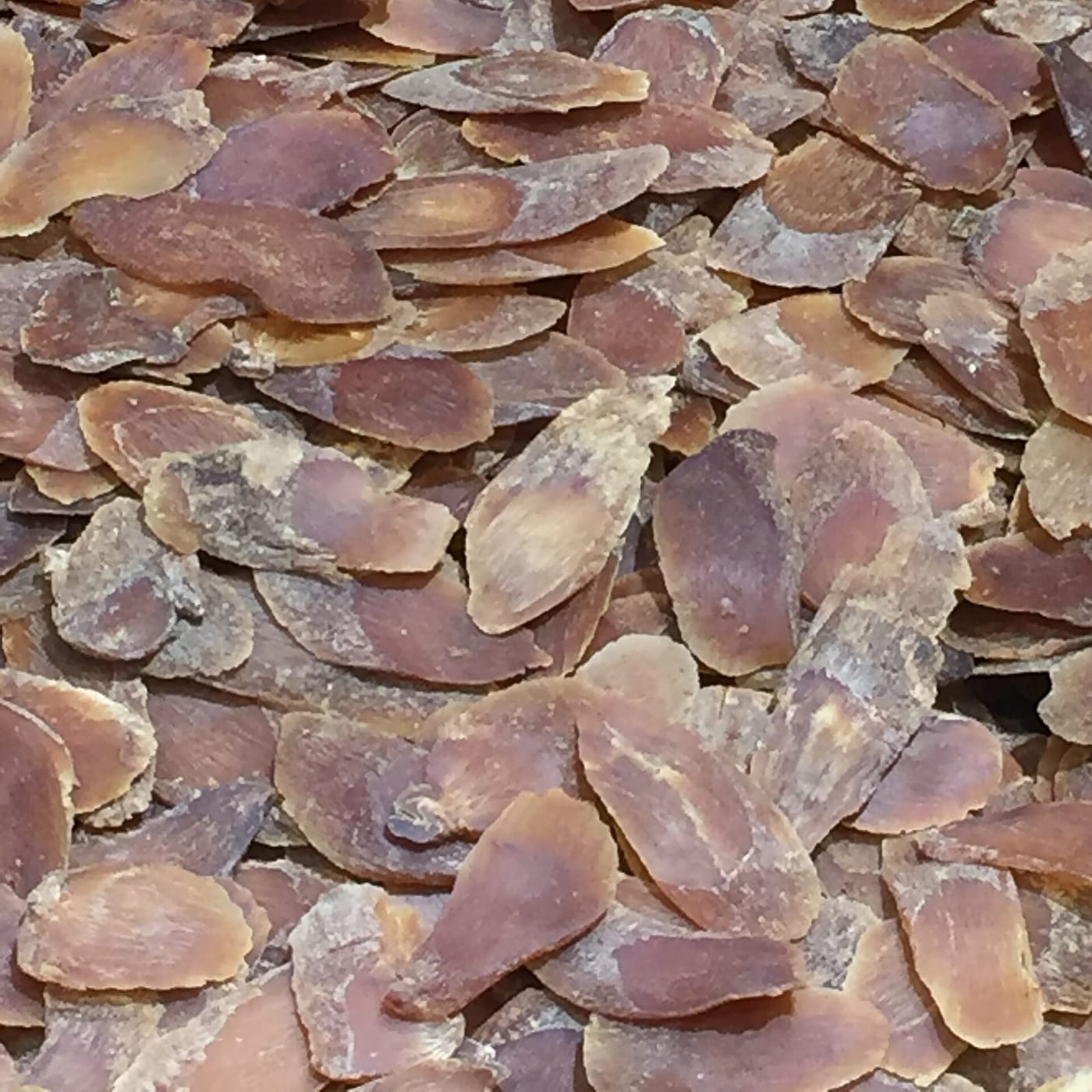
Korean Health Supplement Suppliers 2026: K-Supplement Sourcing Guide
An overseas-buyer guide to Korean health supplement suppliers: red ginseng, collagen, MFDS health functional food rules, GMP, and sourcing risk.
Korean Medical Device Suppliers 2026: Buyer Due Diligence Guide
A practical overseas-buyer guide to Korean medical device suppliers, dental implants, aesthetic devices, trade shows, MFDS checks, and sourcing risk.