Who Owns Doshirak? Paldo, the Korean Company Behind Russia's Favorite Cup Noodle
Doshirak is Korean. Its maker Paldo (팔도) owns 40.83% of hy (formerly Korea Yakult), per its DART audit report. In 2025 Paldo's Russian sales arm earned ₩105.1 billion net, while its Korean business made an operating profit of ₩0.93 billion.
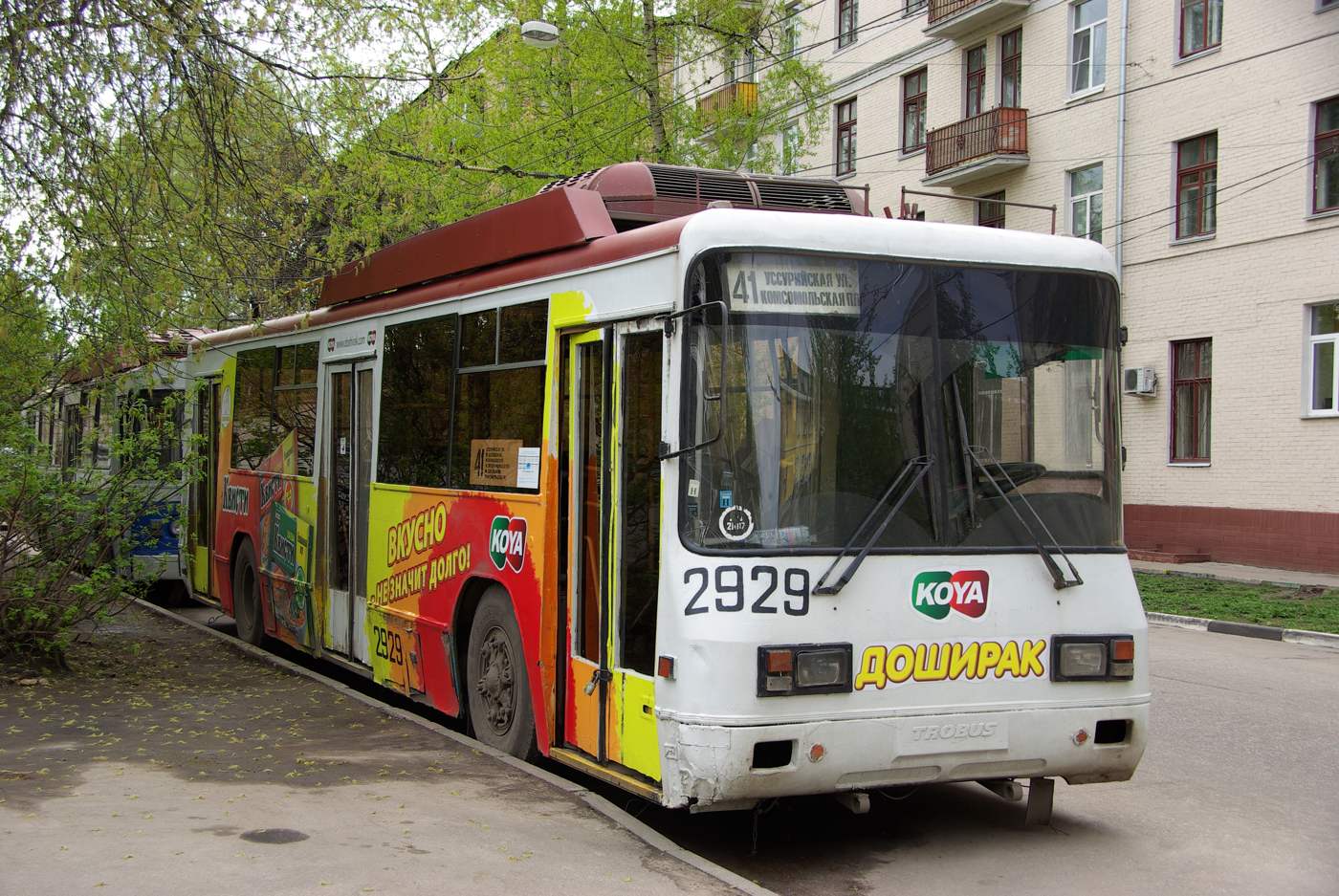
The Korean original on Amazon: PALDO FUN & YUM Dosirac Chicken Noodle, pack of 8Affiliate link. As an Amazon Associate, EpicKor earns from qualifying purchases at no extra cost to you.
Quick Answer
Is Doshirak Korean? Yes. Doshirak (도시락, sold in Korea as "Dosirac") is a Korean cup noodle. Paldo launched it in Korea in 1986 and began exporting it to Russia in November 1992, according to the company's official history. The word dosirak is simply Korean for "packed lunch box".
Who owns Doshirak? Paldo Co., Ltd. (주식회사 팔도), an unlisted company headquartered in Seocho-gu, Seoul. Paldo's audited 2025 accounts on DART, Korea's corporate disclosure system, describe its controlling shareholder only as "an individual shareholder". The Korean press identifies him as Yoon Ho-jung (윤호중), chairman of hy, and reports that he owns all of Paldo.
Is it a subsidiary of Korea Yakult? No, it is the other way round. Paldo owns 40.83% of hy Co., Ltd., the company formerly called Korea Yakult (한국야쿠르트), and is its largest shareholder. Paldo has been a registered holding company since the end of 2013.
Is the Doshirak sold in Russia made in Russia? Yes. The Doshirak group has three factories and a flour mill in Russia. But they do not all belong to Paldo. The Ryazan and Nizhny Novgorod factories belong to hy, not Paldo, according to hy's own audit report. We explain the split below. Most English sources get it wrong.
This is a public-information company spotlight. EpicKor has no relationship with Paldo or hy, and nothing here is investment advice. Won figures come from the companies' audit reports unless a press source is named. Dollar figures use ₩1,421 to the dollar, the 2025 average of the US Federal Reserve's daily KRW/USD rate (FRED series DEXKOUS), and are rounded.
Quick Guide: Paldo At A Glance
| Item | Detail | Source |
|---|---|---|
| Official name | Paldo Co., Ltd. (주식회사 팔도) | DART |
| Best-known products | Doshirak / Dosirac (도시락), Paldo Bibimmen (팔도비빔면), Kokomen (꼬꼬면), Teumsae Ramyeon (틈새라면), Wang Ttukkeong (왕뚜껑), Birak Sikhye (비락식혜), Pororo drink (뽀로로 음료) | Paldo official site |
| Origin | The ramen and drinks division of Korea Yakult. It became an independent company in January 2012 | Paldo official history |
| Legal entity incorporated | 11 February 1991 | 2025 audit report, note 1 |
| Head office | 577 Gangnam-daero, Seocho-gu, Seoul (the hy building) | 2025 audit report |
| CEOs (2025 accounts) | Kwon Seong-gyun (권성균) and Park Tae-gyu (박태규) | 2025 audit report |
| Controlling shareholder | "An individual shareholder" (DART); press: hy chairman Yoon Ho-jung, 100% | DART note 21; Dealsite, Newsspace |
| Main holding | 40.83% of hy Co., Ltd. (formerly Korea Yakult) | 2025 audit report, note 6 |
| Listed? | No | DART (audit reports only) |
| Auditor | EY Hanyoung (한영회계법인) | DART |
| 2025 group revenue | ₩1,181.1 billion (about $831 million), consolidated | 2025 consolidated audit report |
| Factories | 4 in Korea (Icheon, Jincheon ×2, Naju); 1 in Vietnam; in Russia, KOYA (53.17% Paldo) plus a flour mill | Audit reports |
PALDO FUN & YUM Dosirac Chicken Noodle Soup Bowl — the square cup, 12 bowls FUN & YUM is the label Paldo uses on its export packs. This is the closest thing on Amazon to the cup Russians call Doshirak: same square tray, chicken broth, and noodles that cook in three minutes. Check the current price and the seller on the listing before you buy. As an Amazon Associate, EpicKor earns from qualifying purchases at no extra cost to you.
See the Dosirac 12-bowl pack on AmazonWhy People Think Doshirak Is Russian
In Russia, Kazakhstan and much of Central Asia, Doshirak (Доширак) is not just a brand. People use it as the everyday word for any instant noodle in a tray, the way "Kleenex" works for tissues in English. Russia's patent office, Rospatent, granted the brand "well-known trademark" status in 2021, according to the Korea Times. That status protects a mark whose fame has outgrown its category.
So it is natural to assume the noodle is Russian. It is not. The Cyrillic name is a transliteration of the Korean word 도시락 (dosirak), a packed lunch. The same product is sold in Korean convenience stores today under the spelling "Dosirac". There it is an ordinary, slightly old-fashioned cup noodle next to newer brands.
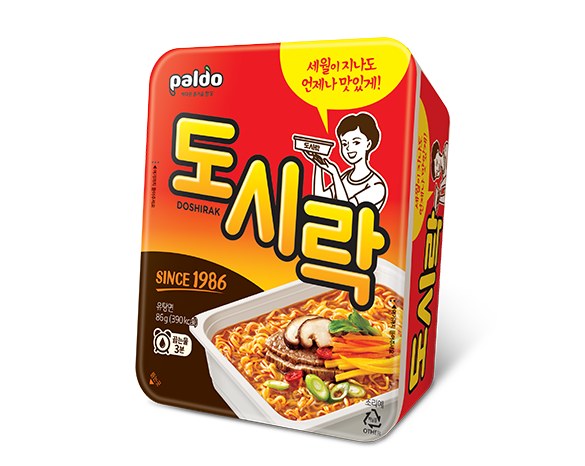
Paldo's product page calls it "Korea's first square-container noodle, launched in 1986". That is the company's own claim, and we did not find an independent record that confirms or contradicts it. The square shape is what made it travel, according to the most repeated story in the Korean press. In the early 1990s, Russian sailors and traders on the Busan–Vladivostok run bought it in Busan, and the flat tray sat steadier on a moving ship than a round cup. That story comes from Korean business coverage (Asiae, Money Today), not from a document. The verifiable part is in Paldo's official history: exports to Russia began in November 1992.
Who Owns Paldo: The Family Behind hy
To understand Paldo you have to start with Korea Yakult.
Yoon Deok-byeong (윤덕병) founded Korea Yakult in 1969. hy's audit report says it was incorporated on 27 November 1969 as a foreign-invested company. It sold the fermented milk drink Yakult door to door through its famous "Yakult ladies", now called "hy fresh managers". Yoon died in June 2019, aged 92, according to Asiae. His foundation still appears in hy's related-party list as 재단법인 우덕윤덕병재단.
Ramen and soft drinks were a side business of that dairy company. Paldo's company introduction page says it "started as Korea Yakult's ramen and beverage division". It picked the brand name "Paldo" (팔도, "the eight provinces", an old phrase for the whole of Korea) in August 1983. It launched Paldo Bibimmen (팔도비빔면) in June 1984 and Doshirak in April 1986. In January 2012 the division became an independent company, Paldo.
The legal entity that now carries the Paldo name is older than that. DART dates it to 11 February 1991, with capital of ₩150 million at founding. Korean business outlet Bizhankook reports that this company was previously an unrelated firm owned by Yoon Ho-jung. The ramen business was merged into it in 2012. That detail comes from the press. The audit notes we read do not narrate it.
Yoon Ho-jung (윤호중) is the founder's only son. He became chairman of hy in March 2020, according to The Guru and Dealsite. English-language outlets also spell his name Yoon Ho-joong. Paldo's accounts show where the money flows. The company paid cash dividends of ₩44.1 billion in 2024 and ₩21.1 billion in 2025 (about $31 million and $15 million). Under the press-reported ownership, all of that went to one shareholder.
| Layer | Who | Stake | Source |
|---|---|---|---|
| Top | Yoon Ho-jung (윤호중), hy chairman | 100% of Paldo (press) | DART says "individual shareholder"; Dealsite, Newsspace |
| Holding company | Paldo Co., Ltd. | 40.83% of hy | Paldo 2025 audit report, note 6; hy audit report, note 1 |
| Operating company | hy Co., Ltd. (formerly Korea Yakult) | Largest shareholder: Paldo | hy 2025 audit report |
| Other hy shareholder | Yakult Honsha (Japan) | Reported 38.30%; not in hy's DART notes | Secondary sources only; unverified |
Is Doshirak Japanese because of Yakult? No. The Japanese company Yakult Honsha has long held a large minority stake in hy, the dairy company. We found no record of it owning any part of Paldo, the company that makes Doshirak. hy's 2025 audit report does not name its other shareholders. So the commonly cited 38.30% for Yakult Honsha is a secondary-source figure that we could not confirm.
The Russian Business Is Split Between Two Companies
Asiae's English edition ran a long feature in April 2026 under the headline "Paldo builds a Dosirak kingdom". It treats every Russian Doshirak company as Paldo's. Interfax, the Russian news agency, described the Ryazan factory as a Paldo production asset in 2023. Both are understandable mistakes, but the two companies' audit reports show something different.
| Russian company | What it does | Owner | 2025 revenue | 2025 net profit |
|---|---|---|---|---|
| Doshirak Rus (도시락루스) | Sells the noodles in Russia | Paldo 99% | ₩500.9 bn | ₩105.1 bn |
| KOYA (도시락코야) | Factory, Moscow region | Paldo 53.17%, hy 46.82% | ₩131.9 bn | ₩2.0 bn |
| Doshirak Tambov (도시락탐보프) | Flour mill | Paldo group 100% (via Doshirak Rus) | ₩27.4 bn | ₩1.9 bn |
| Doshirak Ryazan (도시락리잔) | Factory, Ryazan | hy 100% | ₩168.8 bn | ₩7.4 bn |
| Doshirak Nizhny (도시락니즈니) | Factory, Nizhny Novgorod | hy 100% (indirect) | ₩20.1 bn | −₩0.3 bn |
Sources: Paldo FY2025 consolidated audit report, note 1; hy FY2025 consolidated audit report, note 1. Figures are translated from roubles into won by the companies.
So the brand and the selling company are Paldo's, while two of the three factories are hy's. The third factory is jointly owned. Paldo's related-party note shows how the pieces connect: in 2025 the Paldo group bought ₩183.6 billion (about $129 million) of goods and materials from hy's Ryazan factory, up from ₩139.7 billion in 2024. The two figures are not directly comparable: the purchases are Paldo's own figure, while Ryazan's revenue in the table above comes from hy's accounts, and both are converted from roubles. Asiae puts the trade between Ryazan and Doshirak Rus at more than ₩200 billion. Either way, a large part of the Doshirak that Paldo's sales company sells in Russia appears to come from a factory that belongs to hy.
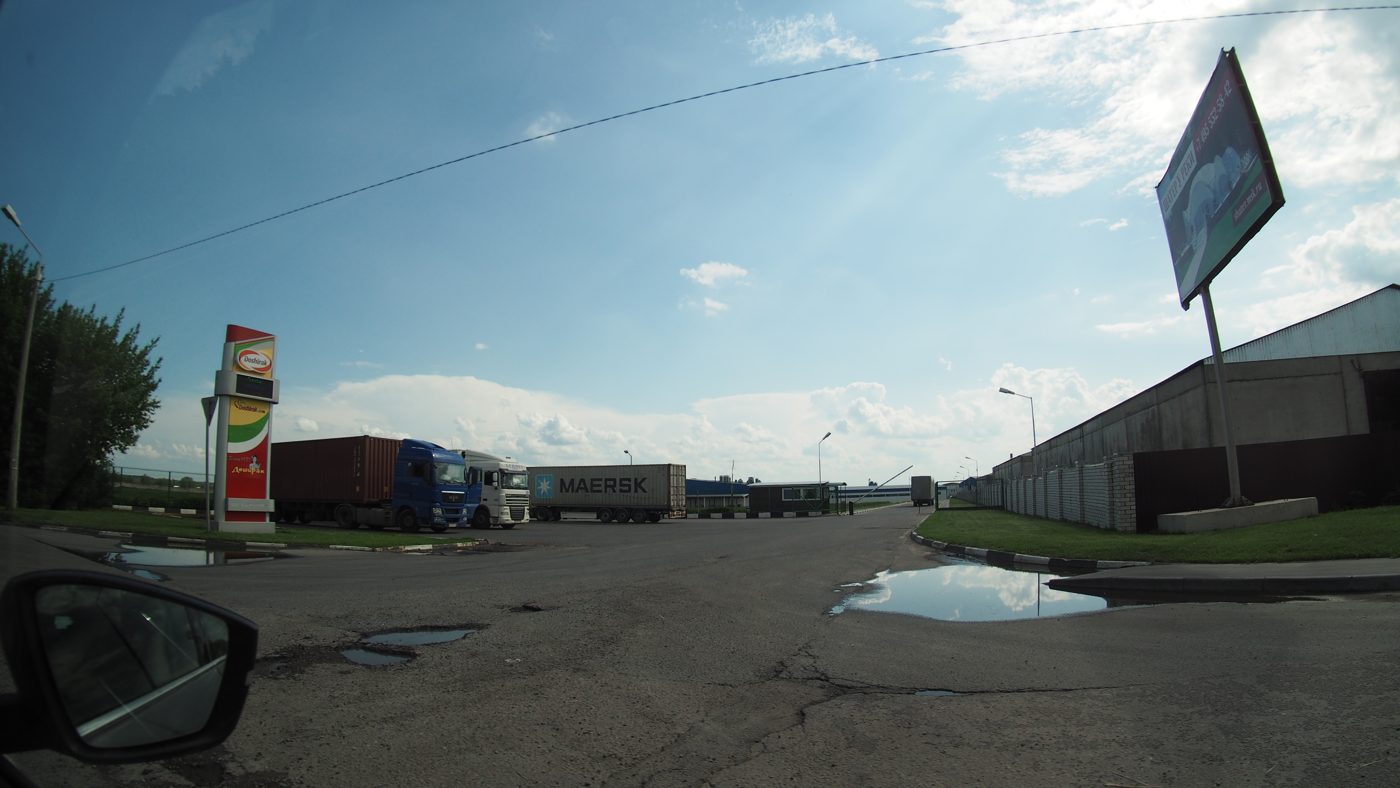
The two companies are connected through ownership. Paldo owns 40.83% of hy, and the press reports that one man owns Paldo. Both halves of the Russian business end with the same owner.
When were the factories built? Asiae dates KOYA to 2004, Ryazan to 2009 and the Nizhny Novgorod plant to 2023. Interfax reported that the Tambov flour mill company was registered in October 2023 as a wholly owned subsidiary of Doshirak Rus. English Wikipedia says Paldo set up a Russian subsidiary in 2002. We could not find a filing that settles the founding years, so treat them as reported.
Russia Now Earns More Than Korea
This is the number that changes how you see Paldo. In 2025:
- Doshirak Rus, the Russian sales company, had revenue of ₩500.9 billion (about $352 million) and a net profit of ₩105.1 billion (about $74 million).
- Paldo itself, its Korean business in the separate accounts, had revenue of ₩473.7 billion (about $333 million) and an operating profit of ₩0.93 billion, less than $1 million.
Paldo's separate net profit for 2025 was ₩109.7 billion. Almost all of it came from the equity-method line for its subsidiaries and associates, and ₩105.2 billion of that from Doshirak Rus. The company's segment note says the same thing another way. Its holding division made an operating profit of ₩124.8 billion. Its ramen and drinks operating division made ₩4.6 billion, down from ₩18.2 billion in 2024.
| Year | Doshirak Rus revenue | Doshirak Rus net profit | Paldo (Korea) revenue | Paldo (Korea) operating profit |
|---|---|---|---|---|
| 2020 | ₩207.1 bn | ₩37.7 bn | ₩477.3 bn | ₩25.5 bn |
| 2021 | ₩221.9 bn | ₩34.1 bn | ₩487.1 bn | ₩16.8 bn |
| 2022 | ₩377.8 bn | ₩90.1 bn | ₩567.4 bn | ₩17.4 bn |
| 2023 | ₩422.3 bn | ₩141.9 bn | ₩542.4 bn | ₩28.7 bn |
| 2024 | ₩397.9 bn | ₩104.1 bn | ₩528.0 bn | ₩15.3 bn |
| 2025 | ₩500.9 bn | ₩105.1 bn | ₩473.7 bn | ₩0.93 bn |
Sources: Paldo separate audit reports FY2021–FY2025 (DART), equity-method and income-statement notes. Doshirak Rus figures are the investee summaries in Paldo's notes. Paldo says it used the investees' preliminary, unaudited accounts for these. Rouble–won exchange rates move these figures as well as sales.
Two cautions. First, part of the jump in 2022 is currency. The rouble strengthened sharply against the won that year, so won-denominated figures rose faster than rouble sales. Second, Paldo's Korean revenue includes merchandise it buys and resells, and that line fell from ₩174.6 billion to ₩132.9 billion in 2025. Even so, the gap is wide. In 2020 Paldo's Korean business made about two-thirds as much operating profit as Doshirak Rus made in net profit. By 2025 Paldo's Korean operating profit had fallen to less than 1% of Doshirak Rus's net profit.
The profit stays in Russia
Doshirak Rus paid Paldo dividends of ₩4.55 billion in 2021, ₩12.97 billion in 2022 and ₩28.47 billion in 2023. In 2024 and 2025 it paid nothing, according to the same notes. Asiae links the halt to Russian restrictions on moving capital out of the country. That is the paper's interpretation, not a company statement. Paldo's 2025 consolidated report carries a separate note on the war in Ukraine. It says the future operations of KOYA, Doshirak Rus and Doshirak Tambov are expected to be affected by the war and sanctions, and that the financial impact cannot reasonably be estimated.
The group has not pulled back. Asiae reported a new Russian entity, Doshirak CG, set up in February 2026 with ₽539 million from Doshirak Rus. Food is not covered by Western sanctions on Russia, and we found no report of Paldo or hy halting supply there.
How Big Is Doshirak in Russia?
The best-dated market-share figure we found is 51% of Russian instant noodles in 2025, down 2 percentage points from 2024. Russian daily Kommersant reported it, citing point-of-sale data from Evotor, and Asiae relayed it in April 2026. You will also see "60% of the cup noodle market" in Korean articles going back to 2018. We could not find a dated data source for it, so treat it as a historic marketing figure.
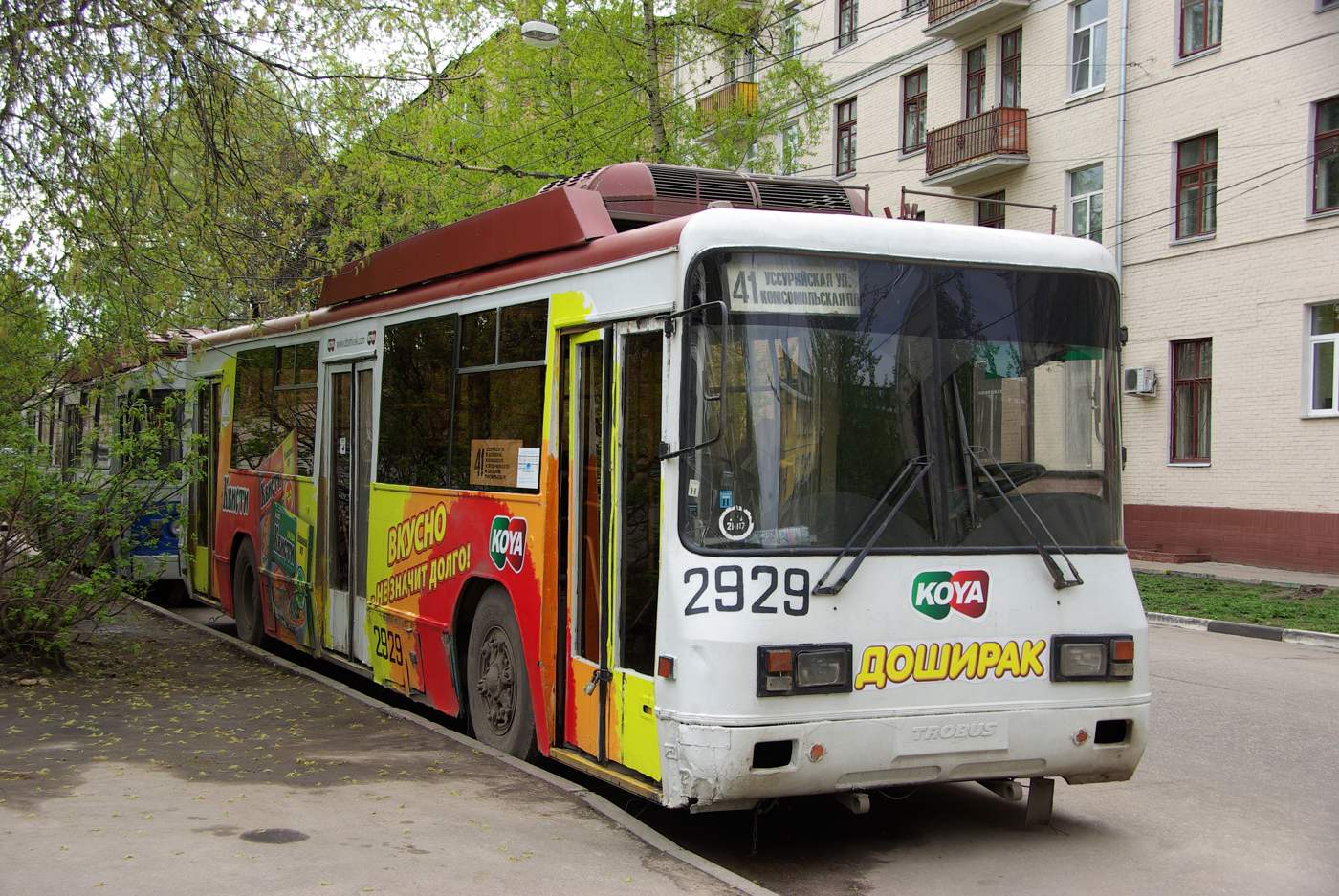
Money Today reported in June 2026 that cumulative Doshirak sales in Russia passed 8 billion packs by the end of 2025. The Russian range has also drifted from the Korean one. It includes a version with a mayonnaise sachet launched in 2012, a fork in the cup, and a bag noodle called Kvisti (Квисти, also visible on the side of the trolleybus above).
Competition is arriving. Samyang's Buldak is growing in Russia, and Nongshim announced plans in June 2026 to set up a Russian sales company, according to Asiae and Bizwatch. Asiae also reports that Korean ramen exports to Russia reached $45.86 million in 2025, up 75%. That is still small next to Doshirak's local revenue, because Doshirak is made in Russia rather than shipped there. Paldo's direct sales from Korea to Doshirak Rus were only ₩12.9 billion in 2025.
FUN & YUM Kokomen Spicy Chicken Ramen, 16 packs — Paldo's other cult noodle Kokomen (꼬꼬면) is a clear, peppery chicken ramen that Paldo launched in Korea in August 2011 after a TV cooking contest. If you want to taste what Paldo sells at home rather than in Russia, this is it. Check the current price on the listing. As an Amazon Associate, EpicKor earns from qualifying purchases at no extra cost to you.
See Kokomen on AmazonBack Home: Bibimmen, Sikhye and a Thin Margin
In Korea, Paldo is best known for a summer product, not for Doshirak. Paldo Bibimmen (팔도비빔면), launched in 1984, is a cold, sweet-spicy mixed noodle. Koreans eat it with the sauce stirred through chilled noodles, and it is the product most Koreans think of when they hear the name Paldo.
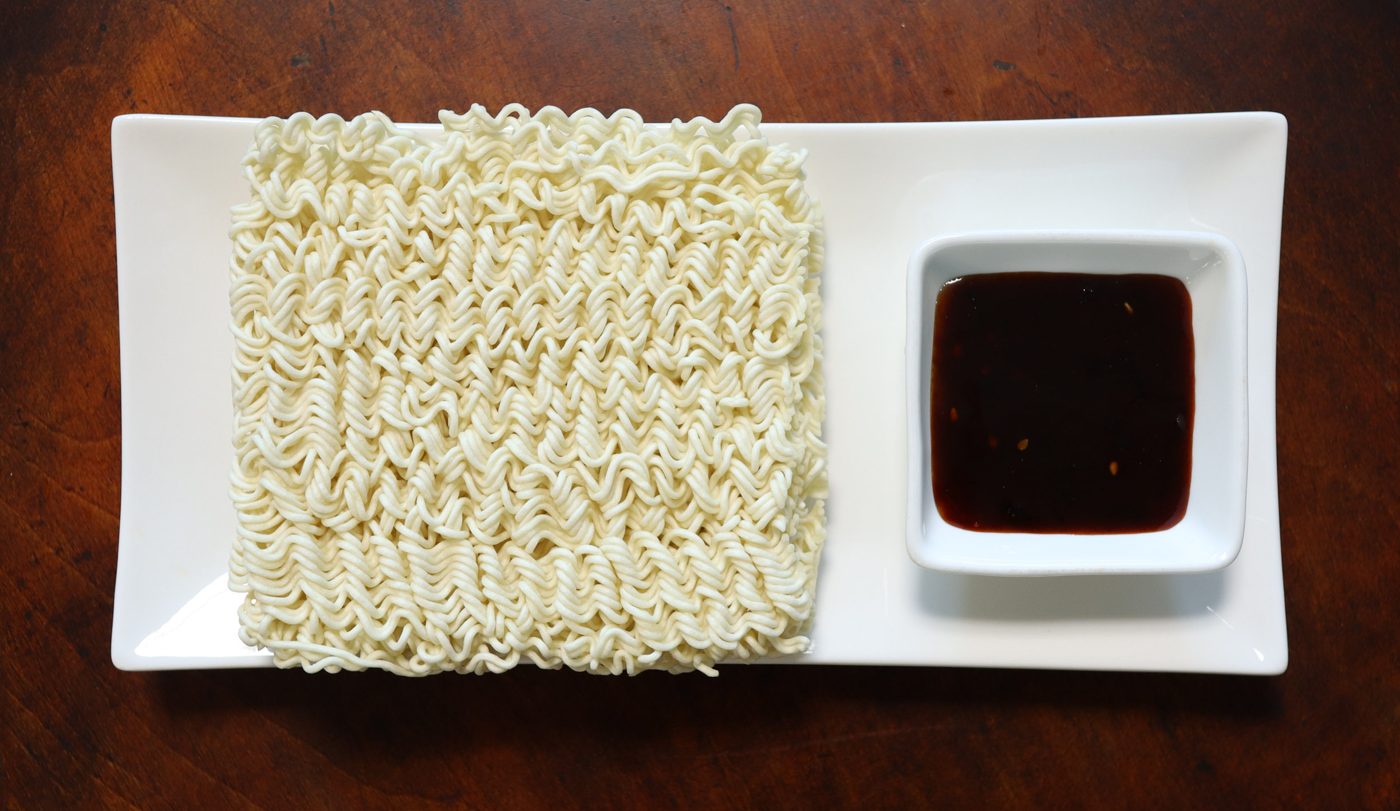
The rest of the Korean range includes:
- Wang Ttukkeong (왕뚜껑, "king lid"), a big bowl noodle launched in 1990
- Teumsae Ramyeon Ppalgyeddeok (틈새라면 빨계떡), a very spicy ramyeon launched in 2009
- Kokomen (꼬꼬면), launched in 2011
- Birak Sikhye (비락식혜), the canned sweet rice drink, launched in 1993
- The Pororo kids' drink, made under licence from ICONIX since 2007. We cover that story in our ICONIX and Pororo deep dive and the drink itself in our Pororo drink guide.
The Korean business is not growing. Separate revenue fell 10.3% in 2025, and operating profit fell from ₩15.3 billion to ₩0.93 billion. Prices have moved in both directions. In April 2025 Paldo raised the retail price of Bibimmen from ₩1,100 to ₩1,150 a pack and of Wang Ttukkeong from ₩1,400 to ₩1,500 (SBS Biz). In April 2026 it cut factory prices on 19 ramen products by an average of 4.8%. From 1 September 2026 it raised factory prices on 12 cup noodles, including two Doshirak products, by an average of 5.5%, while bag noodles stayed unchanged (The Economist Korea). For what Korean noodles cost on the shelf now, see our guide to why Korean ramen went premium.
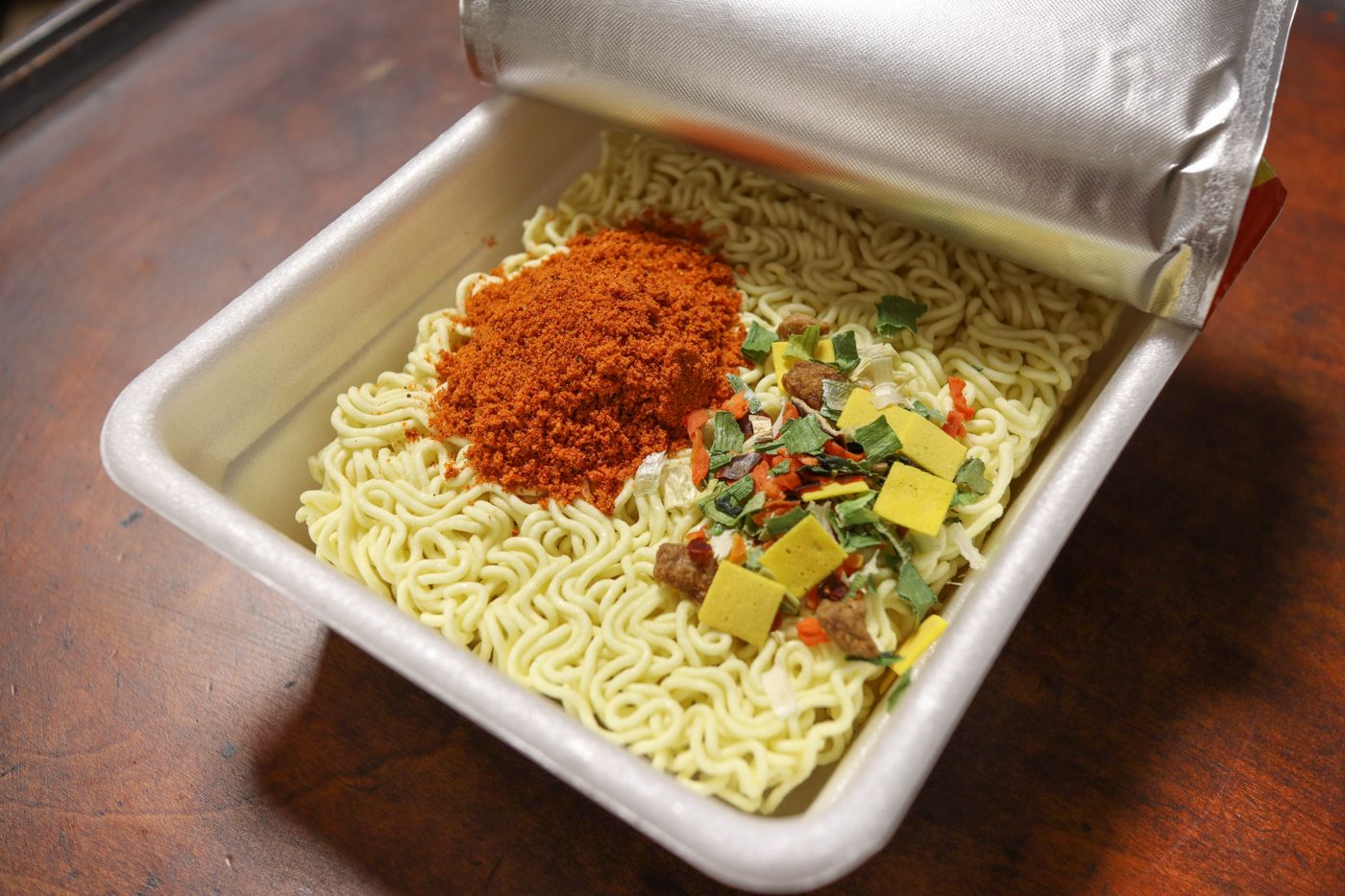
Paldo also makes noodles abroad outside Russia. PALDO VINA, its Vietnamese company held through a Singapore subsidiary, had 2025 revenue of ₩139.9 billion and a net profit of ₩22.9 billion. It opened a plant in Tay Ninh in December 2023, according to the official history. A small Chinese dairy subsidiary and a Korean packaging company complete the group. In 2025 Paldo added a US food-wholesale company, Paloctave Inc.
And hy? The Bigger Sibling Is Losing Money
hy is the bigger company by revenue. Its 2025 consolidated revenue was ₩1,720.4 billion (about $1.21 billion), against Paldo's ₩1,181.1 billion. But hy made a consolidated operating loss of ₩54.6 billion and a net loss of ₩41.0 billion. In 2024 it lost ₩64.5 billion at the operating level.
hy's own business, before its subsidiaries, is profitable at the operating level. Its separate operating profit was ₩55.0 billion in 2025, on separate revenue of ₩1,015.6 billion, and it still booked a separate net loss of ₩16.6 billion. The consolidated losses come mostly from its newer bets, according to the subsidiary table in its audit report:
- Think Surgical, a US surgical-robot company that hy owns 93.99% of, lost ₩66.7 billion
- Vroong (부릉), a delivery-logistics firm, lost ₩28.1 billion
Its Russian factories are a small, profitable part of the picture.
That is why Paldo's own net profit in 2025 included a ₩6.7 billion equity-method loss from hy. The noodle side of the family is carrying the dairy side's experiments, and the noodle side's profit is earned in Russia.
What Overseas Readers Should Take From This
- Doshirak is Korean. It was created in Korea in 1986 by a Korean company that is still Korean-owned. The Doshirak you buy in Russia is made in Russia.
- Paldo is not a Korea Yakult subsidiary. It owns 40.83% of hy, the former Korea Yakult. Japanese Yakult's reported stake is in hy, not in Paldo.
- The Russian business belongs to two companies. Paldo owns the brand's sales company. hy owns the Ryazan and Nizhny Novgorod factories. KOYA is jointly owned.
- Russia is the profit engine. In 2025 Doshirak Rus earned a net profit of ₩105.1 billion, more than 100 times the operating profit of Paldo's Korean business.
- The money is stuck for now. No dividends have come out of Russia since 2023.
If you came to this page from a supermarket shelf in Almaty or Moscow, the short version is simple. The cup is Korean, and you are buying from a Korean family company with a Russian factory network. For the brands Koreans themselves reach for first, see our Korean ramyun guide and our bag vs cup comparison. For two other Korean noodle companies, see our deep dives on Samyang Foods and Ottogi.
FAQ
Q: Is Doshirak a Korean or Russian brand?
Korean. Paldo, a Korean company, launched it in Korea in 1986 and began exporting it to Russia in November 1992. It is now made in Russia by Russian companies owned by Paldo and by hy, its sister company.
Q: Who owns Doshirak?
Paldo Co., Ltd. (주식회사 팔도) of Seoul owns the brand and 99% of Doshirak Rus, the Russian sales company. Paldo's controlling shareholder is described on DART as an individual. The Korean press names him as hy chairman Yoon Ho-jung and reports that he owns 100%.
Q: Is Paldo part of Korea Yakult?
No. Paldo began as Korea Yakult's ramen and drinks division, but since 2012 it has been a separate company, and today Paldo owns 40.83% of hy (formerly Korea Yakult).
Q: What does "Doshirak" mean?
It comes from the Korean word 도시락 (dosirak), meaning a packed lunch box. In Korea the cup noodle is spelled "Dosirac" on the pack.
Q: Where is Doshirak made?
For the Russian market, it is made in Russia, at KOYA in the Moscow region (Paldo 53.17%, hy 46.82%) and at factories in Ryazan and Nizhny Novgorod that belong to hy. For Korea, Paldo makes it in its Korean plants.
Q: How much of the Russian market does Doshirak have?
About 51% of Russian instant noodles in 2025, according to Evotor point-of-sale data reported by Kommersant. That was down 2 points from 2024.
Q: Is Paldo a public company?
No. Paldo is unlisted and files audit reports, not annual business reports, on DART. hy is also unlisted.
Sources
- Paldo Co., Ltd., FY2025 separate audit report (EY Hanyoung), DART receipt no. 20260403003029: revenue, profit, equity-method income, hy stake (note 6), controlling shareholder (note 21), related parties, Doshirak Rus summary and dividends
- Paldo Co., Ltd., FY2025 consolidated audit report, DART receipt no. 20260427000572: group revenue and profit, subsidiaries (note 1), segments (note 24), related-party purchases from Doshirak Ryazan (note 22), Ukraine note (note 26), dividends paid
- Paldo Co., Ltd., separate audit reports FY2024 (20250404002934), FY2023 (20240405002886), FY2022 (20230407002187) and FY2021 (20220406000517), and consolidated audit reports (20240429000628, 20220429001221): 2020–2024 series
- hy Co., Ltd., FY2025 separate audit report, DART receipt no. 20260403003033, and FY2025 consolidated audit report, DART receipt no. 20260430001448: incorporation, largest shareholder, Russian subsidiaries, losses by subsidiary
- DART: Paldo FY2025 audit report
- DART: Paldo FY2025 consolidated audit report
- DART: hy FY2025 consolidated audit report
- Paldo official history (연혁), company introduction and Doshirak product page (checked 20 October 2026)
- Asiae, "Paldo builds a Dosirak kingdom", April 2026 (Russian entities, factory years, Kommersant/Evotor market share, dividends, Doshirak CG, export figures)
- Money Today, Doshirak in Russia, 6 June 2026 (origin story, cumulative sales, Ramenskoye)
- Interfax, Doshirak Tambov flour-milling company registration, 27 October 2023
- The Economist Korea (이코노미스트), Paldo price changes, 21 August 2026; SBS Biz, Paldo price rises, 7 April 2025
- Dealsite (articles/58964), Newsspace (no. 6496) and Bizhankook: Yoon Ho-jung's ownership of Paldo and the 2012 merger; The Guru (no. 82328): Yoon Ho-jung's chairmanship
- Korea Times, March 2021: Doshirak well-known trademark status in Russia
- FRED, DEXKOUS South Korean Won to U.S. Dollar spot rate: 2025 average ₩1,421.4
Last updated: 20 October 2026. Company figures for 2020–2025 are from Paldo's and hy's audit reports on DART. Doshirak Rus and other investee figures are the summaries in Paldo's notes, which the company says are based on preliminary accounts. Yoon Ho-jung's ownership of Paldo, Yakult Honsha's stake in hy, factory founding years, market share and cumulative sales are as reported by the press, not by the filings. Ratios are EpicKor calculations. Amazon listings were checked on 20 October 2026 and can change. Dollar figures use ₩1,421 to the dollar. EpicKor has no commercial relationship with Paldo or hy, and nothing here is investment advice.
More Business Guides
Who Owns Anua? The Founders, the Korean Company Behind the Heartleaf 77 Toner
Anua is Korean. Its parent, The Founders (더파운더즈), is 100% owned by its two co-CEOs, per its DART audit report. Revenue rose from ₩57.6 billion in 2022 to ₩717.7 billion in 2025, and the toner is made by Kolmar Korea.
Who Owns Biodance? Beauty Selection, the Korean Company Behind the Collagen Mask
Biodance is Korean. It belongs to Beauty Selection (뷰티셀렉션), a Seoul company whose co-founder and CEO own 87.6% of it. Revenue went from ₩41.6 billion in 2023 to ₩248.1 billion in 2025, per its DART audit reports.
Who Owns Beauty of Joseon? Goodai Global, the Korean Company Behind TIRTIR, SKIN1004 and Round Lab
Beauty of Joseon is not independent. It belongs to Goodai Global (구다이글로벌), a Seoul company 96.4% owned by its founder that also owns TIRTIR, SKIN1004, Round Lab and Skinfood. ₩1.47 trillion revenue in 2025, read from its DART audit report.