Getting Around Korea in 2026: Subway ₩1,550, Last Trains Before 1 a.m., KTX Seats Two Months Ahead and Buses 9% Dearer — the Numbers, the Apps and Which Guide to Read
Last updated: 3 October 2026. Express bus fares and departures were read from the national express bus booking system (고속버스통합예매, kobus.co.kr) on 3 October 2026 for Tuesday 6 October, after the 1 October rise. Airport Railroad fares are from the operator's own fare pages (airportrailroad.com), read on 3 October 2026. The train booking window is from the Ministry of Land, Infrastructure and Transport (국토교통부) and Korail release of 20 September 2026. Subway, taxi, KTX, KTX-Eum and regional fares are as verified in the EpicKor guide linked beside each one, with the date of that check.
Getting around Korea is not hard. It is badly explained. In Korea's own exit survey of 2025 visitors, run by the Ministry of Culture, Sports and Tourism, transport was the information visitors most often said they could not find: 16.8%, ahead of restaurants and money. The subway is not the problem. The specifics are: what a ride costs, when the last train really leaves, which app actually routes you, and when train seats go on sale.
Those specifics are published, mostly in Korean, by the operators and the transport ministry. This guide puts them in one place, dated, and sends you to the EpicKor guide that covers each one in full. Three things changed in the last five weeks alone. KTX and SRT merged on 1 September, and the Seoul–Busan fare fell to ₩54,400. Train tickets went on sale two months ahead from 1 October. And express and intercity bus fares rose 9% the same day.
Lonely Planet Korea, the current edition, with city and regional maps, on AmazonAffiliate link. As an Amazon Associate, EpicKor earns from qualifying purchases at no extra cost to you.
Quick Guide: getting around Korea in numbers
| Question | Answer (October 2026) | Full guide |
|---|---|---|
| Can I tap my own Visa or Mastercard at the gate? | No. Buy a T-money (티머니) card, about ₩2,500 at convenience stores | Payment guide |
| Seoul subway fare | ₩1,550 by card (since 28 June 2025); city bus ₩1,500 | Payment guide |
| Last subway train | Central Seoul 00:40–00:58 weekdays, 23:44–23:59 weekends and holidays | Last trains, station by station |
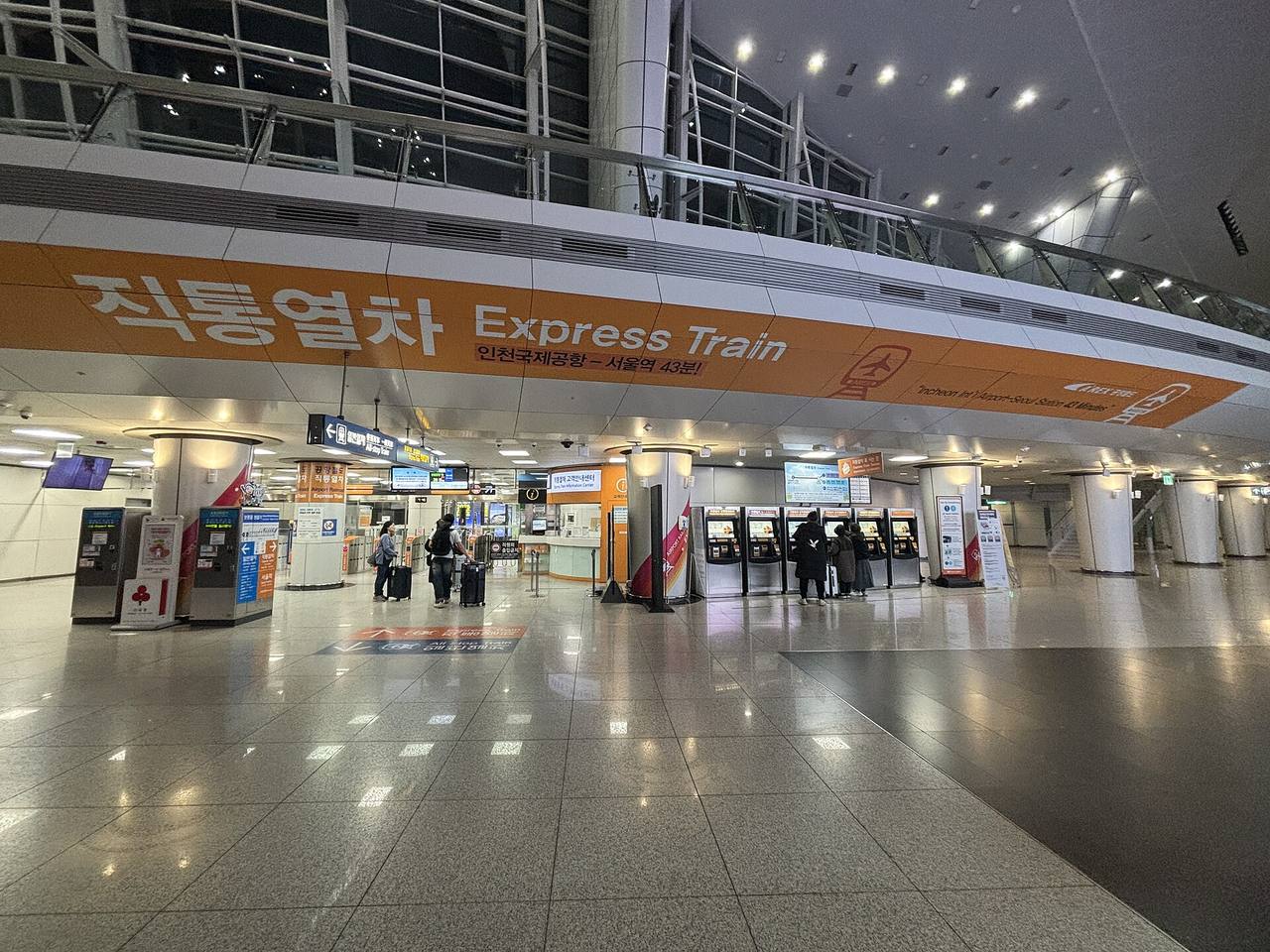
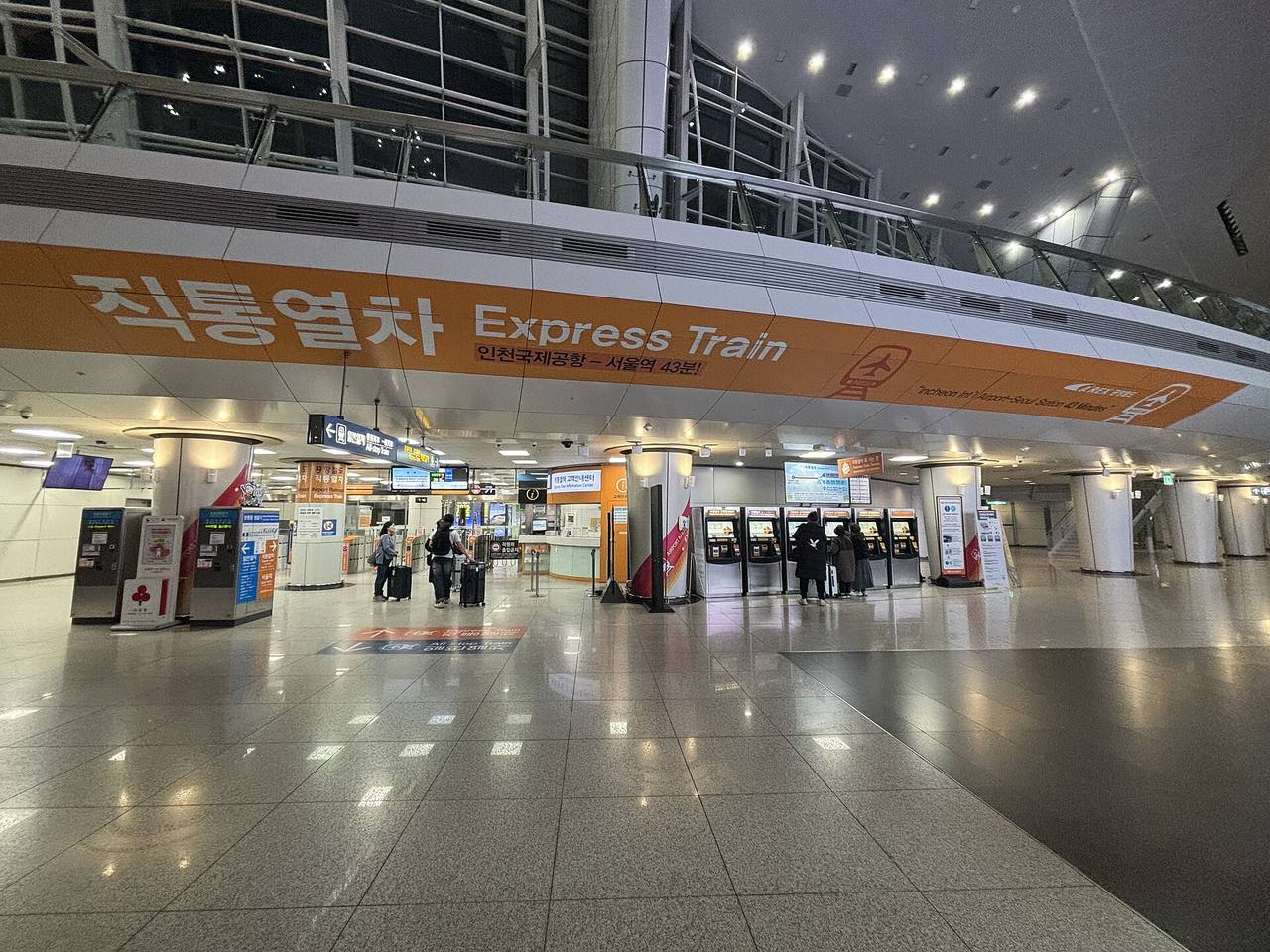
| Incheon Airport to Seoul Station | Express ₩13,000, 43 min; all-stop ₩4,750 by card, about an hour | Airport to Seoul |
| When train seats go on sale | Two months before departure, 07:00 Korea time (since 1 October 2026) | Two-month booking |
| Seoul–Busan by KTX | ₩54,400, about 2½ hours (since 1 September 2026) | KTX–SRT merger |
| Seoul–Busan by express bus | Deluxe (우등) ₩43,300, standard ₩29,100, about 4 hours (from 1 October) | KTX vs bus |
| Seoul taxi | ₩4,800 base fare; +40% from 23:00 to 02:00 | Taxis and vans |
| Which map app | Naver Map (네이버 지도) for routes; Kakao T (카카오 T) for taxis | Google Maps vs Naver Map |
The two numbers that strand the most visitors are not fares. They are the last train, which in central Seoul is usually a short-turn that stops a few stations on, and the booking window, because popular weekend KTX seats can sell out soon after they go on sale.
South Korea eSIM, 5 GB for 15 days — the data plan your map, taxi and train apps run on Every routing tool in this guide, from Naver Map's live last-train time to the Korail app's seat map and Kakao T's pickup pin, needs mobile data. Installed before you fly, it works the moment the plane lands, not after a queue at an airport counter. The current price is on the listing. As an Amazon Associate, EpicKor earns from qualifying purchases at no extra cost to you.
See the Korea eSIM on AmazonPaying: the card you need before you can ride anything
In London or Sydney you tap the bank card already in your pocket. Seoul does not work that way yet. A foreign Visa or Mastercard does not open a subway gate or pay a bus reader; Seoul's plan for that, called EMV open-loop, is a phased rollout between 2027 and 2030. So your first job after landing is to get a Korean transit card.
- T-money (티머니): about ₩2,500 for a plain card at CU, GS25, 7-Eleven or emart24, ₩3,000–4,000 for character designs. Top it up in cash at the counter or at a station machine. The card price is not refundable; the balance is.
- WOWPASS (와우패스): ₩5,000 to issue, built for foreign visitors. It is a prepaid payment card with a T-money function, but the two balances are separate, so load both.
- Climate Card (기후동행카드) short passes: unlimited Seoul rides for ₩5,000 (1 day) to ₩20,000 (7 days). The 30-day pass ended on 1 September 2026. The 7-day pass pays for itself at under two rides a day, but it does not cover the Sinbundang Line, the airport buses or subway outside Seoul.
- Station kiosks: 440 machines at 273 stations on Lines 1 to 8 now take overseas cards and Apple Pay, with a 3.7% fee. That is how a Visa-only traveller buys a first card without won.
Our Korea payment guide has the full arithmetic, including why Visa holders cannot top up T-money inside Apple Wallet.
You might like: Korea Payment Guide: T-money, WOWPASS, and the Card You Cannot Tap
The Seoul subway: ₩1,550 a ride, and the last train is earlier than it looks
The adult card fare for Seoul's subway has been ₩1,550 since 28 June 2025, the second half of a ₩300 rise announced in 2023. The base fare covers the first 10 km, transfers between subway and bus are free within the time limit, and longer journeys add ₩100 per extra 5 km. Skipping the fare is expensive: the penalty is the fare plus a surcharge of 30 times it, about ₩48,000.
The number English guides get wrong is the last train. "About midnight" is true of the network and wrong about your station. Seoul Metro's own station data, re-read for our last-train guide on 29 September 2026, shows:
- Weekdays (Monday to Friday): the last trains pass central stations between 00:40 and 00:58.
- Saturdays, Sundays and public holidays: between 23:44 and 23:59, about an hour earlier. Friday night is a weekday night.
- Most last trains are short-turns. The last Line 2 train from Gangnam on a weekday leaves at 00:54 and stops at Samseong, three stations on. The last train that goes further leaves 15 to 30 minutes earlier.
- After the doors close: the N-numbered owl buses run about 23:00 to 06:00 for ₩2,500 by card, and taxis add 40% from 23:00 to 02:00.
Naver Map shows the real last train for the station you are standing in, under 막차 (makcha, last train), including where it ends.
Two smaller rules worth knowing before the first ride. The pink seats at the ends of each car are for pregnant passengers, not for anyone who looks tired, and in April 2026 the government restarted its campaign asking people to stand on both sides of escalators, after abandoning it in 2015. Both are in our subway etiquette guide. With a pushchair, every station run by Seoul now has a step-free street-to-platform route, but at about half of Seoul Metro's stations it uses just one exit (stroller guide).
You might like: Seoul Subway Last Train Times: Trains Stop Around 00:50 on Weekdays, 23:50 on Weekends, Station by Station
From the airport: two trains, two cutoffs
The Airport Railroad (공항철도, AREX) runs two services on one track, and they cost and stop very differently. Fares are from the operator's own pages, read on 3 October 2026:
| Option | Adult fare | Time to Seoul Station | Last departure from the airport |
|---|---|---|---|
| AREX express (직통열차), non-stop | ₩13,000 | 43 min from T1, 51 min from T2 | 22:48 from T1, 22:40 from T2 |
| AREX all-stop (일반열차), via Hongik University and Gimpo Airport | ₩4,750 from T1, ₩5,350 from T2, by transit card | about 1 hour | 23:38 from T1, the real last train out |
| Airport limousine bus | ₩17,000 | depends on traffic; stops near major hotels | varies by route |
| Night bus N6001 / N6002 | ₩9,000 | to central Seoul | about hourly until about 04:00 |
| Taxi | about ₩55,000–75,000 to central Seoul by day, plus the ₩3,200 expressway toll | about an hour | all night |
If your flight lands after 22:00, plan on the all-stop train or a night bus, not the express. With four suitcases, a large taxi such as Kakao Venti (카카오 T 벤티) is often cheaper per person than two sedans; our big-taxi guide has the Incheon fares. The airport-to-Seoul guide matches each option to a hotel district, and the layover guide covers leaving the airport between flights.
Intercity trains: seats now go on sale two months ahead
From 1 October 2026, tickets for KTX and other Korail trains go on sale two months before departure instead of one, at 07:00 Korea time, counted calendar date to calendar date. The ministry's reason is aimed at visitors: you can now book the train when you book the flight. It cited 6.69 million foreign rail passengers from January to August 2026, up 68% on a year earlier. Korean press reported the existing purchase limits stay: 20 tickets per member per day and 10 per train.
Booking early is less risky than it sounds. Since 3 February 2026, a ticket bought in the Korail app can be moved free of charge to another train on the same route up to seven days either side of the original date, until 30 minutes before departure.
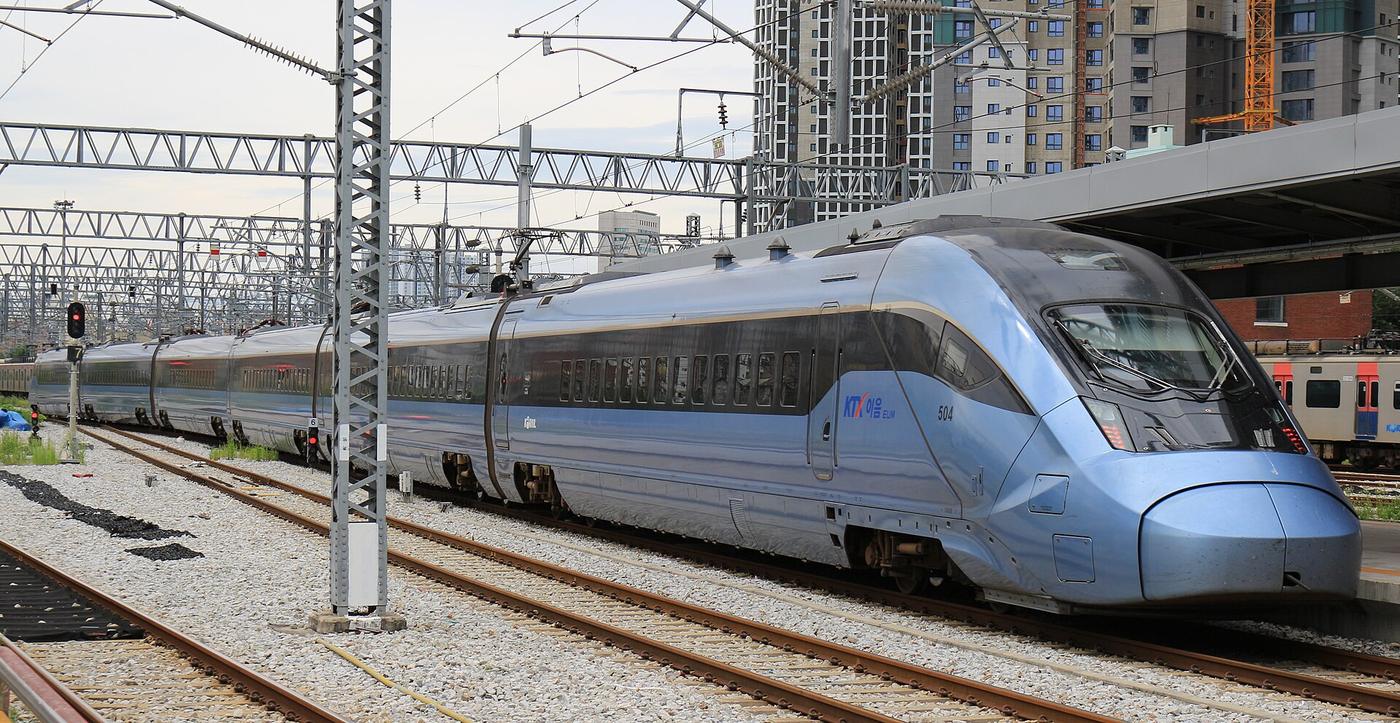
The other change is the merger. On 1 September 2026 Korail and SR merged, the SRT became KTX-Sancheon, and both are sold in one app (코레일+, Korail+). Seoul–Busan fell from ₩59,800 to ₩54,400. Your choice is now which station, not which company. Seoul Station or Yongsan suits hotels in central, northern and western Seoul. Suseo suits Gangnam, Jamsil and Songpa. Our KTX vs SRT vs bus guide walks through it, and the merger guide covers the one account step to do first.
Holidays are the exception to everything above. For Seollal 2027 (6–9 February), holiday seats go on sale on dates Korail announces separately, members-only and online; see our Seollal 2027 guide.
You might like: Korea Train Tickets Open Two Months Ahead From 1 October 2026 — and Buses Rise 9%: Seoul–Busan KTX vs Bus
Express buses after the 9% rise: what the booking system actually charges
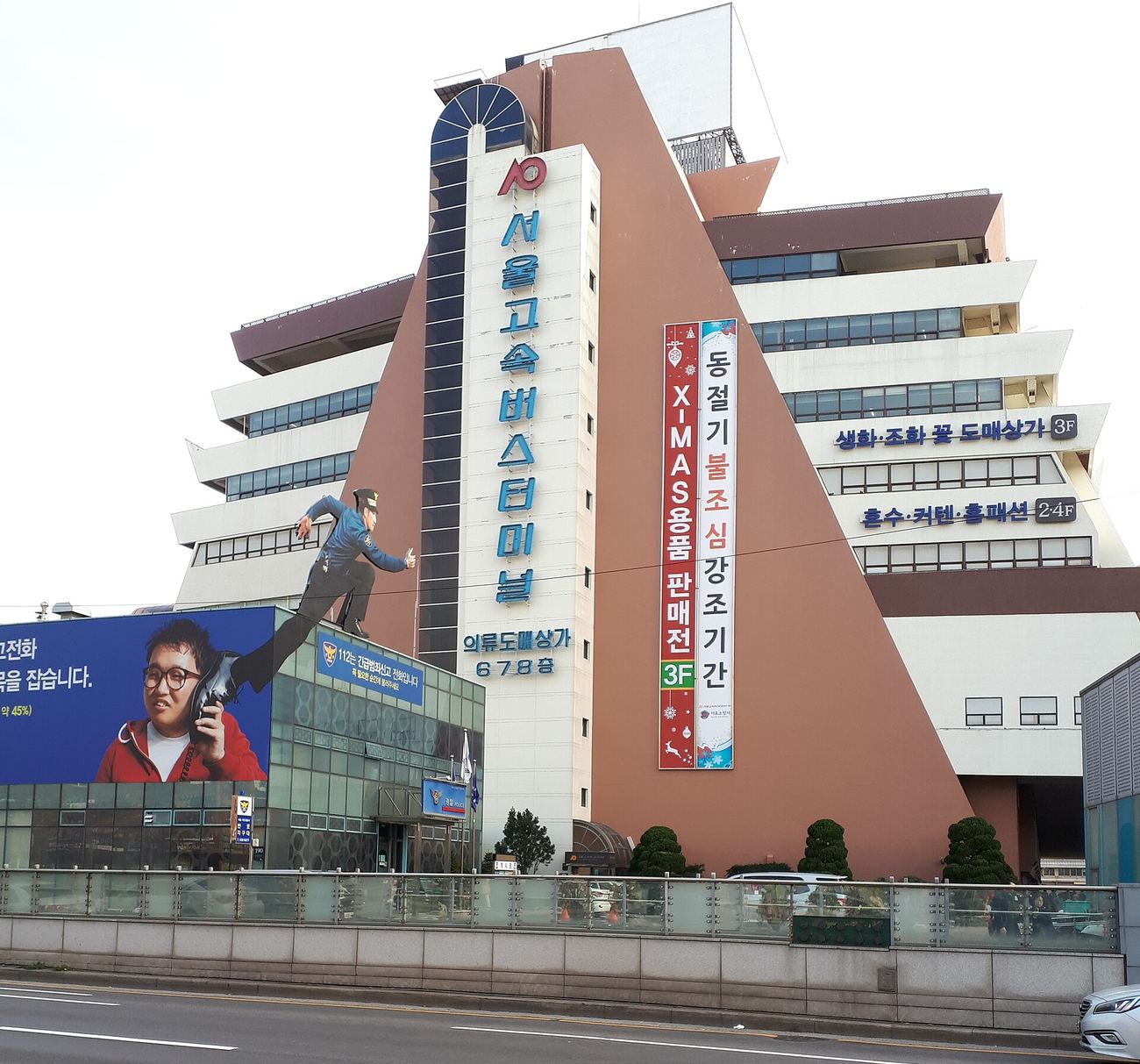
On 1 October 2026 the ministry raised the fare caps for express (고속버스) and intercity (시외버스) buses by 9%, the first rise since July 2023. Bus companies had asked for 20.1% and 17%. A cap is a ceiling, not a price list. So we read the real fares from the national booking system for Seoul Express Bus Terminal (서울경부) to Busan on Tuesday 6 October:
- 32 departures, of which only 3 were standard class (고속) at ₩29,100 (was ₩26,700).
- 12 deluxe (우등), 28 roomier seats, at ₩43,300 (was ₩39,700). This is the bus most people actually ride.
- 12 Premium (프리미엄), every one showing a 20% discount to ₩45,000. The discount is a promotion, so check it on your date.
- 5 night buses (심야), from 22:00 to 02:00, at a higher night fare.
Operators took the full 9%. So the honest comparison for Seoul–Busan is ₩43,300 and about four hours by deluxe bus against ₩54,400 and about 2½ hours by KTX. The bus also ends at Nopo, the northern end of Busan Metro Line 1, while the KTX arrives at central Busan Station.
On shorter routes, the bus and the train trade places depending on where you are staying:
| Route | Train | Bus (after 1 October) | Usually better | Guide |
|---|---|---|---|---|
| Seoul → Busan | KTX ₩54,400, about 2½ hr | Deluxe ₩43,300, about 4 hr | KTX, unless you need a night bus | 485 |
| Seoul → Gangneung | KTX-Eum ₩26,000 from Cheongnyangni, 1 hr 27 min – 1 hr 50 | Deluxe ₩26,800, about 2 hr 50 | Train | 495 |
| Seoul → Sokcho | No train until 2029 | Deluxe ₩24,300 (standard ₩18,700), about 2 hr 35 | Bus | 495 |
| Busan → Gyeongju | KTX ₩10,100, 27–35 min, to Gyeongju Station outside town | Deluxe ₩8,400, about 50 min, to downtown | Depends on your hotel | 493 |
Cabeau Evolution S3 — a memory-foam neck pillow that straps to the seat Four hours on a deluxe bus to Busan, or a night bus that leaves at 01:00, is the trip where your neck decides how the next day goes. The straps hold it to a headrest so it stays put when you doze off, and it packs into its own case. The current price is on the listing. As an Amazon Associate, EpicKor earns from qualifying purchases at no extra cost to you.
See the Cabeau Evolution S3 on AmazonTaxis, rental cars and bikes
Taxis. A Seoul sedan taxi starts at ₩4,800, and Kakao Venti's vans start at ₩4,000, ₩800 less, but Venti adds a demand multiplier at busy times. Sedans add 20% from 22:00 to 23:00, 40% from 23:00 to 02:00, and 20% from 02:00 to 04:00. Call them through Kakao T rather than flagging one down at the airport. Our safety guide covers the airport taxi tricks, and our car-seat guide explains why ordinary taxis carry no child seat for under-6s.
Rental cars. You need an International Driving Permit under the 1949 Geneva or 1968 Vienna convention plus your home licence, valid for a year from entry. Jeju is where driving makes most sense, and it limits its rental fleet (28,300 cars under the cap that ran to 20 September 2026). Camera fines and Hi-Pass tolls follow you home (car rental guide).
Bikes and scooters. Seoul's public bikes, Ttareungi (따릉이), take a ₩1,000 day pass on an overseas card, with no Korean phone number needed. Shared e-scooters are a different matter: they need a moped category on your licence, which most visitors' permits do not include (bike guide). For a slower ride on the river, the Hangang Bus runs between Seoul's riverside piers.
You might like: Kakao Venti, Korea's Big Taxi: The Van That Costs the Same as a Sedan by Day
Which app: Naver Map, and why Google Maps still falls short
Use Naver Map (네이버 지도) for walking, subway and bus routes, and Kakao T for taxis. The reason is a long-running restriction. Korea treated detailed map data as a security matter, so Google Maps in Korea could find places but not give proper walking or driving directions.
That is changing, slowly. On 27 February 2026 Korea's National Geographic Information Institute (국토지리정보원) conditionally approved Google's request to export 1:5,000 map data. Korean press first expected walking and driving directions in the second half of 2026; by mid-September 2026 the industry was reporting that Google is aiming for next year instead. As of 3 October 2026 we found no announcement that they have launched. Don't plan this trip around them. Korean users haven't waited: Korean press put Naver Map at 28.45 million monthly users in February 2026, against 9.41 million for Google Maps.
Set the apps up before you fly: Naver Map in English, Kakao T with a foreign card, and an eSIM or SIM so they work at the gate. Our Naver Map and Kakao T guide has the setup, and the eSIM vs SIM vs pocket Wi-Fi guide covers the data side.
You might like: Does Google Maps Work in Korea? Naver Map and Kakao T
Flying in, flying on
Two changes affect the flight that gets you here. Asiana disappears on 17 December 2026 into Korean Air, and T'way has already become Trinity Airways. Jin Air, Air Busan and Air Seoul merge in March 2027, so names on your booking may change before you fly (Korean airlines guide). If you are flying straight to Busan, Cheongju or Jeju instead of Incheon, our guide to Korea's other airports says which ones fly abroad. Before boarding, check whether you need K-ETA or only the free e-Arrival Card: nationals of 22 countries are exempt from K-ETA through 31 December 2026 (entry guide).
If you want this, read that
Day trips that start with a train
If the point of the train is the place at the other end, these guides cover the whole day: Gyeongju, Korea's Silla capital, Jeonju by KTX, Daejeon and Sungsimdang, Nami Island, and a seven-day Seoul, Gyeongju and Busan itinerary. Our analysis of Korea's exit survey shows what else visitors said they could not find before landing.
Skip this: four honest notes
- Don't buy the 1-day Climate Card unless you will ride more than three times that day. The ₩1,550 fare usually wins.
- Don't take the AREX express after a late landing. It stops at 22:48 from Terminal 1; the all-stop train runs 50 minutes longer and costs about a third.
- Don't count on the cheap bus. On Seoul–Busan, 3 of 32 daily departures are standard class. Budget for deluxe.
- Don't trust a guide that says KTX booking opens a month ahead, or that Seoul–Busan is ₩59,800. Both were true until this autumn.
FAQ
Q: What is the best way to get around Korea as a tourist? A: Subway and buses in cities, with a T-money card (about ₩2,500) or WOWPASS; KTX between cities, booked in the Korail+ app up to two months ahead; express buses where the train is slow or missing, such as Sokcho. Use Naver Map for routes and Kakao T for taxis.
Q: How much does the subway cost in Seoul? A: ₩1,550 per adult ride by transit card since 28 June 2025. That covers the first 10 km; each additional 5 km adds ₩100, and transfers are free. A city bus is ₩1,500. Unlimited Climate Card short passes cost ₩5,000 for one day to ₩20,000 for seven.
Q: How far in advance can I book KTX tickets? A: Two months before departure, from 07:00 Korea time, since 1 October 2026. You can move a ticket free of charge to another train on the same route up to seven days either side of the original date, until 30 minutes before departure. Holiday periods such as Seollal use a separate sale schedule.
Q: Is the bus cheaper than the KTX in Korea? A: Usually, but by less than it looks. After the 1 October 2026 rise, Seoul–Busan is ₩43,300 by deluxe bus against ₩54,400 by KTX, and the bus takes about 1½ hours longer. Seoul to Gangneung is now cheaper by train (₩26,000) than by deluxe bus (₩26,800).
Q: Does Google Maps work in Korea? A: For finding places, yes; for walking and driving directions, not properly yet. Google received conditional approval to export detailed map data on 27 February 2026, but as of 3 October 2026 we found no launch of full directions. Use Naver Map.
Sources
- National express bus booking system (고속버스통합예매, kobus.co.kr): Seoul Gyeongbu (서울경부) to Busan, Tuesday 6 October 2026, 32 departures by class; adult fares ₩29,100 standard and ₩43,300 deluxe from the seat-selection fare table; Premium shown at ₩45,000 with a 20% discount. Read 3 October 2026.
- Airport Railroad (공항철도, airportrailroad.com): express fare ₩13,000 adult, 43 and 51 minutes; all-stop transit-card fares from Seoul Station, ₩4,750 to Terminal 1 and ₩5,350 to Terminal 2. Read 3 October 2026. Last-train times as re-read for our guide 453 on 29 September 2026.
- Ministry of Land, Infrastructure and Transport and Korail, release of 20 September 2026: two-month booking window from 1 October 2026; 6.69 million foreign rail passengers January–August 2026. Purchase limits as reported by SBS Biz and other Korean outlets, September 2026.
- Ministry of Land, Infrastructure and Transport, release of 26 August 2026: express and intercity bus fare caps +9% from 1 October 2026.
- Seoul subway fare ₩1,550 from 28 June 2025: Seoul Metropolitan Government, as reported by Hankyung and eToday, June 2025.
- Google map-data export approval, 27 February 2026: Newsis, 27 February 2026. Directions expected next year: News Tomato, September 2026. Map-app monthly users (IGAWorks Mobile Index, February 2026): as reported by Korean press.
- Ministry of Culture, Sports and Tourism, 2025 International Visitor Survey (Korea Culture and Tourism Institute): transport cited by 16.8% as missing information. See our guide 457.
- KTX fares after the 1 September 2026 merger, KTX-Eum and regional bus fares, taxi fares, payment products, bike passes, licence rules and airline changes: see the sources in our guides 380, 495, 493, 454, 201, 465, 462 and 420.
You Might Also Like
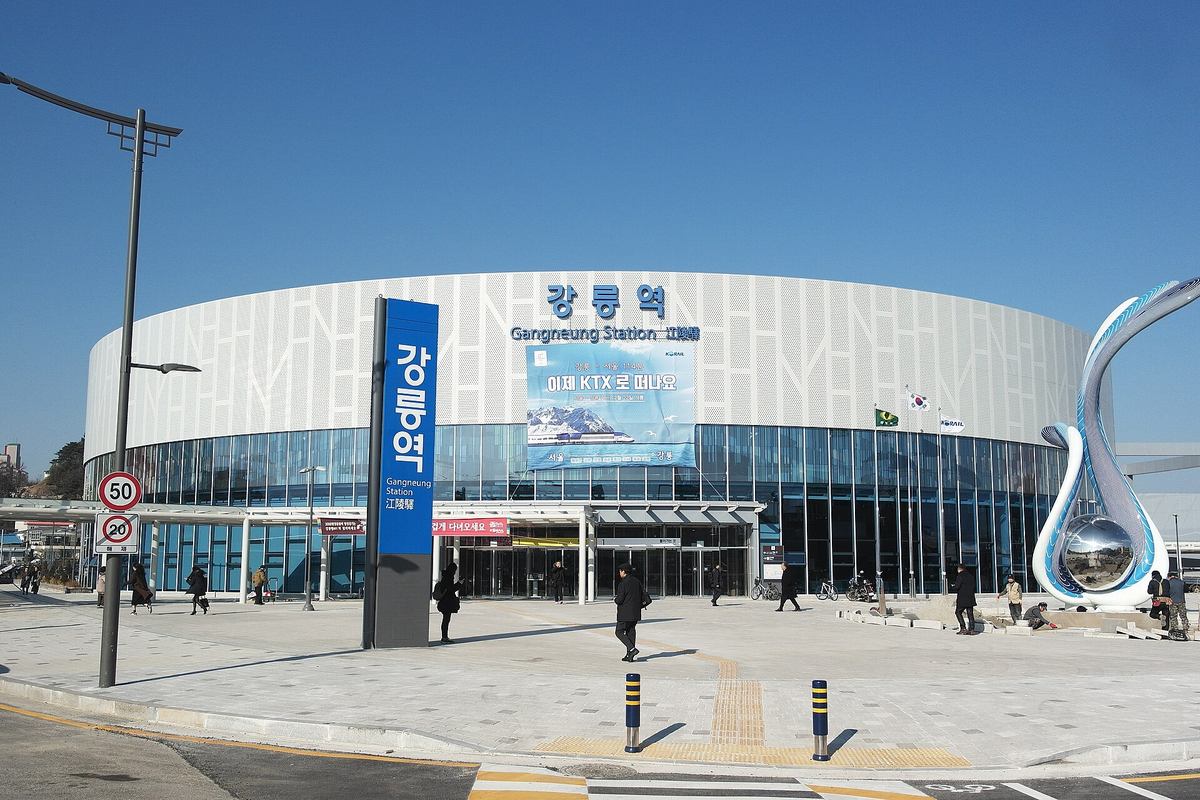
Seoul to Gangneung and Sokcho, Korea: KTX-Eum vs Express Bus After the October Fare Rise, and Why Sokcho Still Has No Train
Seoul to Gangneung is ₩26,000 by KTX-Eum in about 1½ hours; the deluxe bus now costs ₩26,800 after the 1 October rise and takes nearly three. Sokcho has no train until 2029, so there the bus still wins — from ₩18,700.
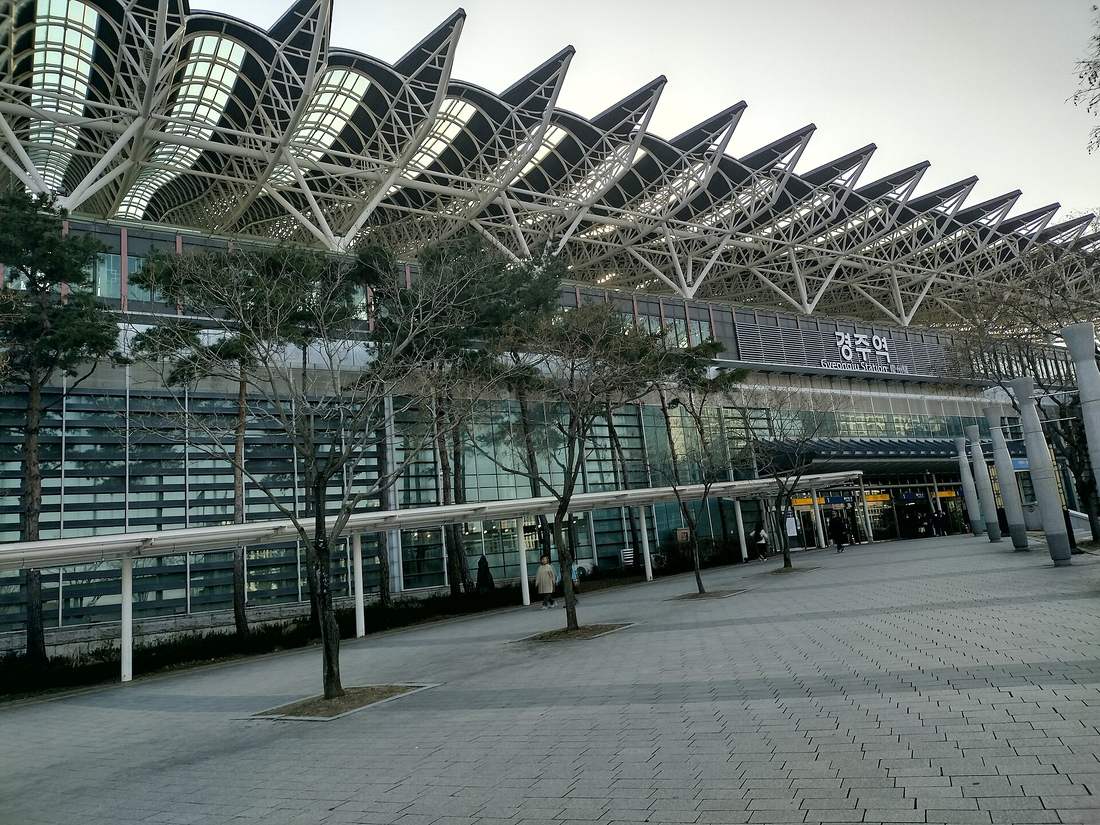
Busan to Gyeongju, Korea: KTX, the Donghae Line Train and the Bus Compared — Fares After the 1 October Bus Rise, Times and Which Station You Arrive At
Busan to Gyeongju costs ₩10,100 by KTX in 27 minutes, or ₩8,400 by bus after today's 9% rise. But the train stops at Gyeongju Station, the old Singyeongju, 30–40 minutes from the tombs; the bus lands downtown.
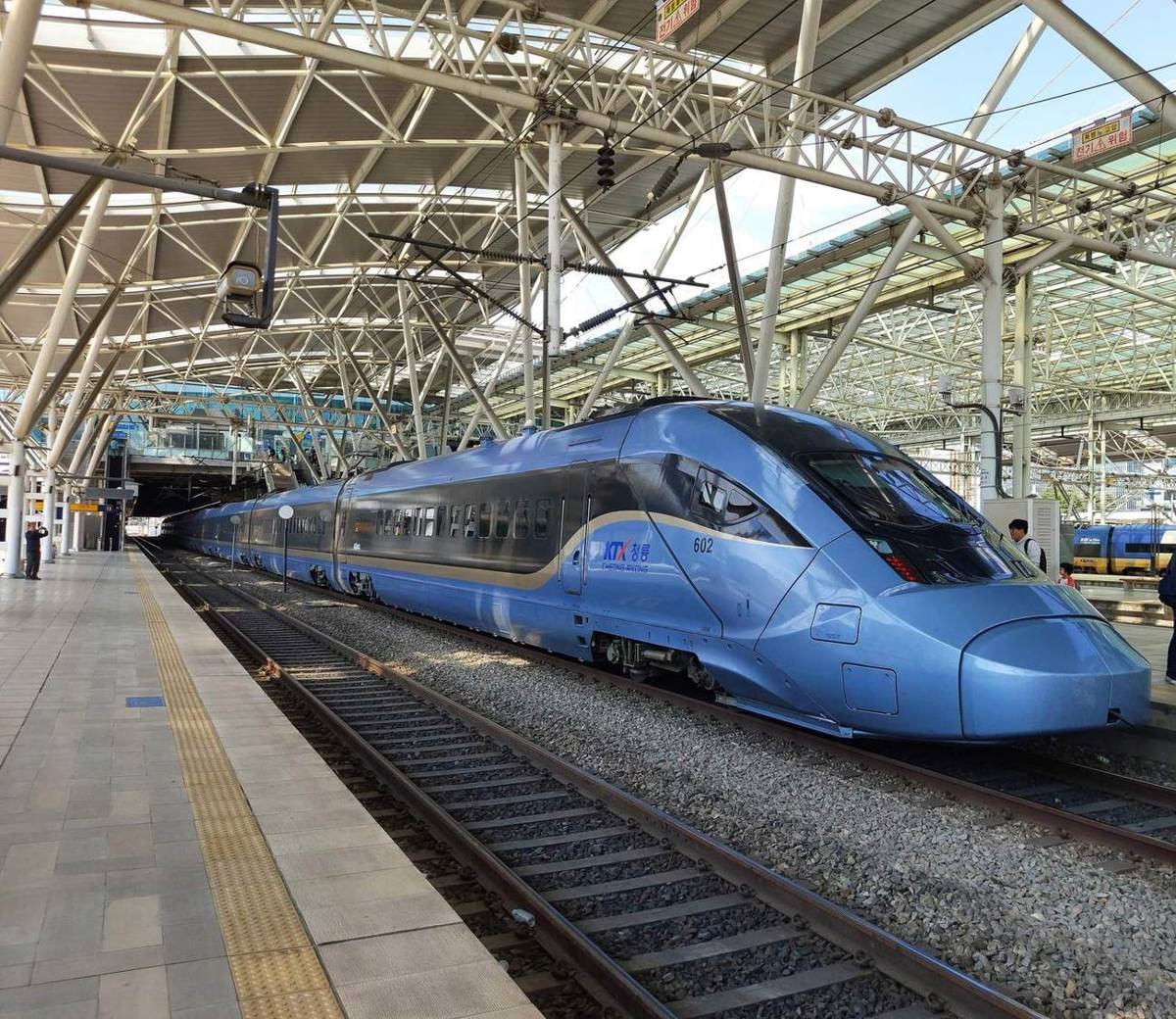
Korea Train Tickets Open Two Months Ahead From 1 October 2026 — and Buses Rise 9%: Seoul–Busan KTX vs Bus
From 1 October 2026 Korean train tickets go on sale two months ahead, not one — every November trip opens at 10:00 that morning. Bus fare caps rise 9% the same day, and on 5 October only 3 of 32 Seoul–Busan buses are the cheap ₩26,700 class.