Seoul to Gangneung and Sokcho, Korea: KTX-Eum vs Express Bus After the October Fare Rise, and Why Sokcho Still Has No Train
Last updated: 2 October 2026. Train fares and timetables are the national rail timetable data published by the Ministry of Land, Infrastructure and Transport (국토교통부) through the public data portal, read on 2 October 2026 for travel from 2 to 8 October; confirm in the Korail+ app (코레일+). Express bus fares and departures were read from the national express bus booking system (kobus.co.kr) on 2 October 2026 for Tuesday 6 October — after the 1 October rise. Intercity (시외) bus fares from Dong Seoul were not yet shown in a public listing with the new fares; those are marked as estimates. Rail construction status is from the Korea National Railway (국가철도공단) project page, figures as of June 2026.
The east coast is the trip most visitors add after Seoul: Gangneung (강릉) for the coffee street and the beaches, Sokcho (속초) for Seoraksan and the seafood market. Most English answers to "how do I get there" were written before three things changed. On 1 October 2026, express and intercity bus fares rose 9%. Train tickets now go on sale two months ahead instead of one. And the rail line to Sokcho that guides have been promising "by 2027" has slipped to 2029.
So the answer now splits in two. For Gangneung, take the KTX-Eum. It costs about the same as the deluxe bus and takes half the time. For Sokcho, take the bus, because there is still no train, and every rail route ends with a bus anyway.
For a 06:00 Jeongdongjin sunrise or a cold Seoraksan ridge in late October: Made-in-Korea hand and body warmers, 30-pack, on AmazonAffiliate link. As an Amazon Associate, EpicKor earns from qualifying purchases at no extra cost to you.
Quick Guide: Seoul to Gangneung and Sokcho in October 2026
| Route | From (Seoul) | Adult fare | Time | Per day |
|---|---|---|---|---|
| KTX-Eum → Gangneung | Cheongnyangni (청량리) | ₩26,000 | 1 hr 27 – 1 hr 50 | 17 Mon–Thu, 22 Fri, 24 Sat–Sun |
| KTX-Eum → Gangneung | Seoul Station (서울역) | ₩27,600 | 1 hr 51 – 2 hr 11 | 14 (the same trains, starting further back) |
| KTX-Eum → Jeongdongjin | Cheongnyangni | ₩26,700 | 1 hr 42 – 1 hr 53 | 5 Mon–Thu, 7 Fri, 8 Sat–Sun |
| Express bus → Gangneung (우등 deluxe) | Seoul Express Bus Terminal (서울경부) | ₩26,800 (was ₩24,600) | about 2 hr 50 | 22 (Tue 6 Oct) |
| Express bus → Sokcho (우등) | Seoul Express Bus Terminal | ₩24,300 (was ₩22,300) | about 2 hr 35 | 45 |
| Express bus → Sokcho (우등) | Dong Seoul (동서울) | ₩22,800 (was ₩20,900) | about 2 hr 15 | 15, plus about 55 intercity buses |
| Train → Sokcho | — | — | — | None until 2029 |
The line that matters most: to Gangneung, the bus is no longer the cheap option. The daytime deluxe bus is ₩800 more than the KTX-Eum from Cheongnyangni and takes over an hour longer. To Sokcho, the bus is the only direct option, and the three daily standard buses from the Seoul Express Bus Terminal (₩18,700) are the cheapest way to the coast; the cheapest deluxe seat is ₩22,800 from Dong Seoul.
Gangneung and Sokcho hotels on Agoda — choose the town, then the ticket A bed in Gangneung makes the KTX-Eum the obvious choice and puts the 05:46 sunrise train to Jeongdongjin within reach; a bed in Sokcho means the bus, and a morning on Seoraksan before the cable-car queue builds. Foliage weekends in mid- to late October fill early, so compare Sokcho stays as well. EpicKor may earn a commission if you book through these Agoda links, at no extra cost to you. Confirm dates, taxes, cancellation terms and the final price on Agoda before booking.
Compare Gangneung stays on AgodaGangneung by KTX-Eum: start at Cheongnyangni, not Seoul Station
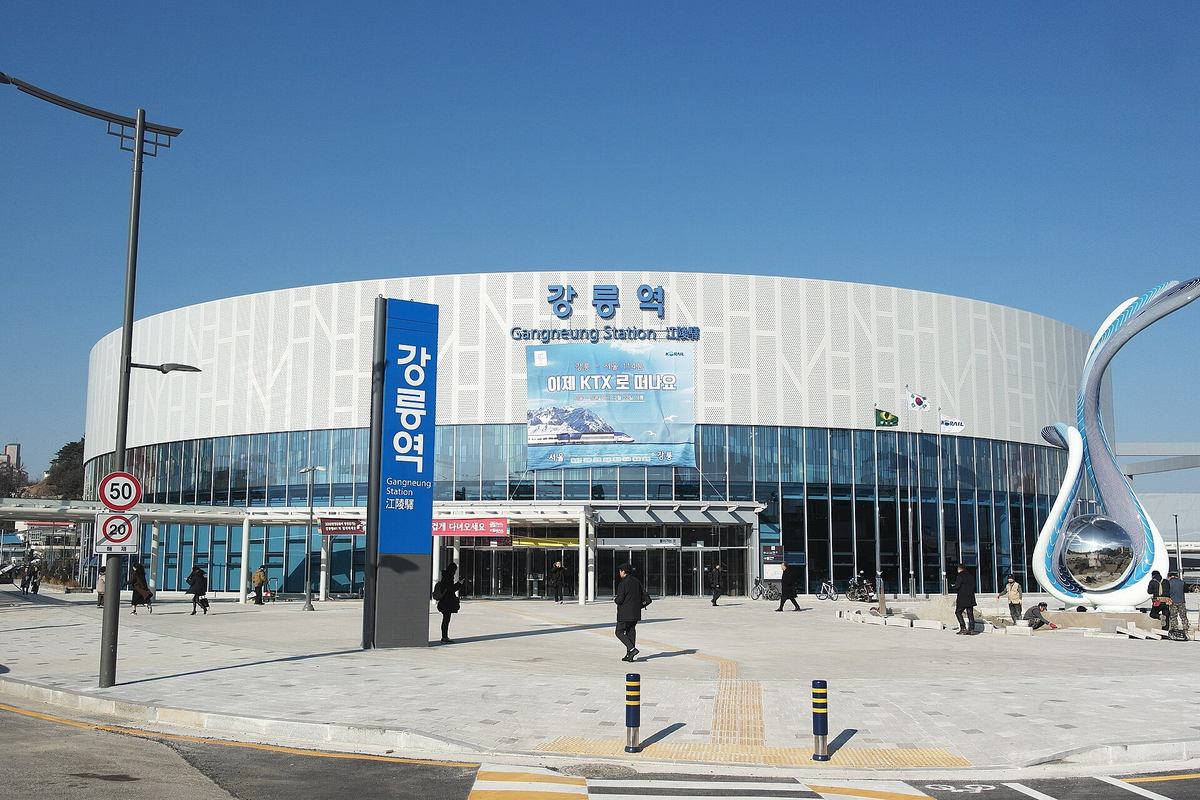
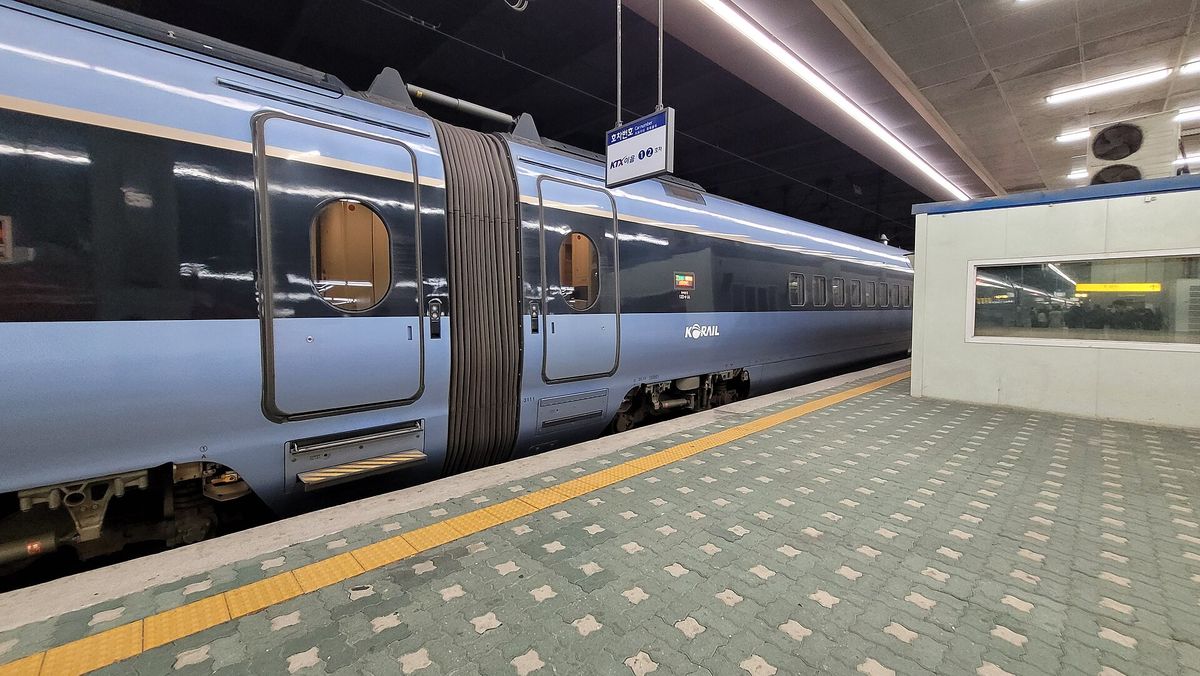
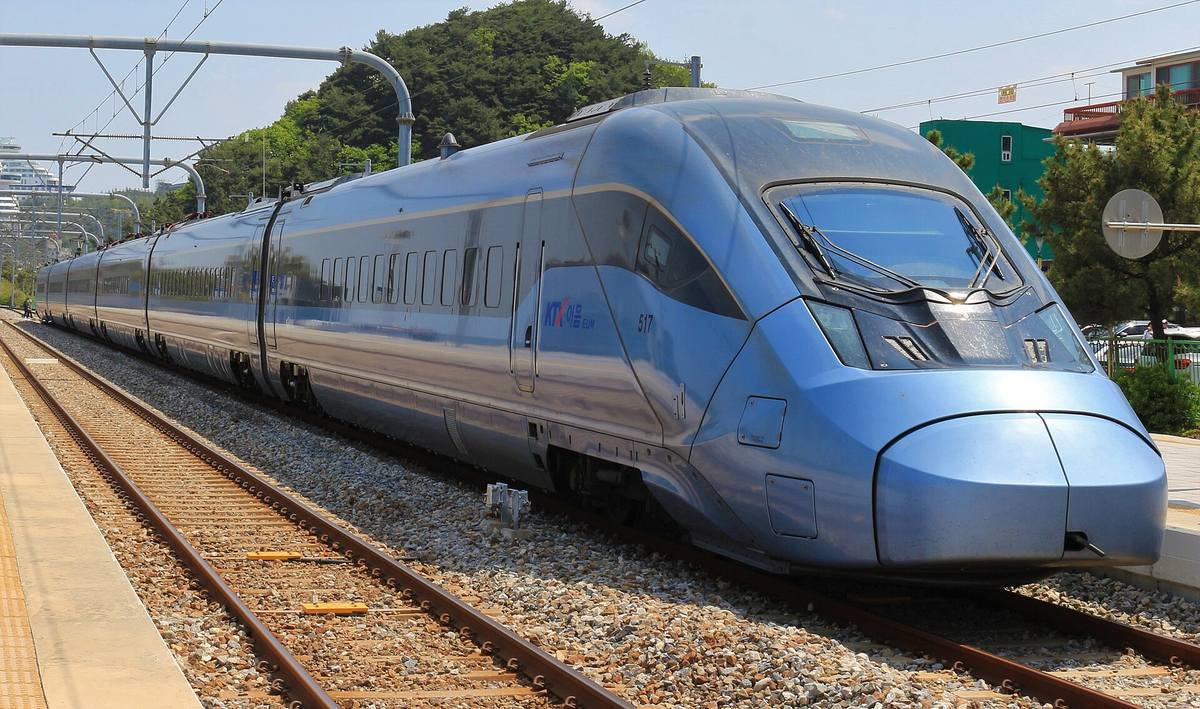
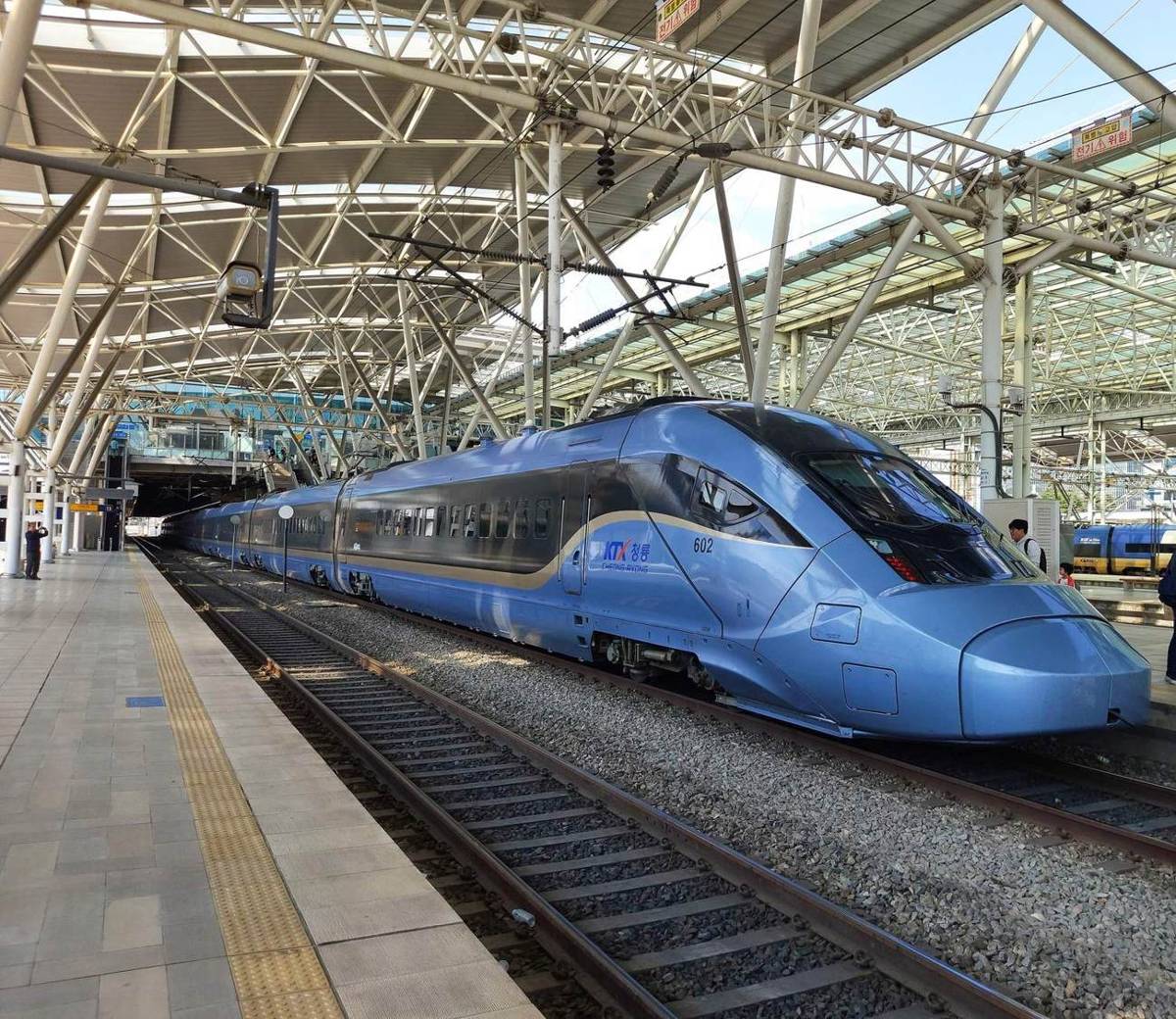
The KTX-Eum (KTX-이음) is Korail's newer, slightly slower high-speed train, and it is the only train between Seoul and Gangneung. Every Gangneung train runs through Cheongnyangni (청량리) in north-east Seoul; on Fridays and weekends extra trains start there too. Some also begin at Seoul Station, which adds about 20 minutes and ₩1,600.
The numbers for the first week of October, from the national timetable:
| From | Standard seat | Standing / unreserved | Time | First / last train |
|---|---|---|---|---|
| Cheongnyangni (청량리) | ₩26,000 | ₩22,100 | 1 hr 27 – 1 hr 50 | 05:27 / 22:34 |
| Seoul Station (서울역) | ₩27,600 | ₩23,500 | 1 hr 51 – 2 hr 11 | 05:06 / 22:14 |
| Sangbong (상봉) | ₩25,600 | ₩21,800 | 1 hr 28 – 1 hr 41 | 6 a day Mon–Thu |
How many trains run depends on the day. In the week of 5–8 October, Cheongnyangni has 17 trains a day Monday to Thursday. On Friday 2 October there are 22, and on Saturday 3 and Sunday 4 October there are 24. Only 14 of them start at Seoul Station; the rest begin at Cheongnyangni. The fastest runs take 1 hour 27 to 1 hour 32 (1 hour 31 at best on weekdays); trains that stop at every station between Yangpyeong and PyeongChang take up to 1 hour 50.
Coming back, Gangneung has the same 17 / 22 / 24 departures to Cheongnyangni. The last leaves at 22:27 and reaches Cheongnyangni at 00:04 (Seoul Station 00:25). The Seoul subway's last trains run around midnight, so a late train can leave you on a taxi rank (our station-by-station last-train guide).
Getting to Cheongnyangni. It is on Seoul Subway Line 1, the Gyeongui–Jungang Line and the Suin–Bundang Line. From Myeong-dong or Hongdae it is about 30–40 minutes by subway; from Seoul Station, Line 1 takes about 20 minutes, which is why boarding at Cheongnyangni saves only money, not time.
When to book. Since 1 October, Korail sells tickets two months before departure at 07:00. Every train from 1 November to 1 December went on sale at once at 10:00 on 1 October. So October and November foliage weekends are already on sale (what the two-month window changed). Gangneung trains on autumn Saturdays and around the Hangeul Day holiday (Friday 9 October) can sell out. If they do, a standing or unreserved ticket (₩22,100) is a reasonable fallback on a trip under two hours.
You might like: Korea Train Tickets Open Two Months Ahead From 1 October 2026 — and Buses Rise 9%: Seoul–Busan KTX vs Bus
Gangneung by bus: ₩26,800 from 1 October, and slower
Express buses to Gangneung leave from the Seoul Express Bus Terminal (서울고속버스터미널) — the Gyeongbu–Yeongdong building, called 서울경부 in the booking system — at Express Bus Terminal station (Lines 3, 7 and 9). For Tuesday 6 October, kobus.co.kr lists:
- 22 departures, 06:00 to 23:00, some routed via Catholic Kwandong University (가톨릭관동대) on the edge of Gangneung.
- Deluxe (우등): ₩26,800, up from ₩24,600 in September timetables — the full 9%.
- Premium (프리미엄): ₩34,800, shown at ₩29,600 with a 15% weekday discount; the 23:00 night premium is ₩41,700.
- A standard (고속) fare of ₩18,200 exists in the fare table, but no standard bus ran on that day.
- Scheduled time about 2 hours 50 minutes, more on a Friday evening or a foliage Saturday.
Dong Seoul (동서울) also runs about 27 intercity buses a day to Gangneung (06:40–20:50, 2 hr 19 – 2 hr 39). In the September listings the deluxe fare was ₩22,300. Dong Seoul Terminal's own notice says all intercity and express fares rose 9% from 1 October, so that is now about ₩24,300 (EpicKor estimate; T-money shows the exact fare when you book). Tickets bought by 30 September keep the old price. Those buses use bays 1 to 3. Dong Seoul also runs 12 express buses a day to Gangneung from bay 27-B. Since 1 August they detour via Dongsan Beach in Yangyang; the booking system lists ₩28,500 deluxe but showed most departures on Tuesday 6 October at ₩24,300 with a 15% discount — slightly cheaper than the train, but slower.
The honest verdict: unless you are staying near Gangneung's bus terminals, or the trains are sold out, the bus has lost this route. Even the cheapest Dong Seoul fares save only about ₩2,000 on the KTX-Eum, and every bus takes about an hour longer.
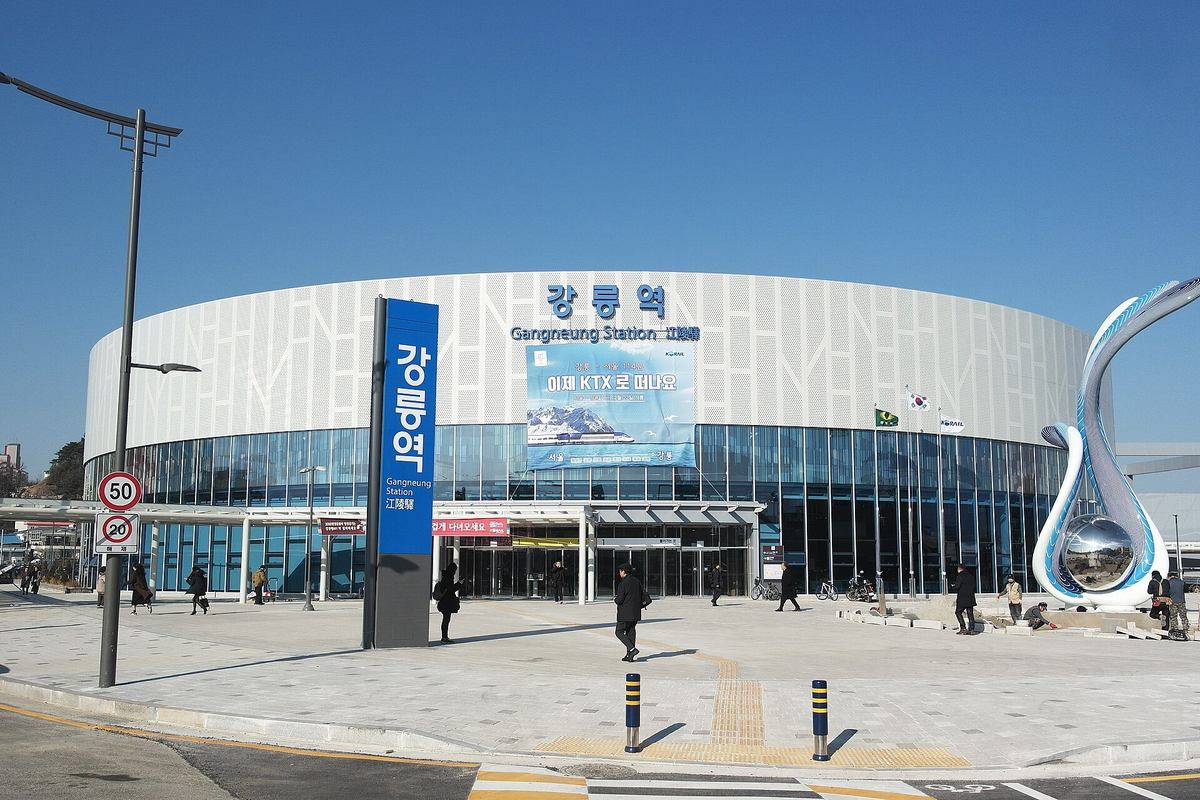
Where each one leaves you. The KTX-Eum ends at Gangneung Station, in the town centre. The express and intercity bus terminals are next to each other on Haseulla-ro (하슬라로 15 and 27) in Hongje-dong, on the western side of the town, near the expressway. Gyeongpo Beach, Anmok coffee street and Jumunjin are all a city bus or a short taxi ride from either. Check the current route number in Kakao Map or Naver Map (why Google Maps is not enough in Korea).
You might like: Goblin K-Drama Filming Locations: What's Really in Jumunjin (And What Isn't)
Jeongdongjin: the sunrise station, and the train that gets there too late
Jeongdongjin (정동진) is the seaside station south of Gangneung that Koreans ride to for the sunrise. KTX-Eum trains to Donghae stop there: ₩26,700 from Cheongnyangni, 1 hour 42 to 1 hour 53, 5 trains Monday to Thursday, 7 on Friday, 8 at weekends.
The catch: the first train from Cheongnyangni leaves at 07:05 and arrives at 08:58, hours after the sun is up. You cannot do Jeongdongjin's sunrise as a day trip from Seoul by train.
The workable plan is to sleep in Gangneung and take a local train. The first train from Gangneung on 2 October is an ITX-Maum at 05:46, arriving 06:01 — before sunrise on every day in October. It costs ₩4,800 and takes 15 minutes. Nuriro trains follow at 06:30 and 06:52 for ₩2,600. That is another reason to choose a Gangneung bed, not a day trip.
Sokcho: why there is still no train
Sokcho once had a railway. The Donghae Bukbu Line (동해북부선) ran up the coast through Yangyang and Sokcho, and it closed in 1967. Since then the city has been bus-only. Two new lines are being built to change that, and both are behind schedule:
| Line | Route | Length | Original target | Now | Progress (June 2026) |
|---|---|---|---|---|---|
| Chuncheon–Sokcho (춘천~속초), the "Dongseo high-speed line" | Chuncheon → Hwacheon → Yanggu → Inje → Baekdam → Sokcho | 93.7 km | 2027 | 2029 | 20.9% |
| Gangneung–Jejin (강릉~제진), Donghae Bukbu Line | Gangneung → Jumunjin → Yangyang → Sokcho → Ganseong → Jejin | 110.9 km | 2027 | 2029 | 21.0% |
When the Chuncheon line broke ground in October 2022, the government's policy site promised Seoul to Sokcho in 1 hour 39 minutes by KTX-Eum "in 2027." In March 2026 a Gangwon provincial official told the Kangwon Ilbo that land compensation delays meant the ministry would move the project period to 2029, with opening likely in the first half of 2029. The Korea National Railway's own project page now lists 2016–2029 for Chuncheon–Sokcho and 2021–2029 for Gangneung–Jejin. With about a fifth of the work done, any English page telling you to "take the train to Sokcho" is describing a line that does not exist yet.
What about the train-plus-bus routes? You can take the KTX-Eum to Gangneung and then an intercity bus north. Listings updated on 1 October show 22 buses a day from Gangneung to Sokcho Intercity Bus Terminal, about an hour on the direct runs, at ₩7,800 to ₩10,800 depending on the route and the stops (the listing may not yet include the 9% rise). That adds up to about ₩34,000–37,000 and roughly three hours with the connection (our estimate) — dearer and no faster than the direct bus. It makes sense only if you are visiting both towns, which many people do.
Sokcho by bus: two Seoul terminals, two Sokcho terminals
From the Seoul Express Bus Terminal (서울경부), kobus.co.kr lists 45 buses to Sokcho for Tuesday 6 October, 06:00 to 23:30:
| Class | Adult fare from 1 Oct | September fare | Departures (Tue 6 Oct) |
|---|---|---|---|
| Deluxe (우등) | ₩24,300 | ₩22,300 | 30 of the 45 |
| Standard (고속) | ₩18,700 | ₩17,200 | 3 (08:20, 13:20, 18:20) |
| Premium (프리미엄) | ₩31,500 | ₩28,900 | 9 (on the hour, 08:00–21:00) |
| Night deluxe (심야우등) | ₩29,100 | ₩26,700 | 3 (22:00, 22:40, 23:30) |
The ride is scheduled at about 2 hours 35 minutes. These buses arrive at Sokcho Express Bus Terminal (속초고속버스터미널), at 3988 Donghae-daero (동해대로 3988) in the south of the city, near Sokcho Beach and on the road towards Seoraksan.
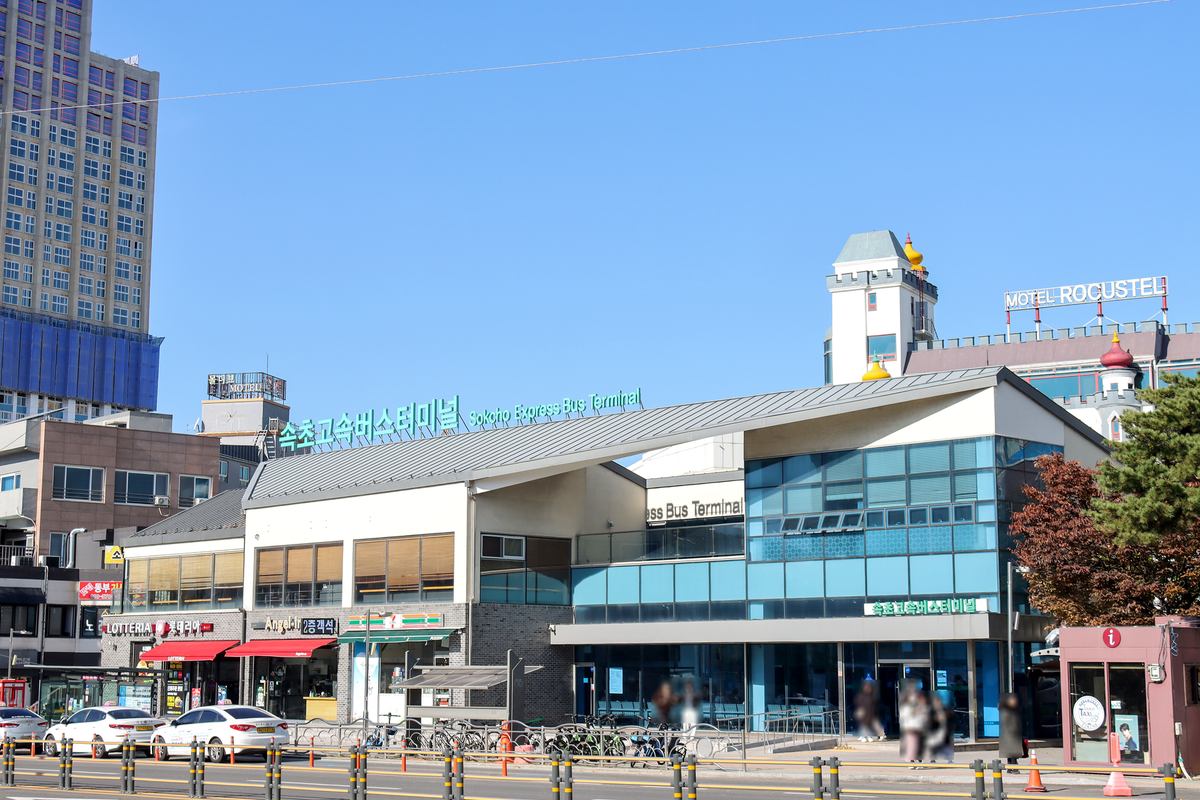
From Dong Seoul (동서울종합터미널), beside Gangbyeon station on Line 2, you have two kinds of bus:
- 15 express buses (07:00–20:30) at ₩22,800 deluxe (was ₩20,900) and ₩29,600 premium, also arriving at the express terminal. Scheduled time about 2 hours 15–30 minutes. They board on the express side, bay 26-A.
- About 55 intercity buses (06:05–22:30 in the September listings), arriving at Sokcho Intercity Bus Terminal (속초시외버스터미널), 16 Jangan-ro (장안로 16), in the north of the city. Most take the Seoul–Yangyang expressway in about 2 hours 12 minutes. Before the rise they cost ₩21,300 deluxe and ₩26,800 premium; with 9% added that is about ₩23,200 and ₩29,200 (EpicKor estimates). They leave from bays 3 and 4, signed 속초방면 (동서고속도로경유).
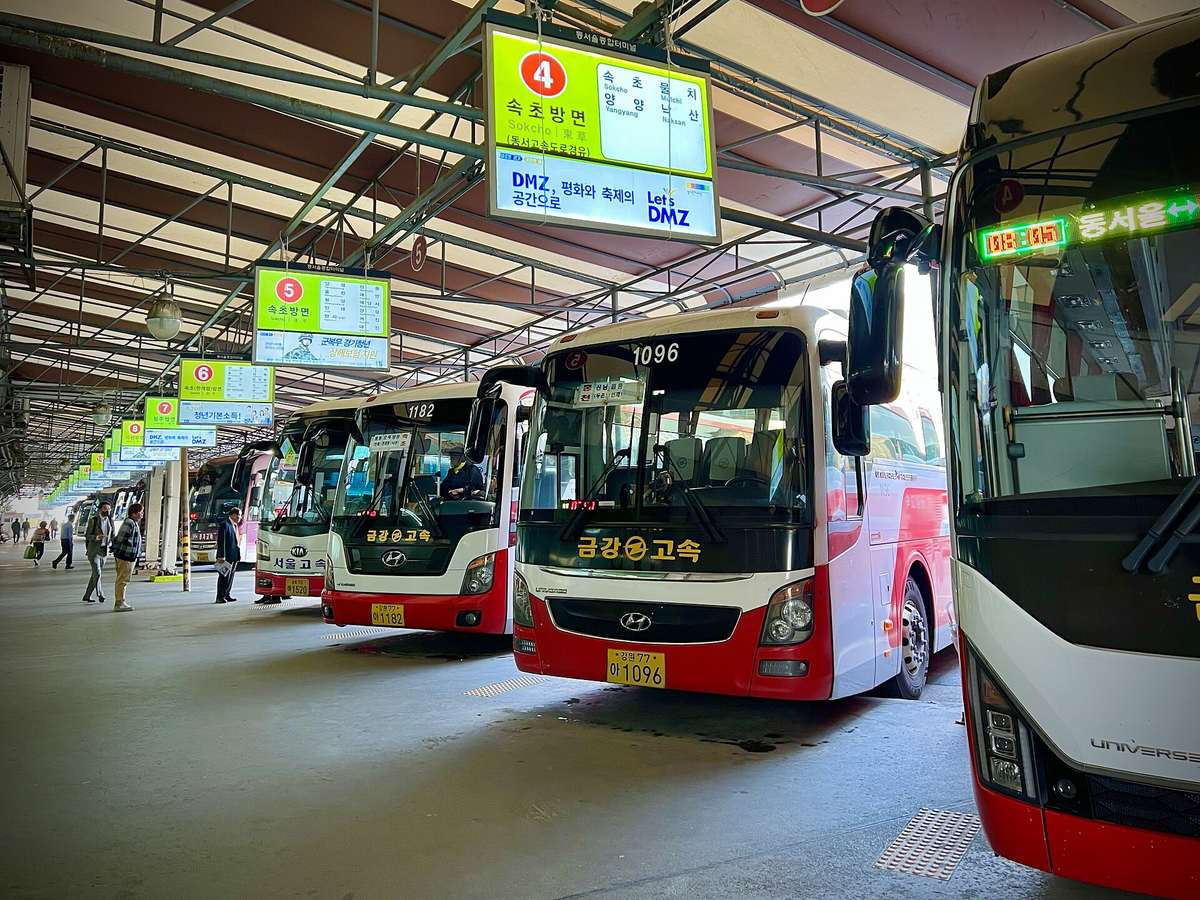
Bay 6 is the scenic one, and the slow one. Signed 속초(한계령), these buses cross the mountains on the old Hangyeryeong pass road through Inje and Wontong, stopping at Osaek (오색) on Seoraksan's south side. In the September listings the slow standard-class runs took about 3 hours 18 minutes and cost ₩16,700 (about ₩18,200 with the rise, our estimate). Take one if you want to start a hike from Osaek; do not take one by mistake if you want to reach Sokcho fast.
Tickets for the express buses are sold on kobus.co.kr and the express bus app; intercity buses from Dong Seoul are on T-money's intercity booking site (txbus.t-money.co.kr) and app. You can also buy at the terminal counters and machines.
Cabeau Evolution S3 — memory-foam travel pillow with seat straps On a foliage Saturday the 2 hours 35 minutes to Sokcho can become well over three, and a deluxe bus seat reclines far enough to sleep if your neck is held. The straps fix it to the headrest so it does not slide when the bus brakes on the mountain road. The current price is on the listing. As an Amazon Associate, EpicKor earns from qualifying purchases at no extra cost to you.
See the Cabeau pillow on AmazonWhich Sokcho terminal you arrive at matters
Sokcho has two bus terminals, a taxi ride apart, and the two Seoul terminals feed different ones:
- Sokcho Express Bus Terminal (south): express buses from Seoul Express Bus Terminal and from Dong Seoul. Closer to Sokcho Beach, the Daepo port area and the road to Seoraksan's main entrance at Sogongwon (소공원).
- Sokcho Intercity Bus Terminal (north): Dong Seoul intercity buses and the buses from Gangneung. Closer to Yeongnangho lake and the north of the city.
Most hotels near the beach are easier from the express terminal; check which terminal your ticket names before you choose a bed.
Seoraksan in October: when the colour comes
Most October trips to Sokcho are really trips to Seoraksan (설악산). This year the Gangwon Regional Meteorological Administration (강원지방기상청) recorded Seoraksan's first autumn colour on 28 September 2026. That is the same date as the long-term average and four days earlier than in 2025. "First colour" means about 20% of the mountain, counted down from the summit, has turned; the average peak is 17 October. WeatherEye's September forecast put the 2026 peak at 16–25 October (our full 2026 foliage forecast).
That has three consequences for transport:
- Mid- to late-October Saturdays are the busiest days of the year on this road. The scheduled 2 hours 35 minutes to Sokcho can stretch well past three hours on the Seoul–Yangyang expressway. Go on a weekday if you can, or take an early bus.
- Stay the night. The Seorak cable car sells tickets on the day only, and the queue builds through the morning. A bed in Sokcho turns the mountain into a morning, not an afternoon.
- From 15 November, many Seoraksan trails close for the autumn fire season (which trails stay open).
Gangneung has its own October draw: the Gangneung Coffee Festival, 21–25 October 2026 (Korea festival calendar). Expect the Friday trains that week to fill early.
You might like: Korea Autumn Foliage 2026: The Forecast Peak Dates for Seoraksan, Seoul and Naejangsan
Mistakes to avoid on this route
- Booking the bus to Gangneung to save money. From the Seoul Express Bus Terminal, at ₩26,800 deluxe, it now costs ₩800 more than the KTX-Eum from Cheongnyangni; from Dong Seoul it saves about ₩2,000 but takes an hour longer. Only the bus terminals' neighbourhood or a sold-out train makes it worth it.
- Boarding at Seoul Station out of habit. Only 14 Gangneung trains a day start there, they take 20 minutes longer and cost ₩1,600 more. Cheongnyangni has every train.
- Searching for a train to Sokcho. There is none until at least 2029. Rail-plus-bus via Gangneung costs more than the direct bus.
- Taking a bay 6 bus when you are in a hurry. The Hangyeryeong route takes about an hour longer than the expressway buses at bays 3 and 4.
- Planning a Jeongdongjin sunrise from Seoul. The first train arrives at 08:58. Sleep in Gangneung and take the 05:46.
- Looking for the Sangbong bus terminal. Sangbong Terminal (상봉터미널) closed on 30 November 2023 and its buses no longer run to Sokcho or Gangneung. Sangbong now matters only as a KTX-Eum stop.
- Quoting September bus fares. English sites listing ₩22,300 to Sokcho from the Seoul Express Bus Terminal are now ₩2,000 short.
You might like: KTX vs SRT vs Express Bus in Korea: What the Merger Changed
FAQ
Q: How much is the KTX from Seoul to Gangneung? A: The KTX-Eum costs ₩26,000 for a standard adult seat from Cheongnyangni and ₩27,600 from Seoul Station, in the national timetable data for early October 2026. The ride takes 1 hour 27 to 1 hour 50 minutes from Cheongnyangni, with 17 trains a day Monday to Thursday, 22 on Fridays and 24 at weekends.
Q: How much is the bus from Seoul to Sokcho after the October 2026 fare rise? A: From the Seoul Express Bus Terminal, the deluxe bus is ₩24,300 (was ₩22,300) and the three daily standard buses ₩18,700. From Dong Seoul, the express deluxe bus is ₩22,800 (was ₩20,900). The intercity buses from Dong Seoul were ₩21,300 in September and about ₩23,200 with the 9% rise (EpicKor estimate). The trip takes about 2¼–2½ hours.
Q: Is there a train from Seoul to Sokcho? A: No. Sokcho's old railway closed in 1967. Two new lines are under construction — Chuncheon–Sokcho and Gangneung–Jejin, both through Sokcho — and the Korea National Railway now lists 2029 for both, not the 2027 first promised. Each was about 21% complete in June 2026.
Q: Is the KTX or the bus better from Seoul to Gangneung? A: The KTX-Eum, for most people. From Cheongnyangni it costs ₩26,000 and takes about 1½ hours; the deluxe express bus costs ₩26,800 since 1 October and takes about 2 hours 50 minutes. The bus makes sense only if the trains are sold out or you start near the Seoul Express Bus Terminal.
Q: Which Seoul terminal has buses to Sokcho? A: Two: the Seoul Express Bus Terminal (Gyeongbu–Yeongdong building, Express Bus Terminal station) with 45 buses a day, and Dong Seoul Bus Terminal at Gangbyeon station with about 15 express and 55 intercity buses. Express buses arrive at Sokcho Express Bus Terminal in the south of the city; Dong Seoul's intercity buses arrive at Sokcho Intercity Bus Terminal in the north.
Sources
- Train fares, times and departure counts for 2–8 October 2026: national rail timetable data published by the Ministry of Land, Infrastructure and Transport through the public data portal, as displayed by train.asamaru.net (Cheongnyangni, Seoul Station and Sangbong to Gangneung and Jeongdongjin, Gangneung to Jeongdongjin, and return), data dated 2 October 2026. Confirm in the Korail+ app.
- Express bus fares and departures after the rise: kobus.co.kr (고속버스통합예매), 서울경부 → 강릉 and 속초 and 동서울 → 속초 and 강릉, searched 2 October 2026 for Tuesday 6 October. September fares and running times: national bus timetable listings at transportation.asamaru.net, updated 22–30 September 2026.
- Dong Seoul Bus Terminal (동서울터미널), notice "버스 요금 조정 안내(10/1~)", 18 September 2026 (9% on all routes from 1 October; tickets booked by 30 September keep the old fare), and its boarding-bay page (승차홈 안내).
- Ministry of Land, Infrastructure and Transport, "시외·고속버스 운임 상한 조정", 26 August 2026.
- Rail construction: Korea National Railway (국가철도공단), general railway projects page (Chuncheon–Sokcho 2016–2029, 93.7 km, 20.9%; Gangneung–Jejin 2021–2029, 110.9 km, 21.0%; as of June 2026); korea.kr on the October 2022 groundbreaking (2027 target, Seoul–Sokcho 1 hour 39 minutes); Kangwon Ilbo, 18 March 2026 (schedule moved to 2029); Etoday on the Donghae Bukbu Line restored "after 55 years".
- Seoraksan first colour on 28 September 2026: Gangwon Regional Meteorological Administration, as reported by Hankyung, 28 September 2026; peak forecast: WeatherEye (웨더아이), September 2026.
- Sangbong Terminal closure on 30 November 2023: Money Today and Financial News, November 2023. Sokcho terminal addresses: national bus terminal listings.
The short version: to Gangneung, take the KTX-Eum from Cheongnyangni; to Sokcho, take the bus, and check which of Sokcho's two terminals your ticket names.
You Might Also Like
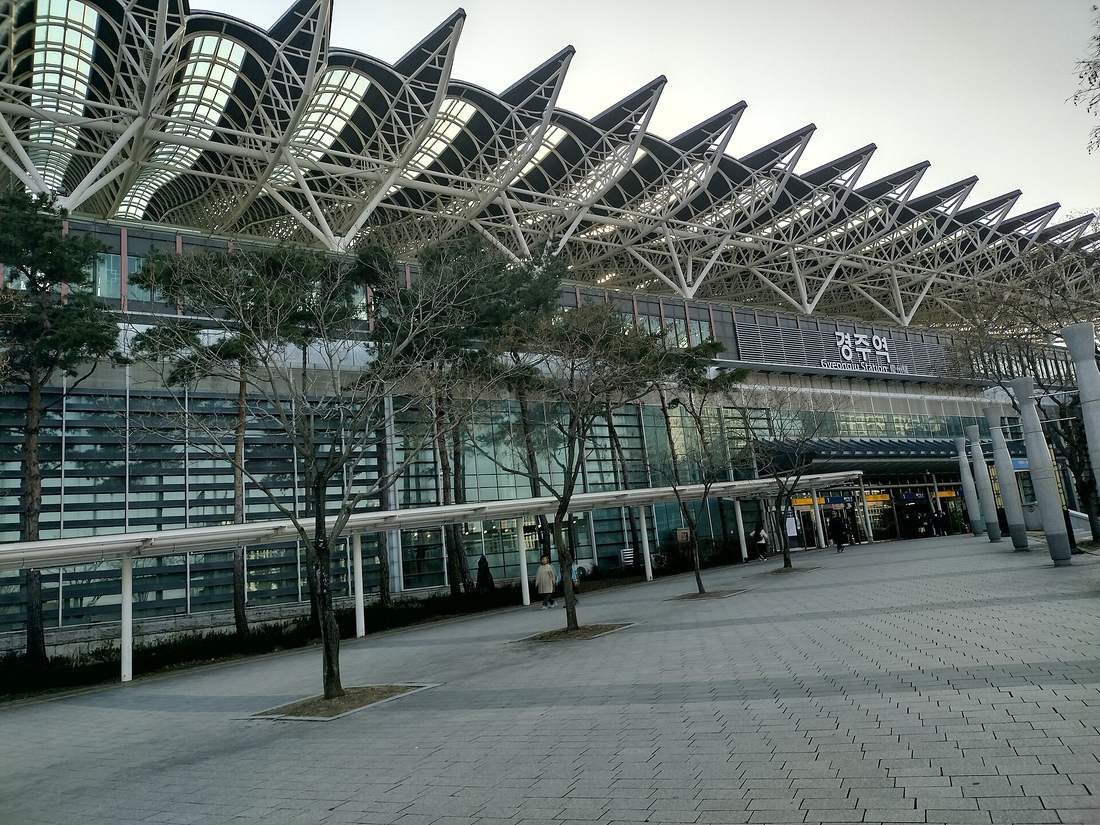
Busan to Gyeongju, Korea: KTX, the Donghae Line Train and the Bus Compared — Fares After the 1 October Bus Rise, Times and Which Station You Arrive At
Busan to Gyeongju costs ₩10,100 by KTX in 27 minutes, or ₩8,400 by bus after today's 9% rise. But the train stops at Gyeongju Station, the old Singyeongju, 30–40 minutes from the tombs; the bus lands downtown.
Korea Train Tickets Open Two Months Ahead From 1 October 2026 — and Buses Rise 9%: Seoul–Busan KTX vs Bus
From 1 October 2026 Korean train tickets go on sale two months ahead, not one — every November trip opens at 10:00 that morning. Bus fare caps rise 9% the same day, and on 5 October only 3 of 32 Seoul–Busan buses are the cheap ₩26,700 class.
Korea's KTX and SRT Merged on 1 September: Cheaper Fares, One App, One Thing to Do First
Korail and SR merged on 1 September and the SRT is now KTX-Sancheon. Seoul-Busan dropped from ₩59,800 to ₩54,400 that day, not gradually. Chuseok booking runs 7-11 September by route, Suseo on the 10th, and an SR-only account cannot book.