Busan to Gyeongju, Korea: KTX ₩10,100 vs Bus ₩8,400, the Donghae Line Train, Times and Which Station You Arrive At
Last updated: 10 November 2026. Train fares and timetables are the national rail timetable data published by the Ministry of Land, Infrastructure and Transport (국토교통부) through the public data portal, read on 10 November 2026 for travel from 10 to 16 November; book in the Korail+ app (코레일+) to confirm. Bus fares, departure times and the boarding bay are from Busan Dongbu Bus Terminal (부산동부버스터미널), which runs the intercity side of Busan Central Bus Terminal at Nopo, read on 10 November 2026; return buses and the Haeundae bus are the same portal's bus timetable data, last updated 4 and 9 November 2026. The 9% bus fare rise of 1 October is from the ministry's 26 August 2026 release and the terminal's notice of 3 September 2026. As of 10 November we found no announced December timetable change for this route from either Korail or the Busan terminal.
The short answer: from Busan Station, take the KTX (₩10,100, 27 to 35 minutes, about 30 trains on a weekday). From the north of Busan, or if you are sleeping near the royal tombs, take the intercity bus from Nopo (₩8,400, about 50 minutes, every 10 to 30 minutes), which stops downtown. The train is quicker on paper, but every train ends at Gyeongju Station, outside the city, with a 30–40 minute city bus still to go.
Ask the same question elsewhere and most English answers say "take the KTX to Singyeongju, it's half an hour." Three things in that sentence are out of date. Singyeongju Station no longer exists by that name. Since 28 December 2023 it has been called Gyeongju Station (경주역), and the old downtown Gyeongju Station that some guides still send you to closed at the end of 2021. Second, the KTX is not the only train: the Donghae Line from Busan's Bujeon station runs KTX-Eum, ITX-Maum and Mugunghwa trains into the same station. Third, intercity bus fares in Korea went up 9% on 1 October 2026, so older pages quote the bus ₩700 too low.
Below are the numbers as of November 2026: what each option costs, how long it really takes, the last ride back, and where each one drops you, which the fare tables leave out.
For Gyeongju's tombs, temples and the Busan side of the trip: Lonely Planet Korea (13th edition), on AmazonAffiliate link. As an Amazon Associate, EpicKor earns from qualifying purchases at no extra cost to you.
Watch the 2-minute episode: Gyeongju Day Trip from Seoul, Korea: About ₩44,500 by KTX, and the One Sight to Skip — KTX Seoul Station to Gyeongju (the old Singyeongju) in about two hours for about ₩44,500 ($33) one way, bus 70 into town, Daereungwon (free since May 2023), Donggung and Wolji after sunset, and the last train back at 10:38 PM.
Quick Guide: Busan to Gyeongju in November 2026
| Option | From (Busan) | To (Gyeongju) | Adult fare | Time | Per day (first–last) | Last back to Busan |
|---|---|---|---|---|---|---|
| KTX | Busan Station (부산역) | Gyeongju Station (경주역) | ₩10,100 | 27–35 min | about 30 Mon–Thu, 36–37 Fri–Sun (05:19–22:16) | 23:46 (arrives 00:13) |
| KTX-Eum (Donghae Line) | Bujeon (부전) | Gyeongju Station | ₩12,500 | 63–75 min | 12 | 22:11 to Bujeon |
| ITX-Maum (Donghae Line) | Bujeon | Gyeongju Station | ₩10,100 | 86–97 min | 8 | |
| Mugunghwa (Donghae Line) | Bujeon | Gyeongju Station | ₩6,800 | 92–101 min | 3 (06:00, 13:38, 20:54) | |
| Intercity bus (우등 deluxe) | Busan Central Bus Terminal, Nopo (노포) | Gyeongju Intercity Bus Terminal, downtown | ₩8,400 (₩7,700 before 1 October) | about 50 min | 49 daytime (06:20–21:30) + a 22:00 night bus at ₩10,100 | 22:40 (listed at ₩10,100) |
| Intercity bus from Haeundae | Haeundae intercity bus stop (해운대시외버스정류소) | Gyeongju Intercity Bus Terminal | ₩11,900 in the current listing | about 1 hr 15 min | 15, hourly (07:20–21:20) | 21:10 |
The line that matters most: the Nopo bus is only ₩1,700 cheaper than the KTX, but the buses are the only options that end in downtown Gyeongju, a walk from the tombs. Every train ends at Gyeongju Station, and from there you still need a 30–40 minute city bus. Choose by where you start in Busan and where you sleep in Gyeongju, not by the fare.
Lonely Planet Korean Phrasebook & Dictionary, pocket phrasebook with a pull-out card This trip turns on three names that look alike in English and are different in Korean: 경주역 (the train station), 경주시외버스터미널 (the bus terminal) and the old station that no longer takes trains. Being able to read and say them is worth more than any app on a city bus with a driver who speaks no English. The current price is on the listing. As an Amazon Associate, EpicKor earns from qualifying purchases at no extra cost to you.
See the Korean phrasebook on AmazonYou might like: Getting Around Korea in 2026: Subway Fares, Last Trains, KTX Booking, Bus Prices and Which App to Use
The station name trap: "Singyeongju" is now Gyeongju Station
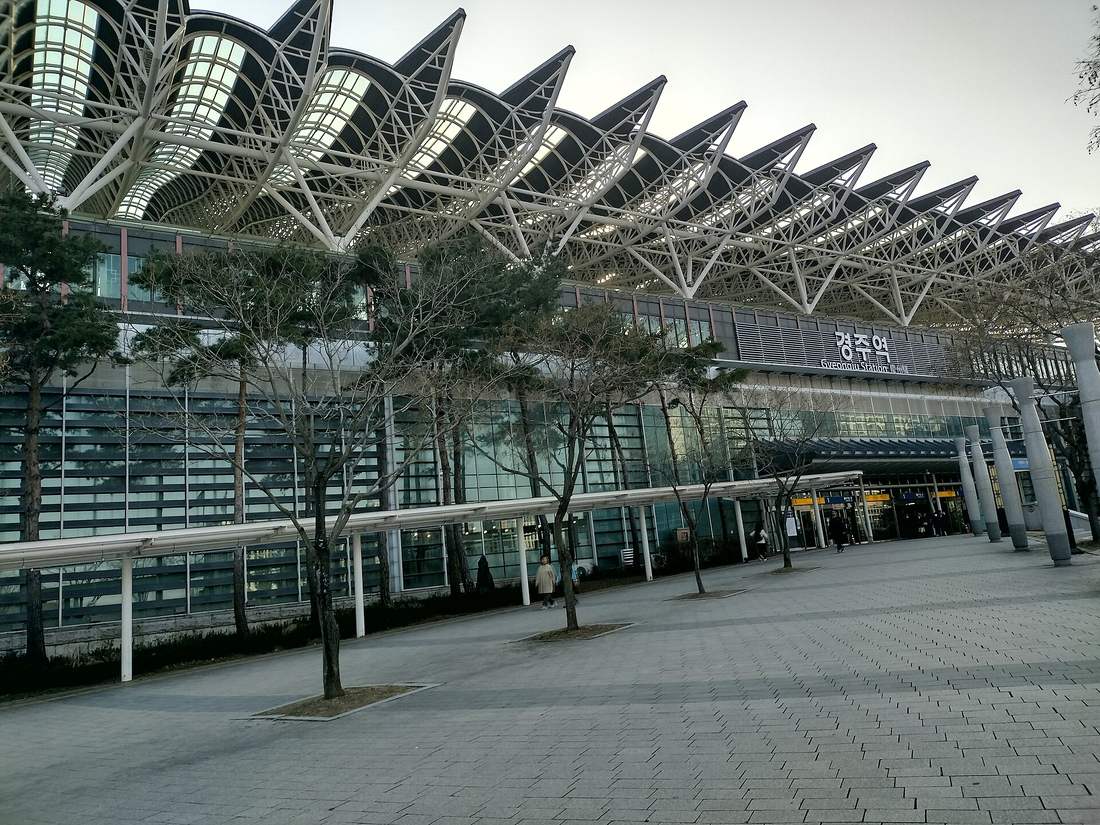
Gyeongju had two railway stations until 2021. The old Gyeongju Station sat in the city centre, in Seongdong-dong, and served slow trains on the Jungang and Donghae lines. Singyeongju (신경주, "New Gyeongju") opened on 1 November 2010 for the KTX, in Hwacheon-ri, Geoncheon-eup, well west of the centre.
At the end of 2021 the Jungang and Donghae lines were rebuilt and rerouted, and the old downtown station closed. Every passenger train now stops at the former Singyeongju, which was renamed Gyeongju Station (경주역) on 28 December 2023, after the ministry confirmed the change in February 2023. Its address is 80 Gyeongjuyeok-ro (경주역로 80).
What this means on the ground:
- In the Korail+ app and on the departure boards, look for 경주 (Gyeongju). There is no "Singyeongju" to select any more.
- Do not walk to the old station downtown expecting a train. Map apps can still show the old building because the site is still there.
- Seogyeongju (서경주) is a different, small Donghae Line station on the west side of the city. A few slow trains stop there; it is not where the KTX goes.
You might like: Gyeongju Travel Guide: Korea's Silla Capital, Temples, and Cafes
By KTX from Busan Station: fastest, ₩10,100
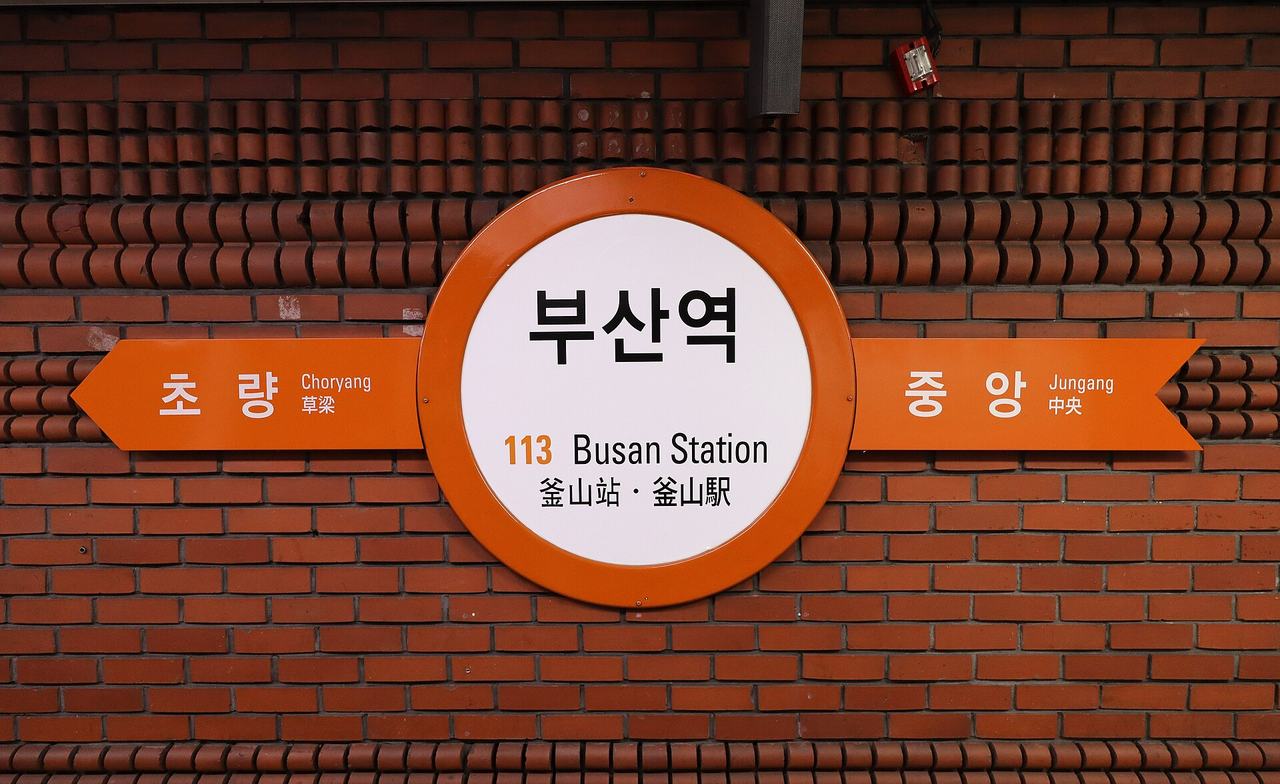
Busan Station (부산역) is the KTX station in the old centre, on Busan Metro Line 1 (station 113), two stops from Nampo. For the week of 10 November the national timetable lists about 30 KTX and KTX-Sancheon departures to Gyeongju on Monday to Thursday and 36 to 37 from Friday to Sunday. On every day the first leaves at 05:19 and the last at 22:16. The ride is 27 to 35 minutes; it is the first stop for some trains, the second for others.
The standard adult fare is ₩10,100, the same as on 1 October; it is the fare in force since Korail and SR merged their high-speed operations on 1 September 2026, a merger that came with a KTX fare cut reported at about 10% on average. Standing or unreserved tickets are listed a little cheaper (₩9,600 southbound to Gyeongju and ₩8,600 northbound in the same data), and a child's seat is ₩5,000.
Coming back, the timetable shows 34 departures from Gyeongju to Busan Station on a weekday (37 Friday to Sunday), from 07:16 to 23:46, which reaches Busan at 00:13. That is later than in October, when the last train left at 23:12, and well after the last Donghae Line train (22:11).
Two practical notes. The KTX is a long-distance train, so seats on Friday evenings and on Saturday mornings can sell out, especially in autumn foliage season; since 1 October Korail sells tickets two months ahead (our guide to the new booking window). And because the trip is so short, a standing ticket is a reasonable fallback, not a disaster.
You might like: Korea Train Tickets Open Two Months Ahead From 1 October 2026 — and Buses Rise 9%: Seoul–Busan KTX vs Bus
By the Donghae Line from Bujeon or Haeundae: slower, and not cheaper
The Donghae Line (동해선) runs north up Busan's east side and along the coast to Ulsan before turning inland to Gyeongju. Since the line was electrified and extended, Korail runs three kinds of train on it from Bujeon (부전), the terminus in central Busan:
| Train | Bujeon → Gyeongju | Sinhaeundae → Gyeongju | Time from Bujeon |
|---|---|---|---|
| KTX-Eum (KTX-이음) | ₩12,500 | ₩10,900 | 63–75 min |
| ITX-Maum (ITX-마음) | ₩10,100 | ₩8,700 | 86–97 min |
| Mugunghwa (무궁화호) | ₩6,800 | ₩5,800 | 92–101 min |
For the week of 10 November the timetable lists 23 trains a day from Bujeon (24 on Saturday and Sunday): 12 KTX-Eum, 8 ITX-Maum and 3 Mugunghwa. The first leaves at 05:11 and the last at 20:54, a Mugunghwa added since October, when the last train left at 19:40. The other two Mugunghwa leave at 06:00 and 13:38. From Sinhaeundae (신해운대), the Donghae Line station for the Haeundae area, there are 15, the last at 21:12. Centum (센텀) has nine, only one of them a KTX-Eum (08:11, ₩11,500); its ITX-Maum fare is ₩9,200.
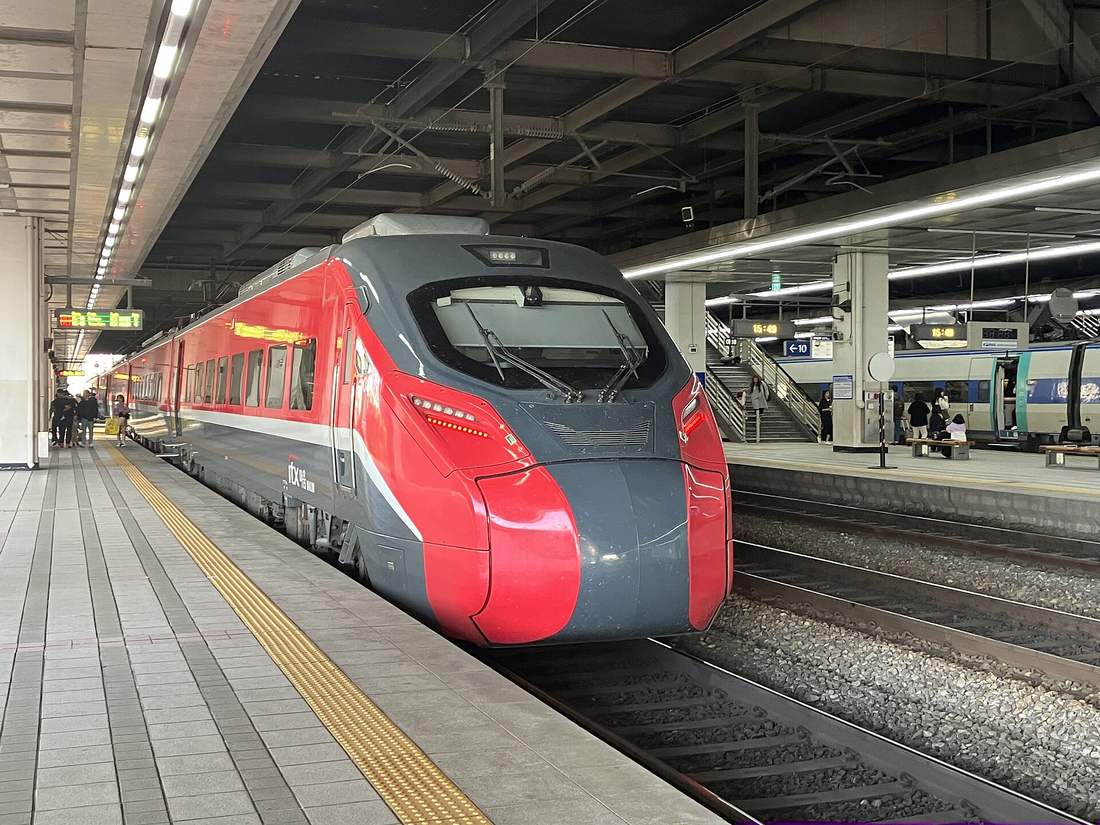
From central Busan, the Donghae Line is slower than the KTX and not cheaper. The ITX-Maum costs exactly the same ₩10,100 as the KTX and takes three times as long, because it follows the coast through Haeundae, Gijang and Ulsan. Only the Mugunghwa is cheaper, and there are three a day.
It earns its place in three cases:
- You are staying in Haeundae or Centum. Sinhaeundae to Gyeongju by KTX-Eum is about 52–55 minutes for ₩10,900, with no trip across town to Busan Station first, but only four of the 15 trains are KTX-Eum (06:09, 12:21, 14:58 and 19:27); eight are ITX-Maum at ₩8,700 and 71–79 minutes, and three are Mugunghwa at ₩5,800. If you would rather end downtown, the hourly intercity bus from the Haeundae bus stop (07:20 to 21:20) takes about 1 hour 15 minutes; its current listing shows ₩11,900, so check the fare on T-money before you rely on it.
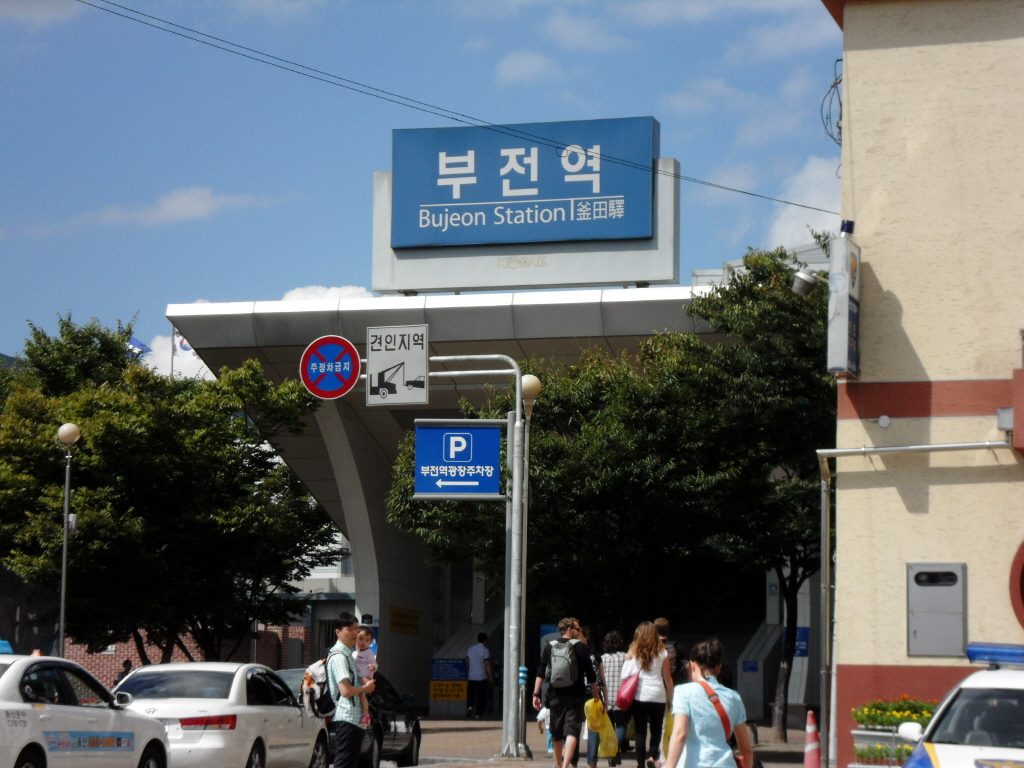
- You are staying near Seomyeon or Bujeon and the KTX times do not suit you. Korail's Bujeon station is next to Bujeon (120) on Metro Line 1, one stop beyond Seomyeon.
- You are continuing north to Pohang, Yeongdeok or the Gangwon coast later; the ITX-Maum carries on to Gangneung (for the Seoul end of that coast, see Seoul to Gangneung and Sokcho by KTX-Eum or bus).
The Donghae Line arrives at the same Gyeongju Station as the KTX, outside the city.
You might like: KTX vs SRT vs Express Bus in Korea: What the Merger Changed
By bus from Nopo: ₩8,400, and it ends downtown
Buses to Gyeongju leave from Busan Central Bus Terminal (부산종합버스터미널) in Nopo-dong, at the northern end of Busan. The building houses two operators: the express-bus side, and Busan Dongbu Bus Terminal (부산동부버스터미널), which runs the intercity buses. Gyeongju is an intercity (시외) route, so it belongs to the second.
On 3 September the terminal posted its notice: under the ministry's raised fare cap, all intercity routes went up 9% from Thursday 1 October 2026, the first rise since 11 July 2023. On 10 November its route page still shows the same Gyeongju fares, and no newer notice has been posted:
| Ticket | Adult | Middle/high school | Child |
|---|---|---|---|
| Deluxe (우등), daytime | ₩8,400 | ₩6,700 | ₩4,200 |
| Deluxe, 22:00 night bus (심야) | ₩10,100 | ₩8,100 | ₩5,100 |
The daytime adult fare was ₩7,700 until 30 September; ₩7,700 plus 9% is ₩8,393, so ₩8,400 is the full rise, rounded. Every departure is listed as a deluxe (우등) bus with wide recliners. Some of these buses run through to Pohang after Gyeongju.
The timetable is dense: 49 daytime departures from 06:20 to 21:30, every 10 to 30 minutes, plus the 22:00 night bus. Buses leave from bay 27 (27번 승차홈). The ride is listed at 50 minutes in the national bus timetable data (the terminal itself does not publish a running time); it uses the expressway, so a Friday evening or a foliage-season Saturday can add to that. Coming back, the same data lists 50 buses a day from Gyeongju to Nopo, from 07:00 to 22:40; the 22:40 departure is listed at ₩10,100, and the 22:10 is the last at ₩8,400.
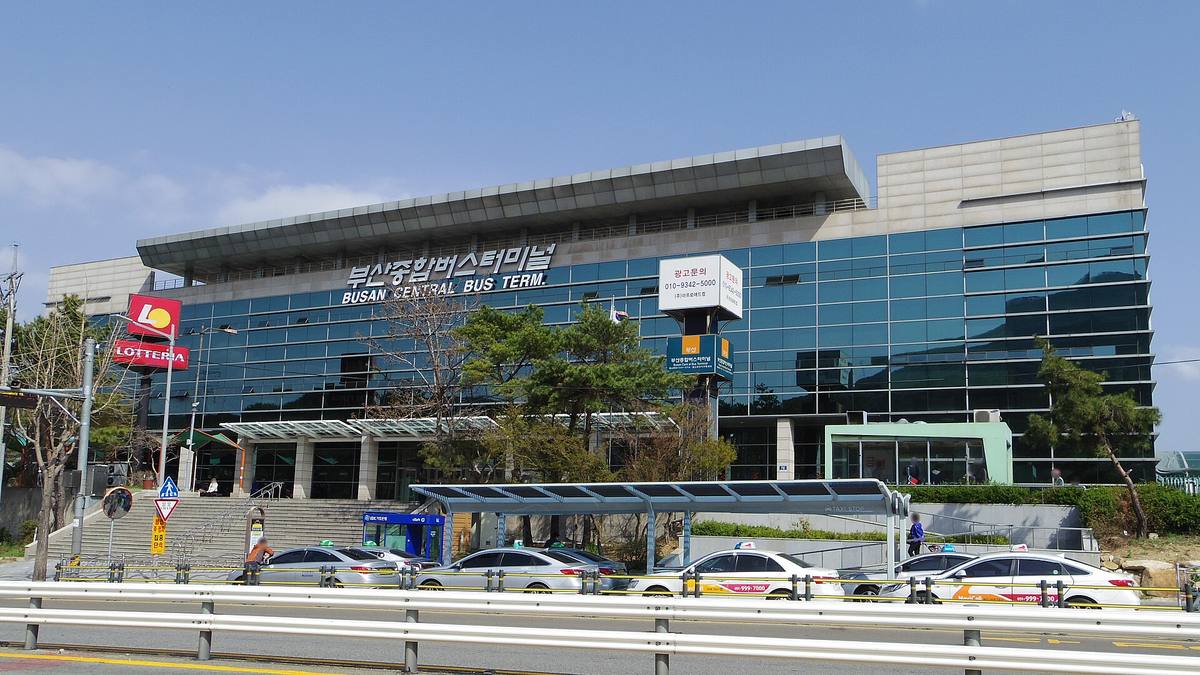
Tickets: at the counter or machines in the terminal, or online through T-money's intercity booking service (txbus.t-money.co.kr, or the T-money GO app). The Busan terminal itself says it only publishes the timetable; refunds for online tickets go through T-money (1644-3070).
The catch is the Busan end. Nopo is station 134, the last stop on Line 1: 21 stops from Busan Station and 15 from Seomyeon. Add most of an hour on the metro if you are staying in the centre or the south of the city.
Where you arrive decides the real journey time
The fare comparison leaves this out.
By train, you arrive at Gyeongju Station in Geoncheon-eup, outside the city. City buses 50, 51 and 70 run from the station toward downtown and the Gyeongju express and intercity bus terminals in Noseo-dong; since July 2026 the routes serving the station make about 211 runs a day between them. Budget 30–40 minutes on the bus. For Bomun Lake, the station's direct bus is the 710 (via the bus terminals, Hwangnidan-gil and Bunhwangsa to Gyeongju World; 12 runs a day on the operator's timetable dated 14 September 2023). For Bulguksa, the 711 goes via the National Museum and Tongiljeon and does not stop at Bomun (10 runs a day, timetable dated 27 February 2023); the 700 passes Bomun on its way to Bulguksa and the coast but runs only four times a day. These timetables predate the July 2026 route change, so check live times in Kakao Map or Naver Map before boarding.
Do not take a taxi from Gyeongju Station into town unless you have checked the fare. Gyeongju applies a 55% "combined surcharge" (복합할증) (set in 2019 and kept unchanged when the city raised its base taxi fare from ₩4,000 to ₩4,500, and shortened the base distance from 2 km to 1.7 km, on 1 February 2026) on taxi rides that start or end outside a radius of roughly 5 km around the Gyeongju Arts Center, and the station is outside it. Korean users put the station-to-downtown fare at around ₩20,000, and more to Bomun. That is double the KTX ticket. Our guide to where to stay in Gyeongju compares the downtown, Bomun and station areas in detail.
By bus, you arrive at Gyeongju Intercity Bus Terminal (경주시외버스터미널), next door to the express bus terminal on the western edge of the centre. From there Daereungwon (the big royal tombs) and Hwangnidan-gil are roughly 1.2–1.5 km away, a walk of about 15–20 minutes by our estimate, and most local buses to Bulguksa and Bomun leave from the stops outside.
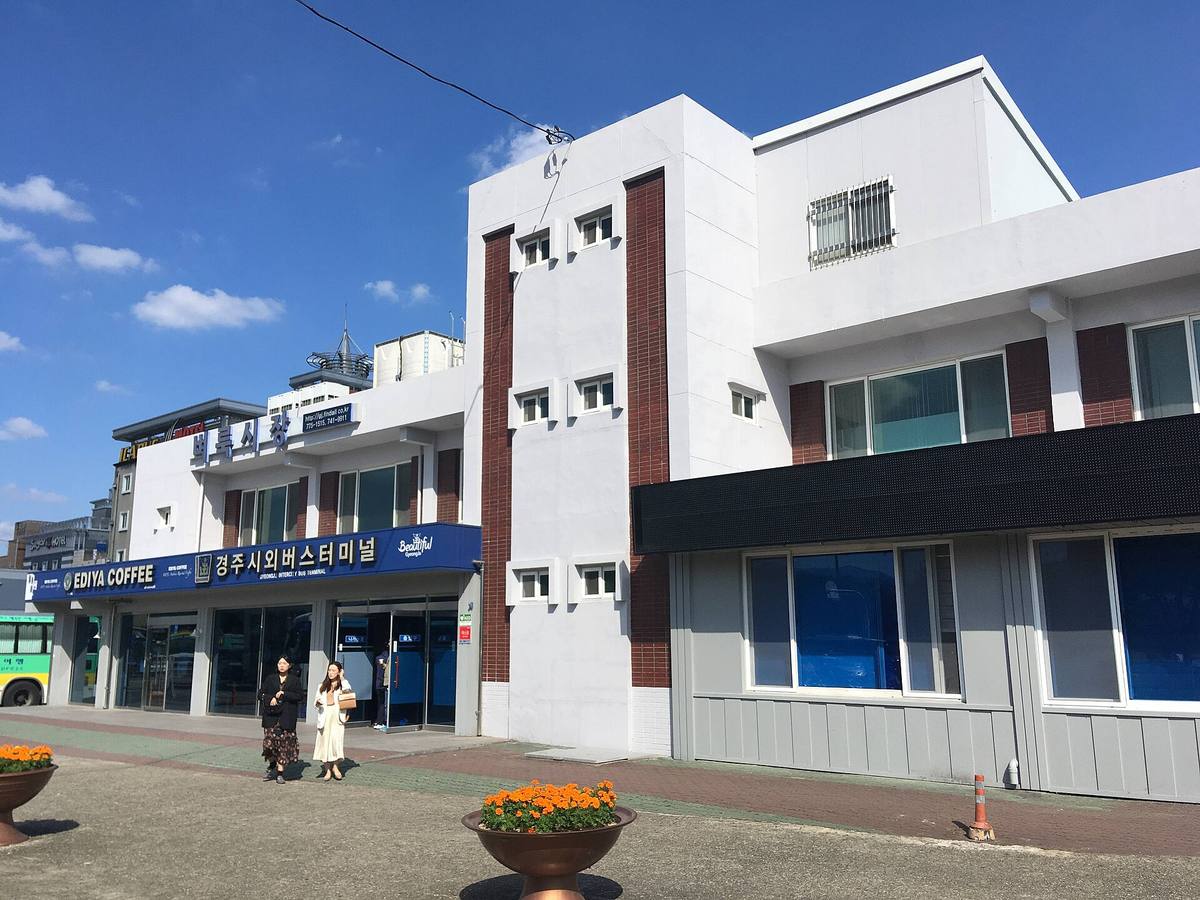
Here is what that does to door-to-door times. These are EpicKor estimates built from the timetables above, metro running times and the city-bus figure; real times depend on connections.
| You start near… | Train + city bus to downtown | Intercity bus to downtown | Better choice |
|---|---|---|---|
| Busan Station / Nampo | about 1 hr 15 min (₩10,100 + bus fare) | about 1 hr 45 min (metro to Nopo + ₩8,400) | KTX |
| Seomyeon | about 1 hr 25 min | about 1 hr 35 min | Close — KTX if your hotel is in Bomun, bus if it is downtown |
| Haeundae | Donghae Line from Sinhaeundae: about 1 hr 30 min to downtown on a KTX-Eum (four a day), about 2 hr on an ITX-Maum | Haeundae intercity bus: about 1 hr 15 min, straight to downtown (hourly) | Donghae Line for Bomun; the Haeundae bus for downtown |
| Busan National University / Beomeosa (north) | long ride south to Busan Station | about 1 hr 10 min | Bus |
Gyeongju hotels on Agoda — decide between downtown and Bomun before you pick the train or the bus A downtown base near Daereungwon and Hwangnidan-gil makes the Nopo bus the easy choice; a Bomun Lake resort makes the KTX plus a 710 bus the easier one. Pick the neighbourhood first, then the ticket. EpicKor may earn a commission if you book through this Agoda link, at no extra cost to you. Confirm dates, taxes, cancellation terms and the final price on Agoda before booking.
Compare Gyeongju stays on AgodaYou might like: Jeju, Busan, or Gyeongju: Korea Travel Triangle Guide
Day trip or overnight: what the last departures allow
Gyeongju works as a day trip from Busan, but the last departures decide how long your day is:
- Last KTX, Gyeongju → Busan Station: 23:46, arriving 00:13 (the 23:12 is the one before it). That is after Busan Metro's last trains, so plan a taxi from Busan Station. Leave time, too, for the city bus to Gyeongju Station. Gyeongju's city buses do not run as late as the trains, so a late evening at Donggung Palace and Wolji Pond may mean that taxi after all.
- Last Donghae Line train, Gyeongju → Bujeon: 22:11.
- Last bus, Gyeongju → Nopo: 22:40 (listed at ₩10,100); the 22:10 is the last at ₩8,400. Remember Nopo is a long metro ride from the south of Busan late at night. The last bus to Haeundae leaves Gyeongju at 21:10.
If you want Bulguksa and Seokguram as well as the central tombs, that is two clusters of sights a long bus ride apart, and an overnight stay is the calmer plan. Our 7-day Seoul, Gyeongju and Busan itinerary gives Gyeongju two days for this reason.
Doing Gyeongju as a day trip from Seoul instead? The KTX is about ₩44,500 and two hours each way, the express bus ₩36,700 and nearly four, and the last KTX back to Seoul leaves at 22:38; our Seoul to Gyeongju guide has the full timetable. Many visitors do Seoul → Gyeongju → Busan in one line, with this page as the last leg.
You might like: 7-Day Korea Itinerary: Seoul, Gyeongju, and Busan by KTX
Mistakes to avoid on this route
- Searching for "Singyeongju" in the booking app. It is 경주 / Gyeongju now. A ticket to "Gyeongju" is the right one.
- Assuming the Donghae Line is the budget option. From Bujeon, only the three daily Mugunghwa trains are cheaper than the KTX; the ITX-Maum costs the same and takes an hour longer. From Sinhaeundae (₩8,700) and Centum (₩9,200) the ITX-Maum is cheaper, but still slower than the KTX.
- Assuming the bus is the slow option. At about 50 minutes to downtown it can beat the KTX door to door, if you start in the north of Busan or sleep near the tombs.
- Taking a station taxi to Bomun. The combined surcharge makes it one of the dearest short rides in the region.
- Quoting the old bus fare. English sites listing ₩7,700 for the bus are ₩700 short since 1 October; the 22:00 night bus is ₩10,100, the same as the KTX.
You might like: Does Google Maps Work in Korea? Naver Map and Kakao T
FAQ
Q: How much is the KTX from Busan to Gyeongju? A: ₩10,100 for a standard adult seat from Busan Station to Gyeongju Station in the national timetable data for November 2026, unchanged since 1 October; the KTX fare cut that came with the KTX–SRT merger took effect on 1 September. The trip takes 27 to 35 minutes, with about 30 departures on a weekday and 36 to 37 from Friday to Sunday, between 05:19 and 22:16.
Q: How much is the bus from Busan to Gyeongju after the 1 October 2026 fare rise? A: ₩8,400 for an adult on the daytime deluxe buses from Busan Central Bus Terminal at Nopo, up from ₩7,700 before 1 October, and ₩10,100 on the 22:00 night bus. The Busan Dongbu Bus Terminal, which runs the route, lists 49 daytime departures between 06:20 and 21:30 from bay 27, taking about 50 minutes. The last bus back from Gyeongju leaves at 22:40.
Q: Is Singyeongju Station the same as Gyeongju Station? A: Yes. The KTX station opened in 2010 as Singyeongju and was renamed Gyeongju Station (경주역) on 28 December 2023, after the old downtown Gyeongju Station closed at the end of 2021. All KTX and Donghae Line trains from Busan stop there, in Geoncheon-eup, 30–40 minutes from downtown by city bus.
Q: Should I take the Donghae Line train from Busan to Gyeongju? A: Only if you start in Haeundae or Centum, or want the cheap Mugunghwa from Bujeon (₩6,800, three a day). From Bujeon the ITX-Maum costs ₩10,100, the same as the KTX from Busan Station, and takes about 90 minutes; the KTX-Eum is ₩12,500 and about an hour. From Sinhaeundae the KTX-Eum takes under an hour for ₩10,900, but only four run a day; the ITX-Maum is ₩8,700 and about 75 minutes, and from Centum it is ₩9,200 — both cheaper than the KTX, but slower.
Q: What time is the last train or bus from Gyeongju back to Busan? A: The last KTX leaves Gyeongju Station for Busan Station at 23:46 and arrives at 00:13. The last Donghae Line train to Bujeon leaves at 22:11, and the last intercity bus to Nopo leaves Gyeongju Intercity Bus Terminal at 22:40 (listed at ₩10,100), in the timetable data for November 2026.
Q: Which is better, train or bus, from Busan to Gyeongju? A: The KTX if you start near Busan Station or are staying at Bomun Lake; the bus if you start in the north of Busan or are staying near the tombs and Hwangnidan-gil, because the bus ends downtown and the trains do not.
Sources
- Train fares, departure counts and times for 10–16 November 2026: national rail timetable data published by the Ministry of Land, Infrastructure and Transport through the public data portal, as displayed by train.asamaru.net and read on 10 November 2026 — Busan Station → Gyeongju, Gyeongju → Busan Station, Bujeon → Gyeongju, Gyeongju → Bujeon, Sinhaeundae → Gyeongju and Centum → Gyeongju. October comparisons are from the same data for 1 October 2026. Fares and times were cross-checked on train.asamaru.net (MOLIT public data), not read on Korail's own site; confirm on KORAIL (letskorail.com) or in the Korail+ app before travel.
- Bus fares, departure times and bay number: Busan Dongbu Bus Terminal (부산동부버스터미널) route information for 동부산 → 경주, read 10 November 2026, and its notice "2026년 10월 1일부 시외버스 요금 인상 안내", 3 September 2026 (9% on all intercity routes; previous rise 11 July 2023; still the latest notice on 10 November). Previous ₩7,700 fare: Nopo–Gyeongju schedule listing updated 12 July 2026 (bustime.co.kr).
- Return buses, Gyeongju → Nopo (50 a day, 07:00–22:40, 50 minutes): public data portal bus timetable as displayed by transportation.asamaru.net, updated 9 November 2026; Haeundae → Gyeongju bus (15 a day, ₩11,900, 1 hr 15 min; last return 21:10): same source, updated 4 November 2026.
- Ministry of Land, Infrastructure and Transport, "시외·고속버스 운임 상한 조정", 26 August 2026: 9% cap rise for intercity and express buses from 1 October.
- KTX–SRT merger and KTX fare reduction (about 10% on average) from 1 September 2026; extra Gyeongju Station services: Kyongbuk Maeil (경북매일), 2 and 6 August 2026.
- Singyeongju renamed Gyeongju Station from 28 December 2023: Kyongbuk Maeil, 29 December 2023; old Gyeongju Station's closure at the end of 2021: Seoul Shinmun, 17 August 2021.
- Gyeongju taxi combined surcharge of 55% outside about 5 km of the Gyeongju Arts Center: Kyongbuk Maeil on the 2019 taxi fare revision, its 4 December 2025 report on the Gyeongbuk base-fare rise, and Twig24, 26 January 2026 on Gyeongju's base fare rising from ₩4,000 to ₩4,500 and the base distance shortening from 2 km to 1.7 km on 1 February 2026, with the surcharges unchanged; station bus routes (about 211 runs a day since July 2026): Financial News, 9 July 2026; station bus routes and the station-to-downtown taxi estimate: Namu Wiki's Gyeongju Station article (Korean), read 1 October 2026.
- Busan Metro Line 1 station numbers: Busan Transportation Corporation line data.
The short version: from Busan Station, take the ₩10,100 KTX and the city bus; from the north of Busan, or for a bed near the tombs, take the ₩8,400 bus from Nopo and step off downtown. Either way, the last ride back is the 23:46 KTX or the 22:40 bus.
You Might Also Like
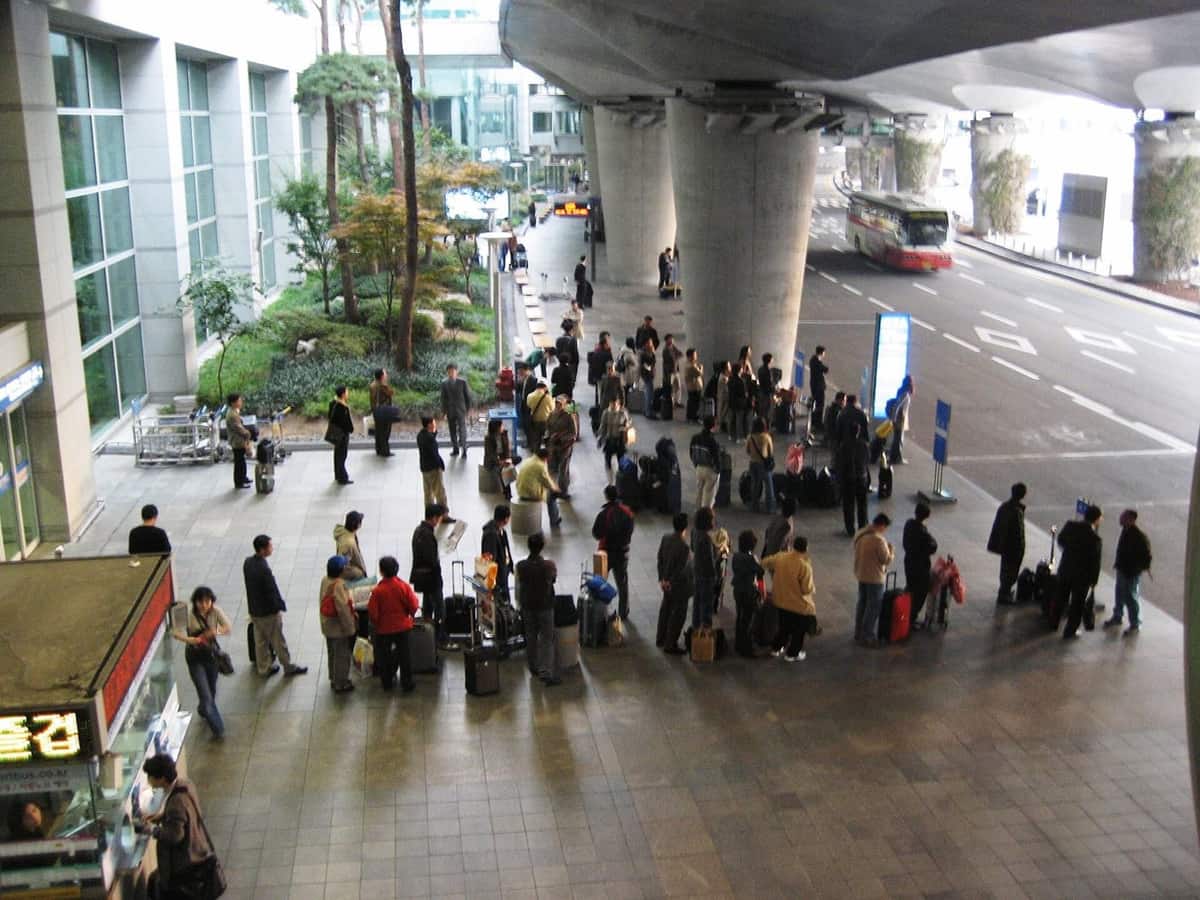
Incheon Airport to Busan, Korea: Direct Bus, AREX + KTX or a Flight to Gimhae — Fares, Hours and the Last Departure
Yes, a direct bus runs from Incheon Airport to Busan: 18 a day, the last at 23:50, ₩53,900 to ₩91,300, from 4 h 41 min. AREX + KTX costs about ₩67,400 and reaches Busan Station faster. Flights to Gimhae, the last departures and late landings, compared.
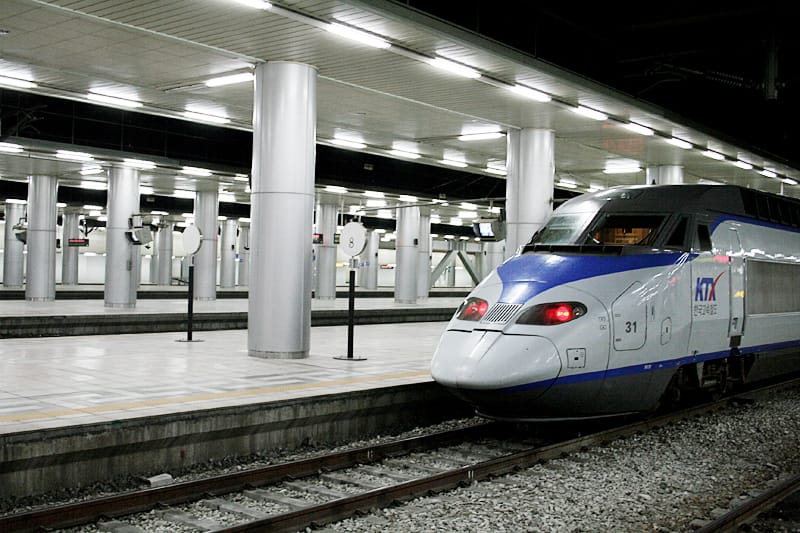
KORAIL PASS: Is Korea's Rail Pass Worth It? The Break-Even Against Real KTX Fares
The KORAIL PASS now sells only 2- to 5-day select passes, ₩131,000 to ₩275,000, used within 10 days. Since the rail merger Seoul–Busan is ₩54,400, less than any pass costs per day, so it pays only on days you ride two long legs.
Getting Around Korea in 2026: Subway ₩1,550, Last Trains Before 1 a.m., KTX Seats Two Months Ahead and Buses 9% Dearer — the Numbers, the Apps and Which Guide to Read
Getting around Korea, in official numbers as of October 2026: subway ₩1,550, last trains 00:40–00:58 on weekdays, KTX seats on sale two months ahead, Seoul–Busan ₩54,400 by KTX or ₩43,300 by bus after the 1 October rise.