KTX vs SRT vs Express Bus in Korea: What the Merger Changed
Updated 1 September 2026 — KTX vs SRT is no longer a question. Korail and SR merged today. SRT is now KTX-산천 (KTX-Sancheon), both fleets sell in one app, and KTX fares fell about 10% — Seoul–Busan ₩59,800 → ₩54,400. Details: the merger, explained.
KTX vs SRT vs express bus in Korea was one of the most practical decisions you made after landing. As of 1 September 2026, one third of that question is gone — and understanding what replaced it is worth more than any speed chart.
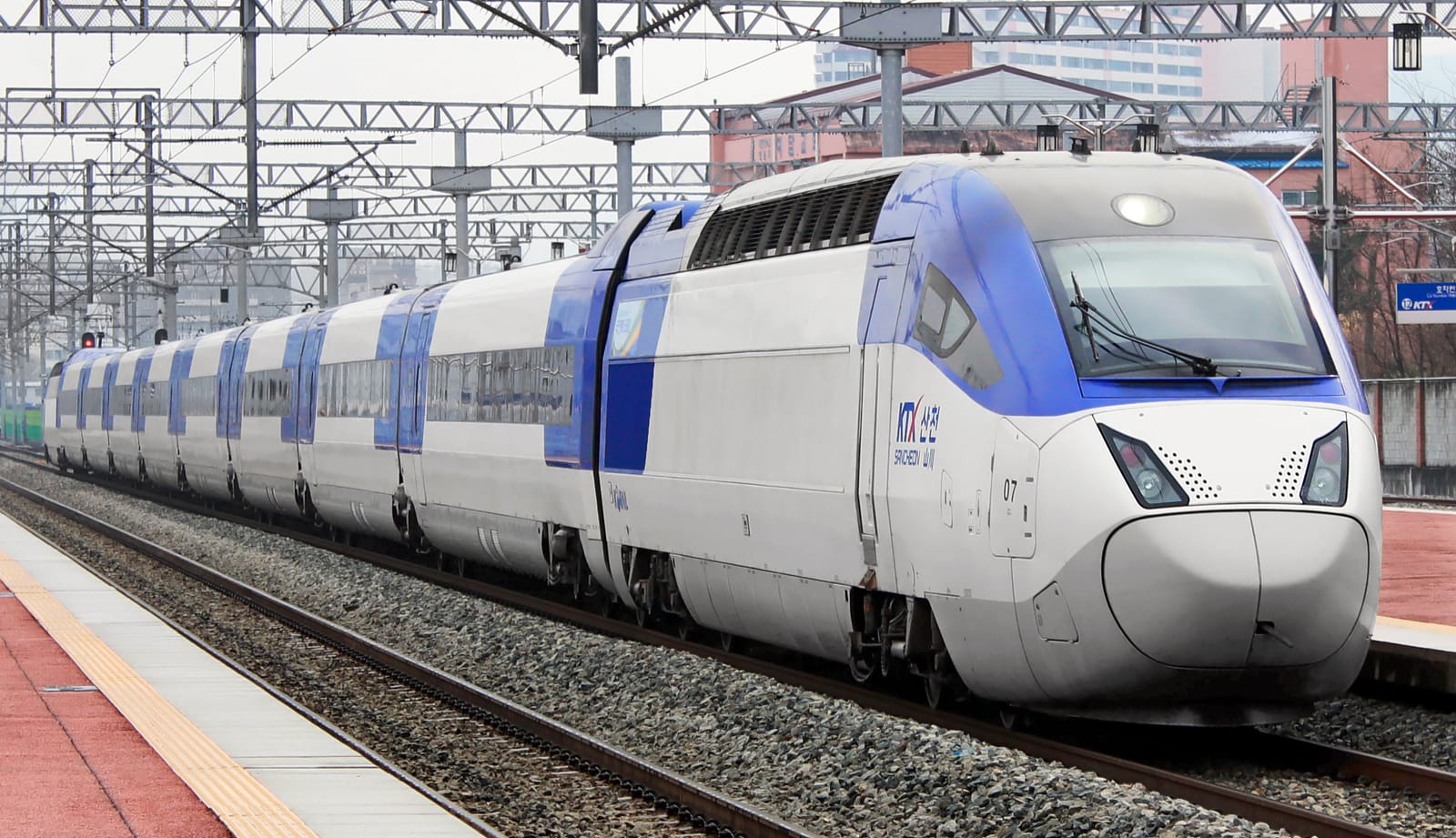
Korail and SR merged. There is no longer a rival high-speed operator: the trains that ran as SRT now run as KTX-Sancheon, out of the same station they always used, sold in the same app as everything else. If you searched "KTX vs SRT" and landed here expecting a winner, the honest answer is that the two options you were comparing are now the same company charging the same fare.
That sounds like the article should be shorter. It is the opposite. The operator comparison was always the least useful half of this decision — it was a proxy for the question that actually decides your day, which is which station you leave from. That question did not merge away. It got sharper, because you can now see both stations' departures side by side in one search and the fare no longer nudges you toward one of them.
So the short version is now: leave from Seoul Station or Yongsan if you are staying north, west, or central; leave from Suseo if you are staying in Gangnam, Jamsil, or Songpa; take an express or intercity bus when the train station is inconvenient, seats are sold out, or your destination is better served by a terminal than a rail stop.
This guide is written for travelers, not train collectors. It focuses on the decision you actually need to make: how to move between Korean cities without losing half a day to the wrong station, the wrong terminal, or a booking assumption that only works for locals.
Quick Answer: Which One Should You Choose?
Start with your departure point, not the vehicle. Since the merger this is not merely good advice — it is the only variable left on the rail side.
Seoul Station or Yongsan if you are staying near central Seoul, Myeongdong, Hongdae, Jongno, or anywhere that connects cleanly to those two. Suseo if you are staying in Gangnam, Jamsil, Songpa, COEX, Samseong, or southern Seoul. An express bus when your destination is not centred on a train station, when seats are sold out, or when you want a cheaper direct ride to a city terminal.
Here is the decision matrix, rebuilt around stations rather than operators:
| Choice | Best For | Main Seoul Departure Logic | Watch Out For |
|---|---|---|---|
| KTX from Seoul Station / Yongsan | Major-city rail trips, classic Seoul-Busan routes, rail passes, central and northern Seoul stays | Seoul Station, Yongsan, Cheongnyangni depending on the line | Popular times sell out; some cities still require a local transfer after arrival |
| KTX-Sancheon from Suseo (this is what SRT became) |
High-speed rail from southern Seoul, Gangnam-side stays, clean Suseo access | Suseo Station, with Dongtan and Pyeongtaek-Jije on the same corridor | Suseo may be inconvenient if your hotel is north or west of central Seoul |
| Express or intercity bus | Smaller cities, direct terminal arrivals, sold-out trains, cheaper routes, flexible regional travel | Seoul Express Bus Terminal, Central City, Dong Seoul, Nambu, and other terminals | Traffic can change the real arrival time; terminal names can confuse first-time visitors |
Anker 10,000mAh power bank — on AmazonAffiliate link. As an Amazon Associate, EpicKor earns from qualifying purchases at no extra cost to you.
Rail booking is now one place. Use Korail's English booking site or the 코레일+ (Korail+) app, which shows Seoul Station and Suseo departures in the same search — the single most useful practical consequence of the merger, because you no longer have to price two websites against each other to find out which station is better for you. (Note the old letskorail.com address now redirects to korail.com; update any bookmark.) The former SR site is still reachable on day one of the merger, but it is the leg that is being retired — do not build a habit on it.
For buses, use services such as T-money TxBus or Bustago. If an English page is temporarily unavailable, do not rely on an old screenshot from a blog — and during a merger week, blog screenshots go stale unusually fast. Check the official app, station counter, or terminal counter before locking your day.
What the Merger Actually Changed, in Numbers
Three things changed on 1 September 2026, and only one of them is the name.
Fares fell, all at once. KTX was the more expensive of the two; it was brought down to the old SRT level rather than meeting in the middle. This was a step change on the day, not a phased reduction:
| Route | KTX before | From 1 September | You save |
|---|---|---|---|
| Seoul – Busan | ₩59,800 | ₩54,400 | ₩5,400 |
| Yongsan – Gwangju Songjeong | ₩46,800 | ₩42,000 | ₩4,800 |
There are more trains. Weekday high-speed departures went from 379 to 402 a day, weekends from 431 to 457 — 23 and 26 extra services, split between Seoul Station and Suseo. That is about 116,000 extra seats a week (15,679 added on weekdays, 17,655 at weekends). For a traveller this matters most on the days that used to sell out.
Changing a ticket got dramatically easier, and almost nobody outside Korea knows this. Under the old SRT rules you could change a ticket only within a narrow same-day window. On the merged system a booking can be changed to a departure up to seven days before or after the original, right up to 30 minutes before departure, with no change fee. If your Korea itinerary is the kind that shifts by a day, this is a bigger practical gain than the ₩5,400.
What did not change: the stations, the tracks, the journey times, or which part of Seoul each station is convenient for. That is why the rest of this guide still stands.
Seoul Station and Yongsan: Best When Central Seoul And Major Rail Routes Fit
KTX is Korea's most famous high-speed rail option, and for many tourists it is the easiest answer. Seoul to Busan by KTX is a classic first-timer route because it is fast, frequent, and connected to stations that tourists already understand. KTX also serves major cities such as Daejeon, Daegu, Gyeongju, Ulsan, Pohang, Mokpo, Yeosu, Gangneung, and others depending on the line.
The main advantage is not just speed. It is predictability. Trains are less exposed to highway traffic, station signs are usually clear, and major stations have food, lockers, taxis, subway links, and enough passenger flow that you do not feel stranded.
The main disadvantage is that "KTX goes there" does not always mean "KTX drops you where you want to be." Some stations are outside the historic or tourist center. Singyeongju Station, for example, is useful for Gyeongju but still requires a local transfer. Busan Station is excellent for central Busan and port-side routes, but Haeundae still needs a subway, taxi, or bus transfer. Mokpo, Yeosu, Gangneung, and other cities each have their own final-mile reality.
Use KTX when:
- Your hotel connects easily to Seoul Station, Yongsan, or the relevant Korail departure station.
- You are doing a long route where traffic risk would annoy you.
- You want a predictable travel day with less decision-making.
- You are traveling around holidays and want a reserved seat as early as possible.
- You plan to work, read, or rest during the ride.
Avoid assuming Seoul Station is the default. If you are staying in Gangnam and going to Busan, a departure from Suseo may save you more time than crossing Seoul to reach Seoul Station — and since the merger, one search shows you both, so there is no longer any excuse for missing it. If you are going to a smaller city whose bus terminal is central but whose train station is far away, a bus may be more useful even if the train looks faster on paper.
Build the intercity travel kit before the station day: As an Amazon Associate, EpicKor may earn from qualifying purchases. Before a long rail or bus ride, compare portable power banks, travel document organizers, and travel card pouches. Long-distance travel is easier when your ticket, passport, cards, and battery are not scattered.
See portable power banks on AmazonSuseo: Best When It Is Actually Easier Than Seoul Station
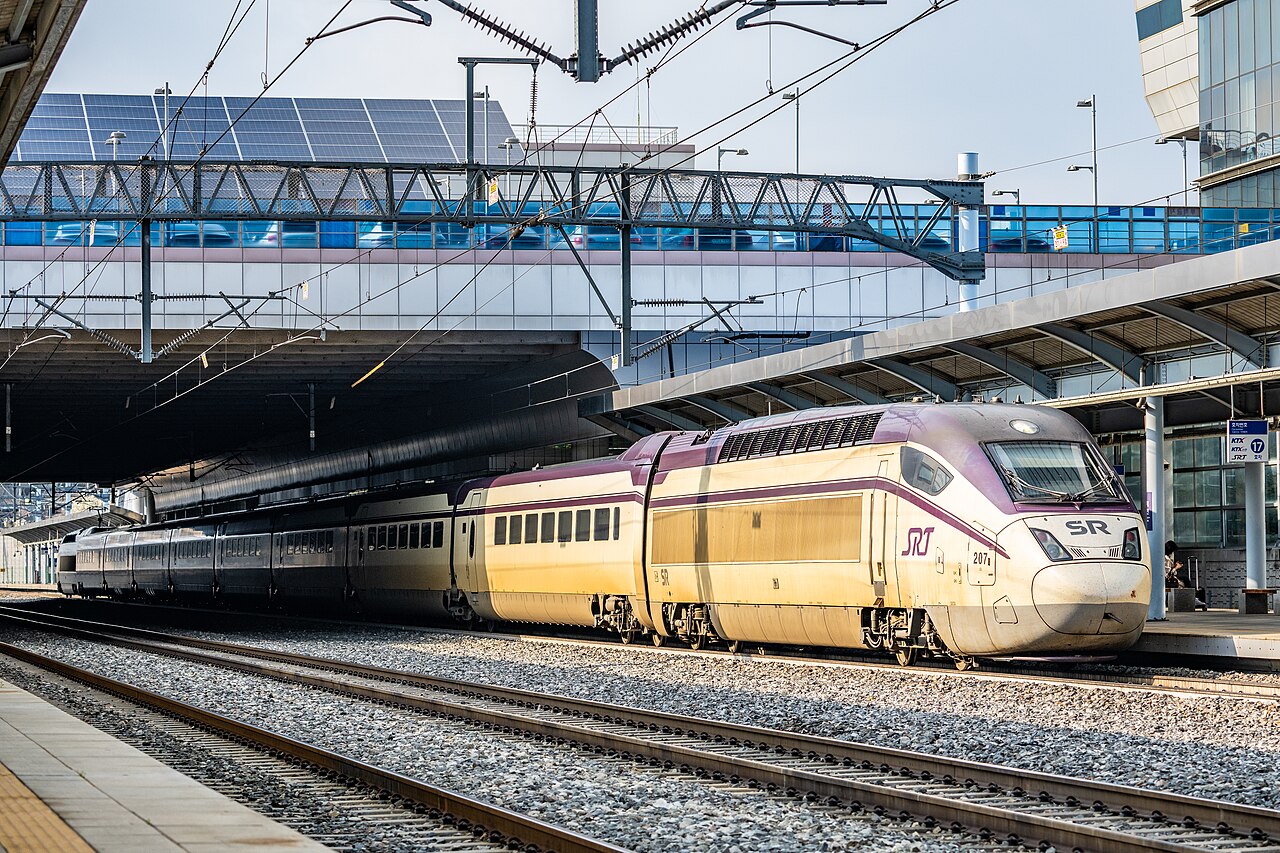
Suseo is the departure point most visitors miss, because they search "Seoul Station to Busan" and stop there. That was a mistake before the merger and it is a slightly worse one now — the fare gap that used to be the reason people found SRT is gone, so nothing prompts you to discover Suseo except knowing it exists.
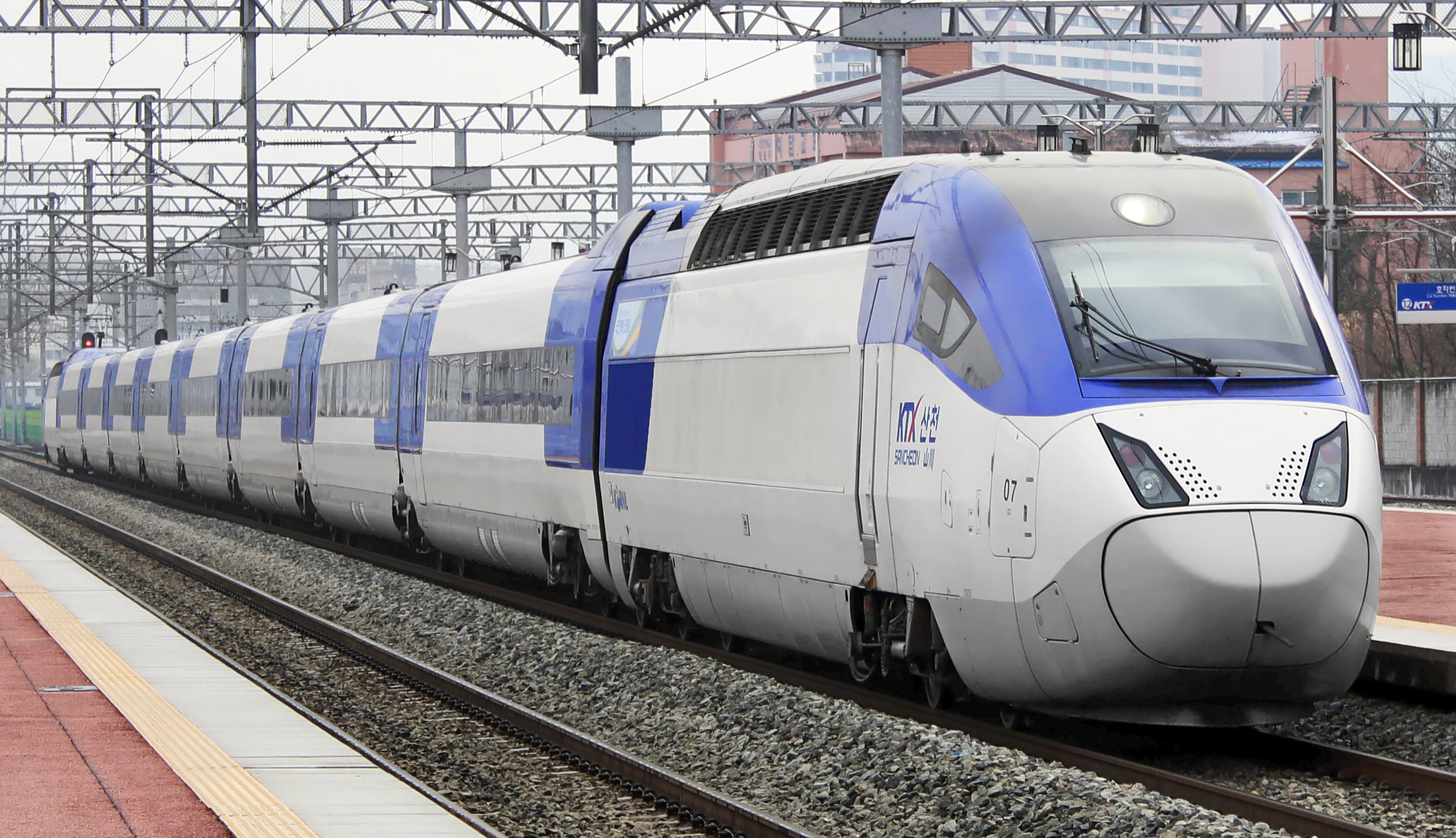
These are the trains that were called SRT until 1 September 2026. They are now KTX-Sancheon, run by Korail, and they leave from the same place they always did. For travellers staying near Gangnam, Jamsil, Songpa, COEX, Samseong or southern Seoul, Suseo can be far more convenient than crossing the city to Seoul Station.
The important question was never "Is SRT better than KTX?" — and now it cannot even be asked. The real question is the one it was always standing in for: "Which station makes my whole door-to-door route cleaner?"
If you are staying in Hongdae, Myeongdong, Euljiro, Jongno, or near Seoul Station, going to Suseo adds unnecessary subway time. If you are staying in Gangnam or Songpa, leaving from Seoul Station forces you to cross the city before your intercity trip even begins.
Suseo is especially worth checking for:
- Seoul to Busan when you are staying near Gangnam or Songpa.
- Seoul to Daejeon, Daegu, Ulsan, Gwangju-Songjeong, Mokpo, Jeonju, or other stations on that corridor.
- Trips where Seoul Station seats are scarce but the Suseo corridor still has usable times — and with 23 to 26 extra daily services now split across both, this happens more often than it used to.
- Return trips into southern Seoul when you do not want to arrive at Seoul Station late at night.
There are two cautions, and the merger removed neither. First, the two corridors still do not stop at identical stations on every route — one company now, but not one route map, so do not assume a Seoul Station departure has a Suseo twin. Second, Suseo is not a casual "same Seoul station" substitute. Seoul is large. A cheap or fast intercity ticket can become a bad choice if you need a long local transfer before sunrise.
Express Bus: Best When The Terminal Is The Real Destination
Korea's express and intercity bus network is underrated by visitors who only read high-speed rail guides. Buses matter because many Korean cities, towns, festivals, beaches, temples, and regional food destinations are easier from a bus terminal than from a train station.
Express buses are also practical when trains sell out during peak travel, weekends, Chuseok, Seollal, spring flower season, summer beach season, or big event periods. A bus may take longer than high-speed rail, but it can still win if it goes directly where you need to be.
The big difference is traffic. Trains usually give you a more predictable ride time. Buses depend on road conditions, weather, holiday flow, and city traffic near terminals. That does not make buses bad. It means buses are better for routes where directness matters more than theoretical speed.
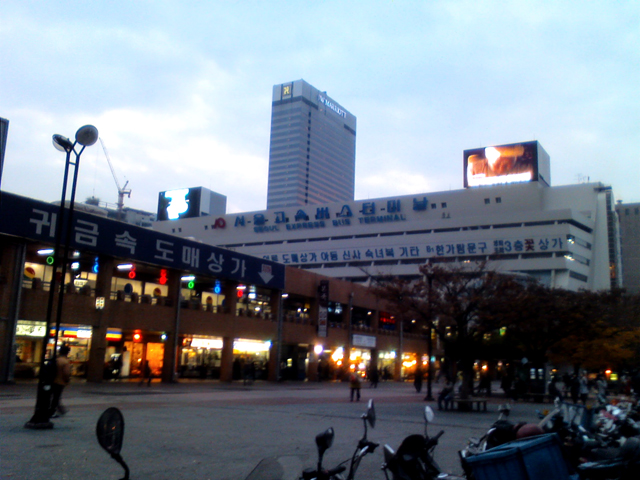
Seoul has multiple bus terminals. This is where first-time visitors get caught. "The bus terminal" may mean Seoul Express Bus Terminal, Central City, Dong Seoul Terminal, Nambu Terminal, or another departure point. A ticket that says one terminal is not automatically interchangeable with another. Check the Korean name, English name, subway station, and neighborhood before you leave your hotel.
Use a bus when:
- Your destination's bus terminal is closer than its train station.
- High-speed rail tickets are sold out or inconvenient.
- You are going to a smaller city, coastal town, temple area, or festival.
- The bus route is direct and avoids a train-plus-local-bus transfer.
- You prefer a cheaper ticket and can tolerate traffic risk.
Avoid a bus when you have a tight flight connection, a timed tour, or a same-day itinerary that collapses if highway traffic adds an hour. For those days, rail is usually safer.
Door-To-Door Time Beats Vehicle Speed
The biggest Korea travel mistake is comparing only ride times.
If one departure takes 2 hours 40 minutes and another takes 2 hours 35 minutes, that five-minute difference is almost meaningless. What matters is how long it takes from your hotel door to your departure platform, how early you need to arrive, how easy it is to find the platform, how much luggage you have, and how far your arrival station is from your actual hotel or attraction.
Use this formula:
| Time Block | What To Count | Common Tourist Mistake |
|---|---|---|
| Hotel to station/terminal | Subway transfer, taxi risk, stairs, luggage, rush hour | Choosing Suseo or Seoul Station without checking hotel location |
| Pre-departure buffer | Finding platform, picking up snacks, ticket issues, restroom | Arriving as if it were a subway ride |
| Main ride | Train or bus time, stops, traffic, seat comfort | Comparing only fastest listed ride time |
| Arrival transfer | Local subway, taxi queue, city bus, walking, luggage | Assuming the station equals the tourist center |
| Recovery time | Food, check-in, lockers, lost time from confusion | Planning a major attraction immediately after arrival |
This is why a slower bus can sometimes be the better route. If the bus drops you at a central terminal beside your hotel, while the train drops you at an outlying station with a long local transfer, the bus may win. The reverse is also true. If a train station is central and the bus terminal is awkward, do not choose the bus just because it is cheaper.
For app setup and maps, use EpicKor's guide to Google Maps, Naver Map, and Kakao T in Korea. For airport paperwork before your intercity trip, see the Korea e-Arrival Card vs K-ETA guide.
Booking And Luggage Tips
Book earlier for Friday evenings, Sunday returns, holidays, cherry blossom weekends, summer beach routes, and major concert or festival dates. Korea is dense, and domestic movement spikes fast.
On high-speed rail, reserved seats are the norm for comfortable long-distance travel. Check whether the ticket is forward-facing, backward-facing, standing, or unassigned if the booking system shows those details. If you are sensitive to motion or traveling with children, do not ignore seat direction.
For buses, confirm the terminal and bus class. Korea has standard, excellent, and premium-style buses on some routes, but naming and availability vary. Premium bus seats can be surprisingly comfortable, but they are still road vehicles. Traffic does not care that your seat reclines.
Luggage is manageable on all three systems if you pack realistically. High-speed trains have overhead racks and some luggage areas, but large suitcases can be awkward at busy times. Buses usually place bigger bags in the luggage compartment under the coach. Keep passports, wallets, phones, medication, and fragile electronics with you, not in the bus hold.
For food, train stations and terminals usually have convenience stores, bakeries, kimbap, coffee, or quick meals. Eating politely is fine, but avoid messy or strong-smelling food in a closed cabin. On buses, keep snacks simple and do not assume there will be a rest stop on every route.
Make the transfer day less fragile: Before a multi-city Korea itinerary, compare Korea travel essentials, travel card pouches, and compact travel umbrellas. The best intercity plan is the one that still works when it rains, your phone is low, and the platform is crowded.
See compact travel umbrellas on AmazonSample Route Decisions
Here are practical examples:
Seoul to Busan: search once in Korail+ and it now returns both Seoul Station and Suseo departures at the same ₩54,400. Take Seoul Station if you are staying north, west, or central; take Suseo if you are staying in Gangnam, Jamsil, or Songpa. Choose on total door-to-door route, not on the faster listed train — and note that since September the fare no longer breaks the tie for you.
Seoul to Gyeongju: KTX can be useful to Singyeongju, but you still need to transfer into Gyeongju's historic center. Compare the train-plus-local-transfer against bus options if your hotel is near a terminal. If you are still deciding whether the side trip should be Busan, Gyeongju, or Jeju, read the Korea travel triangle guide first.
Seoul to Jeonju: Rail and bus can both make sense. If your Seoul base is near Yongsan and your Jeonju plan connects well from the station, rail is clean. If the bus terminal is better for your hotel or timing, the bus is not a downgrade.
Seoul to Sokcho: Train is not the default tourist answer for Sokcho. Bus routing is usually central to planning. This is a good example of why a "KTX everywhere" mindset fails.
Seoul to Gangneung: Rail can be very useful, especially for winter and east-coast trips, but compare arrival transfer and local movement before packing the day too tightly.
Busan to Gyeongju or Daegu: Do not assume every regional hop needs high-speed rail. Sometimes a local train or bus is simpler depending on the station, terminal, and final neighborhood.
FAQ
Q: Is KTX better than SRT?
This question no longer has an answer. Korail and SR merged on 1 September 2026. SRT was renamed KTX-Sancheon, both fleets are run by Korail and sold in one app, and KTX fares were cut about 10% to the old SRT level, so they now cost the same. What is left is a station choice: Seoul Station or Yongsan versus Suseo, decided by where you are staying in Seoul.
Q: Does SRT still exist? Is my SRT booking still valid?
The service exists; the brand does not. The trains that ran as SRT now run as KTX-Sancheon from the same Suseo Station. Existing bookings were carried over. The one thing to check is your account: a Korail-only membership converted automatically, but an SR-only account does not migrate by itself — register with Korail and run the transfer, or you lose your SR booking history and coupons. If you held both, consent to the data transfer or the SR side is dropped.
Q: Did KTX get cheaper?
Yes, and all at once rather than gradually. Seoul-Busan went from ₩59,800 to ₩54,400 and Yongsan-Gwangju Songjeong from ₩46,800 to ₩42,000, an average cut of about 10%, applied on 1 September 2026.
Q: Are Korean express buses safe and comfortable?
Yes, Korean intercity and express buses are a normal part of domestic travel. Comfort depends on route, bus class, traffic, and seat type. The main risk for tourists is not safety; it is choosing the wrong terminal or underestimating highway traffic.
Q: Should I buy tickets in advance?
For popular routes, weekends, holidays, and tight itineraries, yes. For flexible weekday travel, you may have more room, but advance booking reduces stress. During Chuseok, Seollal, cherry blossom season, summer beach season, and big event weekends, book as early as possible.
Q: Can I bring large luggage on Korean trains or buses?
Usually yes, but pack realistically. On trains, large suitcases can be awkward if luggage areas are full. On buses, larger bags often go underneath. Keep valuables, passports, electronics, and medication with you.
Q: Which is cheapest: high-speed rail or bus?
Buses are often cheaper, but not always the best value if they add traffic risk or arrive far from your destination. Rail costs more but saves time and stress on major corridors — and the gap narrowed on 1 September 2026, when KTX fares fell about 10%. Compare total route cost, not only ticket price.
Q: What should I do if the English booking page does not work?
Try the official app, a different official site, a station or terminal counter, or your hotel concierge if available. Avoid buying based only on outdated third-party screenshots. Korea's transport systems are reliable, but web access and English interfaces can change.
Bottom Line
Korea's intercity travel got simpler on 1 September 2026, not more complicated. There is one high-speed operator, one app, one fare level, and about 116,000 more seats a week. Express buses remain essential for smaller cities and direct terminal routes.
What survived the merger is the part that was always doing the work: Seoul Station or Yongsan for central and northern stays, Suseo for Gangnam and Songpa, a terminal when the terminal is closer than the station. The fare used to nudge you toward one of these. It no longer does, which means the choice is entirely yours to get right.
The best choice is not the fastest vehicle on a chart. It is the cleanest door-to-door route for your hotel, luggage, destination, timing, and tolerance for stress. Start with your map, check official booking, give yourself a buffer, and your Korea intercity day will feel much easier.
You Might Also Like
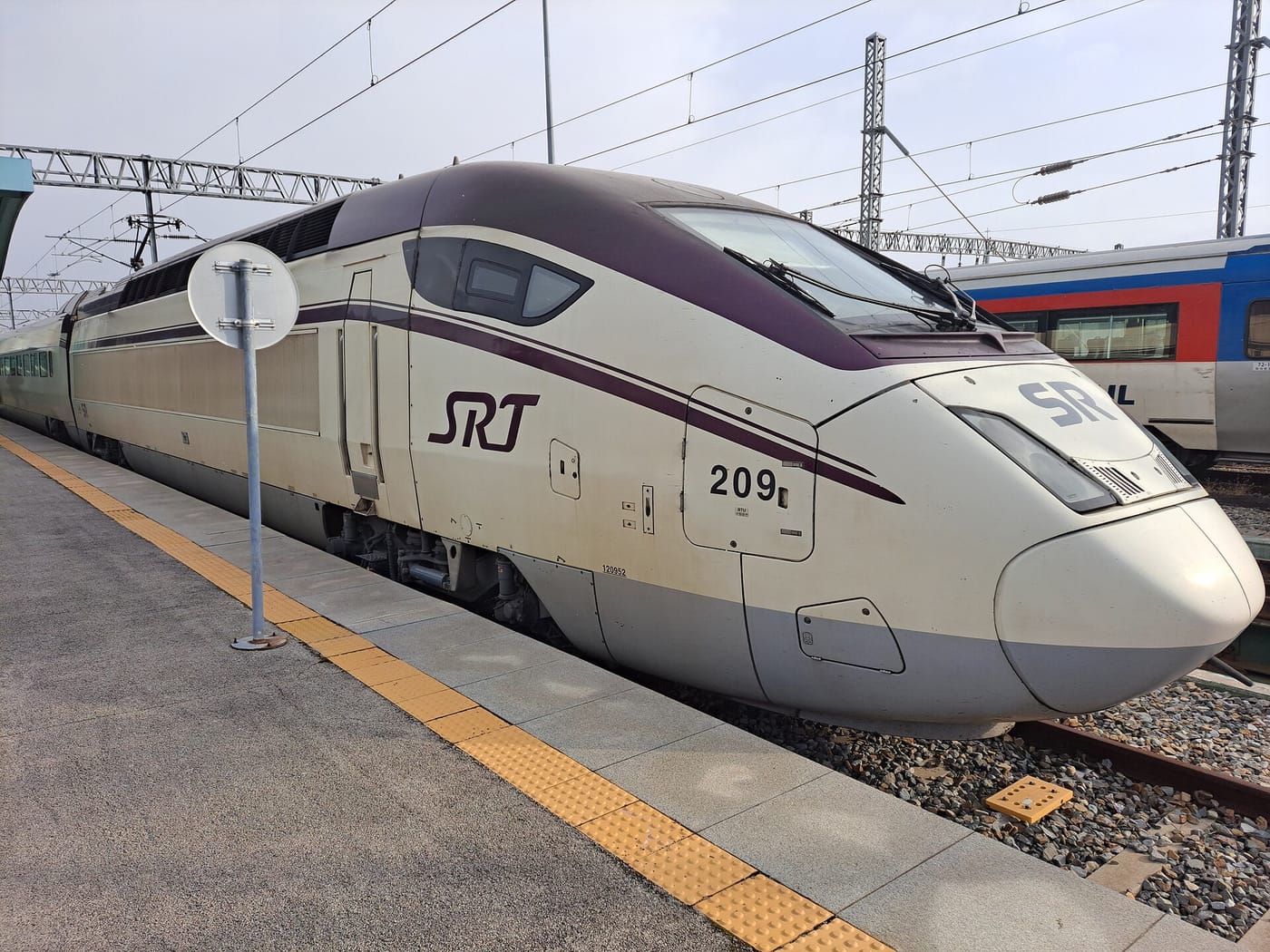
Korea's KTX and SRT Merged on 1 September: Cheaper Fares, One App, One Thing to Do First
Korail and SR merged on 1 September and the SRT is now KTX-Sancheon. Seoul-Busan dropped from ₩59,800 to ₩54,400 that day, not gradually. Chuseok booking runs 7-11 September by route, Suseo on the 10th, and an SR-only account cannot book.
Jeonju Day Trip from Seoul: Korea's UNESCO Food City by KTX
Jeonju is Korea's first UNESCO City of Gastronomy — 1 hour 31 minutes from Seoul by KTX. A realistic one-day route through the hanok village, the bibimbap-or-gukbap lunch decision, the 1951 choco pie shop, and what to skip.
Daejeon Day Trip 2026: Korea's Science City, Sungsimdang, and KTX
A Daejeon day trip guide from Seoul by KTX, covering Expo Science Park, Hanbat Arboretum, Yuseong, and the Sungsimdang bakery story.