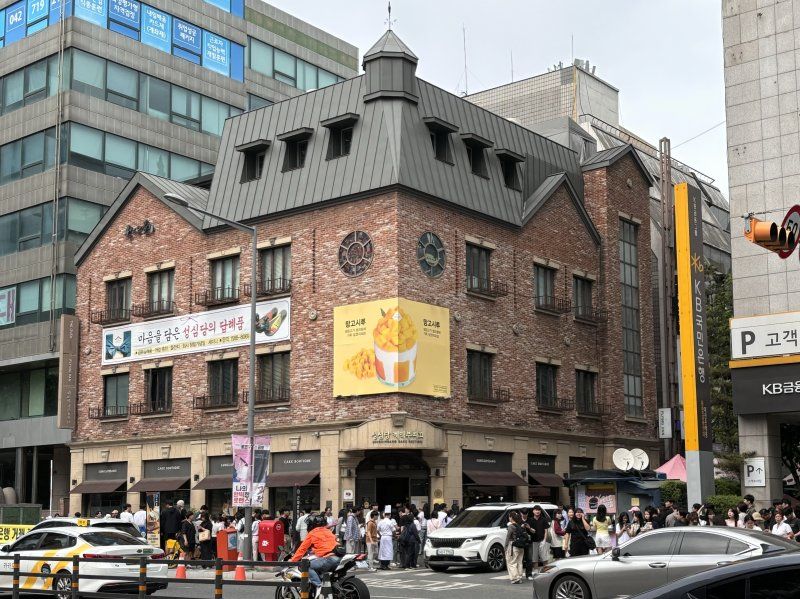
Daejeon Day Trip 2026: Korea's Science City, Sungsimdang, and KTX
Daejeon day trip planning usually begins with a practical question: can you really leave Seoul in the morning, eat the famous bread, see something meaningful, and return the same night? Yes. But the better question is why Daejeon works as a day trip at all.
Daejeon is not Busan with beaches, Jeju with volcanic scenery, or Gyeongju with royal tombs. It is Korea's central science city, a major rail hub, and the kind of place that explains modern Korea through infrastructure rather than postcard drama. The city is tied to KAIST, Daedeok Innopolis, Expo '93, government research institutes, and high-speed rail. It is also tied to Sungsimdang, a local bakery so famous that many Koreans now treat bread as a legitimate reason to get off the train.
That combination is the fun. You arrive by KTX, pass through a station city built around movement, visit science-era landmarks, walk through a calmer urban landscape than Seoul, and then join a line for fried soboro, chive bread, seasonal cake, or whatever Sungsimdang has made impossible to ignore that month. Daejeon is not trying to be a fantasy destination. It is a real Korean city where research, rail, regional pride, and bread all sit on the same itinerary.
Anker 10,000mAh power bank — a KTX day trip runs on your phone, on AmazonAffiliate link. As an Amazon Associate, EpicKor earns from qualifying purchases at no extra cost to you.
Quick Answer: Is Daejeon Worth A Day Trip From Seoul?
Daejeon is worth a day trip from Seoul if you want a Korea trip that feels different from the usual Seoul-Busan-Jeju route. It is especially good for travelers interested in modern Korea, trains, science culture, local food brands, and a lower-pressure city day.
By high-speed rail, Daejeon is close enough for a same-day trip from Seoul. Travel times vary by train and station, but Daejeon is commonly described as about 50 minutes from Seoul by KTX or SRT in broad travel references. That makes it easier than many regional destinations that require a full overnight plan.
The best first-time day trip is simple: arrive at Daejeon Station, visit Sungsimdang or plan it for the return, move toward Expo Science Park, Hanbat Arboretum, or Yuseong depending on your interests, then return with bread. Do not overbuild the day. Daejeon rewards a clean route more than a frantic checklist.
If you need help choosing train types, read EpicKor's KTX vs SRT vs express bus guide. If you are interested in Korea's education and science culture, pair this with the KAIST and Korean elite university guide.
Why Daejeon Feels Different
Daejeon is central in a literal sense. It sits in the middle of South Korea's rail and highway imagination. People pass through it, transfer through it, work in it, study in it, and visit it for reasons that do not always fit tourism slogans.
The city grew with rail. Daejeon Station matters because the city has long been a transportation hub. That is part of why a day trip works so naturally. You are not forcing a remote destination into a tight schedule. You are using Daejeon's actual role in Korea: a connected inland city that links Seoul, the south, and the research-heavy center of the country.
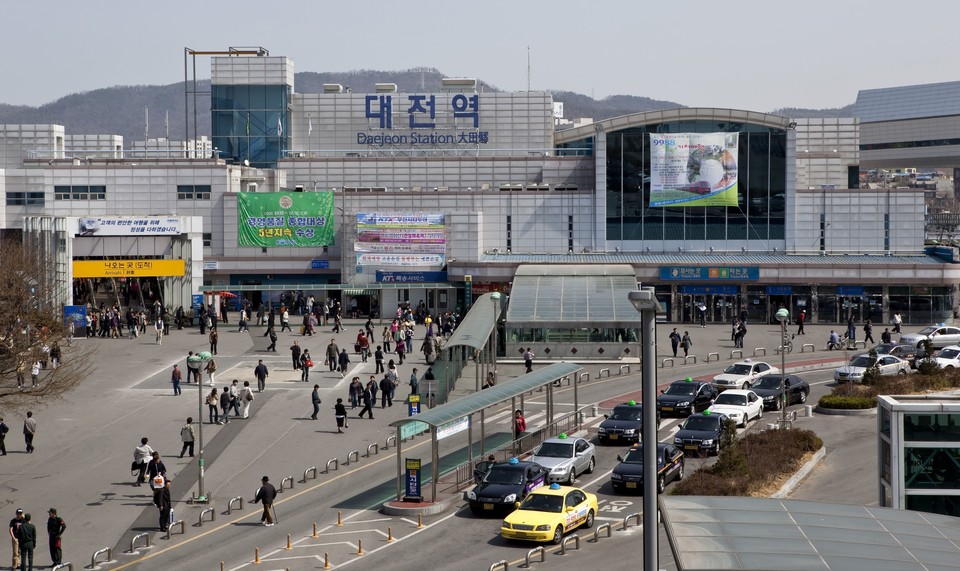
Daejeon also carries Korea's science identity. Daedeok Innopolis, KAIST, government research institutes, and Expo '93 made the city a symbol of research and technology. This is not always as visually obvious as a palace gate or beach skyline, but it explains modern Korea just as strongly.
Then Sungsimdang changes the mood. A city known for research and rail could feel too functional. The bakery makes it emotional. It gives Daejeon a human ritual: stand in line, choose bread, compare what locals recommend, carry boxes back onto the train, and understand why a regional business can become a national cultural object.
The Sungsimdang Story: How A Bakery Became Daejeon's Calling Card
Sungsimdang is the part of Daejeon that even people with no interest in science may know. It is a Western-style bakery founded in Daejeon in 1956, famous for items such as fried soboro bread and chive bread. But the origin story matters as much as the menu.
The widely told story begins after the Korean War. Founder Lim Gil-sun and his family had fled south. In 1956, while moving toward Seoul, the train they were riding reportedly broke down at Daejeon Station. The family stayed in Daejeon, found help through a nearby Catholic church, and received flour from a priest. From that flour, Lim began selling steamed buns near the station under the Sungsimdang name.
That story is why Sungsimdang feels different from a trendy bakery chain. It is not only about a product that went viral. It is about displacement, rail, church charity, local rooting, and a business that stayed tied to Daejeon instead of becoming just another anonymous franchise.
Modern Sungsimdang is huge by local-bakery standards. Korean media reported that the company recorded 193.76 billion won in 2024 sales, up sharply from the previous year, with operating profit also reaching a record level. It has been discussed as a rare local bakery that can outperform much larger franchise players on profitability. Yet the emotional appeal is still the same: this is Daejeon's bakery, not a generic mall brand.
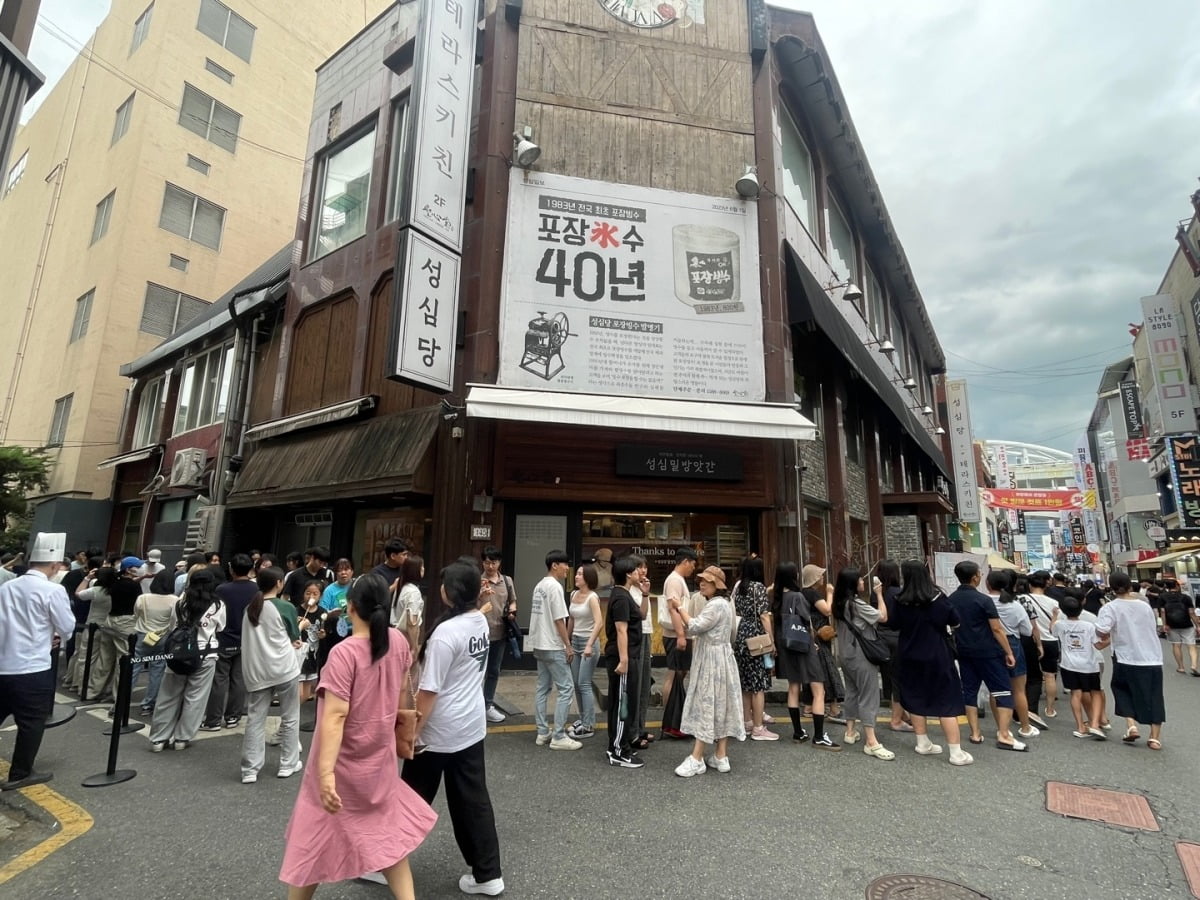
What To Buy At Sungsimdang
If you only buy one thing, fried soboro is the classic. It is often described as one of Sungsimdang's signature products, and it makes sense as a first-timer purchase because it connects directly to the bakery's national reputation.
Chive bread is another famous choice. It is savory, local, and more meal-like than a sweet pastry. If you are carrying bread onto a train, it can be more satisfying than buying only desserts.
Seasonal items are where Sungsimdang becomes dangerous for planners. The bakery has built excitement around cakes and limited items that can create long lines or sell out. Strawberry, mango, chestnut, and other seasonal trends may change by year and branch, so do not assume a viral item will be available whenever you arrive.
For a day trip, buy with transport in mind. Bread that survives a few hours in a bag is easier than delicate cream-heavy items, especially in summer. If you want cake, plan storage, timing, and whether you can keep it level on the train.
The smartest move is to separate "eat now" and "carry home." Eat something fresh near the bakery, then buy sturdy items for the return. That way the trip does not become a stressful bread logistics operation.
Expo Science Park And Daejeon's Science Memory
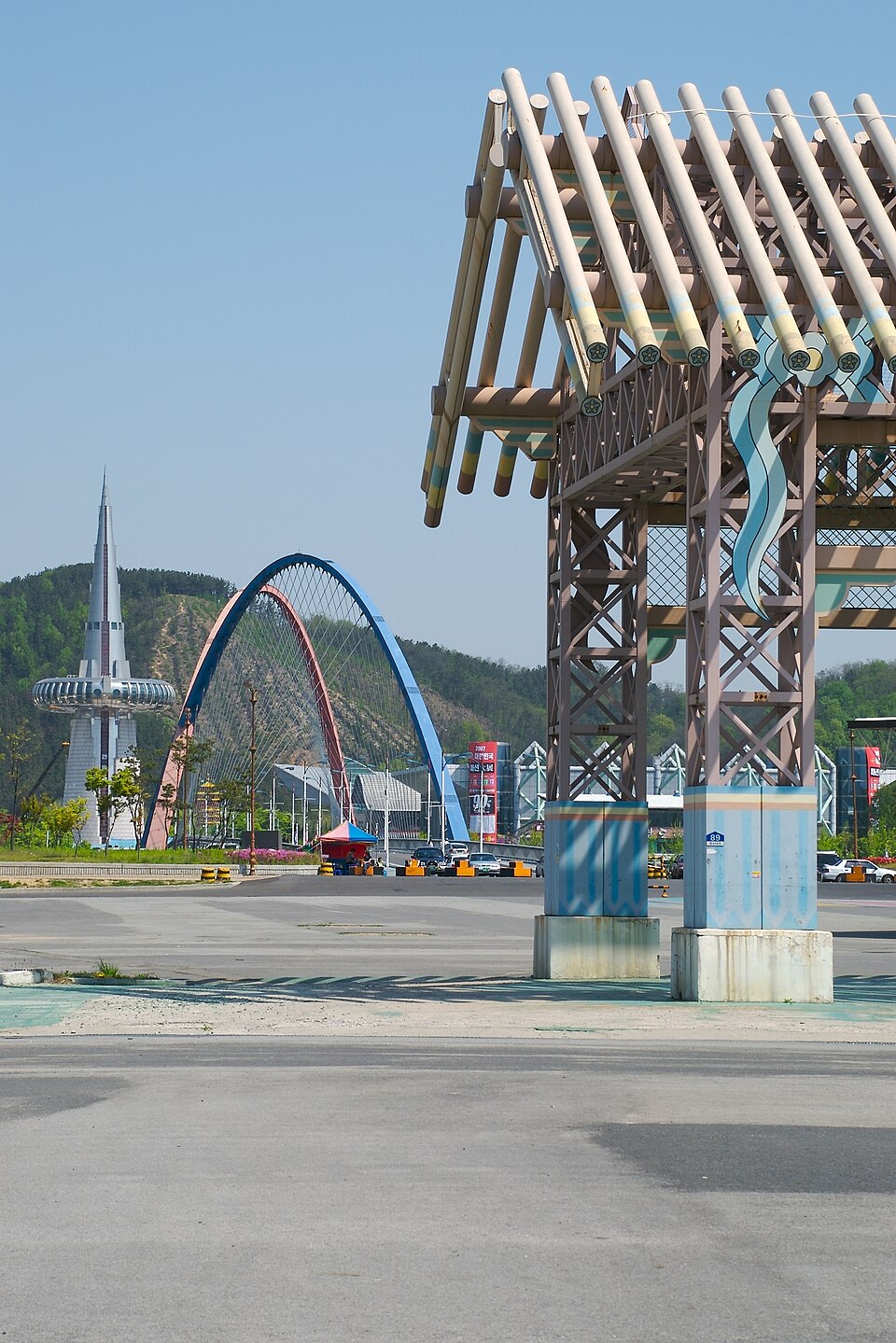
Expo Science Park was built for Taejon Expo '93, the 1993 international exposition that helped define Daejeon's modern science image. The original expo site has changed significantly over time. Some buildings were removed, while landmarks such as Hanbit Tower remained part of the city's science-era memory.
For travelers, the point is not to expect a frozen 1993 theme park. The point is to understand that Daejeon used Expo '93 to brand itself as a future-facing city. The site connects to nearby cultural, research, convention, and park spaces, and it sits in the broader Yuseong/Daedeok area where the city's science identity is strongest.
This area pairs well with Hanbat Arboretum, Daejeon Shinsegae Art & Science, the National Science Museum, and the river/park landscape around the Expo Bridge area. You can build a polished half-day here without trying to see every institute or museum.
If you like Korea because of K-pop and street food, Expo Science Park may not be the emotional highlight. If you like Korea because of how fast the country built research infrastructure, trains, universities, and industrial strength, Daejeon becomes much more interesting.
A Practical One-Day Daejeon Route
Start early from Seoul. Take KTX or SRT depending on your station and ticket price. If you arrive at Daejeon Station, decide immediately whether Sungsimdang is your first stop or your final stop. Morning can be useful if you want popular items before sellout. Final stop can be useful if you do not want to carry bread all day.
For a first-time route, go from Daejeon Station to Sungsimdang main store or station branch, then move toward the Expo/Science area. Visit Expo Science Park, walk around Hanbit Tower, and add Hanbat Arboretum if you want something calm and green. If you prefer indoor options, check the National Science Museum or Shinsegae Art & Science area.
For lunch, do not force only bakery food. Daejeon has local restaurants, kalguksu, gukbap, and everyday Korean meals. Sungsimdang can be dessert, snack, and souvenir, not the only meal.
In the late afternoon, decide whether to go back toward the station or spend time in Yuseong. Yuseong is known for hot springs and a different district mood from the station area. If you are keeping the trip simple, return to the station area, buy bread, and leave with enough time to avoid a rushed platform sprint.
| Time | Plan | Why It Works |
|---|---|---|
| Morning | KTX/SRT to Daejeon, first Sungsimdang stop | Handles the bakery priority before popular items disappear |
| Late morning | Move to Expo Science Park or National Science Museum area | Connects the trip to Daejeon's science-city identity |
| Lunch | Eat a local meal near your route | Prevents the day from becoming only bread and transit |
| Afternoon | Hanbat Arboretum, Shinsegae Art & Science, or Yuseong | Adds a slower second half before the train ride back |
| Evening | Return to station, buy carry-home bread, train back | Keeps fragile purchases closer to departure time |
Daejeon Station Branch Or Main Store?
The station branch is convenient. If your trip is tight, buying Sungsimdang at or near Daejeon Station can solve the practical problem. You do not have to build your whole route around the main store.
The main store is more atmospheric. If you want the pilgrimage feeling, go to the main store. The building, line, surrounding streets, and sense of local gravity make it more memorable than a quick station purchase.
The right answer depends on your trip. If you care about photos, story, and atmosphere, choose the main store. If you care about efficiency and train timing, choose the station branch. If you are serious about bread, check both, but do not let bakery logistics eat the entire day.
Remember that Sungsimdang has multiple branches and related spaces in Daejeon, including the main store, Daejeon Station branch, DCC branch, and other brand extensions. Availability can differ by branch. A viral product may not be everywhere.
What Kind Of Traveler Will Like Daejeon?
Daejeon works best for travelers who enjoy second-layer Korea. If Seoul is your first layer and Busan is your obvious coastal layer, Daejeon is the layer where you start noticing infrastructure, regional brands, university districts, research policy, and domestic travel habits.
Train people will like it because the trip itself is clean and satisfying. Food people will like it because Sungsimdang gives the day a clear mission. Science people will like it because the Expo/Daedeok/KAIST context is real. Slow travelers will like that Daejeon does not feel as overproduced as major tourist cities.
Daejeon may disappoint travelers who want dramatic scenery, dense nightlife, or a long list of internationally famous landmarks. It is not trying to compete with Gyeongbokgung, Haeundae, or Seongsan Ilchulbong. It is a different kind of Korea story.
That is why the day trip works when you frame it correctly. Go for rail, science, a calmer city texture, and bread. Do not go expecting every street to feel like a tourism campaign.
Common Mistakes
The first mistake is treating Daejeon as only a transfer station. If you only pass through, you miss why the city matters. It is one of Korea's clearest examples of a modern inland hub.
The second mistake is going to Sungsimdang with no timing plan. Popular items can sell out, lines can be long, and delicate pastries are annoying to carry all day. Decide whether the bakery is your opening scene or your finale.
The third mistake is planning too many science stops. Expo Science Park, National Science Museum, KAIST context, Hanbat Arboretum, Shinsegae Art & Science, and Yuseong cannot all be savored properly in one day. Choose two or three anchors.
The fourth mistake is assuming Daejeon is boring because it is not flashy. Daejeon is not trying to overwhelm you. It is trying to show a different operating system of Korea: research, rail, regional pride, and practical city life.
FAQ
Q: Can you visit Daejeon from Seoul in one day?
Yes. Daejeon is close enough by high-speed rail for a same-day trip from Seoul. Check current KTX or SRT schedules before booking, because exact travel time depends on the train and departure station.
Q: Is Sungsimdang worth the line?
It is worth it if you care about Korean local food brands and Daejeon's identity. If you only want bread quickly, use a station branch or go at a quieter time. The main-store line is part of the pilgrimage, but it is not mandatory for every traveler.
Q: What is Daejeon famous for besides Sungsimdang?
Daejeon is known as a science and research city, with ties to KAIST, Daedeok Innopolis, Expo '93, government research institutes, and science-related cultural spaces. It is also a major transportation hub.
Q: What should I buy at Sungsimdang?
First-timers often start with fried soboro and chive bread. Seasonal cakes and special items can be popular, but availability changes by branch and date, so buy sturdy carry-home items if you are returning by train.
Sources Checked
You Might Also Like
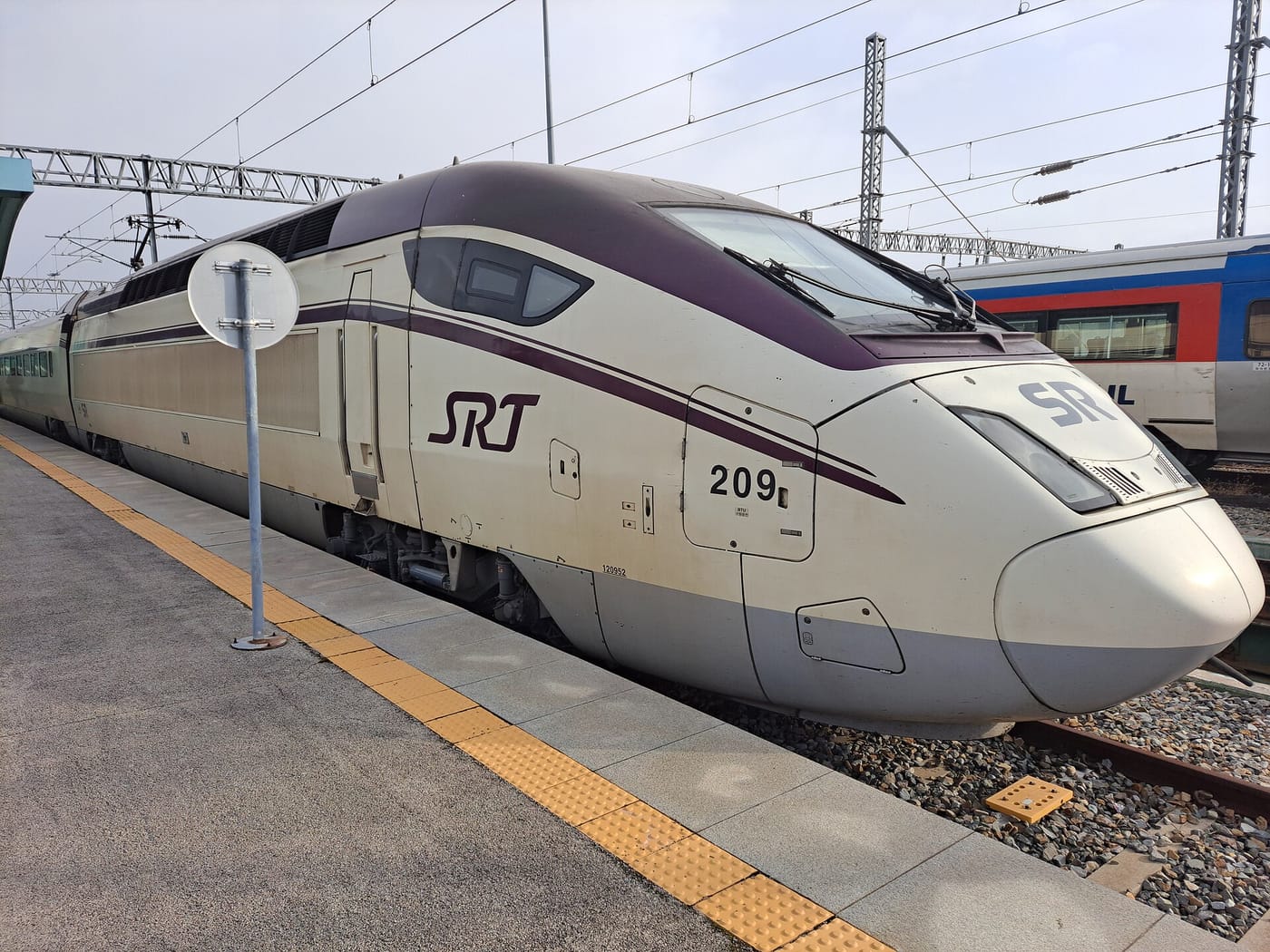
Korea's KTX and SRT Merged on 1 September: Cheaper Fares, One App, One Thing to Do First
Korail and SR merged on 1 September and the SRT is now KTX-Sancheon. Seoul-Busan dropped from ₩59,800 to ₩54,400 that day, not gradually. Chuseok booking runs 7-11 September by route, Suseo on the 10th, and an SR-only account cannot book.
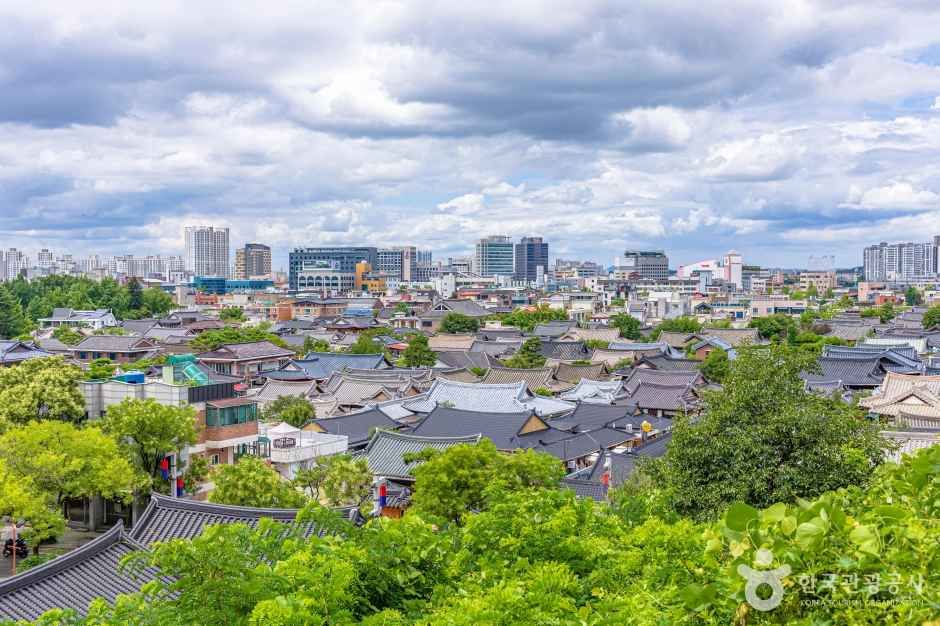
Jeonju Day Trip from Seoul: Korea's UNESCO Food City by KTX
Jeonju is Korea's first UNESCO City of Gastronomy — 1 hour 31 minutes from Seoul by KTX. A realistic one-day route through the hanok village, the bibimbap-or-gukbap lunch decision, the 1951 choco pie shop, and what to skip.
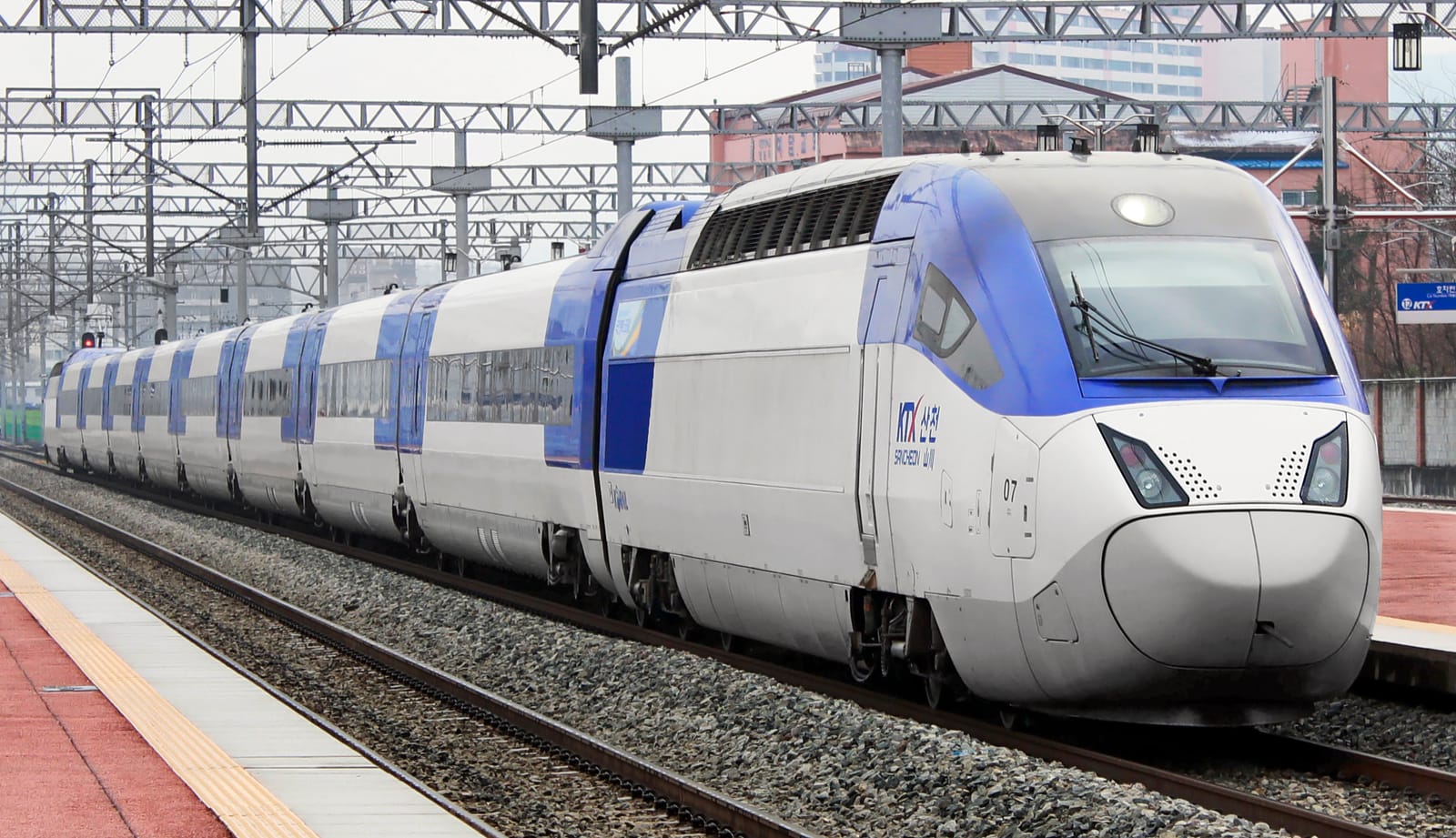
KTX vs SRT vs Express Bus in Korea: What the Merger Changed
KTX and SRT merged on 1 September 2026, so the operator choice no longer exists — SRT is now KTX-Sancheon and both sell in one app. Seoul-Busan fell to ₩54,400. The decision left is Seoul Station, Suseo, or a bus terminal, and your hotel decides it.