Car Seat Taxis in Korea: The Law Requires a Seat for Every Child Under 6, Ordinary Taxis Don't Carry One — What Tourists Can Actually Book in Seoul
Last updated: September 2026. The law is quoted from the Road Traffic Act, its Enforcement Decree and its Enforcement Rule as published on Korea's national law database (law.go.kr); the enforcement history, the car-seat taxi services and the Seoul Parents Taxi rules are from dated Korean reports and a district office notice of February 2026. Sources are listed at the end.
Ask on any travel forum whether you need a car seat in a Korean taxi and you get every answer: "there's no law", "taxis are exempt", "it's recommended, not required". The law itself is short and not ambiguous. Korea's Road Traffic Act requires every child under 6 in a car to ride in a car seat, and it makes no exception for taxis. What makes the real answer complicated is everything around it: the fine falls on the driver, a driver who asked you to buckle up is excused, ordinary taxis do not carry car seats, and the police suspended enforcement in taxis in 2018 and, as far as we can find, have never resumed it.
So a tourist family in Seoul is in an odd position: legally required to use a seat, practically unable to get one in a taxi you flag on the street. This guide sets out what the law says in its own words, why taxis still turn up without seats, and the three ways a visitor can actually ride with one: TADA's car-seat vans, Kakao T Venti reservations with a car-seat driver, and your own seat.
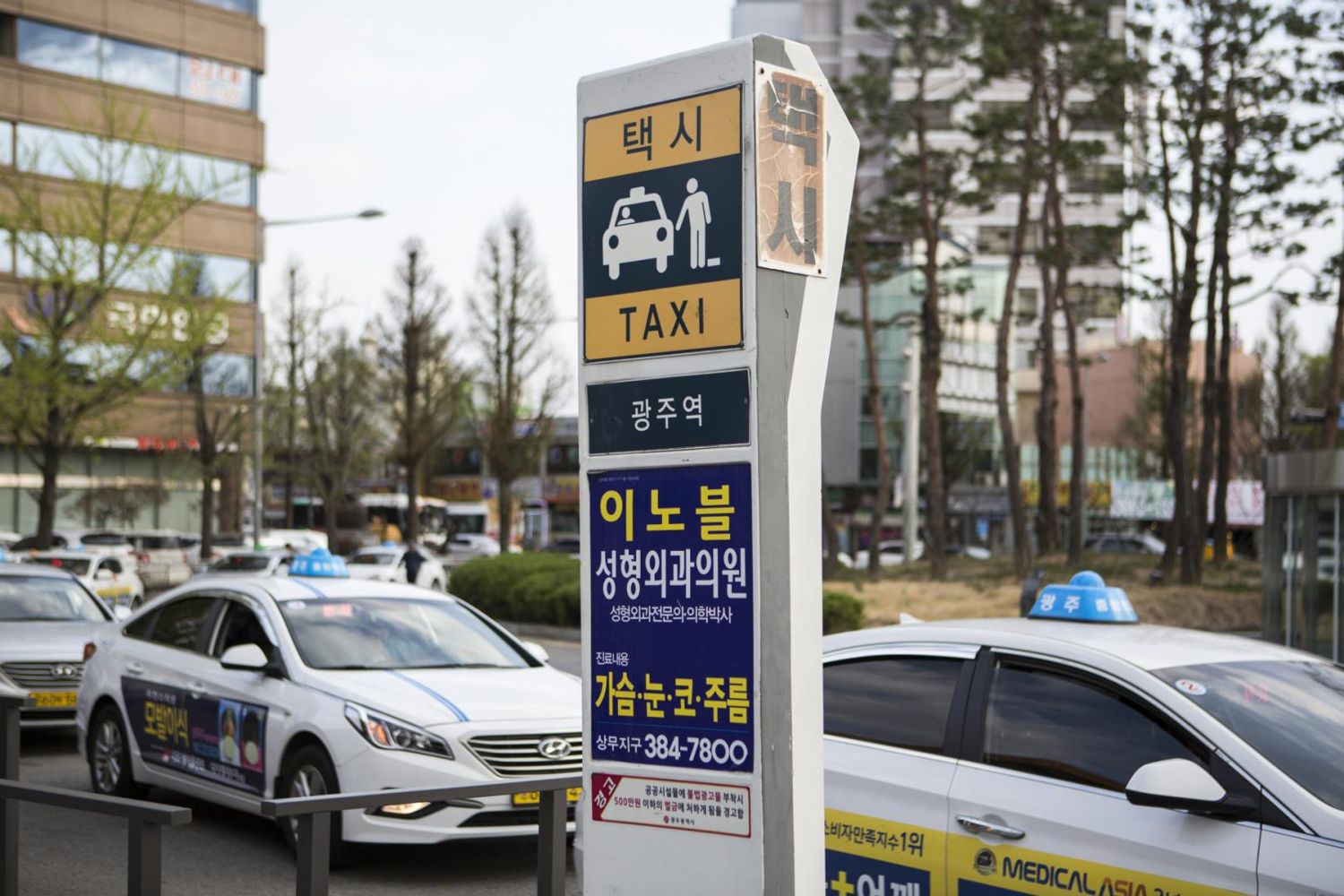
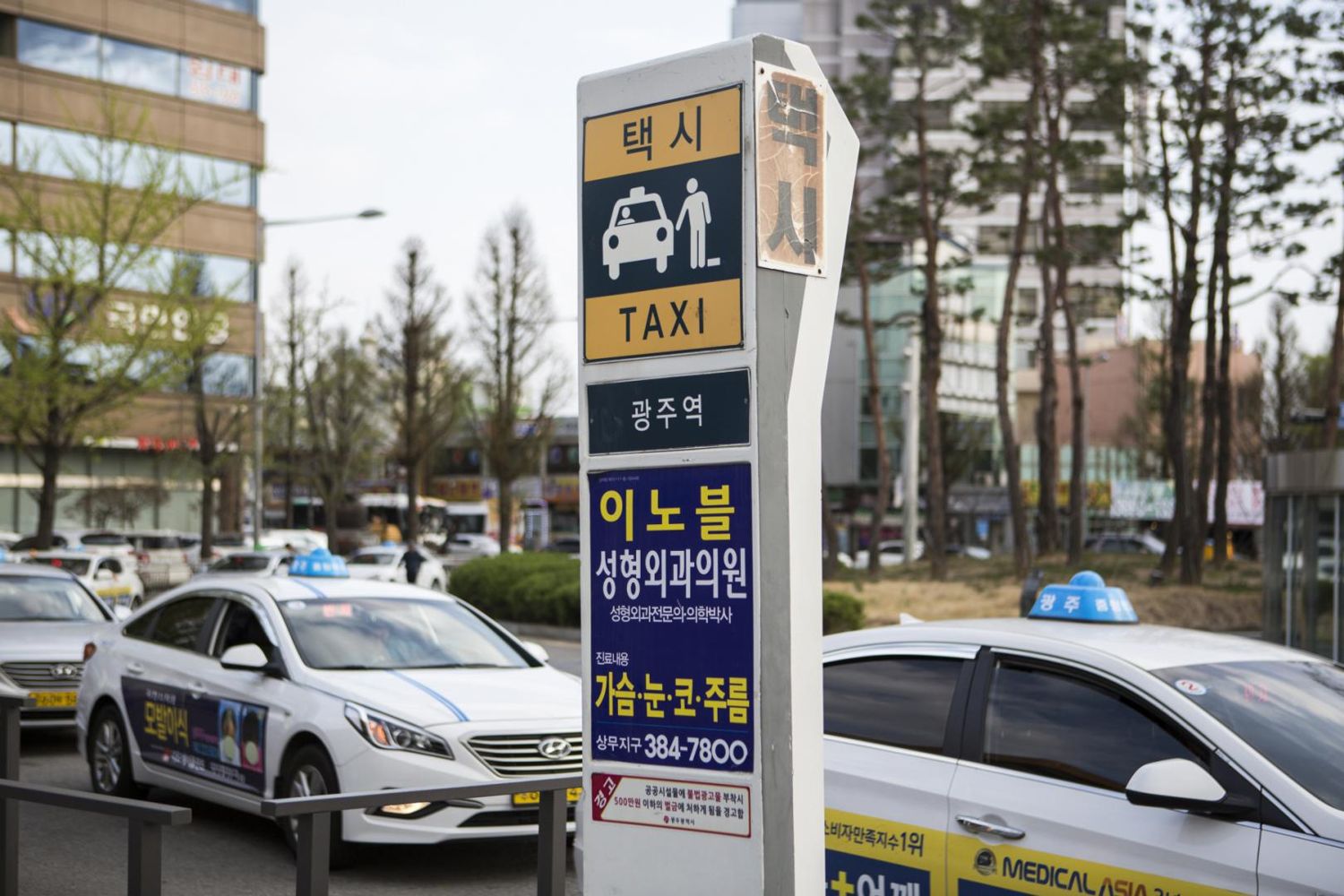
A taxi rank outside Gwangju Station, April 2018. The sedan taxis that fill Korean ranks carry no child seats. Photo: National Museum of Korean Contemporary History archive, Wikimedia Commons, KOGL Type 1.
The travel car seat that folds into a bag: the WAYB Pico travel car seat folds into its own carry bag for any Korean taxi. It is forward-facing only, for children 26.5–50 lb and 33.5–45 in tall (usually from about age 2½–3). It meets US FMVSS 213 standards and is FAA-approved, but it is not Korean KC-certified; see the section on bringing your own. As an Amazon Associate, EpicKor earns from qualifying purchases.
Quick Guide: car seats in Korean taxis, 2026
| Question | Answer | Source |
|---|---|---|
| Is a car seat required in a taxi? | Yes, for children under 6; no taxi exemption in the Act | Road Traffic Act Art. 50(1) |
| Who is fined? | The driver: ₩60,000 if the unrestrained passenger is under 13 | Enforcement Decree, Table 6, item 9 |
| Is the driver ever excused? | Yes, if a taxi or other commercial driver told the passenger to buckle up and the passenger did not | Enforcement Rule Art. 31, item 8 |
| Is it enforced in taxis? | Suspended by the police in 2018 "until public consensus"; no announcement of it ending that we could find | Korean press, 2018–19 |
| Do ordinary taxis carry seats? | No | — |
| What a tourist can book | TADA "car-seat TADA" vans (about 300 in 2025, up to 500 planned for 2026; newborn to 12) · Kakao T Venti reservation with a car-seat driver | Korean press, 2025–26 |
| Seoul Parents Taxi voucher | Residents only: infants registered in Seoul; couples who are both foreign nationals are excluded | Seodaemun-gu notice, Feb 2026 |
| Your own seat | Korean rules ask for a KC-certified seat; we found no sign this is checked against visitors | Enforcement Rule Art. 30 |
Ergobaby Omni Classic carrier — for the trips that skip the taxi The Pico above starts at 26.5 lb. For a baby, the easier answer in Seoul is often not a taxi at all: every Seoul-run subway station now has a street-to-platform elevator, and a carrier gets you through the exits and stairways a stroller cannot. The Omni works from newborn to 48 months. As an Amazon Associate, EpicKor earns from qualifying purchases.
See the Ergobaby Omni Classic on AmazonWhat the law actually says
The rule is in Article 50(1) of the Road Traffic Act (도로교통법). It puts the duty on the driver of any car except a motorcycle: the driver must wear a seatbelt and "must have passengers in every seat wear a seatbelt", and for 영유아 (young children) the Act defines that seatbelt as "the seatbelt after a child safety seat has been fitted" (유아보호용 장구를 장착한 후의 좌석안전띠). The Act itself defines 영유아 as anyone under 6 (Article 11(1)). The only exceptions written into the article are illness and "reasons set by the Ministry of the Interior and Safety", which the Enforcement Rule lists.
That list, Article 31 of the Enforcement Rule, has eight items. Seven are about illness, pregnancy, body size, reversing, emergency and escort vehicles, election vehicles and postal or refuse rounds. None mentions children or taxis. The eighth is the one that matters here: a driver of a commercial passenger vehicle is excused when a passenger cannot be belted because of drink or drugs, or "when the driver has told the passenger to wear the seatbelt and the passenger does not".
Read plainly, that item protects a taxi driver who warned you. It does not say taxis need not carry seats, and it does not exempt children. Article 30 of the same Rule adds a detail the English guides we checked leave out: the child seat must carry Korean safety certification under the Special Act on the Safety of Children's Products (a KC mark).
Who gets fined, and how much
The penalty sits in Article 160(2)(2) of the Act, which sets a fine of up to ₩200,000 for a driver "who did not have a passenger wear a seatbelt in violation of Article 50(1)". The Enforcement Decree fixes the amount in Table 6, item 9: ₩60,000 when the passenger is under 13, ₩30,000 when the passenger is 13 or over.
Two things follow. First, the fine is on the driver, not the parent; we found no provision that fines a passenger for a child riding without a seat. Second, that is exactly why a taxi driver may hesitate when a family with a baby and no seat gets in: the law says it is the driver's problem, and the only defence is the Article 31 warning.
Korea's all-seats seatbelt rule, which extended the belt duty to back seats on every road, took effect on 28 September 2018, with a ₩30,000 fine, charged to the driver, for each unbelted passenger aged 13 or over.
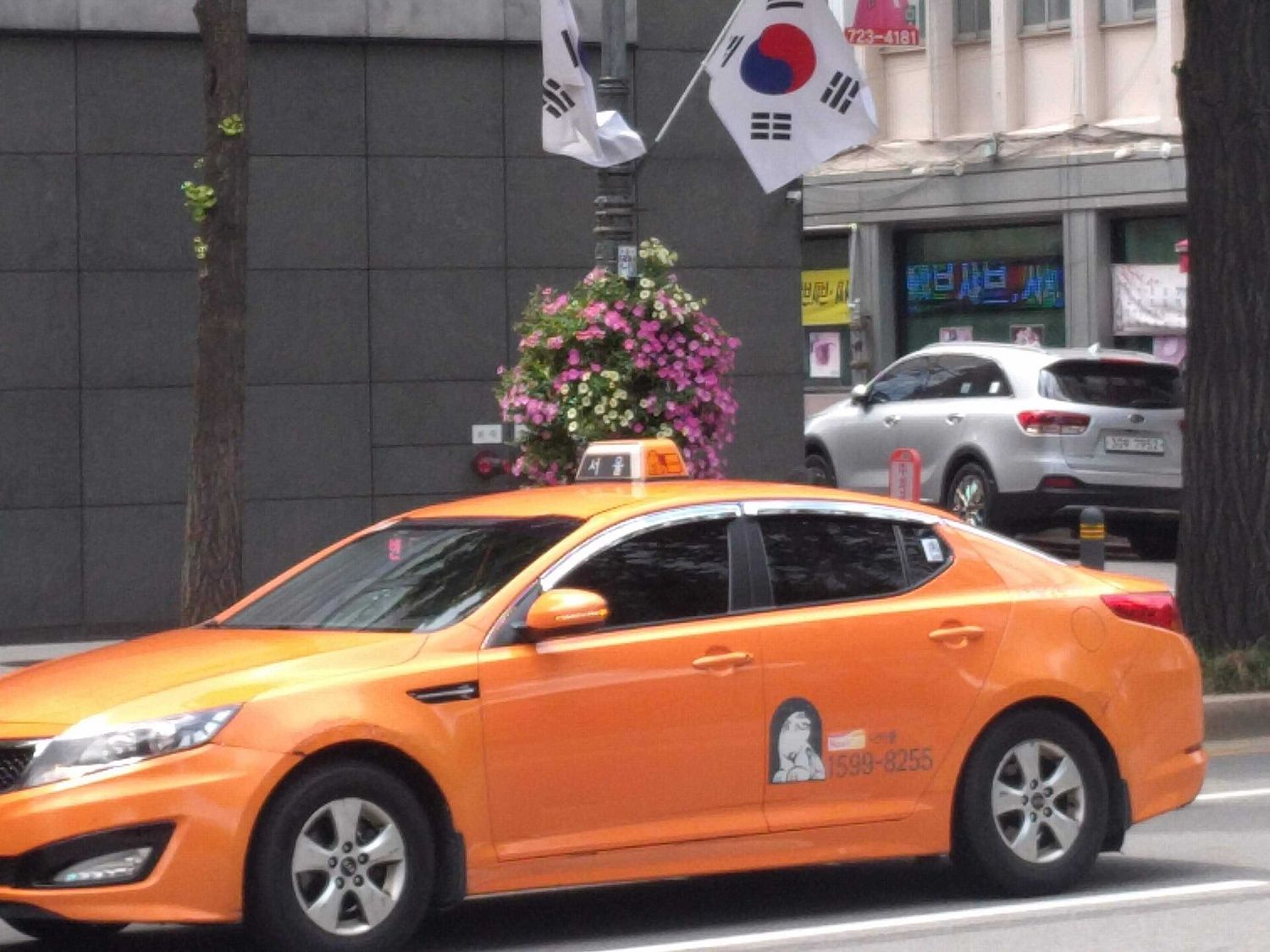
An ordinary orange Seoul taxi, a first-generation Kia K5. Street-hail taxis like this one do not carry child seats. Photo: Joshua T. Garcia, Wikimedia Commons, CC0.
Why taxis still turn up without seats: the 2018 pause
When the all-seats rule arrived in September 2018, the National Police Agency announced a two-month campaign followed by enforcement from December, including car seats in taxis. The next day it reversed course. As BabyNews reported, the police said enforcing car seats in taxis would be inappropriate while so few seats were in circulation, and that enforcement would be deferred "until public consensus is formed".
That deferral is the gap every family falls into. The law requires a seat, the taxi company does not supply one, the driver is not being fined, and nobody is checking. As of September 2026 we could find no announcement that the deferral has ended. The practical result: a street-hail taxi in Seoul will usually take your family without a seat, and the driver may or may not ask you to buckle a child into an adult belt.
That is legal cover for the driver, not safety for the child. If you can plan the ride, plan it with a seat.
Option 1: TADA's car-seat vans
The most useful service for a visiting family is the "car-seat TADA" (카시트가 있는 타다) line from the ride-hailing app TADA. Korean reports describe it this way:
- Launched in December 2024 as a regular line of large vans, with an all-in-one rotating car seat that fits children from newborn to age 12 (DigitalToday, 27 January 2025).
- Real-time hailing as well as reservations (the same report).
- About 300 vehicles in early 2025 (Kukinews, 25 February 2025), with plans to grow the fleet to up to 500 in 2026 and to pilot vans carrying two seats (Herald Economy, 12 January 2026).
- The same vans serve Seoul's Parents Taxi scheme, but the line is open to anyone as an ordinary paid ride.
For foreigners, the Korea Tourism Organization's ride-hailing guide (October 2025) says TADA accepts international mobile numbers for sign-up and foreign credit cards for payment, and the app is available in English. Its service area covers Seoul, Seongnam, and Incheon and Gimpo airports. TADA does not publish a separate car-seat price that we could find; the app shows the fare before you confirm, so check it there, and check that the car-seat option shows on your account before you rely on it.
Practical advice: install the app and add your card before you land, make sure your phone can receive calls in Korea (drivers sometimes call), and for airport pickups or early starts use a reservation, not a live hail, because 300 vans is a small fleet for a city of more than nine million.
Option 2: Kakao T Venti with a car-seat driver
Kakao T, Korea's biggest taxi app, runs large-van taxis called Venti. In its Venti reservation service you can use "customised driver selection" (맞춤기사 선택) to pick a driver who carries a car seat (Kukinews, 25 February 2025). This is not a dedicated car-seat fleet, only a filter on reservations. Venti needs a card on file, and although Kakao T lists foreign Visa, Mastercard, Amex and JCB as accepted, foreign cards often fail registration; visitors usually reach Venti through K-RIDE, Kakao's app for non-residents, and we could not confirm that K-RIDE offers the car-seat driver filter. Venti fares and the K-RIDE route are covered in our guide to Kakao Venti, Korea's big taxi.
The other large-van taxi brand, i.M Taxi, announced in 2021 that it would equip all its vehicles with child seats. We could not confirm that this is still true in 2026, so treat it as "ask when you book".
Why the Seoul Parents Taxi is not for visitors
English articles from 2023 describe Seoul's Parents Taxi (서울엄마아빠택시) as the solution, and some tourists assume they qualify. They do not. A February 2026 district office notice sets the rules: a ₩100,000-a-year taxi credit per infant, for caregivers raising a child aged 24 months or under whose address is registered in Seoul, with the infant on the same resident registration; multicultural and foster families qualify, but "couples who are both foreign nationals are excluded". Applications run all year through the city's childcare portal until the budget runs out.
What a visitor can do is use the same vans: TADA runs Seoul's Parents Taxi with its car-seat vans in 2026 (Herald Economy, January 2026), and that fleet takes ordinary paid bookings; the app quotes the fare.
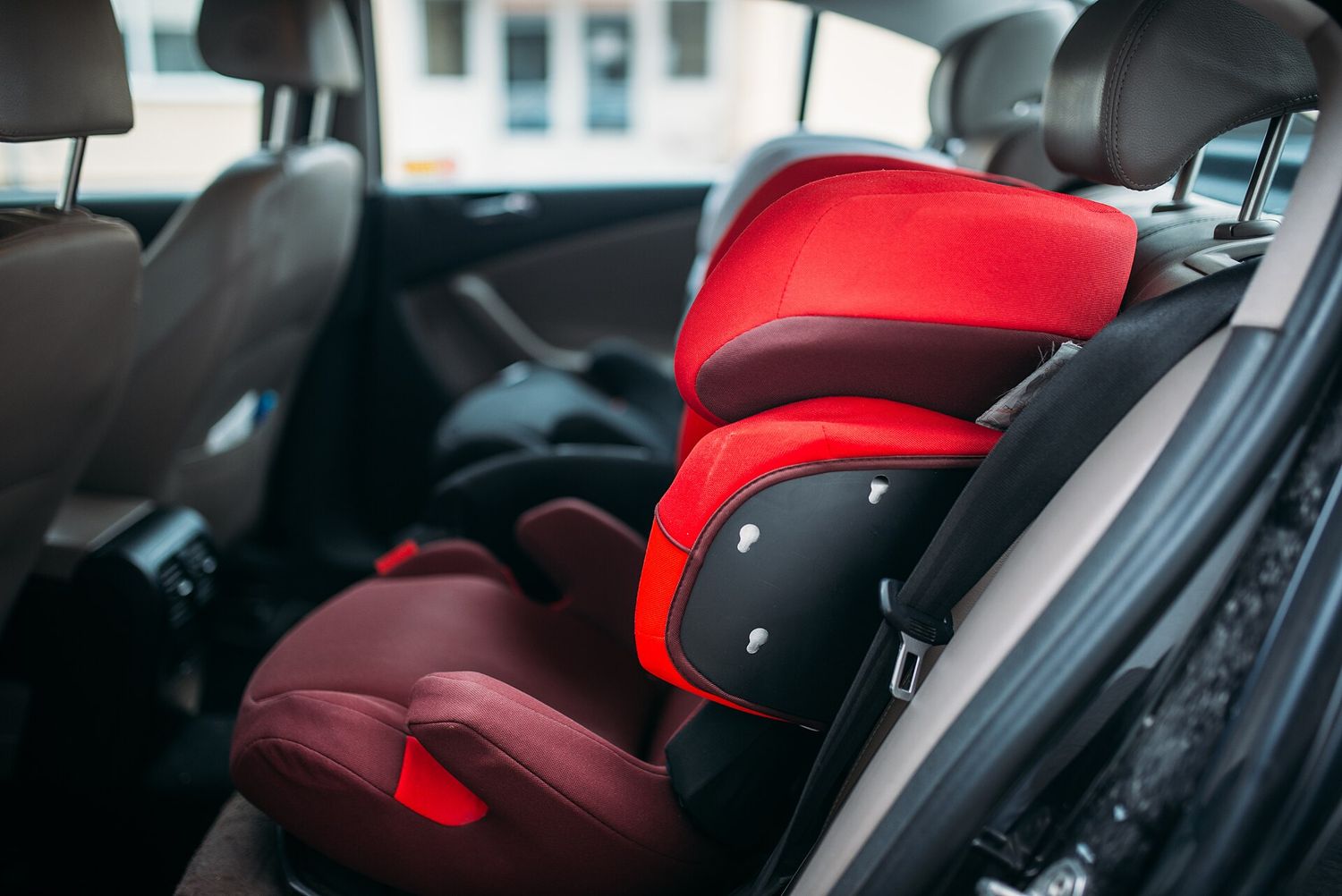
High-back booster seats on a rear bench. Boosters suit older children; babies and toddlers need a harnessed seat. Photo: Shixart1985, Wikimedia Commons, CC BY 2.0.
Option 3: bring your own seat
A seat you bring is the only option you fully control. Two points to know:
- The KC rule. Korea's Enforcement Rule asks for a KC-certified seat. A European (i-Size/ECE) or US (FMVSS 213) seat does not carry that mark. We found no case, guidance or report of this being checked against a visitor's seat, and a certified seat from home is far safer than a child on a lap, but be aware the rule exists.
- What to bring. Full infant seats are bulky to carry around a city. Compact travel seats for children from about two years, and inflatable boosters for older children, are what most travelling parents use; check your seat's age and weight range against your child. For babies, a carrier plus the subway is often easier than finding a car-seat taxi.
Buses, the subway and trains
- City buses are allowed by Korea's vehicle safety rules to have no passenger seatbelts if they do not run on expressways or motorways, so there is nothing to fit a seat to. Airport limousines and express buses do have belts, and Article 50 applies to them.
- The subway is not a car, so no car-seat rule applies. Every Seoul-run station now has an elevator route from street to platform.
- KTX: one child under 6 per adult rides free without a seat, and an infant seat ticket costs 75 percent less than the adult fare. On the AREX airport express, only one infant per guardian rides free without a seat of their own; check AREX's ticket rules for a second infant or a reserved infant seat.
For getting from the airport, see our Incheon Airport to Seoul guide; for the wider family trip, our Seoul with kids guide.
FAQ
Q: Do you need a car seat in a taxi in Korea? Legally, yes, for children under 6. Road Traffic Act Article 50(1) requires a child safety seat for young children in any car and has no taxi exemption. In practice ordinary taxis do not carry seats and police deferred taxi car-seat enforcement in 2018.
Q: Who gets fined if a child rides without a car seat in Korea? The driver: ₩60,000 when the passenger is under 13, under the Enforcement Decree's Table 6. A commercial driver who told the passenger to buckle up is excused under Enforcement Rule Article 31. We found no provision fining the parent.
Q: How do I get a taxi with a car seat in Seoul? Book TADA's car-seat van line ("car-seat TADA"), about 300 large vans with rotating seats for newborns to 12-year-olds, in an app that accepts foreign phone numbers and cards, or make a Kakao T Venti reservation and choose a driver who carries a car seat.
Q: Can tourists use the Seoul Parents Taxi? No. It is a credit for caregivers of infants aged 24 months or under who are registered in Seoul, and couples who are both foreign nationals are excluded. Tourists can book the same TADA car-seat vans as ordinary paying riders.
Q: Can I use my own car seat from home in Korea? Yes, and it is the safest option. Korean rules ask for a KC-certified seat, which foreign seats do not have, but we found no sign that this is enforced against visitors.
Q: Do Korean buses need car seats? City buses that do not run on expressways are allowed to have no passenger seatbelts, so there is nothing to fit a seat to. Airport limousines and express buses have belts and fall under the same rule as cars.
Sources
- Road Traffic Act (도로교통법), Article 50(1), version in force from 1 July 2026, law.go.kr: seatbelt duty and child safety seat definition; Article 160(2)(2): fine of up to ₩200,000.
- Enforcement Decree of the Road Traffic Act, Table 6, item 9 (amended 18 March 2025): ₩60,000 (passenger under 13), ₩30,000 (13 and over).
- Enforcement Rule of the Road Traffic Act, Article 30 (KC-certified child restraint) and Article 31, item 8 (commercial driver excused after instructing the passenger).
- Easylaw (찾기쉬운 생활법령정보), child passengers: 영유아 as under 6, fine amounts.
- BabyNews, 22 January 2019, and Segye Ilbo, 2 October 2018: police deferral of car-seat enforcement in taxis; all-seats seatbelt rule from 28 September 2018.
- DigitalToday, 27 January 2025: car-seat TADA launched December 2024, rotating seats newborn to 12, real-time hail and reservations. Kukinews, 25 February 2025: about 300 vehicles; Kakao T Venti reservation driver selection. Herald Economy, 12 January 2026: up to 500 vehicles in 2026, two-seat pilot.
- Korea Tourism Organization (VisitKorea), ride-hailing apps guide, October 2025: TADA accepts international numbers and credit cards. TADA app listing (App Store, v4.48.0): service area Seoul, Seongnam, Incheon and Gimpo airports.
- Seodaemun-gu office notice, 5 February 2026: Seoul Parents Taxi eligibility and ₩100,000 annual credit.
- Rules on Performance and Safety Standards of Motor Vehicles, Article 27(1)2: city, rural and village buses may omit passenger seatbelts.
- AREX (airportrailroad.com), ticket rules: one free infant per guardian.
You Might Also Like

Is Korea Kid-Friendly? What Foreign Parents Report — and What Korean Data Shows: Strangers Who Hand Out Tangerines, 114 No-Kids Zones, and the 68% Who Accept Them
Foreign parents say older Koreans shower babies with snacks and department-store nursing rooms beat London's. Korean data adds 114 no-kids zones, 68% public acceptance, and 64% of Korean parents who feel watched. What that means for your trip.
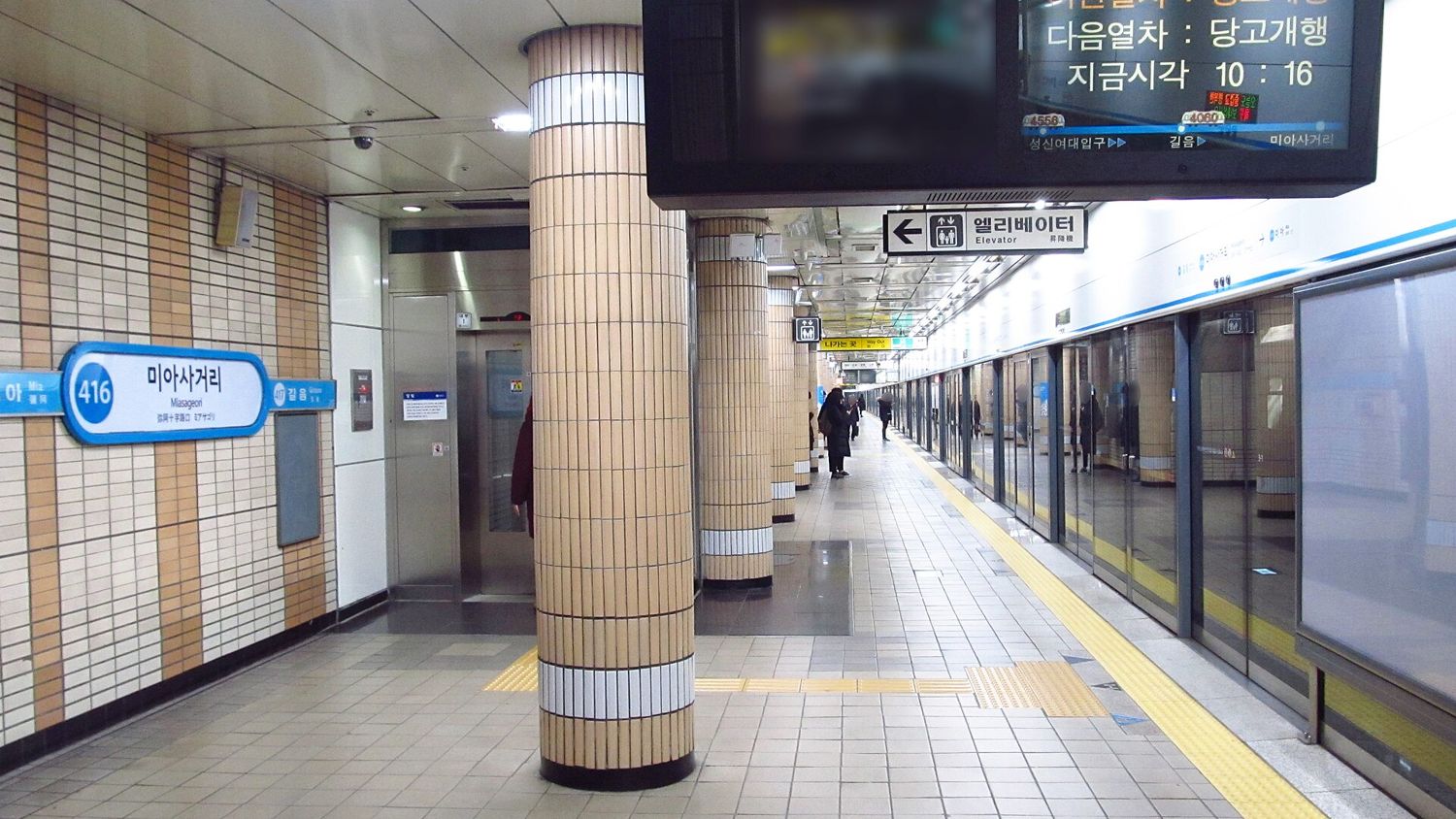
Seoul Subway With a Stroller: Every Seoul-Run Station Now Has a Street-to-Platform Elevator — at Half of Seoul Metro's on Just One Exit — and Only 108 Have a Nursing Room
Since December 2025 all 338 Seoul-run subway stations have a lift route from street to platform, but in Seoul Metro's own register 116 of 217 stations have it at one exit only: Myeongdong exit 1, Gyeongbokgung 4, Hongik 8. Just 108 have a nursing room.
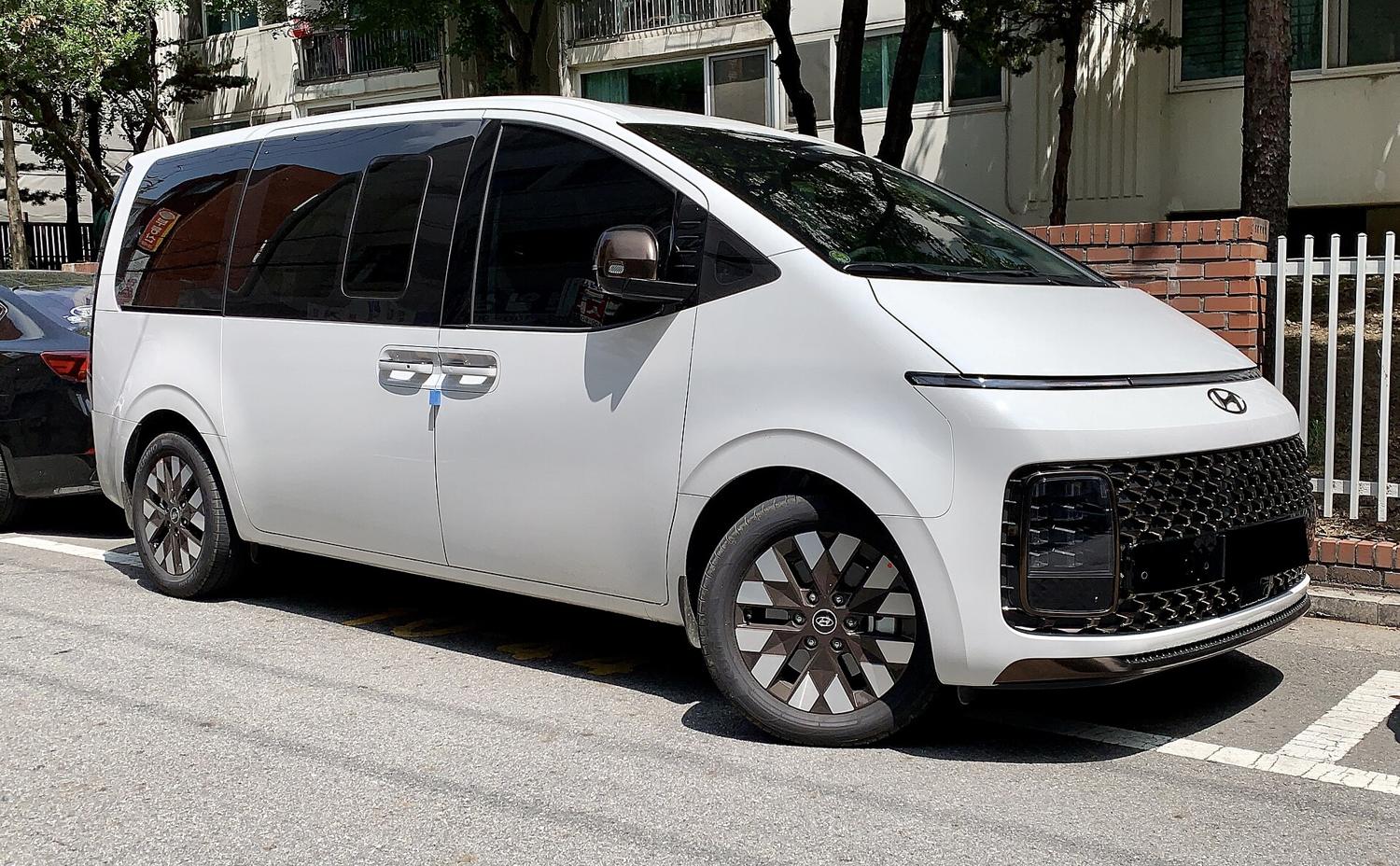
Kakao Venti, Korea's Big Taxi: The Van That Costs the Same as a Sedan by Day, Incheon Airport Fares for Four Suitcases, and K-RIDE, Uber Premier Van, i.M and TADA Compared
Kakao Venti is a Carnival or Staria van with a ₩4,000 base fare, ₩800 below a Seoul sedan, and a surge multiplier up to four times. Who can call it, the Incheon Airport fare with four suitcases, the luggage rules, and K-RIDE, Uber, i.M and TADA compared.