Gyeongju Travel Guide: Korea's Silla Capital, Temples, and Cafes
Gyeongju is where Korea's deep history feels walkable. Seoul gives you speed, scale, nightlife, shopping, and subway convenience. Gyeongju gives you burial mounds beside cafes, Buddhist temples in mountain air, palace ponds at night, and the strange feeling that an ancient capital is still shaping the city map.
For nearly 1,000 years, Gyeongju was the capital of Silla, the kingdom that later unified much of the Korean Peninsula. Today, visitors come for Bulguksa Temple, Seokguram Grotto, Daereungwon tombs, Cheomseongdae, Donggung Palace and Wolji Pond, Hwangnidan-gil cafes, and a slower travel rhythm than Seoul.
This guide helps first-time visitors decide what to see, how to group the sights, when to slow down, and how to avoid turning Gyeongju into a rushed museum checklist.
Why Gyeongju Matters
Gyeongju is often called a "museum without walls" because heritage is spread across the living city. The official Gyeongju tourism site emphasizes major historic locations such as Bulguksa Temple, Seokguram, Daereungwon, Donggung and Wolji, Yangdong Village, and Cheomseongdae. VISITKOREA describes the Gyeongju Historic Area as preserving the achievements and culture of the Silla dynasty through pagodas, tombs, fortresses, and other remains.
That matters for travelers because Gyeongju is not only one attraction. It is a landscape. You can spend the morning at a UNESCO temple, the afternoon walking royal tombs, and the evening in a hanok-style cafe street. The contrast is the point.
If Seoul is your first Korea trip base, EpicKor's 24-hour Seoul route gives the fast-city version. Gyeongju is the slower historical counterpart.
Korea travel essentials — compare on AmazonAffiliate link. As an Amazon Associate, EpicKor earns from qualifying purchases at no extra cost to you.
How Many Days Do You Need?
One day is possible, but tight. A one-day trip should focus on the central historic area and maybe one temple cluster if transportation is efficient. Two days is much better because Bulguksa and Seokguram sit outside the central walking zone, while Daereungwon, Cheomseongdae, Woljeonggyo, Donggung and Wolji, and Hwangnidan-gil are easier to combine.
Three days is ideal if you like slow travel, photography, museum time, traditional cafes, cycling, or heritage commentary. Gyeongju rewards wandering more than rushing.
| Trip Length | Best For | Suggested Focus | Risk |
|---|---|---|---|
| Day trip | Travelers short on time | Central tombs, Cheomseongdae, Hwangnidan-gil | Too rushed for Bulguksa and Seokguram |
| 1 night / 2 days | Most first-timers | Temple cluster plus central night walk | Needs realistic transport planning |
| 2 nights / 3 days | Slow travelers and photographers | UNESCO sites, cafes, museums, quieter walks | Can feel too slow if you only like big-city energy |
| Family trip | Mixed ages | Short heritage stops, snacks, flat walking routes | Summer heat and long walking gaps |
Bulguksa and Seokguram
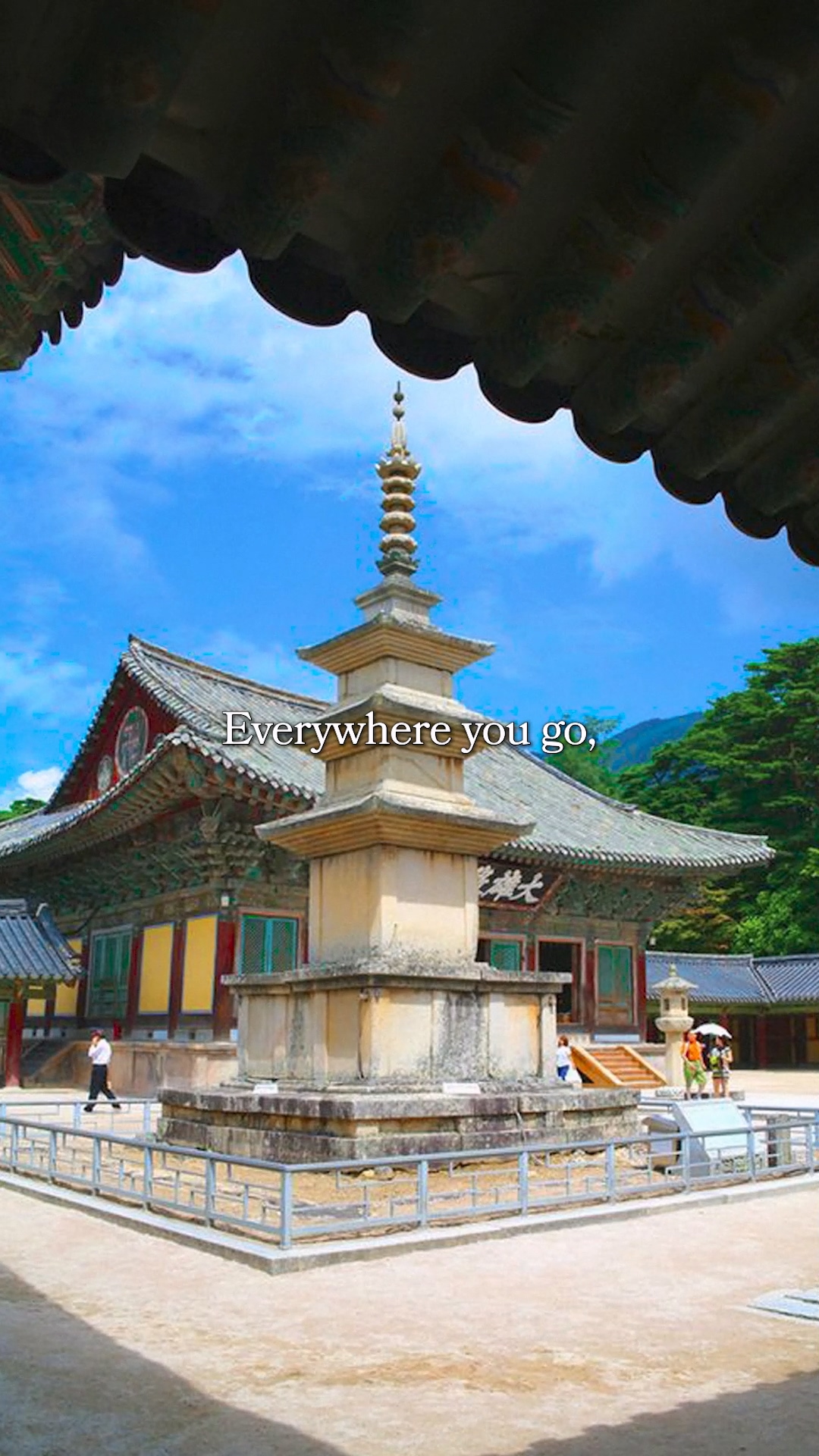
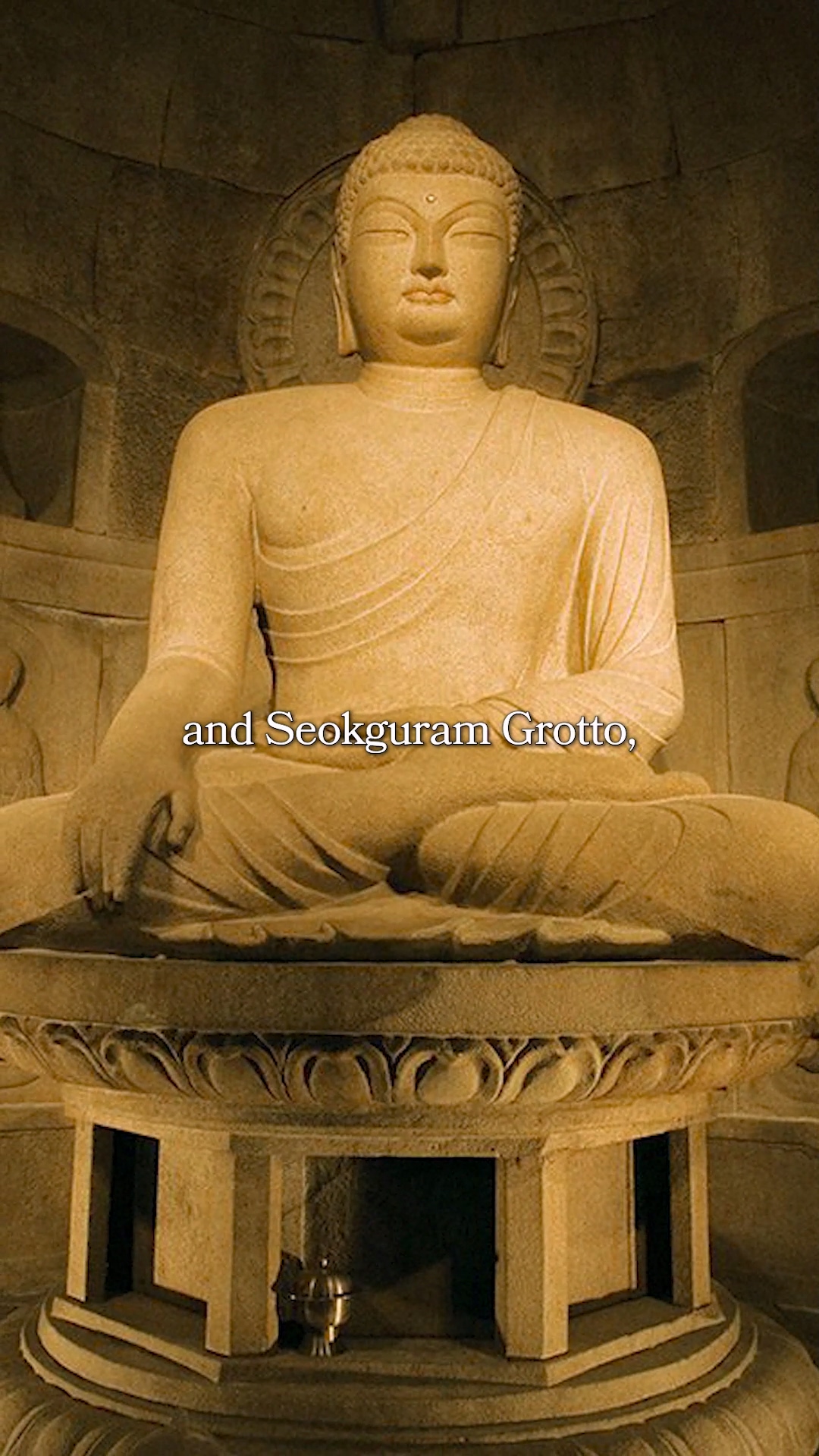
Bulguksa Temple and Seokguram Grotto are among Korea's most important heritage sites. Gyeongju's official tourism material notes that Bulguksa and Seokguram were listed as UNESCO World Heritage sites in 1995, and VISITKOREA includes them among Korea's must-visit cultural heritage spots.
They are not just "old buildings." Bulguksa shows the ambition of Silla Buddhist architecture, stone platforms, pagodas, and temple layout. Seokguram is known for its grotto and Buddhist sculpture, with a mountain setting that changes the mood of the visit.
Plan them as a half-day block rather than squeezing them between central-city stops. Check current opening hours, ticket rules, shuttle/bus conditions, and weather before you go. Mountain weather and transport timing can change the experience.
Heritage-day packing: As an Amazon Associate, EpicKor may earn from qualifying purchases. Before a temple-and-tomb day, compare Korea travel essentials such as card pouches, compact tissues, and small day-bag items.
Daereungwon, Cheomseongdae, and the Central Historic Walk
The central historic area is what makes Gyeongju feel different from a normal city. Daereungwon's royal tomb mounds rise like grassy hills. Cheomseongdae, often discussed as an ancient astronomical observatory, sits nearby. Woljeonggyo Bridge and Donggung Palace and Wolji Pond add evening atmosphere.
This is the part of Gyeongju where walking works best. You can move slowly, take breaks, and let the landscape build. Do not treat every mound as a photo prop. These are historic tombs and cultural sites, not just green backdrops.
For a first visit, schedule the central walk for late afternoon into night. The light softens, cafes become useful, and Donggung and Wolji is especially popular after dark. If you are visiting in peak season, expect crowds and build in patience.
Hwangnidan-gil: Cafes, Hanok, and the Modern Layer
Hwangnidan-gil is the modern Gyeongju layer: cafes, dessert shops, rentals, small stores, photo spots, and hanok-style design clustered near the historic core. VISITKOREA's newer Gyeongju coverage highlights Hwangnidan Street as part of the city's trendier travel appeal alongside heritage sites.
This area is fun, but it can become crowded and repetitive if you only chase viral cafes. Use it as a rest zone between heritage walks. Try a local bread or dessert, sit down, charge your phone, and plan the next route.
The better mindset is contrast: royal tombs, then coffee; Silla history, then a modern hanok facade; temple quiet, then a busy dessert line. Gyeongju's appeal is not that old and new are perfectly blended. It is that they sit close enough to make you notice both.
A Simple Two-Day Gyeongju Route
For most first-time international visitors, this is the safest shape:
Day 1: arrive, check in, walk Daereungwon, Cheomseongdae, Woljeonggyo, Hwangnidan-gil, and Donggung and Wolji at night. Keep the day central and low-stress.
Day 2: visit Bulguksa and Seokguram as a temple-focused block, then return for a slower cafe, museum, or final central walk before departure. If you have luggage, check station lockers, hotel storage, or transport timing in advance.
This route avoids the biggest mistake: trying to do every famous name in one overloaded day.
| Time | Plan | Why It Works | Watch Out For |
|---|---|---|---|
| Day 1 afternoon | Daereungwon + Cheomseongdae | Walkable, iconic, good first impression | Sun exposure in summer |
| Day 1 evening | Hwangnidan-gil + Donggung/Wolji | Cafe break plus night atmosphere | Weekend crowds |
| Day 2 morning | Bulguksa | Major UNESCO temple with enough time | Transport and opening-hour checks |
| Day 2 midday | Seokguram or slower city return | Choose depth or comfort | Do not force it in bad weather |
Food and Souvenirs in Gyeongju
Gyeongju is strongly associated with Hwangnam bread, cafe desserts, traditional snacks, and tourist sweets. You will also find ordinary Korean meals around the station, bus terminal, and tourist streets.
Do not plan every meal as a viral stop. Heritage travel can be tiring, and a simple bowl of noodles or convenience-store snack may save the day. If you are traveling with family, keep one flexible meal slot.
For Korea-wide food context, pair this with EpicKor's Korean convenience-store food guide, what Koreans eat for breakfast, and Korean traditional desserts guide.
Getting Around Gyeongju
Gyeongju is more spread out than a Seoul neighborhood. The central historic area is walkable, but Bulguksa and Seokguram require transport planning. Depending on your route, you may use buses, taxis, bikes, or a guided tour.
Do not assume subway-style frequency. Build your day around clusters. Central sights together. Temple sights together. Cafe/rest time in between. If you are not comfortable with Korean transit apps, keep addresses saved in Korean and English, and carry a battery pack.
This small planning step protects the whole day.
EpicKor's Korea tourist cheat codes and Naver/Kakao map guide are helpful before you try to navigate smaller-city routes.
When to Visit Gyeongju
Spring and autumn are the most comfortable for walking. Summer can be hot and humid, especially around open historic areas. Winter is quieter but colder, and daylight planning matters.
Cherry blossom season can be beautiful but crowded. Autumn color can make temple and tomb walks especially memorable. Rain is not automatically a disaster, but it changes footing, photos, and comfort. For rainy-day packing, EpicKor's Korea rainy season guide and rainy-day food guide may help.
Long-walk backup: Gyeongju is a walking-heavy city, so compare portable travel power banks before relying on maps, translation, photos, and cafe searches all day.
Etiquette at Heritage Sites
Gyeongju is photogenic, but not every place is just a backdrop. Stay on marked paths, respect barriers, avoid climbing tombs, keep noise lower in temple areas, and follow photo rules where posted. If you use drones or professional equipment, check rules first.
At Buddhist sites, dress and behave with basic respect. You do not need to perform like a monk, but you should remember that temples are active religious and cultural spaces. The best travelers leave with better understanding, not only a full camera roll.
This also applies to cafe streets near heritage zones. Buying a dessert or renting hanbok can be part of the fun, but it should not erase the surrounding neighborhood. Keep doorways clear, avoid blocking residents' paths for photos, and treat small shops as businesses rather than free sets. Gyeongju is popular because history and ordinary life sit close together; protecting that balance is part of traveling well.
FAQs About Visiting Gyeongju
Q: Is Gyeongju worth visiting on a first Korea trip? A: Yes, if you like history, temples, slower travel, cafes, and cultural landscapes. If you only want nightlife and shopping, Seoul or Busan may fit better.
Q: How many days should I spend in Gyeongju? A: Two days is the best first-timer balance. One day is possible but rushed; three days is better for slow travelers.
Q: Can I visit Gyeongju from Seoul? A: Yes, but travel time makes a day trip tiring. An overnight stay usually gives a much better experience.
Q: What are the must-see Gyeongju sites? A: Bulguksa, Seokguram, Daereungwon, Cheomseongdae, Donggung and Wolji, and Hwangnidan-gil are common first-visit anchors.
Q: Is Gyeongju good without a car? A: Yes, but you need route planning. Central sights are walkable; temple sites require bus, taxi, tour, or careful timing.
Q: Is Hwangnidan-gil too touristy? A: It can be crowded, but it is useful as a cafe, snack, and rest area between heritage stops.
Final Take
Gyeongju is not Korea's opposite of Seoul. It is Korea at another speed. Go there for Silla history, temple architecture, royal tomb walks, night reflections, and the modern cafe layer that keeps the old capital alive for new travelers.
Sources
You Might Also Like
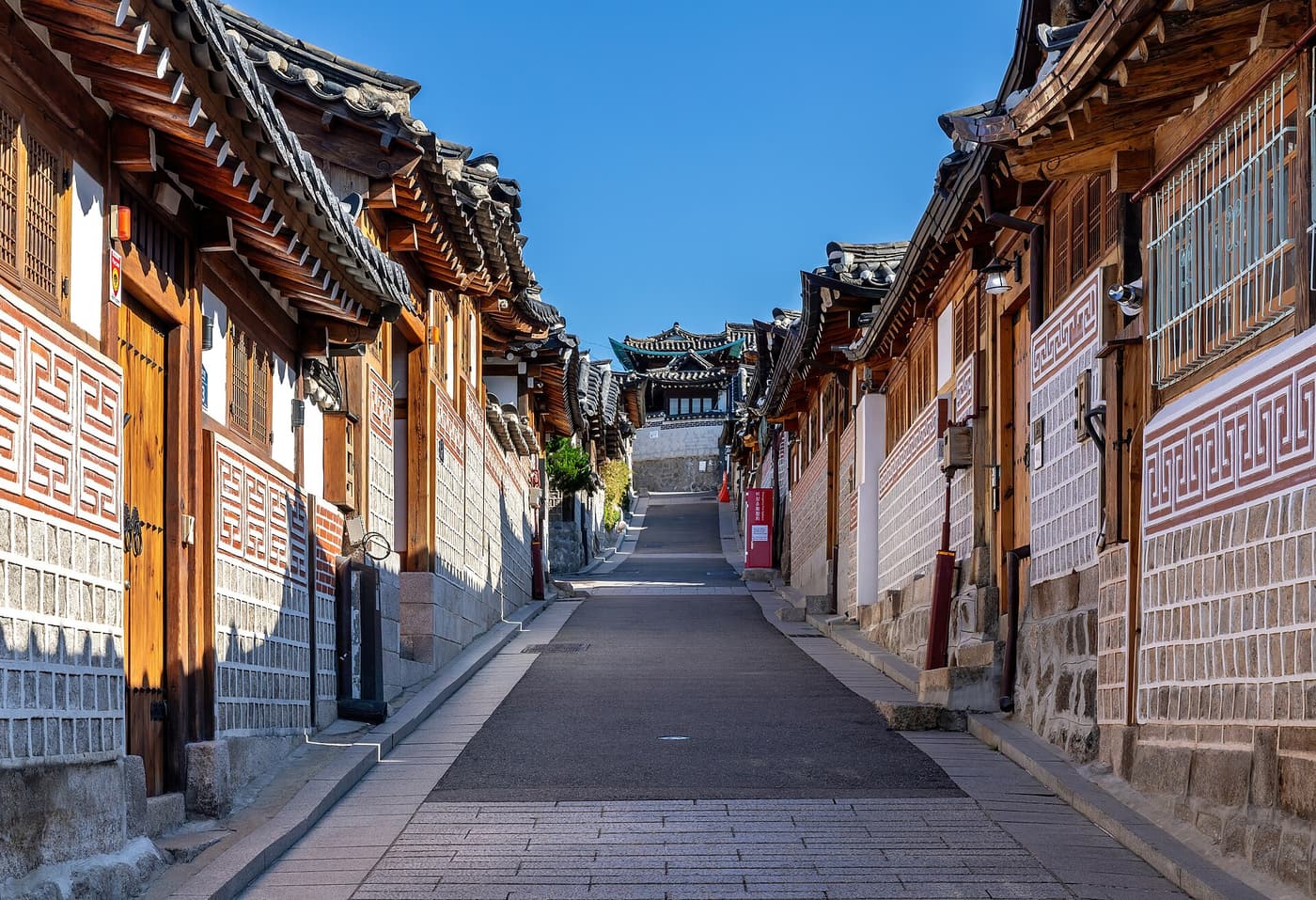
Bukchon Hanok Village, Seoul: The Village That Now Has Legal Visiting Hours
Bukchon is Korea's first Special Management Area for tourism. Since November 2024 the red-zone street has been closed to sightseeing after 5pm, with a ₩100,000 fine enforced from March 2025. It was also built by the same developer as Ikseon-dong.
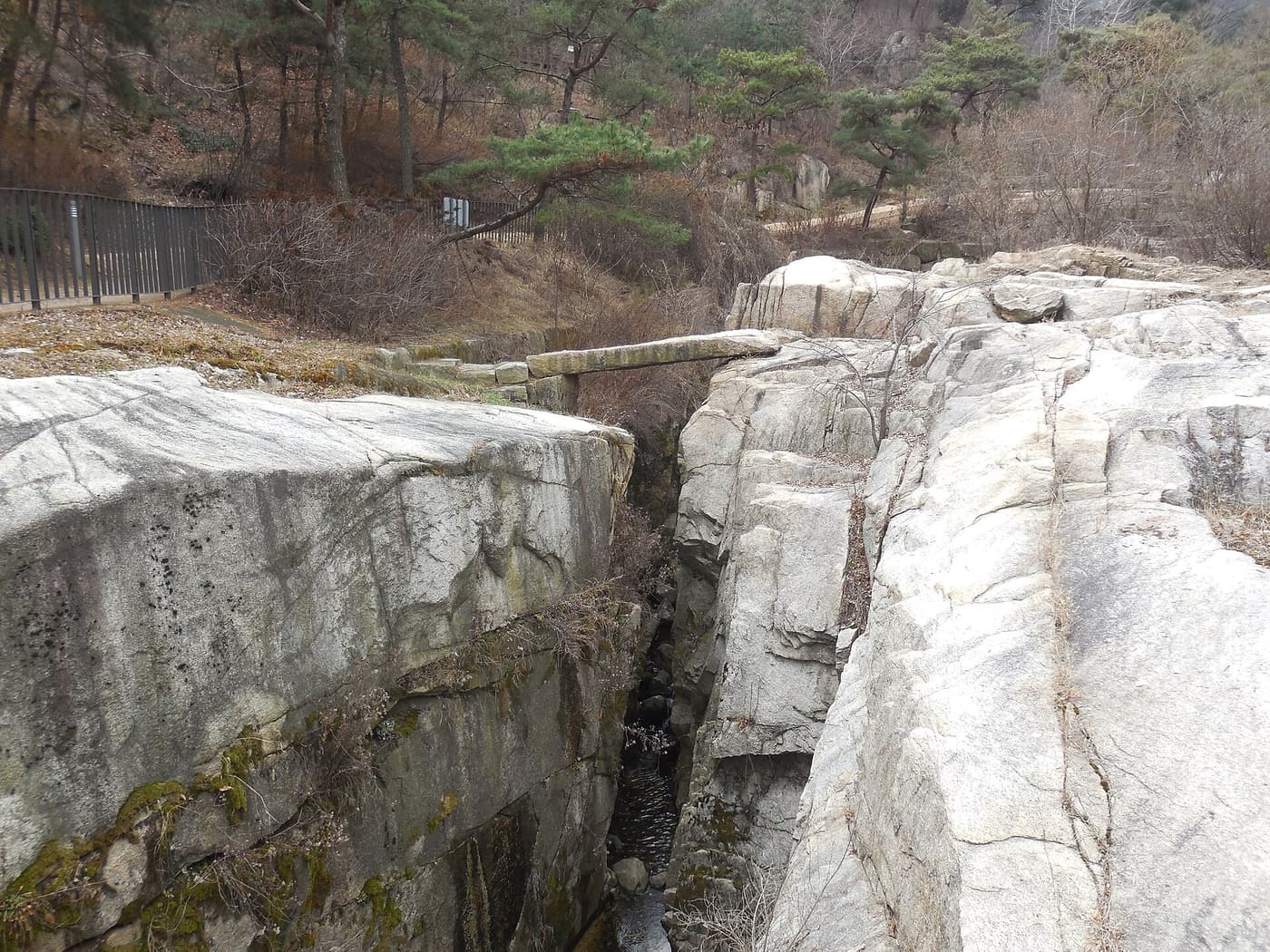
Seochon, Seoul: The Valley Restored From a 300-Year-Old Painting
Seoul demolished a 1971 apartment block in Seochon and rebuilt the valley underneath using an 18th-century painting as the reference. The stone bridge in the painting was still there. Plus the brass-coin lunchbox at Tongin Market, from ₩5,000.
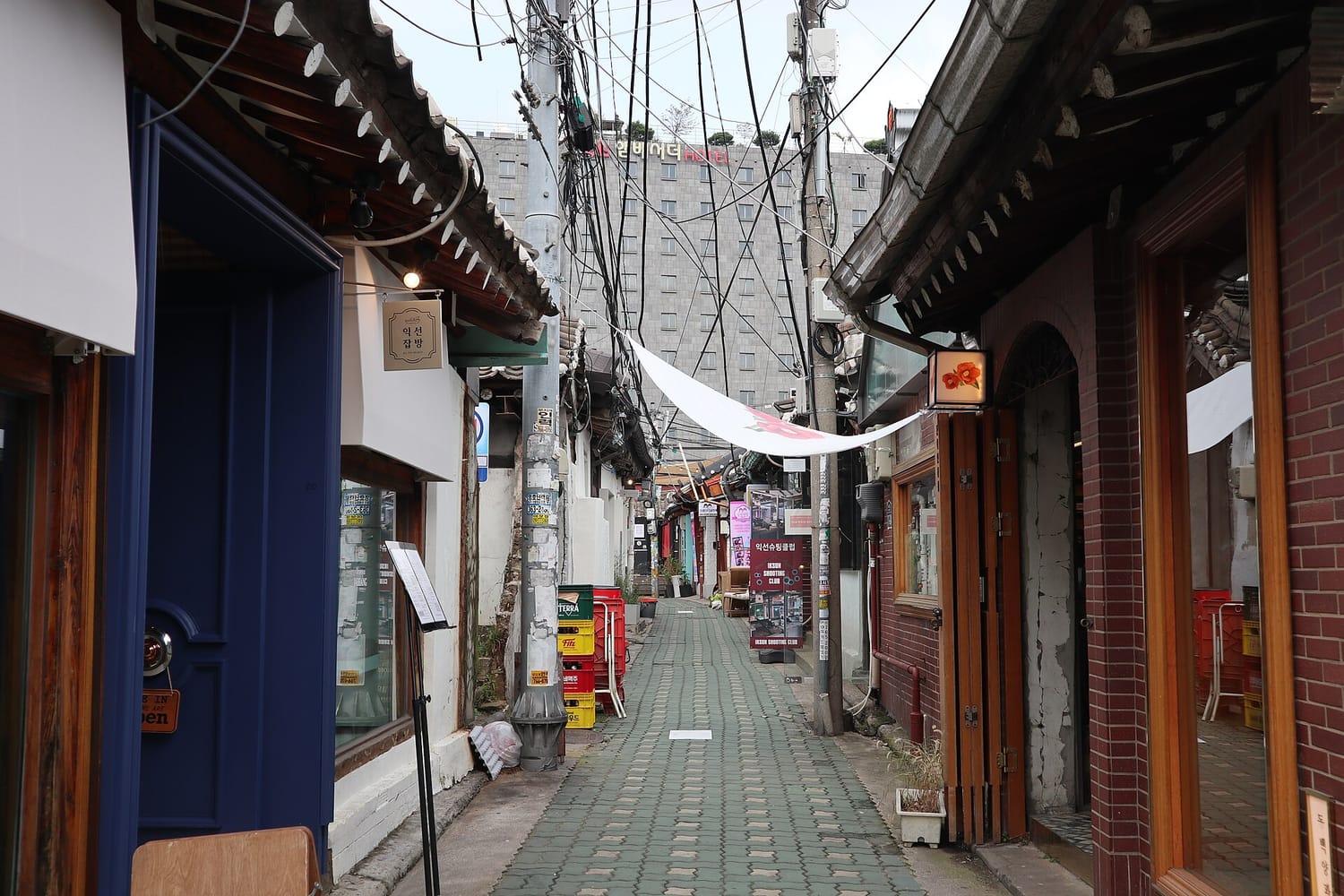
Ikseon-dong, Seoul: The Hanok Village a Developer Mass-Produced in the 1920s
Ikseon-dong is Seoul's oldest surviving hanok village, and it was not preserved from the Joseon era. It was built as a speculative housing development in the late 1920s, and it survived because redevelopment plans kept failing for nearly twenty years.