Incheon Airport Layover Guide: Getting Around ICN, Leaving the Airport for Seoul, AREX Last Trains, Night Buses, Rest and Food
Incheon Airport layover planning is not only about killing time between flights. For many Korea trips, it is the first real decision point: stay airside, rest, shower, eat, ride AREX, step into Seoul, or protect your energy for the next flight. Incheon International Airport is efficient, clean, and unusually usable for long transfers, but it still punishes vague plans. A six-hour layover can feel easy or exhausting depending on one question: do you know which version of the layover you are actually doing?
This guide is written for travelers passing through ICN in 2026 who want a practical, low-risk plan. It does not pretend that every facility is open at every hour, because airport restaurants, showers, lounges, nap zones, and transfer rules can change. Use this as a decision map, then check the latest Incheon Airport official page before relying on one specific counter or amenity.
Anker 10,000mAh power bank — keeps your phone alive through the transfer, the AREX run and the returnAffiliate link. As an Amazon Associate, EpicKor earns from qualifying purchases at no extra cost to you.
Quick Answer: What Should You Do On An Incheon Airport Layover?
For a layover under three hours, stay airside, follow transfer signs, eat lightly, refill water, charge your phone, and avoid unnecessary terminal wandering. For three to six hours, choose one airport-based reset: shower, lounge, nap zone, quiet seating, food court, duty-free browse, or short cultural activity if available. For six to ten hours, you can consider leaving the airport only if immigration, luggage, visa/K-ETA requirements, transport timing, and your risk tolerance all make sense. For overnight or long layovers, prioritize sleep logistics over sightseeing pride.
The biggest mistake is trying to do everything. Incheon can make you feel like you have more time than you do because it is organized. But transfer time is not free time. You still need boarding, security, possible terminal movement, immigration if you exit, walking distance, food queues, and buffer time.
If your final destination is Seoul, read EpicKor's Incheon Airport to Seoul transfer guide. If Korea is your destination rather than a transfer stop, pair this with the Korea e-Arrival Card and K-ETA guide, Korea travel payment setup, and Korea eSIM guide before you fly.
The First Decision: Airside Or Landside?
The first Incheon layover decision is whether you remain inside the secure transit area or formally enter Korea. Airside means you are still in the airport transfer world. Landside means you pass immigration, enter Korea, and later go through departure security again.
Airside is safer when your layover is short, your passport/entry status is uncertain, your luggage is checked through, you are tired, or your onward flight matters more than a Seoul photo. It is also better if you only want rest, food, shower access, duty-free browsing, or a quiet place to wait.
Landside makes sense when you have enough time, meet entry requirements, understand your terminal and departure time, and have a specific plan. That plan might be airport rail to Seoul Station, a nearby hotel/capsule stay, a quick meal outside the airport, or a structured stopover route. Do not leave because "Seoul is close." Seoul is reachable, but not instant.
The emotional trap is thinking a layover is wasted unless you leave the airport. That is not true at Incheon. A rested connection is often worth more than a rushed city attempt.
| Layover Length | Best Default Plan | Risk Level |
|---|---|---|
| Under 3 hours | Stay airside, transfer directly, eat or charge near the gate | Low if you avoid wandering |
| 3-6 hours | Airport reset: food, shower, lounge, nap zone, quiet seating | Low to medium |
| 6-10 hours | Possible landside exit only with a clear route and buffer | Medium |
| 10+ hours or overnight | Sleep-first plan: hotel, capsule, lounge, or structured long reset | Depends on arrival hour |
TOPBAG RFID passport wallet — passport and boarding pass in one flat place for a tight Incheon connection Whichever column of the table you are in, the passport and boarding pass are the two things you will reach for most — keep them together and flat, not buried under souvenirs. As an Amazon Associate, EpicKor earns from qualifying purchases at no extra cost to you.
See the passport wallet on AmazonWhat Incheon Does Better Than Many Airports
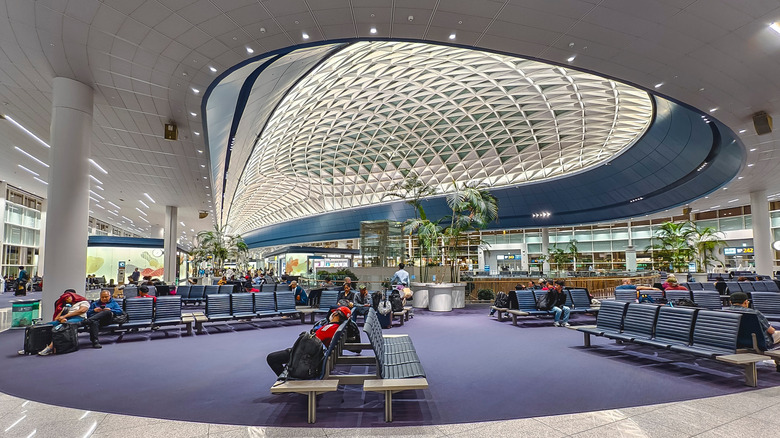
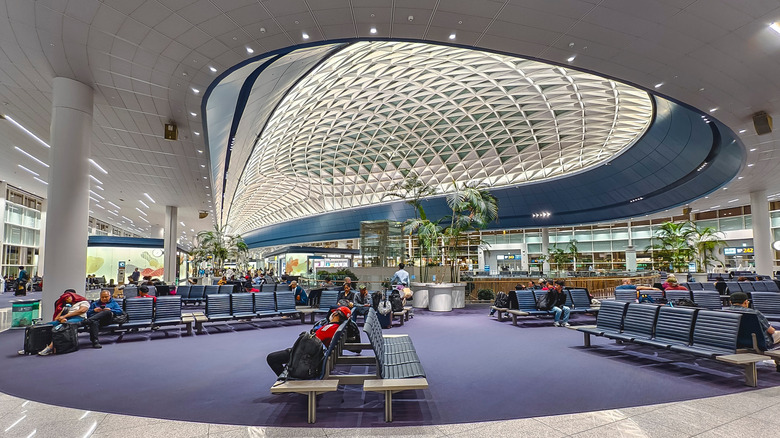
Incheon is built for transfer passengers in a way many airports are not. The signage is strong, English is widely available, airport rail links are clear, and the terminal interiors give you more usable space than a cramped regional airport. That does not mean every traveler will love a long wait, but it means a good plan can work.
The airport also sits between two travel worlds. It is a global transfer hub and a Korea entry point. You may see travelers who never enter Korea, tourists starting a Seoul trip, Korean families coming home, business travelers, K-pop fans with luggage, and long-haul passengers trying to sleep upright. That mix explains why the airport has to solve many problems at once: transit, immigration, shopping, food, rest, rail, buses, taxis, luggage, showers, and mobile connectivity.
The official Incheon Airport website is the source to check before relying on any one facility. Use it for terminal maps, transfer process, transport, announcements, and service locations. The airport also changes over time. Airline lounges, commercial areas, security flows, and terminal services can be renovated, moved, or renamed.
The Three-Hour Layover Plan
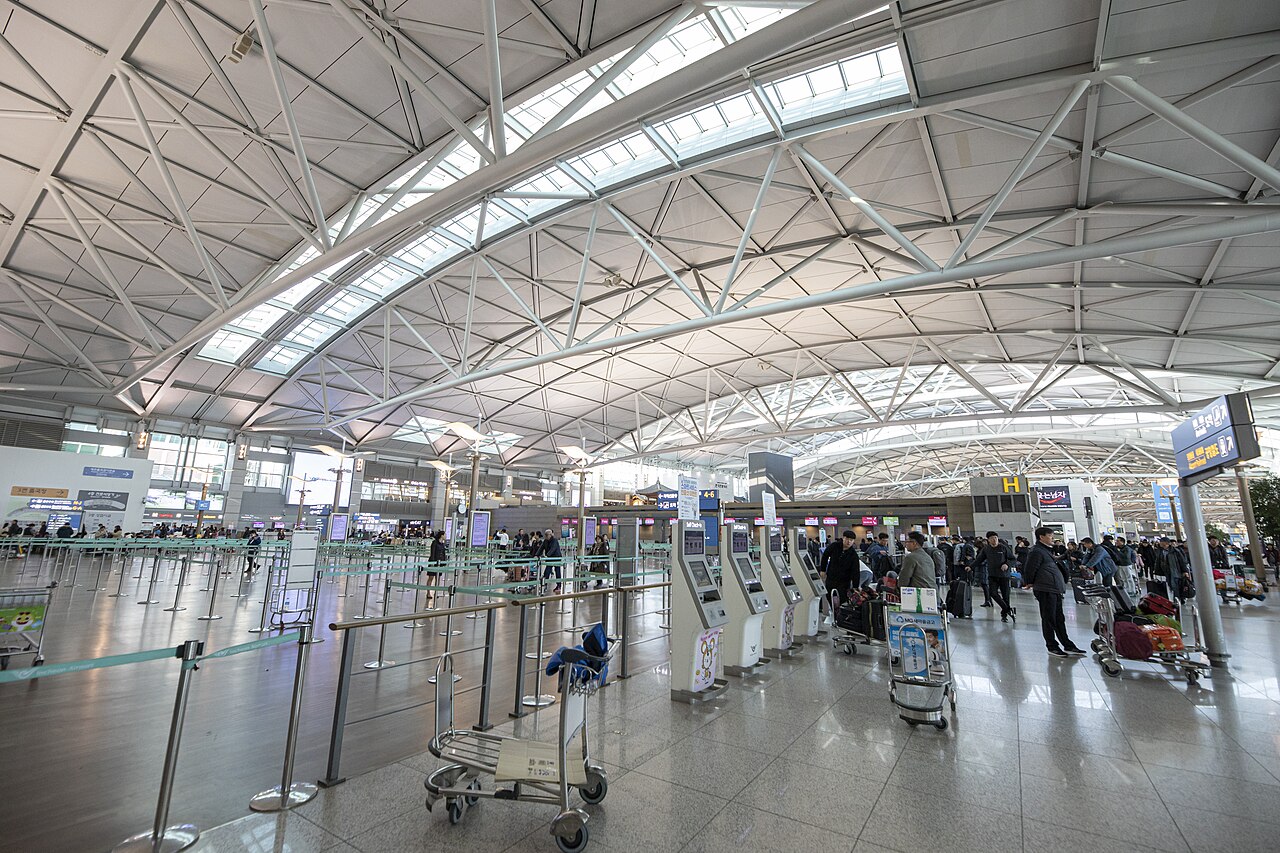
If you have less than three hours, do not get creative. Follow transfer signs, confirm your gate or terminal, check the departure board, then solve only the basics: bathroom, water, food, phone charge, and stretch. If you are arriving from a long-haul flight, your brain may exaggerate how much time you have. It is normal to lose 20 minutes just walking, checking screens, and understanding where you are.
Choose food that does not slow you down. A small Korean meal, bakery item, coffee, triangle gimbap, or simple rice dish is better than a sit-down meal far from your gate. Keep the boarding pass and passport easy to reach. If your next flight is important, sit where you can see time and move quickly.
Do not go landside. Do not ride AREX. Do not chase a shower on the other side of the terminal unless you already know exactly where it is and have time. The short layover is about reducing friction, not maximizing Korea.
This is also where a small packing setup matters. You do not want your charging cable buried under souvenirs, your passport in the wrong pouch, or your toothbrush somewhere in checked luggage.
The Six-Hour Layover Plan
A six-hour Incheon layover is the most tempting and the most misunderstood. It feels long enough to do Seoul, but it may not be long enough to do Seoul comfortably. The safe default is an airport reset: shower if available, rest, eat, walk, charge, maybe use a lounge, and arrive at the next flight fresher than you landed.
If you want to leave the airport, calculate backward. Start with your boarding time, not departure time. Add security and immigration re-entry. Add the airport rail or bus time back. Add transfer time inside the station. Add the time you need if you get lost, miss a train, or find a queue. What remains is your actual city time.
For many travelers, the answer will be: not much. That does not mean you failed. It means you protected the flight.
The airport itself can still feel like Korea if you use it properly. Eat Korean food. Look at convenience-store snacks. Browse skincare or travel goods. Observe signage. Use the airport rail area if your next trip begins here. A layover does not have to become a mini Seoul marathon to be useful.
Can I Leave Incheon Airport During a Layover, and How Do I Get Around?
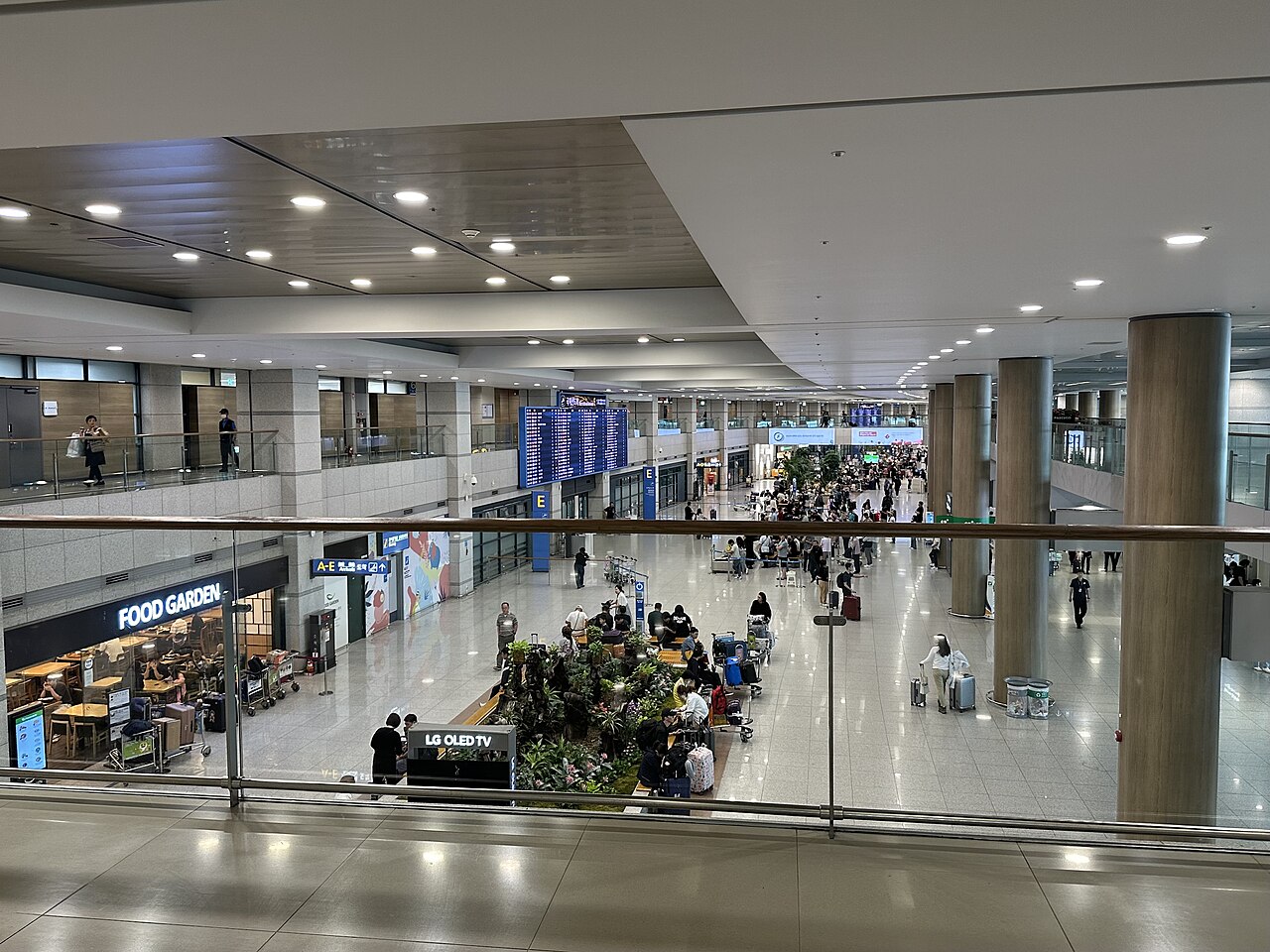
Leaving Incheon during a layover can make sense when you have a long buffer, legal entry is clear, luggage is handled, and your route is simple. The easiest non-chaotic version is not "see all of Seoul." It is one controlled plan: airport rail to Seoul Station and back, a nearby hotel/rest plan, a short meal outside the airport, or a stopover program if currently available and suited to your schedule.
Do not choose a route with transfers across half the city. Do not go to a famous neighborhood just because it is famous. Hongdae, Myeongdong, Gangnam, palaces, and markets each have different transfer realities from the airport. A place that looks close on a map can still be bad for a layover if the final-mile movement is clumsy.
If you exit, set a return alarm before you leave the airport. Then set a second alarm 20 minutes earlier. Use a navigation app that works in Korea, not only your usual map habit. EpicKor's Google Maps in Korea guide explains why Naver Map and Kakao T matter for tourist routing.
The strongest reason to leave is not bragging rights. It is a specific, low-risk goal that improves your trip: a real bed, a shower, a simple meal, or a controlled first taste of Korea before continuing.
Getting around Incheon Airport itself
Incheon has two terminals about 15 minutes apart, and a transfer between them is the one piece of "getting around" that most layovers actually involve. A free shuttle bus links Terminal 1 and Terminal 2 from the transportation centres in front of each building, running every few minutes around the clock, and the AREX all-stop train also runs between the two terminal stations. Inside the terminals, everything airside is walkable; the concourse at Terminal 1 is reached by an underground shuttle train from the main building, which is the walk people forget to budget.
Leaving for Seoul: the train, the cutoffs, and what runs after it
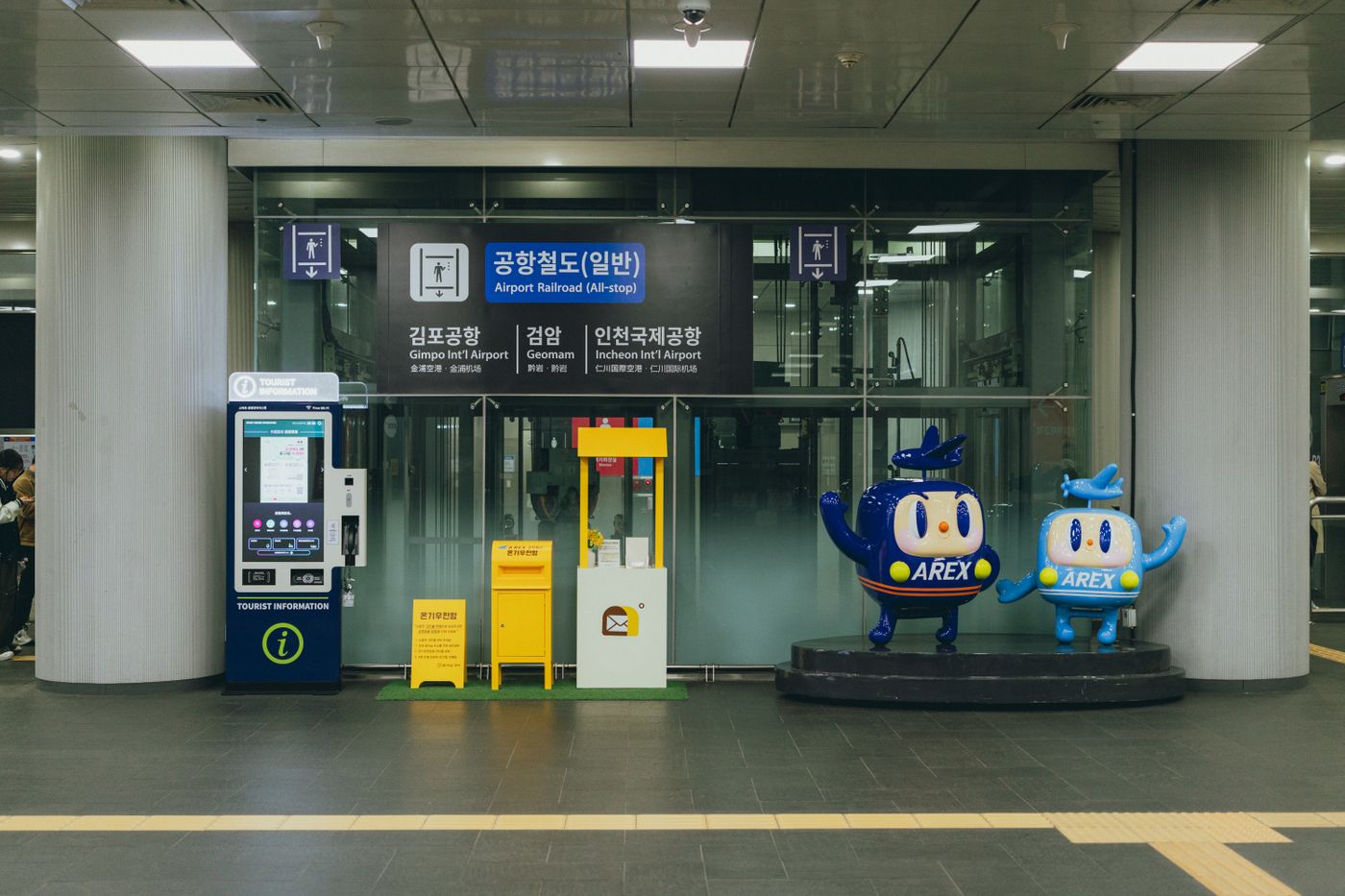
The Airport Railroad (AREX) is the way out. The express runs non-stop to Seoul Station in 43 minutes from Terminal 1 (51 from Terminal 2) for ₩13,000; the all-stop train takes about an hour, stops at Hongik University and Gimpo Airport on the way, and costs a normal transit fare of roughly ₩4,750 with a T-money card. The times that matter on a layover are the last ones: the last express leaves Terminal 2 at 22:40 and Terminal 1 at 22:48, and the last all-stop train that reaches Seoul Station leaves Terminal 1 at 23:39. Coming back, the last all-stop train from Seoul Station that reaches the airport leaves at 23:40, and the last express at 22:50. Miss those and the options are the airport night buses, N6001 (Terminal 1 to Seoul Station via Yongsan) and N6002 (rerouted on 1 August 2025 to Hongik University, Gwanghwamun, Dongdaemun and Cheongnyangni), ₩9,000, roughly hourly until about 04:00, or a taxi from the numbered stands, about ₩55,000 to ₩75,000 to the centre by day on the sedan meter and 20 to 40 percent more after 22:00. Our Seoul subway first and last train guide has the station-by-station cutoffs once you are in the city, and the large-taxi guide covers vans for a group with luggage.
Food Strategy At ICN
Airport food is not the same as a Seoul restaurant crawl, but Incheon gives you enough options to make smart choices. For a short layover, eat near your route. For a longer layover, choose food that helps your body recover: soup, rice, noodles, fruit, coffee, water, or a simple snack.
Korean airport meals can be comforting because they give structure after a long flight. A rice bowl, soup, noodle bowl, gimbap, or bakery item feels more like a reset than another packet of airplane snacks. If you are about to board a long flight, avoid overeating spicy or heavy food unless your stomach handles it well.
Convenience-store style items can be more practical than a restaurant. A bottled tea, yogurt drink, triangle gimbap, banana milk, seaweed snack, or protein snack may fit your timing better than a full meal. If Korea is your destination, this is also a low-pressure introduction to the foods you will see everywhere later.
If you have allergies or dietary restrictions, do not gamble on unclear airport food. Read labels, ask when possible, and keep a backup snack. EpicKor's Korean ingredient label guide is useful before relying on convenience-store meals.
Shower, Nap, Lounge, And Rest Choices
Airport rest facilities are useful, but they are also the part of a layover that changes most easily. Shower rooms, nap zones, paid lounges, airline lounges, rest areas, capsule hotels, and transfer amenities can have terminal-specific locations, hours, eligibility rules, and temporary closures. Treat any blog that lists a fixed shower room as a starting point, not a guarantee.
Your first step should be the official Incheon Airport map or information desk. Ask by terminal and by passenger status: transit passenger, landside passenger, departure passenger, or airline lounge guest. Those categories matter. A facility may be easy for one traveler and unusable for another.
If you need sleep, be honest about your body. A quiet chair may be enough for two hours. It is not enough for an overnight reset before a high-stakes meeting or long onward flight. In that case, compare airport hotel, capsule hotel, paid lounge, or a nearby accommodation plan. Sometimes spending money on sleep is cheaper than losing the first day of the trip.
Build a tiny refresh kit in your carry-on: toothbrush, toothpaste, face wipes, deodorant, one clean shirt, socks, charging cable, medication, and any contact lens supplies. Do not assume checked luggage will be accessible.
AREX And The Seoul Decision
AREX is the airport railroad link that makes Seoul feel reachable. It is extremely useful, but it should not trick you into underestimating the whole chain. Getting from plane seat to airport rail platform takes time. Getting from Seoul Station to an actual destination takes more time. Returning, re-entering, and boarding take more time again.
If you use AREX, simplify the route. Seoul Station is a logical anchor because it is direct and connected, but it is still a major station that can feel confusing with luggage. If you are new to Korea, do not stack three goals. One station, one meal, one short walk, then return.
If you only need to understand the route for a future trip, you can visit the airport rail area, read signs, and save the practical knowledge for arrival day. That is still useful.
What To Pack In Your Personal Item
A good Incheon layover bag is small and deliberate. Keep documents in one place. Keep power in one place. Keep hygiene in one small pouch. Keep one layer accessible because airport temperatures can swing between warm walking zones and cool waiting areas.
The most useful items are not exotic: passport pouch, pen, charging cable, power bank, wired backup earbuds, sleep mask, compact toothbrush, wipes, lip balm, medication, compression socks for long-haul flights, and a clean shirt. If Korea is your destination, add a transit/payment plan and eSIM setup before you land.
Do not overpack the airport bag. If the bag is too full, it becomes useless. You should be able to reach your passport, phone, wallet, and cable in seconds.
Incheon accommodation on Agoda — for an overnight layover Use the map and airport filters to verify the terminal, transfer time, shuttle schedule, cancellation terms, taxes, and final price before booking. EpicKor may earn a commission if you book through this Agoda link, at no extra cost to you.
Compare Incheon stays on AgodaCommon Mistakes
The first mistake is counting layover time from landing to takeoff. That is not usable time. Count from the moment you are physically free to move to the moment you must be back at the gate area.
The second mistake is leaving the airport because an app says the train ride is possible. The train ride is only one part of the chain.
The third mistake is chasing one amenity without checking terminal location. If the shower, lounge, rest zone, restaurant, or rail entrance is far from your path, it may not be worth it.
The fourth mistake is forgetting entry requirements. If you leave the airside transit zone, you are entering Korea. That can involve documents, forms, visa waiver rules, and time.
The fifth mistake is treating duty-free shopping as harmless. It can be fun, but it can also add weight, liquids, receipts, and distractions right before boarding.
Sources Checked
For current airport orientation, always start with the Incheon International Airport official website. This post also checked current airport-retail and lounge context through Wallpaper's report on Korean Air's Incheon Airport lounge updates. Airport facilities, eligibility, hours, and commercial tenants can change, so verify the exact service before building a connection around it.
You might like: 18.9 Million Visitors Told Korea What They Couldn't Find: The Official Exit Survey, and the Answers to All Four Gaps
FAQ
Can I leave Incheon Airport during a layover?
Yes, if you are eligible to enter Korea (K-ETA or the e-Arrival Card, depending on your passport), your luggage is checked through or stored, and your layover is long enough for immigration both ways plus the train. Six hours is the practical minimum for a controlled trip to Seoul Station and back; under that, stay airside.
What is the last train from Incheon Airport to Seoul?
The last AREX express leaves Terminal 2 at 22:40 and Terminal 1 at 22:48. The last all-stop train that reaches Seoul Station leaves Terminal 1 at 23:39. After that, the N6001 and N6002 night buses (₩9,000) run to central Seoul until about 04:00, and taxis wait at the numbered stands.
Is a 3-hour Incheon Airport layover enough to leave the airport?
No, not in a practical sense for most travelers. A 3-hour layover should stay airside. Use the time for transfer, food, charging, bathroom, and gate movement.
Is a 6-hour Incheon layover enough to visit Seoul?
Sometimes, but it is not the safest default. You need clear entry permission, no luggage problem, a simple route, and a large return buffer. Many travelers are better off using a 6-hour layover for an airport reset.
Can I sleep at Incheon Airport?
You can usually find places to rest, but the best option depends on terminal, time, passenger status, and budget. Check official maps and current facility listings before assuming a specific nap zone, lounge, or hotel is available.
Should I use AREX during a layover?
Use AREX only if your layover is long enough and your route is simple. For short connections, save AREX for a future trip or use the airport rail area only for orientation.
What should I keep in my carry-on for an ICN layover?
Keep your passport, boarding pass, phone, charging cable, power bank, toothbrush, wipes, medication, clean socks, and one light layer accessible. Do not bury essentials in checked luggage.
Final Take
The best Incheon Airport layover is not the busiest one. It is the one that matches your time, energy, entry status, and next flight. Under three hours, transfer calmly. Around six hours, reset at the airport unless your city plan is very clear. Longer than that, decide whether sleep, shower, food, or a controlled Seoul stop will make the next part of the trip better.
Incheon works well when you treat it like travel infrastructure, not a dare. Use the airport, protect the buffer, and let the layover make the rest of the trip easier.
You Might Also Like
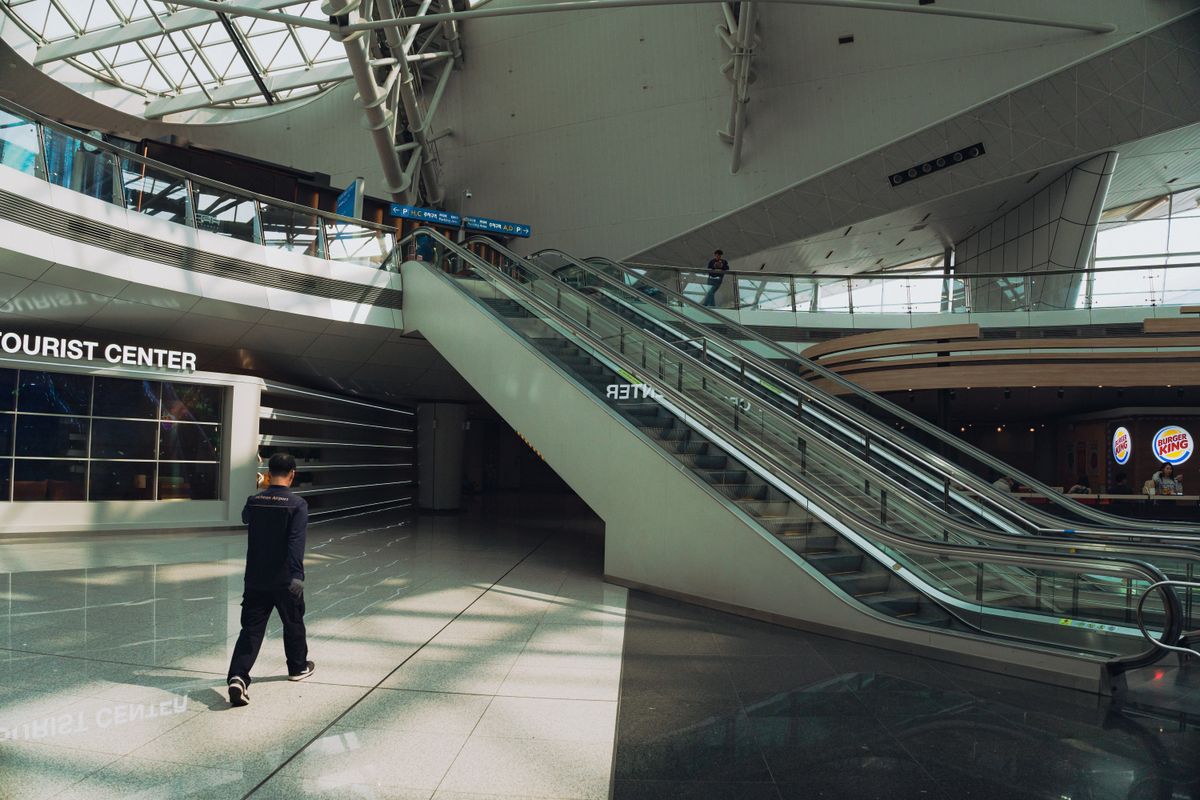
Incheon Airport to Seoul Guide: AREX, Bus, Taxi
A practical Incheon Airport to Seoul guide comparing AREX, airport buses, taxis, late-night arrivals, luggage, hotel areas, and first-time choices.
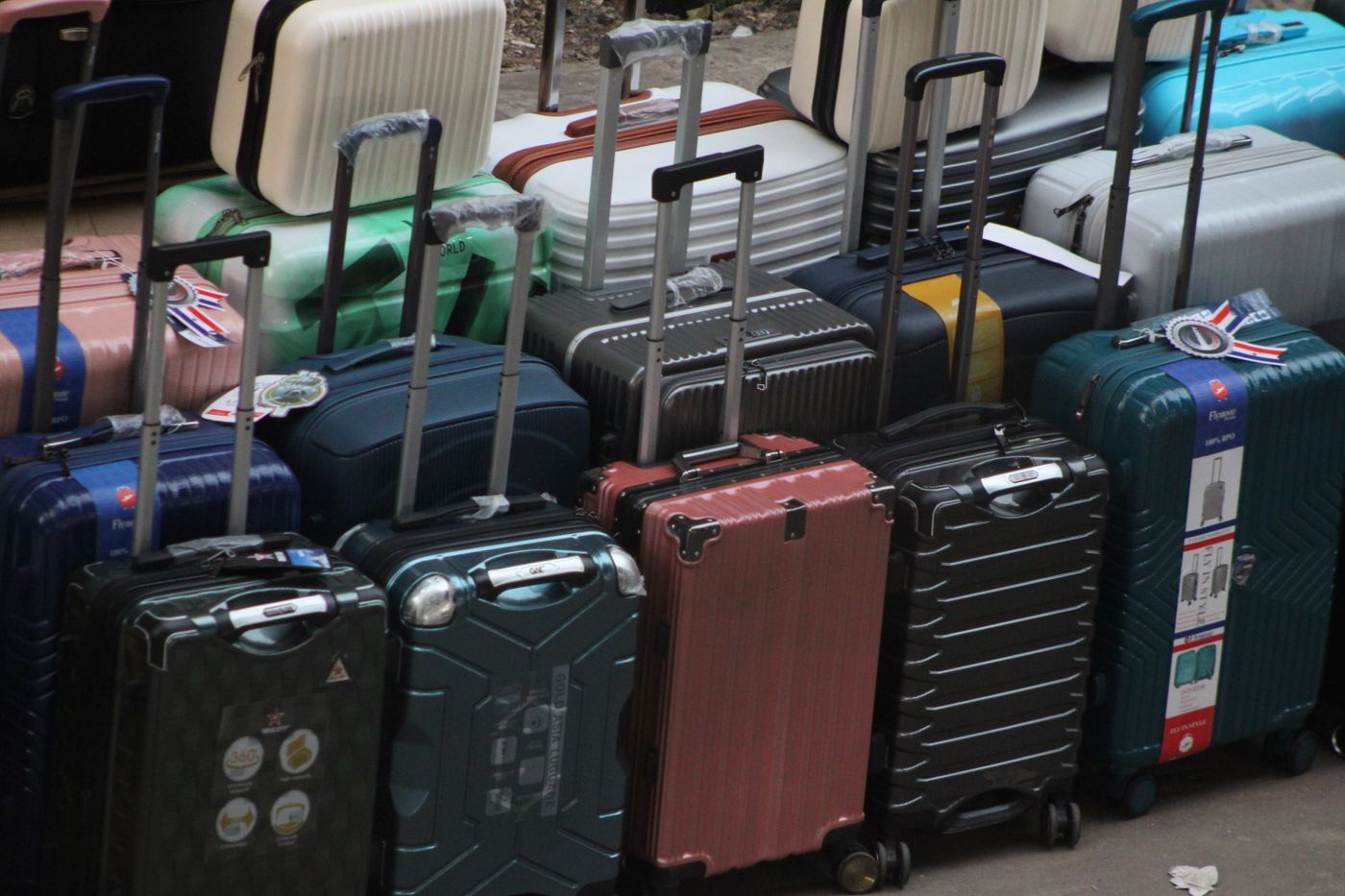
Korea Hands-Free Travel Guide: Lockers and Luggage
A Korea hands-free travel guide for tourists: lockers, luggage delivery, hotel storage, Seoul Station check-in, and airport transfer planning.
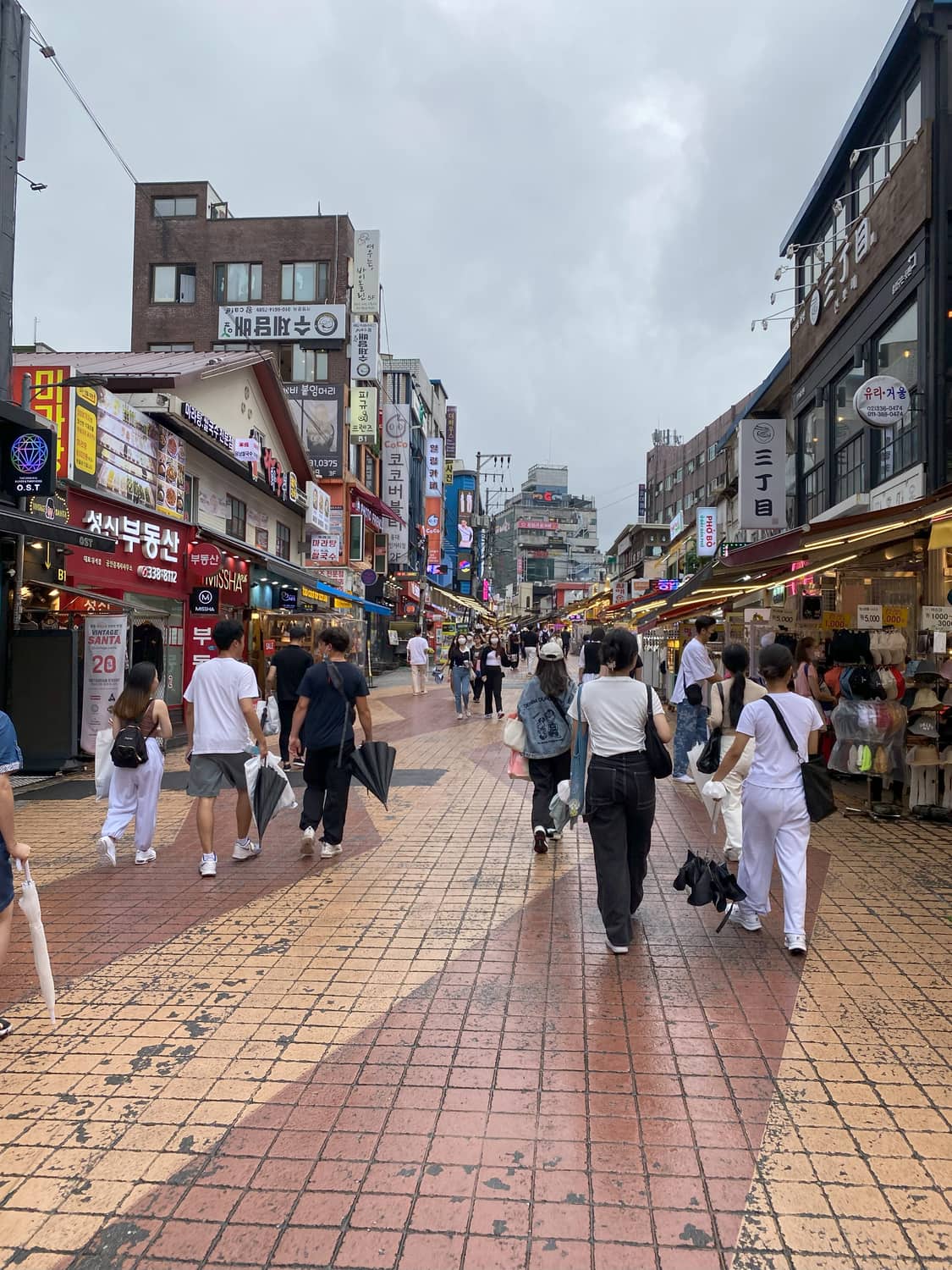
Do Koreans Speak English? Ask Someone Under 35 — What Actually Happens on a Seoul Street
Yes, if you ask the right person. Stop a Korean in their twenties or thirties on a Seoul street and you will almost always get an answer in English. The forum answer that says otherwise is twenty years old. Who to ask, how to ask, where English is built in.