7-Day Korea Itinerary: Seoul, Gyeongju, and Busan by KTX
One week is the most common first trip to Korea, and it is enough, if you resist the urge to see everything. This 7-day Korea itinerary follows the route locals recommend to first-timers: three days in Seoul for palaces, food, and neighborhoods, a KTX jump to Gyeongju for Korea's ancient capital, and a finish in Busan for coast, markets, and skyline. You ride the country's excellent trains instead of backtracking, and every night has a logical base.
Below is the day-by-day plan, the transport logic that makes it work, and the small logistics (transit cards, palace closing days, luggage) that decide whether a week in Korea feels effortless or exhausting.
The Route at a Glance
| Day | Base | Highlights |
|---|---|---|
| 1 | Seoul | Gyeongbokgung in hanbok, Bukchon, Insadong, Gwangjang Market dinner |
| 2 | Seoul | Seongsu and Hongdae neighborhoods, N Seoul Tower sunset |
| 3 | Seoul | DMZ morning tour or palace-and-museum day, Myeongdong night |
| 4 | Gyeongju | KTX south, Bulguksa Temple, Seokguram Grotto |
| 5 | Gyeongju → Busan | Daereungwon tombs, Donggung and Wolji Pond at night, or evening hop to Busan |
| 6 | Busan | Gamcheon Culture Village, Jagalchi Market, Gwangalli night beach |
| 7 | Busan → Seoul | Haeundae morning, KTX back for the flight home |
Anker 10,000mAh power bank — on AmazonAffiliate link. As an Amazon Associate, EpicKor earns from qualifying purchases at no extra cost to you.
If your flight leaves from Incheon early on Day 7, shift the itinerary one notch: do Busan on Days 5-6 and sleep in Seoul on the final night.
Days 1-3: Seoul
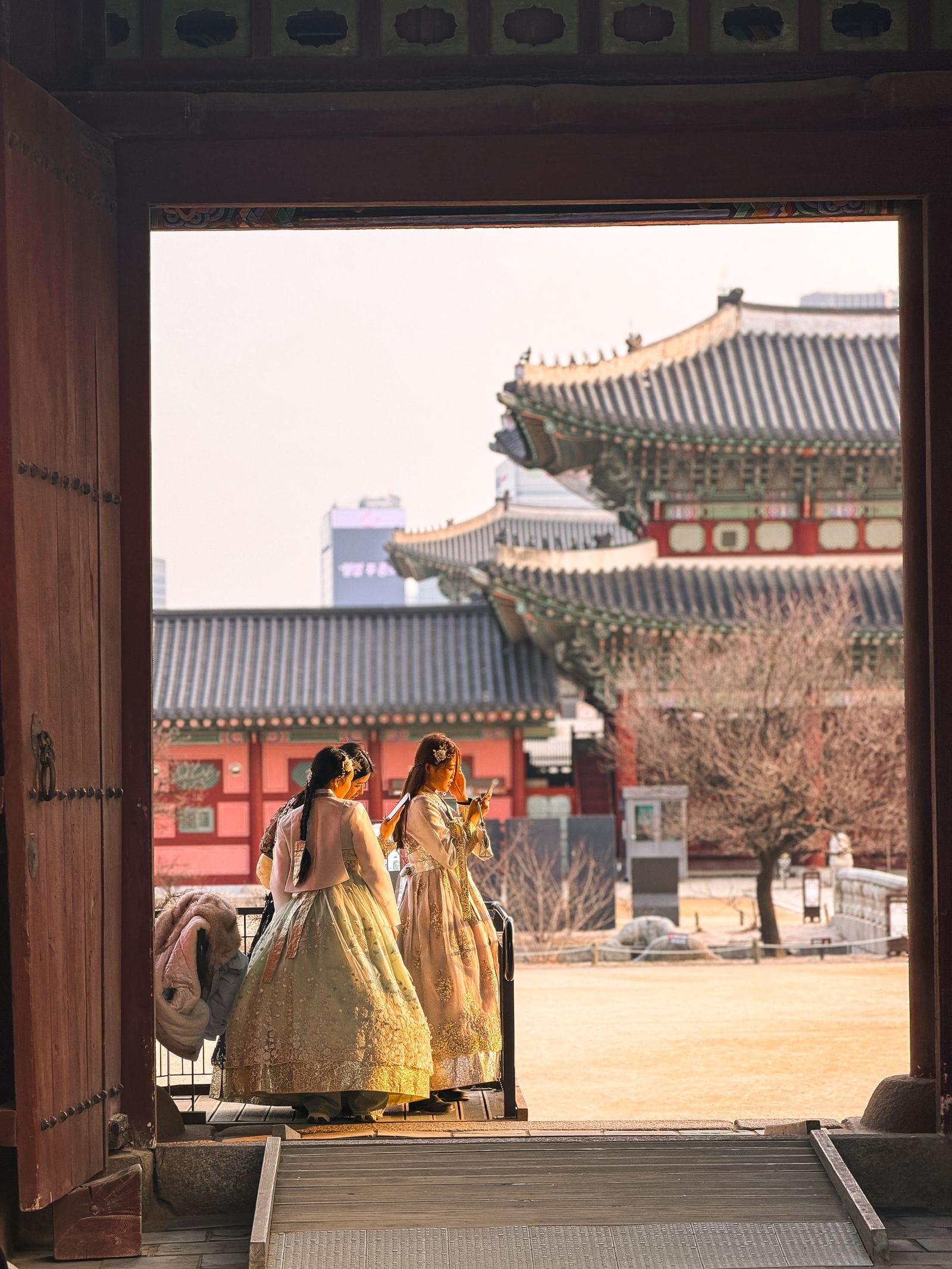
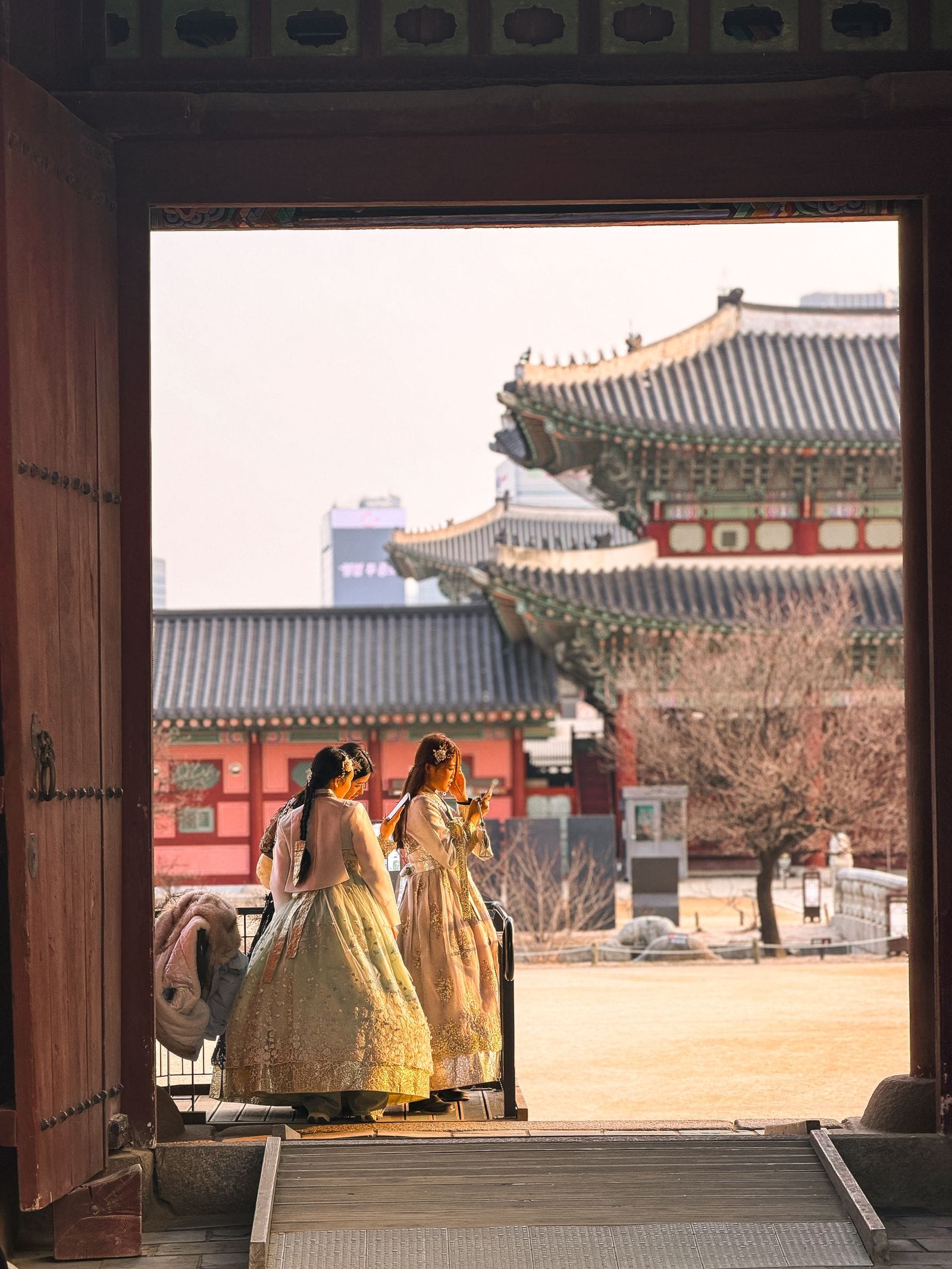
Day 1: the classic center. Start at Gyeongbokgung Palace when gates open and beat the tour buses. Rent a hanbok nearby first: palace admission is free in traditional dress, photos are dramatically better, and the whole system is explained in our hanbok rental guide. Note that Gyeongbokgung closes on Tuesdays; if that is your Day 1, swap in Changdeokgung (closed Mondays) and its Secret Garden. Walk out through the National Palace Museum side to Gwanghwamun Square, then drift east into Bukchon Hanok Village and Insadong for tea houses and craft shops. Finish at Gwangjang Market with bindaetteok (mung bean pancakes) and knife-cut noodles among the fabric stalls.
Day 2: the modern city. Morning in Seongsu, Seoul's converted-warehouse cafe district, then cross the river or hop the subway to Hongdae for street fashion and busking energy. In late afternoon, take the cable car or bus up Namsan for N Seoul Tower at sunset, when the city grid lights up below. Evening options run from Han River picnic chicken to a K-pop or jazz show, depending on your speed.
Day 3: history at the border, or depth in the city. The DMZ is the most sobering half-day trip in Asia and requires booking a licensed tour in advance with your passport; most depart early and return by mid-afternoon. If the border is not your thing, use Day 3 for the National Museum of Korea plus one more palace at night when seasonal moonlight openings run, then close with Myeongdong street food and skincare shopping.
Seoul-only logistics: get a T-money transit card at any convenience store on arrival, load cash, and tap everything. Subway navigation runs on Naver Map or Kakao Map, not Google Maps; our Korea app setup guide and payment setup guide cover the five-minute phone prep that makes the whole week frictionless.
Days 4-5: Gyeongju, the Museum Without Walls
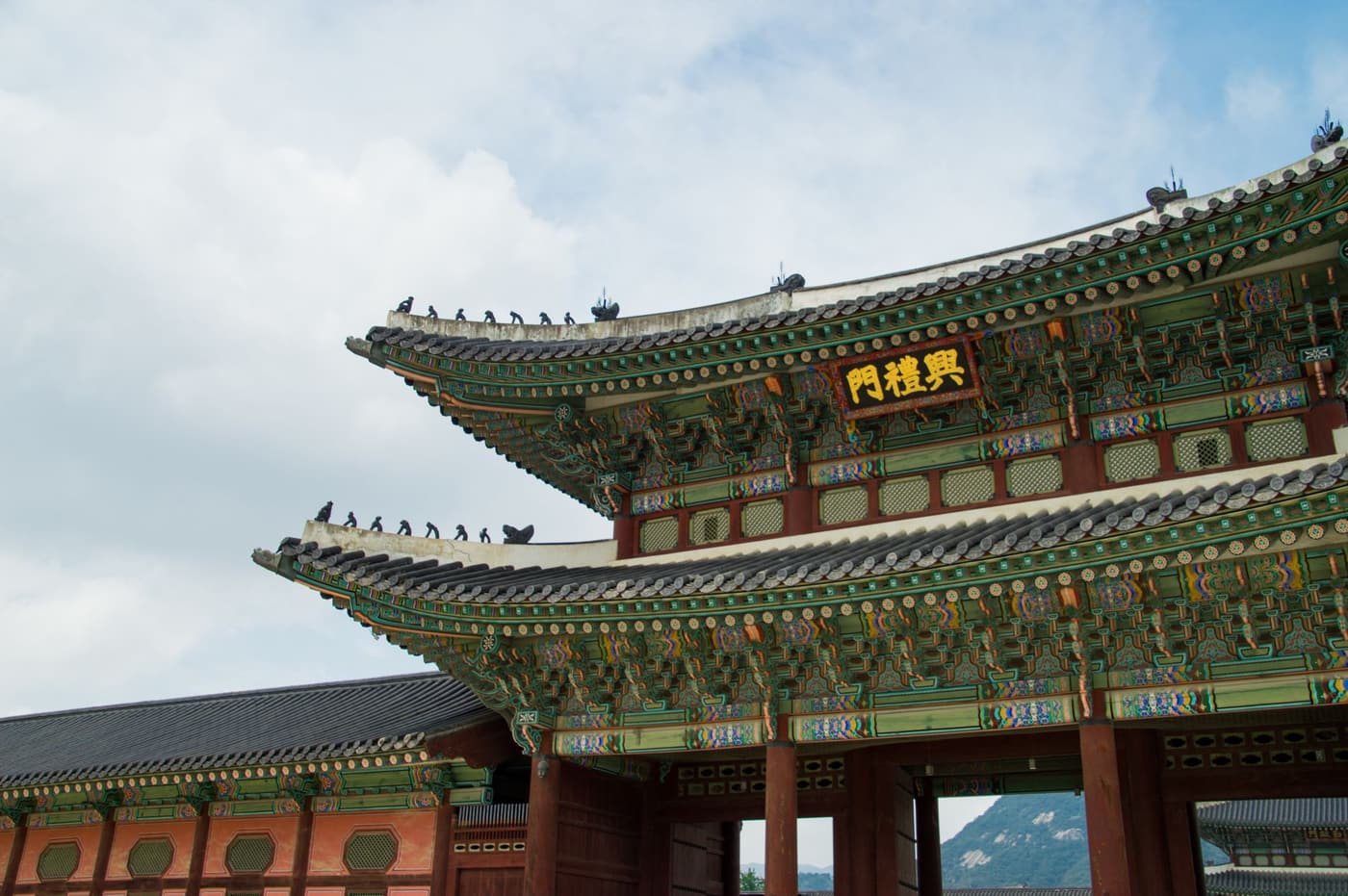
Take the KTX from Seoul Station toward Busan and get off at Singyeongju Station (roughly two hours); a short bus or taxi brings you into Gyeongju proper. Capital of the Silla Kingdom for nearly a millennium, Gyeongju wears its history in the open: royal burial mounds rise like green hills in the middle of town, which is why Koreans call it the museum without walls.
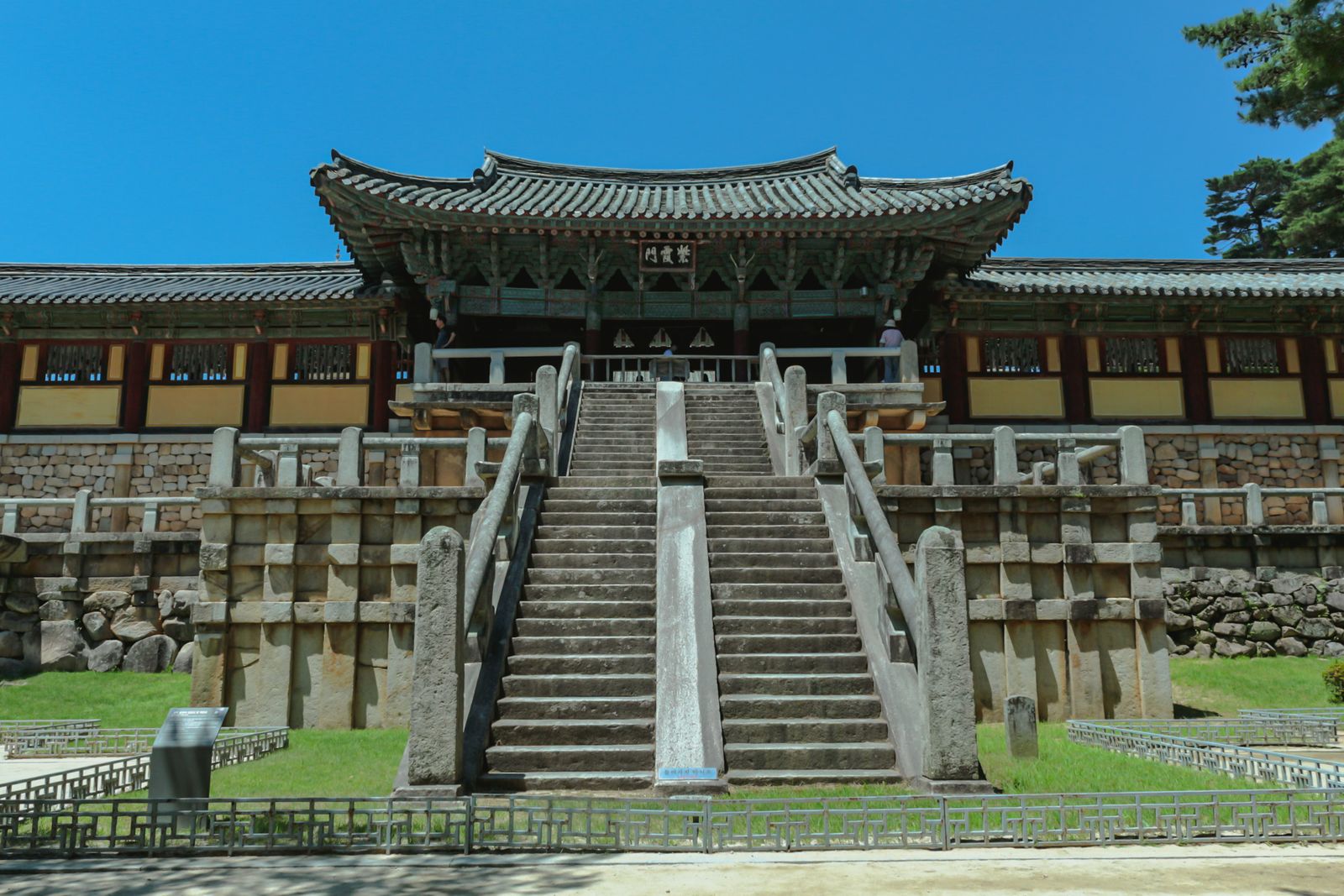
Day 4: the UNESCO afternoon. Head straight for Bulguksa Temple, the masterpiece of Silla Buddhist architecture and a UNESCO World Heritage site, and continue up the mountain road to Seokguram Grotto, where a serene granite Buddha has watched the East Sea since the 8th century. Return to town for Hwangnidan-gil, Gyeongju's hanok cafe street, for dinner.
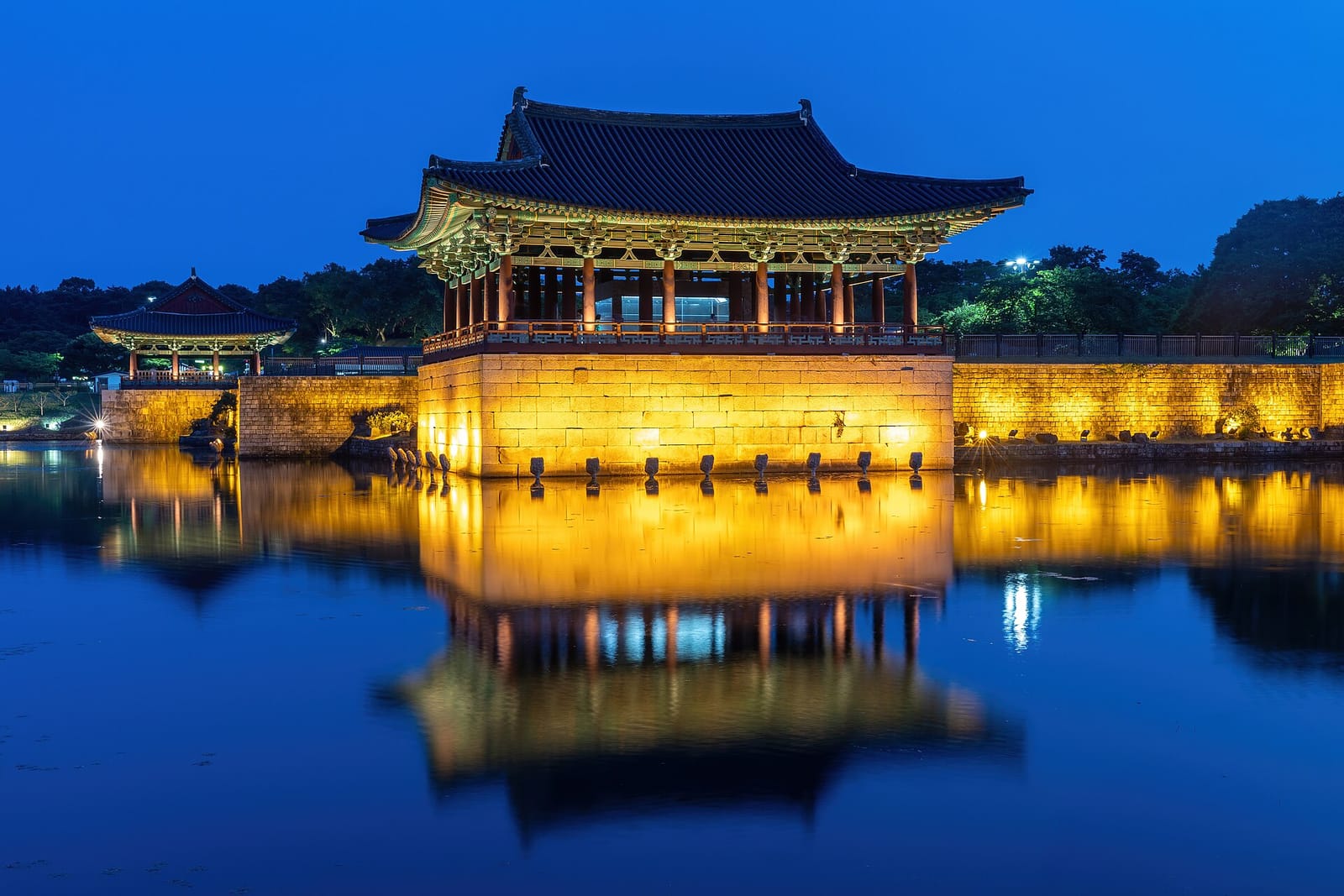
Day 5: tombs by day, ponds by night. Walk the Daereungwon tomb complex and peek inside Cheonmachong, then see the Gyeongju National Museum's Silla gold crowns. Save energy for the evening: Donggung Palace and Wolji Pond is Korea's definitive night view, the pavilions burning gold above their own reflections. Afterwards, ride the short KTX leg to Busan tonight, or sleep in Gyeongju and go at dawn.
Trains, tombs, and ten thousand steps: As an Amazon Associate, EpicKor may earn from qualifying purchases. A week like this runs on your phone for maps, translation, and tickets, so compare portable power banks and pack one that covers a full day out.
See portable power banks on AmazonDays 6-7: Busan
Busan is Korea at a different voltage: a port city of mountains, beaches, and the country's best seafood, all strung together by an easy metro.
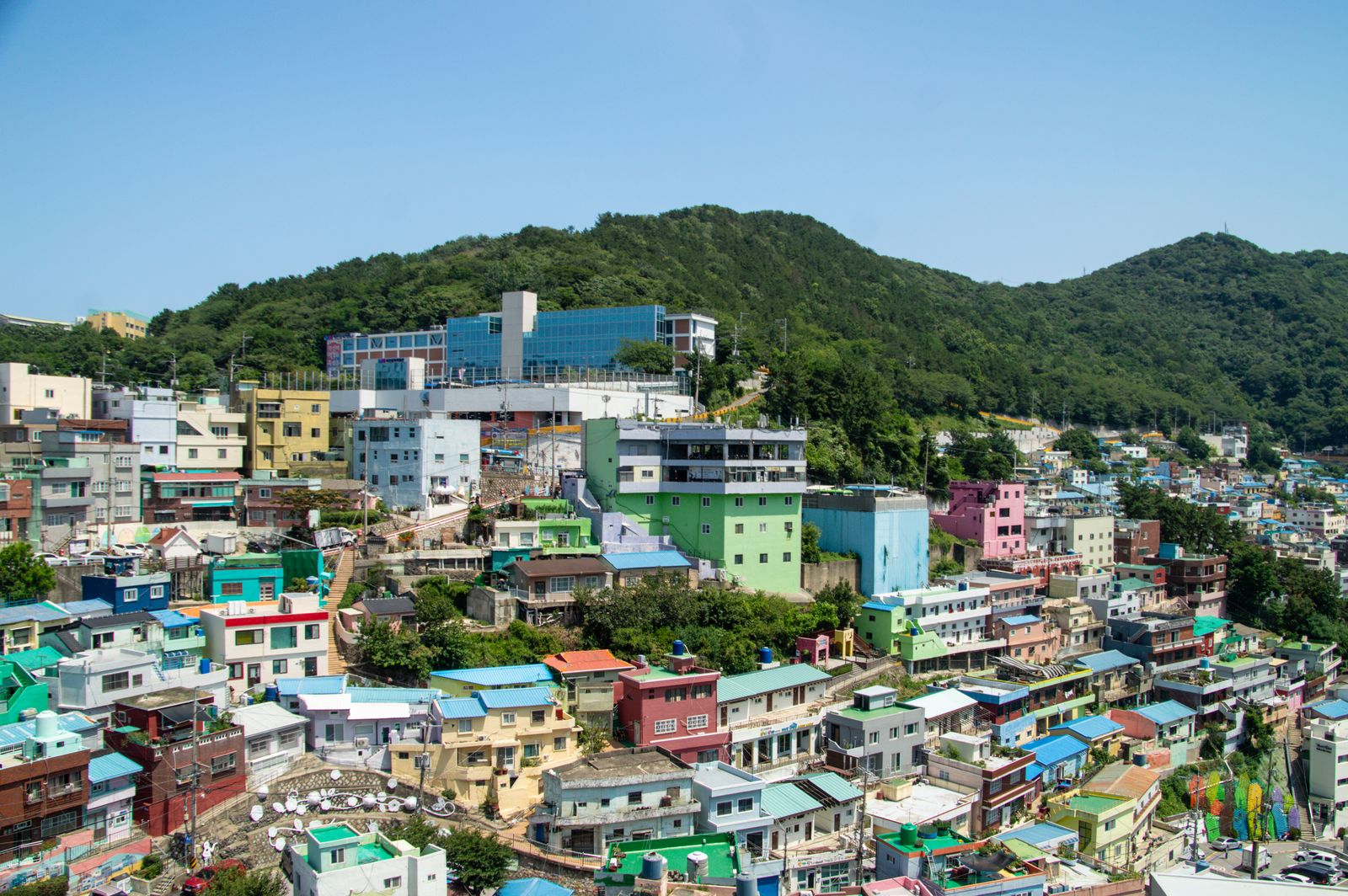
Day 6: hillsides and harbors. Morning at Gamcheon Culture Village, the pastel hillside quarter above the port, where alley murals and viewpoints reward slow wandering. Descend to Jagalchi Market to watch the fish auction energy and eat the catch upstairs, then browse the adjacent BIFF Square street-food stalls. Evening belongs to Gwangalli Beach, where the Gwangan Bridge lights up across the bay.
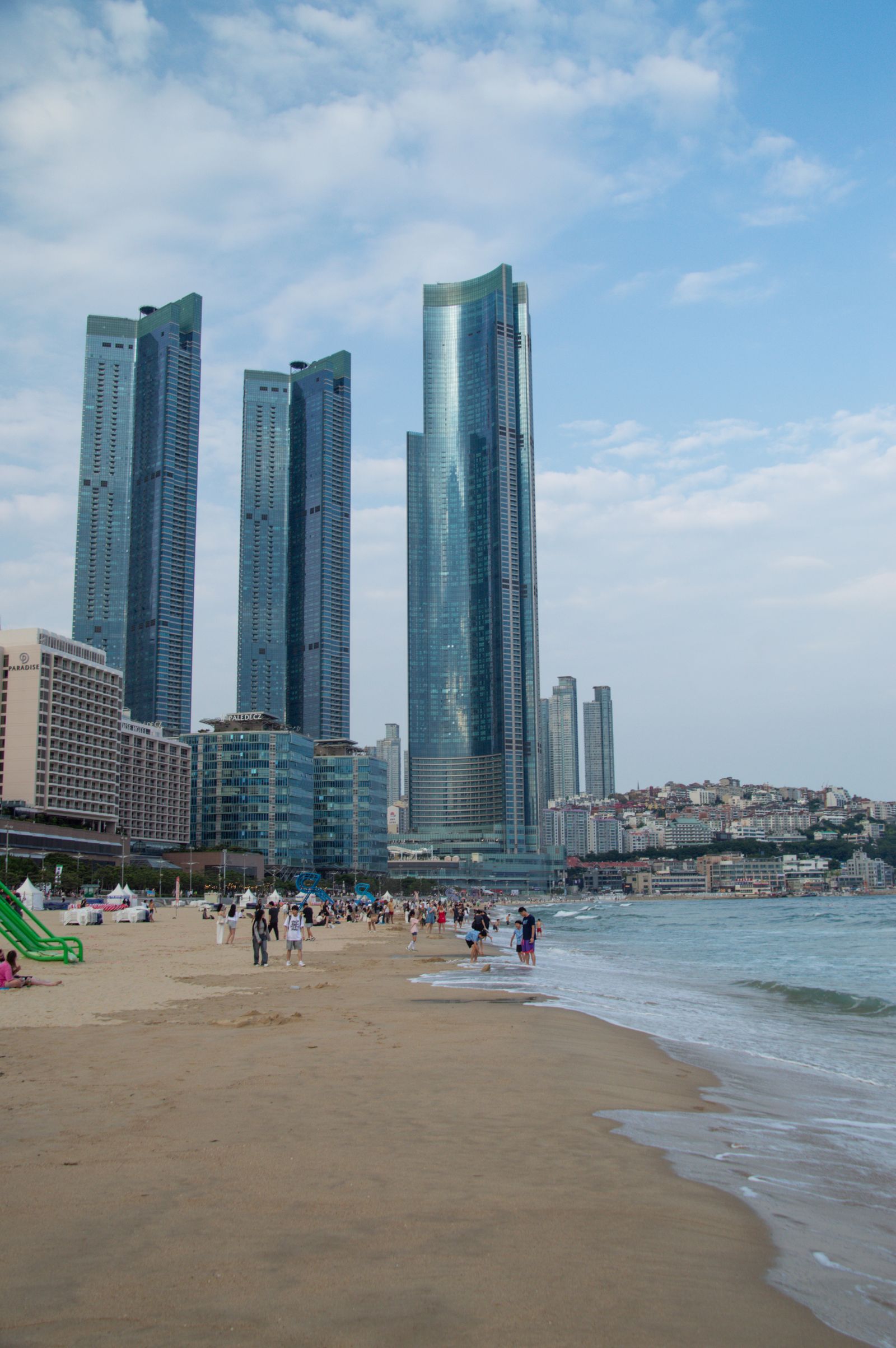
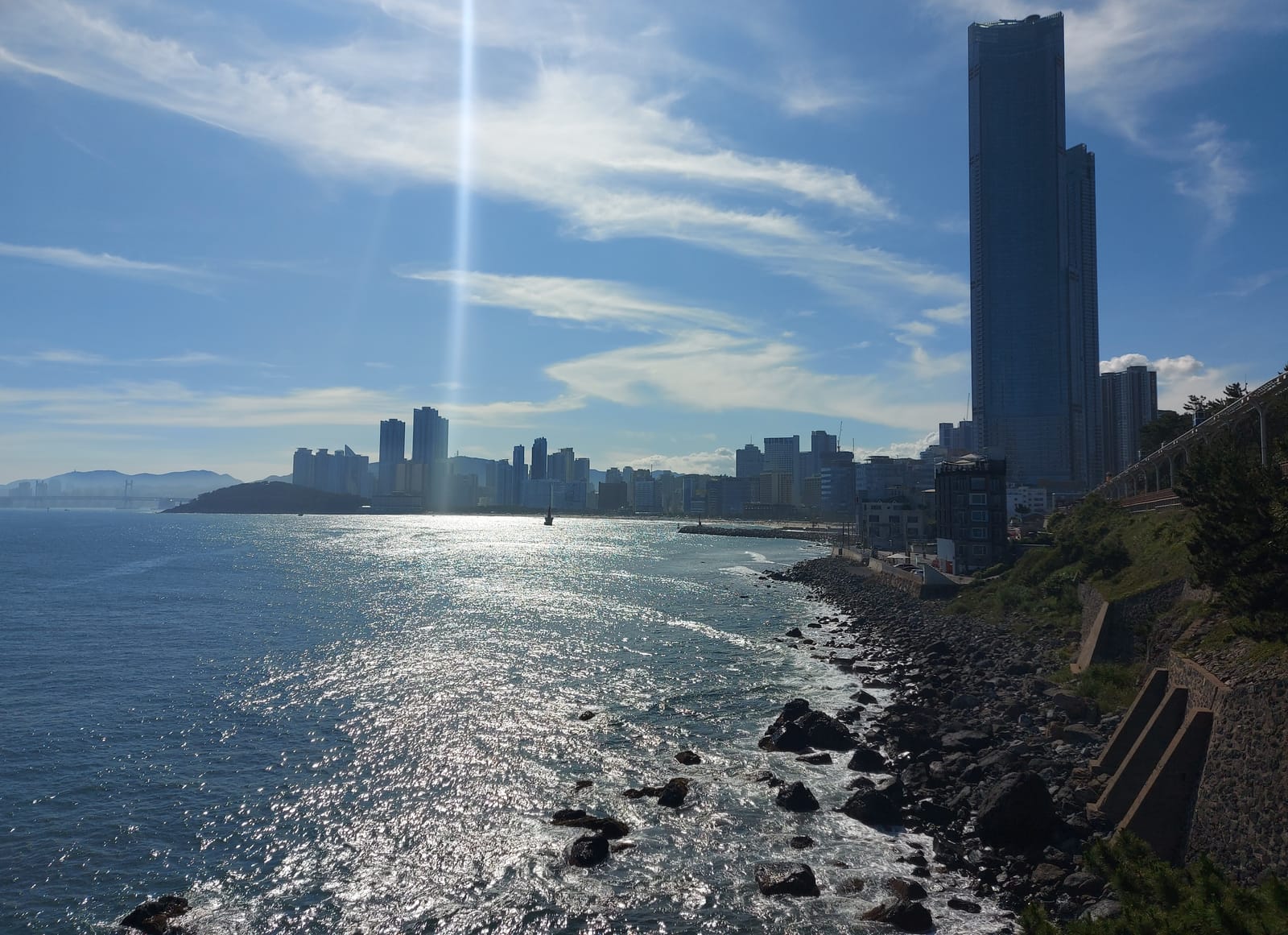
Day 7: one last beach. Spend the morning on Haeundae Beach under the Marine City towers, walk the Dongbaekseom island path, and have a final raw-fish or milmyeon (Busan cold noodle) lunch. The KTX returns you to Seoul in under three hours; if you fly out of Gimhae Airport instead, you save the ride entirely, which is worth checking when you book flights. Choosing between more Seoul time and more Busan time is the classic first-trip dilemma; our Busan vs Seoul comparison breaks down which city deserves your extra night, including where to stay in each.
Transport: How the Legs Connect
| Leg | Best Option | Approx. Time* | Notes |
|---|---|---|---|
| Incheon Airport → Seoul | AREX train or airport bus | 50-80 min | AREX all-stop trains take T-money |
| Seoul → Gyeongju | KTX to Singyeongju | About 2 hr | Reserve seats; weekends sell out |
| Gyeongju → Busan | KTX or intercity bus | 30-60 min | Buses run from downtown, trains from Singyeongju |
| Busan → Seoul | KTX from Busan Station | Under 3 hr | Book the morning of Day 7 in advance |
*Times are approximate; confirm schedules and fares on official booking apps before travel.
Foreign visitors doing this exact route should price the KORAIL Pass against individual tickets: for one Seoul-Gyeongju-Busan-Seoul loop the pass is roughly break-even, and it wins if you add any extra leg. The full KTX-versus-SRT-versus-bus decision, including luggage and station logistics, is in our Korea intercity travel guide.
Pack once, move four times: This route means packing up three times in a week. Browse Korea travel essentials for packing cubes, a card pouch for T-money and rail tickets, and a luggage scale for the souvenir math on Day 7.
When to Take This Trip
Korea's seasons change this itinerary more than most destinations, so pick your week deliberately.
Spring (late March to May) is the consensus best window: cherry blossoms sweep Seoul's palace walls and Gyeongju's tomb mounds in early April, temperatures sit in light-jacket range, and Busan's beaches are walkable if not swimmable. Book accommodation early for blossom week itself, and use EpicKor's Korea four-season weather guide to compare monthly rain, heat, foliage, and winter conditions.
Summer (June to August) front-loads the jangma rainy season into late June and July, then turns hot and humid. The compensation is beach season: Haeundae and Gwangalli are at full energy, and evening river and rooftop culture peaks. Carry a compact umbrella and plan indoor backups for one or two days.
Autumn (late September to early November) rivals spring: crisp air, blue skies, and foliage that turns Bulguksa and the Seoul palaces gold and crimson in late October and early November. It is the best photography window of the year.
Winter (December to February) is cold but characterful: quiet palaces under occasional snow, street food steam, and the all-black Seoul crowd aesthetic we wrote about in our Korean winter fashion explainer. Gyeongju's night pond viewing is coldest but least crowded; pack real layers and embrace the season instead of fighting it.
Whatever the season, two habits keep the week smooth: check each palace and market's closing day against your specific dates, and keep one flexible half-day in Seoul at the end for the neighborhood, museum, or shopping street you discovered on Day 1 and never finished.
FAQ
Q: Is 7 days enough for Korea?
Enough for an excellent first trip on the Seoul-Gyeongju-Busan spine, yes. It is not enough for Jeju Island, ski season add-ons, or deep regional food trips; treat those as reasons to return rather than things to cram in. If your next trip should be slower rather than bigger, EpicKor's Choncance countryside-stay guide shows how to add one quiet rural night without overloading the route.
Q: Should I buy a KORAIL Pass?
For this exact loop it is roughly break-even against individual KTX tickets, and it wins if you add legs like Jeonju or Daejeon. Individual tickets give assigned seats without pass reservation steps, so light itineraries sometimes skip the pass.
Q: Do I need to book DMZ tours in advance?
Yes. Civilian access requires a licensed tour, passports are mandatory, and popular English-language departures fill days ahead, occasionally weeks in peak season. Book before you fly and reconfirm the meeting point the night before.
Q: Which palace day should I plan around closures?
Gyeongbokgung closes Tuesdays and Changdeokgung closes Mondays, so a Monday-Tuesday stay in Seoul always has one open grand palace. Evening moonlight openings are seasonal and ticketed; check the official palace site for your dates.
Q: Where should I stay in each city?
In Seoul, near a Line 2 or Line 4 hub (Myeongdong, Hongdae, or Jongno for the classic center). In Gyeongju, near Hwangnidan-gil for walkability. In Busan, Haeundae for beach mornings or Seomyeon for transit convenience. Confirm current prices and cancellation terms when booking.
Q: Can I do this itinerary in reverse?
Easily, and it is smart if you find a cheaper flight into Busan's Gimhae Airport. Run Busan first, Gyeongju second, and give Seoul the final three nights so your departure day has no long train ride.
Sources
You Might Also Like
Best Places to Visit in Korea: 2026 Travel Guide
Best places to visit in Korea for first-time travelers: Seoul, Busan, Gyeongju, Jeju, Gangneung, Jeonju, and how to choose your route.
Busan vs Seoul: Which Korean City Should You Visit First?
A practical Busan vs Seoul travel decision guide for first-time Korea visitors, comparing food, pace, nightlife, beaches, culture, transit, and itinerary fit.

Jeju, Busan, or Gyeongju: Korea Travel Triangle Guide
A practical Korea travel guide comparing Jeju, Busan, and Gyeongju for first-time visitors, routes, seasons, transport, costs, and trip style.