Jeonju Day Trip from Seoul: Korea's UNESCO Food City by KTX
Jeonju is the city Koreans mean when they say a place is about food. In May 2012 UNESCO named it Korea's first Creative City of Gastronomy — only the fourth in the world, after Popayán, Chengdu and Östersund — and unlike most city titles, this one describes what you will actually do all day: eat, walk, and eat again.
A Jeonju day trip from Seoul works when you treat it as one compact cultural route, not a race through every attraction in Jeonbuk. Take an early KTX, transfer from Jeonju Station to the Hanok Village area, walk through Gyeonggijeon and the old streets, choose one proper local meal, explore Nambu Market or a craft stop, and return after dinner.
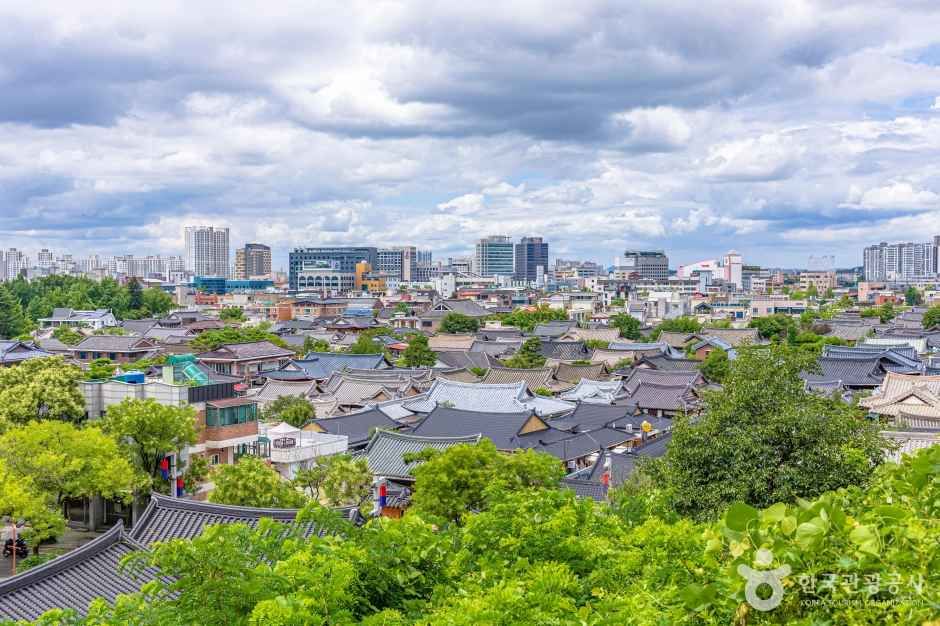
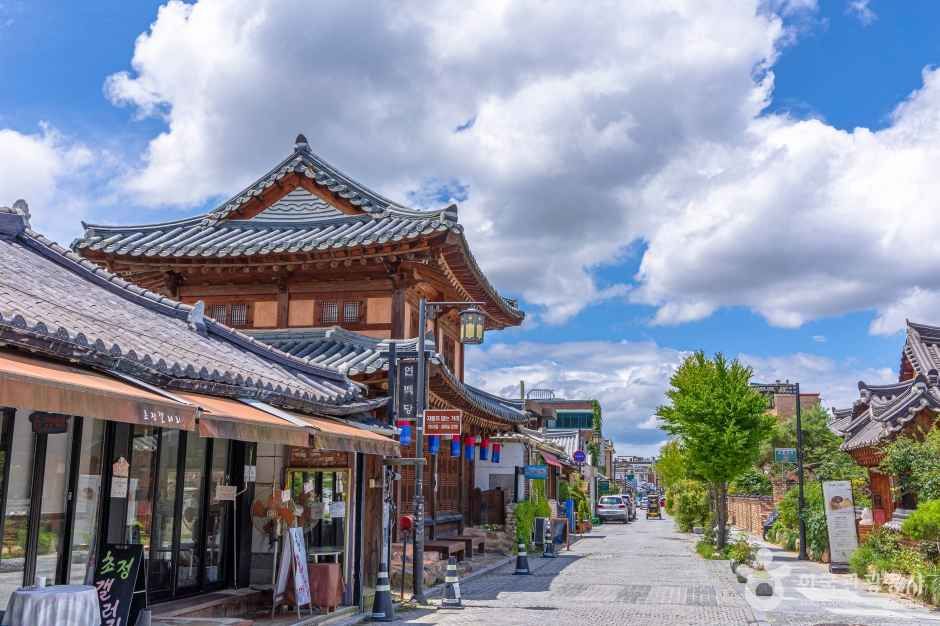
Jeonju gives you a different Korea from Seoul. Its official Hanok Village site describes more than 700 hanok in a living urban district, surrounded by cultural sites, shops, food businesses, and experience spaces. Korea Tourism Organization routes connect the village with Gyeonggijeon Shrine, Nambu Market, Gaeksa-gil, crafts, and other city stops.
The practical question is not whether Jeonju has enough to see. It is whether you can resist overplanning. This 2026 guide builds a day that leaves time to look at roofs, enter a courtyard, eat slowly, and notice the city beyond a single Instagram street.
power bank — on AmazonAffiliate link. As an Amazon Associate, EpicKor earns from qualifying purchases at no extra cost to you.
Quick Answer: Is Jeonju Worth a Day Trip From Seoul?
Yes, if you want a high-density experience of hanok streets, Korean food, royal-history sites, crafts, and a traditional market without changing cities several times. The core visitor area is walkable once you reach the Hanok Village.
Choose Jeonju over another Seoul day when your priorities are:
- a larger hanok landscape than a short neighborhood walk;
- a food-focused city associated with bibimbap and kongnamul gukbap;
- craft shops, hanji, fans, textiles, and traditional-culture activities;
- a city route that combines heritage and ordinary market life;
- a strong visual day without requiring a mountain hike.
Do not choose it as a day trip if you dislike early trains, need a slow accessibility-first schedule, or want to attend evening programs without watching the return clock. An overnight visit is better for night markets, performances, long meals, and quieter morning streets, but this article intentionally keeps the plan to a day trip while EpicKor's accommodation-affiliate pilot remains in its measurement period.
Seoul to Jeonju by KTX
The numbers, checked August 2026: the fastest KTX runs make Yongsan (용산) to Jeonju (전주) in about 1 hour 31 minutes over 173 km, with roughly 29 trains a day on the route. Standard-class fares sit in the mid-₩30,000s each way — confirm the exact figure when booking, and book the morning train a few days ahead on weekends.
Search the live Korail schedule from Yongsan Station to Jeonju Station for your date. Some rail options and origin stations vary, so do not copy an old timetable or assume every Jeolla-line train uses the same Seoul departure point. Book the exact train you intend to take and save the train number, carriage, and departure station.
An early outbound and an evening return create the most comfortable day. Leave a buffer at both ends. Seoul subway transfers can take longer than the map suggests, large stations have multiple levels, and a missed reserved train can erase the time you hoped to spend eating lunch.
Jeonju Station is not inside the Hanok Village. Use a local bus or taxi and confirm the destination as Jeonju Hanok Village Tourist Information Center, Gyeonggijeon, or another specific entrance. The official village map lists the tourist-information area at 99 Girin-daero and provides current transport and facility guidance.
EpicKor's KTX vs SRT vs express bus guide explains train booking, station behavior, luggage, and ticket checks. For the morning before departure, the Korean breakfast guide shows portable options that are more realistic than hoping every station shop is open at dawn.
Amazon Associate disclosure: EpicKor may earn from qualifying purchases at no extra cost to you. If the bibimbap is the reason you are going, the home version starts with the paste: compare gochujang (고추장) — Jeonju's neighboring Sunchang county is Korea's gochujang capital, and the jar is the one souvenir that survives any suitcase. For the day itself, a power bank matters more than any bag: navigation, train tickets, translation and photos all compete for one battery.
See power bank on AmazonA Realistic Jeonju Day-Trip Itinerary
This route assumes a morning arrival in Jeonju and an evening train. Adjust every time block to your actual ticket, walking speed, weather, and opening hours.
| Time Block | Stop | Main Decision | Do Not Overpack It With |
|---|---|---|---|
| Morning arrival | Jeonju Station → Hanok Village | Bus or taxi based on time and comfort | A second station-area attraction |
| 10:00-11:30 | Gyeonggijeon and central hanok streets | History first or photos first | Every rental and experience booth |
| 11:30-13:00 | Local lunch | Bibimbap or kongnamul gukbap | Five snack stops before the meal |
| 13:00-15:30 | Craft, museum, Omokdae, or Hyanggyo | Choose one focused branch | Cross-city detours |
| 15:30-17:30 | Nambu Market and Pungnammun area | Market life, snack, or souvenir | Assuming the night market runs daily |
| Early evening | Dinner or cafe → Jeonju Station | Protect the return-train buffer | A final stop far from the route |
Stop 1: Start With Gyeonggijeon, Not the Busiest Snack Street
Gyeonggijeon gives the day historical structure. The complex is associated with the royal portrait of King Taejo, founder of the Joseon dynasty, and sits near Jeondong Cathedral, Pungnammun, and the central village streets. Check the current official admission and operating information before the visit because fees, closures, and special programs can change.
Starting here helps you understand that Jeonju is not merely a collection of pretty roofs. The old city carries royal, Confucian, religious, commercial, and residential layers. Walk slowly enough to notice gates, courtyards, stone paths, old trees, rooflines, and the way modern storefronts have entered traditional streets.
If you rent hanbok, decide whether the photographs are the purpose of the morning or one part of it. Rental time, hair styling, storage, return deadlines, heat, and footwear can consume more of a day trip than expected. EpicKor's hanbok rental guide explains the practical choices.
Stop 2: Read the Hanok Village as a City District
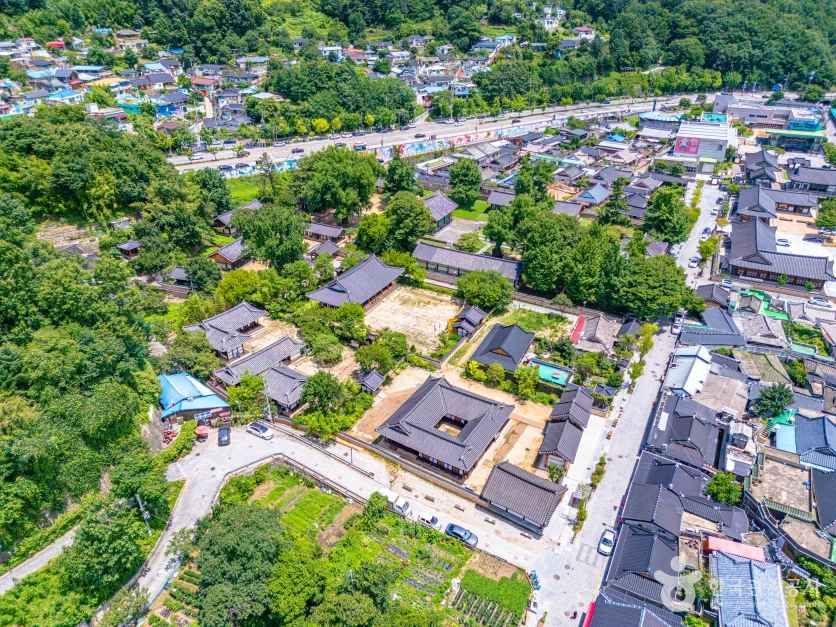
Jeonju's official site lists 735 hanok within the district's current status data, alongside hundreds of businesses and cultural facilities. The number is useful because it explains the scale, but the experience comes from variety: intact residential forms, rebuilt commercial spaces, guesthouses, craft workshops, food counters, museums, performance areas, and streets used by residents and visitors at the same time.
That also means good visitor behavior matters. Keep voices low on residential alleys, do not block doorways for photographs, and treat private property as private even when the gate is beautiful. Buy from local workshops when the object and price make sense, but do not treat every traditional-looking item as locally made. Ask what the material is, who made it, and whether the shop can explain care and origin.
For a Seoul comparison, EpicKor's Seoul hanok experience guide covers Bukchon, Seochon, public hanok programs, tea, and crafts. Jeonju feels different because the traditional-city experience extends across a broader visitor district and merges more directly with the city's food identity.
Stop 3: Choose One Jeonju Lunch
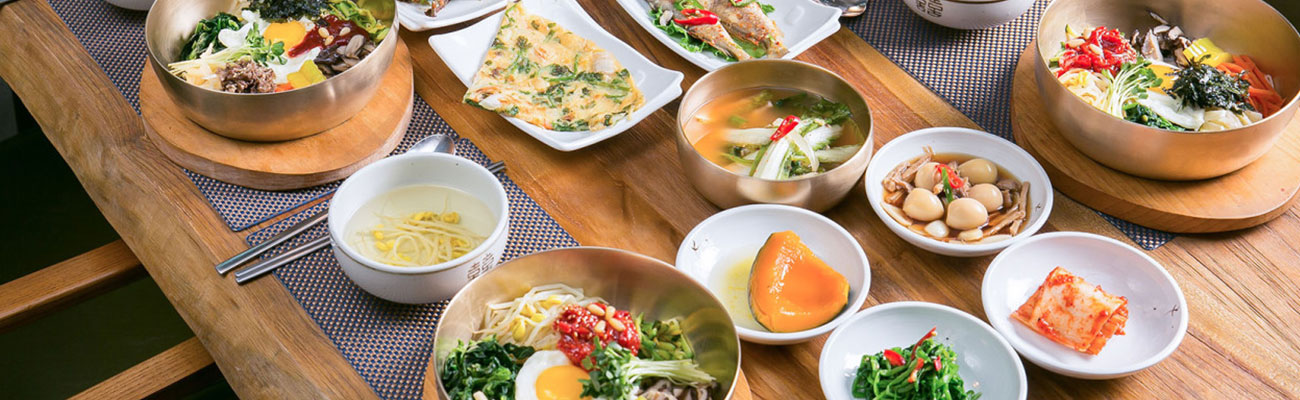
The two most useful first choices are Jeonju bibimbap (전주비빔밥) and kongnamul gukbap (콩나물국밥), bean-sprout soup with rice.
Bibimbap is the famous ceremonial-looking bowl: rice, vegetables, seasoning, egg and sometimes meat arranged for color and texture. Jeonju's official tourism site presents it as a signature city food, but quality, price, ingredients, and style vary by restaurant. A large ingredient count is not a guarantee that one bowl fits every dietary need.
Kongnamul gukbap is more restrained and deeply tied to the market-and-breakfast rhythm. It can be an excellent choice on a cold day, after an early train, or when you want a local meal without a highly composed presentation. Ask about seafood broth, egg, spice, and other ingredients if you have allergies or dietary restrictions.
Do not try to eat bibimbap, gukbap, choco pie, grilled cheese, tteokgalbi, dumplings, makgeolli, and every market snack in one afternoon. Pick one meal and one or two snacks. Food becomes more memorable when you are hungry enough to taste it.
Stop 4: Pick One Afternoon Branch
After lunch, choose one of four directions.
Craft and Hanji
Look for a workshop, exhibition, or shop connected to paper, fans, textiles, calligraphy, or local crafts. Check whether the experience requires a reservation and how long the object needs to dry or be packaged. A forty-minute activity can become ninety minutes after orientation, payment, photographs, and collection.
Omokdae View
Choose the climb for a broader roof view and a change of pace. Wear shoes that handle slopes and summer humidity. If rain has made steps slippery or heat is intense, a lower street route is a better decision than completing a viewpoint for proof.
Jeonju Hyanggyo
This Confucian-school setting offers a quieter architectural experience, but current access and events should be checked. Respect ceremonies, educational programs, and posted boundaries.
Small Museum or Cultural Facility
The village contains specialized cultural spaces. Select one that matches your actual interest rather than entering several because they are nearby. Current exhibitions, closures, and English support vary.
The Seoul museum gift-shop guide is useful before buying design souvenirs, while the bojagi wrapping guide explains one Korean textile tradition that connects gifts, craft, and daily life.
Stop 5: Nambu Market and Pungnammun
Nambu Market anchors the route in ordinary commerce. Jeonju's official tourism site describes it as a representative regional market with a Youth Mall and night-market layer added to its longer role in local distribution. Walk through with the same awareness you would use in any working market: keep aisles clear, ask before photographing a vendor closely, and carry small purchases securely.
Do not assume the night market operates every evening. Official KTO and Jeonju pages have historically listed specific Friday-Saturday hours, but programs and seasons change. Verify the current date on the market or city source. If your visit does not match night-market hours, the market is still worth seeing for local food, produce, shops, and the connection between Pungnammun and the Hanok Village.
Pungnammun is the surviving southern gate of the former city wall and provides a useful visual endpoint. From here, decide whether to eat an early dinner, return for one quiet hanok street, or start moving toward Jeonju Station. The correct decision is the one that protects your train.
Summer, Rain, Autumn, and Winter Planning
Jeonju summers can be hot, humid, and rainy. Start outdoor walking earlier, use shaded indoor stops in the afternoon, and carry water. The official Hanok Village calendar notes that some outdoor performance schedules pause during the hottest weeks, which is a reminder to verify today's program rather than trusting a seasonal roundup.
Rain changes stone, slopes, wooden thresholds, and crowded umbrella streets. Use shoes with grip and keep a compact umbrella controlled near other people. The Korea rainy-season guide covers jangma packing, while the summer packing list keeps clothing and heat preparation practical.
Autumn brings comfortable walking weather and photogenic foliage, but weekends can be busy. Winter offers crisp rooflines and hot soup, with shorter daylight and cold waits for buses or taxis. In every season, reserve the train first and build the route backward from the return time.
What to Buy in Jeonju
Start with the one item with a name and a date: PNB 풍년제과 (Pungnyeon Bakery), baking in Jeonju since 1951, whose 수제 초코파이 (handmade choco pie) is the city's edible souvenir. As of August 2026 the original is ₩2,300 apiece (the higher-cacao "The Real" runs ₩2,500) — nothing like the boxed convenience-store version, closer to a soft ganache cake. The main branch sits near the hanok village and sells boxed sets that survive the KTX ride home.
The best souvenir is an object you understand. Good categories include locally explained craft, hanji stationery, fans, textile goods, food products that can travel safely, and design pieces from reputable cultural shops.
Before buying food, check the expiration date, storage requirement, allergen label, packaging integrity, and whether it can enter your destination country. Before buying a fragile craft, ask how it should be packed. EpicKor's Korea Post EMS guide explains why customs descriptions, prohibited items, and proper protection matter if the purchase will not fit in your luggage.
Keep the return leg organized: Compare a compact travel card pouch for train and payment cards and a compact travel umbrella for exposed village streets. The useful kit is the one that stays small enough to carry all day.
See compact travel umbrella on AmazonDay Trip or Overnight?
Use a day trip for the concentrated first look: central hanok streets, one historical site, one local meal, one afternoon branch, and Nambu Market. Stay overnight when your priority is early-morning photography, evening performances, a Friday-Saturday market program, a hanok stay, or a much slower food route. For that slower version, compare this day-trip plan with EpicKor's Choncance countryside-stay guide.
If your real priority is modern Korean history rather than architecture and food, compare this itinerary with the DMZ tour from Seoul guide. The two day trips are not interchangeable, and both depend on current transport or access conditions.
| Priority | Day Trip | Overnight | Best Decision |
|---|---|---|---|
| Core hanok experience | Enough for first visit | More quiet hours | Day trip works |
| Several food stops | Easy to overeat and rush | Meals can be spread out | Overnight is better |
| Night market or performance | Return train creates pressure | Much easier | Check schedule, then stay if needed |
| Craft class | Choose one short class | More flexibility | Depends on reservation |
| First Korea itinerary | Efficient regional contrast | Uses more hotel and transfer time | Day trip if schedule is tight |
FAQ About a Jeonju Day Trip
Q: Can you visit Jeonju from Seoul in one day?
Yes. An early KTX and evening return allow a focused Hanok Village, food, craft, and market route. Book the train first and avoid adding distant attractions.
Q: Which Seoul station should I use for Jeonju?
Start by searching the live Korail schedule from Yongsan Station to Jeonju. Confirm the exact origin printed on your ticket because services and station patterns can vary.
Q: How do I get from Jeonju Station to Hanok Village?
Use a local bus or taxi to a specific Hanok Village entrance or tourist information center. The station is not inside the village, so include transfer time in both directions.
Q: What food should I eat first in Jeonju?
Choose Jeonju bibimbap for the famous composed bowl or kongnamul gukbap for a simpler local soup-and-rice meal. Then add one market snack rather than attempting every specialty.
Q: Is Jeonju Hanok Village free?
The district itself is open to walk, but individual heritage sites, museums, experiences, rentals, and events may charge fees or use reservations. Verify each stop.
Q: Does Nambu Night Market open every day?
No. Night-market operation is schedule-dependent and has commonly been limited to selected evenings. Check the current official market or Jeonju tourism notice for your date.
The Jeonju Day-Trip Rule: One City, One Story
The best day is not the one with the most checkmarks. It is the one where Gyeonggijeon explains the history, hanok streets establish the visual language, one local meal gives the city flavor, a craft or cultural stop adds detail, and Nambu Market returns you to everyday life.
Book the KTX, choose your one afternoon branch, and leave two empty spaces in the schedule: one for a street you did not expect and one for getting back to the station without running.
Official Sources and Live Planning
- Jeonju Hanok Village official current-status overview
- Jeonju Hanok Village official map and visitor directions
- Korea Tourism Organization: Jeonju recommended course
- Korea Tourism Organization: Jeonju Hanok Village
- Visit Jeonju: Jeonju bibimbap
- Visit Jeonju: Nambu Market
- Korail: live train schedules and reservations
You Might Also Like
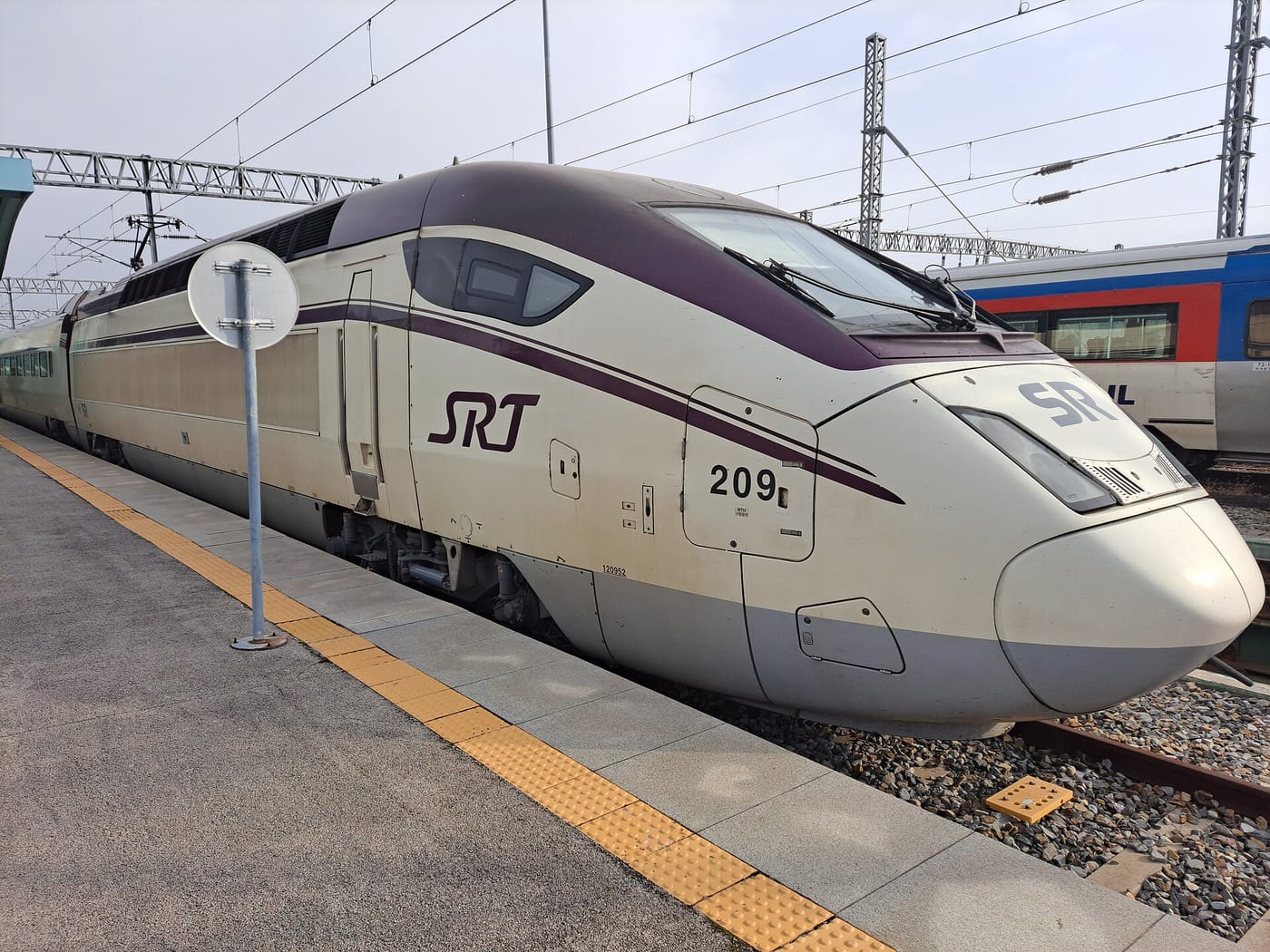
Korea's KTX and SRT Merged on 1 September: Cheaper Fares, One App, One Thing to Do First
Korail and SR merged on 1 September and the SRT is now KTX-Sancheon. Seoul-Busan dropped from ₩59,800 to ₩54,400 that day, not gradually. Chuseok booking runs 7-11 September by route, Suseo on the 10th, and an SR-only account cannot book.
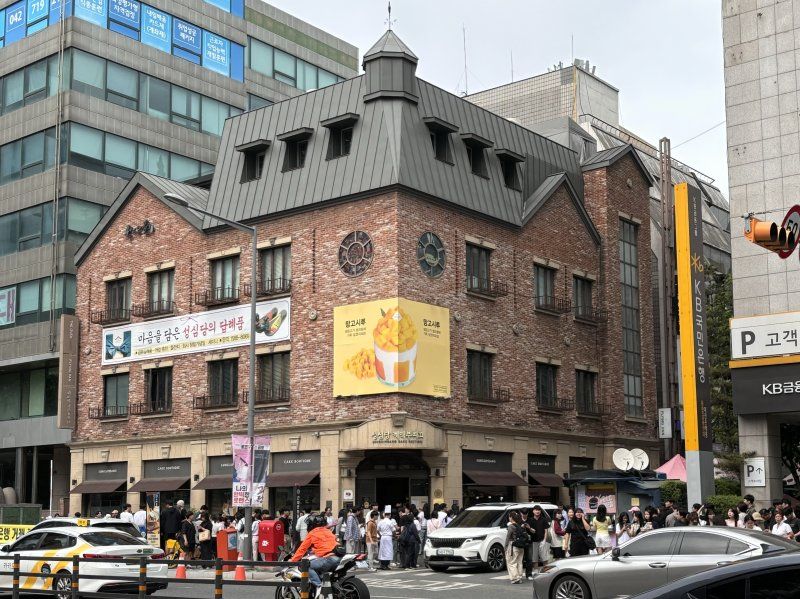
Daejeon Day Trip 2026: Korea's Science City, Sungsimdang, and KTX
A Daejeon day trip guide from Seoul by KTX, covering Expo Science Park, Hanbat Arboretum, Yuseong, and the Sungsimdang bakery story.

KTX vs SRT vs Express Bus in Korea: What the Merger Changed
KTX and SRT merged on 1 September 2026, so the operator choice no longer exists — SRT is now KTX-Sancheon and both sell in one app. Seoul-Busan fell to ₩54,400. The decision left is Seoul Station, Suseo, or a bus terminal, and your hotel decides it.