Korean Drinks Guide: What to Buy in a Korean Convenience Store, With the Price, Sugar and Caffeine of Every Bottle
Last updated: 2 October 2026. Prices are CU's list prices from its official product catalogue (cu.bgfretail.com, drinks category, 847 items), read on 2 October 2026; GS25 and 7-Eleven are usually the same or within ₩100–200, and promotions change on the 1st of each month. Sugar per bottle is calculated from the Ministry of Food and Drug Safety's processed-food nutrition database (식품의약품안전처 전국통합식품영양성분정보, updated 1 October 2026), per 100 ml times the bottle size. Caffeine and alcohol figures are from the labels and the makers, as checked in our guide to each drink.
Most English lists of Korean drinks tell you banana milk is "iconic" and Milkis is "fun". None of them tells you what you actually stand in front of the fridge wanting to know: what it costs, how much sugar is in the bottle, whether it has caffeine, and whether that green bottle is alcohol. Those numbers exist in Korean, in the convenience store's own catalogue and in the food-safety ministry's nutrition database. This guide puts them next to each drink.
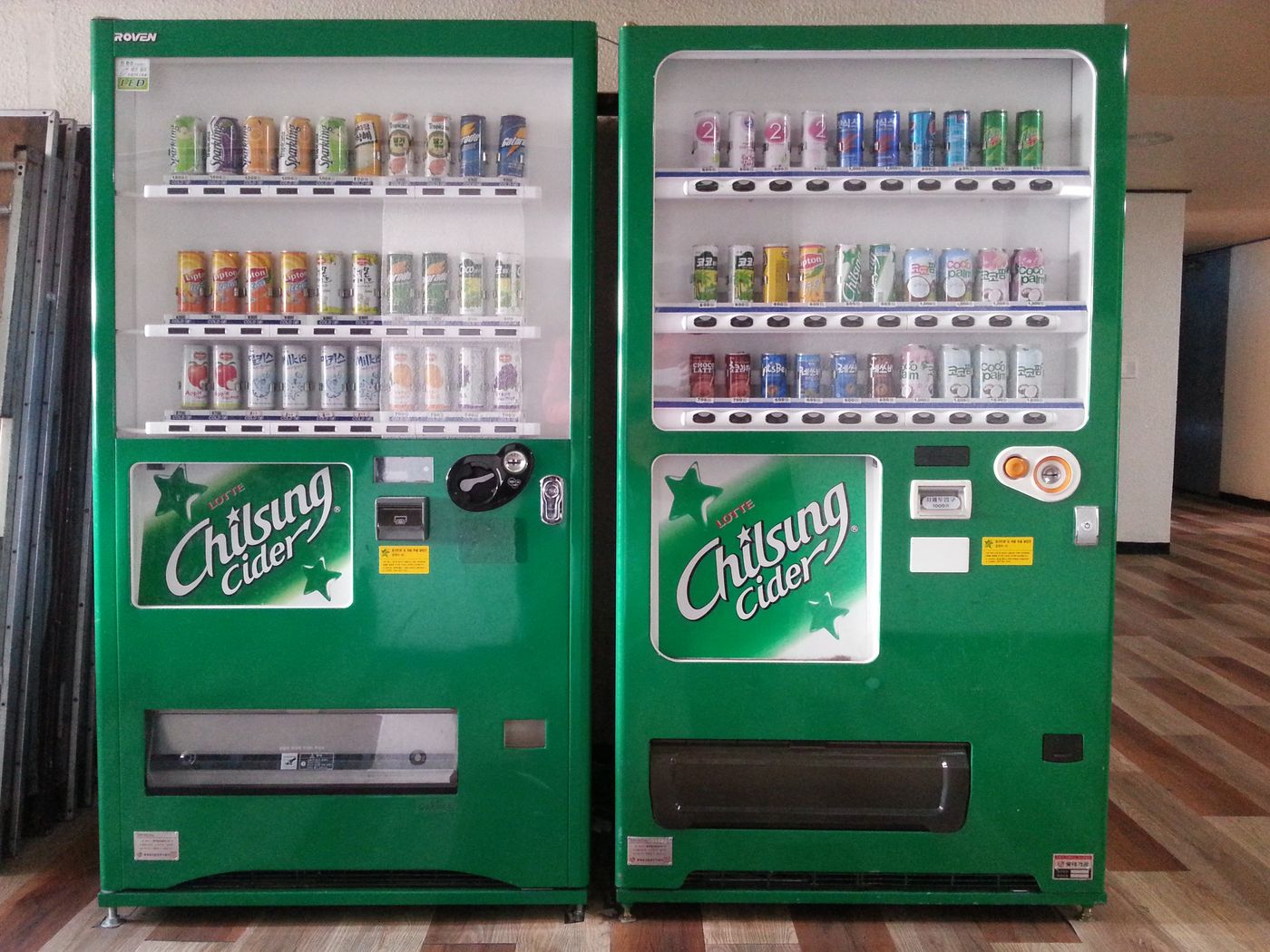
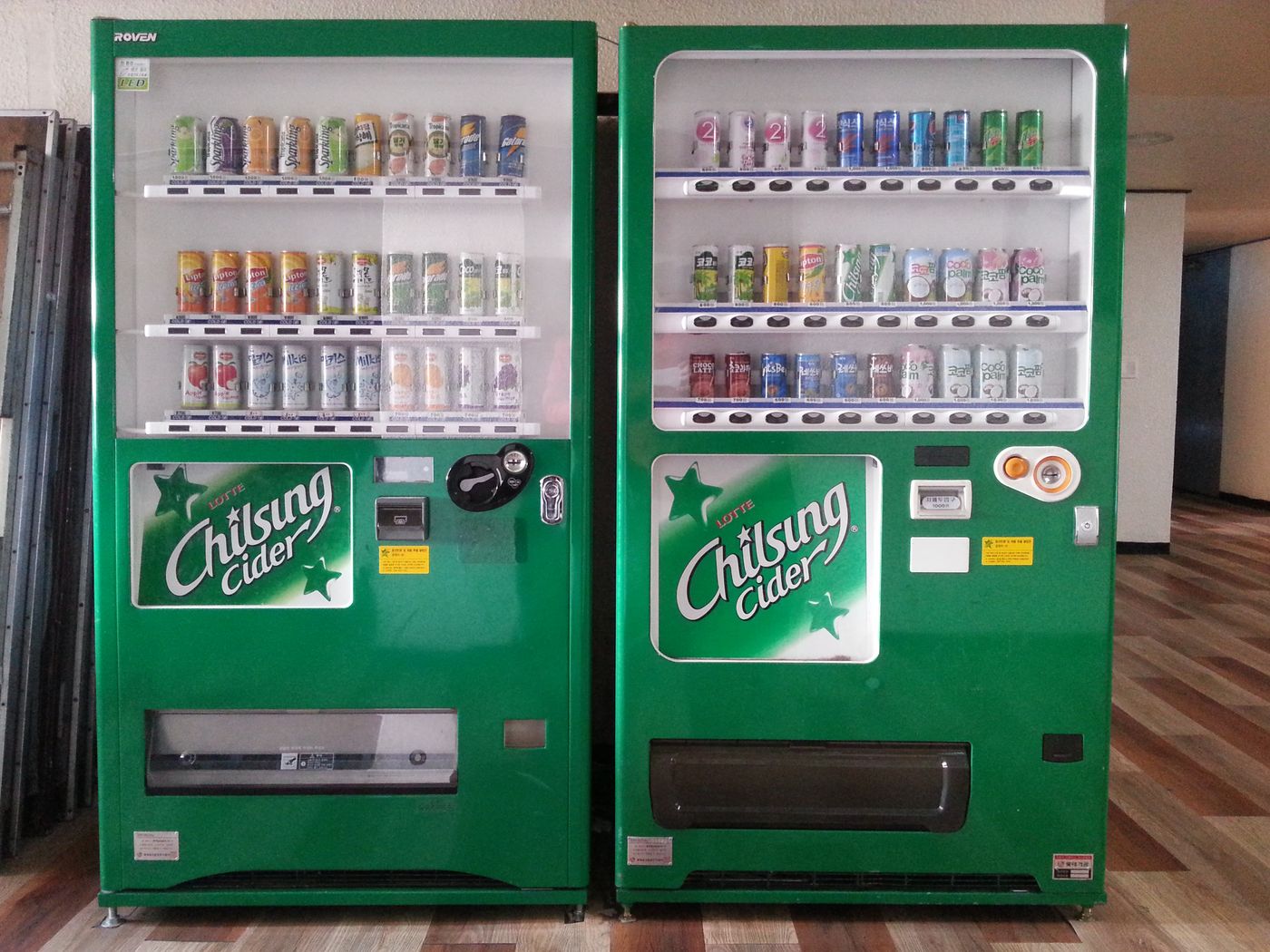
Three numbers to start. CU, Korea's largest convenience-store chain, lists 847 drinks. On 2 October 51.6% of them were on a 1+1 or 2+1 deal, so paying full price for a single bottle is often the mistake. And the median list price is ₩2,400. The best-known Korean drinks are mostly cheaper than that.
Korea's milk soda at home: Lotte Milkis, 250 ml cans, pack of 6, on AmazonAffiliate link. As an Amazon Associate, EpicKor earns from qualifying purchases at no extra cost to you.
Quick Guide: Korean drinks by what you want
| You want | Drink (Hangul) | CU price, 2 Oct 2026 | Sugar per bottle | Caffeine / alcohol | Full guide |
|---|---|---|---|---|---|
| A small lift | Bacchus F (박카스F), 120 ml | ₩1,000 | Not on a food panel (quasi-drug) | 30 mg caffeine | Bacchus D vs F |
| No caffeine | Vita 500 (비타500), 100 ml | ₩1,100 (Zero ₩1,200) | about 11 g | None | Vita 500 |
| Proper caffeine | Hot6 (핫식스), 250 ml can | ₩1,700 | about 30 g | Caffeinated (see the can) | Below |
| Coffee in a can | Let's Be (레쓰비), 200 ml | ₩1,300 | about 14 g | Caffeinated | Delaffe and cup coffee |
| The classic | Banana milk (바나나맛우유), 240 ml | ₩1,800 | about 24 g | None | Below |
| Fizzy and creamy | Milkis (밀키스), 250 ml can | ₩1,600 | about 31 g | No alcohol | Milkis |
| Lemon-lime soda | Chilsung Cider (칠성사이다), 500 ml | ₩2,500 | about 54 g | No alcohol, no caffeine | Chilsung Cider |
| To cool spicy food | Coolpis (쿨피스), peach 450 ml | ₩1,000 | about 39 g | None | Coolpis |
| For a child | Pororo (뽀로로), milk 235 ml | ₩1,600 | about 11 g (check the label) | None | Pororo drink |
| Traditional, sweet | Sikhye (비락식혜), 238 ml can | ₩1,400 | about 17 g | None | Below |
| Traditional, unsweetened | Corn silk tea (옥수수수염차), 500 ml | ₩2,400 | 0 g | None | Barley vs corn tea |
| Before drinking | Condition (컨디션헛개), 100 ml | ₩5,000 | about 6 g | None | Hangover drinks |
| Beer taste, no alcohol | Cass All Zero (카스 올제로), 350 ml | ₩2,400 | 0 g | 0.00% alcohol | Korean beer |
| The real thing | Soju (참이슬·처음처럼), 360 ml | about ₩1,900 | — | 15.7–16%, 19+ only | Soju |
How to read the sugar column: Korean labels compare sugar against a daily reference of 100 g, the figure the food-safety ministry uses for the "% daily value" line. One can of Milkis is about a third of it; one 500 ml Chilsung Cider is over half. The World Health Organization's advice is stricter, free sugars under 10% of daily energy, about 50 g a day. Each sugar figure here is the database value per 100 ml multiplied by the bottle size. Labels round, so your bottle may differ by a gram or two.
Maxim Mocha Gold Mild coffee mix, 100 sticks — the Korean wake-up that actually travels Canned coffee and Bacchus stay in Korea; the yellow stick is what Korean offices drink every morning, and it packs flat. Our Maxim guide explains why it tastes nothing like a café americano. As an Amazon Associate, EpicKor earns from qualifying purchases at no extra cost to you.
See Maxim Mocha Gold on AmazonTo wake up: Bacchus, Hot6, canned coffee, and the one with no caffeine
Bacchus F (박카스F), ₩1,000. The small brown bottle is the cheapest functional drink in the fridge, and it is milder than its reputation: 30 mg of caffeine, about 7.5% of the 400 mg a day the food-safety ministry treats as safe for adults. The convenience-store version is F; the D, with twice the taurine (2,000 mg against F's 1,000 mg), is sold only in pharmacies. Both are legally quasi-drugs; D stays in pharmacies because Dong-A has distributed it only there since 2011, not because of a taurine rule. The caffeine is the same 30 mg. It is a taurine-and-B-vitamin tonic Koreans drink for the ritual as much as the effect. The full story is in Bacchus D vs F.
Hot6 (핫식스), ₩1,700 for 250 ml. Lotte's energy drink is the Korean answer to Red Bull, and it is the cheapest can in the energy fridge: CU lists a 355 ml Red Bull at ₩3,200 and a 355 ml Monster at ₩2,300. A 250 ml Hot6 has about 30 g of sugar; the Zero version has none. For caffeine, read the can. Korean rules require any drink with 0.15 mg of caffeine per ml or more to print 고카페인 함유 (high caffeine) and the total in mg. That line is how you compare brands in the fridge.
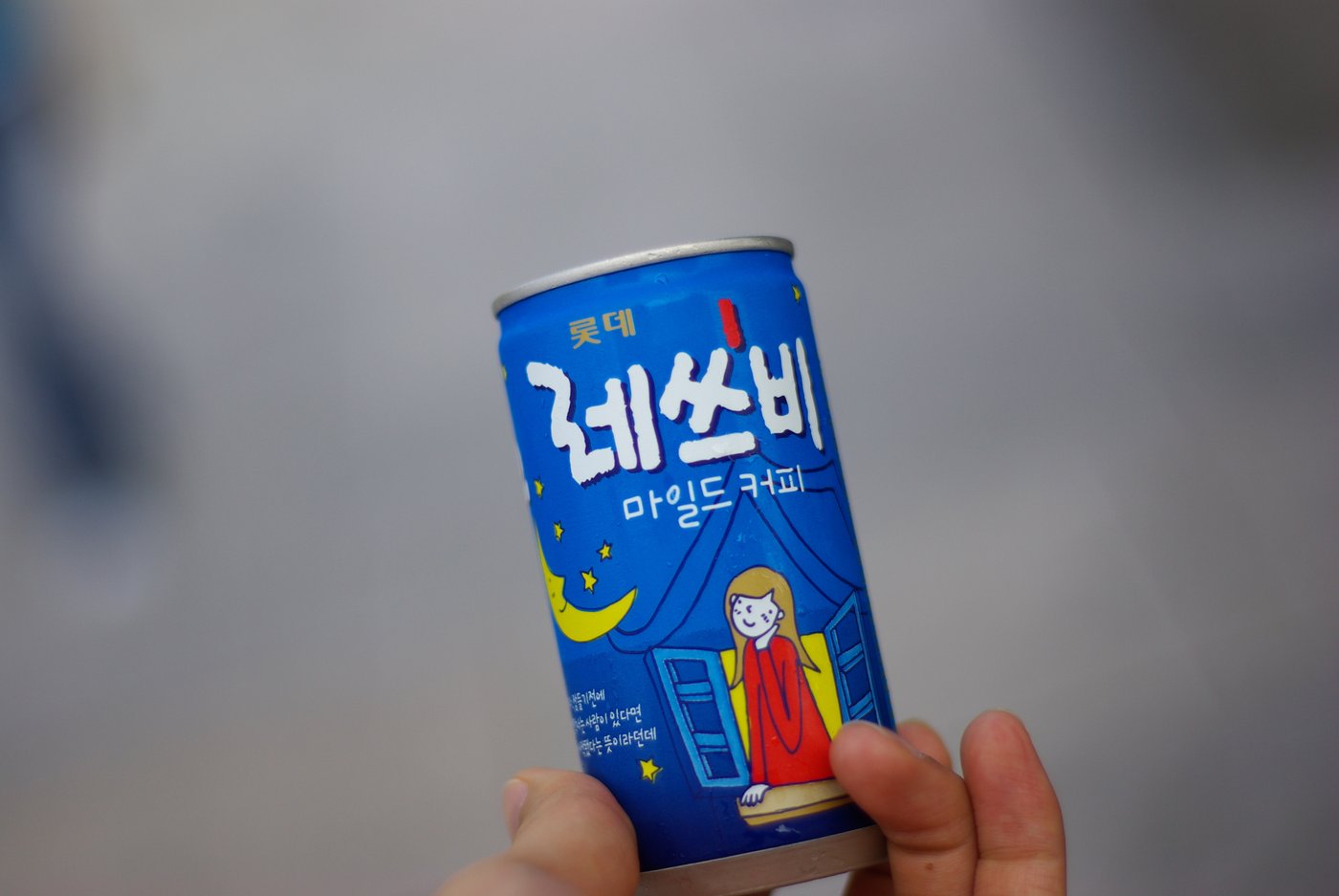
Canned and cup coffee. Let's Be (레쓰비) is the small blue can of sweet milk coffee, ₩1,300 for 200 ml with about 14 g of sugar. TOP (티오피) is Maxim's premium can, ₩2,700 for 275 ml, in black, sweet-americano and latte versions. For a proper iced americano, the better deal is the store's own cup coffee or a Delaffe cup with an ice cup. See Delaffe and the ₩800 ice cup.
Vita 500 (비타500), ₩1,100: the one with no caffeine. It looks like Bacchus but it is a vitamin C drink: 500 mg of vitamin C in 100 ml, no caffeine, about 11 g of sugar. It is not an energy drink and will not wake you up. It is what to buy in the evening or for a child. Our Vita 500 guide explains why "Zero" means no sugar, not no fizz.
Skip this: buying Bacchus or Vita 500 to stay awake on a long drive. A ₩1,300 can of coffee does that job better. If you want the caffeine without the sugar, Hot6 Zero or a black canned coffee does it.
For a hangover: before drinking, not the morning after
Korea buys about ₩350 billion of hangover products a year, and the shelf is split by timing. The famous ones are meant to be taken before or with the first drink. Taking them the next morning is the most common visitor mistake.
- Condition (컨디션) — the 1992 original and still the market leader. At CU, Condition Hutgae (컨디션헛개) is ₩5,000 for a 100 ml bottle with about 6 g of sugar, and the zero-sugar soda version is also ₩5,000.
- Yeomyeong 808 (여명808) — the small can older Koreans swear by, ₩5,500 for 140 ml.
- Hutgaesu (헛개수) — the large bottle you drink after: ₩2,500 for 500 ml, mild, and 0 g of sugar in the ministry's database. It tastes like a light roasted tea and is the easiest one to like.
- Galbae, pear juice (갈아만든배) — the folk remedy. A 340 ml can is ₩1,700, with about 40 g of sugar, about as much as a can of cola.
Since January 2025, Korea only lets these products say they relieve hangovers if the maker has a human trial to back the claim. That is why many labels now carry a 인체적용시험 (human trial) badge. Which product does what, and the prices of the sticks, are in Korean hangover drinks.
Q.one Easy Tomorrow (상쾌환), 10 packs — the Korean hangover pellet in its export box Samyang's 상쾌환 is the format that changed the category: no bottle, no water, taken before dinner. It is one of the few Korean hangover products sold in the US. As an Amazon Associate, EpicKor earns from qualifying purchases at no extra cost to you.
See Q.one Easy Tomorrow on AmazonSweet and nostalgic: banana milk, Coolpis, Pororo, Maccol
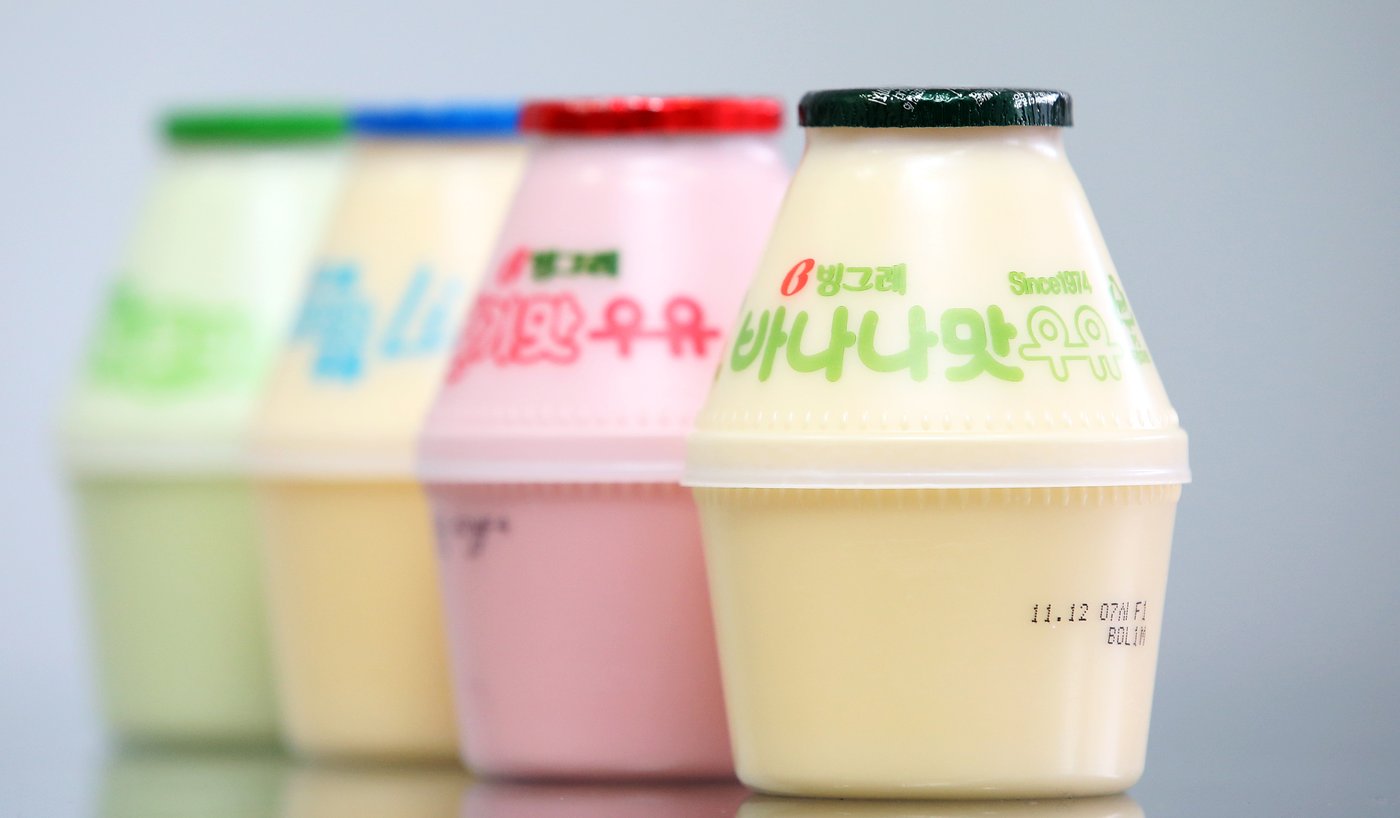
Banana milk (바나나맛우유), ₩1,800 for 240 ml. Binggrae's squat bottle has been on sale since 1974. In the ministry's database it has 10 g of sugar per 100 ml, so about 24 g a bottle. CU sells a no-added-sugar version (바나나우유 무가당, ₩1,800) and a Light version (₩1,800). The rival in the same fridge is Seoul Milk's 300 ml banana milk at ₩2,100, usually on 2+1. The bottle, not the flavour, is what Koreans are nostalgic for. A banana milk with an ice cup is the pairing they name first.
Coolpis (쿨피스), ₩1,000 for 450 ml. At ₩1,000 it ties Bacchus F as the cheapest bottle in this guide, and it exists to go with tteokbokki. It is a sweet-sour drink with a dairy note that cools chilli heat better than water. The database figure for the peach bottle works out to about 39 g of sugar, so drink it with the food, not instead of it.
Pororo (뽀로로), ₩1,600 for 235 ml. It is the children's drink with the penguin, and, in the current reduced-sugar recipe, the gentlest on sugar in this group: about 11 g in the milk flavour (older bottles listed in the ministry database carry about 29 g, so check the panel). A zero-sugar line exists, and there is an unsweetened Pororo barley tea at ₩1,300. Flavours and the push-pull cap are in our Pororo guide.
Maccol (맥콜), ₩1,600 for a 250 ml can. It is a barley soda that tastes like cola crossed with roasted grain. Most visitors love it or hate it on the first sip. It has about 30 g of sugar a can. Try one before you buy the 500 ml bottle.
It looks like alcohol, but isn't
Three drinks confuse visitors because the name or the bottle suggests alcohol.
Milkis (밀키스) is a milk-and-yogurt soda made by Lotte since 1989. It has no alcohol and no caffeine. It does have about 31 g of sugar in a 250 ml can (130 kcal on the label), which is more per millilitre than cola. The Zero can costs the same ₩1,600. Our Milkis guide compares it with Japan's Calpis.
Cider (사이다) in Korea means clear lemon-lime soda, not apple cider. Chilsung Cider has no alcohol, no caffeine and no apples, and it went on sale in 1950, eleven years before Sprite. It is also the sweetest bottle on this list: about 54 g of sugar in 500 ml. Lotte raised the factory price on 26 June 2026, and the 500 ml bottle went from ₩2,300 to ₩2,500 in convenience stores from 1 July; a 355 ml can is ₩2,100. See Is Korean cider alcoholic?.
Non-alcoholic beer is the reverse case: it looks like beer, and the label tells you exactly how much alcohol it has. Korean labelling rules split it in two:
- 무알코올 (alcohol-free), 0.00%: no alcohol at all. Cass All Zero (카스 올제로) is one, also with zero sugar and calories; CU sells the 350 ml can for ₩2,400.
- 비알코올 (non-alcoholic), under 1%: a trace of alcohol is allowed. A can marked 0.0 rather than 0.00 is usually in this group.
Both must be labelled 성인용 (for adults). The market has grown from ₩8.1 billion in 2014 to ₩70.4 billion in 2024, according to Euromonitor. If you are avoiding alcohol completely for health, religious or pregnancy reasons, look for the second zero.
Traditional Korean drinks: sikhye, grain teas and yuja
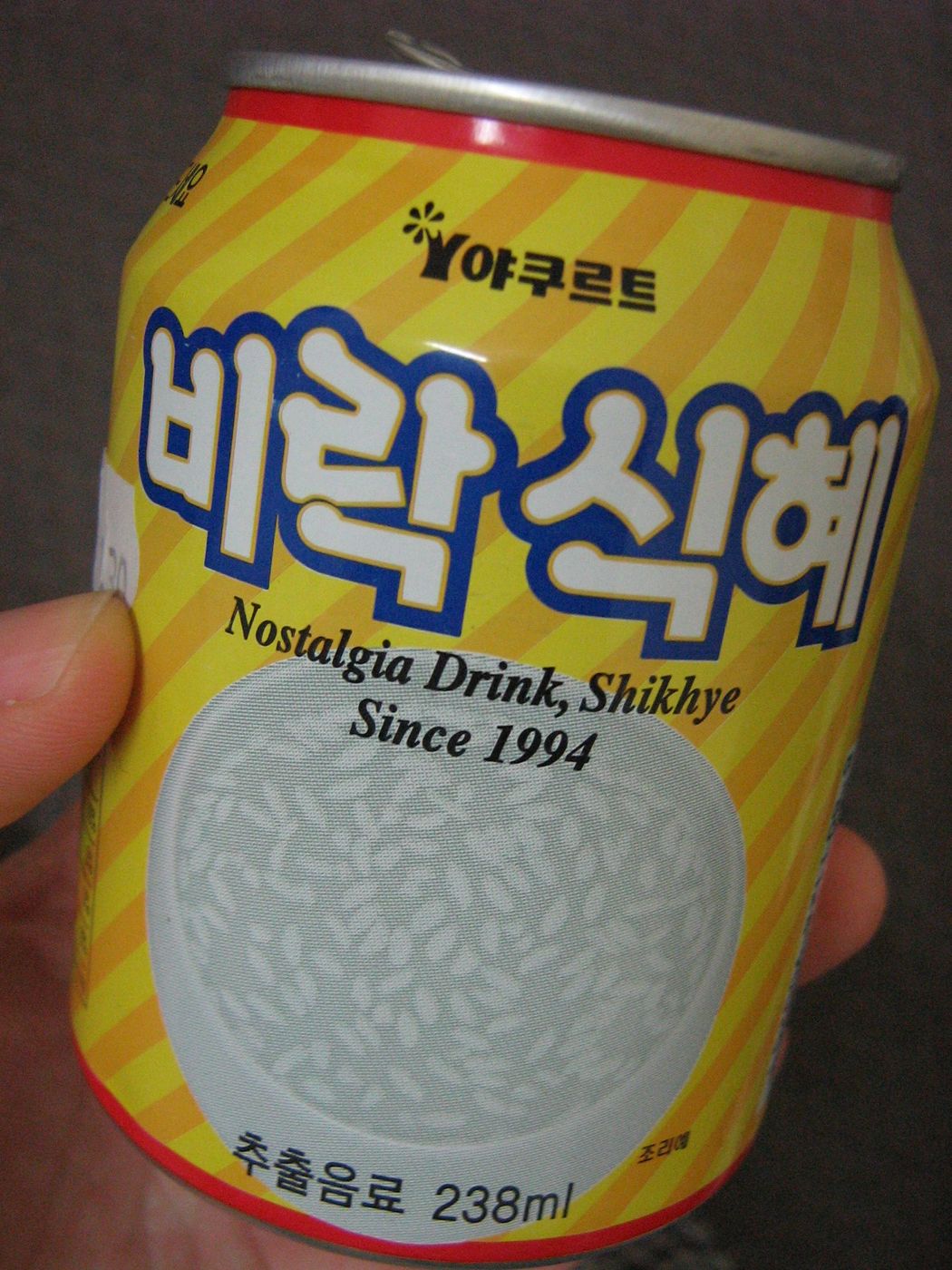
Sikhye (식혜) is the sweet rice drink of saunas and holidays: malt-steeped rice, served cold, with a few grains at the bottom. The Birak Sikhye (비락식혜) can is ₩1,400 for 238 ml with about 17 g of sugar. A 500 ml bottle is ₩2,200, and there is a zero-sugar version.
Grain teas (차) are the drinks Koreans actually drink every day, cold, bottled and unsweetened. Corn silk tea (옥수수수염차) is ₩2,400 for 500 ml and barley tea in Hite's Black Bori (블랙보리) is ₩2,500 for 520 ml. Both have 0 g of sugar and no caffeine. Corn silk is rounder and slightly sweet-tasting, and barley is roasted and nutty. The difference, and why corn silk tea was sold on "de-puffing", is in barley vs corn tea.
Yuja tea (유자차) comes in a jar of citron preserve, not a bottle. Spoon it into hot water. The jar's "80%" is not the fruit content. See Korean yuja tea before you pick a jar.
Alcohol basics: soju, makgeolli and beer
Convenience stores sell alcohol around the clock, and they are the cheapest place to buy it.
- Soju, 360 ml: about ₩1,900 in a store and ₩5,000–7,000 in a restaurant. Chamisul Fresh went down to 15.7% in June 2026. See why soju keeps getting weaker.
- Makgeolli: Seoul's Jangsu Saeng Makgeolli is about ₩1,900 for 750 ml. Keep it cold, turn it gently before opening, and see makgeolli's makeover for the bottles worth more.
- Beer: a 500 ml can of Cass is about ₩2,800, and four cans are usually cheaper. Canned highballs cost more than beer because of tax: the highball tax story. Which beers are worth it: Is Korean beer really bad?.
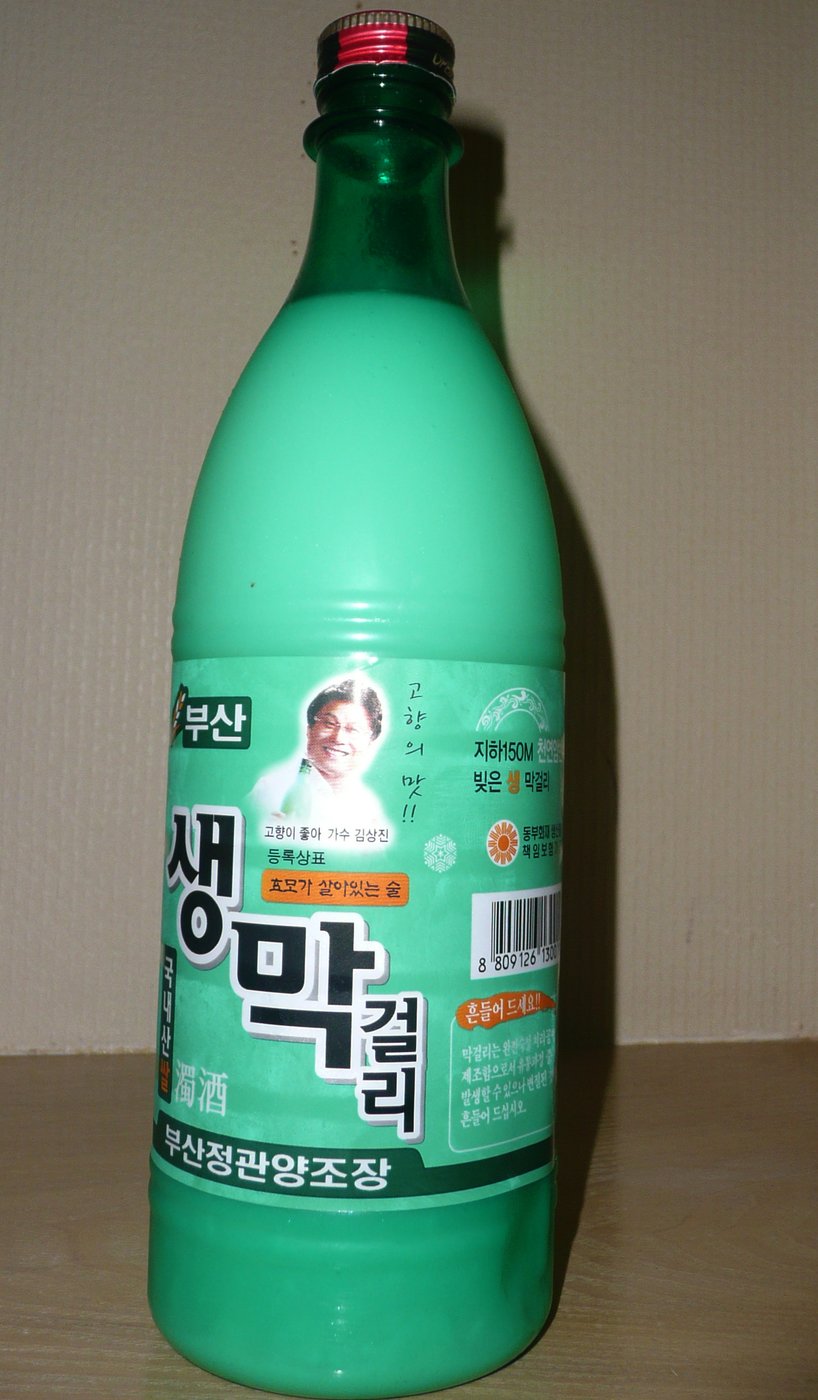
The age rule: you can buy alcohol from 1 January of the year you turn 19, so in 2026 anyone born in 2007 or earlier. Bring your passport: the store, not you, is held responsible for a wrong guess, so cashiers check. Korea also does not deliver alcohol to your door, except traditional liquor sold online. A delivery app may add alcohol only to a restaurant food order. See how to buy alcohol in Korea and every age limit in Korean law. How a Korean drinking table works, with the anju and the pouring, is in soju, makgeolli and anju.
Skip this: five honest notes
- Don't buy singles at full price. On 2 October over half of CU's drinks were on 1+1 or 2+1. If a 2+1 sticker is on the shelf, the third bottle is free.
- Don't treat Chilsung Cider or Galbae as "light". At about 54 g and 40 g of sugar, they are the two sweetest bottles in this guide. The zero versions taste close enough.
- Don't expect Vita 500 to wake you up. It has no caffeine.
- Don't take Condition the morning after. It is designed for before. Hutgaesu is the after drink.
- Don't assume "0.0" means no alcohol. Look for 0.00 and 무알코올 on the can.
Every Korean drinks guide on EpicKor
This page is the hub for our drinks guides. Each one goes deeper into one bottle:
- Wake up: Bacchus D vs F · Vita 500 · Delaffe convenience-store coffee · Maxim coffee mix · Maxim vs G7 · Iced americano in Korea
- Hangover: Korean hangover drinks
- Sweet and soft drinks: Milkis · Chilsung Cider · Coolpis · Pororo drink · Korean Yakult
- Traditional: Barley tea vs corn tea · Yuja tea
- Alcohol: How to buy alcohol · Soju · Makgeolli · Korean beer · Highballs · Soju, makgeolli and anju · Drinks other than soju
- The shop itself: Ice cups · How 1+1 works · Convenience-store breakfast
FAQ
Q: What are the most popular Korean drinks to try? A: Start with banana milk (₩1,800), Milkis (₩1,600), Chilsung Cider (₩2,500 for 500 ml), Bacchus F (₩1,000), sikhye (₩1,400) and a bottled corn silk tea (₩2,400). These are CU's list prices on 2 October 2026. For alcohol, soju is about ₩1,900 and Jangsu makgeolli about ₩1,900.
Q: Does Milkis have alcohol? A: No. Milkis is a milk-and-yogurt soda with no alcohol and no caffeine. A 250 ml can has about 31 g of sugar and 130 kcal. Korean "cider" (사이다) is also alcohol-free; it means lemon-lime soda.
Q: What is the Korean energy drink? A: In convenience stores it is Hot6 (핫식스, ₩1,700 for 250 ml) or Bacchus F (₩1,000, 30 mg caffeine). Bacchus is a mild tonic, not a high-caffeine drink. Vita 500 looks similar but has no caffeine at all.
Q: How much do drinks cost in a Korean convenience store? A: CU's 847 drinks had a median list price of ₩2,400 on 2 October 2026, and 51.6% were on a 1+1 or 2+1 deal. The classic small bottles cost ₩1,000–1,800.
Q: Which Korean convenience-store drinks have no sugar? A: The bottled grain teas (corn silk tea, barley tea), Hutgaesu, Cass All Zero, and the zero versions of Milkis, Chilsung Cider, Vita 500, Hot6, sikhye and Pororo. CU's catalogue had 89 zero-sugar or unsweetened drinks out of 847 on 2 October 2026.
Sources
- CU (BGF Retail) official product catalogue, drinks category (cu.bgfretail.com/product), 847 items with list prices and 1+1/2+1 badges, read 2 October 2026. All drink prices in this guide unless marked otherwise.
- Ministry of Food and Drug Safety, 전국통합식품영양성분정보(가공식품) 표준데이터 (data.go.kr 15100066, modified 1 October 2026): sugars per 100 ml for 바나나맛우유 (빙그레 김해공장, 2025), 밀키스 250 ml (2024), 칠성사이다 500 ml (2024; the entry gives the whole bottle, 54 g, not per 100 ml), 쿨피스 복숭아 (2021), 귀여운 내친구 뽀로로 밀크맛 (2025), 비락식혜 238 ml (2021), 갈아만든배 (2024), 핫식스 250 ml (2026), 레쓰비 마일드 200 ml (2023), 맥콜 (2021), 비타500 (2020), 컨디션 헛개 (2025), 헛개수 (2022), 옥수수수염차 (2024). Per-bottle figures are EpicKor's calculation.
- MFDS 식품등의 표시기준: daily reference value for sugars (100 g); 고카페인 labelling at 0.15 mg/ml; 무알코올 / 비알코올 (under 1%) and 성인용 labelling. WHO, Guideline: sugars intake for adults and children (2015).
- Cass All Zero (0.00%, zero sugar, calories and gluten) and the non-alcoholic beer market (Euromonitor: ₩8.1 billion in 2014, ₩70.4 billion in 2024): 머니투데이, 17 July 2026.
- Bacchus caffeine, Vita 500, Milkis label, Chilsung Cider price rise, hangover-market size and the 2025 human-trial rule, soju strength and prices, makgeolli and beer prices, the drinking age: see the sources in our posts 344, 347, 360, 365, 377, 447, 448, 446 and 386.
You Might Also Like
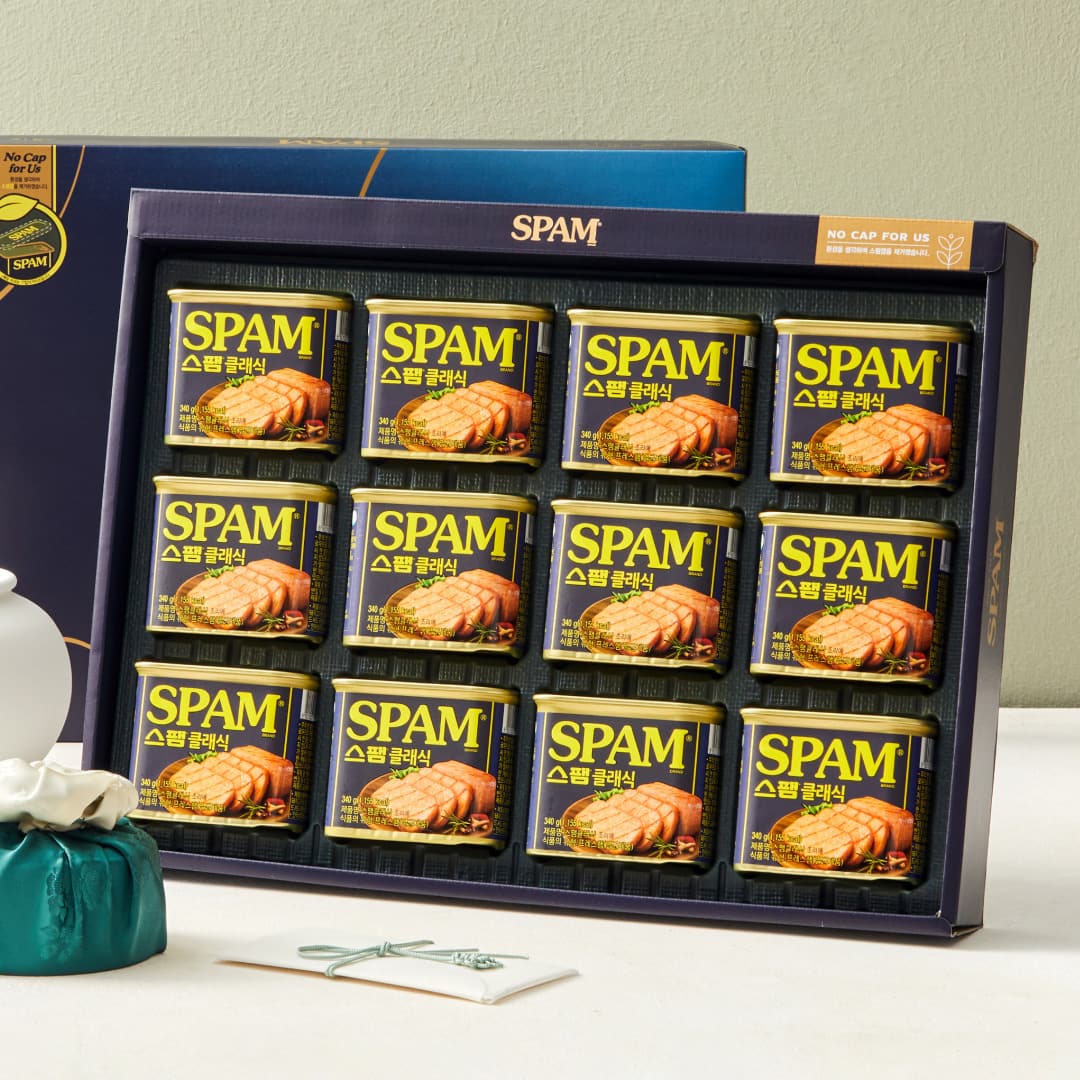
Korea's Spam Gift Sets Explained: What the Numbers Mean and Which One to Buy
Spam is a serious Chuseok gift in Korea, and the sets are sold by number. Lower number means bigger box — 1호 is twelve 340g cans, 12호 is eight 200g. The price printed on the box is fiction: every set is selling 40-45% below it right now.
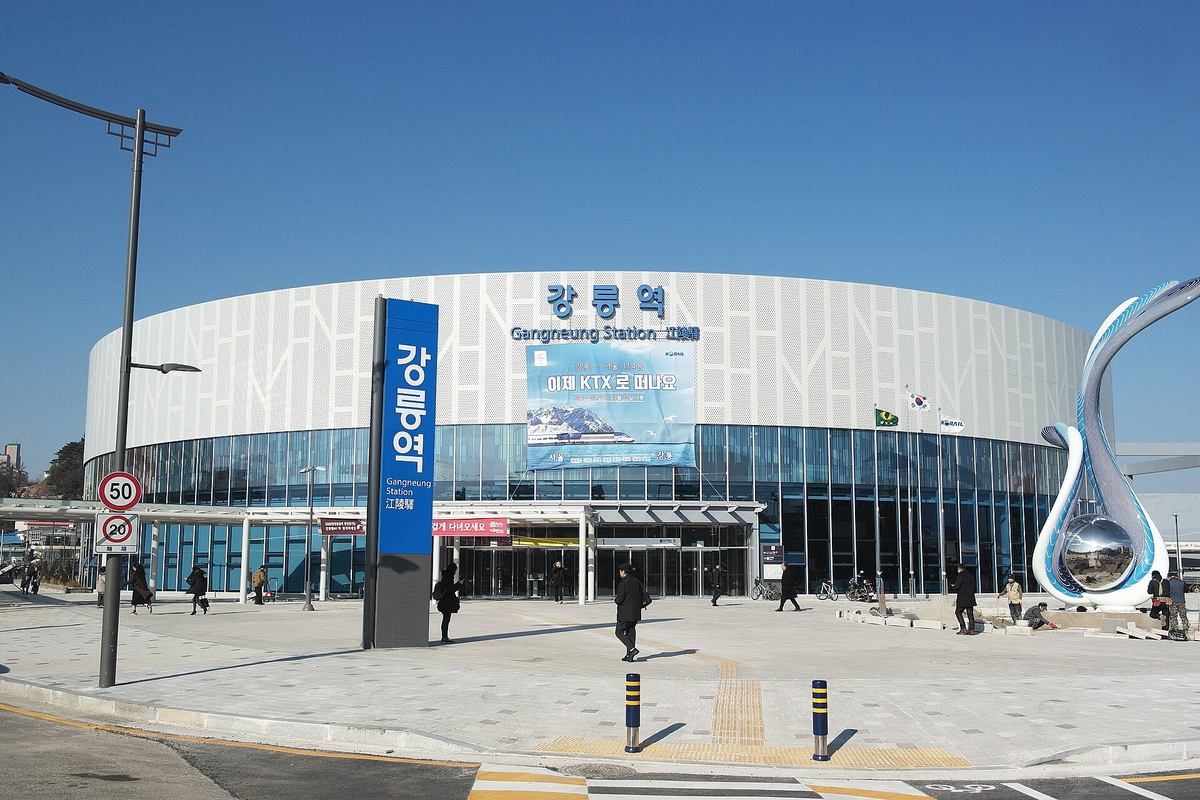
Seoul to Gangneung and Sokcho, Korea: KTX-Eum vs Express Bus After the October Fare Rise, and Why Sokcho Still Has No Train
Seoul to Gangneung is ₩26,000 by KTX-Eum in about 1½ hours; the deluxe bus now costs ₩26,800 after the 1 October rise and takes nearly three. Sokcho has no train until 2029, so there the bus still wins — from ₩18,700.
Busan to Gyeongju, Korea: KTX, the Donghae Line Train and the Bus Compared — Fares After the 1 October Bus Rise, Times and Which Station You Arrive At
Busan to Gyeongju costs ₩10,100 by KTX in 27 minutes, or ₩8,400 by bus after today's 9% rise. But the train stops at Gyeongju Station, the old Singyeongju, 30–40 minutes from the tombs; the bus lands downtown.