Korean Barley Tea vs Corn Tea, and the Rest of the Grain Drinks
Korean tea and grain drinks are easy to overlook if your first Korea memories are iced Americanos, coffee mix, banana milk, soju, or convenience-store energy drinks. But in everyday Korean life, the quieter drinks matter just as much. A pitcher of boricha in the fridge, a warm cup of oksusu-cha after dinner, a spoon of yuja syrup in hot water, or a vending-machine yulmu-cha can explain a different side of Korean comfort.
These drinks are not all "tea" in the narrow leaf-tea sense. Many are infusions made from roasted grains, fruits, roots, seeds, or syrups. Some are caffeine-free. Some are sweet. Some replace water at home. Some feel like a small dessert. Some are bought as easy gifts because they are shelf-stable, light enough to pack, and friendly to people who do not know Korean food yet.
This guide explains the most useful Korean tea and grain drinks for beginners: boricha, oksusu-cha, yuja-cha, omija-cha, yulmu-cha, brown rice tea, buckwheat tea, and simple tea-pairing snacks. It is written for travelers shopping in Korea, readers building a Korea-at-home shelf, and anyone who wants an alternative to coffee mix without buying a random jar that sits unopened.
Quick Answer: Which Korean Tea Should Beginners Buy?
Start with the drink that matches the job.
- Buy boricha if you want a mild everyday drink that can replace water.
- Buy oksusu-cha if you want a rounder corn sweetness without sugar.
- Buy yuja-cha if you want a sweet citrus tea that feels like a dessert or cold-weather gift.
- Buy omija-cha if you want a tart, bright traditional drink that tastes more distinctive.
- Buy yulmu-cha if you want a warm, nutty, thicker drink that feels closer to a snack.
- Buy buckwheat or brown rice tea if you like roasted, nutty flavors and want something less sweet.
If you already like Korean instant coffee mix, read the Korean instant coffee mix guide. If you are building a shelf around food, start with the Korean pantry starter kit, then use this guide to choose the drink lane. For meals that sit beside the cup, use the Korean dosirak lunchbox guide and kimchi jjigae at home guide. For snack pairings, the Korean seaweed snack guide, Deli Manjoo guide, and Korean grocery store tourism guide help you understand what belongs beside the cup.
You might like: Korean Drinks Guide: what to buy in a Korean convenience store, with the price, sugar and caffeine of every bottle
Korean Tea Is Not One Category
The first mistake is thinking Korean tea means one thing. A Korean tea shelf can include leaf tea from Boseong or Jeju, but it can also include roasted barley, roasted corn, jujube, ginger, omija berries, citron syrup, Job's tears powder, brown rice, buckwheat, and sweet packets sold near coffee sticks.
That matters because the buying logic changes.
Leaf tea is about aroma, origin, steeping, and delicate flavor. Grain tea is about roast, comfort, hydration, and repeat drinking. Fruit tea is often about syrup, sweetness, gifts, and cold-weather routines. Powdered teas can behave more like warm snacks than clear drinks.
Use this table before shopping.
| Drink | Main Flavor | Best Use | Beginner Mistake |
|---|---|---|---|
| Boricha | Roasted barley, light, toasty | Daily water replacement, fridge pitcher, hotel room | Expecting black tea strength |
| Oksusu-cha | Roasted corn, soft sweetness | Evening drink, winter cup, caffeine-free option | Adding sugar before tasting it plain |
| Yuja-cha | Citrus marmalade, honeyed, sweet | Gift jar, cold-weather drink, dessert pairing | Using too much syrup in one cup |
| Omija-cha | Tart, berry-like, complex | Traditional drink, summer punch, bright flavor | Expecting a simple sweet tea |
| Yulmu-cha | Nutty, creamy, grain powder | Warm snack drink, vending-machine comfort | Treating it like a clear tea |
Dongsuh roasted barley tea (보리차), 30 bags — the everyday Korean grain teaAffiliate link. As an Amazon Associate, EpicKor earns from qualifying purchases at no extra cost to you.
Barley Tea vs Corn Tea: The Actual Difference
This is the question most people arrive with, so here is the direct answer before the full guide.
| Barley tea | Corn tea | Corn silk tea | |
|---|---|---|---|
| Korean | 보리차 | 옥수수차 | 옥수수수염차 |
| Made from | Roasted barley | Roasted corn kernels | Corn silk (the threads under the husk) |
| Taste | Nutty, toasty, dry finish | Nuttier and rounder than barley | Less nutty, noticeably sweeter |
| Caffeine | None | None | None |
| Role in Korea | The default household and restaurant "water" | A softer alternative to barley | A bottled functional drink |
| Served hot? | Constantly, all year | Yes | Rarely — it is a chilled bottled product |
The short version: barley tea is what Koreans drink instead of water, and corn silk tea is what they buy for a reason.
Note the three-way split, because English collapses it into two. "Corn tea" in Korea can mean two different products. 옥수수차 is brewed from roasted corn kernels and sits beside barley tea as a household drink. 옥수수수염차 is brewed from corn silk — the pale threads under the husk — and is a different, sweeter drink sold mainly in bottles. If a Korean recommends "corn tea," it is worth asking which one.
Why Koreans reach for corn silk tea specifically
Here is the part that explains the whole category, and it is absent from English guides.
Corn silk tea is not an old traditional drink that happened to get bottled. Kwangdong Pharmaceutical launched it in August 2006 and marketed it under a "V-line" (V라인) concept — V-line being the Korean term for a slim, tapered jawline. The pitch was de-puffing: drink this and your face looks less swollen.
That positioning worked to a degree that is hard to overstate. As of last year the product had sold about 1.61 billion bottles cumulatively — roughly 31 bottles for every person in Korea, averaging about 220,000 bottles a day for twenty years. It hit its 20th anniversary in 2026 and was renewed for the occasion.
So when a Korean picks corn silk tea over barley tea, they are usually not making a flavour decision. They are reaching for a drink that has been sold as a beauty-adjacent function for two decades. Whether it does anything for facial swelling is a separate question this guide does not make claims about — but understanding the marketing explains the shelf.
Practical read:
- Want something to drink all day, hot or cold, that tastes like Korea? Barley tea. It is the default for a reason.
- Want the bottled drink Koreans grab from a cooler? Corn silk tea. Sweeter, chilled, and everywhere.
- Want the middle option? Roasted corn tea — nuttier than barley, no added sweetness.
- Worried about caffeine? All three have none. That is the category's quiet advantage.
What They Cost, and the Mistake Worth Avoiding
| Purchase | Korean | Price (July 2026) |
|---|---|---|
| Bottled tea, 500ml, at a convenience store | 페트 500ml | roughly ₩1,500–2,000 |
| Barley tea, bottled 500ml × 20 (online/mart) | 하늘보리 500ml 20개 | about ₩16,900 — roughly ₩845 each |
| Corn silk tea, 1.5L × 12 (online/mart) | 옥수수수염차 1.5L 12개 | about ₩14,700–16,000 |
| Barley tea bags, box of 100 | 보리차 티백 100개 | about ₩6,180 |
Now the number that matters. A box of 100 barley tea bags at roughly ₩6,180 works out to about ₩62 per cup. A single bottled tea at a convenience store is around ₩1,800.
That is a difference of roughly 29 times for what is fundamentally the same drink.
The honest counter-recommendation: do not buy bottled tea by the single unit if you are here for more than a few days. Buy one bottle to find out which one you like. Then buy tea bags, and brew a pitcher wherever you are staying. Korean households run on exactly this — a jug of cold barley tea in the fridge — and it costs almost nothing.
The bottled format is for convenience on the move, not for drinking at home. Paying convenience store prices for a week of tea is the single most avoidable grocery mistake visitors make in Korea.
Boricha: The Everyday Korean Grain Drink
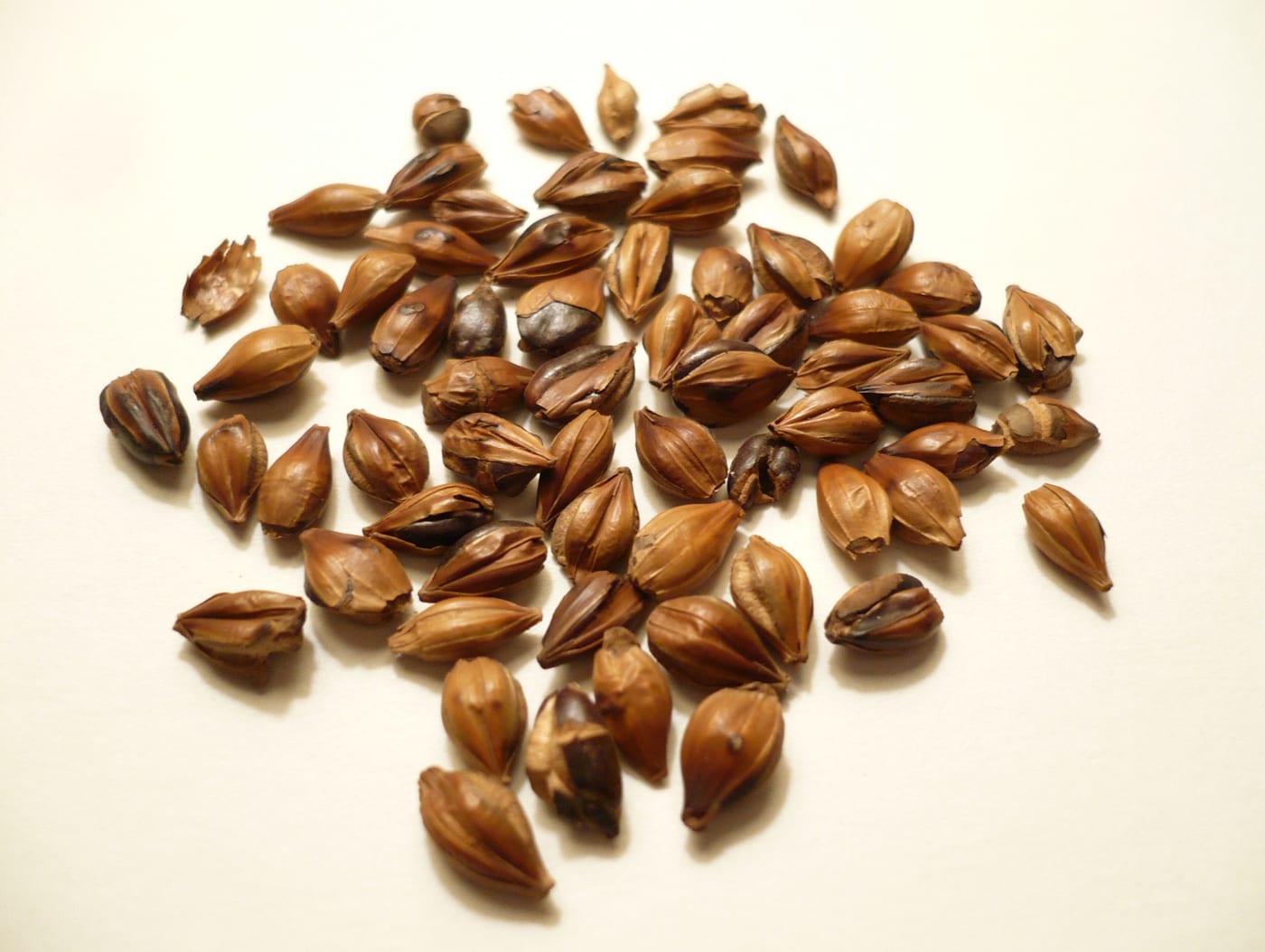
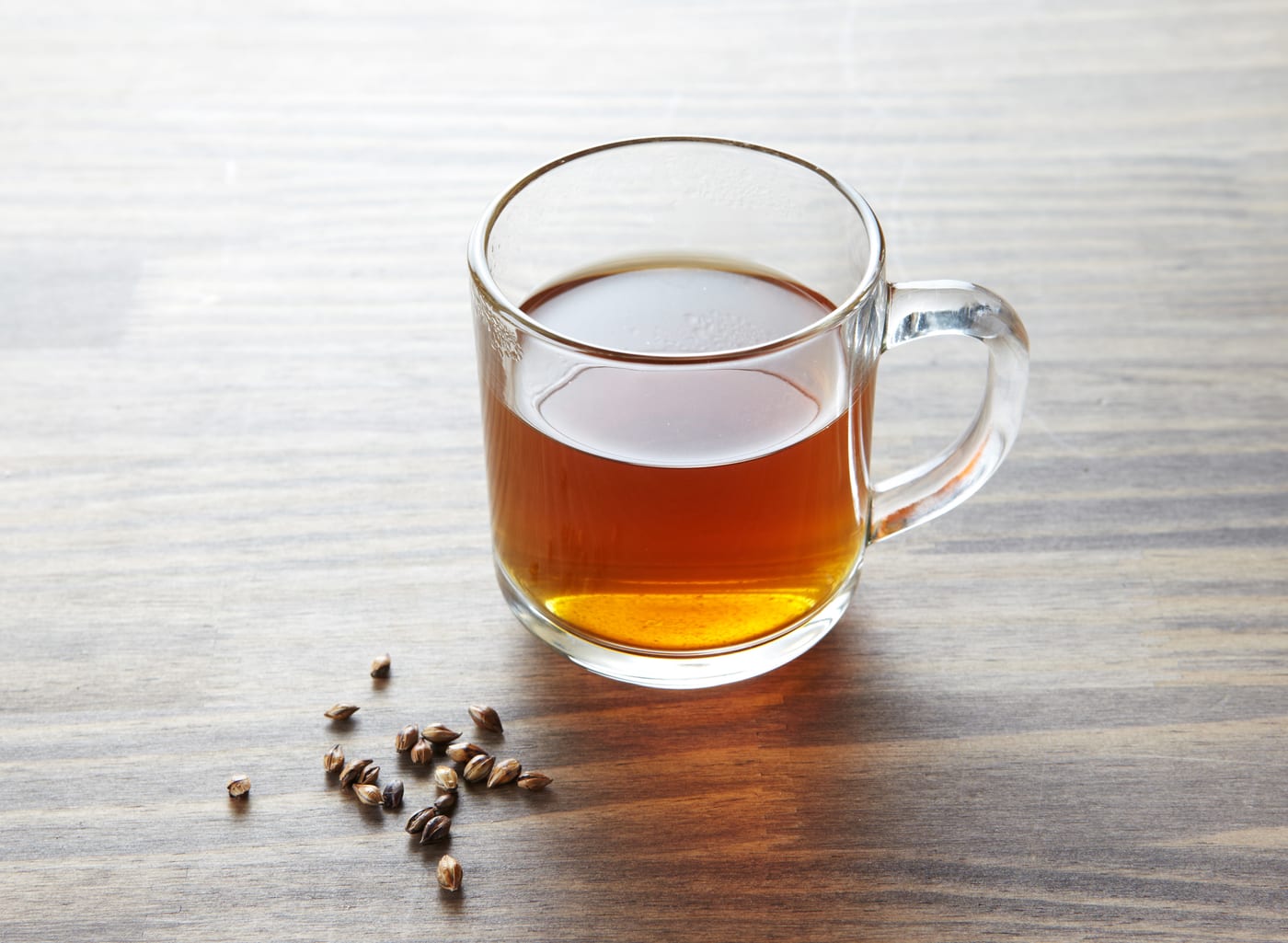
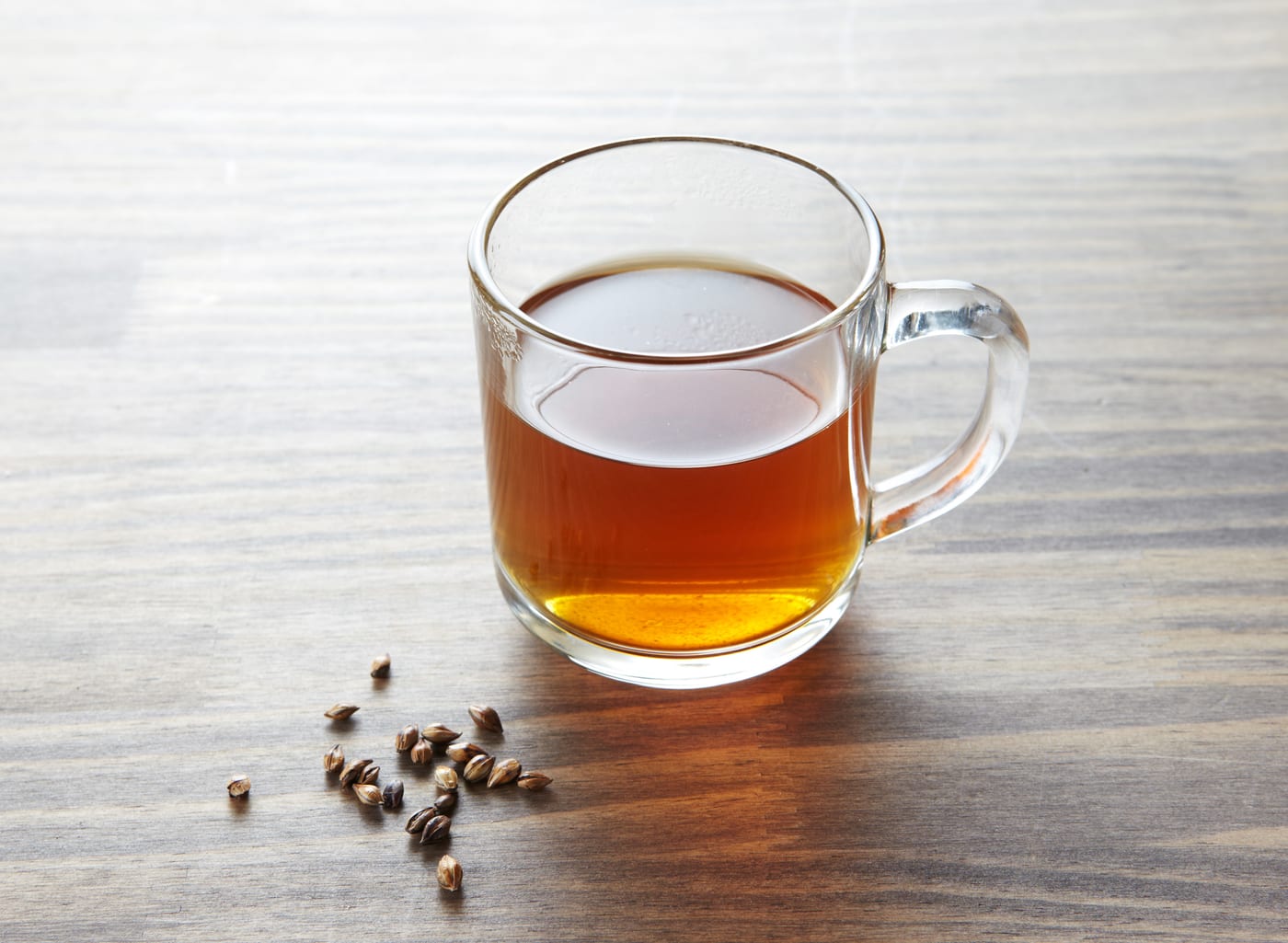
Boricha is roasted barley tea. It is one of the easiest Korean drinks to understand because it does not ask much from the drinker. It is not sugary. It is not milky. It is not trying to become a cafe order. It tastes roasted, light, slightly bitter, and clean.
Many Korean households use boricha the way other households use filtered water, especially as a fridge pitcher or a table drink. Restaurants may serve a barley-style or corn-style tea instead of plain water. The flavor is subtle enough to sit beside rice, stews, grilled meat, fried snacks, and sweets without fighting the meal.
For a beginner, boricha is a good first buy because it tells you whether you like the roasted-grain lane. If you do, you can explore corn tea, brown rice tea, buckwheat tea, and blends. If you do not, you can move toward fruit teas or coffee mix instead.
Buy boricha in one of three forms:
- Tea bags, easiest for travelers and small kitchens.
- Roasted grains, better if you want a pitcher and control strength.
- Bottled tea, useful in Korea but less practical as a souvenir.
The home method is simple. Brew the bag or grains, chill if you want, and keep the flavor gentle. If it tastes harsh, you probably brewed too strong or too long for your taste.
Oksusu-cha: Corn Tea Without The Candy Feeling
Oksusu-cha is Korean corn tea. It is usually made from roasted corn kernels or corn silk, depending on the product. Compared with boricha, it can feel a little sweeter and rounder, but it is still not supposed to taste like soda, juice, or sweet corn soup.
This is a useful drink if you want something caffeine-free for evenings. It also works well with simple meals because the flavor stays in the background. If a meal has kimchi jjigae, rice, gim, or grilled food, oksusu-cha gives warmth without adding more salt, spice, or dairy.
The best buying approach is small:
- Try tea bags first.
- Choose plain corn tea before flavored blends.
- Avoid assuming a pretty package means better roast.
- If you drink it cold, brew a little stronger than your hot cup.
Oksusu-boricha blends can be even easier because corn softens barley's bitterness. That makes them good for households where one person likes roasted tea and another person thinks boricha tastes too plain.
Yuja-cha: The Sweet Citrus Gift Jar
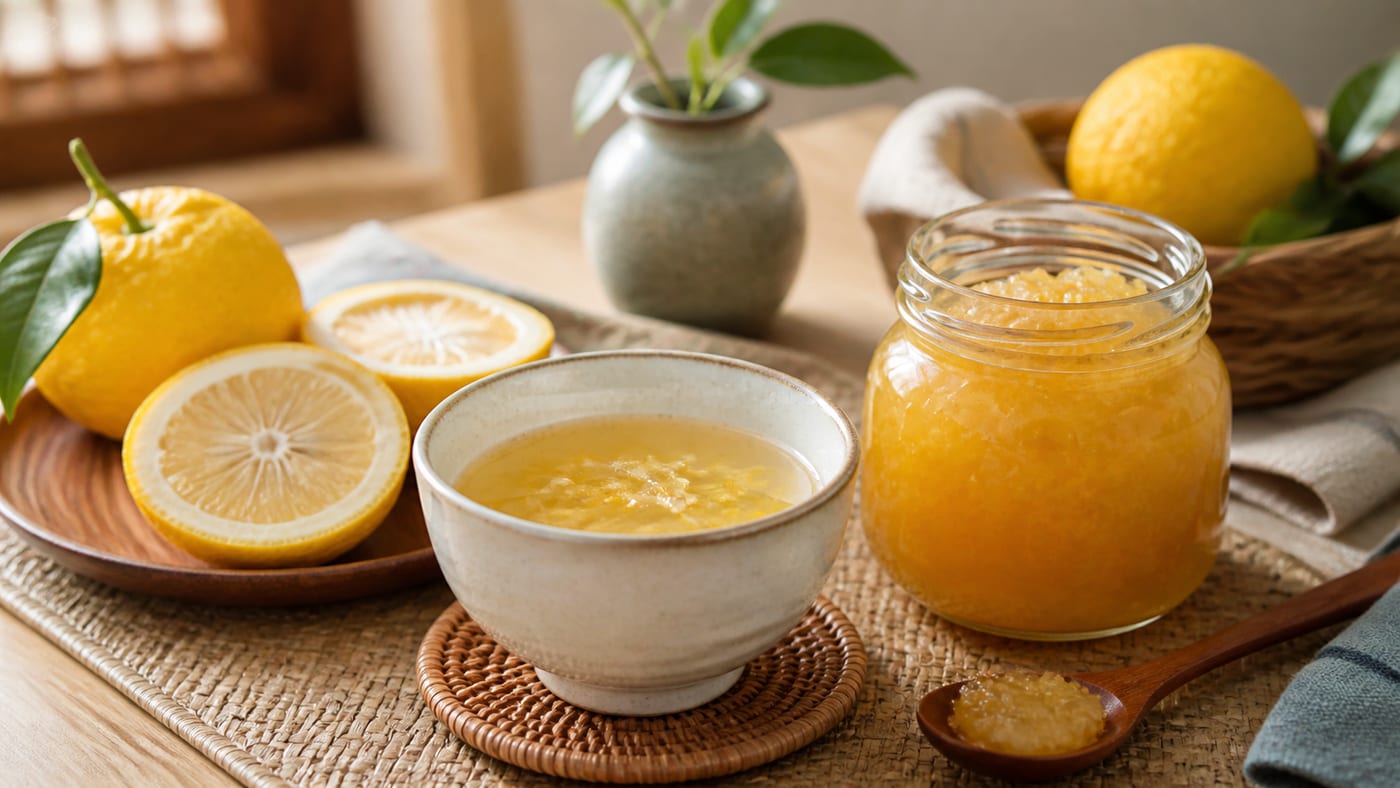
Yuja-cha is the drink many visitors recognize from jars of honey citron tea. The jar often looks like marmalade because that is basically how it works: citrus peel and fruit are preserved in sugar or honey, then stirred into hot or cold water.
This is the easiest Korean tea gift for people who do not want bitterness. It is sweet, bright, fragrant, and immediately understandable. It can also pair with yakgwa, simple cookies, toast, or a desk snack.
The beginner mistake is using too much. A large spoonful can turn the cup into candy. Start with less, stir, taste, and adjust. If you plan to drink it often, watch the sugar. Yuja-cha is lovely, but it is not the same job as boricha.
Yuja-cha is also a good souvenir type because it is easy to explain. "Add a spoon to hot water" is much less intimidating than "Here is a fermented paste, please build dinner around it." If suitcase weight is a concern, tea sticks or smaller jars may be better than a large glass jar.
Omija, Yulmu, Brown Rice, And Buckwheat
After the big three, decide how adventurous you want to be.
Omija-cha is made from schisandra berries and is known for a layered "five flavors" idea. In practical terms, expect tartness and brightness. It can be served hot or cold and may feel more like a traditional punch than a daily water drink.
Yulmu-cha is different. It is usually a roasted grain powder drink made from Job's tears, often with a nutty, thicker body. Many people experience it as vending-machine comfort, office warmth, or a winter snack drink. Do not buy it if you want a clear, unsweetened cup. Buy it if you like warm cereal, nutty powder drinks, or Korean office nostalgia.
Brown rice tea and buckwheat tea sit closer to boricha. They are roasted, simple, and good with food. If your taste leans toward unsweetened drinks, these may be better than fruit teas.
The point is not to collect every Korean tea. The point is to choose a repeatable role:
- Fridge pitcher: boricha or corn-barley blend.
- Evening cup: oksusu-cha or buckwheat tea.
- Sweet gift: yuja-cha.
- Distinctive traditional taste: omija-cha.
- Warm snack: yulmu-cha.
What To Pair With Korean Tea
Korean tea gets easier when you stop drinking it alone. Pairings help explain why these drinks exist.
Boricha works with meals. It cuts through salt and spice without adding sweetness. Oksusu-cha works with simple dinners, rice bowls, and winter snacks. Yuja-cha works with yakgwa, hangwa, toast, and small sweets. Omija-cha works when you want something bright after a heavy meal. Yulmu-cha can stand alone because it already feels filling.
If you are building a Korea-at-home tray, keep it small:
- One unsweetened grain tea.
- One sweet tea or syrup.
- One Korean sweet, such as yakgwa.
- One salty snack, such as gim.
- One familiar cup or mug so the routine feels repeatable.
The worst version is a beautiful shelf nobody uses. The best version is a two-minute ritual you actually repeat.
Buying In Korea vs Buying Online
If you are in Korea, supermarkets and department-store food halls are the easiest places to compare Korean teas. Traditional markets can be interesting, but packaged products are simpler for visitors who need labels, sealed packaging, and suitcase confidence. Convenience stores are good for bottled teas, but bottled drinks are usually not the best thing to carry home.
If you are buying online outside Korea, start with small packs. Tea is personal. A flavor that feels nostalgic to one person can feel flat to another. Do not buy a bulk pack because a video told you every Korean household drinks it.
Check:
- Tea bag count.
- Sugar level.
- Caffeine information.
- Jar weight.
- Whether it is tea, powder, syrup, or bottled drink.
- Expiration date and storage instructions.
For gifts, yuja-cha is safest. For daily use, boricha or oksusu-cha is safer. For someone who already loves Korean snacks, a variety pack can be fun.
FAQ
Q: Is Korean barley tea caffeinated?
Most boricha products are caffeine-free because they are made from roasted barley rather than tea leaves. Still, check the package if you are caffeine-sensitive because blends can vary.
Q: What is the best Korean tea for beginners?
Boricha is the best unsweetened first drink. Yuja-cha is the easiest sweet first drink. If you want one practical setup, buy one grain tea and one sweet tea.
Q: Is yuja-cha healthy?
Treat it as a sweet citrus drink, not medicine. It can be comforting, but many jars contain plenty of sugar or honey. Use a modest spoonful and read the label.
Q: What Korean tea goes well with yakgwa?
Yuja-cha works if you like a sweet citrus pairing. Boricha or oksusu-cha works if you want the drink to balance the honeyed cookie instead of adding more sweetness.
Q: Can I drink boricha cold?
Yes. Many people drink barley tea chilled. Brew it, cool it, and keep it in the fridge. If the flavor seems too weak over ice, brew slightly stronger.
Q: What should I buy after Korean coffee mix?
Try boricha if you want something less sweet, yuja-cha if you still want a cozy sweet cup, or yulmu-cha if you like warm powder drinks that feel snack-like.
Final Take
Korean tea and grain drinks are not about replacing coffee with one perfect alternative. They are about choosing the right comfort lane. Boricha is the everyday table drink. Oksusu-cha is the soft roasted cup. Yuja-cha is the sweet citrus gift. Omija-cha is the bright traditional option. Yulmu-cha is the warm snack.
Start with one unsweetened drink and one sweet drink. Pair them with a snack you already understand. If you finish both, then you have found a real Korea-at-home habit, not another pretty package on the shelf.
You Might Also Like
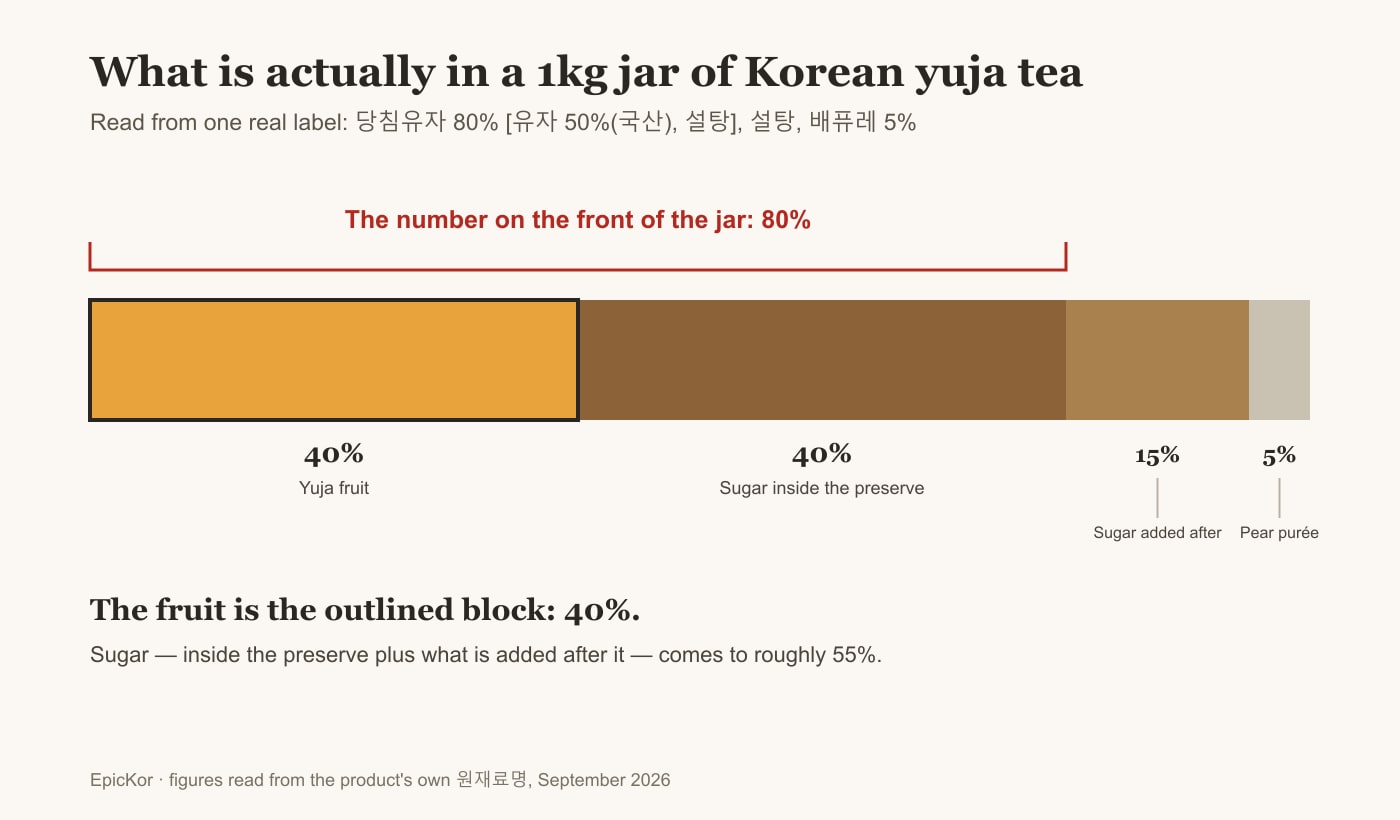
Korean Yuja Tea: The Jar Says 80%, the Fruit Is 40%
Korean yuja tea jars print a big percentage on the front, but it measures sugar-preserved yuja, not fruit. One real label reads 당침유자 80% [유자 50%] — the fruit is 40% and sugar is roughly 55%. Here is the two-second multiplication to do before you buy.
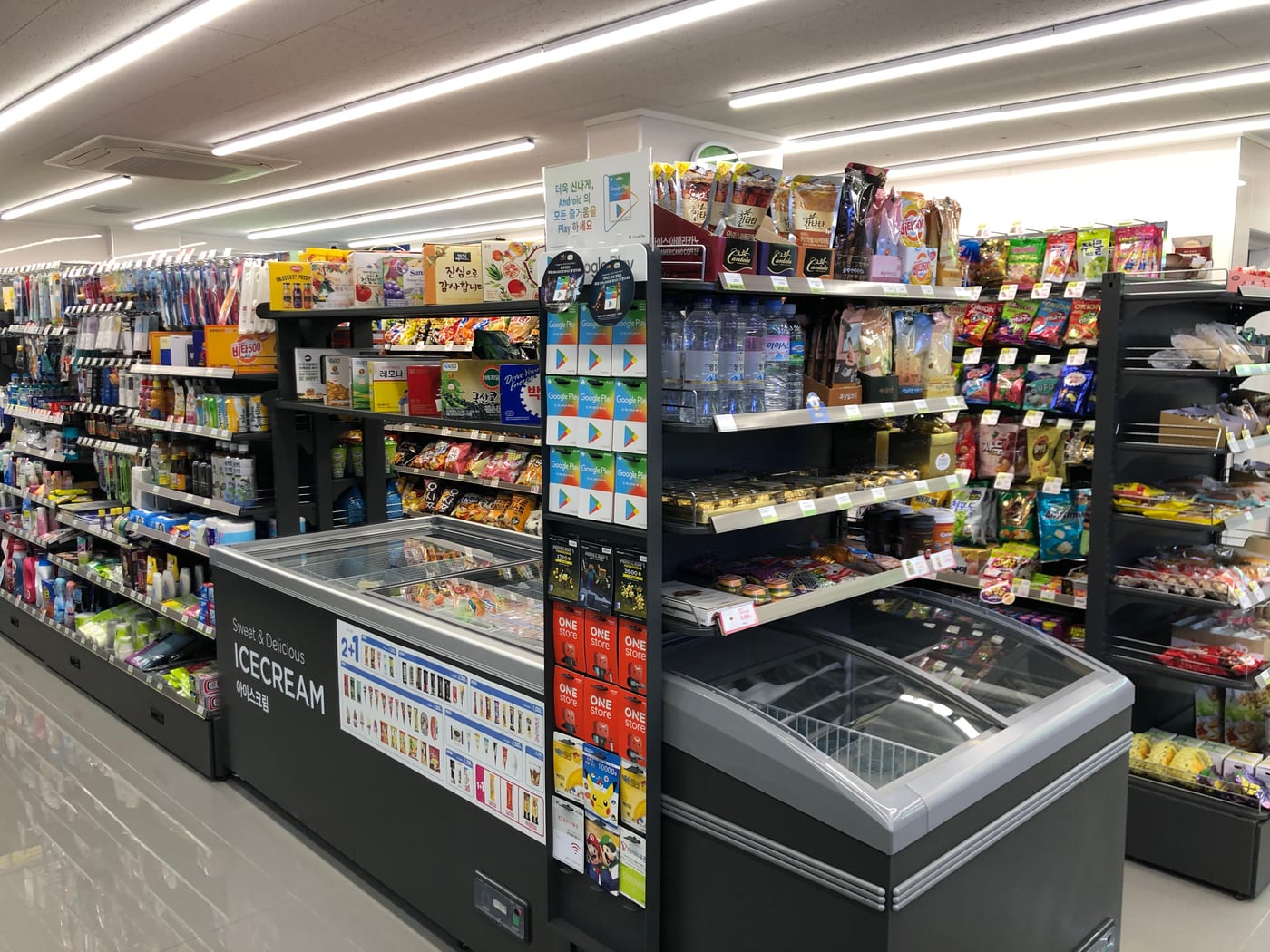
Delaffe: Korea's Convenience-Store Coffee Brand That Cut Its Price to ₩900
델라페 is not a drink, it is CU's own label — 150 million units a year, sold as a pouch you pour into a separate cup of ice. In March 2026 five of them dropped to ₩900, which makes the convenience store cheaper than Korea's cheapest café chain.
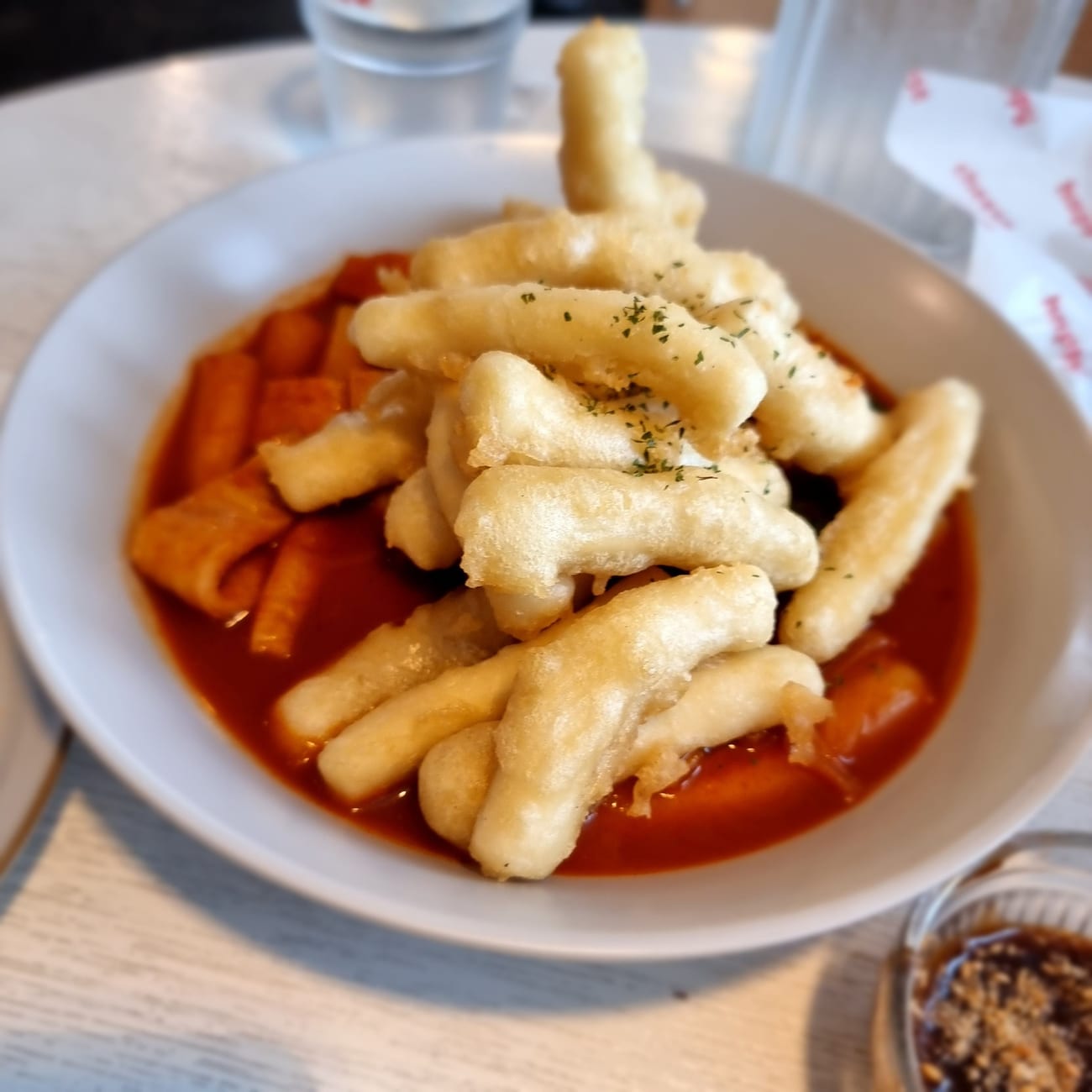
Coolpis: The Korean Drink That Exists to Put Out Tteokbokki
쿨피스 is on every spicy Korean table for a reason, and it is not the one people assume. It does not neutralise capsaicin — milk does. Launched 1980, 80 million units a year, and in 2026 its first new flavour since 2011.