
Iced Americano in Korea: Why Koreans Drink It Year-Round
In Korea, iced Americano is not just a coffee order. It is a daily rhythm, a workday signal, a cafe default, and one of the easiest cultural habits for travelers to notice within an hour of landing. You will see it in winter, in office elevators, beside subway exits, on study desks, in giant budget-cafe cups, and in the hands of people walking through freezing Seoul streets as if ice were a personality choice.
The Korean shorthand is a-a, from aiseu amerikano, iced Americano. The meme phrase is eoljuk-a, short for eoreo jugeodo aiseu amerikano, roughly "iced Americano even if I freeze." The joke is exaggerated, but the behavior is real enough that Korean and international media keep returning to it. This guide explains why the drink fits Korea so well, how to order it, how price tiers work, and what travelers should understand before treating it as just another black coffee.

The Short Answer
Koreans drink iced Americanos year-round because the drink is fast, clean-tasting, affordable, easy to carry, low in sugar, and compatible with cafe culture, office culture, study culture, and spicy or heavy meals. Hot coffee is not absent, but iced Americano is often the practical default.
For travelers, the key is not "Koreans are strange for drinking cold coffee in winter." The better read is: Korea has built a coffee environment where iced Americano solves many small problems at once. It gives caffeine without milk heaviness, lasts longer in a cup, pairs with lunch, works for takeout, and fits the fast movement of city life.
| Reason | What it means in Korea | Traveler takeaway |
|---|---|---|
| Speed | Easy to order, receive, and drink while moving | Good default at busy cafes |
| Clean taste | No milk or sugar unless added separately | Pairs well after spicy or rich meals |
| Price range | Budget chains make it an everyday habit | You can try both cheap and specialty versions |
| Season independence | Iced drinks remain common in winter | Do not be surprised by ice in January |
| Cafe culture | Works for studying, meetings, dating, and walking | One drink can fit many social situations |
Korean snack assortments — compare on AmazonAffiliate link. As an Amazon Associate, EpicKor earns from qualifying purchases at no extra cost to you.
What "Eoljuk-a" Really Means
Eoljuk-a is internet slang, not a formal rule. It describes people who choose iced Americano even when the weather is cold. The phrase became popular because it turns a tiny preference into a funny identity: I know it is freezing, but I still want my iced coffee.
Korea.net, Korea JoongAng Daily, The Korea Times, and other outlets have all covered Korea's winter iced-Americano habit in different ways. The shared point is that the drink has become a visible marker of modern Korean cafe life. You do not need to over-theorize it, but you should not dismiss it either. Everyday habits often reveal more about a city than official tourist attractions do.
In winter, many Koreans move between heated apartments, subways, offices, buses, malls, cafes, and underground shopping areas. The actual time spent exposed to freezing wind may be shorter than a visitor imagines. An iced drink can still make sense if most of the day happens indoors.
Why Americano, Not Latte?
An Americano is espresso diluted with water. In Korea, it is usually cheaper than milk drinks, lower in calories, and easier to drink after food. A latte is softer, but it can feel heavier after lunch. Sweet coffee drinks can be fun, but they are not always what office workers want every day. Iced Americano gives caffeine with a clean finish.
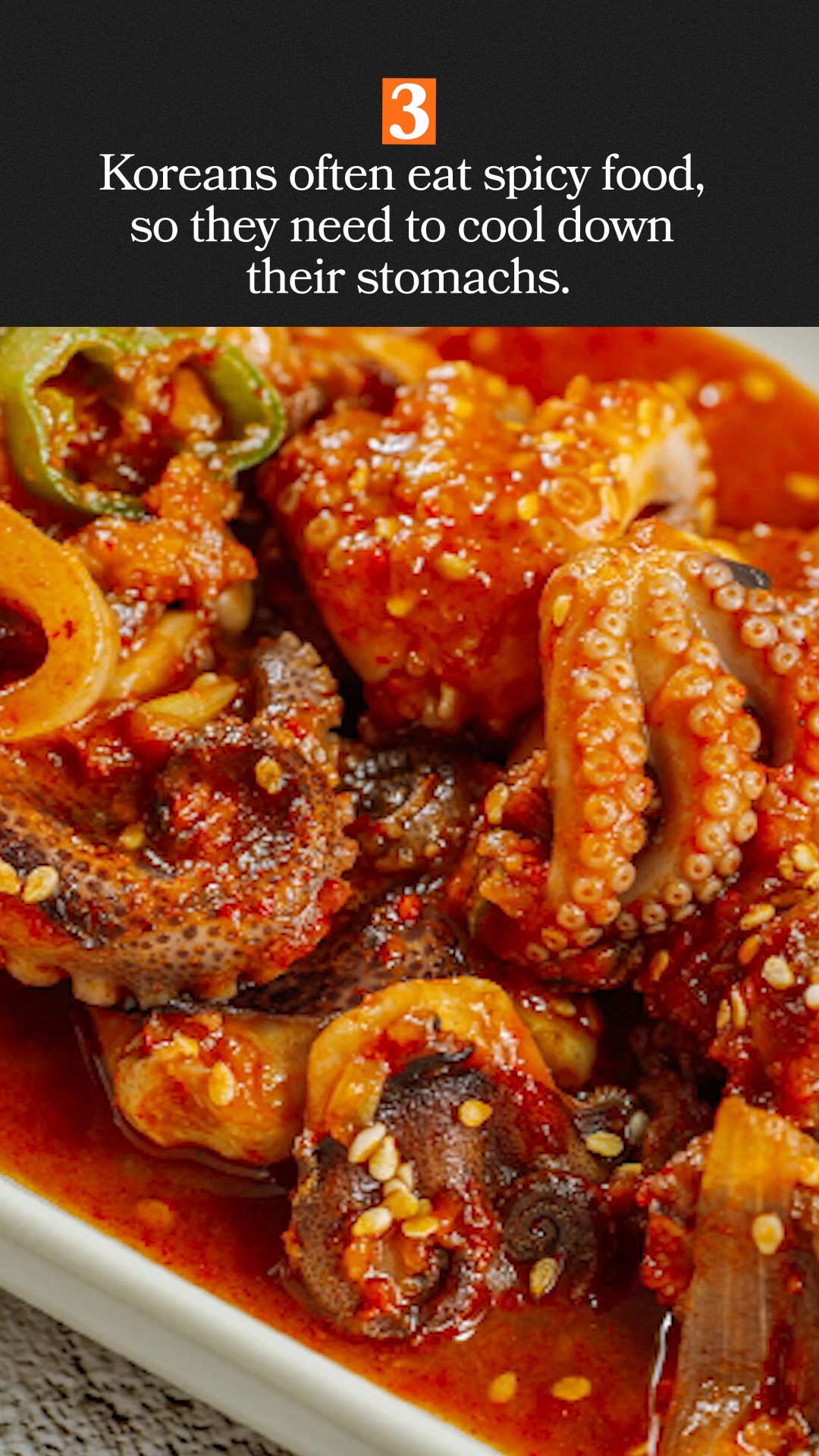
The drink also matches Korean food. After kimchi jjigae, ramyeon, fried chicken, spicy rice cakes, garlic-heavy barbecue, or a salty convenience-store lunch, a cold bitter drink can reset the palate. That does not mean every Korean consciously thinks this way. It means the pairing works often enough to become habit.
The Workday Coffee Loop
The most common iced-Americano scene is not a tourist cafe. It is the post-lunch office walk. Around business districts, people eat quickly, stop at a cafe, order iced Americanos, and return to work carrying transparent cups. The cup becomes part of the workday rhythm: lunch, caffeine, elevator, desk.
Korea JoongAng Daily reported in 2025 that Starbucks Korea had identified Americano as its most popular menu item since the company began gathering such data in 2009, and linked the drink's popularity to efficient caffeine consumption. The same article cited Korea Customs Service import data to show Korea's coffee consumption scale. Those figures should be read as industry/context signals rather than a rule for every individual, but they match what travelers see on the street.
The affordable coffee chain boom reinforces the loop. Budget chains make giant iced Americanos accessible to students and office workers, while specialty cafes offer more careful espresso, beans, interiors, and neighborhood identity. Both worlds can coexist on the same block.
Cafe culture at home: As an Amazon Associate, EpicKor may earn from qualifying purchases. If Korea's coffee habits made you curious, compare Korean snack assortments with coffee at home, or use the trip to focus on fresh cafe drinks you cannot recreate exactly.
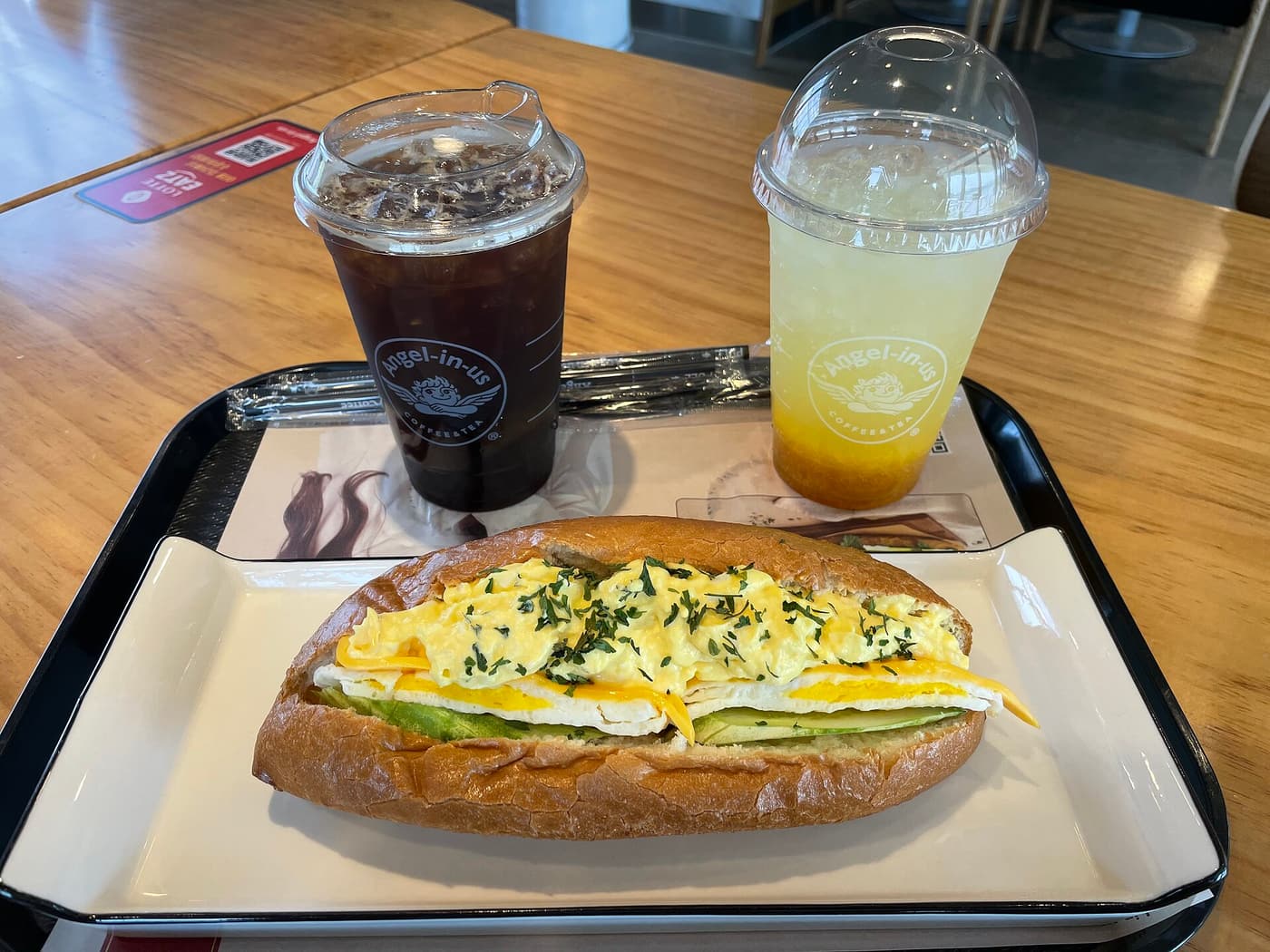
A chain-cafe iced americano in Korea. The cup size and the ice load are the defaults; you have to ask to change either. Photo by 김바삭, CC BY 4.0.
How to Order Iced Americano in Korea
The easiest order is: "Aiseu amerikano hana juseyo" meaning "One iced Americano, please." In many cafes, English menu boards will be enough. At kiosks, look for "Americano" and choose iced. Some kiosks use Korean: 아이스 아메리카노. If you hear people say a-a, they mean iced Americano.
If you want it less bitter, ask for extra water or choose a larger size. If you want it stronger, add a shot. If you want decaf, check whether the cafe offers it; not every budget chain does. If you want no ice, you may be happier ordering hot Americano or bottled cold brew rather than trying to customize a busy kiosk order.
Korean cafes often ask if the drink is for here or to go. At kiosks, you may choose dine-in or takeout before ordering. Some branches charge differently or use different cups depending on rules and local policy. Follow the screen or staff guidance.
Price Tiers: Budget Chain vs Specialty Cafe
Iced Americano can be extremely cheap or surprisingly expensive depending on where you order. Budget chains focus on volume, speed, and large cups. Specialty cafes focus on beans, brewing, interior, neighborhood identity, and slower time. Neither is automatically "better." They serve different needs.
| Cafe type | What you get | Best for | Possible downside |
|---|---|---|---|
| Budget coffee chain | Large iced Americano, fast service, low price | Commute, study, walking, daily caffeine | Less bean character |
| Franchise cafe | Predictable menu, seating, app/order systems | Meetings, reliable stops, larger branches | Can be crowded |
| Neighborhood cafe | Local mood and better interior | Dates, slow afternoons, photos | Hours vary |
| Specialty coffee bar | Better beans and careful extraction | Coffee-focused travelers | Higher price, smaller menu |
| Convenience-store coffee | Cheap, quick, available late | Emergency caffeine | Less cafe experience |
You might like: Why Korea Has 100,000 Cafés: The ₩2,000 Americano, the ₩222 Bean, and Why Half of Them Will Close
Why the Ice Matters
Ice changes the experience. It slows dilution, keeps the drink sharp, and lets people carry one cup for a long time. For students or laptop workers, that matters. A hot coffee becomes lukewarm. An iced Americano remains drinkable while studying, waiting, commuting, or chatting.
This is also why the clear plastic cup became part of the visual culture. The cup shows ice, espresso color, condensation, and movement. It photographs better than a paper hot cup. In a city where everyday objects become social-media props quickly, that visual clarity helps.
Of course, plastic waste is a real concern. Korea has changed cafe cup and disposable-use rules over time, and policies can vary. If you dine in, some cafes may use reusable cups or mugs. Follow the shop's current system.
Traveler Mistakes to Avoid
Do not assume every iced Americano tastes the same. Cheap versions can be watery or harsh; specialty versions can be bright, fruity, chocolatey, smoky, or balanced depending on beans and extraction. If you hate one cup, try a different cafe type before deciding you dislike Korean coffee.
Do not order a sweet iced Americano unless you actually want syrup. A basic iced Americano is unsweetened. If you want milk, order an iced latte. If you want a dessert drink, choose vanilla latte, Einspanner, cream coffee, or a seasonal menu item.
Do not sit for hours in a tiny cafe during a rush with one cheap drink unless the space is clearly designed for long stays. Korea has many study-friendly cafes, but some small shops rely on table turnover.
Best Moments to Try It
Try an iced Americano after a Korean lunch, especially if the meal was spicy, oily, or salty. Try one during a neighborhood walk in Seongsu, Hannam, Hongdae, Yeonnam, or Euljiro. Try one from a budget chain to understand the daily habit, then try one from a specialty cafe to understand the higher-end coffee scene.
If you want a very Korean morning, pair an iced Americano with a convenience-store yogurt like Viyott or a simple bakery item. If you want a late-night version, get convenience-store coffee after ramyeon or snacks. For a broader food route, continue with Korean snacks, Korean breakfast habits, and Seoul bakery cafe routes.
The Psychology Without the Overclaim
It is tempting to explain iced Americano with dramatic claims: Koreans are stressed, Korea moves fast, ice cools the mind, caffeine is survival. Some of that is culturally resonant, but it should not be treated as medical or psychological proof. The safer explanation is layered and ordinary.
Korea has dense cities, long work and study routines, intense cafe competition, affordable chains, strong takeout culture, spicy food pairings, and social media visibility. Iced Americano fits that environment. It is not magic. It is an everyday object that happens to solve many everyday needs.
That is usually how real culture works. A habit becomes iconic not because one theory explains it perfectly, but because millions of small choices keep repeating until the choice feels obvious.
What to Compare at Home
If you want to recreate the Korean cafe feeling at home, keep it simple: espresso or strong coffee, cold water, plenty of ice, and no sugar unless you want it. The Korean cafe taste varies widely, so there is no single correct recipe. A budget-chain-style cup is large, cold, and straightforward. A specialty-cafe cup is more bean-focused.
Korean instant coffee mix is a different tradition. It is usually sweet and creamy, closer to office pantry nostalgia than iced Americano culture. It is still useful if you want a Korea-at-home coffee memory, but do not confuse it with the black iced Americano habit.
Korea-at-home coffee note: For a different Korean coffee lane, compare Korean instant coffee mix. It will not taste like an iced Americano, but it explains another everyday Korean coffee ritual.
Sources and Further Reading
- Korea JoongAng Daily on iced Americanos in winter.
- The Korea Times on year-round iced coffee behavior.
- Korea.net honorary reporter article on iced Americano culture.
- MAFRA 2024 Korean food industry survey context.
FAQ
Q: What does eoljuk-a mean?
Eoljuk-a is Korean slang for "iced Americano even if I freeze." It describes people who choose iced Americano even in cold weather.
Q: How do I order iced Americano in Korea?
Say "aiseu amerikano hana juseyo," or choose iced Americano on a kiosk. Many cafes also have English menus, especially in tourist neighborhoods.
Q: Is Korean iced Americano sweet?
No. A standard iced Americano is espresso, water, and ice. If you want sweetness, order a flavored latte, add syrup, or choose a dessert coffee.
Q: Why do Koreans drink iced Americano after lunch?
It is fast, affordable, caffeinated, and clean-tasting after salty, spicy, or heavy meals. It also fits the common office rhythm of eating lunch and returning with takeout coffee.
Q: Is iced Americano cheap in Korea?
It can be. Budget coffee chains sell large iced Americanos at low prices, while specialty cafes charge more for better beans, atmosphere, and slower service.
Q: Should travelers try budget coffee or specialty cafes?
Try both. Budget coffee explains the daily habit; specialty cafes show Korea's serious coffee scene. The contrast is part of the culture.
Video Insight: The Iced Americano Craze
You Might Also Like
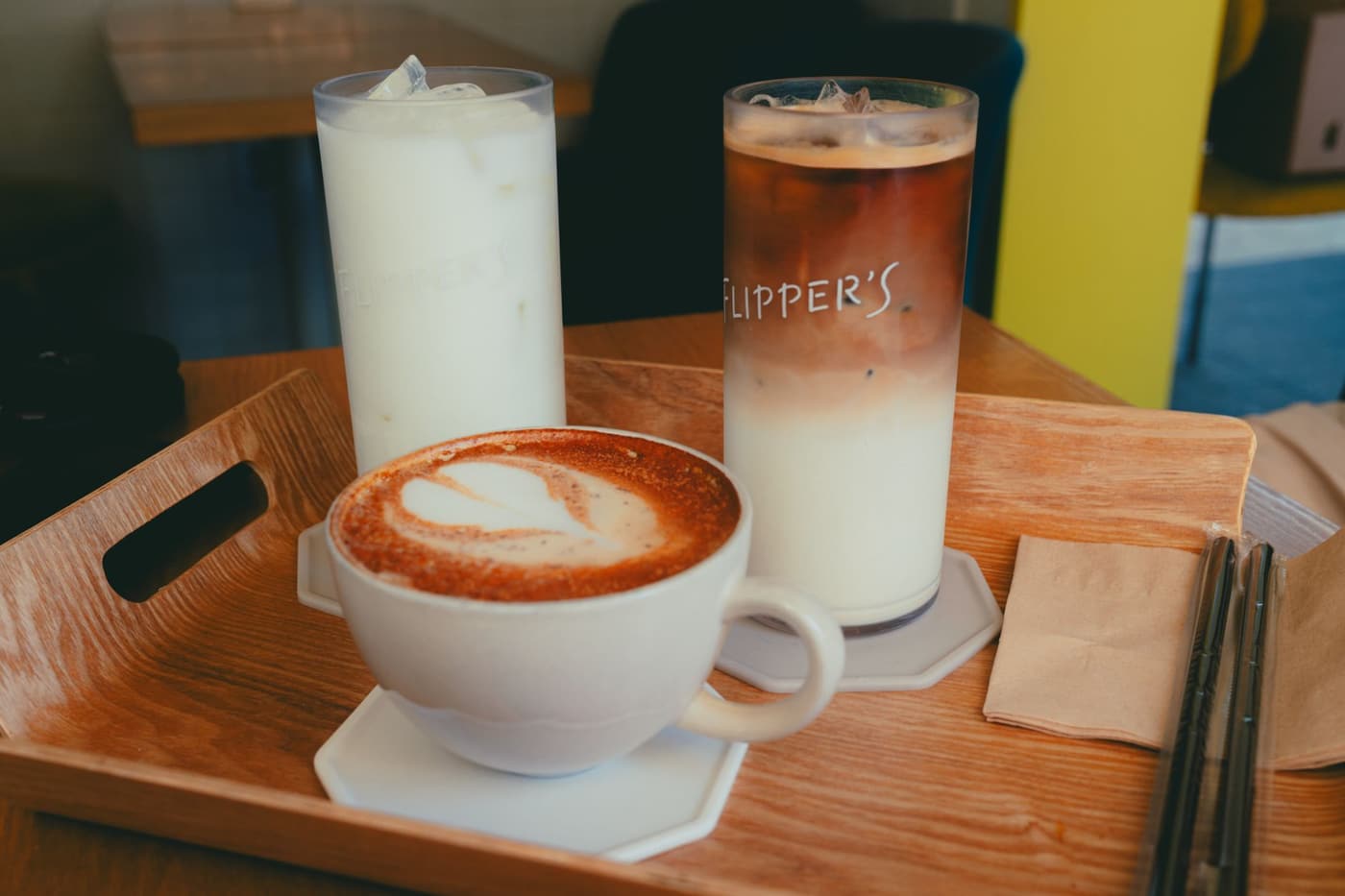
Korean Cafe Culture: Why Coffee Shops Became Seoul's Third Place
Korean cafe culture explained for Seoul travelers: why coffee shops became work, study, date, dessert, and rest spaces in daily life.
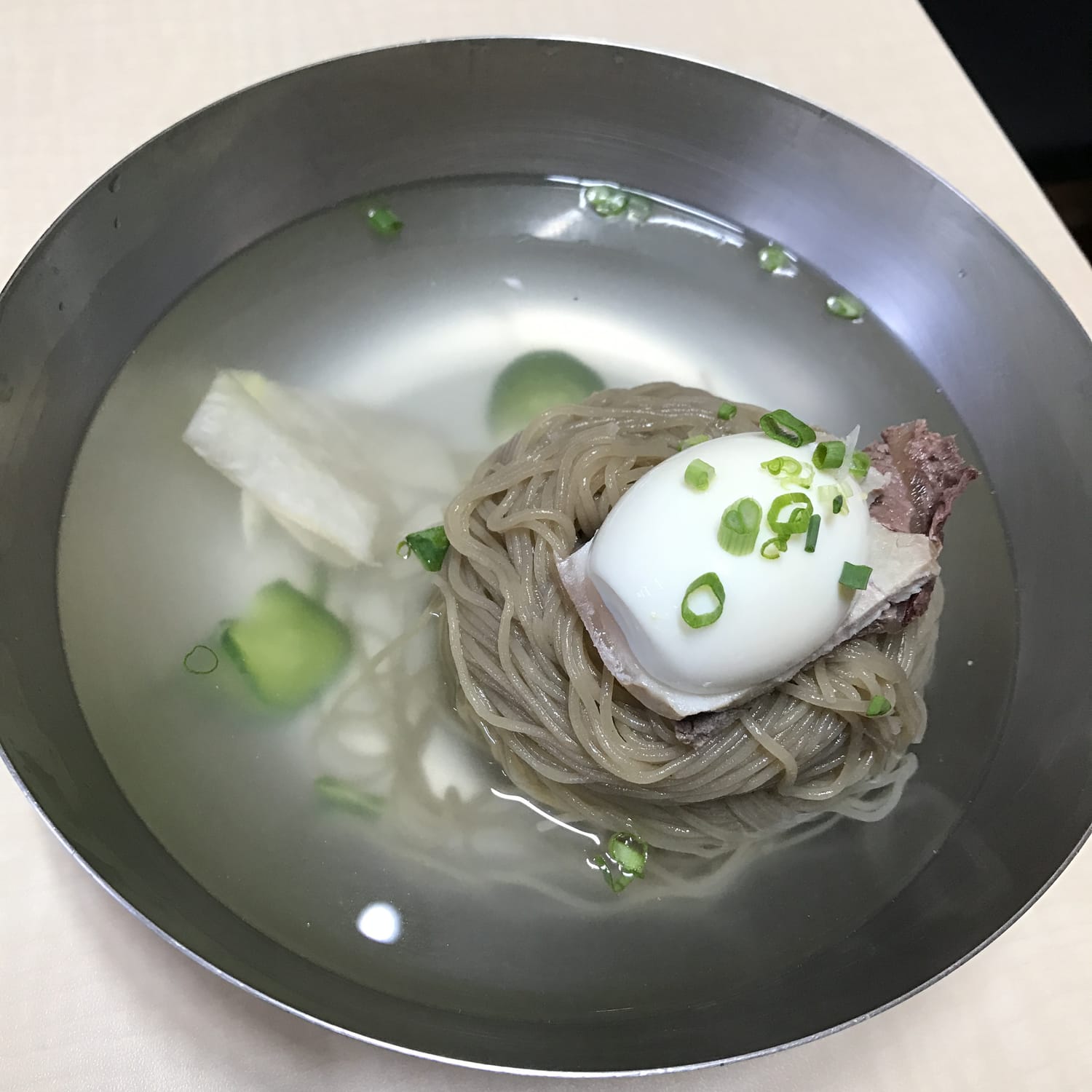
The One Korean Food Foreigners Never Learn to Love: Hamheung Naengmyeon, and Why Koreans Can't See the Problem
Foreigners who eat cheonggukjang and even hongeo still will not pay for this twice. A Korean creator who fed foreigners for years says naengmyeon was the overwhelming number one refusal, and Koreans, who rank it first every summer, cannot see why.
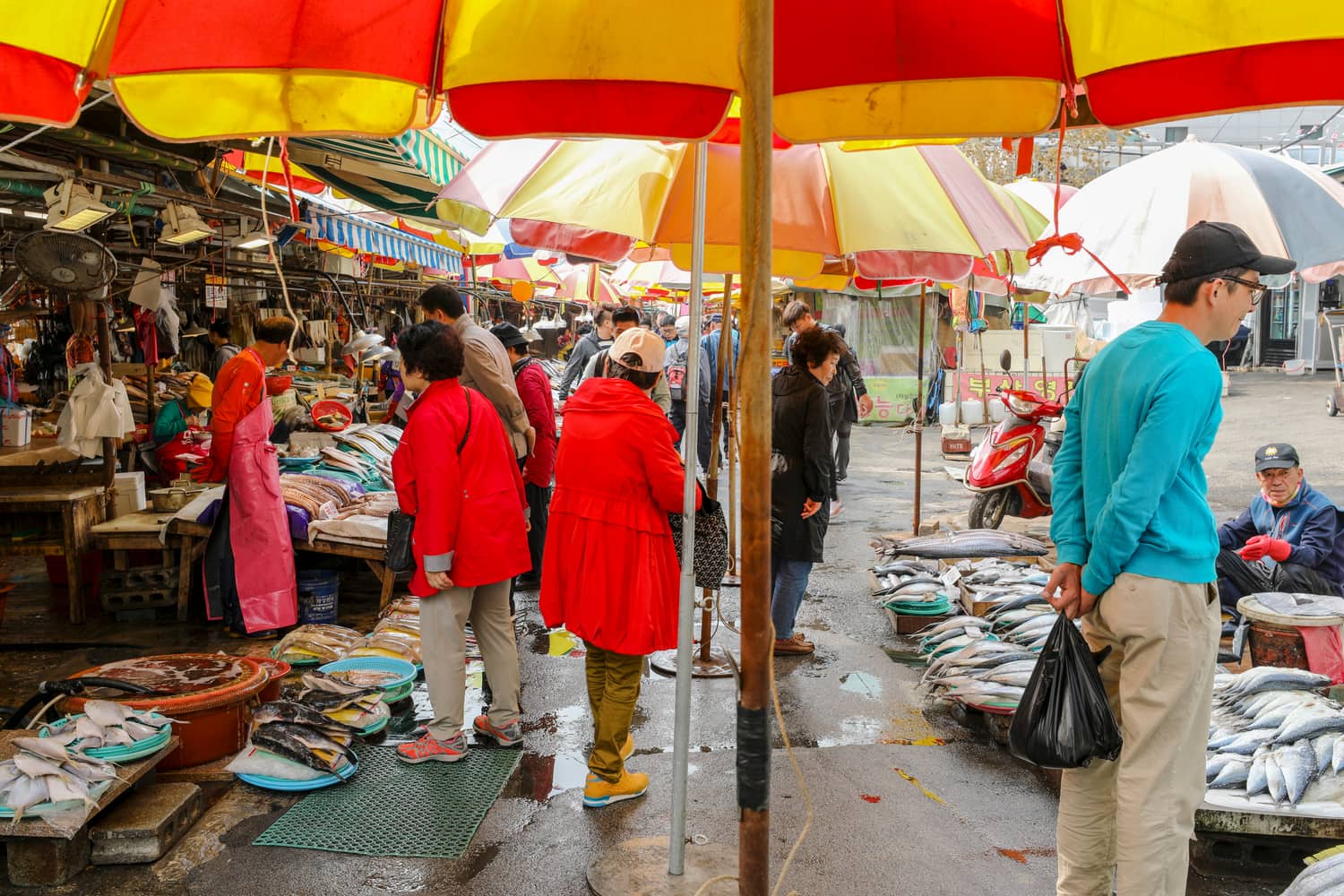
Why Do Koreans Stare at Foreigners? The 5% Country, and Where the Looking Actually Happens
In central Seoul nobody looks at you. In a provincial market, a small town or a subway car of grandmothers, they do. Korea only became a 5%-foreign country in 2025. Where the staring happens, what it means and does not mean, and what to do with it.