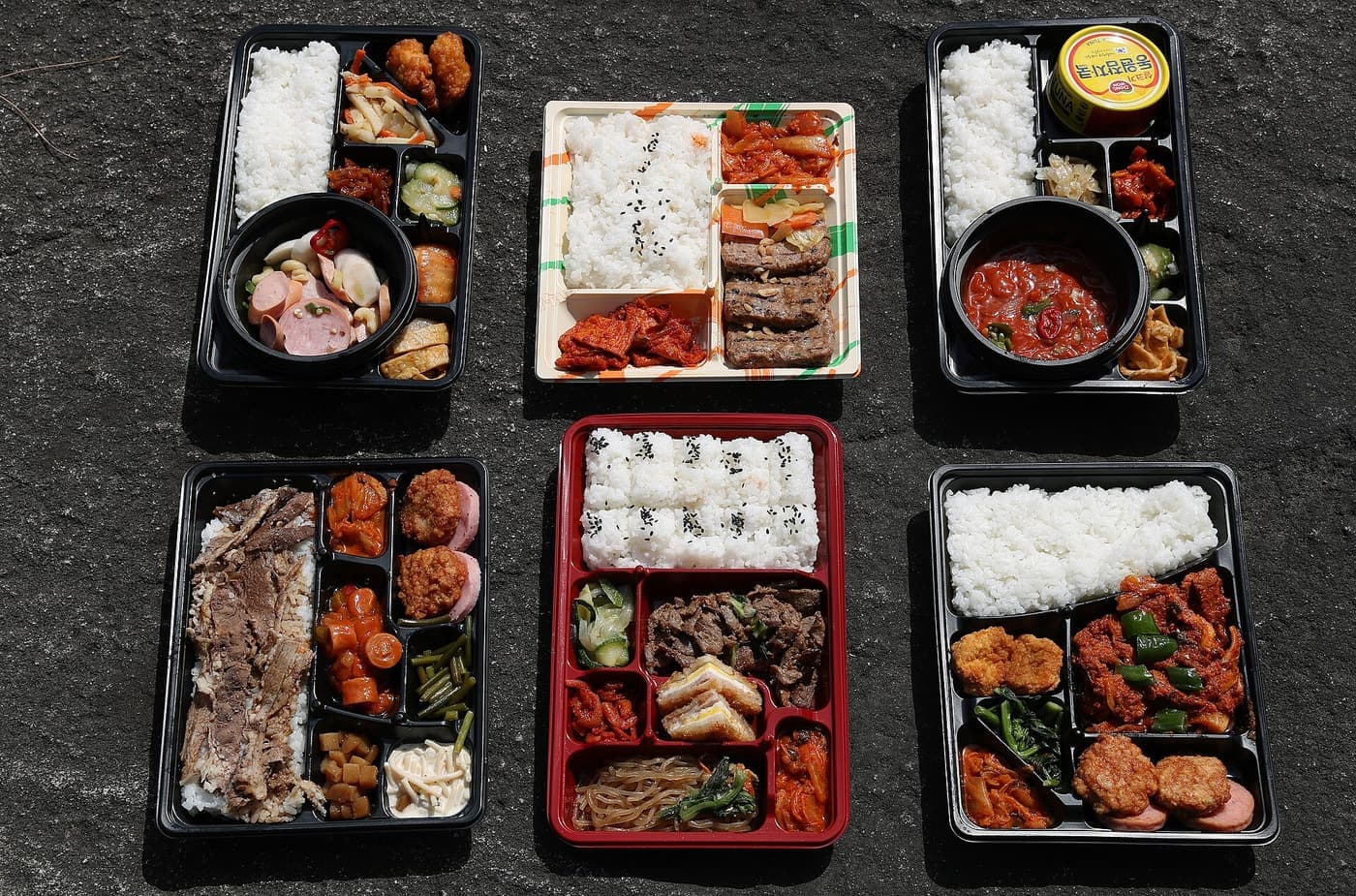
What to eat in a Korean convenience store
The full food guide — dosirak, snacks, and how the shelves are organised.
Korean convenience stores
Korean convenience stores cook, host, deliver and run their own product lines. Chains hold exclusives you cannot buy anywhere else, prices move with promotions, and the stock rotates fast enough that a guide written last year is describing a different shelf. Here is what is on it now.
GuidesFood & ShoppingKorean convenience stores
There is no single “number one” — GS25 leads on revenue and CU on store count, which is why Korean coverage always has to say which measure it means. For a visitor the practical difference is the exclusives.
| Chain | Known for | Exclusive worth crossing the road for | Where it stands |
|---|---|---|---|
| GS25지에스25 | Widest coverage outside big cities; strong own-brand drinks | Yellow-cheese snack line, including the Haitai crisp | Revenue leader — about ₩8.67 trillion in 2024 |
| CU씨유 | Collaboration products and desserts | Yonsei Cream Bread — over 100 million units | Store-count leader; revenue about ₩8.52 trillion in 2024 |
| 7-Eleven세븐일레븐 | The familiar name for visitors; merged with Ministop | — | Loss-making since 2021, store count falling |
| Emart24이마트24 | Grocery crossover, larger stores, seating more often | — | Loss-making, store count falling |
Business figures are 2024 full-year, from Korean business press. Store counts across the four chains fell by about 1,600 that year.
Korean snack boxes that actually ship — compare on Amazon →Affiliate link. As an Amazon Associate, EpicKor earns from qualifying purchases at no extra cost to you.
Every figure below links to the article it was verified in. Korean convenience stores use open pricing, so individual stores vary and promotions are constant — treat these as the band, not the till receipt.
| Item | Korean | Price | Worth knowing | Verified in |
|---|---|---|---|---|
| Triangle gimbap | 삼각김밥 | ₩1,200–1,900 | The 2XL sizes sit at the top of that range | Read → |
| Yonsei Cream Bread | 연세우유 크림빵 | ₩2,600–3,000 | CU only. Varies by flavour | Read → |
| Banana milk, 240ml | 바나나맛우유 | ₩1,800 | Often ₩1,200 on promotion | Read → |
| Vita 500 | 비타500 | ₩1,000–1,500 | Cheaper by the ten-bottle box at a mart | Read → |
| Bacchus F | 박카스 F | ₩1,000–1,500 | The D version is pharmacy-only | Read → |
| Bagged ramyun, single | 라면 봉지 | about ₩1,000 | Five-packs at a mart cost markedly less | Read → |
| Store-brand coffee | 원두커피 | from about ₩1,000 | Brewed at the counter machine | Read → |
| Sandwich | 샌드위치 | ₩2,500–4,500 | Discounted near the expiry cut-off | Read → |
The half of the format that is not about food. Most of these are things visitors hesitate over at the counter for no reason.
| Question | Short answer | What to know |
|---|---|---|
| Opening hours | Usually 24 hours | Not guaranteed — smaller franchise stores in residential areas do close overnight. The sign on the door is the authority. |
| Foreign cards | Widely accepted | Visa and Mastercard work at convenience stores. Some machines still reject foreign cards, so carry a little cash as a fallback. More → |
| Transport cards | Buy and top up here | Convenience stores sell and recharge T-money. Availability and card designs vary by location. More → |
| 1+1 and 2+1 | Take the free one yourself | The shelf tag means buy one get one, or buy two get one. Nobody hands it to you — you pick the extra up and bring it to the till. The chains also let you bank the free item in their app and collect it later, which almost no short-term visitor can actually do. More → |
| End-of-day markdown | 마감 할인, usually evening | Gimbap, sandwiches and lunchboxes are discounted as their sell-by time approaches. Locals use this constantly. More → |
| Microwave and hot water | Self-service, free | Heat your own food. Hot water dispensers are for cup noodles. Some stores have a machine that cooks bagged ramyun for you. More → |
| Seating | Eat there, briefly | The counter or table is for quick use, not for spreading out luggage or working. It is normal to eat a meal there alone. More → |
| Bin and packaging | Separate it, in-store | Korea has few street bins and strict sorting. Leave packaging in the store bins rather than carrying it out to look for one. More → |
| Parcels and ATMs | Both, at most branches | Convenience stores run parcel drop-off and pickup and carry ATMs, which is a large part of why they are on every corner. |
If you are standing in one right now and do not know what to pick up.
The full food guide — dosirak, snacks, and how the shelves are organised.
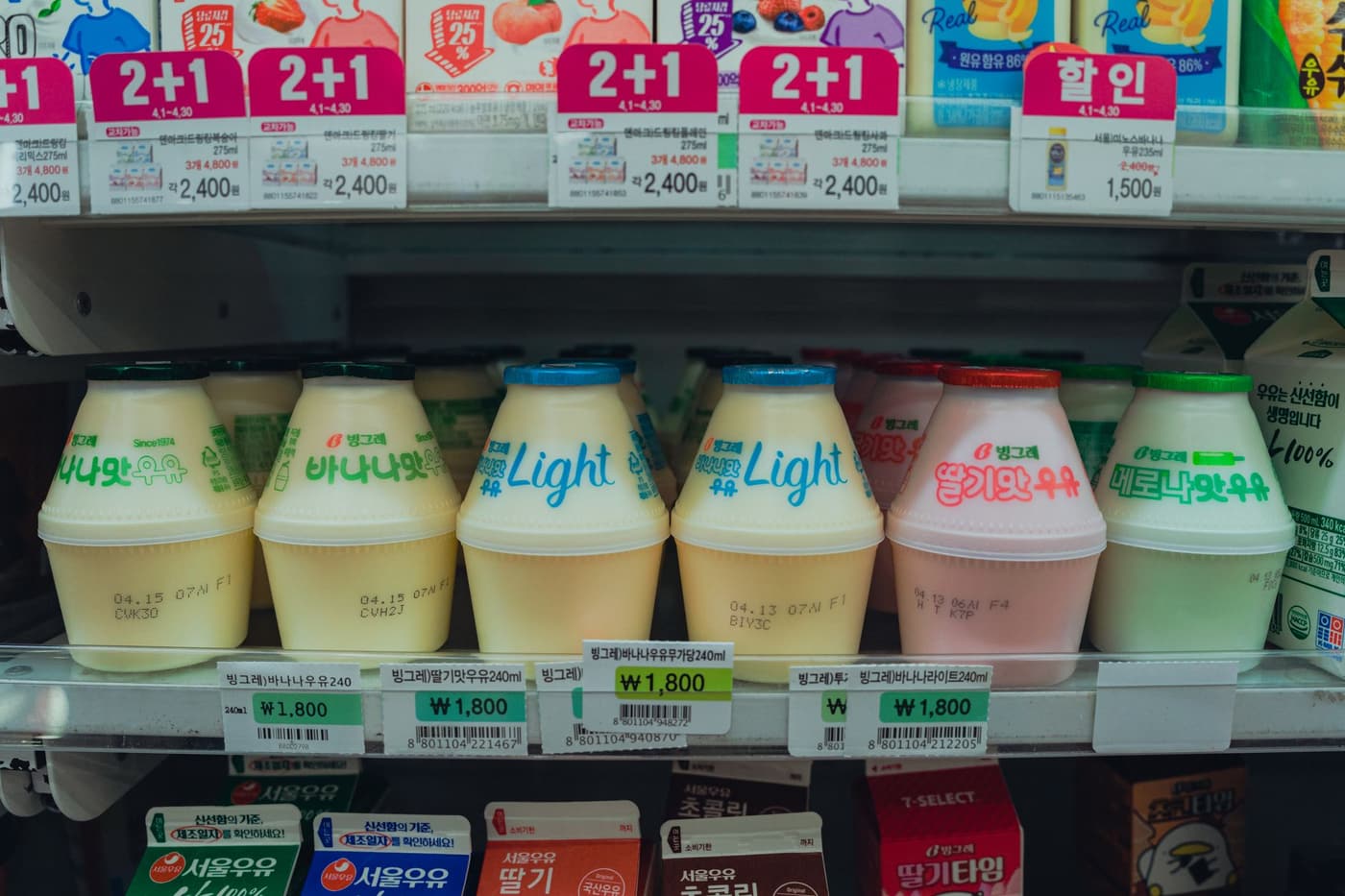
The morning basket, with this year’s prices and the ₩1,000 gimbap that disappeared.
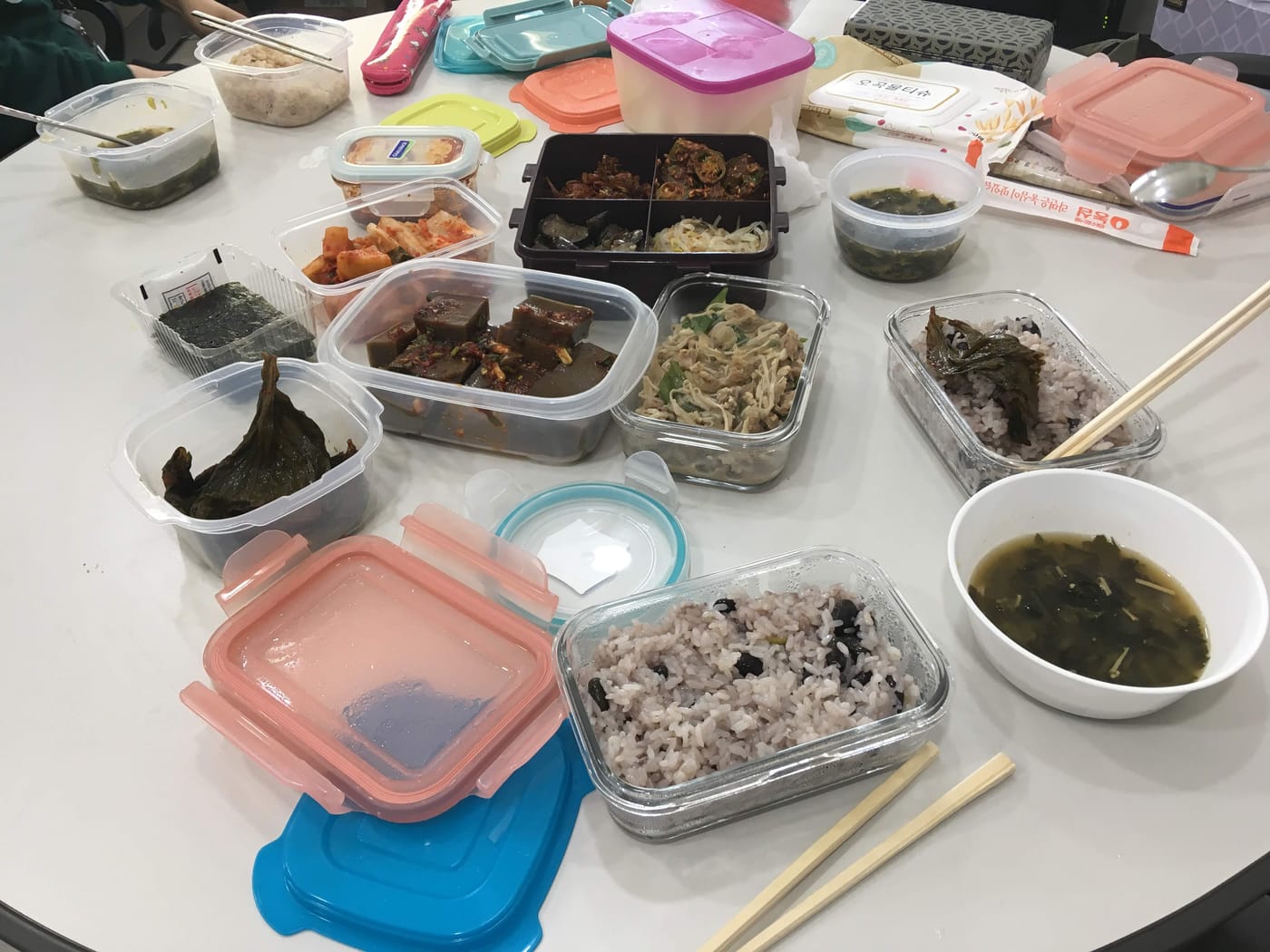
What is in the compartments, and how to tell a good box from a filler one.
Each of these is a specific thing on a specific shelf, with the story behind it.
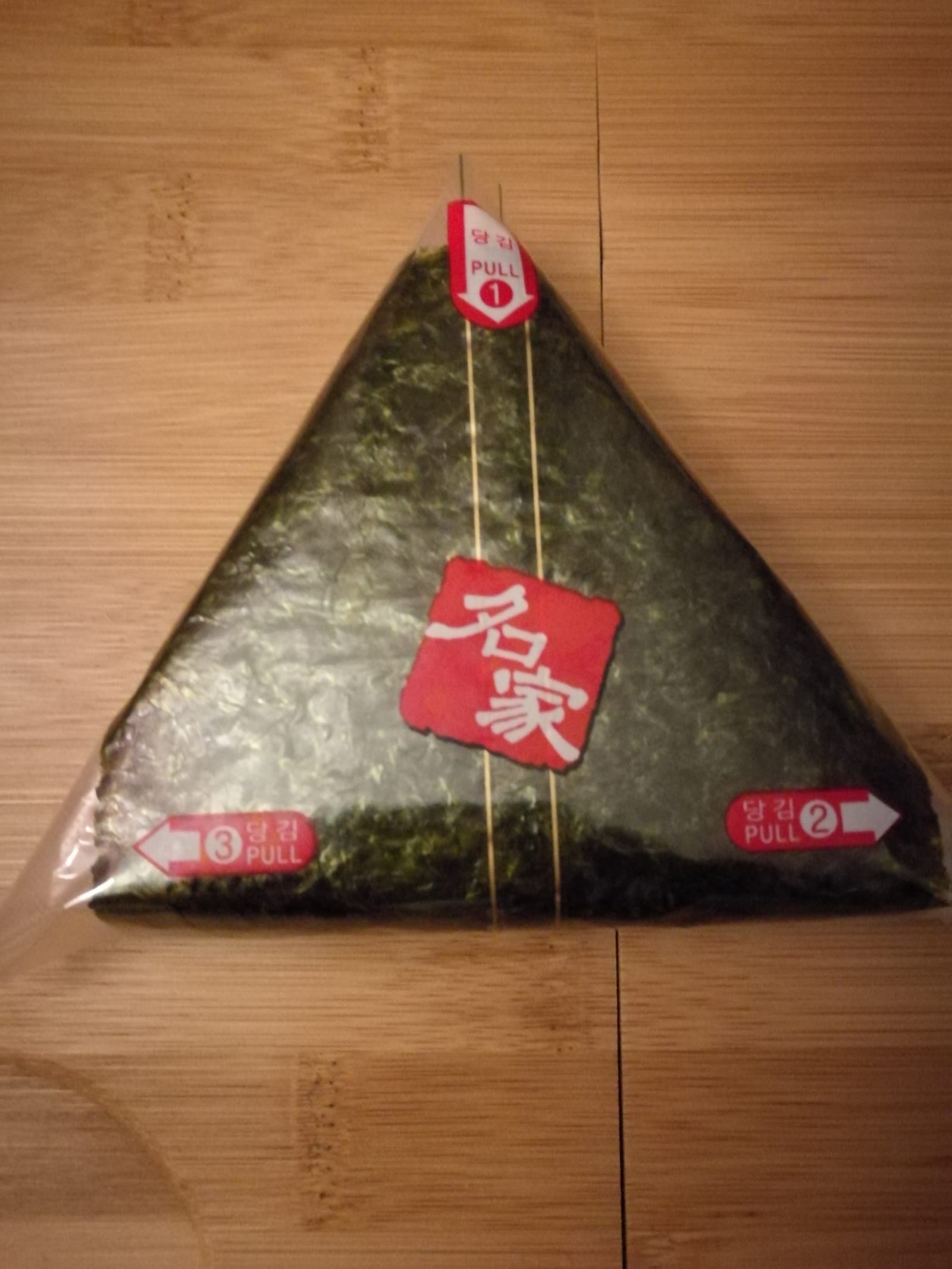
The wrapper is an engineering solution. Open it in the wrong order and it falls apart.
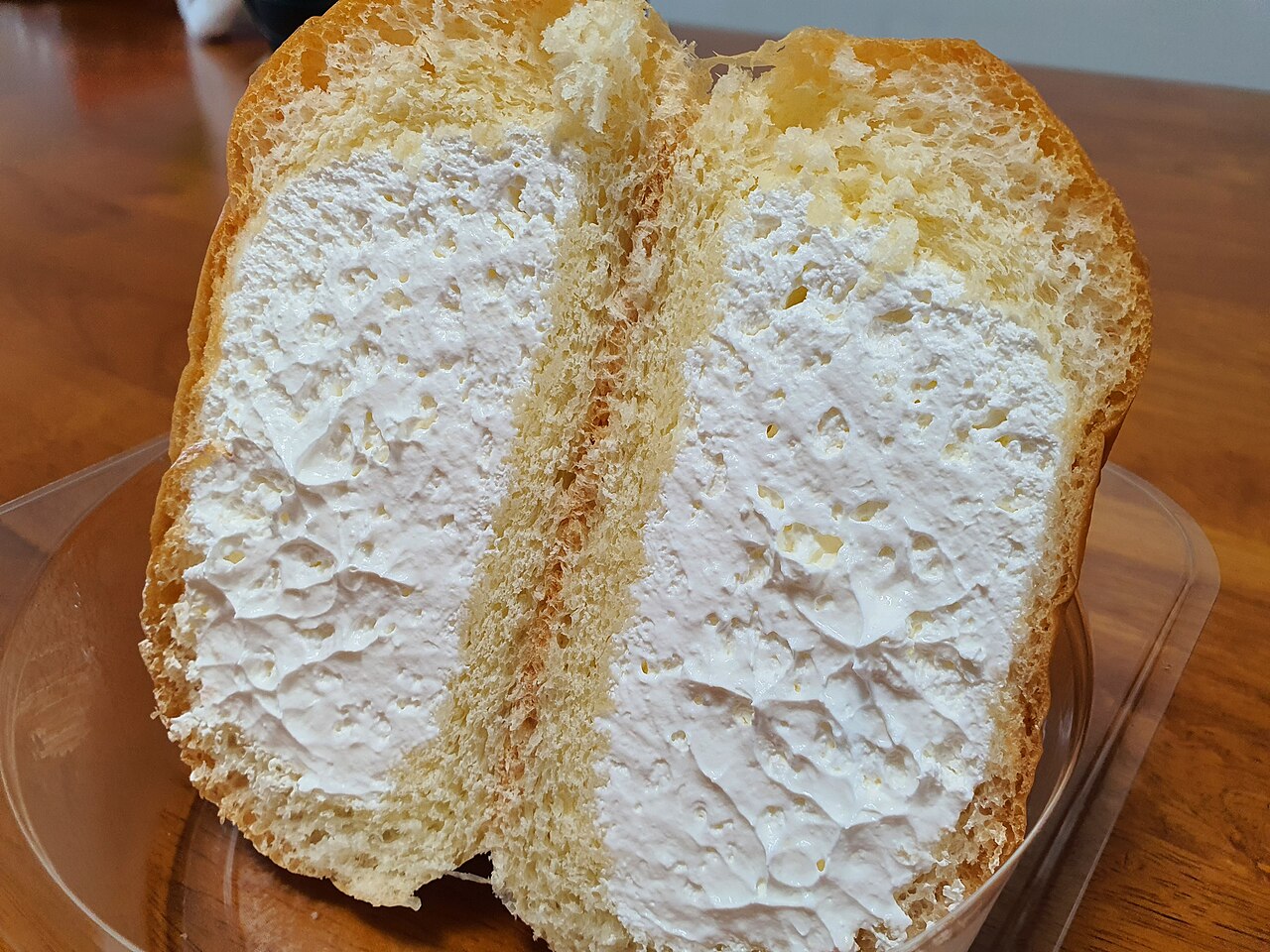
Roughly 80% cream by weight, CU-exclusive, and Koreans eat it frozen.
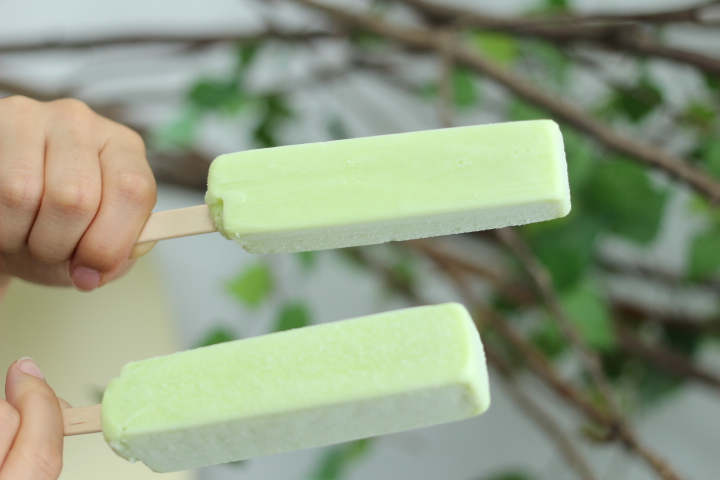
What is actually in the freezer cabinet and which bars are worth the space.
The yoghurt with a topping lid, and why the mixing ritual is the product.
How a creamy version of a fire-noodle became the export that carried the brand.
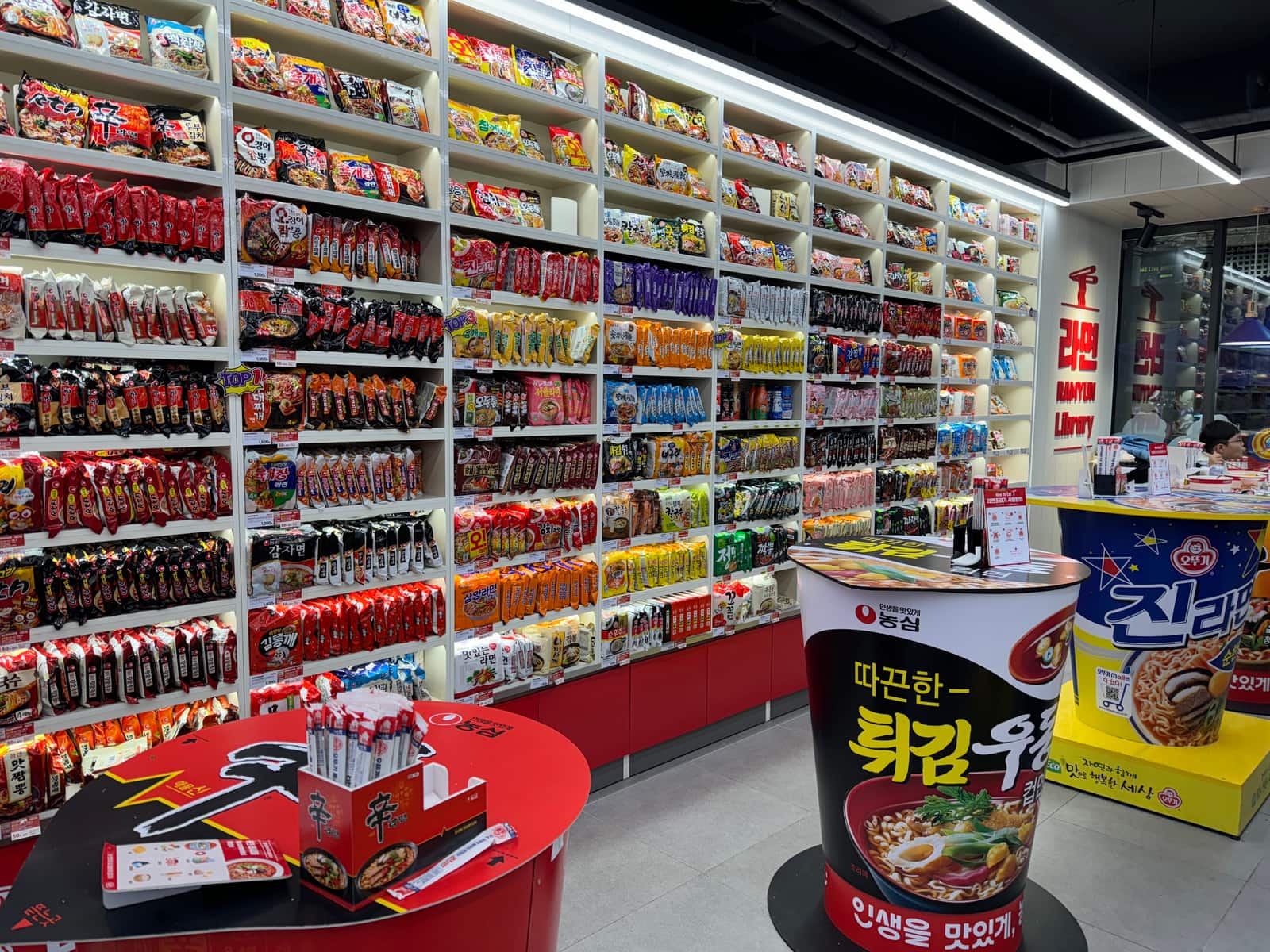
Sold out for most of 2026, and Orion has explained why it can never be permanent.
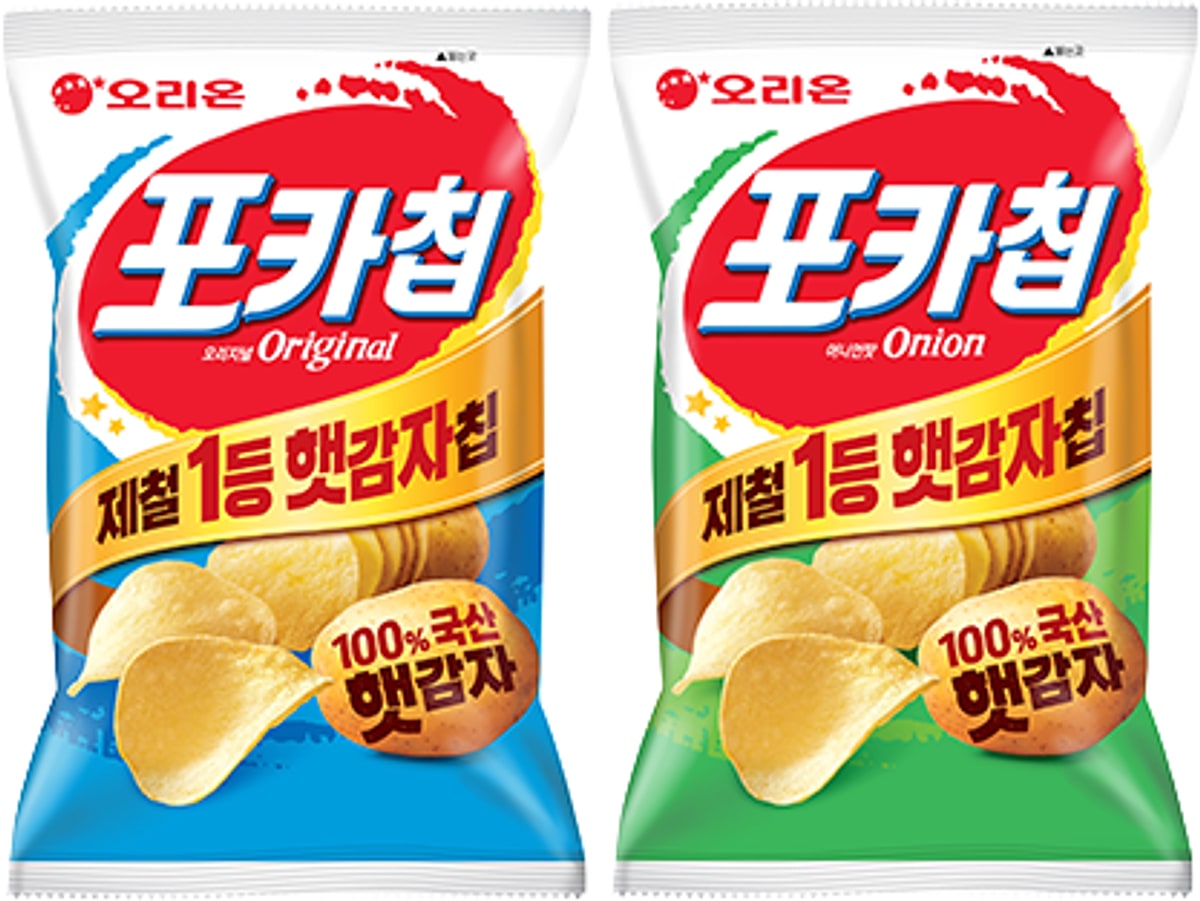
Korea’s No.1 potato chip. Onion launched in 1988 and Original only in 1992, so the blue bag is the later one.
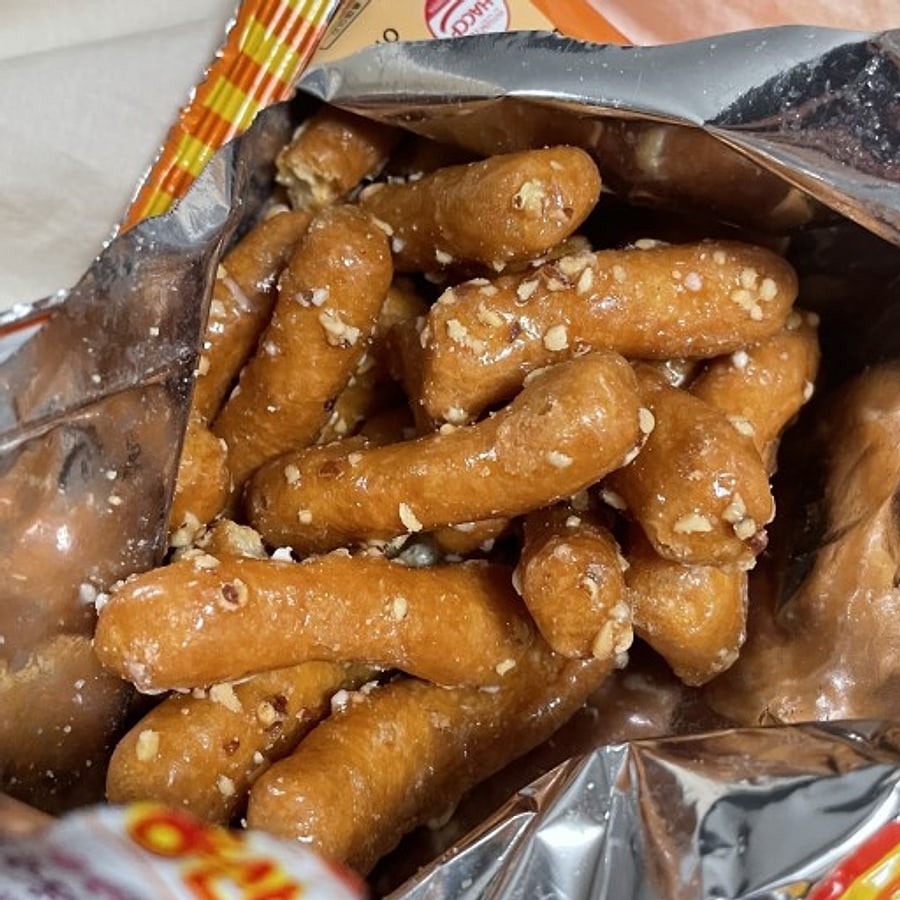
Looks like traditional Korean confection, descends from Japanese karinto. Withdrawn in 1974 for selling too well.
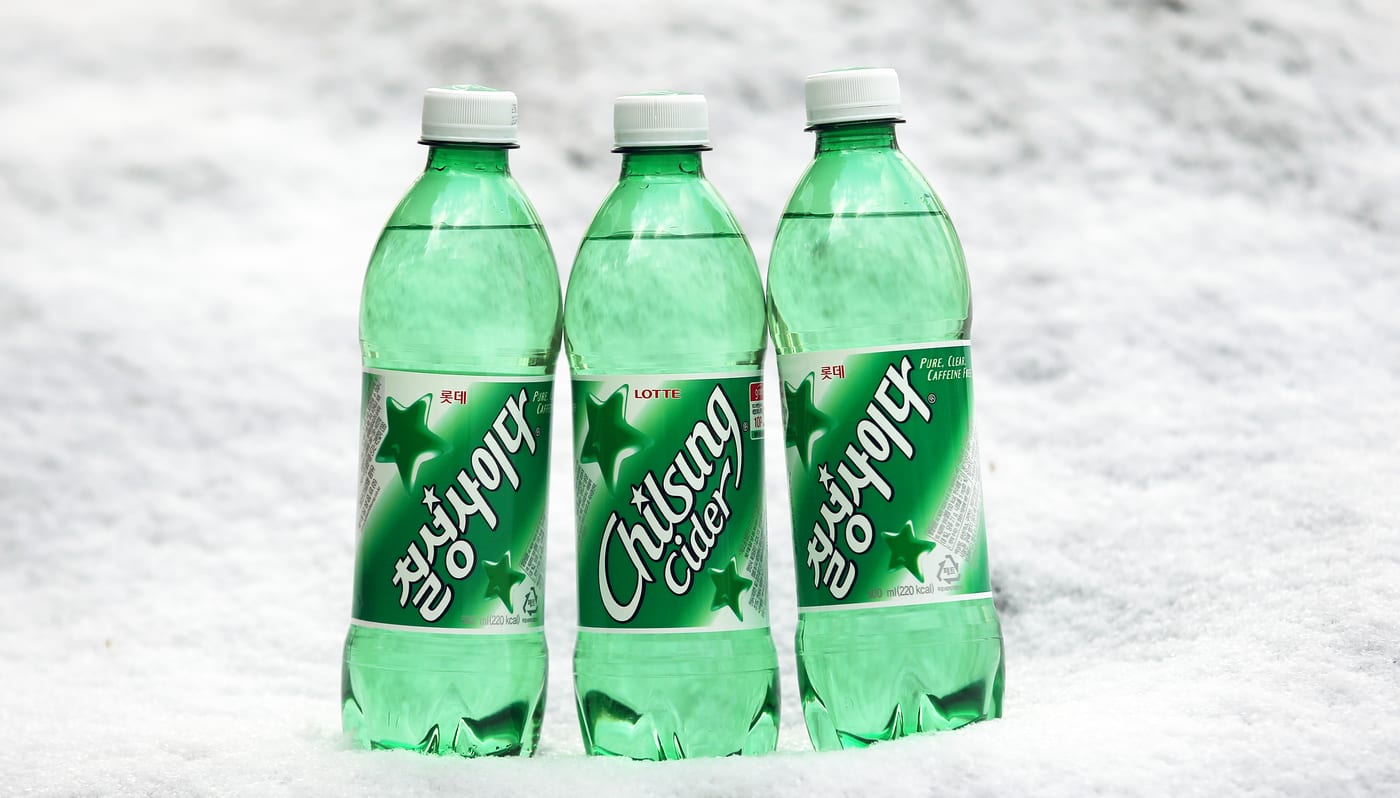
The default fridge drink. No apples, no alcohol, and eleven years older than Sprite.
The shelf beside the till: why one bottle is legally a drug, and what the hangover products have to prove before they can say so.
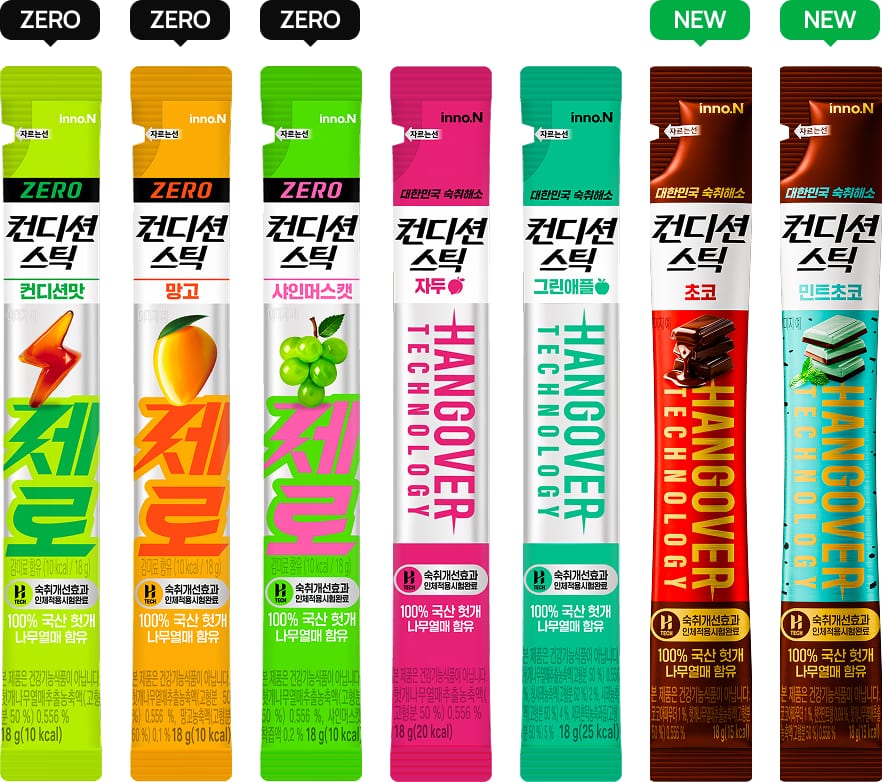
Taken before drinking, not after. Since 2025 the claim needs human trial evidence, and three products lost the right to make it.
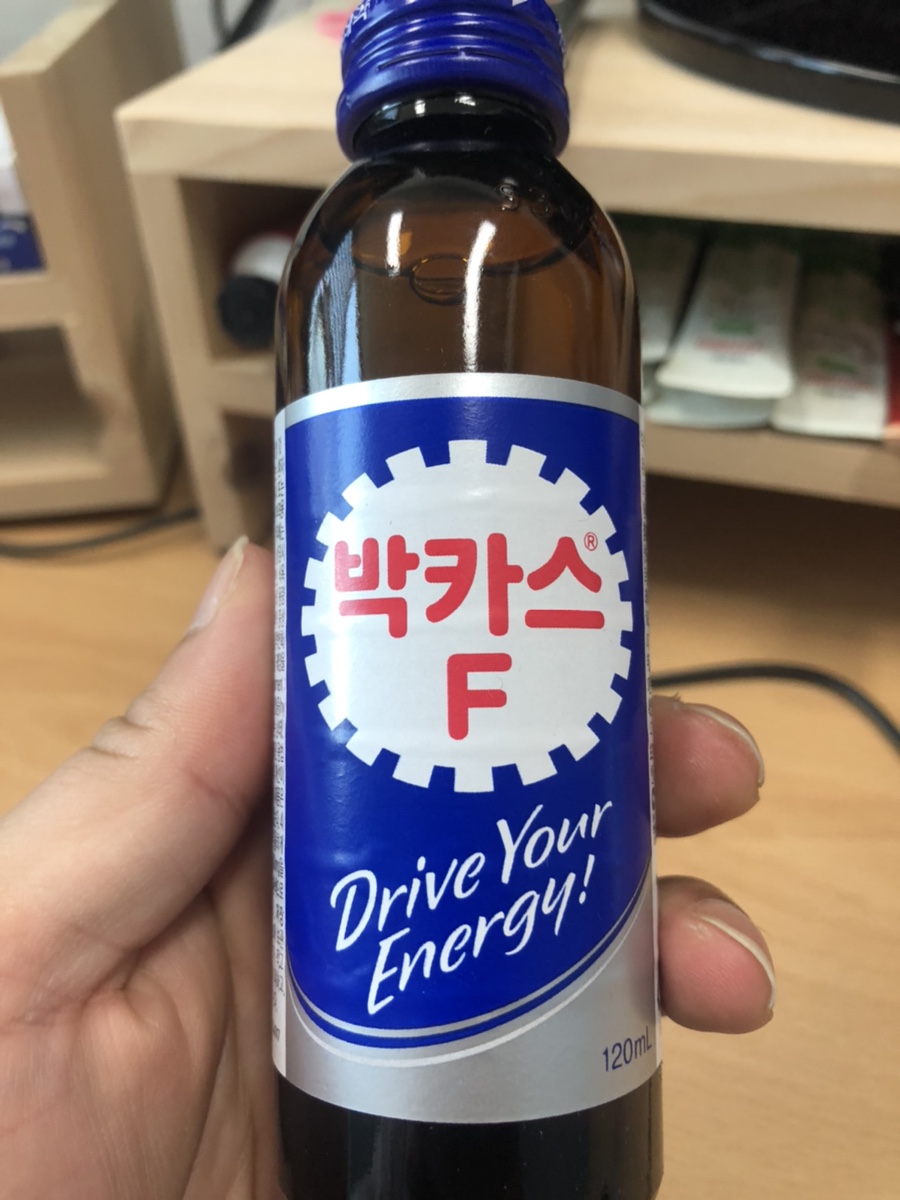
Taurine above 1,000mg makes it a pharmacy-only quasi-drug. The smaller bottle is the stronger one.
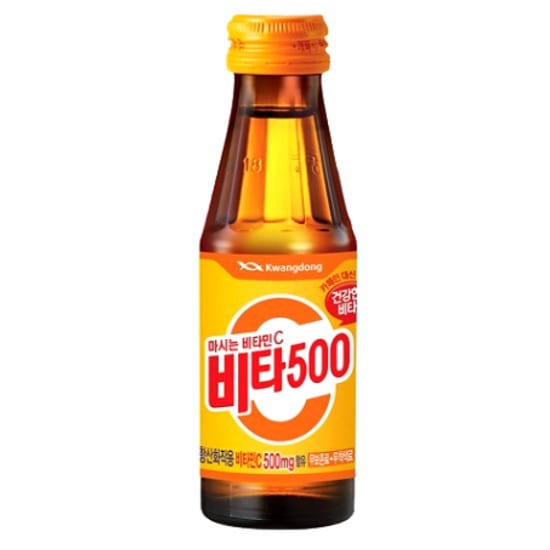
Registered as a drink rather than a quasi-drug, which put it on shelves ten years before Bacchus.
The machines, the discount clock, and the parts of the format that are not about food.
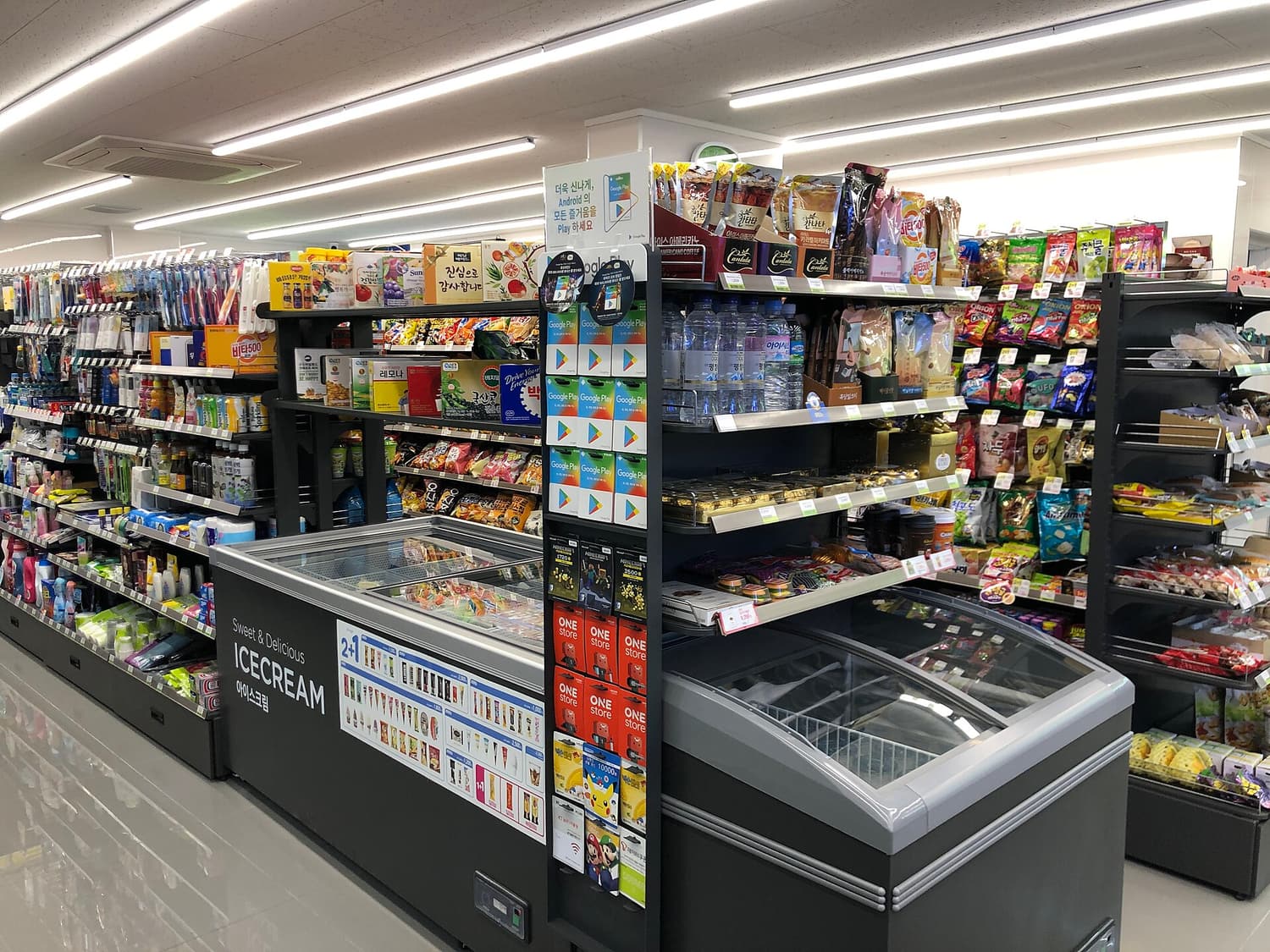
The deals need no app and work for everyone. The trick every guide recommends — saving the free item for later — needs Korean ID verification.

Ramen machines, self-checkout and robots — what you are expected to operate yourself.

Which one the in-store machine is for, and when the bag is the wrong choice.
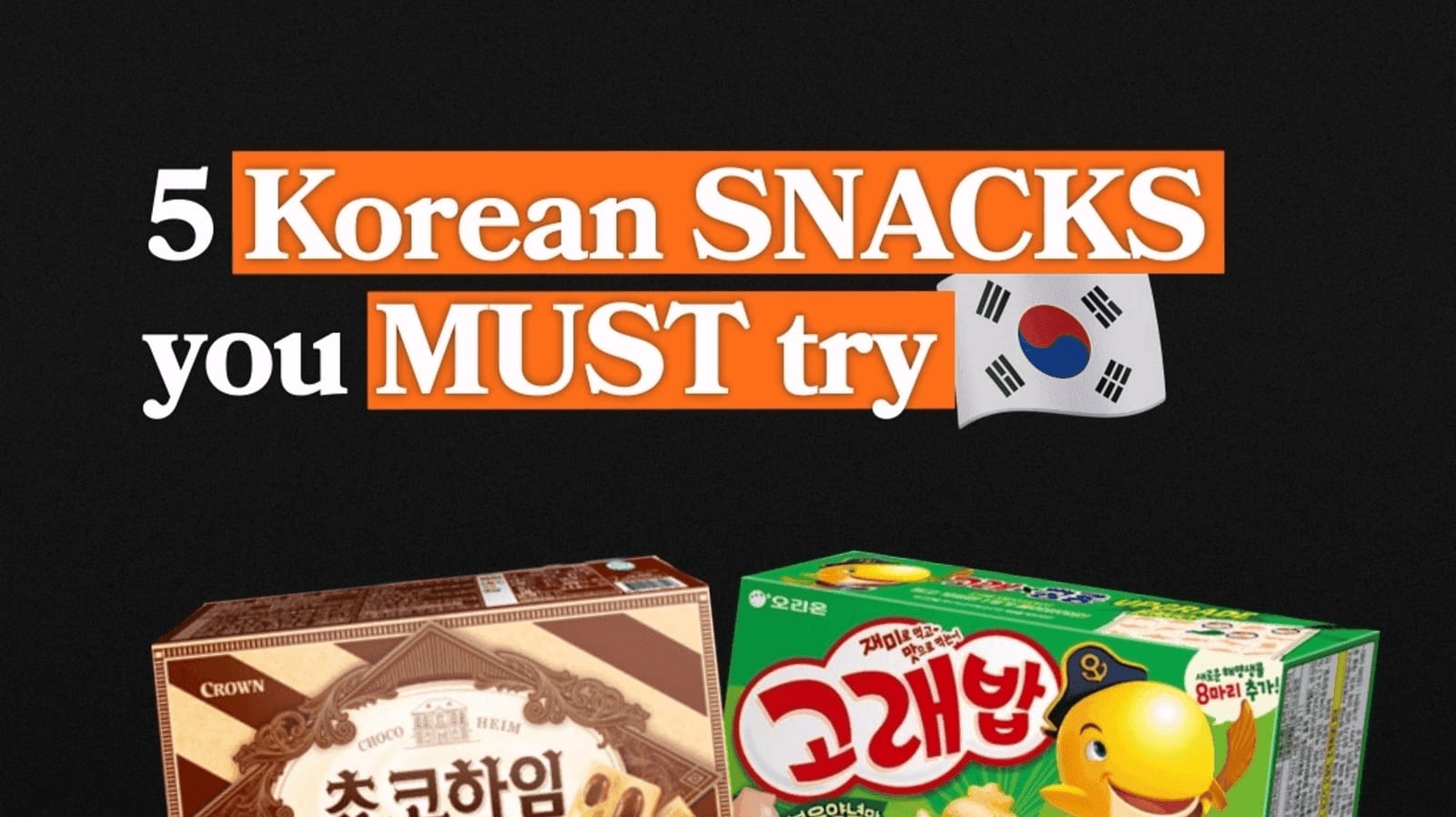
What survives a suitcase, and what to buy at a mart instead of a convenience store.
Most of what makes a Korean convenience store good does not travel — the chilled cream bread, the meal trays and the machine-cooked noodles are all things you have to be standing there for. The packaged snacks do travel, and they are cheaper at a mart than at a convenience store, which is the single most avoidable overspend for visitors. As an Amazon Associate, EpicKor may earn from qualifying purchases.
Compare Korean snack boxes on Amazon →12 articles
A side-by-side table, so you pick the neighbourhood before you book the hotel.
11 articles
Real heat numbers — every packet loses to one fresh Korean pepper.
10 articles
One table of what each drink actually is, against what its name implies.