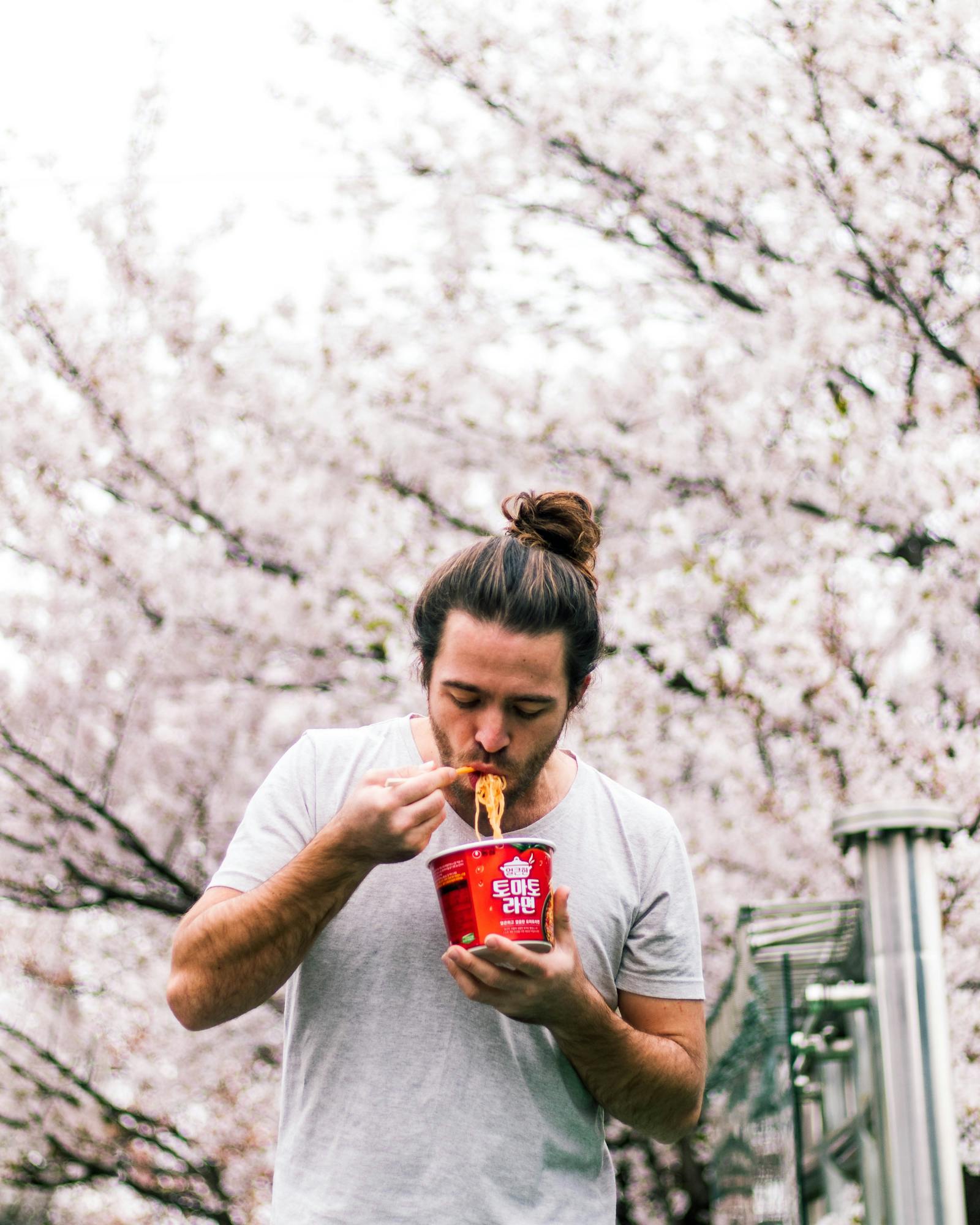
Eating Alone in Korea: Honbap, Honsul, and the 9 Levels Koreans Rank It By
Eating alone in Korea used to feel like a social problem. Now it has vocabulary — and a ranking system.
혼밥 (honbap) means eating alone. 혼술 (honsul) means drinking alone. Both come from 혼자 (honja), alone, plus 밥 (bap), rice or food, and 술 (sul), alcohol.
What makes them more useful than most culture-guide vocabulary is that Koreans attached a nine-level difficulty scale to solo eating, and it has been circulating since about 2012. It is half joke and half genuinely accurate field guide, and for a visitor it answers the only question that matters: which meals can I walk into alone, and which ones will be awkward?
Here is that scale, what it gets right, and the demographic reality underneath it that English coverage almost always skips.
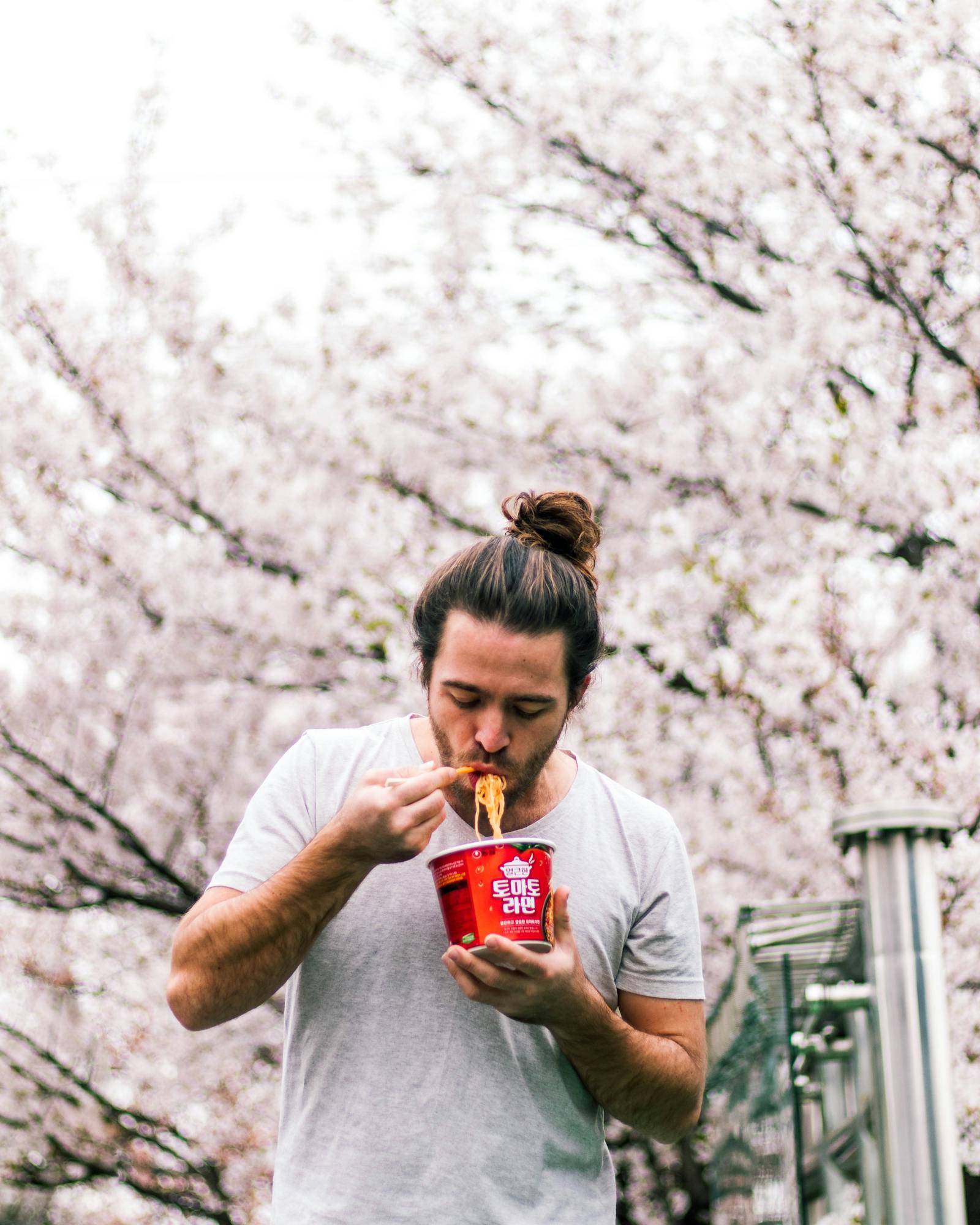
Compare Korean ramyeon pots on Amazon — on AmazonAffiliate link. As an Amazon Associate, EpicKor earns from qualifying purchases at no extra cost to you.
The Short Answer
| Question | Answer |
|---|---|
| What is 혼밥? | Eating alone. 혼술 is drinking alone |
| Is it socially acceptable now? | Yes for most meals. Level 8–9 venues below are still genuinely awkward |
| Hardest places | Grill houses, raw-fish restaurants, bars — often a two-portion minimum |
| Easiest | Convenience store, bunsik, noodle shop, food court, counter seating |
| The phrase to learn | 혼자 먹어도 돼요? (honja meogeodo dwaeyo?) — "Can I eat alone?" |
| Why grill houses resist | Money, not just culture — see the arithmetic below |
| The surprising statistic | Korea's largest single-person household group is people over 70 |
The 9 levels of honbap
The ladder below spread on Korean forums and was written up in the Korean press as early as September 2012. It is not an official anything. It is a joke that stuck because it was accurate.
| Level | Venue | Korean | Reality for a visitor |
|---|---|---|---|
| 1 | Convenience store | 편의점 | Completely normal. Nobody looks up |
| 2 | Student cafeteria | 학생식당 | Normal. Everyone is alone and in a hurry |
| 3 | Fast food | 패스트푸드점 | Normal |
| 4 | Bunsik shop | 분식집 | Normal — tteokbokki, gimbap, noodles |
| 5 | Ordinary restaurant | 일반 음식점 | Fine. Counter or small table |
| 6 | Famous restaurant | 유명 맛집 | Fine off-peak; awkward in a queue at noon |
| 7 | Buffet | 뷔페 | Doable, noticeably less common |
| 8 | Grill house / raw-fish house | 고깃집·횟집 | Hard. Often a two-portion minimum |
| 9 | Bar | 술집 | Hardest. This is 혼술 in public, the final boss |
Two honest caveats before you use it.
It is a young men's joke, not a survey. Korean commentary points out the ladder was written by and for young working-class men, so it encodes their social anxieties rather than everyone's. An older Korean eating lunch alone at Level 5 is not performing a feat.
Levels 1 to 6 are basically solved. The genuinely useful information is that the difficulty is concentrated at the top three, and it is concentrated for reasons you can plan around.
Why Levels 8 and 9 are hard, in won
The usual explanation is "Korean food is social." That is true but incomplete. At the top of the ladder the obstacle is arithmetic.
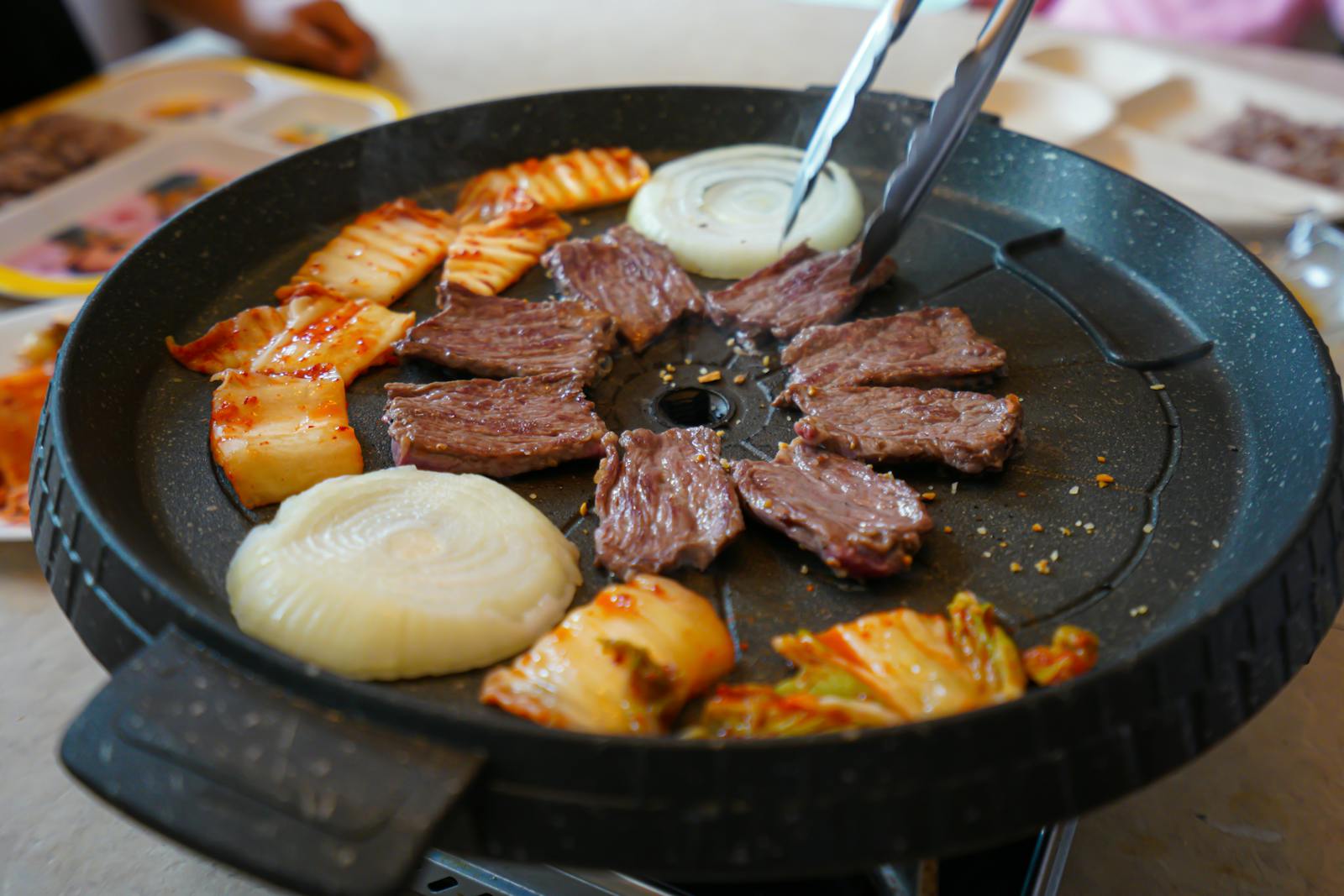
Grill houses price and prepare around shared portions. Korean pork belly runs about ₩21,300 per 200g serving on the Korea Consumer Agency's Seoul price index in 2026. A 2인분 (two-portion) minimum — which many grill houses enforce — therefore means committing to roughly ₩42,000 of meat before rice, stew, or a drink, for one person who will not finish it.
Compare that with the easy rungs: 김밥 (gimbap) is ₩3,800 on the same index, and a convenience-store meal lands well under that. This is why the ladder's difficulty curve is so steep at the end — it is not only that people might look at you, it is that solo grilling costs five to ten times what solo bunsik costs and wastes most of it.
Places that do accept one person usually advertise it, because they know it is unusual. Look for a sign reading 1인분 가능 — "single portions available."
The demographics under the trend
This is the part travel writing usually leaves out, and it changes the tone of everything above.
One-person households became Korea's largest household type. Per the national statistics office, there were 8.045 million of them in 2024 — 36.1% of all households. That is the number behind every convenience-store dosirak, single-serving vegetable pack, and one-person restaurant seat you will see.
But look at who they are:
| Age group | Share of one-person households |
|---|---|
| 70 and over | 19.8% — the largest single group |
| Under 30 | 17.8% |
| 60s | 17.6% |
| 30s | 17.4% |
The biggest block of Koreans living alone is over 70, not the young urban professionals the trend pieces picture. And the same statistical release records that 74.2% of households receiving basic livelihood benefits — roughly seven in ten — are single-person households.
So honbap is two things at once. It is a genuine loosening of social rules that makes solo travel easier and gives people permission to eat at their own pace. It is also the table-level face of an ageing, unevenly supported population living alone. Korean coverage holds both ideas at the same time, and a visitor should too.
That is not a reason to feel awkward ordering one bowl of noodles. It is a reason not to read every solo diner as a lifestyle choice.
What to eat at each end of the ladder
The easiest honbap meals are bowl-based, tray-based, counter-friendly, or fast-service — a complete meal that does not require someone across the table:
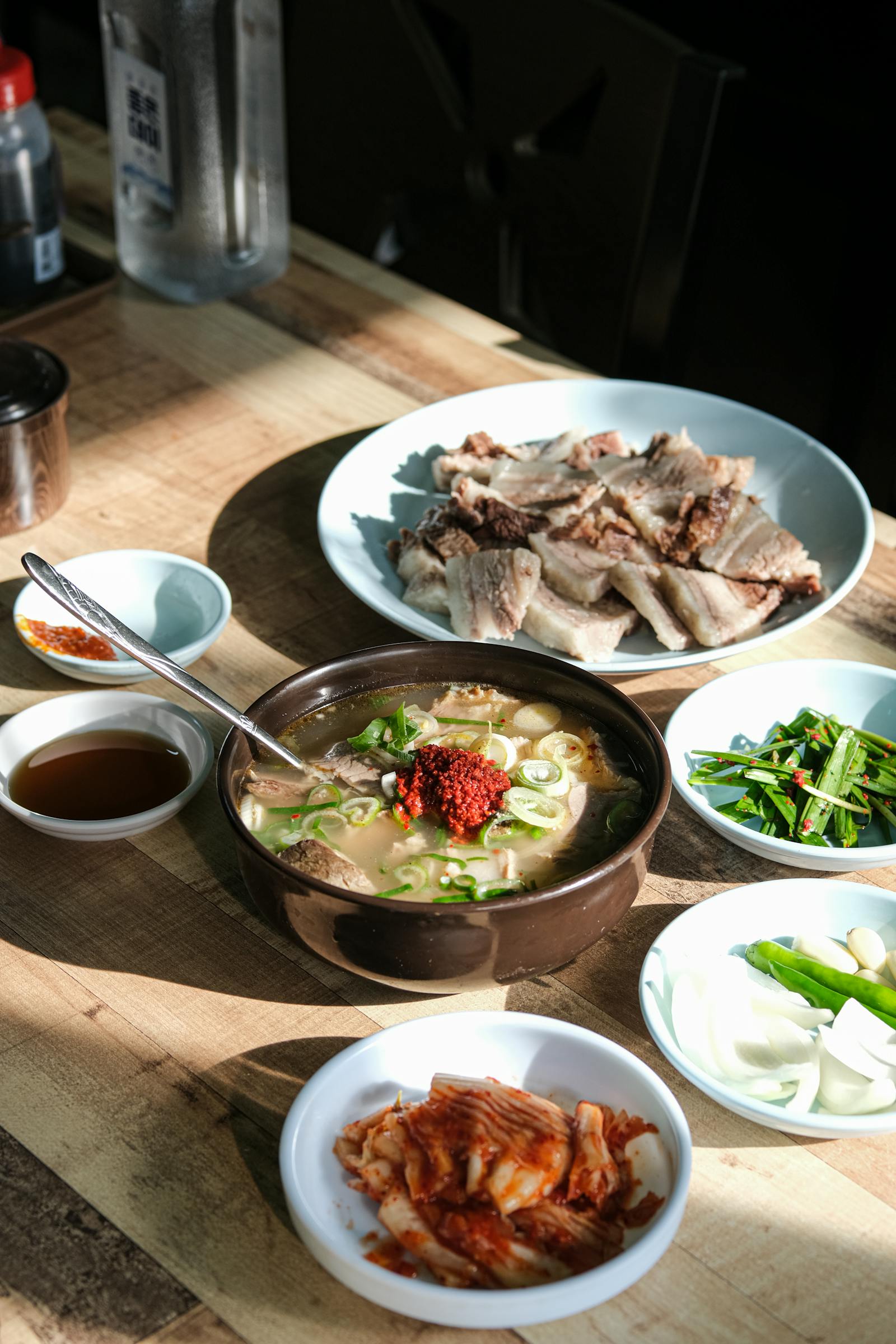
- 국밥 (gukbap) — hot soup with rice, one of the best solo meals in Korea
- 라면 (ramyeon) — restaurant, convenience store, or the in-store machine
- 김밥 (gimbap) — ₩3,800 average, portable, no negotiation
- 비빔밥 (bibimbap) — one bowl, clear structure
- 돈까스 (donkatsu) — a single-plate meal by design
- 분식 (bunsik) — tteokbokki, fish cake, fried snacks
- Convenience-store meals — triangle gimbap, dosirak, instant noodles, coffee
If you are nervous, start where solo eating is visibly normal: a gimbap shop, noodle place, food court, department-store basement, or convenience-store seating area. Those places do not ask you to perform a group meal; they ask what you want to eat.
Our convenience store breakfast guide covers the cheapest end of this in detail, and the Korean breakfast guide explains why a third of Koreans skip the meal entirely — solo living is part of that story too.
How to ask, and what the answer means
Two phrases cover almost every situation:
혼자 먹어도 돼요? honja meogeodo dwaeyo? — "Is it okay if I eat alone?"
1인분 가능한가요? il-inbun ganeunghangayo? — "Is a single portion possible?"
Ask before you sit down, not after you have taken a table. If the answer is no, it is usually not personal — the menu is priced and prepped for two, and at peak hours a solo diner at a four-top costs the restaurant a turn. Do not argue with a two-portion minimum; there is almost always a Level 1–6 option within a few minutes' walk.
For finding solo-friendly places in advance, Korean tools beat English ones. 다이닝코드 (DiningCode) lets you search a dish together with 혼밥 to surface places others have eaten alone, and there are dedicated solo-dining maps built for exactly this. Searching "solo dining Seoul" in English will not find them.
The one-bowl kit: As an Amazon Associate, EpicKor earns from qualifying purchases at no extra cost to you. If the honbap rhythm is what you want to take home, the single most useful object is the small yellow-gold pot Korean shops cook ramyeon in — it doubles as the bowl, which is the entire point. Compare Korean ramyeon pots on Amazon before buying a full cookware set you will not use alone.
Compare Korean ramyeon pots on AmazonHonsul: Level 9, and how to skip it
혼술 is harder than 혼밥 because Korean drinking culture is built around pouring for other people. Soju is tied to office dinners, age hierarchy, anju, and group decompression — drinking alone in a busy pocha genuinely reads differently from eating alone in a noodle shop.
The good news is that Level 9 is optional. Honsul in practice usually means one can of beer at home, a convenience-store drink with a late snack, or a quiet glass at a bar built for sitting alone. Wine bars, whisky bars, and cafe-style bars are far easier solo than a group-format 포차 at peak hour. As with honbap, the venue decides the difficulty, not the act.
If you want the drinking culture without the solo-bar hurdle, our guide to soju, makgeolli, and anju covers the table logic, and the Korean hangover drinks guide covers the shelf Koreans raid on the way into the night.
The phone changed the solo table
One quiet reason the lower levels stopped being hard: nobody is fully alone with a phone on the table.
A person eating alone can watch, read, message, plan or work. The phone turns a solo table into a personal room, and it changes the social signal — the diner reads as occupied rather than unaccompanied. In a country where public space is visually dense and people do notice rhythm, that matters more than it sounds.
The businesses adapted alongside it. Kiosks removed the ordering conversation. Delivery apps made one-person orders standard rather than apologetic — our Baemin delivery guide covers that side. Convenience stores added microwaves, hot water and seating. Cafes expect solo laptop users as a baseline. Counter seating spread.
Restaurant formats are still catching up unevenly, though, which is exactly what the top of the ladder measures.
Why convenience stores matter so much
The Korean convenience store may be the single most honbap-friendly institution in the country.
You can assemble triangle gimbap, cup noodles, a 도시락 (dosirak) lunch box, sausage, boiled eggs, yogurt, coffee, salad and snacks, then heat it at the microwave and eat it at the window counter. If you are tired, jet-lagged, overheated, or simply not ready to face a restaurant, it solves dinner without asking a single social question.
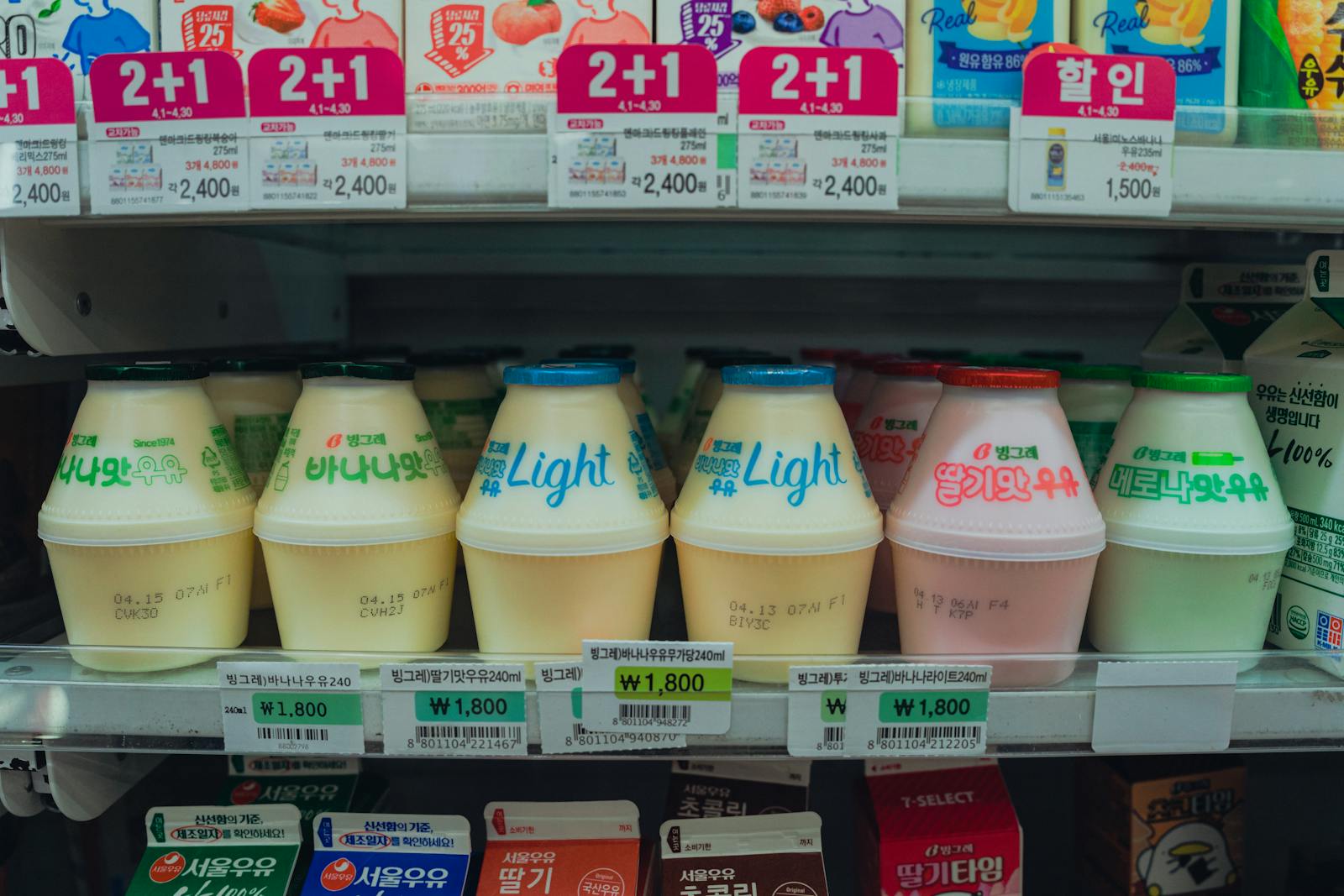
The promotion tags on those shelves are worth understanding before you shop; our 1+1 and 2+1 guide explains which deals work for visitors and which one requires Korean ID.
Is honbap lonely?
Sometimes. Not always. This is where outside coverage tends to pick one answer and lose the truth.
Eating alone can be lonely if someone feels isolated or unable to find company, and the statistics above show that Korea's solo-living population includes a great many older and lower-income people for whom it is not a lifestyle choice. Korean public discussion around 1인가구 carries real concern about loneliness, safety and income, not just marketing about the "single economy."
It can also be peaceful, efficient and genuinely preferable. One person eats alone because they have no choice. Another because they finally have an hour to themselves. Another is a traveller having noodles without negotiating an itinerary. Another is an office worker who does not want one more conversation.
The word 혼밥 does not decide whether the meal is sad or freeing. The context does — and for a visitor, the context is almost always the good one.
A realistic solo day in Seoul
| Time | Meal | Level | Rough cost |
|---|---|---|---|
| Morning | Triangle gimbap and iced coffee, convenience store | 1 | Under ₩5,000 |
| Lunch | Gukbap, bibimbap or gimbap | 4–5 | ₩3,800–10,000 |
| Afternoon | Cafe, phone charging | 1 | Coffee price |
| Dinner | Bunsik, donkatsu, or a counter-seat restaurant | 4–5 | ~₩10,000 |
| Late | Convenience-store ramyeon, or one quiet drink | 1 | Under ₩5,000 |
That day is not a failure to experience Korea. It is a very ordinary version of it. You can still have grilled meat, fried chicken and market food — just save the Level 8 meals for a day when you have company, a one-person BBQ specialist, or an appetite for two portions.
Reading the shelf before you buy: Korean single-serving packaged food is a category of its own, and the labels are where solo shoppers get caught out — portion counts, heating instructions and allergens are usually Korean-only. Compare Korean single-serving meals on Amazon to see the formats before you are standing in front of a fridge deciding fast.
What honbap says about Korea now
혼밥 and 혼술 are small words for a large shift: one-person households at 36.1%, delayed marriage, an ageing population, urban density, delivery apps, and changing ideas about personal time. They also show how quickly Korean society names a behaviour once it becomes common — first a word, then a meme, then a nine-level ranking, then a menu format, and finally a travel tip.
The shared meal has not gone anywhere. Banchan still belongs in the middle of the table, grilled meat with friends still feels different from a solo bowl, and office dinners still exist. But there is room for one person now, at nine documented degrees of difficulty, and the first six of them are easy.
For a traveller that is the comforting part. You can come to Korea alone and eat extremely well. Sit at a counter, heat your ramyeon, ask politely, and stay off Level 9 until you feel like it.
FAQ About Eating Alone in Korea
Q: What does honbap mean in Korean?
혼밥 (honbap) means eating alone. It combines 혼자 (honja), meaning alone, with 밥 (bap), meaning rice, food or a meal. 혼술 (honsul) is the drinking equivalent.
Q: What are the honbap levels?
A nine-step difficulty scale that has circulated in Korea since around 2012: 1 convenience store, 2 student cafeteria, 3 fast food, 4 bunsik shop, 5 ordinary restaurant, 6 famous restaurant, 7 buffet, 8 grill house or raw-fish house, 9 bar. It is a joke, but it maps accurately onto which venues are comfortable alone.
Q: Is it okay to eat alone in Korea?
Yes for most meals. Convenience stores, gimbap shops, noodle restaurants, food courts, cafes and ordinary restaurants are all completely normal. Grill houses, raw-fish restaurants and bars are the genuinely awkward end, and some enforce a two-person minimum.
Q: Why do Korean BBQ restaurants refuse single diners?
Mostly economics. Pork belly runs about ₩21,300 per 200g portion in Seoul, so a two-portion minimum means roughly ₩42,000 of meat for one person, and a solo diner occupying a four-seat grill table costs the restaurant a turn at peak hours. Restaurants that accept solo diners usually advertise it with a 1인분 가능 sign.
Q: What should I say if I want to eat alone at a Korean restaurant?
Ask 혼자 먹어도 돼요? (honja meogeodo dwaeyo?), "Is it okay to eat alone?", or 1인분 가능한가요? (il-inbun ganeunghangayo?), "Is a single portion possible?" Ask before sitting down.
Q: What Korean foods are easiest to eat alone?
Gukbap, gimbap, bibimbap, ramyeon, donkatsu, bunsik dishes and convenience-store meals. Anything served as one complete bowl or tray.
Q: How many people live alone in Korea?
One-person households reached 8.045 million in 2024, or 36.1% of all households, making them the country's largest household type. The biggest age group is people aged 70 and over, at 19.8%.
Sources
- One-person household figures: 국가데이터처 (Korea's national statistics office), 2025 통계로 보는 1인가구, covering 2024 — household count, 36.1% share, age distribution, and the 74.2% basic-livelihood figure.
- The nine-level honbap scale: circulated on Korean forums and covered in Korean press from September 2012; treated here as folk taxonomy rather than research, with the caveat about its authorship noted in the text.
- Prices: Korea Consumer Agency 참가격 eating-out index, Seoul, 2026.
You Might Also Like
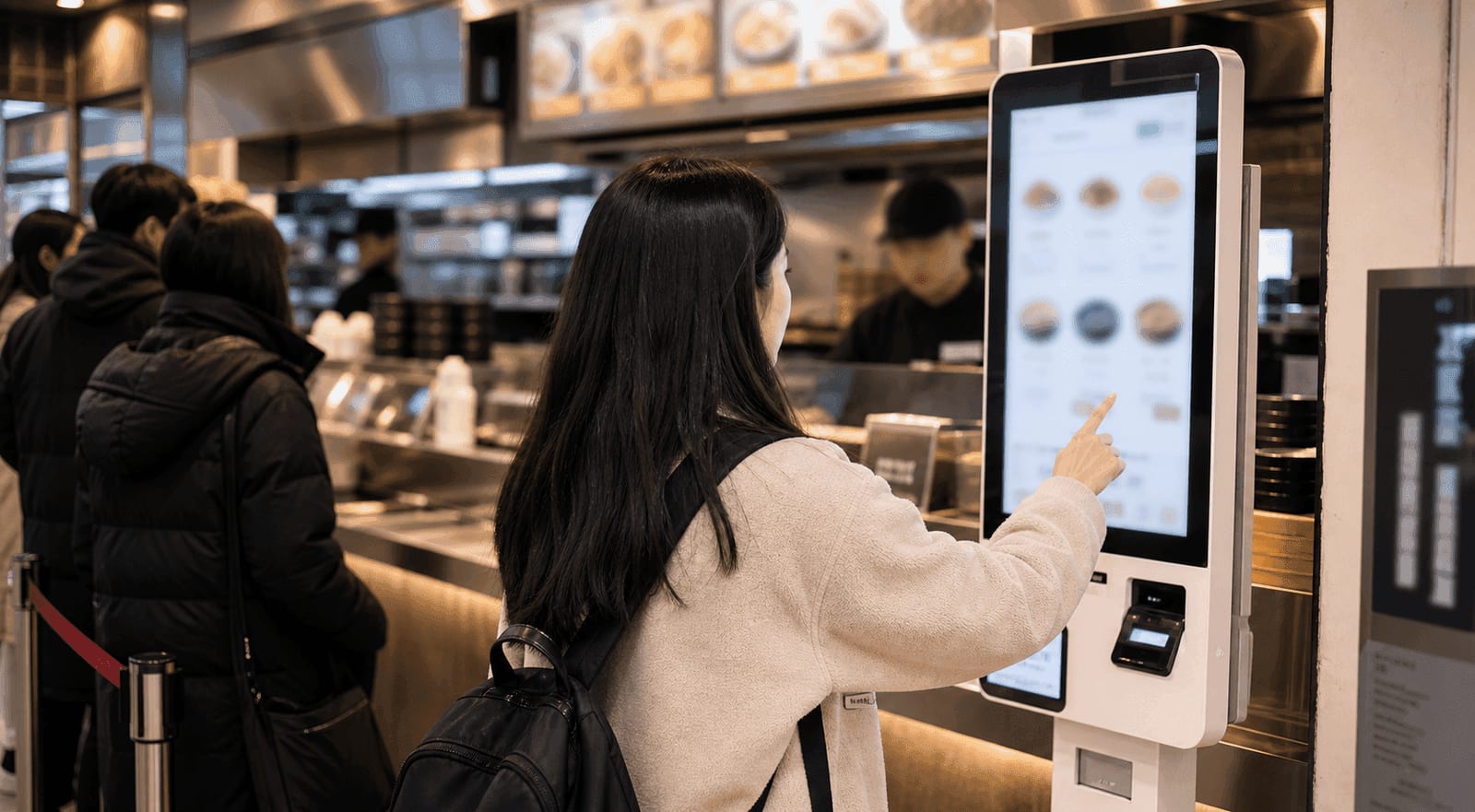
Korean Kiosk Panic Guide: How To Order Food In Seoul
A Korean kiosk panic guide for Seoul travelers: how to order food, choose menus, pay, handle pickup numbers, avoid mistakes, and stay calm.
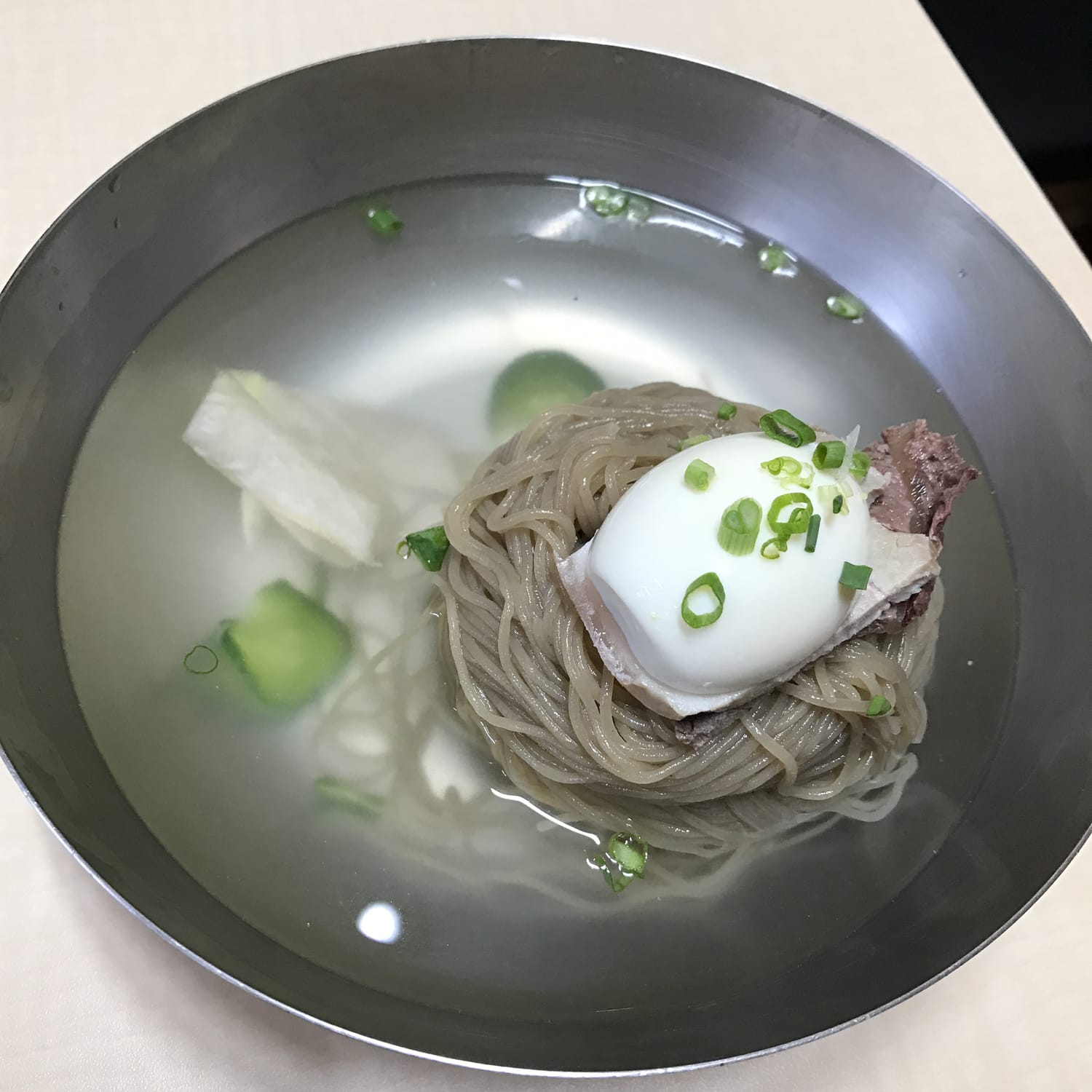
The One Korean Food Foreigners Never Learn to Love: Hamheung Naengmyeon, and Why Koreans Can't See the Problem
Foreigners who eat cheonggukjang and even hongeo still will not pay for this twice. A Korean creator who fed foreigners for years says naengmyeon was the overwhelming number one refusal, and Koreans, who rank it first every summer, cannot see why.
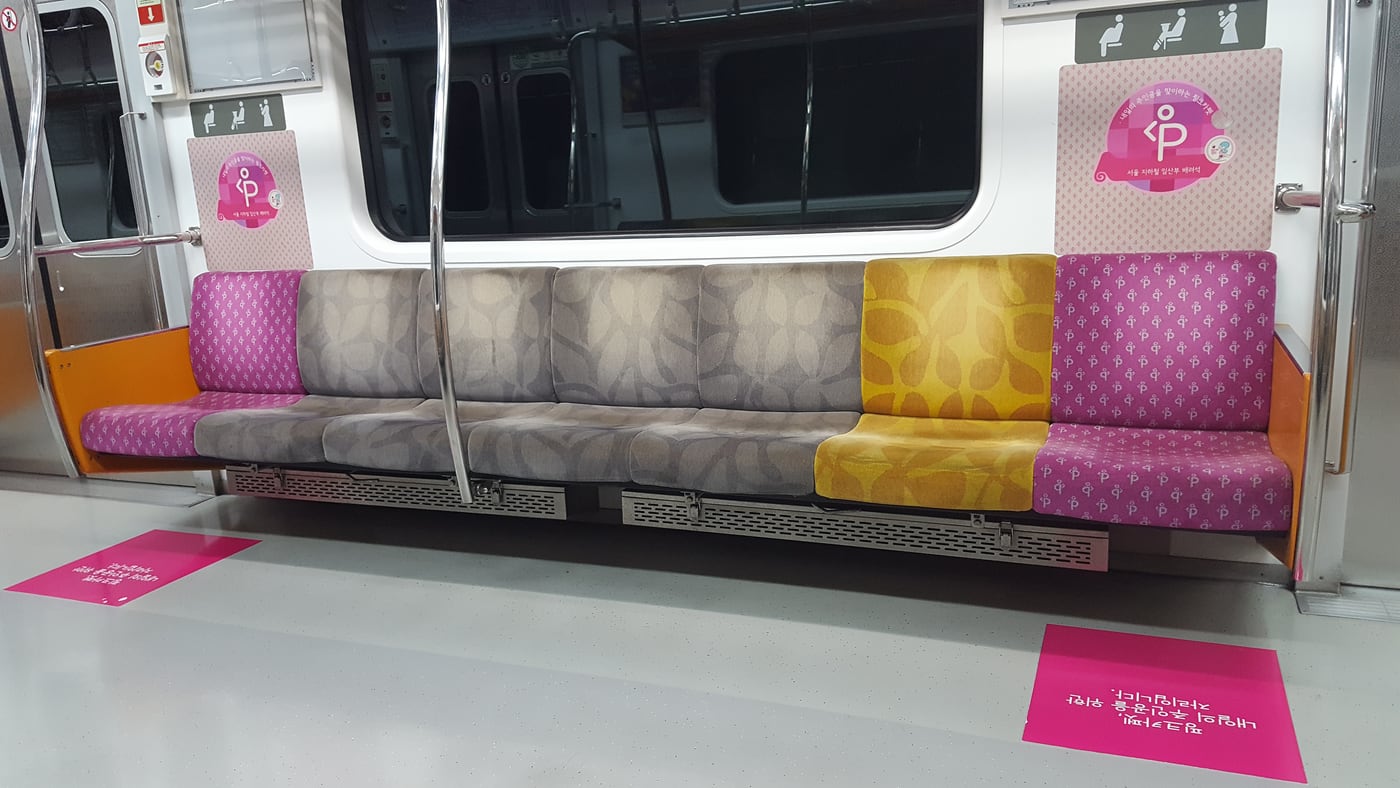
Seoul Deleted Its Women-Only Parking: What Korean Gender Policy Actually Is in 2026
Most English writing on Korean gender policy describes rules that were removed, renamed, or never existed. Seoul scrapped women-only parking in 2023, the ministry was renamed in 2025, and the famous five-point exam bonus went to men and ended in 1999.