The Korean ramyun guide
Shin, Buldak, Chapaghetti and the stew-style bowls — what each one is, and current prices.
Korean ramyun
Korean instant noodles get sorted into “spicy” and “very spicy” by almost every English guide, which sends people to the wrong packet. The real differences are the soup base — chili, soybean paste, black bean — and whether there is broth at all. Here they are side by side, with the Scoville figures that have actually been published. For scale: a fresh cheongyang pepper (청양고추), the thing Korean cooks reach for when they want real heat, runs 10,000–23,000 SHU — above every packet below.
GuidesFood & ShoppingKorean ramyun
Bars are scaled against the hottest official Buldak. Where no reliable published figure exists the row says so rather than guessing. Shin Ramyun’s number is the one that circulates in several conflicting versions; the figure here is Nongshim’s own, and the row explains where the rival numbers came from.
| Noodle | Maker | Format | Built on | Heat | Buy it if |
|---|---|---|---|---|---|
| Shin Ramyun신라면 | Nongshim | Soup | Chili | 3,400 SHU (2,900 before 2017) | You want the famous one, and the reference everything is measured against |
| Ansungtangmyun안성탕면 | Nongshim | Soup | Soybean paste (된장) | ~570 SHU | You want to taste Korean seasoning rather than Korean heat |
| Buldak, original불닭볶음면 | Samyang | Stir-fried | Chili sauce, no broth | ~4,404 SHU | You have had a jalapeño and were fine — this is about the same |
| Buldak 2x Spicy핵불닭볶음면 2x | Samyang | Stir-fried | Chili sauce, no broth | ~10,000 SHU | You actively enjoy being uncomfortable |
| Buldak 3x Haek핵불닭볶음면 3x | Samyang | Stir-fried | Chili sauce, no broth | ~13,200 SHU | Almost nobody. This is the hottest official version |
| Carbo Buldak까르보불닭볶음면 | Samyang | Stir-fried | Chili sauce plus cream | Below original — the dairy blunts it | You want the viral one without the dare |
| Chapaghetti짜파게티 | Nongshim | Stir-fried | Black bean (춘장) | Not spicy | You want savoury and sweet rather than hot |
| Jin Ramen, mild진라면 순한맛 | Ottogi | Soup | Beef-savoury, lightly sweet | Effectively not a spicy food — Korean five-year-olds eat it | Someone at the table cannot take heat. This is Korea’s standard answer |
| Jin Ramen, spicy진라면 매운맛 | Ottogi | Soup | Same base as the mild, chili dialled up | Moderate, below Shin Ramyun | You want the bag Koreans actually buy most often — 26.4% on purchase frequency |
| Neoguri, spicy얼큰한 너구리 | Nongshim | Soup, udon-thick noodle | Seafood and kelp | Moderate — the seafood carries it, not the chili | You want depth rather than heat. The kelp square in the packet is real food |
Reference points: a fresh cheongyang pepper is 10,000–23,000 SHU, and a jalapeño is 2,500–8,000. Every figure here is sourced from the linked article.
Korean ramyun variety packs — compare on Amazon →Affiliate link. As an Amazon Associate, EpicKor earns from qualifying purchases at no extra cost to you.
Ramyun price is watched more closely in Korea than almost any other grocery item. When Nongshim raised prices in August 2026 it put up cup noodles, snacks and drinks and left bagged ramyun alone — bagged is about 63% of sales, and the ₩1,000 bag works as a public benchmark that is politically expensive to move.
| Format | Korean | Price | Where and why | Verified in |
|---|---|---|---|---|
| Bagged, single | 봉지 | about ₩1,000 | Convenience store. A public price benchmark in Korea | Read → |
| Bagged, five-pack | 봉지 5개입 | markedly less per serving | E-Mart, Homeplus or Lotte Mart | Read → |
| Cup, small | 컵라면 | ₩1,200–1,800 | Rose in the August 2026 increase | Read → |
| Buldak cup | 불닭볶음면 컵 | about ₩1,800 | Stir-fried, so drain rather than fill | Read → |
The one rule that saves money: buy single packets at a convenience store only to sample. For anything more, a five-pack at E-Mart, Homeplus or Lotte Mart costs meaningfully less per serving.
The two questions everyone has before the first packet.
Shin, Buldak, Chapaghetti and the stew-style bowls — what each one is, and current prices.

They are not the same product cooked differently. Which format the in-store machine is for.
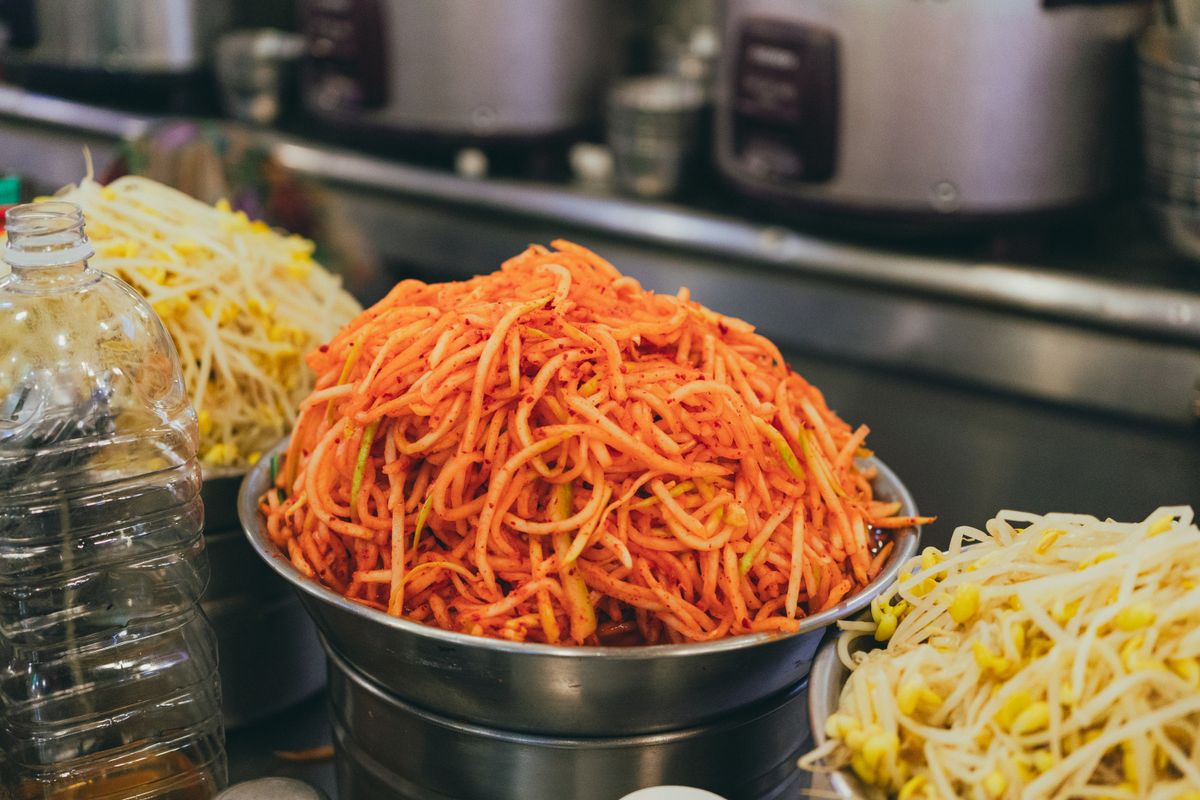
Scoville numbers for the things people are actually scared of, measured against a Korean pepper.
Where the useful decision is between two specific packets.
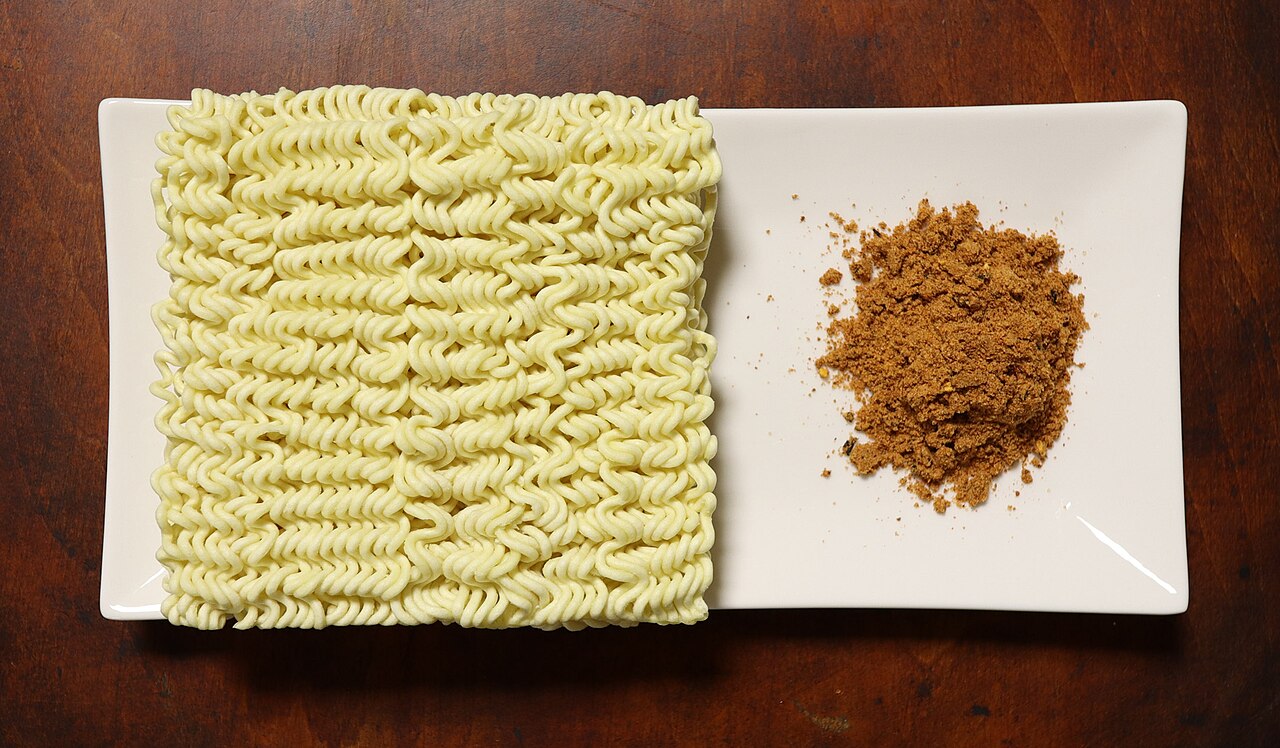
Not mild versus hot. One is a soybean-paste soup and the other is a chili soup — different dishes.
How the creamy version became the export that carried the whole brand.
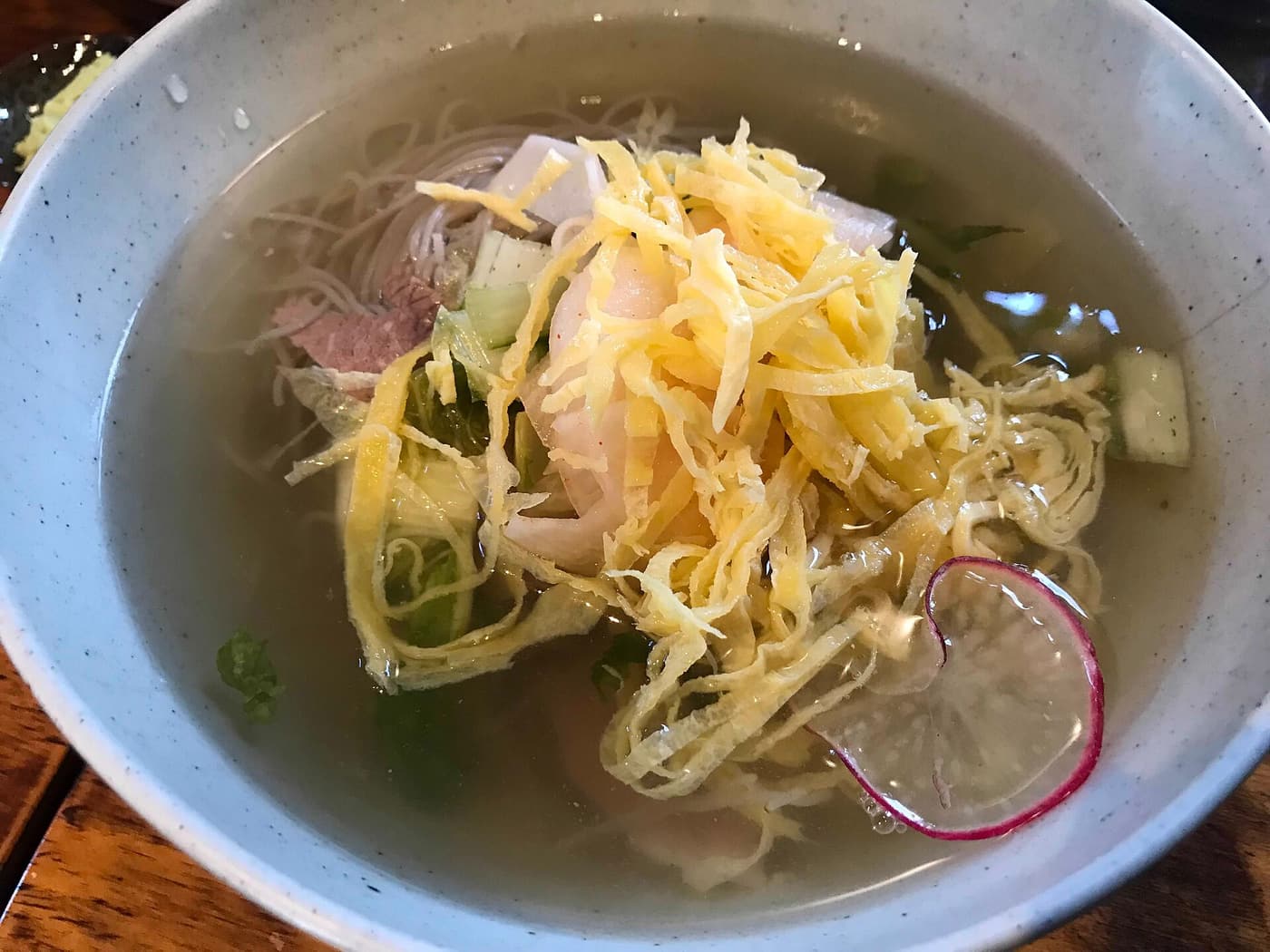
The cold-noodle decision, which is about broth versus sauce rather than temperature.
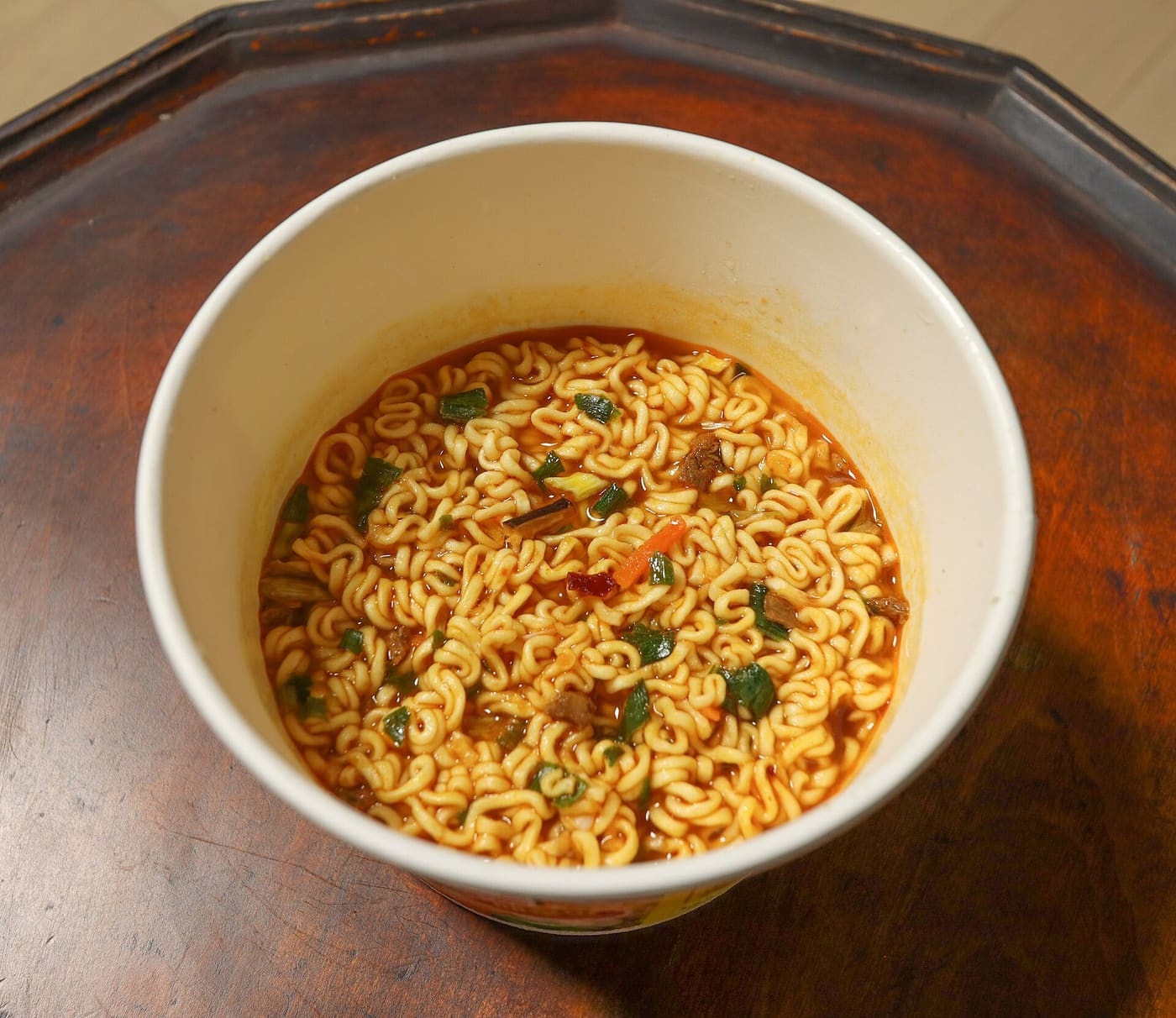
One recipe with the chili dialled up, not two. The bag Koreans buy most often, and the third heat grade Korea keeps to itself.
Noodles that are not instant, and the places instant noodles are eaten.
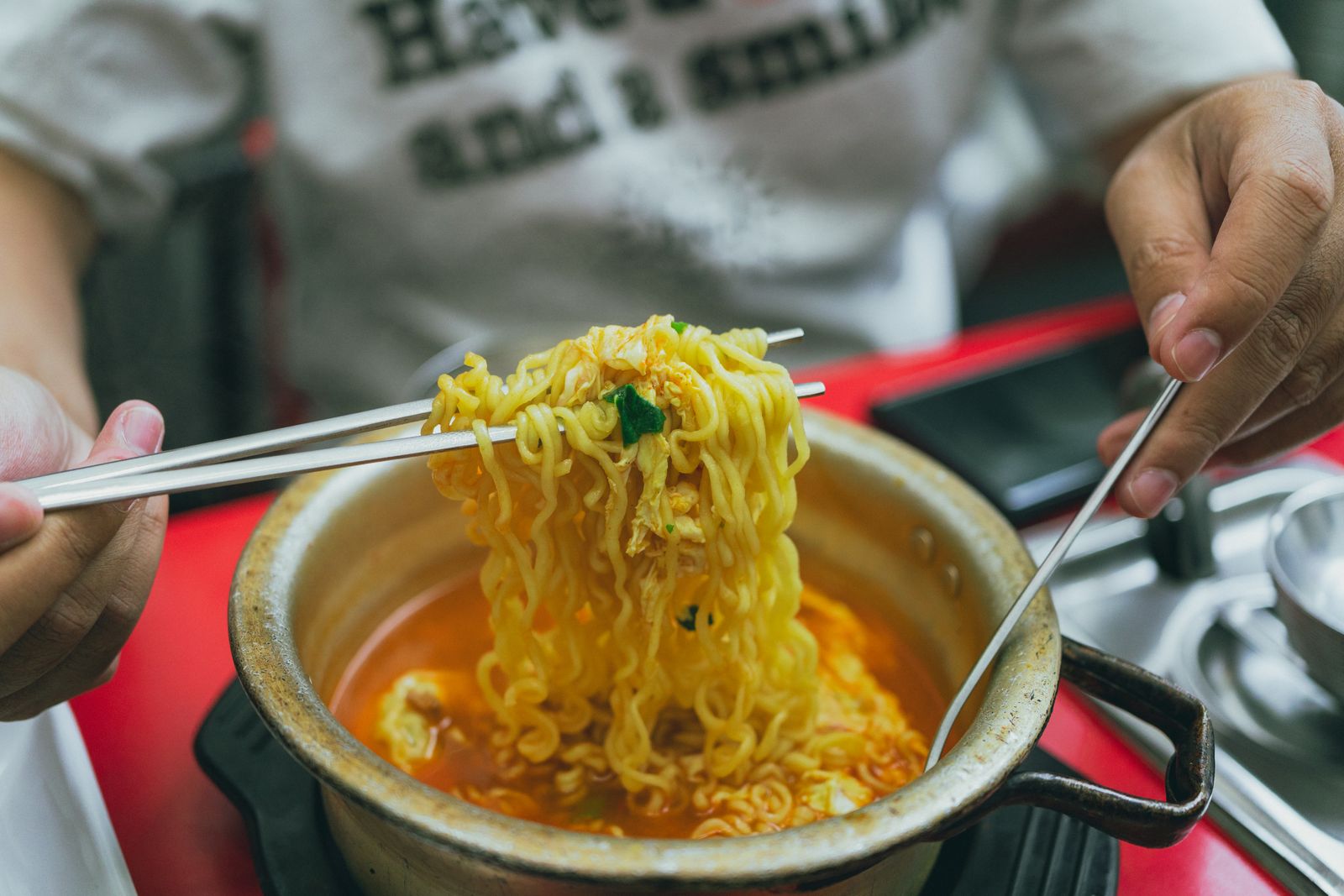
Toomba, creamy heat, and the convenience store recipes that drive the whole category.
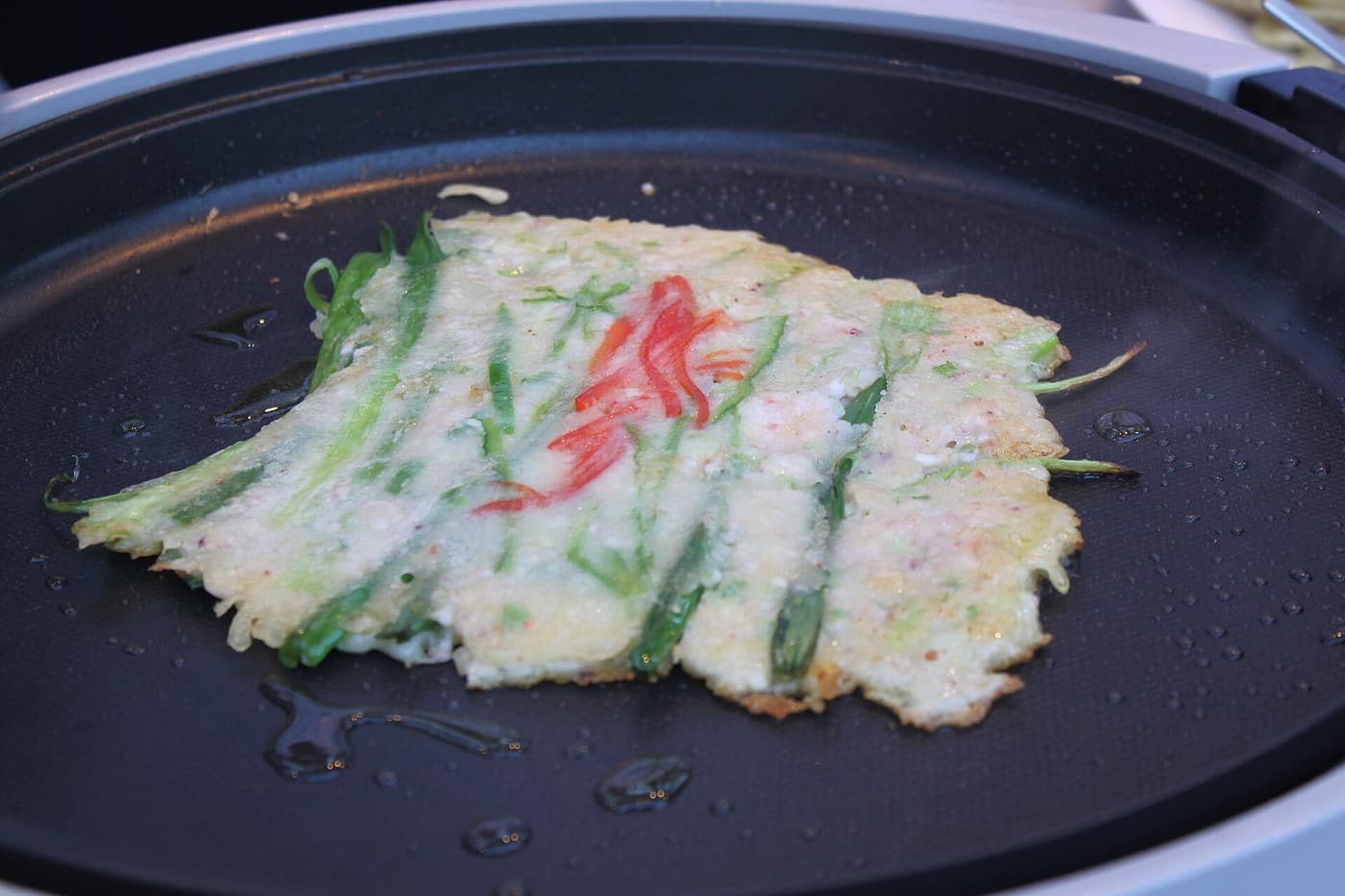
Kalguksu, sujebi and why Koreans reach for broth the moment it starts raining.

How to use it, and why the bag is the wrong purchase if you are cooking at the counter.
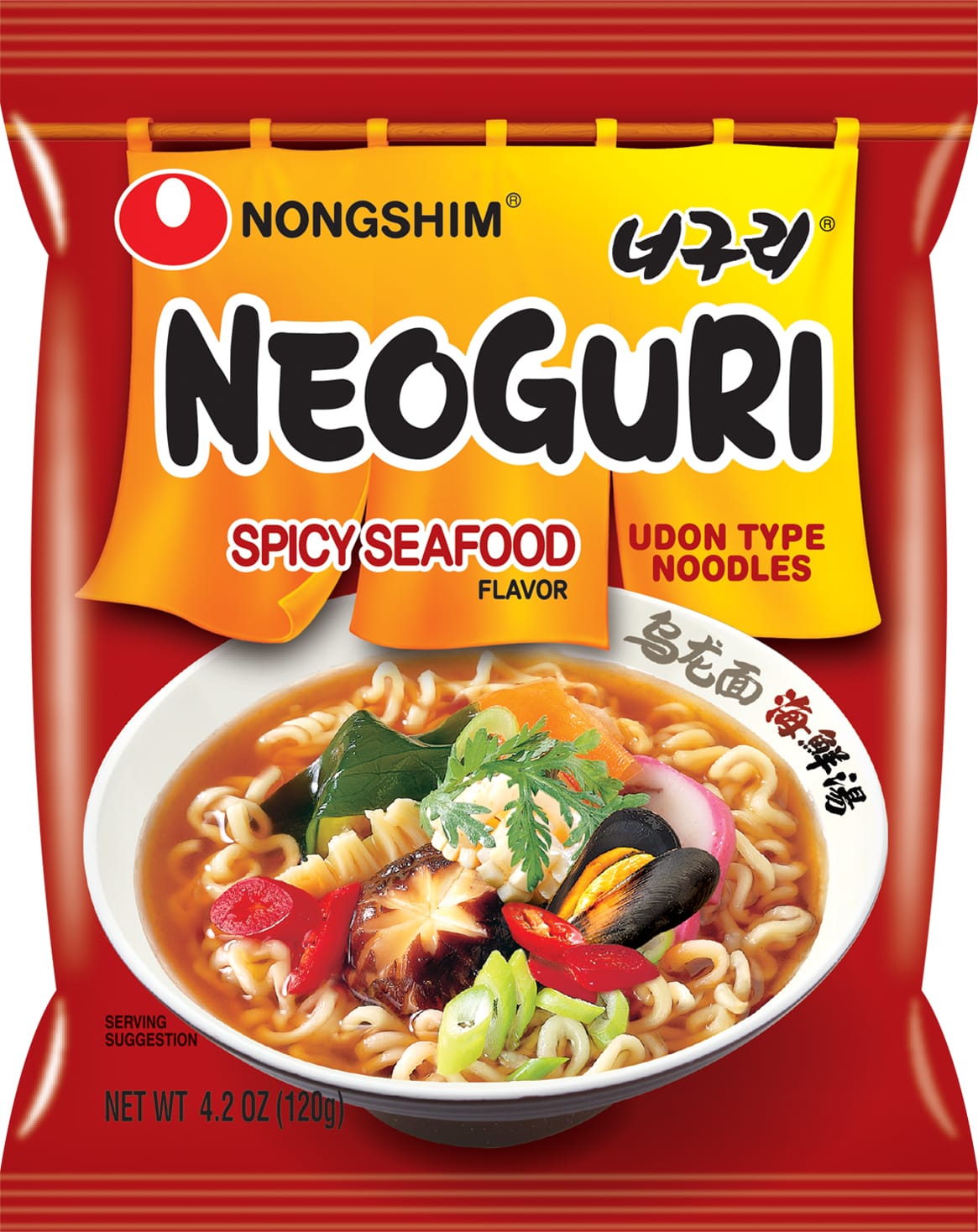
The green square in the packet is Wando kelp, not seasoning — and it is why the broth tastes the way it does.
Bagged ramyun is one of the few Korean foods that genuinely survives export — it is dry, shelf-stable and made for shipping. The honest caveat is that it costs several times the Korean price abroad, so if you are travelling, buy the five-packs at a mart before you fly rather than paying import pricing later. As an Amazon Associate, EpicKor may earn from qualifying purchases.
Compare Korean ramyun packs on Amazon →12 articles
A side-by-side table, so you pick the neighbourhood before you book the hotel.
14 articles
Which chain holds which exclusive, and what everything costs this month.
10 articles
One table of what each drink actually is, against what its name implies.