Samgak Kimbap (Triangle Kimbap): The Engineering Behind Korea's Favorite Snack
Here's what nobody tells you about samgak kimbap: the plastic wrapper you're about to tear off is doing more engineering work than the rice ball itself. Pull the tabs in the wrong order and the seaweed goes soggy before you've taken a single bite. Pull them correctly — following the small printed numbers most people never actually look at — and the seaweed stays crisp until the exact second it touches the rice.
That's not an accident. It's a specific, deliberate packaging solution to a problem every rice-ball format has to solve, and Korea's convenience stores are still actively improving on it in 2026. If you've only ever seen samgak kimbap as a cheap, forgettable convenience-store snack, the actual design behind it is worth slowing down for.
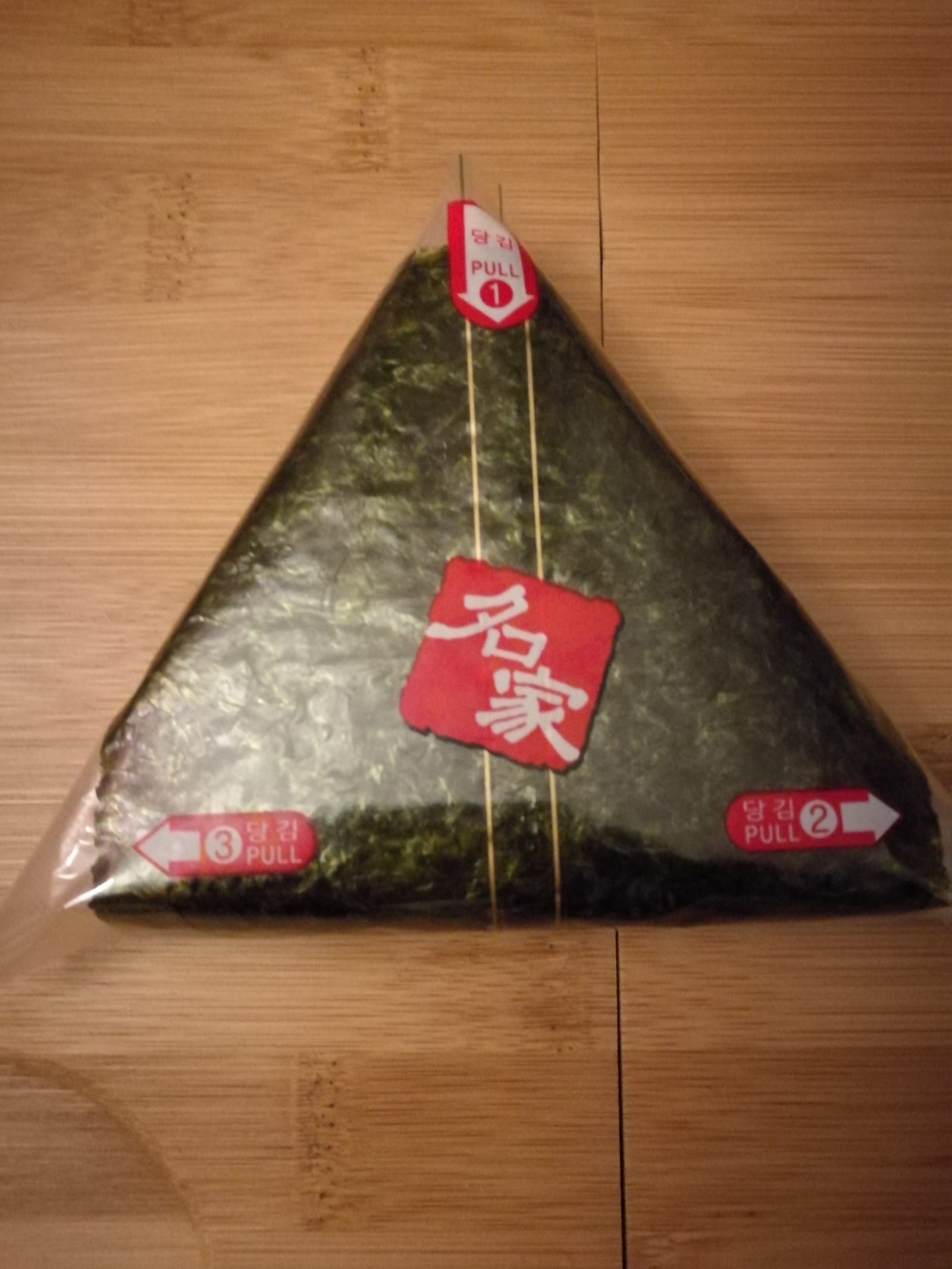
Korean triangle kimbap seaweed wrappers — try the pull-tab film at homeAffiliate link. As an Amazon Associate, EpicKor earns from qualifying purchases at no extra cost to you.
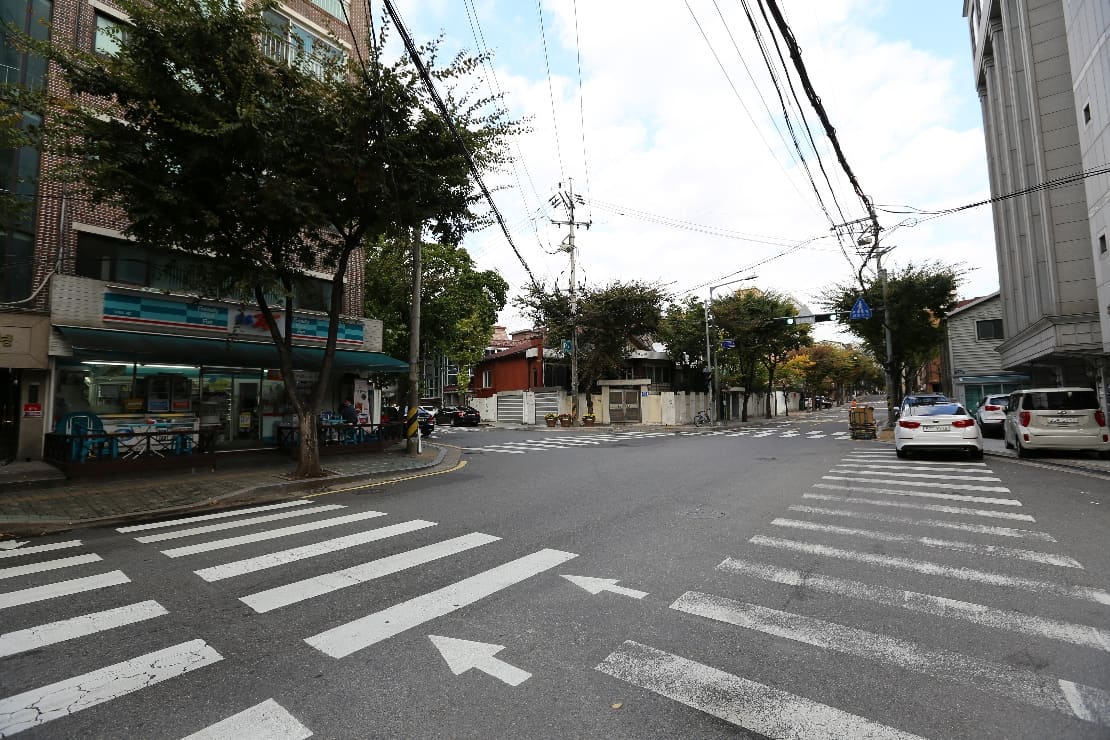
A neighbourhood convenience store in Seoul, tables out front. This is where a samgak kimbap is bought and, more often than not, eaten. Photo by 한국교육방송공사, CC BY, via 공유마당.
The Problem the Wrapper Is Actually Solving
Rice sitting directly against seaweed for even a few hours makes the seaweed go soft and chewy instead of crisp — a real texture failure for a snack whose whole appeal depends on that seaweed staying sharp. The solution, first developed in Japan for onigiri and adapted for the Korean convenience-store version, is to physically separate the rice and the seaweed with a layer of plastic film inside the wrapper during storage, so the two only make contact at the moment you actually open it.
Here's how it actually works, and the numbers on the wrapper are real, not decorative. Pull the center strip first — labeled "PULL ①" — which separates the inner film. Then pull the two side tabs, "PULL ②" and "PULL ③," in sequence, which peels the plastic away while leaving the seaweed wrapped snugly around the rice, exactly as if you'd wrapped it fresh yourself. The effect is that you get genuinely crisp seaweed on a snack that's been sitting in a refrigerated case for hours, sometimes since the previous day.
A small practical tip most people never learn: after opening it, you can flip each discarded piece of wrapper and tuck it back underneath the kimbap as a makeshift tray — one on each side — which keeps rice grains, sauce, and oil off your hands entirely.
An Import That Flopped Before It Became Iconic
Samgak kimbap arrived in Korea via 7-Eleven, around 1990-1991 — a direct adaptation of Japanese convenience-store onigiri, whose plastic-film wrapping technology was developed in Japan in the 1980s. The triangular rice-ball shape itself is much older than convenience stores and carries a folk-religious backstory in Japan: rural communities shaped rice into triangles to evoke sacred mountains, believing spirits would inhabit the food. Once mass-produced seaweed sheets became available, wrapping the triangle in nori became standard, and that combination is the direct ancestor of what you buy today.
Here's the part that gets left out of most explainers: samgak kimbap actually flopped when it first launched in Korea. Early versions were relatively expensive and used fillings that didn't suit Korean taste, and it took convenience stores cutting prices and adjusting flavors starting in the early 2000s before it became the steady seller it is now. The Korean twist that helped it stick was seasoning the rice itself with sesame oil and sesame seeds — a genuine flavor difference from the Japanese original, not just a repackaging of it.
The rest of the shelf it sits on: As an Amazon Associate, EpicKor may earn from qualifying purchases at no extra cost to you. Samgak kimbap itself is chilled and does not export, but the convenience-store shelf around it does — Haitai Honey Butter Chip is the chip that sits a few feet from the rice triangle at a GS25.
See Haitai Honey Butter Chip on AmazonWhy Triangular, Specifically
The shape isn't arbitrary, and Korean retail coverage gives some genuinely concrete reasons for it. Triangles nest against each other more efficiently in shipping trays than round or square shapes, maximizing how many fit per truck and per shelf. A triangle of a given rice weight also visually reads as a bigger portion than the same amount of rice in a round or flat shape — even though the actual weight (roughly 105-115g) is well under a standard rice bowl's 200g. And the pointed shape lets you bite from any corner while keeping the outer surface, and your face, relatively clean.
This has actually been market-tested, not just theorized. GS25 tried a rectangular kimbap format in 2014 and discontinued it due to poor sales — Korean retail coverage attributes this directly to consumers strongly preferring the familiar triangle shape over an unfamiliar one, even when the product inside was comparable.
| Filling | Notes |
|---|---|
| Tuna mayo (참치마요) | The long-reigning best-seller; one chain alone has sold a cumulative 730 million units since 2012 |
| Jeonju bibimbap | Consistently ranks in the top three across major chains |
| Spam-kimchi | Also a steady top-three seller |
| Bulgogi | Common, savory-beef option |
| Egg mayo, sausage, spicy chicken and cheese | Widely available secondary varieties |
Recreating the convenience-store combo at home? As an Amazon Associate, EpicKor may earn from qualifying purchases. Browse Korean seaweed sheets and rice-ball molds to build your own version before your next Korea trip.
You might like: Korean Convenience Store Food Guide: Dosirak and Snacks
The Legendary Combo — and a Real 2025 Upset
There's a specific, well-known Korean pairing: samgak kimbap plus a cup of instant ramyeon, often sold together as a discounted set for roughly ₩2,500-3,000 — a full meal for under two dollars. It's genuinely tied to convenience-store dining as a social ritual for students and late-night customers, less about any one flavor and more about a fast, cheap, filling combination that's been a fixture of Korean convenience-store culture for years.
The most surprising recent data point, though, is that tuna mayo's decade-long reign at the top nearly got dethroned by price, not flavor. In early 2025, emart24's ultra-budget "1,900-won gimbap" and "900-won samgak kimbap" — part of a deliberately cheap product line — overtook tuna mayo as the single best-selling item, with the 1,900-won gimbap selling over 400,000 units in less than two months and daily sales running 1.5 to 2 times higher than standard kimbap. It's a genuinely useful reminder that even a decade-plus bestseller can get outsold fast when a chain competes hard enough on price.
Korean internet food slang even has a specific name for the samgak-kimbap-plus-ramyeon pairing: some circles call it the "legendary combo," and there's a compact slang term for physically dropping the kimbap filling into the noodle cup and eating them together rather than side by side. It's the kind of detail that shows up in casual online food-culture chatter more than in official reporting, but it captures something real about how central this specific pairing is to convenience-store eating culture.
Price itself has moved a lot over the years: samgak kimbap held a 500-700 won price point through most of the 2000s, rose to 800 won starting in 2011, and had climbed to roughly 1,100-1,900 won by 2026 — driven partly by a 2024 spike in seaweed costs. Even so, it's still explicitly positioned by every major chain as the budget anchor of their food lineup; both the 2019 700-won promotional stunt and the 2025 emart24 budget SKUs were deliberate affordability plays, not accidents.
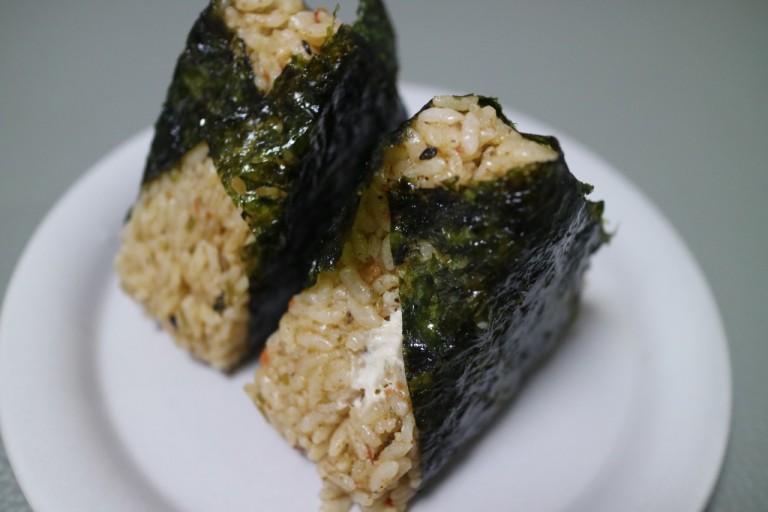
2026: An Active Freshness Arms Race
This is not a stagnant category. As of 2026, every major Korean convenience chain is actively competing on rice and seaweed quality, not just price or flavor:
- 7-Eleven spent roughly a year developing a "Rice Project" with Lotte Wellfood and the Lotte Central Research Institute — moisture-retention technology that keeps the rice tasting good straight out of the fridge, no microwave needed. It launched April 2026 alongside a new Shrimp Mayo flavor, and sold 3.6 million units in its first six weeks.
- GS25 rolled out a new "shutter-type" rice-packing process in June 2026, designed to keep the rice fluffier by preserving air pockets during packing, rather than compressing it.
- Emart24 increased sesame oil in the seaweed by 2.4x and sesame seeds in the rice by 2.4x in its July 2026 renewal, without raising the price.
- CU relaunched its ready-to-eat lineup under a "PBICK The Kitchen" sub-brand in May 2026, with sales up 17.2% since launch.
Overall convenience-store sales rose 5.9% in May 2026 — the largest jump in over two years — attributed partly to inflation pushing shoppers toward cheaper meals, and partly to rising foreign-tourist interest in Korean convenience-store food specifically.
Limited-run collaborations are part of the same competitive push. CU has run collab flavors tied to Korean BBQ chains, and budget-focused SKUs priced under 1,000 won continue to appear alongside premium collaboration items priced closer to 3,500-3,600 won — meaning the same convenience-store fridge now stretches from genuinely bargain rice balls to near-restaurant-priced specialty versions, all using the same basic triangle format and the same numbered pull-tab wrapper underneath.
Frequently Asked Questions
Q: How do you open samgak kimbap correctly? Pull the center strip labeled "PULL ①" first, then the two side tabs "PULL ②" and "PULL ③" in order. This separates the plastic film that's been keeping the rice and seaweed apart, so the seaweed wraps around the rice fresh and crisp at the moment you open it, rather than going soggy in storage.
Q: What's the most popular samgak kimbap filling? Tuna mayo (참치마요) has been the long-reigning best-seller — one convenience chain alone has sold a cumulative 730 million units of it since 2012 — though ultra-budget SKUs briefly outsold it in early 2025.
Q: Where did samgak kimbap come from? It was introduced to Korea by 7-Eleven around 1990-1991, adapted directly from Japanese onigiri and its plastic-film packaging technology. It actually sold poorly at first and only became popular after convenience stores cut prices and adjusted flavors in the early 2000s.
Q: Why is samgak kimbap triangular instead of round or square? Triangles pack more efficiently for shipping, make a given amount of rice look larger, and let you bite from any corner while keeping your hands and face cleaner. GS25 tested a rectangular version in 2014 and discontinued it after consumers showed a strong preference for the familiar triangle.
Q: How much does samgak kimbap cost in Korea? As of 2026, typical pricing runs roughly 1,100-1,900 won per piece, up from a 500-700 won range through most of the 2000s. It's still deliberately positioned as the cheapest anchor item on convenience-store food shelves.
The Bottom Line
Samgak kimbap looks like the simplest possible convenience-store snack, but the wrapper alone represents a real solved engineering problem, the shape survived a real market test against an alternative, and four major chains are actively racing each other on rice-and-seaweed freshness technology in 2026. Next time you pull those tabs in order without thinking about it, you're using a small piece of design that took Korea over a decade to actually get people to like.
Sources and further reading:
- Why is samgak kimbap triangular? (Bizwatch)
- Korea's convenience stores race to upgrade rice ball quality (Seoul Economic Daily)
- Popular combos of convenience store foods (Korea.net)
- 삼각김밥 (Korean Wikipedia)
- EpicKor Korean convenience store food guide
- EpicKor guide to convenience store ice cream
Samgak kimbap is part of EpicKor's Korean convenience store guide — the four chains compared, current prices, and what each product actually is.
Also in the section: Convenience store breakfast and Yonsei Cream Bread.
You Might Also Like
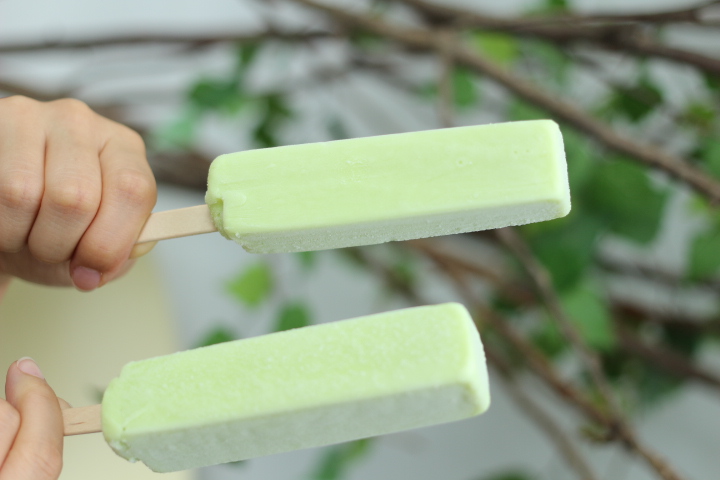
Korean Convenience Store Ice Cream, Ranked
A real, brand-by-brand ranking of Korean convenience store ice cream: Melona, Jaws Bar, Screwbar, what each costs as of August 2026, and the 1+1 freezer tricks locals actually use.
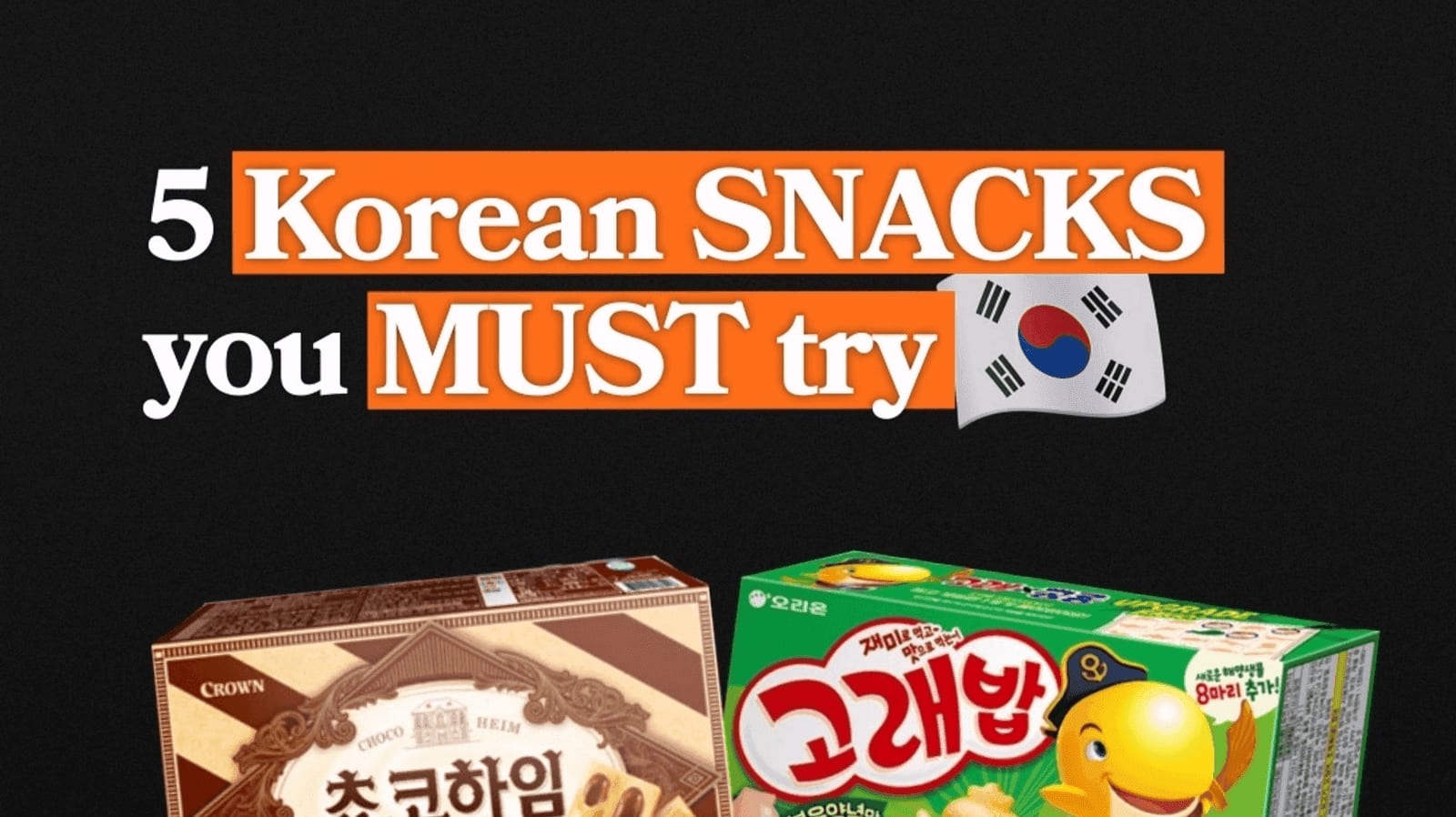
Korean Snacks Guide: What to Buy, Taste, and Pack
A practical Korean snacks guide comparing Turtle Chips, honey-butter flavors, seaweed snacks, convenience-store finds, souvenirs, and packing tips.
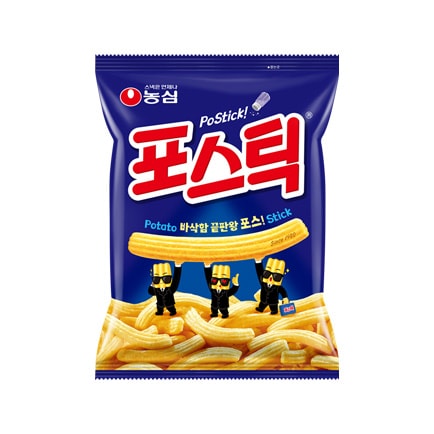
Postick: The Korean Snack That Used to Come With a Ketchup Packet
Postick (포스틱) has been on Korean shelves since 1980, it is only 23% potato, and it shipped with a ketchup sachet until the sachet got too expensive. What it costs now, and the ramyun-powder trick Koreans use on it.