Korean Snacks Guide: What to Buy, Taste, and Pack
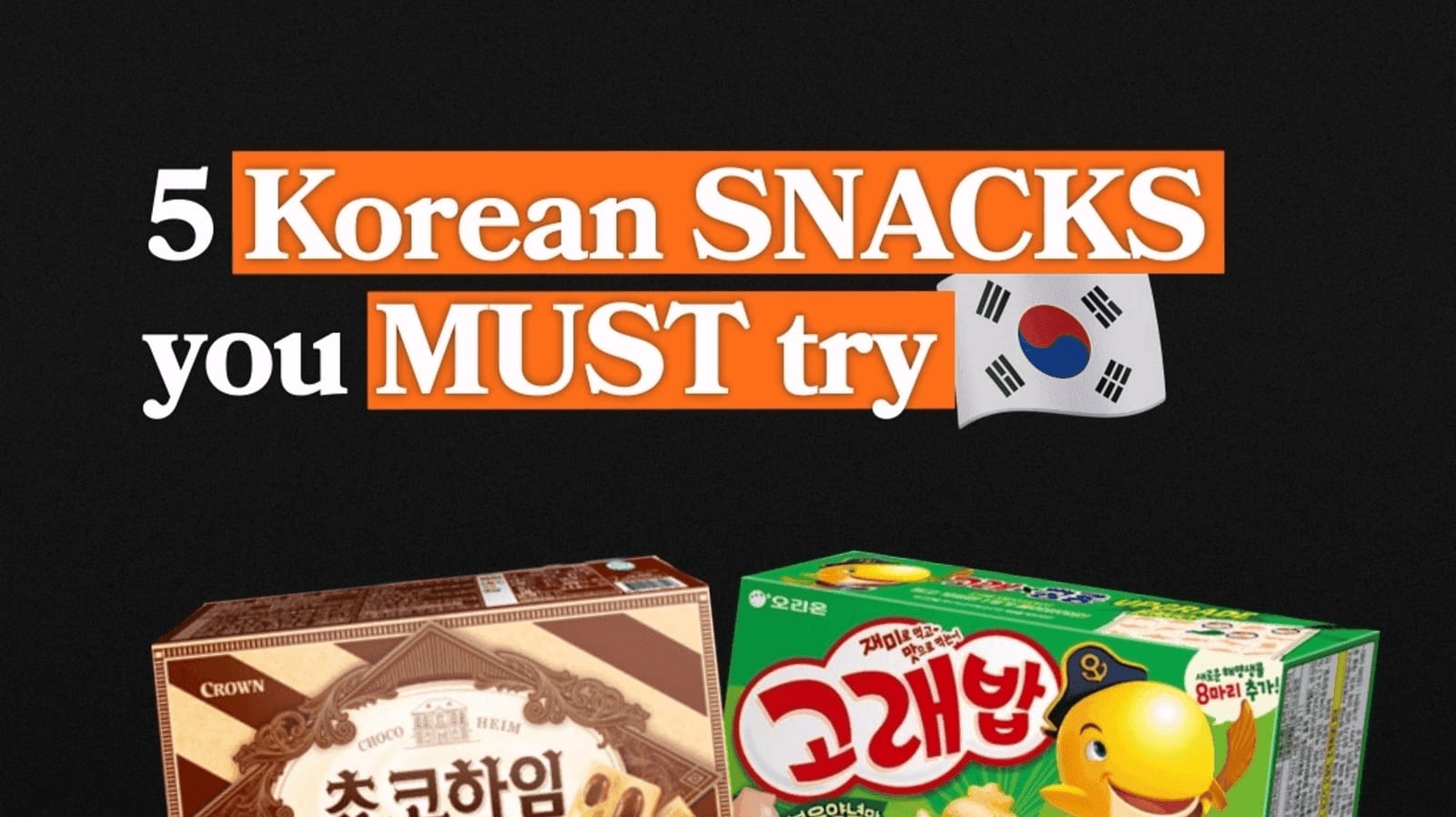
Korean snacks are not just souvenirs. They are one of the easiest ways to understand modern Korean taste: crunchy, sweet-salty, playful, fast-changing, and extremely convenience-store friendly. If you visit Korea and only buy the same snacks you already saw online, you will still have fun. But if you understand how Korean snack aisles are organized, you can make much better choices: what to eat immediately, what to pack in a suitcase, what to compare at a mart, and what is better left as a one-time curiosity.
This guide is written for travelers who want a practical snack map, not a random ranking. It explains why Turtle Chips became globally recognizable, why the Honey Butter Chip moment still matters, how convenience stores test new flavors, which snacks travel well, and how to avoid buying bulky items that melt, crush, or disappoint. For more food context, pair it with EpicKor's Korean convenience-store food guide, Korean breakfast guide, Carbo Buldak guide, and Buldak business deep dive.
If snacks are only one part of your gift list, EpicKor's Korean souvenir guide helps you balance food, beauty, crafts, alcohol, luggage weight, and customs rules.
The Short Answer
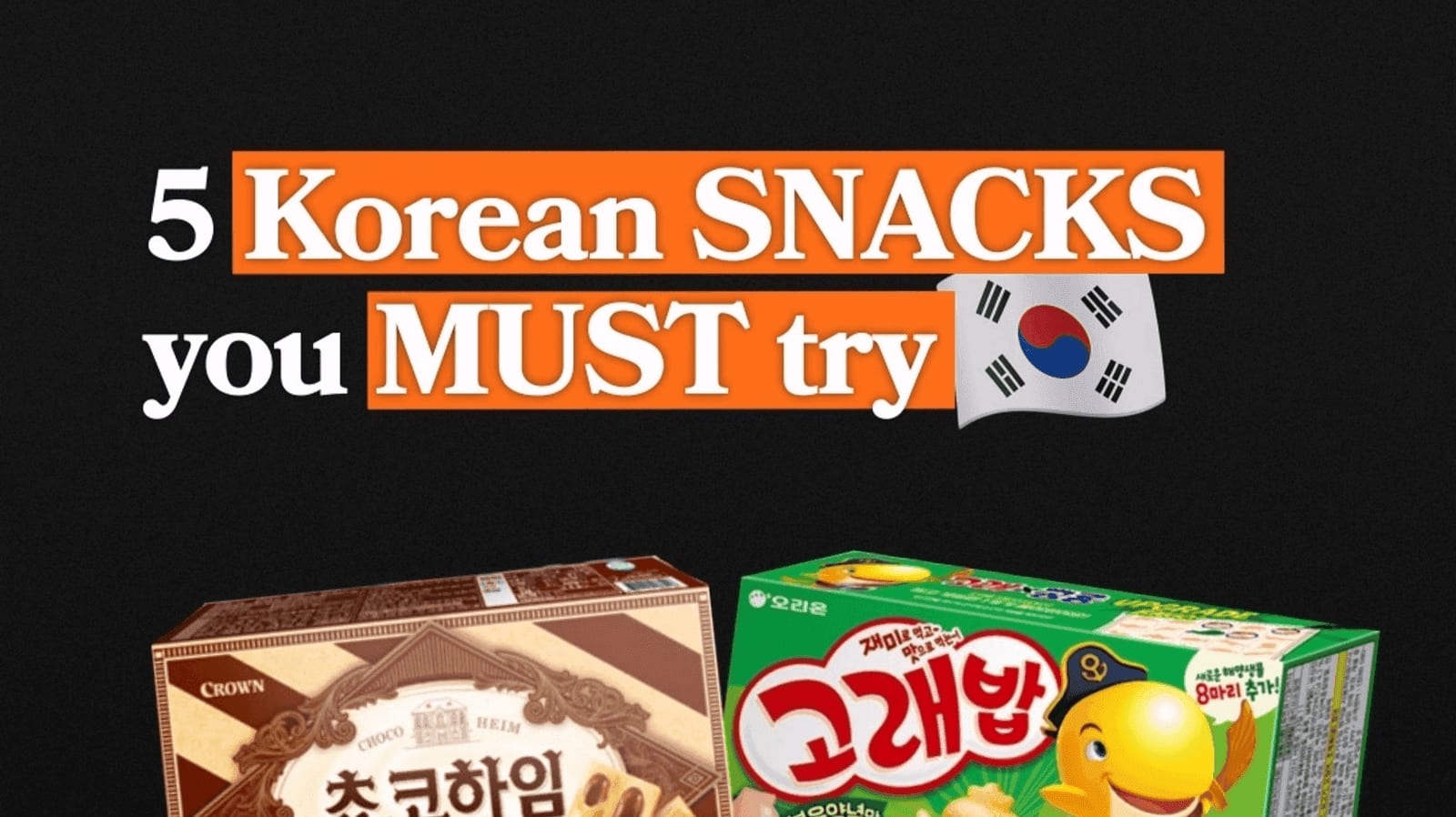
Start with three snack categories: texture snacks, sweet-salty snacks, and light packed snacks. Texture snacks are chips, crackers, corn snacks, jellies, and crunchy yogurt toppings where mouthfeel is the point. Sweet-salty snacks include honey-butter, corn-soup, cheese, garlic, seaweed, and sauce-inspired flavors. Light packed snacks are the suitcase winners: seaweed, individually wrapped cookies, rice crackers, yakgwa, sweet potato bars, and compact ramen snacks.
If you are shopping in Korea, buy a few single bags first, taste them in your hotel, and then return for suitcase quantities. Korean snack aisles change quickly, and the viral item is not always the item you personally want to carry across an ocean.
| Snack type | Best for | Buy where | Travel risk |
|---|---|---|---|
| Turtle Chips / layered chips | Crunch and novelty | Convenience stores, supermarkets, marts | Crush easily in checked bags |
| Honey-butter style chips | Sweet-salty Korean flavor memory | Convenience stores, hypermarkets | Bulky but easy to share |
| Seaweed snacks | Light suitcase gifts | Marts, airport shops, Amazon at home | Fragile but very light |
| Yakgwa / Korean cookies | Tea, dessert, office gifts | Markets, department stores, supermarkets | Check expiry and oiliness |
| Jellies and gummies | Fun texture and kids' gifts | Convenience stores, Olive Young, marts | Can soften in hot weather |
Korean snack assortment — compare on AmazonAffiliate link. As an Amazon Associate, EpicKor earns from qualifying purchases at no extra cost to you.
Why Texture Matters So Much
Korean food writing often uses the word sikgam, meaning texture or mouthfeel. It shows up across Korean eating habits: chewy rice cakes, crispy fried chicken, bouncy noodles, crunchy pickles, soft tofu, and flaky snacks. Korean snack companies lean into that same logic. A snack is not only "cheese flavor" or "corn flavor." It is airy, layered, crunchy, chewy, brittle, sticky, powdery, or creamy.
That is why Orion's Turtle Chips, known in Korea as Kkobuk Chip, became such a useful example. Orion's official English product pages describe versions of the snack around its four crispy layers, and the shape is the point: one bite gives a stacked crunch instead of a flat potato-chip snap. Orion has also kept expanding the Turtle Chips idea internationally, including a 2025 Korea-U.S. simultaneous release of a yangnyeom-chicken flavor noted in its Korean press materials. The important lesson for travelers is not one exact flavor. It is that Korean snacks often sell an eating action, not just an ingredient.
The Sweet-Salty Pattern
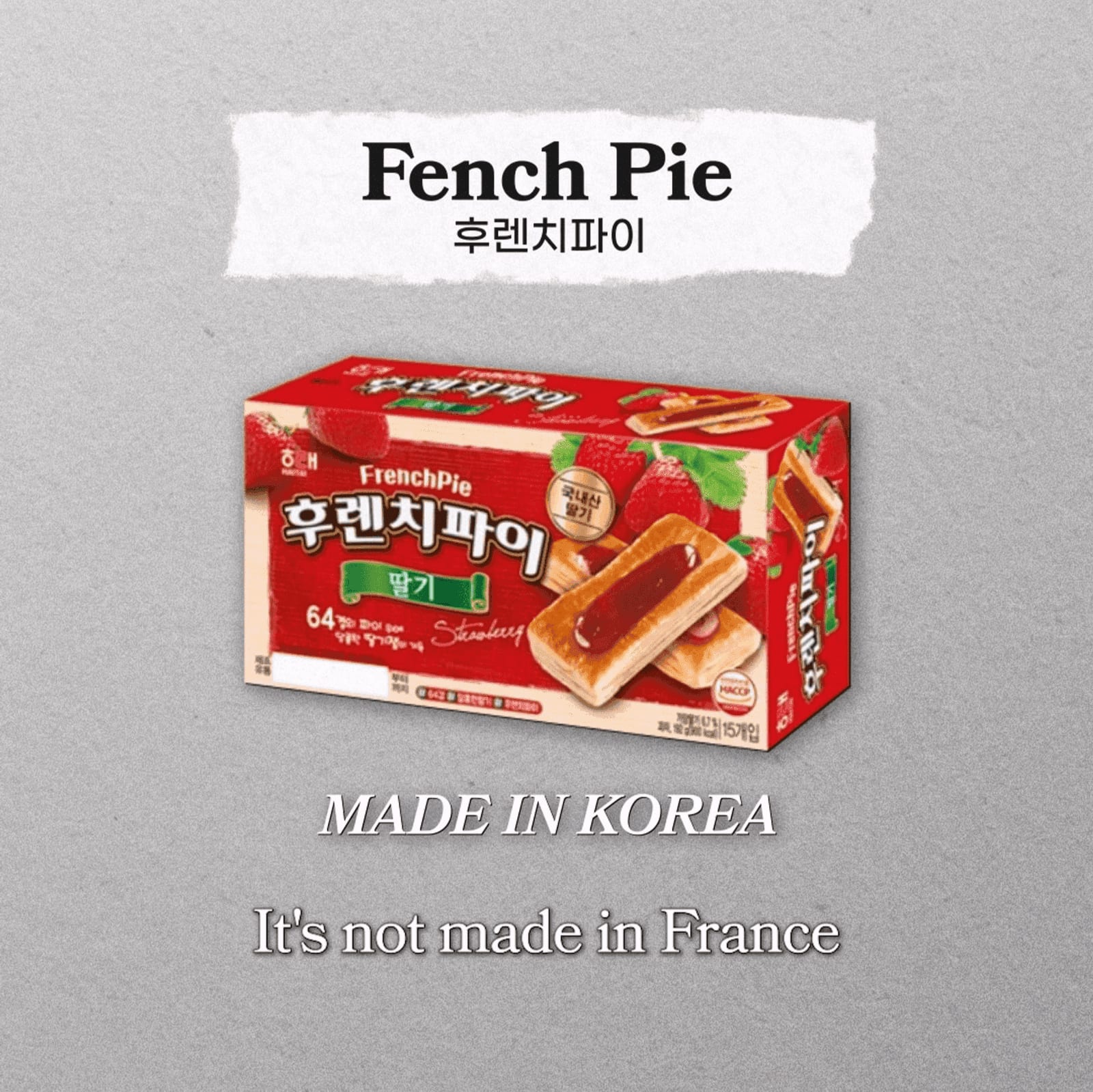
Korean snack aisles are full of flavors that feel slightly surprising the first time: honey butter, corn soup, garlic bread, cheese, butter-grilled squid, spicy chicken, roasted seaweed, sweet potato, and injeolmi. Many of these sit between dessert and savory food. That middle zone is one reason visitors remember them.
Honey Butter Chip is the classic modern case. Yonhap reported that Haitai's Honey Butter Chip launched in August 2014 and created a craze that pushed honey-flavored snacks across the market. The Korea Times also covered the early shortage, when demand was so intense that some people paid above retail online. The frenzy cooled, but the flavor lesson stayed: Korean snack shoppers enjoy familiar comfort plus a small twist.
Do not assume every sweet-salty snack is gentle. Some are subtly sweet; others are extremely seasoned. If you are buying for family, choose one safe bag and one experimental bag. Seaweed, honey-butter chips, rice crackers, and baked-style snacks are safer gifts. Spicy ramyeon snacks, strong garlic chips, and seafood-flavored crackers are more polarizing.
Snack taste test at home: As an Amazon Associate, EpicKor may earn from qualifying purchases. If you want to compare the Korean snack style before or after a trip, start with a Korean snack assortment and treat it like a tasting flight, not a single best-item hunt.
Convenience Stores Are Snack Labs
Korean convenience stores are not only places to buy water. CU, GS25, 7-Eleven, and emart24 are small food-trend laboratories. They rotate limited snacks, desserts, coffee drinks, yogurt, lunch boxes, instant noodles, and character collaborations. A traveler can walk into a branch near a hotel and see a condensed version of Korean food marketing: seasonal packaging, bundle deals, private-label items, and tie-ins with idols, webtoons, dramas, or trending flavors.
This is why a good Korean snack route should include both a convenience store and a larger mart. Convenience stores are better for discovery and single portions. Hypermarkets and supermarkets are better for bulk, boxes, multi-packs, and suitcase gifts. If you are near Seoul Station, Lotte Mart has historically been a popular foreign-traveler stop; Yonhap has reported on special K-food shopping zones and services for inbound visitors at major branches.
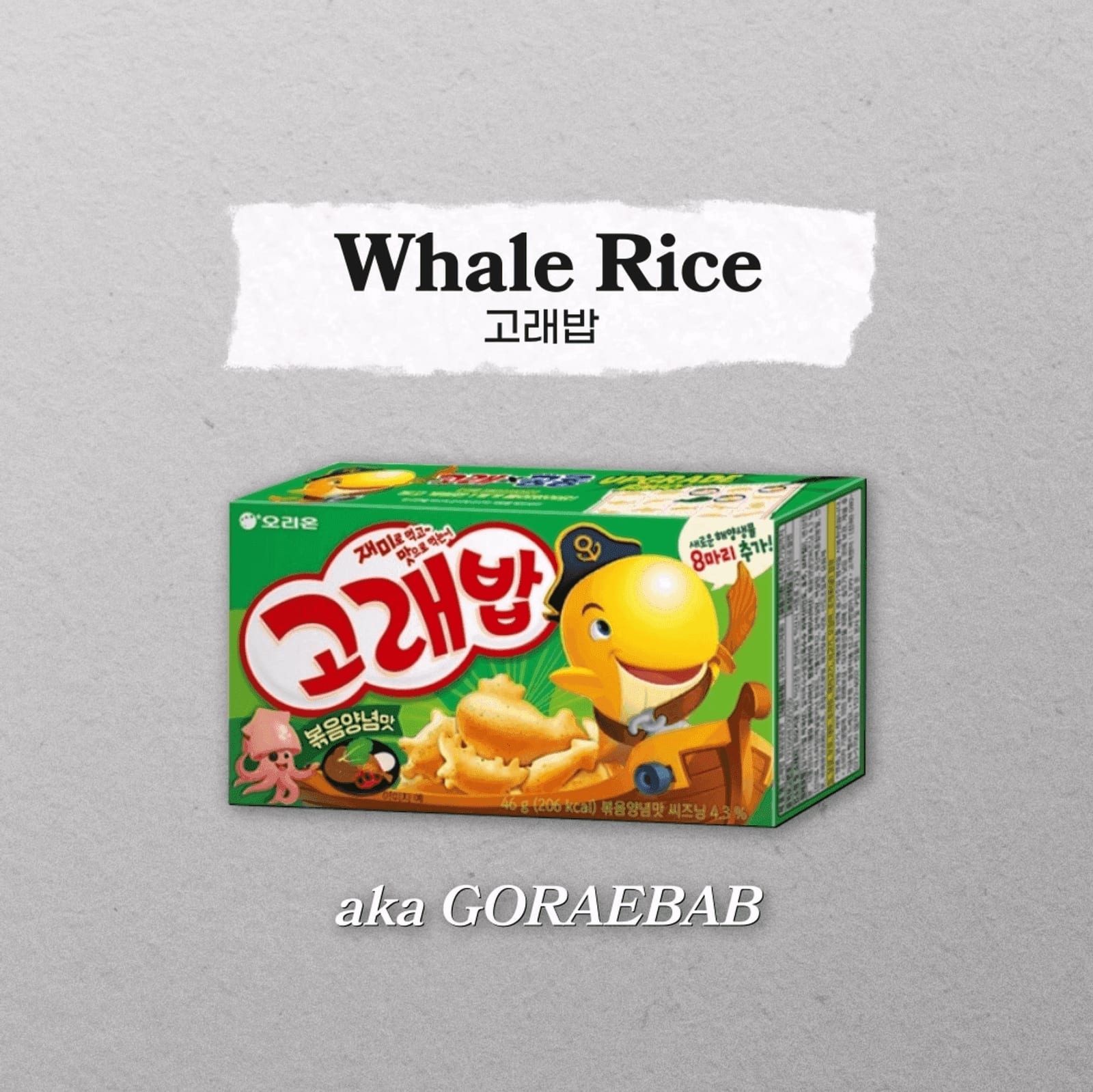
The smartest move is simple. Use convenience stores for trial, then use a supermarket for purchase. That keeps you from buying six bags of something just because the packaging looked exciting at midnight.
The Best Korean Snacks by Situation
If you want snacks for a hotel night, buy whatever looks fun and do not overthink it. Choose one salty chip, one yogurt or dairy dessert, one jelly, one drink, and one small sweet. Eating them while watching Korean TV in the hotel room is part of the experience.
If you want snacks for the flight home, choose compact and low-mess items. Seaweed packs, small cookies, individually wrapped yakgwa, rice crackers, and sealed candy are easier than giant chip bags. Avoid anything refrigerated unless you will eat it before departure.
If you want office gifts, choose items that do not require explanation. Honey-butter style chips, seaweed snacks, sweet potato bars, almond packs, small cookies, and yakgwa work better than very spicy or seafood-heavy snacks. If your friends already love Korean food, add one adventurous item.
If you want social-media snacks, check the new-arrivals shelf and the refrigerated dessert corner. The most photographable item is often not the best suitcase item. That is fine. Some Korean snack experiences are meant to be eaten in Korea, not exported.
| Traveler goal | Best picks | Avoid | Why |
|---|---|---|---|
| Hotel-room tasting | Single bags, yogurt desserts, jellies, drinks | Bulk boxes first | You can test before committing. |
| Suitcase gifts | Seaweed, cookies, yakgwa, rice crackers | Refrigerated desserts | They handle travel better. |
| Foodie friend | Spicy chips, seafood crackers, limited flavors | Only safe flavors | Novelty is part of the gift. |
| Family sharing | Honey-butter, corn, cheese, seaweed | Extreme spice | Broader appeal. |
| Light packing | Flat seaweed packs, small sweets | Air-filled chip bags | Less suitcase volume. |
How to Read a Korean Snack Aisle
First, the suffix nobody explains
Walk the aisle and you will see the same syllable over and over: 새우깡, 감자깡, 양파깡, 고구마깡. That -깡 (-kkang) is not a Korean word for snack. It comes from a four-year-old.
Nongshim launched 새우깡 (Saewookkang, shrimp crackers) in 1971 as Korea's first snack product. Company chairman Shin Choon-ho took the name from his youngest daughter, then four, who kept mispronouncing the folk song Arirang (아리랑) as "Ari-kkang." He kept the ending. Every -kkang snack on the shelf since is a descendant of a child's slip of the tongue.
Two more details that tell you how seriously this was taken. Developing it took a year of testing that consumed about 4.5 tons of flour — roughly 80 truckloads. And the flavor is not a seasoning trick: Nongshim grinds four to five real shrimp, 5–7cm each, into every bag. By its 50th anniversary in 2021 it had sold about 8.3 billion bags.
So when you pick up a -kkang snack, you are holding the format that started the Korean snack industry.
Look for three signals. First, shape: rings, tubes, layers, sticks, crackers, and puffed corn all promise different texture. Second, base flavor: potato, corn, wheat, rice, seaweed, sweet potato, or milk. Third, seasoning style: sweet, salty, spicy, creamy, buttery, roasted, or sour.
If you cannot read Korean, packaging still helps. Blue and ocean imagery often suggests seafood or seaweed. Yellow and butter imagery usually means corn, cheese, honey, or butter. Red often means spicy, but not always. Character packaging may be a limited collaboration, not a flavor clue.
Use translation apps for allergens and meat/seafood content. This matters if you avoid pork, beef, shrimp, dairy, gelatin, nuts, or wheat. Korean snacks can include small amounts of powdered milk, seafood extract, beef flavoring, or gelatin even when the front package looks harmless.
What Korean Snacks Cost
Prices here are the reason snacks are such an easy souvenir: almost everything on the shelf is a single-coin purchase.
| Item | Korean | Price (July 2026) |
|---|---|---|
| Saewookkang, 90g | 새우깡 | ₩1,500, rising to ₩1,600 on August 1, 2026 |
| Standard bagged snack | 봉지 과자 | roughly ₩1,500–2,500 |
| Seaweed snack pack | 김자반 / 조미김 | ₩1,000–2,000 |
| Large sharing bag | 대용량 | ₩3,000–5,000 |
That August increase is not snack-specific. Nongshim announced on July 24, 2026 that from August 1 it would lift shipping prices on snacks by an average 5.5%, cup ramyun by 6.0%, and beverages by 7.7%, citing exchange rates and packaging costs. If you are shopping in early August and a price looks higher than a guide told you, this is why.
Buy snacks at a mart, not a convenience store. Convenience stores are excellent for discovering what you like, and genuinely bad value for buying six of them. A large-format mart is materially cheaper per bag, and it is where the multipack and gift-box formats live.
What Not to Overbuy
Do not overbuy giant chip bags unless you have suitcase space. They crush, take up air, and can make your luggage smell like seasoning. Do not overbuy refrigerated desserts unless you have a same-day plan. Do not overbuy one viral snack before tasting it. And do not assume airport prices are the same as neighborhood mart prices.
Also be careful with very spicy snacks. Korean spicy branding can mean mild warmth, but it can also mean actual heat. If the package uses Buldak-style fire imagery, treat it as a challenge item. If you are deciding whether the famous pink pack is right for you, read the Carbo Buldak buying and cooking guide before buying a large multipack. If you are buying for children or spice-sensitive relatives, choose honey-butter, corn, seaweed, or cookie-style items.
The Seaweed Snack Advantage
Seaweed snacks deserve their own section because they solve many travel problems. They are light, shelf-stable, recognizably Korean, and easy to share. They also connect to real Korean meals: gim appears in lunch boxes, rice balls, breakfast tables, and convenience-store snacks.
The downside is fragility. Seaweed sheets crumble if you crush them. Pack them in a rigid corner of your suitcase, or buy a box rather than loose packs. For home comparison, Korean BBQ-flavored seaweed snacks are an easy starting point because they give a familiar savory bridge for people who are new to gim.
Light suitcase-style snack: For a compact Korean snack that makes sense beyond novelty, compare Bibigo Korean BBQ flavor seaweed snacks. They are easier to share than fragile giant chip bags.
See Bibigo Korean BBQ flavor seaweed snacks on AmazonWhere Korean Snacks Fit in K-Food
Korean snacks ride the same wave as ramyeon, fried chicken, convenience-store meals, K-dramas, and K-pop. A snack does not need to be traditional to feel Korean. In fact, many of the most memorable Korean snacks are modern industrial foods shaped by convenience culture, social media, and fast flavor experiments.
That is why the best snack shopping strategy is not "find the most authentic item." A better question is: What kind of Korean eating moment do I want to bring home? A seaweed snack brings a lunch-box flavor. Yakgwa brings tea and traditional dessert. Turtle Chips bring texture engineering. Honey-butter chips bring modern viral nostalgia. Buldak-inspired snacks bring challenge culture. Viyott-style yogurt desserts bring convenience-store tourism.
Quick Buying Plan
On your first convenience-store stop, buy five single items: one chip, one seaweed snack, one sweet, one jelly, and one drink or yogurt dessert. Taste them before your supermarket run. On your supermarket run, buy two safe gifts, one personal favorite, and one weird item that will start a conversation.
If you are leaving from Incheon Airport, do not rely on last-minute airport shopping for every snack. Airport shops are useful, but neighborhood marts usually offer more variety and better prices. Pack snacks early, leave a little room, and keep delicate bags away from shoes and hard souvenirs.
Sources and Further Reading
- Orion official Turtle Chips product information.
- Orion press release on Turtle Chips yangnyeom-chicken Korea-U.S. launch.
- Yonhap on Honey Butter Chip and the honey-flavor craze.
- The Korea Times on the early Honey Butter Chip shortage.
- Yonhap on Lotte Mart K-food shopping zones for foreign travelers.
FAQ
Q: What Korean snacks should I buy first?
Start with one layered chip such as Turtle Chips, one honey-butter or corn-style snack, one seaweed snack, one Korean sweet such as yakgwa, and one convenience-store dessert you can eat in Korea.
Q: Are Korean snacks very spicy?
Some are, but many are not. Honey-butter, corn, cheese, seaweed, rice-cracker, and cookie-style snacks are usually easier for spice-sensitive people. Fire-themed or Buldak-style snacks can be much hotter.
Q: Can I bring Korean snacks home in my suitcase?
Many dry packaged snacks travel well, but check your destination country's customs rules. Avoid carrying refrigerated dairy, meat-containing products, or opened packages across borders unless you know the rules.
Q: Where should I buy Korean snacks in Seoul?
Use convenience stores for single-item tasting and supermarkets or hypermarkets for bulk buying. Tourist-heavy marts may also have foreigner-friendly displays and easier gift packaging.
Q: Are airport snack prices higher?
They can be. Airport shops are convenient for last-minute gifts, but neighborhood marts and supermarkets usually give you more choice. Buy favorites before departure day if you have room.
Q: Why do Korean snacks have so many unusual flavors?
Korean snack culture rewards novelty, texture, and seasonal experimentation. Convenience stores and brands can test new flavors quickly, and social media helps unusual items spread fast.
Video Insight: Top Korean Snacks
Korean snacks is part of EpicKor's Korean convenience store guide — the four chains compared, current prices, and what each product actually is.
Also in the section: The yellow cheese chip and Convenience store ice cream.
You Might Also Like
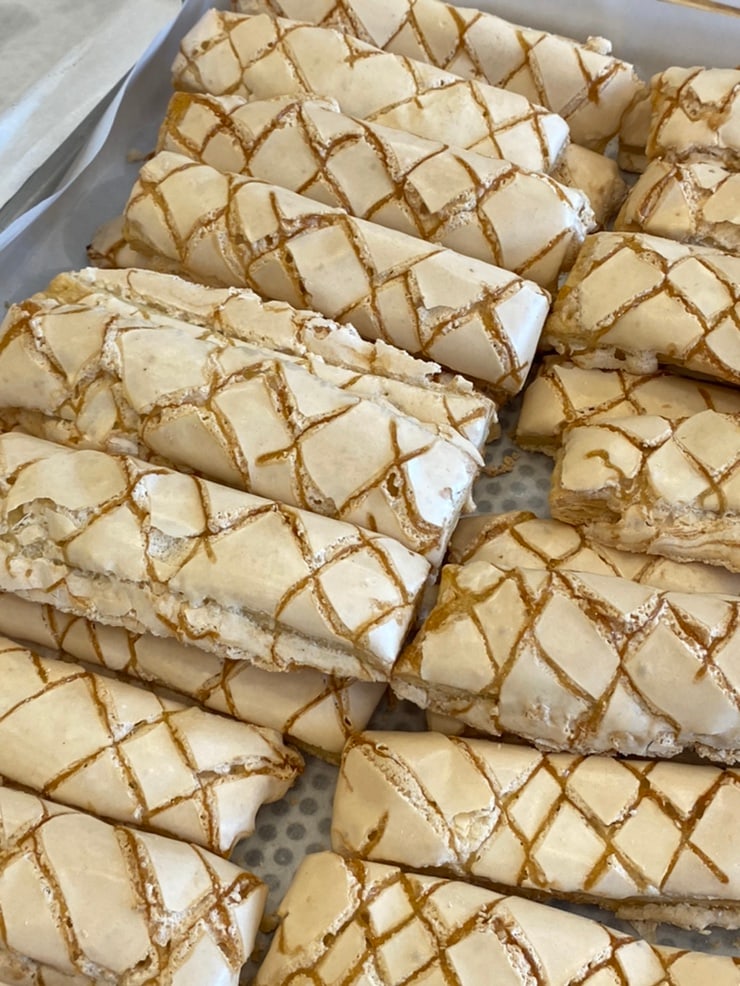
Nunettine: The Korean Snack Whose Real Name Is Italian
누네띠네 is a Korean supermarket staple named after an Italian pastry and a Korean pun at the same time. Most Koreans cannot tell you what it means. Here is the original, the joke, and what it costs.
Jayu Sigan: The Korean Chocolate Bar Designed to Leave No Evidence
자유시간 launched in 1990 to solve a problem nobody else was solving: a chocolate bar that leaves nothing on your teeth and needs no tissue. Thirty-six years on, the original is criticised for exactly that.
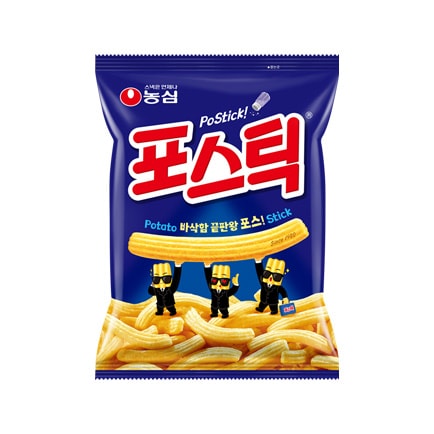
Postick: The Korean Snack That Used to Come With a Ketchup Packet
Postick (포스틱) has been on Korean shelves since 1980, it is only 23% potato, and it shipped with a ketchup sachet until the sachet got too expensive. What it costs now, and the ramyun-powder trick Koreans use on it.