Korean Dosirak: The Lunchbox a Teacher Could Confiscate, and What Replaced It
Dosirak (도시락) is the Korean lunchbox. English writing usually files it next to Japanese bento and moves on to container advice.
That misses what actually happened to it.
For about a decade, a Korean teacher could open your lunchbox and stop you eating it — because the government wanted less rice eaten and schools enforced that at the desk. Then school meals arrived and the home-packed dosirak stopped being a daily thing at all. What replaced it is a ₩4,000–6,000 box from a convenience store, and that box gave modern Korean two slang words people now use about anything they buy.
The Short Answer
| Detail | |
|---|---|
| Korean | 도시락 |
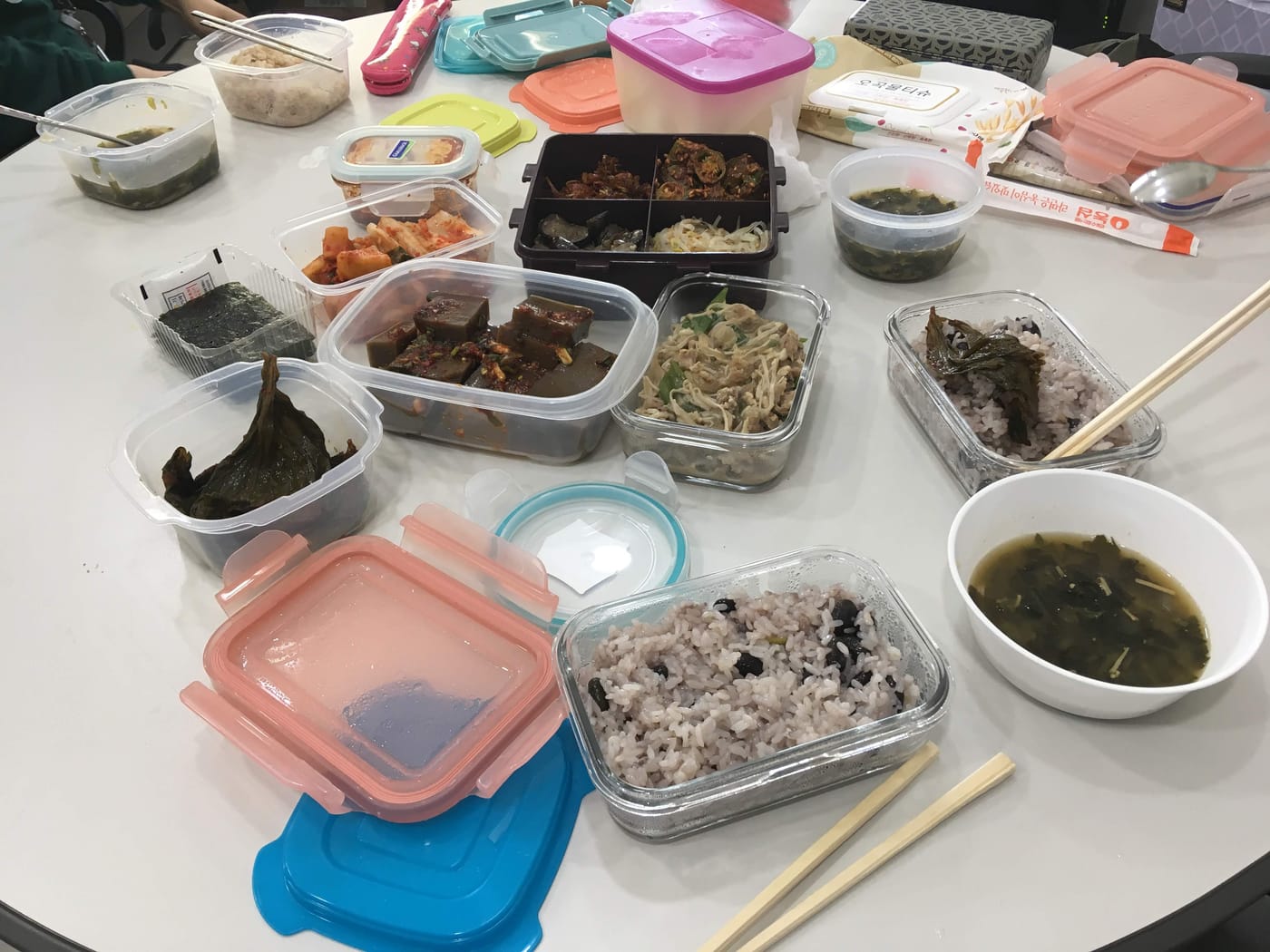
| Structure | Rice base, 김 (gim), a few 반찬, one protein, kimchi or pickle |
| Historic control | 혼분식 장려운동, government orders 1967–1976 |
| The inspection | Under 30% mixed grain and you could be barred from eating |
| What ended it | 학교급식 — all elementary schools by 1998, fully nationwide 2003 |
| Convenience-store price | About ₩4,000–6,000 in 2026 |
| Slang it produced | 혜자 (great value) and 창렬 (terrible value) |
| Build one yourself | 통인시장 dosirak café — ₩500 brass coins, closed Tuesdays |
The Lunchbox Inspection
In the late 1960s and 1970s South Korea did not have enough rice, so the government ran the 혼분식 장려운동 — the campaign to mix other grains into rice and eat more flour. Administrative orders went out annually from 1967 to 1976, and were lifted in 1977.
It was not a suggestion. Restaurants had to sell rice mixed with at least 25% barley or noodles. And schools were the enforcement point: teachers ran 도시락 검사, lunchbox inspections. In the early 1970s, if a student's box was not at least 30% mixed grain, they could be stopped from eating it.
Read that again from the child's side. Your mother packed your lunch, and whether you were allowed to eat it depended on how much barley she had put in the rice — with white rice being the thing you'd want and the thing that got you in trouble.
That is the layer under all Korean dosirak nostalgia, and it almost never survives into English.
Why It Is Nostalgia and Not a Habit
The other half of the story is that the home dosirak stopped.
Korean schools moved to 급식, provided school meals. Elementary coverage expanded sharply from 1993, reached every elementary school by 1998, and the system was fully implemented across elementary, middle and high schools by 2003.
So a Korean under about thirty has essentially never packed a school lunchbox. Dosirak is not their routine — it is their parents' routine, which is exactly why it works as retro branding.
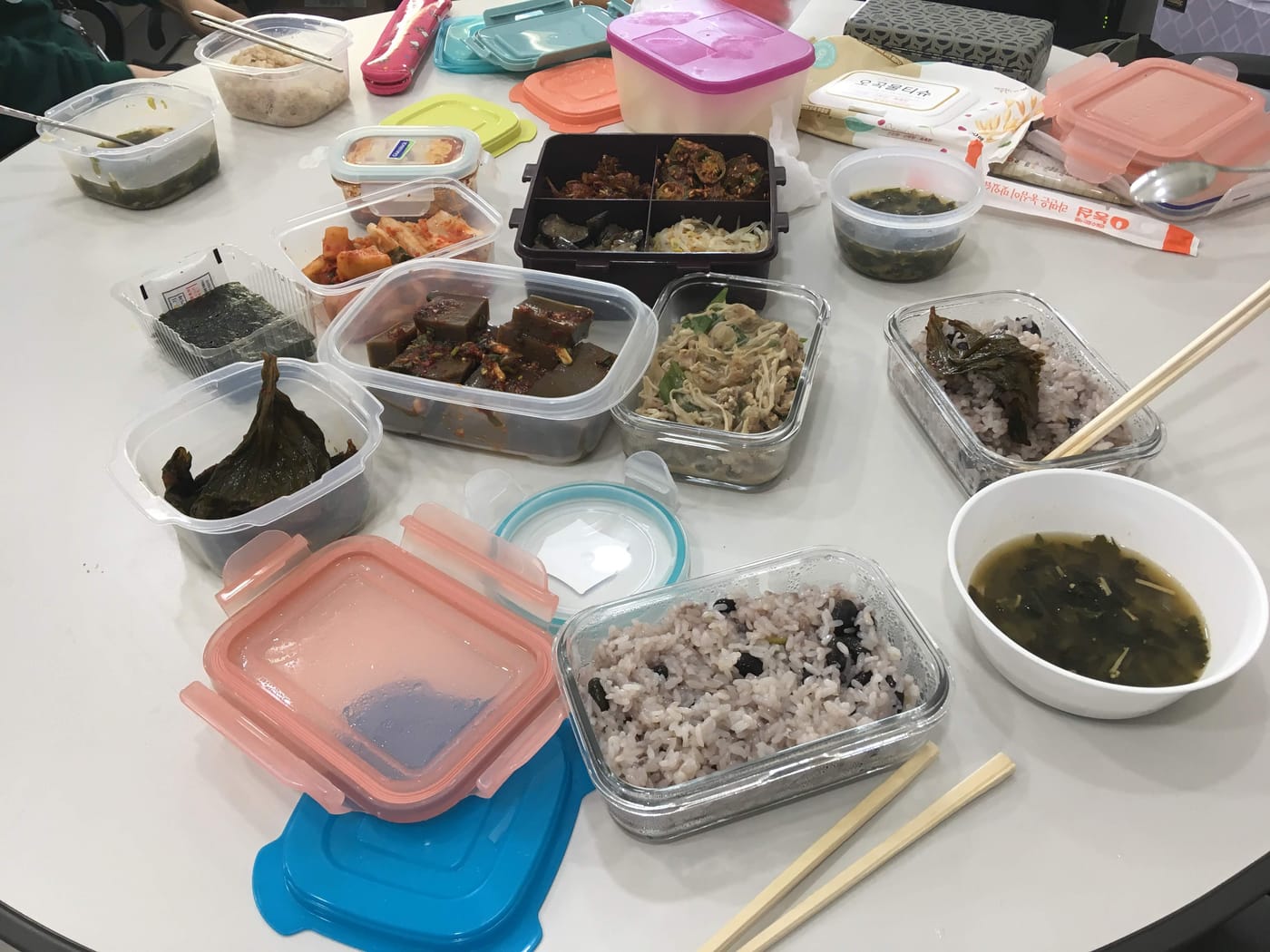
The image most Koreans carry is the 양은 도시락, the thin aluminium box. In winter it went on the classroom's coal stove, stacked in layers, and the ones at the bottom crisped the rice into 누룽지. Getting a bottom spot was worth arguing over.
That is also where the shaking comes from: rice, kimchi, a fried egg, sausage and shredded gim in a metal box you close and shake so everything mixes. Retro restaurants sell exactly this today, and the shaking is the point of the meal, not a joke about it.
Build the base first: As an Amazon Associate, EpicKor may earn from qualifying purchases. The dosirak habit only survives if rice and gim are easy — compare seasoned gim lunchbox packs and Korean instant rice before buying containers you will not fill.
혜자 and 창렬: Two Words From a Lunchbox
Here is the part that shows how much the convenience-store box matters in Korea. It changed the language.
혜자. GS25 sold a line of lunchboxes called 혜자도시락, fronted by the veteran actress Kim Hye-ja (김혜자). The boxes were cheap and unusually generous, and her public image is warm and maternal. 혜자스럽다 became ordinary Korean for "far better value than you paid for."
창렬. In 2009 a convenience store sold an instant-food product branded 김창렬의 포장마차, after the singer Kim Chang-ryeol. From around 2013 the complaints spread online — the packaging promised more than the contents delivered — and 창렬하다 became the word for something whose value is insultingly poor.
Both are now general-purpose. Koreans use 혜자 and 창렬 about hotel breakfasts, phone plans, festival tickets, anything. Two celebrity lunchbox endorsements permanently entered the language as the words for good and bad value — and they only make sense because the convenience-store dosirak is something the whole country buys and judges.
If you want to understand Korean value language, that is the fastest route in.
What a Convenience-Store Dosirak Costs
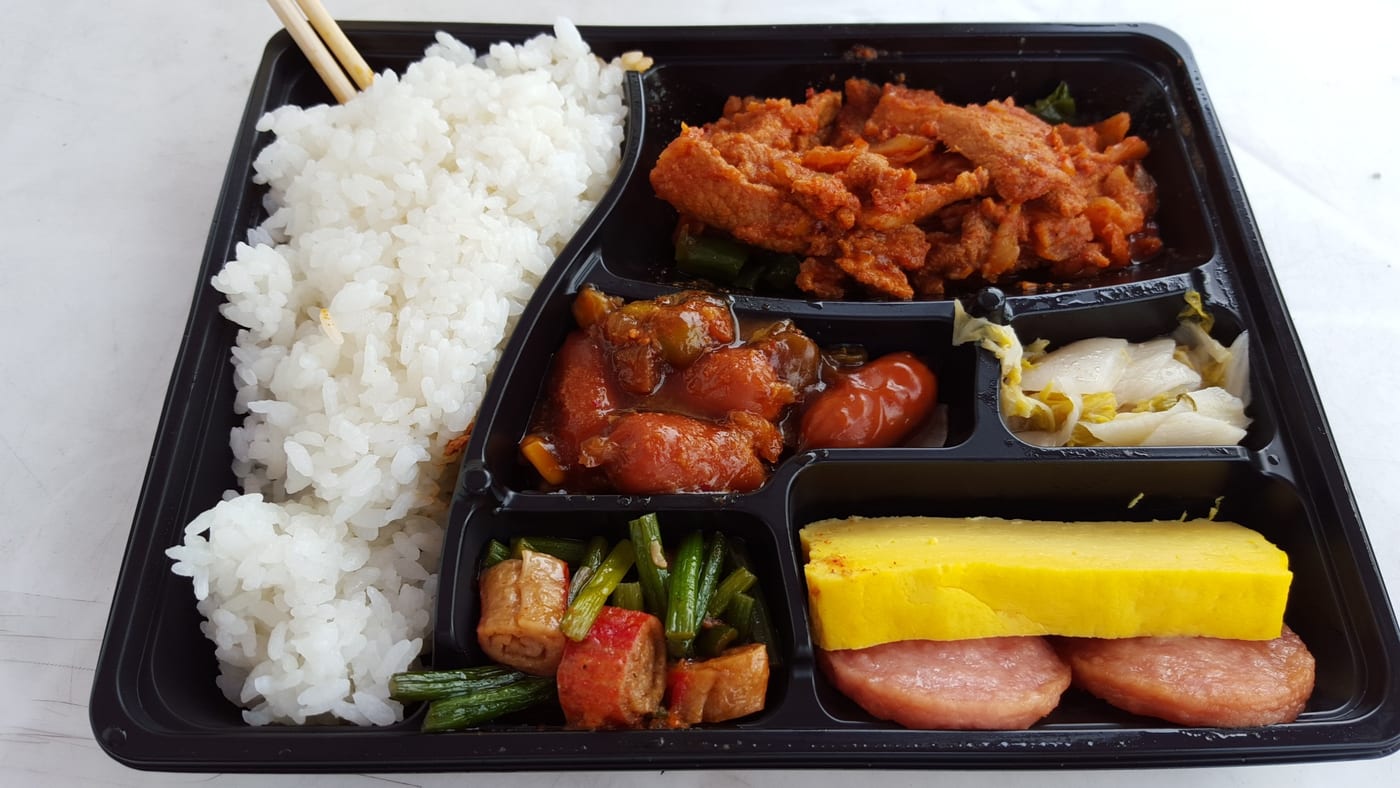
As of 2026, a convenience-store dosirak runs roughly ₩4,000–6,000. Prices rose through 2025 and 2026 across all three chains.
Korean comparisons put the chains slightly differently, and the rough consensus is:
| Chain | Reputation | Typical framing |
|---|---|---|
| CU | Value and balance | Widest variety, most even composition |
| GS25 | Trend-led | Main-dish-forward, strong value line |
| 7-Eleven | Premium | Best main dish, higher overall finish |
They discount aggressively and often at the same time. In April 2026, for example, CU ran 50% off ready meals with Toss Pay, GS25 halved a ₩5,900 box, and 7-Eleven ran a QR promotion on its 동행도시락 range. If you are in Korea for a while, checking the app before you buy is worth more than picking the "best" chain.
Where to Actually Build One in Seoul
If you want to do the thing rather than read about it, Tongin Market (통인시장) in Jongno runs a dosirak café where you assemble your own box from the market stalls.
It works on brass coins. You buy 엽전 — ₩500 each, ten for ₩5,000 — take an empty tray, and walk the market paying stallholders in coins for whatever you want in it. Rice is collected at the café; the sides come from the vendors.
| Detail | |
|---|---|
| Where to exchange | 통인시장 고객만족센터, 2nd floor — 서울 종로구 자하문로15길 18 |
| Coin price | ₩500 each; ₩5,000 for ten |
| How much to buy | Ten coins is enough for one person |
| Hours | Weekdays 11:00–15:00, weekends 11:00–16:00 |
| Closed | Every Tuesday and the third Sunday |
| Paying by card | Pay on the 2nd floor, then show the receipt on the 1st floor to collect coins |
Two things worth knowing before you go. The card route is a two-floor errand, so allow for it rather than discovering it at the counter. And the closing days catch people out — a Tuesday trip to Tongin Market for this specifically will fail.
Tongin Market is a short walk from Gyeongbokgung Station (Line 3), so it slots naturally into a palace morning. The market's other signature is 기름떡볶이, oil-fried tteokbokki, which is a different dish from the red soupy kind most visitors expect — our tteokbokki guide explains the split.
Copy the Architecture, Not the Menu
The convenience-store box is a genuinely good teaching object. Look at what it always has:
- a large rice section
- several small sides
- one or two proteins
- kimchi or a pickled item
- a sauce or seasoning layer
- packaging designed for a microwave
You do not need those exact foods. Copy the structure.
At home that might be rice, gim, leftover chicken, egg, cucumber and kimchi. Vegetarian: rice, gim, tofu, mushroom, spinach, pickles, sauce. Fast version: instant rice, seaweed snacks, canned tuna, a boiled egg, one side.
The question that decides everything: does each side help the rice? If not, you have a snack tray, not a dosirak.
Rice and Gim Are the Whole Base
밥 (rice) is the anchor. Cook it slightly firmer than you would for a hot meal — lunchbox rice sits for hours and softens.
김 (gim) is the piece foreigners under-use. Seasoned lunchbox packs exist precisely for this, and gim does three jobs at once: salt, texture, and a way to pick up rice without a sauce. Our Korean seaweed snack guide covers which cut to buy.
Then two or three 반찬. Egg in some form, one vegetable, one salty or pickled thing. That is a complete dosirak. Adding a fourth side usually makes it worse, not better.
For the sauces that make sides possible, the Korean pantry starter kit is the shorter path than buying per-recipe.
Gimbap for Trains and Picnics
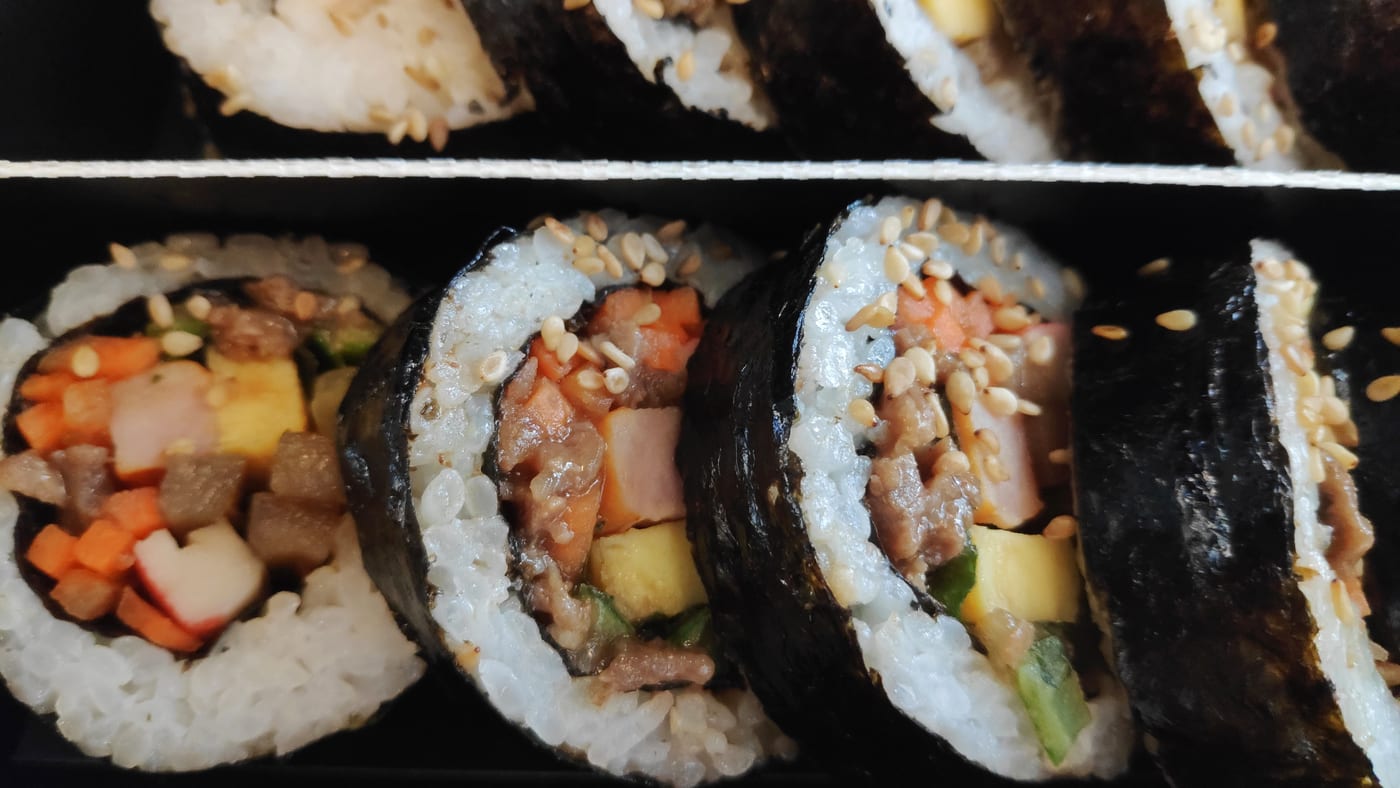
Gimbap is the easiest travel dosirak — the meal is pre-wrapped, so nothing leaks and nothing needs a fork.
The mistake is treating it as durable. Gimbap is a same-day food. It dries out, goes soggy, and in summer heat becomes a genuine safety question. Korean shops make it in the morning for a reason.
For a picnic box: gimbap as the main, fruit or a dry snack, sauces separate, wet tissues, a small bin bag, nothing glass. This is where dosirak connects to the Seoul night picnic guide and the convenience store breakfast guide — in Korea the lunchbox belongs to parks and trains as much as to kitchens.
Containers, Leaks, and the Smell Problem
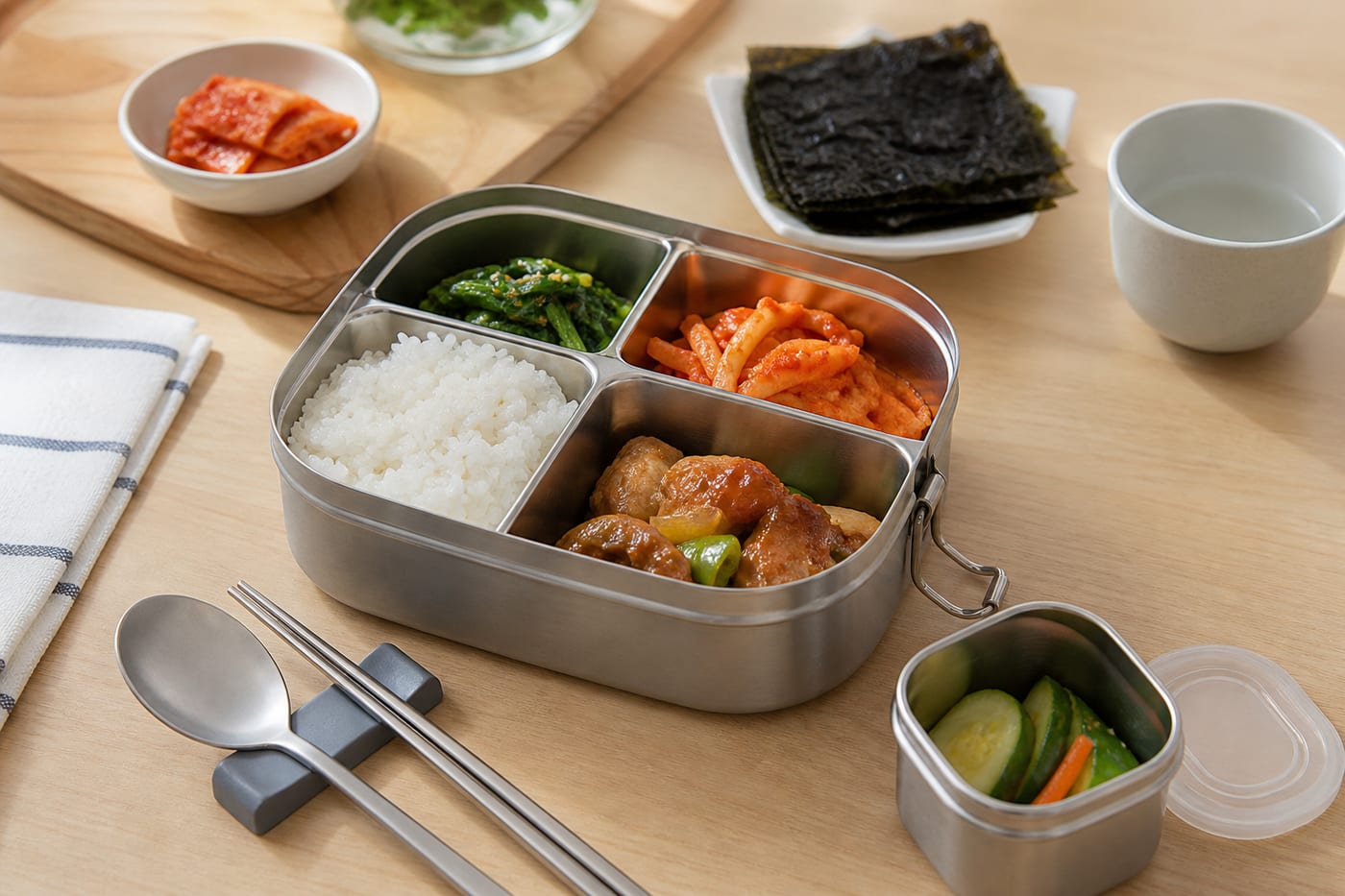
One leak-resistant box beats a beautiful compartment tray. Test the seal with water before you trust it with kimchi juice.
Kimchi is the real constraint. It leaks, it stains, and it announces itself in a shared office. Either give it its own small sealed cup or accept that today's lunch is a shaken box eaten somewhere forgiving.
The shaken style specifically works when you will eat soon, the box stays upright, and smell is not a social problem. It fails on a long commute, in a shared desk area, or when you wanted the gim to stay crisp.
What to Buy First
Do not buy everything at once. Start with rice or instant rice, gim lunchbox packs, eggs, one easy protein, one vegetable side, and one leak-resistant container.
Second stage, only if the habit sticks: a rice cooker, a thermal case, a kimchi container, sauce cups, a gimbap mat.
The Korean rice cooker guide covers whether a cooker earns its counter space. Do not buy one because a lunchbox looked good online. Buy it if rice becomes weekly.
The container decision: Kimchi is what breaks a lunchbox, so compare leak-resistant lunch containers and Korean stainless spoon and chopstick sets before adding compartments you will not use.
See Korean stainless spoon and chopstick sets on AmazonSources
The 혼분식 장려운동 dates, the 25% restaurant requirement and the 30% school inspection threshold come from the Encyclopedia of Korean Culture entry on 혼분식장려운동 and the National Archives of Korea. School-meal coverage dates are from the Encyclopedia of Korean Culture entry on 학교급식. The origins of 혜자 and 창렬 are documented in Bizhankook's piece on celebrity marketing in Korean retail. Tongin Market coin prices, hours and closing days are from the Seoul Metropolitan Government's own market feature.
Convenience-store prices and promotions change constantly. Treat the figures here as 2026's range, not a fixed price list.
FAQ
Q: Why could a teacher stop a Korean student eating their own lunch?
A: Because of the 혼분식 장려운동, the government campaign to reduce rice consumption. Administrative orders ran annually from 1967 to 1976 and were lifted in 1977. Schools enforced it through 도시락 검사 — lunchbox inspections — and in the early 1970s a box that was not at least 30% mixed grain could be barred. Restaurants had a parallel rule requiring at least 25% barley or noodles in rice.
Q: Do Korean students still bring dosirak to school?
A: Generally no. 급식, school-provided meals, expanded from 1993, covered every elementary school by 1998, and were fully implemented nationwide by 2003. Home lunchboxes now appear mainly for field trips, exams, picnics and work — which is why dosirak reads as nostalgia in Korea rather than routine.
Q: What do 혜자 and 창렬 mean?
A: 혜자 means excellent value, 창렬 means terrible value, and both came from lunchboxes. GS25's 혜자도시락 line used actress Kim Hye-ja and was known for generous portions at a low price. A 2009 convenience-store product branded 김창렬의 포장마차 drew complaints from around 2013 that the contents did not match the packaging. Koreans now use both words about anything they buy.
Q: How much is a convenience-store dosirak in Korea?
A: Roughly ₩4,000–6,000 as of 2026, up over the past two years. All three major chains discount heavily and often simultaneously — in April 2026 CU ran 50% off ready meals with Toss Pay, GS25 halved a ₩5,900 box, and 7-Eleven promoted its 동행도시락 range. Check the chain's app before buying.
Q: Is dosirak the same as Japanese bento?
A: They share the idea and differ in execution. A Korean dosirak is built around rice plus 반찬 — gim, kimchi, egg, one protein — and is generally less concerned with visual separation. The shaken 양은 도시락, where you deliberately mix everything, has no real bento equivalent.
Q: What should go in a first dosirak?
A: Rice, seasoned gim, egg in some form, one vegetable side, and one salty or pickled item. Three sides is usually the ceiling. Test the container's seal with water before trusting it with kimchi.
Q: Why do people shake a Korean lunchbox?
A: It comes from the aluminium 양은 도시락 heated on classroom coal stoves. With rice, kimchi, egg, sausage and shredded gim inside, closing the lid and shaking mixes everything and coats the rice. Retro restaurants in Korea serve it this way on purpose today.
You Might Also Like
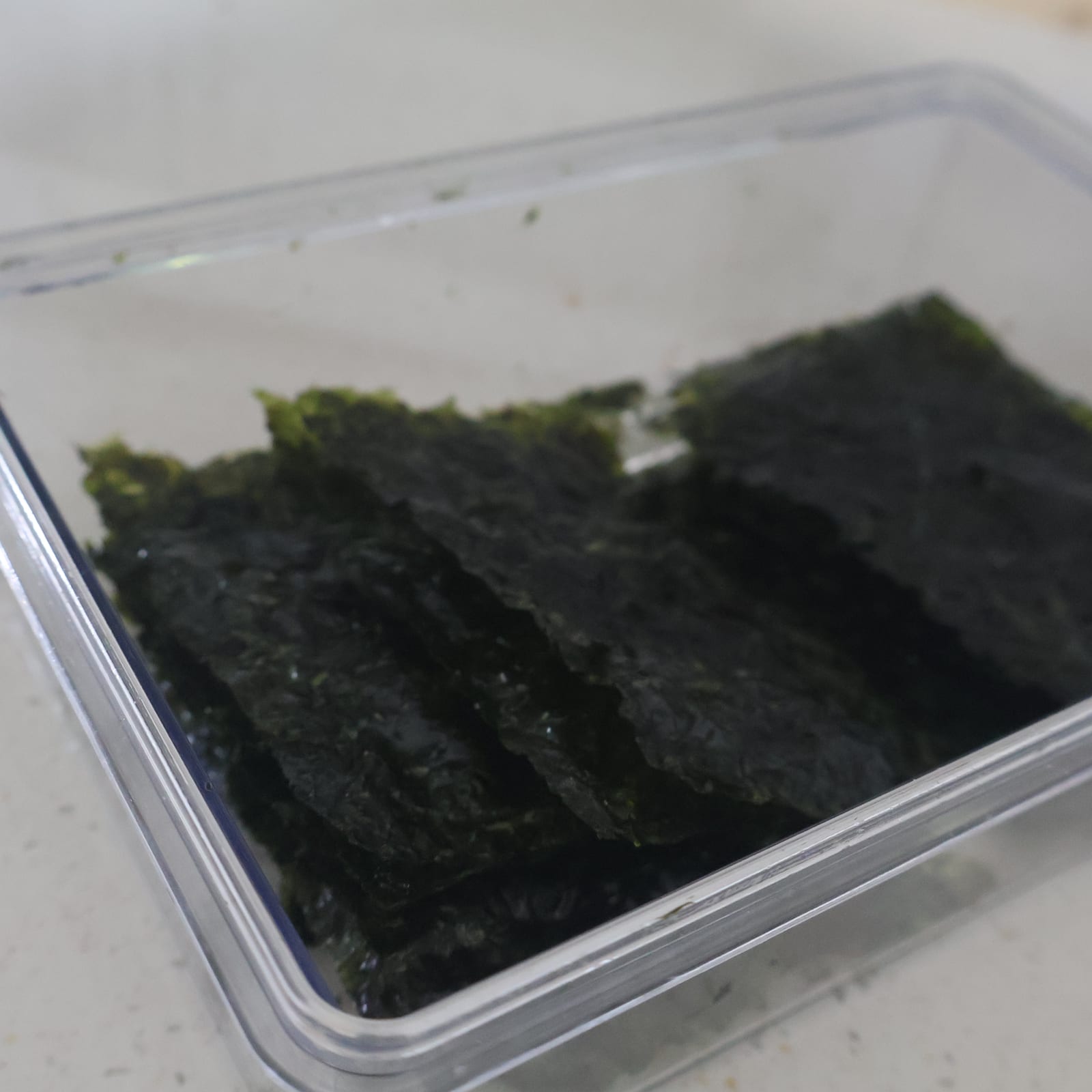
Korean Seaweed Snacks: Gim Is Called the Black Semiconductor, and the Price Doubled
Korea calls gim the black semiconductor. Production value jumped 90% in a year, exports passed $997 million, the wholesale price doubled in 2024, and Korea is now writing the CODEX world standard for it. What to buy, in Korean, and what it costs now.
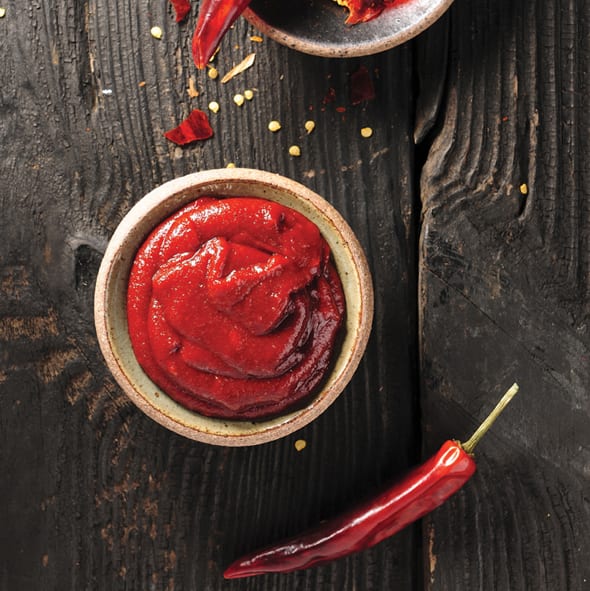
Korean Pantry Starter Kit: Gochujang Has a Printed Heat Number, and Nobody Tells You
Korea standardised gochujang spiciness in 2010 and prints the grade on the tub, so you can buy heat by number. Plus which of Korea's three soy sauces you actually need, and why jang prices jumped 16.8% this year.
Postick: The Korean Snack That Used to Come With a Ketchup Packet
Postick (포스틱) has been on Korean shelves since 1980, it is only 23% potato, and it shipped with a ketchup sachet until the sachet got too expensive. What it costs now, and the ramyun-powder trick Koreans use on it.