Opening a Bank Account in Korea as a Foreigner: ARC, Mobile ARC and the ₩1 Million Limit Account
Last updated: 10 November 2026. Limits and the mobile-ARC bank list come from Financial Services Commission (금융위원회) press releases. Bank requirements come from the banks' own Korean-language pages and press releases, each dated in the sources at the end. ₩1,334 = US$1 (Fed H.10 rate for 30 October 2026). This is a guide, not financial advice. Branch practice varies, and a branch can always ask you for more.
Can a foreigner open a bank account in Korea? Yes. The standard route is your alien registration card (외국인등록증, the ARC), your passport and a Korean phone in your own name, at a branch counter. What surprises most newcomers is the account they come away with. Unless you can prove why you need it, usually with a salary document, a new Korean account opens as a limit account (한도제한계좌, handojehan gyejwa). On that account you can move at most ₩1,000,000 a day (about US$750) by app, internet banking or ATM, and ₩3,000,000 (about US$2,250) at a branch counter. The Financial Services Commission set those figures from 2 May 2024.
Two things have changed since most English guides were written. From 21 March 2025 the mobile ARC on your phone counts as ID for opening an account. Six banks accepted it at launch. KB Kookmin Bank's own guide, written as of 29 May 2026, also lists it for its app. And several banks now let you register your details or book a branch visit before you land, which shortens the first visit.
What no regulator or bank page we read promises is an ordinary everyday account for a short-stay visitor with no ARC. We say so plainly below. You will also find out what the law does allow non-residents to open, and why a tourist usually does not need an account at all.
A first bank visit in Korea needs your passport, ARC, lease or employment papers and sometimes a school letter, all at once. One zipped wallet keeps them together: Valante travel document organizerAffiliate link. As an Amazon Associate, EpicKor earns from qualifying purchases at no extra cost to you.
Quick Guide: opening a Korean bank account, November 2026
| Question | Short answer (sources at the end) |
|---|---|
| What ID do I need? | ARC (or permanent residence card, or domestic residence report card for overseas Koreans) plus passport. KB's app explicitly says a foreign passport or driving licence cannot be used |
| Does the mobile ARC work? | Yes, since 21 March 2025. At launch: at the counter at Shinhan, Hana, iM Bank, Busan, Jeonbuk and Jeju; online only at Jeonbuk. KB's app guide (as of 29 May 2026) also accepts mobile ID |
| Do I need a Korean phone? | For any app opening, yes. KB says a phone on a foreign carrier or a prepaid SIM is hard to verify. The mobile ARC itself needs a smartphone in your own name |
| What is a limit account? | A new account opened without proof of purpose. Daily cap: ₩1,000,000 app/internet, ₩1,000,000 ATM withdrawal, ₩1,000,000 ATM transfer, ₩3,000,000 at the counter (from 2 May 2024) |
| How do I lift it? | Show the purpose: employment certificate, payslip, health-insurance qualification certificate or income-tax withholding receipt for a salary account. The branch may ask for more or refuse |
| No ARC yet? | Ask about a non-resident won account (비거주자 원화계정). Woori's product page lists non-residents as eligible. No bank page we read promises one to a tourist |
| Just visiting? | You probably don't need an account. A transit card, cash exchanged in town and the card from home cover a normal trip |
| Help line | Financial Supervisory Service consumer line 1332 |
Sooez 13-pocket expanding file folder: one place for every document a Korean bank asks for. Lifting a limit account means showing paper: an employment certificate, payslips, a health-insurance certificate, your lease. Branches can ask for more on the day, and the visit goes faster when everything is already sorted. As an Amazon Associate, EpicKor earns from qualifying purchases at no extra cost to you.
See the Sooez file folder on AmazonWhy Korean banks ask so much: real names and burner accounts
Korean banks are not being difficult for its own sake. Two rules sit behind every question at the counter.
The first is real-name banking (금융실명제). Since 1993 every Korean account must be opened under a verified real name, checked against an official ID. For a foreigner, that check runs on the passport and, once you register, the ARC. The law came out of a 1982 fraud scandal that we tell in full in Why Korea Has a Real-Name Banking Law.
The second is the campaign against burner accounts (대포통장, daepo tongjang). These are accounts opened in one person's name and sold or rented to phone-scam gangs. Banks answer this by checking the purpose of every new account. If the purpose cannot be shown, the bank opens a limit account instead of refusing outright. Hana Bank's FAQ makes the same point about business accounts: because of the anti-burner-account policy, a branch may ask for supporting documents beyond the basic ones.
So a full-limit account depends less on your nationality than on whether you can show a reason Korean banks recognise: a job, a pension or a business. A student with no Korean income will usually start on a limit account, and so will a newly arrived worker before the first payslip.
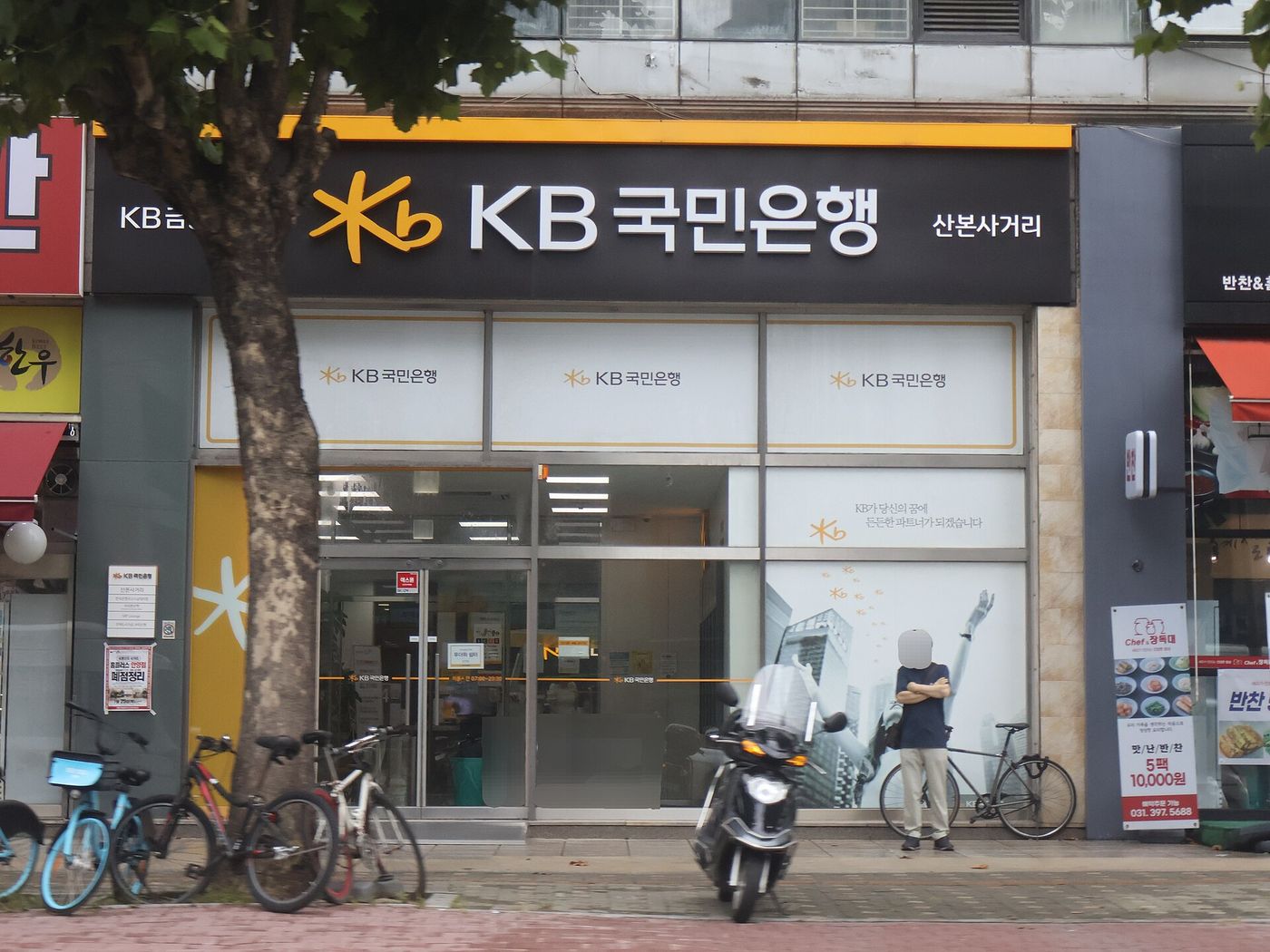
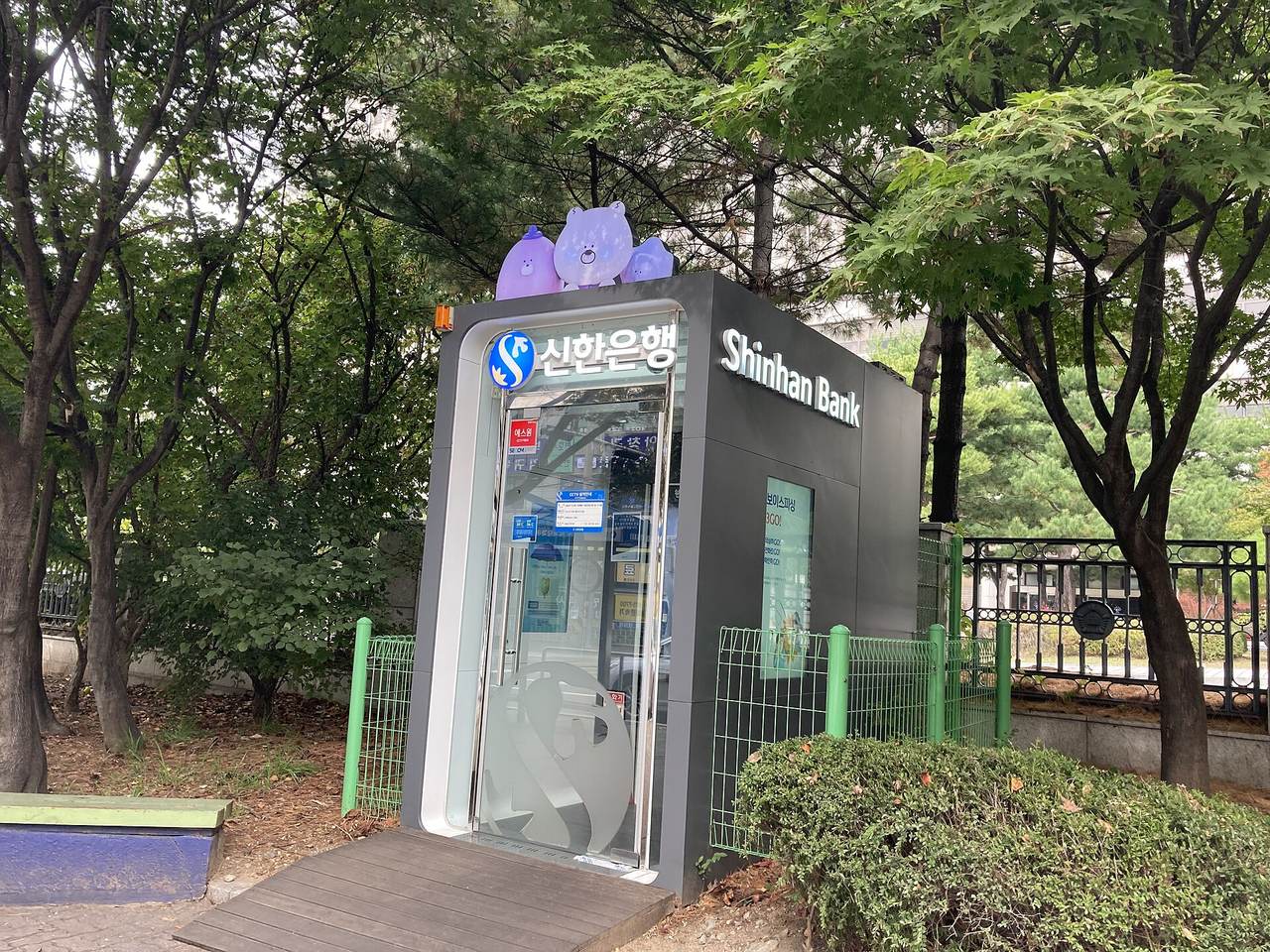
The bank-by-bank table: what each one says it offers foreigners
Every row below comes from that bank's own page or press release, or from the FSC list. Where a cell says "not stated", we could not find it in a bank or regulator source. It does not mean the bank refuses.
| Bank (Korean name) | Foreigner app | Mobile ARC at launch (FSC, 21 Mar 2025) | Before you arrive | What the bank itself says |
|---|---|---|---|---|
| KB Kookmin (KB국민은행) | KB Star Banking | Not on the March 2025 list. Its app guide (as of 29 May 2026) accepts mobile ID | Not stated | App opening for foreign residents aged 19+, with an ARC, permanent residence card or residence report card. Needs a Korean-carrier phone in your name and an existing Korean account in your name. For a first account in Korea, KB recommends talking to branch staff |
| Hana (하나은행) | Hana EZ (16 languages) | Yes, at the counter | QR pre-registration of account details before entry, then open at any branch (from 9 July 2025) | Some foreign customers bank on their passport number and switch to their ARC number in Hana EZ once they register for a stay over 90 days. 17 Sunday branches and a foreigner desk at its Myeongdong "EZ One Center" |
| Shinhan (신한은행) | SOL Global (16 languages, relaunched December 2025) | Yes, at the counter | Not stated | Account opening, exchange and loans in the app for "foreign customers living in Korea". Sign-up cut from 7 steps to 4 |
| Woori (우리은행) | Woori WON Global | Not on the March 2025 list | Book a branch visit in WON Global before you arrive (reported December 2025) | Non-resident won account (비거주자 원화계정) for "temporary deposits during your stay in Korea", withdrawable only in won, with remittance abroad restricted. The page's eligibility line for foreign-currency deposits names non-residents and individual foreign residents |
| iM Bank (아이엠뱅크, ex-DGB Daegu) | Not checked | Yes, at the counter | Not stated | Not stated |
| Busan Bank (부산은행) | Not checked | Yes, at the counter | Not stated | Not stated |
| Jeonbuk Bank (전북은행) | Not checked | Yes, at the counter and online. The only bank on the list for non-face-to-face opening | Not stated | Not stated |
| Jeju Bank (제주은행) | Not checked | Yes, at the counter | Not stated | Not stated |
| IBK Industrial Bank (IBK기업은행) | Not checked | Not on the March 2025 list | Not stated | We found no official page for individual foreign customers. Ask the branch |
How to read it. If you are in Seoul and want English or your own language in the app, the realistic first choices are Hana, Shinhan, Woori and KB. All four run a foreigner-specific app. If you want the mobile ARC to work at the counter, the March 2025 list gives you Shinhan or Hana among the big Seoul banks. If you live in Daegu, Busan, Jeonbuk or Jeju, your regional bank was on that list too.
You might like: Korea ARC Fee: ₩35,000 and Every Immigration Fee in One Table
The ₩ limits on a limit account (한도제한계좌)
This is the part most English guides get wrong or leave out. The FSC raised the limits on 2 May 2024. Hana, NH and Busan Bank were set to apply them from 10 May 2024, and the smaller co-operative lenders by 28 August 2024. KB's guide, written as of 7 September 2026, still lists the same figures.
| Channel (per day) | Before 2 May 2024 | From 2 May 2024 | In US dollars (₩1,334 = $1) |
|---|---|---|---|
| Internet / mobile / phone banking transfers | ₩300,000 | ₩1,000,000 | about $750 |
| ATM cash withdrawal | ₩300,000 | ₩1,000,000 | about $750 |
| ATM transfer | ₩300,000 | ₩1,000,000 | about $750 |
| Branch counter | ₩1,000,000 | ₩3,000,000 | about $2,250 |
| Internet-only banks | Unchanged: ₩1,000,000–₩2,000,000 for ATM and electronic | about $750–$1,500 | |
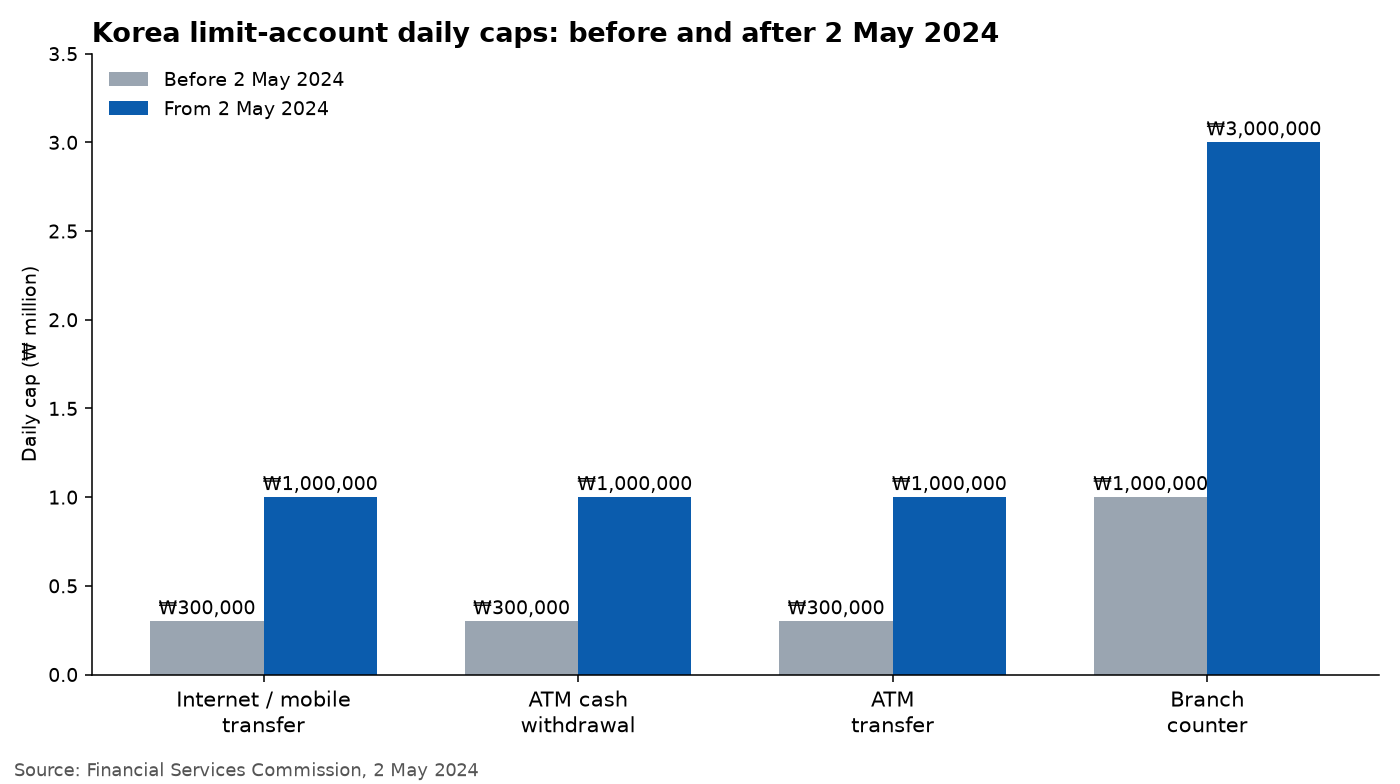
What ₩1 million a day means in practice. Rent is the problem. A Seoul officetel averages ₩949,000 a month (our rent guide). That fits under one day's app limit, but a deposit does not. If your landlord wants a ₩5 million or ₩10 million deposit by transfer, a limit account cannot send it in one go. You will either queue at the counter for ₩3 million a day or lift the limit first. The same applies to tuition at a language school (fees here) and to the first month of anything paid in bulk.
Older accounts. KB notes that accounts opened on or before 1 March 2016 keep the old ₩700,000 limit for ATM and transfers, while accounts opened from 2 March 2016 get the higher limits above. That will not affect a newcomer, but it explains why a Korean friend's numbers may differ from yours.
How to lift the limit
The FSC's own examples of purpose documents for a salary account are a health-insurance qualification certificate (건강보험자격득실확인서) and an earned-income withholding receipt (근로소득원천징수영수증). For a pension account, they are a pension certificate or a recipient confirmation. The FSC adds two cautions. Banks can ask for more, and the documents differ from bank to bank. If you consent, some details can be pulled automatically through public MyData (공공 마이데이터), which saves printing paper.
KB's own list is longer. For a salary account it names an employment certificate (재직증명서), payslip (급여명세표) or withholding receipt. A business account needs supply contracts, tax invoices or a tax-payment certificate. A club or group account needs a member list and rules. KB also says plainly that the branch can ask for more and can refuse.
KB also offers a no-visit route, but it is not automatic. Customers aged 15 and over can apply to lift the limit in the KB app or on its website once the account has received three consecutive months of salary deposits of at least ₩1,500,000 each (counted per deposit, as of the end of the previous month). In other words, if your employer pays your salary into a KB limit account, you can apply online after three qualifying paydays instead of going back to the branch.
What a student can do. Neither the FSC nor KB lists a student-specific document. If you have a part-time job, your payslips and a withholding receipt are the strongest proof. If you do not, plan for the ₩1 million and ₩3 million caps for the time being. Your health-insurance status is covered in Korea Health Insurance for Foreigners.
You might like: Korea Minimum Wage 2027: ₩10,700 an Hour, ₩2,236,300 a Month
Step by step: from landing to a working account
1. Before you fly (optional, saves a visit). Hana lets you register the details for an account by QR code before entry. Its branches can see them when you arrive (launched 9 July 2025, 16 languages). Woori lets you book a branch visit in its WON Global app before arrival. Neither service opens the account for you. They shorten the first visit.
2. Register within 90 days. If you will stay more than 90 days, you must apply for an ARC at your local immigration office within 90 days of entry. The fee is ₩35,000. Our ARC fee guide has the full rules and fines. The ARC is what turns most bank doors from "maybe" into "yes".
3. Get a Korean phone in your own name. KB's guide says a phone on a foreign carrier or a prepaid SIM is hard to verify for app sign-up. The FSC says the mobile ARC needs a smartphone in your own name. In practice the phone contract comes first, then the full app account.
4. Go to a branch with your ARC, passport and purpose document. The City of Incheon's guide for foreign residents describes the basic visit: fill in an application and show your passport and ARC. KB recommends that first-time account holders in Korea talk to branch staff, though its app can open an account too. Bring whichever purpose document you have: an employment contract or certificate, a school letter or your lease. If you have none, expect a limit account.
5. Add the mobile ARC (optional). Install the government "대한민국 모바일 신분증" (Korea Mobile ID) app. Then tap your IC-chip ARC to the phone, or issue the mobile card by scanning a QR code. The FSC says any registered foreigner aged 14 or over with a smartphone in their own name can get one. It then works as ID at the banks above. It means you can leave the plastic card at home. It does not let you bank before your card exists, because you need the physical card, or a QR code, to issue it.
6. Switch to the app. With a Korean phone and a first account, KB's app can open further accounts for residents aged 19 and over. It needs an existing Korean account number in your name, from any bank. Hana EZ and Shinhan SOL Global are built for the same move. Hana EZ also lets passport-number customers switch to their ARC number without a branch visit.
7. Designate a foreign-exchange bank if you will send money home. KB explains that regular transfers abroad of Korean earnings, such as a foreign worker's salary, need a designated foreign-exchange bank (거래외국환은행 지정). Since January 2026, transfers without supporting documents up to US$100,000 a year no longer require that designation. Regular salary remittances still do.
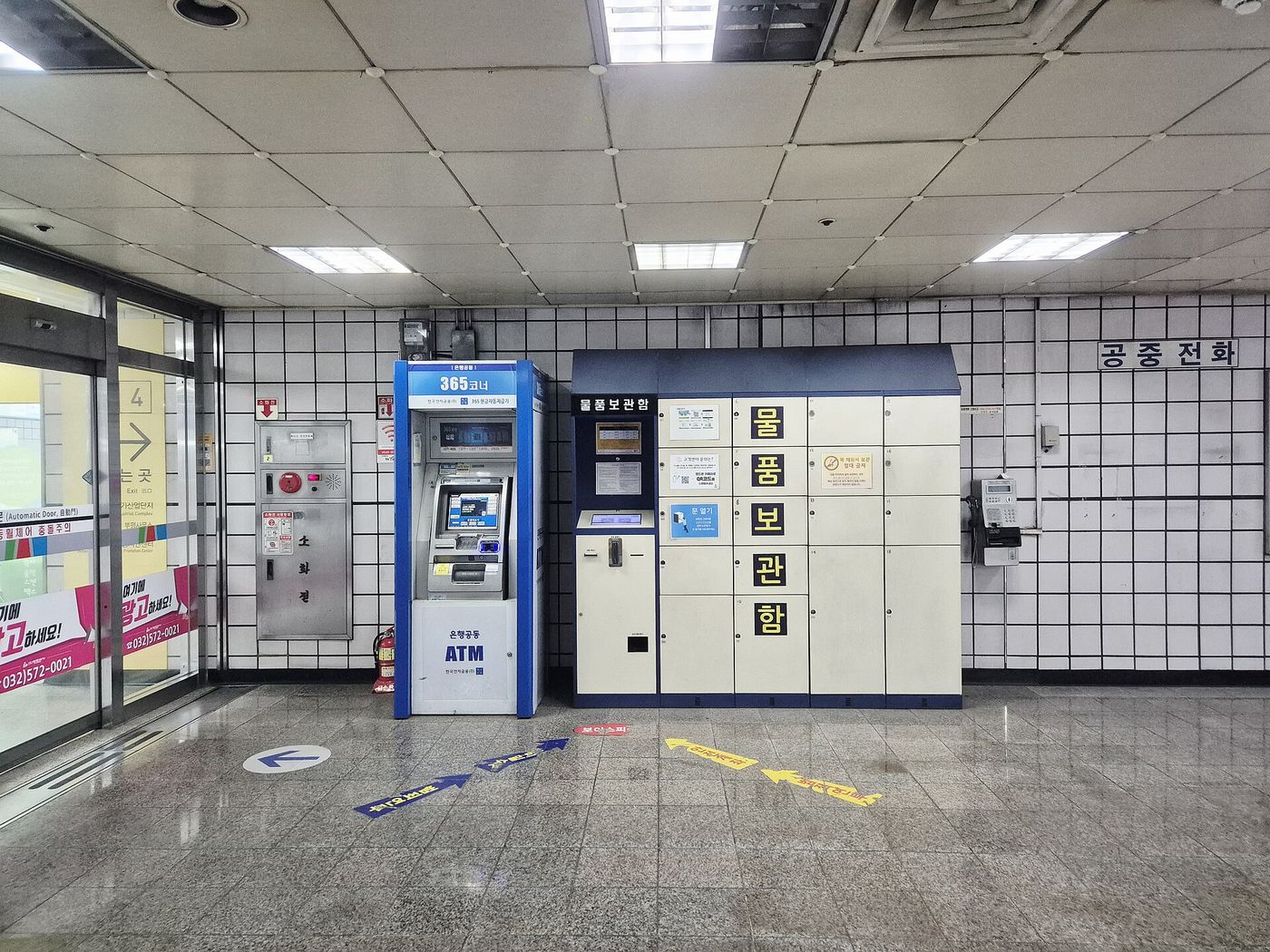
No ARC yet, or just visiting? What the sources do and do not say
What we could confirm. Korea's foreign-exchange rules have a separate account type for people who are not Korean residents: the non-resident won account (비거주자 원화계정). Woori Bank's product page describes it as an account for "temporary deposits during your stay in Korea", funded with won obtained in Korea. The same page's eligibility line for foreign-currency deposits names non-residents and individual foreign residents. You can withdraw it only in won, and sending the balance abroad is restricted apart from interest.
Hana's 2024 press release also shows that some foreign customers bank on their passport number before they register for a stay over 90 days.
What we could not confirm. No FSC or FSS release, and no bank page we read, says that a tourist on a short stay can walk in with a passport and leave with an ordinary everyday account. KB's guide covers only its app, and says a foreign passport cannot be used there. It says nothing about passports at a branch. The FSC's mobile-ARC release is written for "registered foreigners" only. Several English guides say "Hana sometimes opens passport-only accounts". We could not trace that to any Hana page, so we do not repeat it as fact.
What to do with that. If you will be in Korea for weeks, not months, and have a concrete reason, such as a short contract paid in won, ask a branch about a non-resident won account. Bring your passport and the document behind that reason. Expect the purpose check, and possibly a refusal. If you cannot say what the account is for, it may not open, whatever your visa.
The honest counterpoint: most visitors don't need a Korean account
If you are here for under 90 days, you cannot get an ARC, and you probably do not need an account.
- Paying in shops and restaurants. A Visa or Mastercard from home works at most Korean card terminals. Our Korea payment guide covers the exceptions, and why your bank card will not open subway gates until the end of the decade.
- Transit. Load a T-money card or a WOWPASS (both in the same guide), or the Seoul Climate Card (prices). None of them needs a Korean account.
- Cash. Change money in town, not at the airport. Incheon's counters charge a 4.20% spread against 1.75% at an ordinary city branch (details).
- A card from home that holds won. Fintech multi-currency cards such as Wise or Revolut let you hold or convert to won before you spend. Check your card's own fee and ATM terms before you rely on it. We do not quote them, because they change and differ by country.
- Lottery winnings and similar one-offs pay out against a passport (our lottery guide). Shipping home does not need a Korean account either (EMS guide).
- Leaving Korea for good. The national pension lump-sum refund can go to a Korean or overseas bank account, or be paid in cash at the airport (pension refund). Severance for a foreign worker on a work visa who leaves the country is paid as cash; the IRP pension-account route applies only to those who stay (severance pay).
Where a Korean account does matter: renting (rent guide), being paid by a Korean employer, and long-term rentals that need a Korean card or account, such as the bidet rentals in our bidet guide.
You might like: Korea's Digital Nomad Visa (F-1-D): what it costs to work remotely from Seoul
What this guide cannot tell you
- Branch discretion is real. Every bank says documents "may differ" and that the branch can ask for more. Two branches of the same bank can give different answers on the same day.
- The mobile-ARC list has grown since launch. The FSC promised to extend it, and KB's app now accepts mobile ID. We did not find an updated official list for every bank. Ask before you rely on the phone alone.
- Regional banks and IBK. We could not find official foreigner pages for iM Bank, Busan, Jeonbuk, Jeju or IBK. Their rows show only what the FSC said.
- The short-stay question is open, as explained above. If a bank or the FSS publishes a clear answer, we will add it here.
FAQ
Q: Can I open a bank account in Korea without an ARC?
A: Not an ordinary app account. KB's app requires an ARC, a permanent residence card or a residence report card, and rejects a foreign passport. Korea's foreign-exchange rules do allow a non-resident won account. Woori's product page describes it as an account for temporary deposits during a stay, and its eligibility line for foreign-currency deposits names non-residents. Whether a branch opens one for you depends on the purpose you can show. No regulator source promises it to tourists.
Q: Which Korean banks accept the mobile ARC?
A: From 21 March 2025, at the counter: Shinhan, Hana, iM Bank, Busan, Jeonbuk and Jeju. Online: Jeonbuk only (FSC). KB's app guide, written as of 29 May 2026, also accepts mobile ID. The mobile ARC is issued from your physical ARC, so it never comes first.
Q: What is the limit on a Korean limit account?
A: Since 2 May 2024: ₩1,000,000 a day by internet or mobile banking, ₩1,000,000 by ATM withdrawal, ₩1,000,000 by ATM transfer and ₩3,000,000 at the counter. Internet-only banks stay at ₩1–2 million.
Q: How do I remove the limit on my Korean bank account?
A: Prove the purpose. For salary, that means an employment certificate, payslip, health-insurance qualification certificate or withholding receipt. The branch can ask for more or refuse. KB also lets customers aged 15 and over apply to lift the limit in its app or on its website after three consecutive months of salary deposits of at least ₩1,500,000 each. It is an application, not an automatic unlock.
Q: Do I need a Korean phone number to open a bank account?
A: For app opening, yes. KB says a foreign-carrier phone or a prepaid SIM is hard to verify. The mobile ARC also needs a smartphone in your own name. At the counter, bring your ARC and passport. The bank will still need a way to reach you and to set up mobile banking.
Q: Which bank is best for foreigners in Korea?
A: There is no official ranking. Hana (Hana EZ), Shinhan (SOL Global), Woori (WON Global) and KB (Star Banking) all run foreigner apps. Hana EZ and SOL Global support 16 languages. Hana runs 17 Sunday branches. Pick the one with a branch near your home or workplace, and ask your employer or school which bank it pays into.
Sources
- Financial Services Commission (금융위원회), press release 20 March 2025: 2025. 3. 21.(금)부터 6개 은행에서 '모바일 외국인등록증'으로 계좌를 개설할 수 있습니다. Banks (counter: Shinhan, Hana, iM Bank, Busan, Jeonbuk, Jeju; online: Jeonbuk), start date, eligibility (registered foreigners 14+ with a smartphone in their own name), issuance by IC tap or QR, plan to extend. Read 10 November 2026.
- Financial Services Commission, press release 2 May 2024: 24.5.2.(목)부터 한도제한계좌의 이체·ATM 거래한도가 30만원에서 100만원으로 상향됩니다. Old and new daily limits, purpose documents, MyData, internet-only banks, Hana/NH/Busan scheduled for 10 May, second-tier lenders by 28 August 2024. Read 10 November 2026.
- KB Kookmin Bank, KB Think (as of 29 May 2026): 외국인 계좌 개설 방법. App eligibility (residents 19+), accepted IDs (mobile ID OK; foreign passport and licence not), Korean-carrier phone, existing Korean account, branch consultation recommended for a first account.
- KB Kookmin Bank, KB Think (as of 7 September 2026): 한도제한계좌. Current limits, accounts opened on or before 1 March 2016, documents to lift, app/web application to lift (15+, salary deposits of ₩1.5 million or more each for 3 consecutive months).
- KB Kookmin Bank, KB Think (as of 4 August 2026): 거래외국환은행 지정. Designation for foreign workers' salary remittances; US$100,000 a year without documents.
- Hana Bank, press notice 4 March 2024: 인증서 다국어 발급 및 외국인 실명번호 비대면 변경 서비스. Passport-number customers switching to their ARC number in Hana EZ.
- Hana Bank, press notice 22 January 2026: Hana EZ 고도화. 16 languages, 17 Sunday branches, Myeongdong EZ One Center.
- Hana Bank FAQ: 자주하는 상품 질문. ARC and residence report card for opening accounts; extra documents under the anti-burner-account policy (business-account entry).
- Hana pre-arrival QR registration, 9 July 2025: Dailian report of Hana's announcement.
- Shinhan Bank, press release 8 December 2025: 신한은행, 외국인 고객 전용 앱 SOL Global 개편. Foreign residents, 16 languages, 4-step sign-up.
- Woori Bank product page: 비거주자의 예금. Foreign-currency deposit eligibility line (non-residents, individual foreign residents), non-resident won account versus free won account, withdrawal and remittance rules.
- Woori pre-visit booking, 1 December 2025: Metro Seoul report.
- City of Incheon, guide for foreign residents: 은행 이용. Application plus passport and ARC.
- Exchange rate: US Federal Reserve H.10, 30 October 2026, ₩1,333.99 per dollar, via FRED (DEXKOUS).
You Might Also Like
Black Friday in Korea 2026: What Actually Goes on Sale (Olive Young, K-Sale Festa) and the Tax-Free Rule That Stacks
Korea's Black Friday runs in early November, not on 27 November: Olive Young's ended 7 Nov, K-Sale Festa ends 15 Nov. What is still on later, and how the ₩15,000 instant tax refund stacks on a sale price.
Korea ARC Fee: ₩35,000 and Every Immigration Fee in One Table
A Korean ARC costs ₩35,000 (about US$26), paid in cash. Register within 90 days of entry or face a fine from ₩200,000. Extensions ₩60,000, 20% off online.

Ice Skating in Seoul, Korea: Lotte World vs Mokdong vs Taereung vs Seoul Plaza Rinks
Lotte World Ice Rink costs ₩21,000 (US$15.44) with skates on a weekday; Seoul's public rinks at Mokdong and Taereung charge about ₩8,000 and open all year. The winter rink on Seoul Plaza, ₩1,000 last season, reopens 18 December 2026.