Why Korea Has a Real-Name Banking Law: The 1982 Jang Young-ja Promissory-Note Scandal
Last updated: 13 October 2026. The 1982 facts come from Korean newspapers of the day, read in the original on Naver News Library: Dong-A Ilbo, Chosun Ilbo, Kyunghyang Shinmun, Maeil Business and Hankyoreh, above all the prosecutors' report to the National Assembly printed on 29 May 1982. Later cases come from Korean court reporting. The real-name rule comes from the Act on Real Name Financial Transactions and its Enforcement Decree. Money from 1981–82 is converted at ₩722 to the dollar (the May 1982 rate); later sums use that year's average rate (the January 2026 ruling, that month's rate). Sources are listed at the end.
Korea Case Files is EpicKor's corner for true stories from Korea, told from the Korean records. This is case No. 1.
On 14 February 1982, Valentine's Day, about 120 guests walked into the Safari Club (사파리클럽) in Hannam-dong, Yongsan-gu, Seoul. Among them were seven sitting members of the National Assembly, two former lawmakers, a former minister, a bank president and a row of company heads. They had come to a wedding.
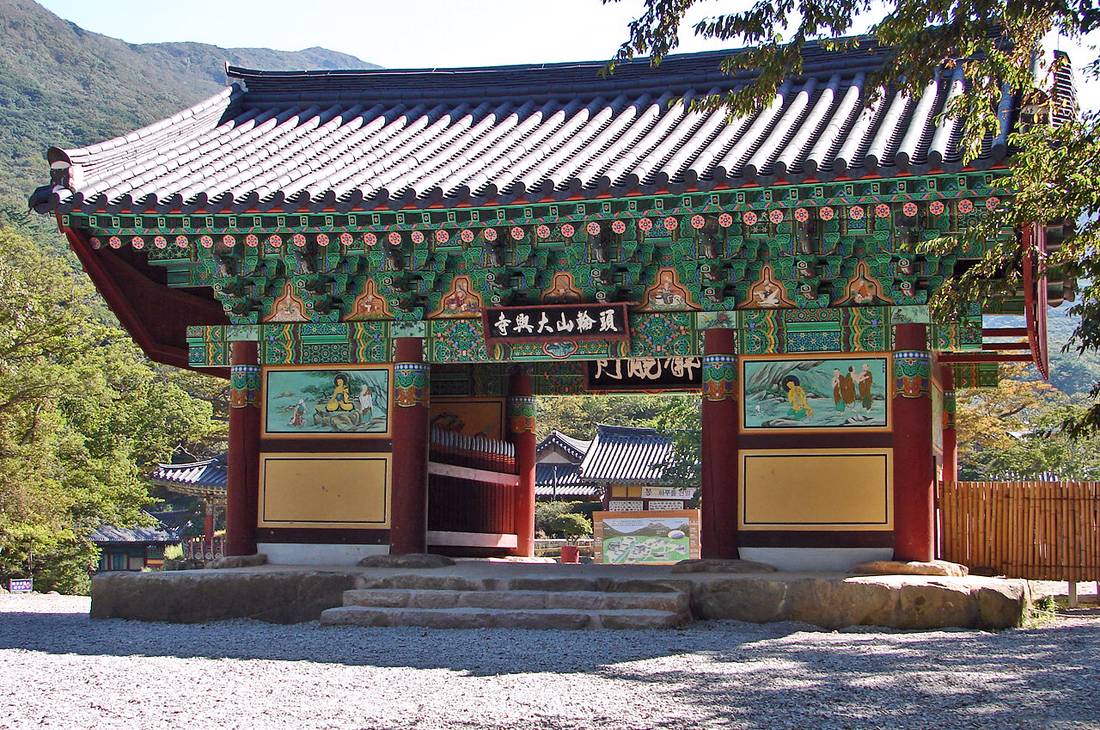
The couple was already married. A year earlier, in January 1981, they had married quietly at Daeheungsa (대흥사), a mountain temple in Haenam at the southern tip of the peninsula, with only relatives present. The temple wedding was for the family. The Safari Club wedding was for the guest list.
The bride was Jang Young-ja (장영자), then 37. Within three months she and her husband were in jail. Within 17 days of their arrest, a construction company and a steel company had collapsed and the president had replaced 11 cabinet ministers. Within five months, Korea's finance minister had announced the law every bank in the country still runs on today: real-name banking (금융실명제).
For the Korea this story happened in: Eugene Y. Park's Korea: A History, one volume from antiquity to the present, on AmazonAffiliate link. As an Amazon Associate, EpicKor earns from qualifying purchases at no extra cost to you.
Quick Guide: the case in numbers
| What | The number | What it means |
|---|---|---|
| Promissory notes that passed through the couple's hands | ₩711.1 billion ≈ $985 million (about $3.4 billion in today's money, approximate) | A running total over 14 months (Feb 1981–Apr 1982), not money held at one time |
| Cash actually raised by discounting them | ₩567.1 billion ≈ $785 million | About 280 times the ₩2 billion ($2.8 million) Jang owned in January 1981 |
| Notes prosecutors called fraud | ₩180.1 billion ≈ $249 million, from six companies | Including a confectionery maker, Haitai |
| Spent on personal consumption | ₩4.9 billion ≈ $6.8 million (0.85%) | Most of the cash went to pay off last month's notes |
| Arrest to cabinet reshuffle | 17 days (4–21 May 1982) | 11 ministers replaced; the finance minister stayed |
| Sentence | 15 years each, confirmed 8 March 1983 | All 32 defendants in the case convicted |
| Real-name banking | Announced 3 July 1982, shelved that autumn, enforced 12 August 1993 | The reason every Korean bank account, including yours, is tied to an ID number |
| Her later convictions | Four more cases (1994, 2000, 2018, 2025), a sixth on appeal | About 34 years behind bars in total |
Korea: The Impossible Country — Daniel Tudor Nothing on Amazon belongs next to a fraud story, so this is the one box in this article: background reading. Tudor, The Economist's former Korea correspondent, explains how Korea's fast growth, its big business groups and its politics fitted together in the decades this case comes from. As an Amazon Associate, EpicKor earns from qualifying purchases at no extra cost to you.
See the book on AmazonThe couple who married twice
Jang Young-ja was born on 25 October 1944 in Mokpo, the port city on Korea's south-west coast, the third daughter of seven children. She graduated from Sookmyung Women's University in Seoul in 1966. By the Safari Club night she had been married and divorced twice. In January 1981, prosecutors later told the National Assembly, she held ₩2 billion ($2.8 million) in cash and shares.
Hold on to that number. It is about to look very small.
The groom, Lee Chul-hee (이철희), was 21 years older, born in 1923. His record read like a list of the institutions that ran Korea. He retired from the army as a major general in 1973. In 1974 he became deputy director of the Korean Central Intelligence Agency, the country's spy agency. In 1979 he entered the National Assembly. In August 1981 he became chairman of their company, Daehwa Industrial (대화산업).
At the Safari Club, the man who gave the speech on behalf of the bride's family was Lee Kyu-kwang (이규광), a former head of the state Mining Promotion Corporation. He was married to Jang's eldest sister. His older brother, Lee Kyu-dong (이규동), was the father of Lee Soon-ja, the wife of President Chun Doo-hwan.
So Jang was the sister-in-law of the First Lady's uncle. She had no blood tie to the president at all. For filling a guest list, that was enough.
You might like: Korean Wedding Guest Guide: Money, Dress Code, and Customs
The scheme: borrow 100, sign for 200
In the early 1980s, a Korean company that a bank turned away had somewhere else to go: the private money market (사채시장), centred on Myeong-dong in Seoul. The lenders there were known in the papers as "big hands with no faces" (얼굴 없는 큰손). This new big hand had a face, and it was a former spy chief's.
The machine was simple. The couple lent a company money, and the company handed back promissory notes (약속어음), signed IOUs payable on a date, for twice the amount it borrowed. The prosecutors' report said it plainly: they took notes worth double the loan, for discounting and as security, and discounted all of them. The couple sold the notes on the private market at a discount for cash, then used the next company's fresh notes to cover the ones coming due.
Prosecutors described one meeting in detail. Lee Chul-hee, they said, told the president of Gongyoung Construction (공영토건) that about ₩50 billion ($69 million) stood behind him, at 22% a year with two years' grace, and that it was "special funds" that must be kept "absolutely secret". In court, Lee denied ever saying it.
For 14 months, from February 1981 to April 1982, notes came in at an average of ₩40–50 billion ($55–69 million) a month. Prosecutors added it all up for the National Assembly on 28 May 1982:
| Step | Won | Dollars (₩722/$) |
|---|---|---|
| Face value of all notes received, Feb 1981–Apr 1982 | ₩711.1 billion | $985 million |
| Never used | ₩70.7 billion | $98 million |
| Used (discounted) | ₩640.4 billion | $887 million |
| Discount interest deducted | ₩73.3 billion | $102 million |
| Cash raised | ₩567.1 billion | $785 million |
Prosecutors attached a warning to their own headline figure. The ₩711.1 billion "is not the face value of notes Jang used at one time", they wrote, but the accumulated total of notes taken in, discounted and settled, month after month, for 14 months. And "it is difficult to treat the whole amount" as money obtained by fraud.
In court on 7 July 1982, a prosecutor asked her: isn't ₩711.1 billion an astronomical number? Jang's answer: "It is only an accumulated number." Awkwardly, the prosecutors had said the same thing.
The cash that really did pass through her hands, $785 million, was about 280 times the $2.8 million she had owned eighteen months earlier.
Six companies, one confectioner
Prosecutors charged that the couple obtained notes by fraud from six companies:
| Company | Business | Notes obtained |
|---|---|---|
| Gongyoung Construction (공영토건) | Construction | ₩127.9 billion ≈ $177 million |
| Life Housing (라이프주택) | Housing | ₩23.5 billion ≈ $33 million |
| Ilshin Steel (일신제강) | Steel | ₩11.5 billion ≈ $16 million |
| Taeyang Metal (태양금속) | Metal products | ₩9.2 billion ≈ $13 million |
| Samick Housing (삼익주택) | Housing | ₩5.0 billion ≈ $7 million |
| Haitai Confectionery (해태제과) | Snacks and sweets | ₩3.0 billion ≈ $4 million |
| Total | ₩180.1 billion ≈ $249 million |
Yes, that Haitai. Three more companies, Dongyang Steel, Korea Plywood and Samho Housing, were approached the same way and said no.
Gongyoung was the worst hit. Investigators found it had about ₩150 billion ($208 million) of unpaid notes outstanding, about 7.5 times what it actually owed.
Where $800 million went
Counting the ₩2 billion she started with and ₩8.4 billion of interest earned on loans, the couple had about ₩577.5 billion (about $800 million) to spend. The prosecutors traced it:
| Use | Won | Dollars |
|---|---|---|
| Paying off notes as they fell due | ₩448.7 billion | $621 million |
| Loans to related companies | ₩57.6 billion | $80 million |
| Stock market losses | ₩38.7 billion | $54 million |
| Buying property and assets | ₩19.5 billion | $27 million |
| Costs of attracting bank deposits | ₩8.1 billion | $11 million |
| Personal consumption | ₩4.9 billion | $6.8 million |
Diamonds and furs make a better story, but personal spending was 0.85%. Read as a ledger, this was not a tale of luxury. It was a tale of covering last month's paper with this month's paper.
Rumours said some of the money had gone to politicians. In their report to the National Assembly, prosecutors called that "a groundless rumour" (터무니없는 유언비어). That is the prosecutors' conclusion; no court ruled on it.
Seventeen days in May 1982
A machine like this works on one condition: nobody asks to turn all the paper into money at once. At the end of April 1982, companies choking on the notes went to the prosecutors. The papers named two of them: Ilshin Steel and Taeyang Metal.
| Date (1982) | What happened |
|---|---|
| 4 May | Supreme Prosecutors' Office arrests Jang and Lee, 79 days after the Safari Club wedding. The charge: foreign exchange violations, not fraud |
| 7 May | Arrests announced |
| Around 10 May | Government refuses to fund the notes; Gongyoung Construction and Ilshin Steel go bankrupt |
| 15 May | Former presidents of Choheung Bank and Commercial Bank arrested with other bankers and lenders |
| 18 May | Lee Kyu-kwang, the brother-in-law, arrested for taking ₩100 million ($138,500); his brother Lee Kyu-dong resigns as head of the Korea Senior Citizens Association |
| 20 May | The whole cabinet tenders its resignation; the ruling party's secretary-general is dismissed |
| 21 May | President Chun replaces 11 ministers. The prime minister, deputy prime minister and finance minister stay |
Why foreign exchange, not fraud? The prosecutors were frank. Fraud was legally hard to charge, they said, but the couple were too malicious to release, so they arrested them first on the foreign-currency offence they could already prove.
The two collapsed companies were not small. Gongyoung was ranked 8th among Korean builders by contract volume and Ilshin was the No. 2 steelmaker, as later Korean reporting puts it (Hankook Ilbo, 2025).
The former Choheung Bank president was charged with taking ₩150 million ($208,000) from Jang in a Lotte Hotel meeting in November 1981 in return for improper loans. Lee Kyu-kwang was charged with taking ₩100 million to help set up a Korean–Middle Eastern joint bank. Prosecutors themselves said he never actually lobbied anyone.
The Blue House spokesman explained why the deputy prime minister and the finance minister kept their jobs. They should rightly take responsibility, he said, but cleaning up the aftermath mattered far more.
Arrest to reshuffle: 17 days.
The verdicts
The trial opened on 7 July 1982. On 9 August, the Seoul Criminal District Court sentenced Jang and Lee to 15 years each, the maximum fixed-term sentence and exactly what prosecutors asked for. All 32 defendants, including Gongyoung Construction as a company, were convicted. Lee Kyu-kwang got 4 years.
The appeal court kept the couple's 15 years in November 1982. On 8 March 1983, the Supreme Court confirmed them. Lee Kyu-kwang's sentence ended at 1 year 6 months.
The Supreme Court also answered the question the whole case turned on. The extra notes the companies had signed, beyond what they borrowed: were they meant to circulate, as the couple claimed, or were they collateral? Hold that question until the end.
The law she started: real-name banking
In 1982 you could open a Korean bank account under a false name or someone else's name. That was how the faceless big hands stayed faceless. A Dong-A Ilbo analysis on 3 July 1982 put it bluntly: false-name deposits had been a breeding ground for private-market money, "as the Lee–Jang case showed."
On 3 July 1982, four days before the trial opened, Finance Minister Kang Kyung-shik announced that from 1 July 1983 every financial transaction, including deposits, shares, government bonds and corporate bonds, would have to be in the holder's real name. Anyone with financial assets over ₩30 million (about $41,500) would face a check on where the money came from.
He linked it to the scandal directly. Having paid so dearly for the giant promissory-note collapse, he told the Chosun Ilbo, failing to build a defence against a repeat was "unthinkable" for the national economy. The Chosun headline read: "The era of the faceless big hands is over."
It wasn't, yet. On 29 October 1982, the ruling party and the government agreed to rethink the timing. A law was passed that December, but its start date was put off. Korea's National Archives describes the 1982 announcement as made "reluctantly", under pressure from the Lee–Jang case, and says that the mandatory real-name rule was then postponed.
Jang walked out of Cheongju Prison on parole at noon on 31 March 1992, after almost ten years inside.
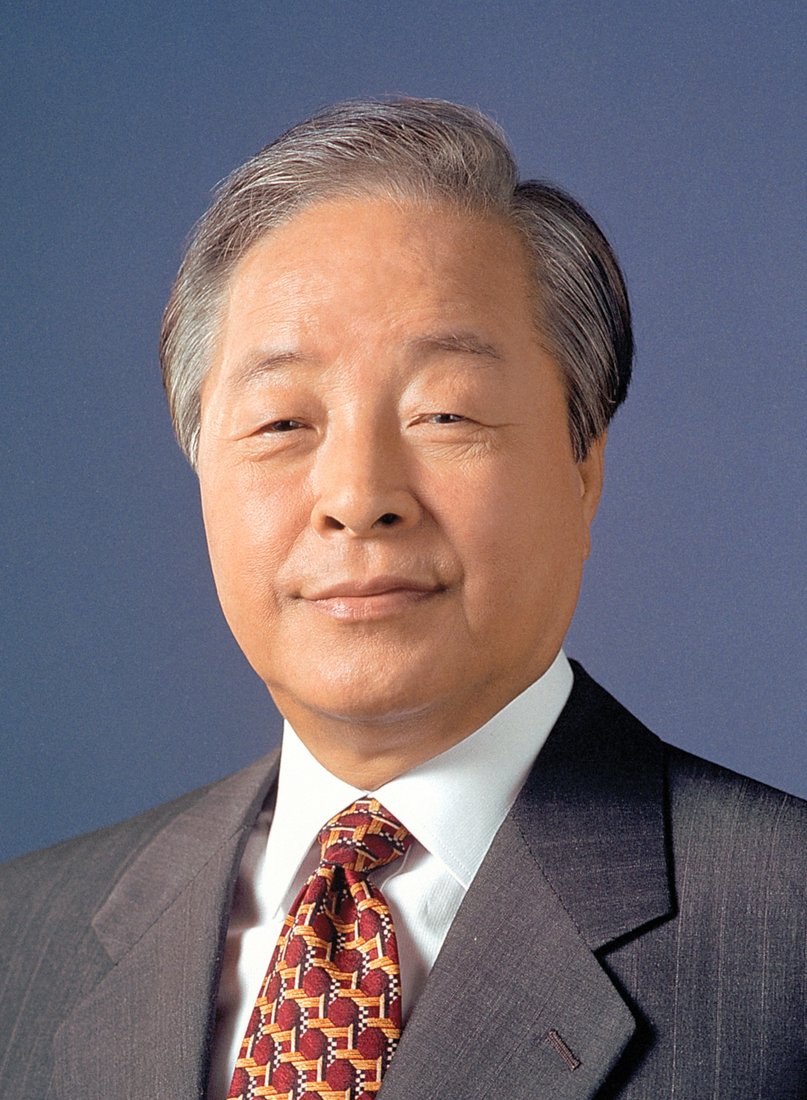
Sixteen months later, at 8 p.m. on 12 August 1993, President Kim Young-sam issued Presidential Emergency Financial and Economic Order No. 16 and enforced real-name banking overnight. The rule that had sat in a drawer for 11 years was in force by the next morning.
The boomerang
The private money market froze. Money without a name suddenly had to show one. Jang, who was back in that market, ran short of funds from October 1993. On 24 January 1994 she was arrested again, for ₩10.75 billion (about $13 million) of fraud and bad cheques. That same afternoon, the Ministry of Justice cancelled her 1992 parole.
The Hankyoreh opened its story that day with one line: "The woman who brought in real-name banking has been brought down by real-name banking."
The case files: six cases, about 34 years
The first case was the only one that made history. The others are a record of the same name in court, again and again. Every row up to 2025 is a confirmed conviction; the last is not.
| Case | Arrested or charged | Amount | Outcome |
|---|---|---|---|
| 1. Promissory notes | 4 May 1982 | ₩711.1 billion running total ≈ $985 million | 15 years, confirmed 8 Mar 1983; paroled 31 Mar 1992 |
| 2. Fraud and bad cheques | 24 Jan 1994 | ₩10.75 billion ≈ $13 million | 5 years, cut to 4 on appeal, confirmed 24 Mar 1995, plus the 5 years 1 month left on the 1982 sentence. Released 15 Aug 1998 on a health-based suspension of sentence, not a pardon |
| 3. "Old banknotes" fraud (구권 화폐) | May 2000 | About ₩19.4 billion over six deals ≈ $17 million | Heard together with a separate bond-investment fraud: 10 years in total on appeal (16 Mar 2006), confirmed June 2006. Released January 2015 |
| 4. Three investment frauds | Indicted Jan 2018 | ₩620 million charged, ₩500 million found by the court ≈ $460,000–$560,000 | 4 years, confirmed 9 Apr 2020. Released 2022 |
| 5. Forged cheque | Cheque used July 2017 | ₩15.42 billion ≈ $13.7 million | Acquitted at first instance; 1 year and detained in court on appeal (22 Jan 2025); confirmed 21 Mar 2025 |
| 6. Temple purchase | Late 2022 | ₩100 million ≈ $69,000 | 10 months at first instance (14 Jan 2026), aged 81. Appealed, not final |
A few lines from those files:
- Case 2 came with a second bill: the five years she had not served from 1982.
- Case 4 used three baits, according to the charges: property in the name of her late husband, Samsung Electronics shares, and an investment in Brunei. Lee Chul-hee had died before 2015.
- Case 5 turned on a serial number. The appeal court noted that the forged cheque's face value matched the forged cheque in the 2020 conviction, and that its number followed straight on from it.
- Case 6: the Seoul Central District Court sentenced her on 14 January 2026 for taking ₩100 million on the promise of buying a temple in Gyeongju. It did not detain her, citing that she was already serving a sentence and was over 80. Her lawyer filed an appeal the same day, Chosun Biz reported. We found no report of the appeal ruling as of 13 October 2026, so this case is unresolved and she is presumed innocent of it until it is final.
Add up the dates in the court records (1982–1992, 1994–1998, 2000–2015, 2018–2022, 2025–2026) and the time comes to about 34 years. Case 6 isn't counted, because it isn't final.
What real-name banking means for you in Korea today
The 1993 order became the Act on Real Name Financial Transactions and Confidentiality (금융실명거래 및 비밀보장에 관한 법률). It is the reason Korea has no anonymous bank accounts, and it shapes what happens when a foreigner walks into a branch.
| Rule | Where it is | What it means for a foreigner |
|---|---|---|
| Financial institutions must deal in the customer's real name | Act, Article 3(1) | No account, deposit or investment without an ID that the bank checks |
| A foreigner's real name is the name and number on the registered-foreigner record, i.e. your Alien Registration Card (외국인등록증) | Enforcement Decree, Article 3, item 4 | If you live in Korea and have an ARC, that number is your banking identity |
| Without an ARC, the name and number on your passport or ID | Enforcement Decree, Article 3, item 4 | Short-stay visitors can only be identified by passport |
| Using someone else's name to hide illegal money, launder it or dodge creditors is banned | Act, Article 3(3); penalty in Article 6 | Up to 5 years in prison or a ₩50 million fine. Don't "borrow" a Korean friend's account |
| Money in a real-name-verified account is presumed to belong to the named holder | Act, Article 3(5) | Whatever is in an account under your name is legally treated as yours |
In practice:
- Bring your passport, and your ARC if you have one. The law sets the minimum. Each bank adds its own checks on top, and these vary by bank and branch, so ask the branch before you go.
- If you are visiting for a few weeks, you probably don't need a Korean account at all. A foreign card, a prepaid travel card and a T-money card cover most of a trip. See our Korea payment guide and our airport money exchange comparison.
- Never let anyone use an account in your name. Under Article 3(5), the money in it is presumed to be yours, with everything that follows from that.
You might like: Where Foreign Cards Actually Get Swiped in Korea
"The economy assumes circulation"
Go back to the first day of the trial, 7 July 1982. Her defence lawyer asked Jang about the extra notes, the ones the companies signed beyond what they borrowed. There had been a lot of talk, he said, about whether they were collateral or meant for circulation.
She answered:
"어음은 가지고 있을 수는 없는 것이다. 경제는 유통이 전제되기 때문에…" "You can't just hold on to promissory notes. Because the economy assumes circulation…"
The papers shortened it to "The economy is circulation." At the same hearing she said that "the economy is not a charity" and that the underground economy can sometimes help the real one.
On 8 March 1983 the Supreme Court gave its answer. The extra notes, it found, were not for circulation, as the couple claimed. They were collateral.
FAQ
Q: What is Korea's real-name financial system (금융실명제)? A: It is the rule that every financial transaction in Korea must be made in the account holder's real, verified name. It was announced on 3 July 1982 after the Jang Young-ja and Lee Chul-hee scandal, postponed, and enforced by President Kim Young-sam's emergency order at 8 p.m. on 12 August 1993. It now sits in the Act on Real Name Financial Transactions and Confidentiality.
Q: How much money was involved in the Jang Young-ja scandal? A: Promissory notes with a face value of ₩711.1 billion (about $985 million at the 1982 rate) passed through the couple's hands over 14 months. That is a running total, not a single sum. They raised ₩567.1 billion ($785 million) in cash, and prosecutors charged fraud on ₩180.1 billion ($249 million) of notes from six companies.
Q: Was Jang Young-ja related to President Chun Doo-hwan? A: Not by blood. Her eldest sister was married to Lee Kyu-kwang, whose older brother was the father of Chun's wife, Lee Soon-ja. That made Jang the sister-in-law of the First Lady's uncle.
Q: What was the sentence in the 1982 case? A: Fifteen years each for Jang and her husband Lee Chul-hee, handed down on 9 August 1982 and confirmed by the Supreme Court on 8 March 1983. All 32 defendants were convicted. Jang was paroled on 31 March 1992, and the parole was cancelled when she was arrested again on 24 January 1994.
Q: Can a foreigner open a bank account in Korea? A: Yes, but only in your real name. By law, a foreigner's real name for banking is the name and number on the Alien Registration Card, or the passport if no ARC has been issued. Banks add their own requirements, so check with the branch. Short-term visitors usually manage with foreign cards and a T-money card.
Sources
Newspaper articles are on Naver News Library (newslibrary.naver.com; the article ID is given, login needed to read the page). All were read on 13 October 2026.
- Prosecutors' report to the National Assembly (biography, wedding guests, note totals, cash, where the money went, victim companies, the 7.5-times figure, the "special funds" account, the bank president's ₩150 million, the political-funds rumour): Dong-A Ilbo, 29 May 1982, p. 6 (1982052900209206001); also Kyunghyang Shinmun, 29 May 1982, p. 4 (1982052900329204001) and Chosun Ilbo, 29 May 1982, p. 4.
- Arrest on 4 May and the foreign-exchange charge: Dong-A Ilbo, 7 May 1982, p. 11 (1982050700209211001); Chosun Ilbo, 8 May 1982, p. 11 (1982050800239111001), which also names Ilshin Steel and Taeyang Metal as complainants.
- Bankruptcies of Gongyoung and Ilshin: Kyunghyang Shinmun, 11 May 1982, p. 1 (1982051100329201004). Industry ranks: Hankook Ilbo, 18 April 2025.
- Bankers arrested: Kyunghyang Shinmun, 17 May 1982, p. 1 (1982051700329201004). Lee Kyu-kwang: Dong-A Ilbo, 19 May 1982, p. 1 (1982051900209201008); Lee Kyu-dong's resignation: Chosun Ilbo, 19 May 1982, p. 1 (1982051900239101001).
- Cabinet reshuffle: Dong-A Ilbo, 21 May 1982, p. 1 (1982052100209201006); Maeil Business, 21 May 1982, p. 1.
- Court testimony ("accumulated number", "the economy assumes circulation"): Dong-A Ilbo, 8 July 1982, p. 10 (1982070800209210001).
- First-instance verdict: Dong-A Ilbo, 9 August 1982, p. 11 (1982080900209211001). Supreme Court: Dong-A Ilbo, 8 March 1983, p. 11 (1983030800209211001).
- Parole, 31 March 1992: Dong-A Ilbo, 31 March 1992, p. 1 (1992033100209201005).
- Real-name announcement, 3 July 1982: Kyunghyang Shinmun, 3 July 1982, p. 1 (1982070300329201004); Dong-A Ilbo, 3 July 1982, p. 3; minister's interview, Chosun Ilbo, 4 July 1982, p. 2 (1982070400239102013). Postponement: Kyunghyang Shinmun, 30 October 1982, p. 1 (1982103000329201004); National Archives of Korea, 기록으로 보는 한국: 금융실명제.
- Emergency Order No. 16: Seoul Shinmun, 13 August 1993; National Archives (above).
- 1994 arrest and parole cancellation: Dong-A Ilbo, 25 January 1994, p. 1 (1994012500209101001); Hankyoreh, 24 January 1994, p. 2 (1994012400289102013). Sentences: Dong-A Ilbo, 23 July 1994 and 17 December 1994; Kyunghyang Shinmun, 25 March 1995, p. 23 (1995032500329123007). 1998 release: Chosun Ilbo, 15 August 1998, p. 25.
- 2000 case: Seoul Shinmun, 18 May 2000; Hankook Ilbo, 17 March 2006; Hankook Ilbo, 25 January 2025 (2006 confirmation, 2015 release, the forged-cheque appeal and serial numbers).
- 2018 case: NewDaily, 21 December 2018; Newsis, 6 January 2020.
- 2025 confirmation: Hankook Ilbo, 18 April 2025. 2026 first-instance ruling: Financial News, 21 January 2026; appeal: Chosun Biz, 20 January 2026.
- Real-name rules today: Act on Real Name Financial Transactions and Confidentiality, Articles 3 and 6, and its Enforcement Decree, Article 3, on the National Law Information Center, read 13 October 2026.
- Exchange rates: Federal Reserve (FRED) series DEXKOUS (₩721.95 on 4 May 1982) and AEXKOUS (annual averages); EXKOUS for January 2026 (₩1,455.5). Today's-money figure: US consumer price index, May 1982 to August 2026, about ×3.48 (approximate).
The short version: one couple's 14 months of paper forced Korea to announce real-name banking in 1982. The government shelved it, a president enforced it overnight in 1993, and one of the people it caught was her. If you open an account in Korea today, the passport check at the counter is the end of that story.
You Might Also Like
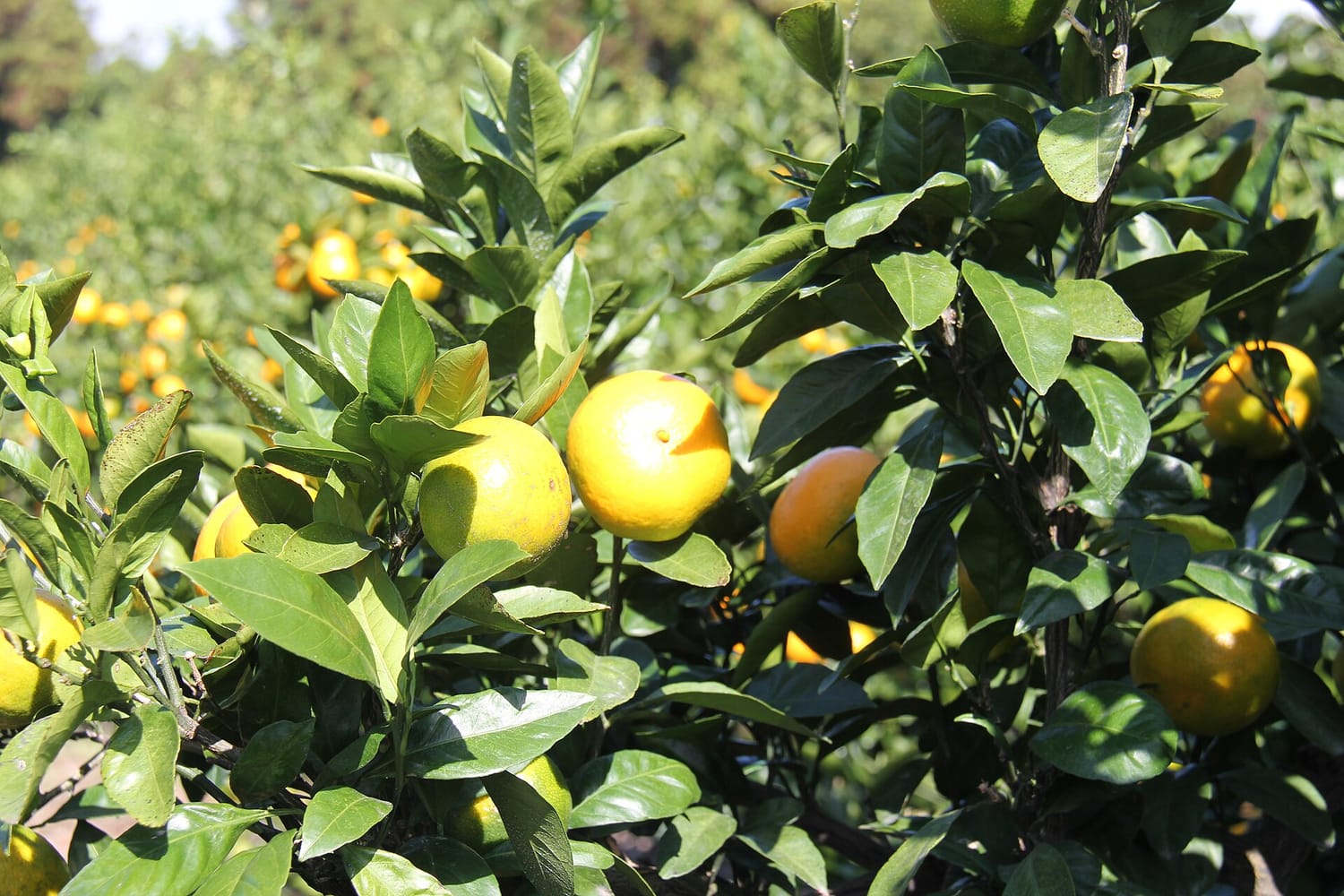
Jeju in Winter, Korea: Tangerine Picking and Camellia Gardens — Prices, Seasons and Which Farms by Bus
Camellia Hill now charges ₩12,000. Hueree adds ₩8,000 picking to a ₩13,000 ticket, while a Jeju City farm lets you take 2 kg home for ₩11,000. Per-kg costs, bloom months, closures and the buses that reach each one.
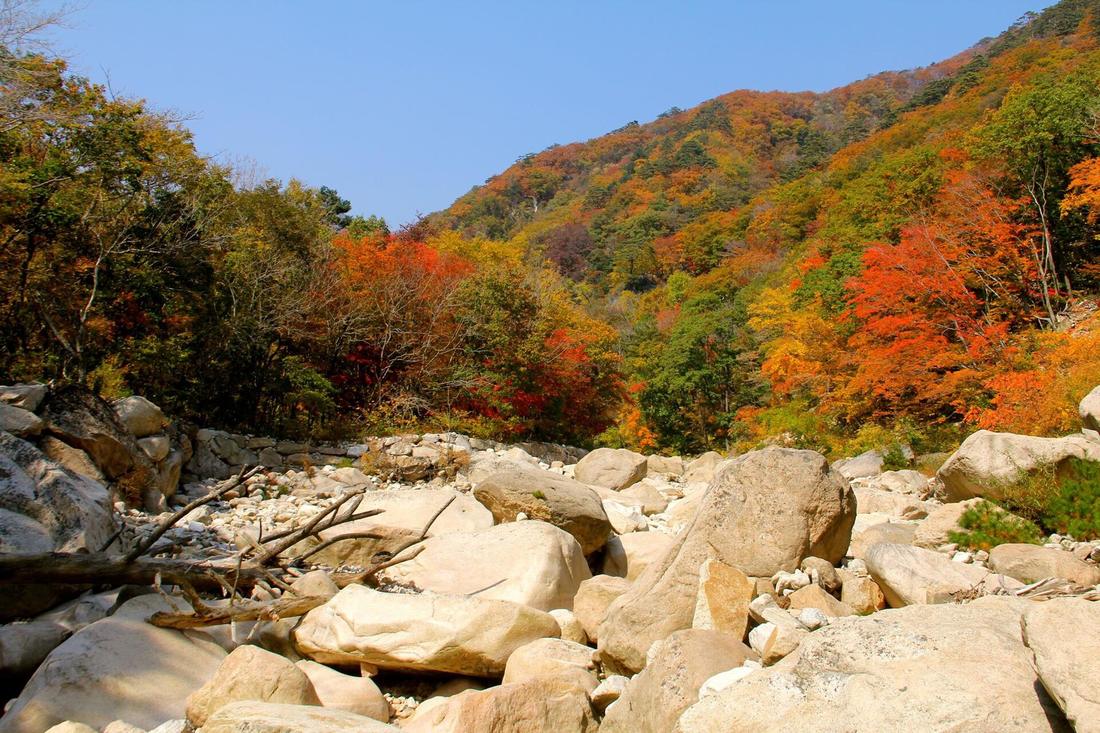
Where to Stay in Sokcho for Seoraksan, Korea: Seorak-dong vs the Beach vs Daepo, by Bus 7-1's Last Ride
The last bus out of Seoraksan's Sogongwon leaves at 20:35 (route 7-1), and after 19:00 there are only two. Sokcho buses cost ₩1,530 by card. When Seorak-dong, Sokcho Beach, Daepo or downtown is the right base.
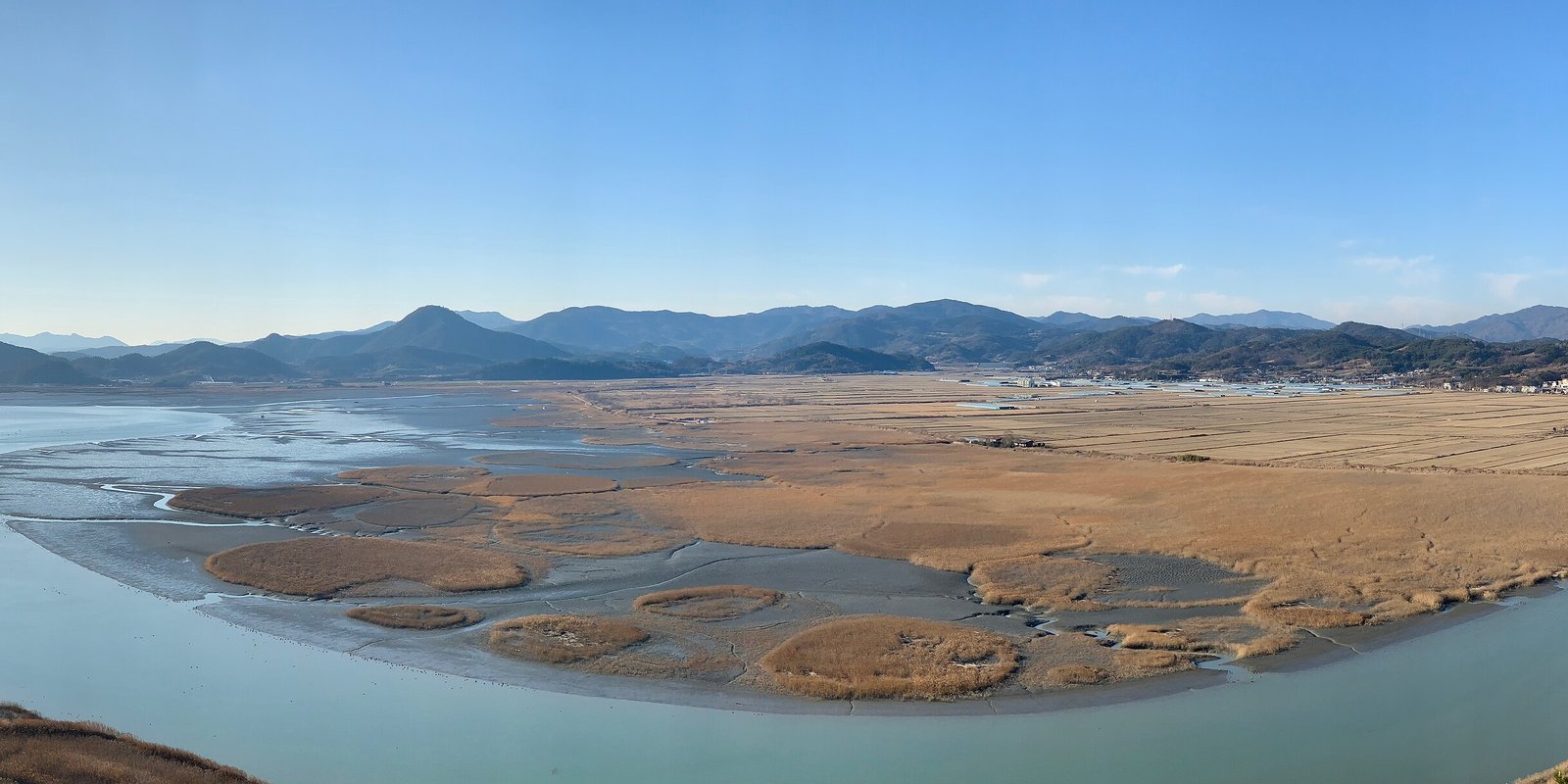
Suncheon Bay, Korea: One ₩10,000 Ticket, Two Sites, and Where to Stay
One ₩10,000 ticket covers both Suncheon Bay National Garden and the reed wetland 7 km away, on the same day. Both close on the last Monday of the month (26 Oct, 30 Nov), the SkyCube stops every Monday, and a ₩12,000 pass adds a second day.