Seoul Restaurant Prices: What a Meal Costs in Korea Now, From ₩3,923 Kimbap to ₩21,321 Samgyeopsal per 200 g
Last updated: 30 October 2026. Every restaurant price in this guide was read that day from the Korea Consumer Agency's price portal T-Price (한국소비자원 참가격, price.go.kr), section 외식비 가격동향 (eat-out price trends), regional view, Seoul column, for each month from September 2025 to September 2026 (the latest month published), plus September 2024 and September 2019. The page says the figures come from the Ministry of the Interior and Safety (행정안전부), its source line names the National Data Office (국가데이터처), and it marks them provisional. Dollar figures use ₩1,325 = US$1 (US Federal Reserve H.10 via FRED, 23 October 2026). Sources are at the end.
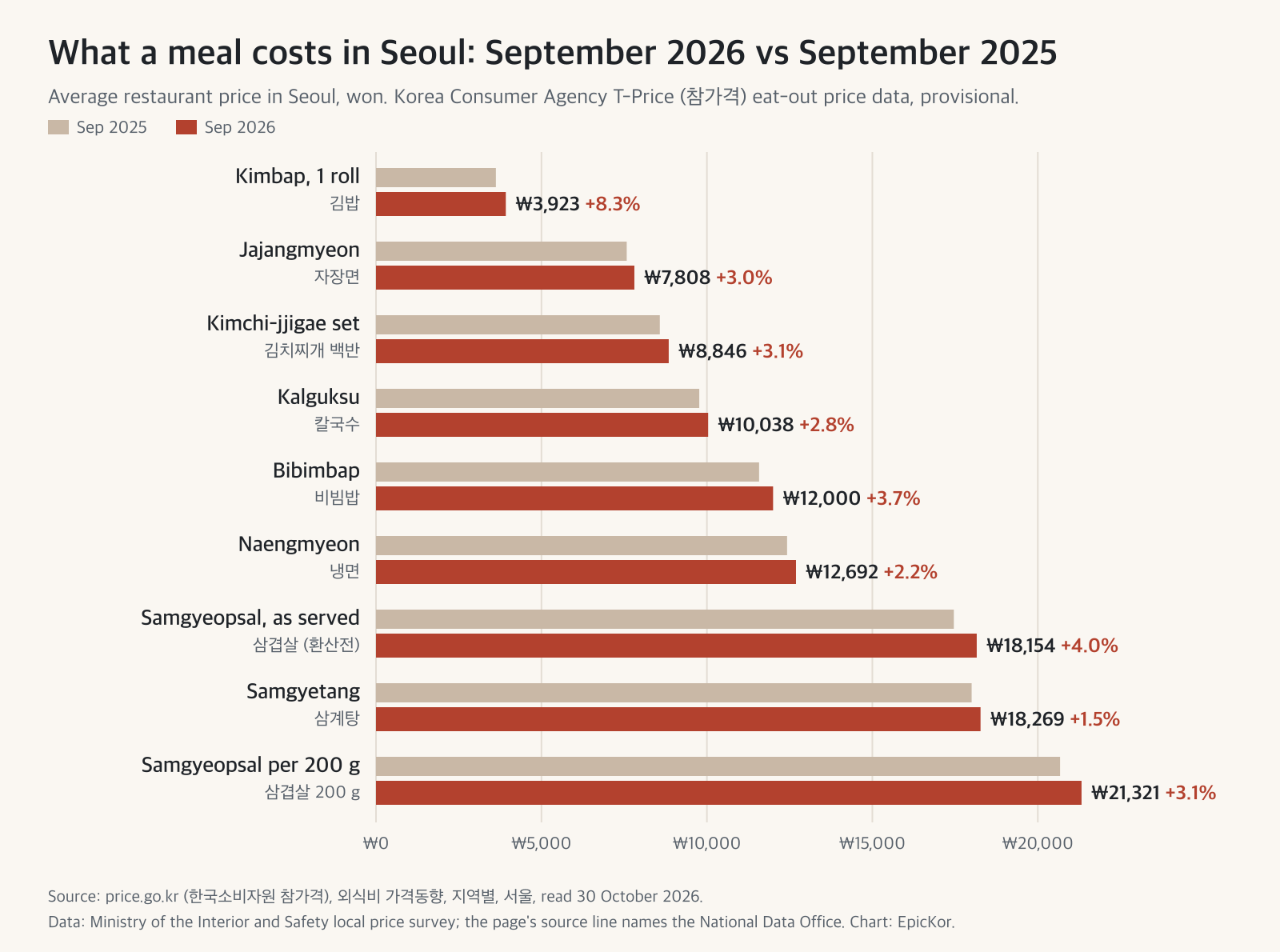
Seoul restaurant prices, in one line: a roll of kimbap costs ₩3,923 (about $2.96), a bowl of kalguksu ₩10,038 ($7.58) and a 200 g serving of samgyeopsal ₩21,321 ($16.09). Those are the September 2026 averages for Seoul in the government's monthly survey of eight standard dishes (외식비, eat-out prices). Kimbap rose 8.3% in a year, the fastest of the eight. Kalguksu crossed ₩10,000 for the first time in March 2026 and has not moved since.
For a visitor, that means a simple Korean lunch in Seoul now costs about ₩8,000 to ₩10,000 ($6 to $7.60), a cheap kimbap-shop meal can still come in under ₩5,000 ($3.77), and a barbecue dinner is where the bill jumps. This guide puts the official table in one place, month by month, then turns it into a per-meal budget: where it is cheaper, and what pushes the price up.
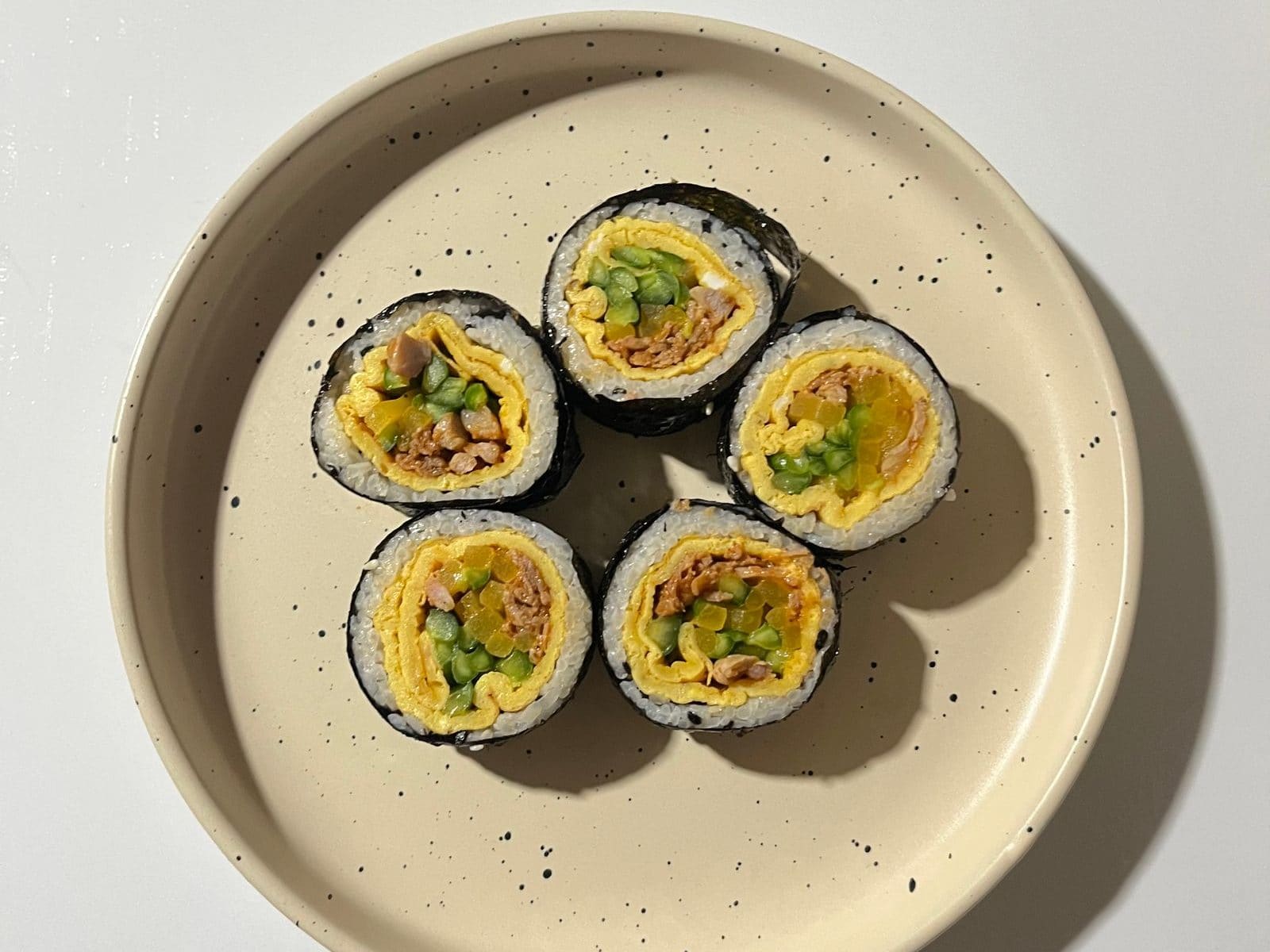
Many cheap Seoul restaurants post their menu in Korean only. The Lonely Planet Korean Phrasebook & Dictionary has essential phrases and a two-way dictionary for reading it and ordering. See it on AmazonAffiliate link. As an Amazon Associate, EpicKor earns from qualifying purchases at no extra cost to you.
Quick Guide: Seoul Restaurant Prices, September 2026
These are the eight dishes the survey tracks. Each is a single serving, priced at ordinary restaurants. Samgyeopsal appears twice: once as the restaurant serves it, and once converted to a standard 200 g.
| Dish | Korean | Seoul, Sep 2026 | In US$ | Sep 2025 | 1-year change |
|---|---|---|---|---|---|
| Kimbap, one roll | 김밥 | ₩3,923 | $2.96 | ₩3,623 | +8.3% |
| Jajangmyeon, black-bean noodles | 자장면 | ₩7,808 | $5.89 | ₩7,577 | +3.0% |
| Kimchi-jjigae set, stew with rice and sides | 김치찌개 백반 | ₩8,846 | $6.68 | ₩8,577 | +3.1% |
| Kalguksu, knife-cut noodle soup | 칼국수 | ₩10,038 | $7.58 | ₩9,769 | +2.8% |
| Bibimbap | 비빔밥 | ₩12,000 | $9.06 | ₩11,577 | +3.7% |
| Naengmyeon, cold noodles | 냉면 | ₩12,692 | $9.58 | ₩12,423 | +2.2% |
| Samgyetang, ginseng chicken soup | 삼계탕 | ₩18,269 | $13.79 | ₩18,000 | +1.5% |
| Samgyeopsal, one serving as served | 삼겹살 (환산전) | ₩18,154 | $13.70 | ₩17,462 | +4.0% |
| Samgyeopsal, per 200 g | 삼겹살 (환산후) | ₩21,321 | $16.09 | ₩20,673 | +3.1% |
Source: price.go.kr, 외식비 가격동향, 지역별, 서울, months 2025-09 and 2026-09, read 30 October 2026. Provisional figures.
What to Budget per Meal in Seoul
The table is a list of dishes, not a travel budget, so here is how it turns into one. The ranges below are EpicKor's arithmetic from the survey averages, plus convenience-store and café prices from our own checked guides. Drinks, extra rice and side orders are not in the survey, so the higher tiers are floors, not ceilings.
| Kind of meal | What you get | Budget per person |
|---|---|---|
| Convenience-store meal | Triangle gimbap ₩1,200 with a banana milk ₩1,800, or a lunch box at ₩2,400–7,900, most ₩5,200–5,900 (CU, breakfast guide) | ₩3,000–6,000 ($2.30–4.50) |
| Kimbap shop (분식) | A roll of kimbap at ₩3,923, or kimbap with a second dish | ₩4,000–10,000 ($3–7.50) |
| Everyday Korean lunch | Kimchi-jjigae set ₩8,846, jajangmyeon ₩7,808, kalguksu ₩10,038 | ₩8,000–10,000 ($6–7.60) |
| A "proper" single dish | Bibimbap ₩12,000, naengmyeon ₩12,692 | ₩12,000–14,000 ($9–10.60) |
| Special-occasion bowl | Samgyetang ₩18,269 | ₩18,000–20,000 ($13.60–15.10) |
| Korean barbecue dinner | Samgyeopsal ₩18,154 a serving as served; a table usually orders several servings, then rice, stew and drinks | ₩25,000+ ($19+) |
A day of three cheap meals in Seoul (a convenience-store breakfast at ₩3,000 to ₩5,000, a kimchi-jjigae lunch and a kalguksu dinner) adds up to roughly ₩22,000 to ₩24,000, about $17 to $18, before coffee. Add an americano at ₩2,000 from a low-price chain or ₩4,500 to ₩4,700 from a premium chain such as Starbucks (prices from our Korean café guide) and the day comes to about ₩24,000 to ₩29,000 ($18 to $22). For where food sits in a whole trip budget, our guide to what a trip to Korea costs uses the official visitor spending survey.
Pocha: Simple Korean Food from the Streets of Seoul (Su Scott) — 80 recipes from Seoul's cheap end. This is the food on the bottom half of the table above: the snacks, noodles and pancakes of pojangmacha tents and market stalls, written by the Korean-born, London-based cook Su Scott. Worth having if you want to keep eating like a ₩10,000 Seoul lunch after you fly home. If you only want restaurant phrases for the trip, the phrasebook above is the better buy. As an Amazon Associate, EpicKor earns from qualifying purchases at no extra cost to you.
See Pocha on AmazonThe Official Numbers: Where They Come From
T-Price (참가격) is the Korea Consumer Agency's price portal. Its 외식비 (eat-out price) page publishes a monthly average for eight dishes in each of Korea's regions, going back to 2009. The page states that the service uses Ministry of the Interior and Safety data, names the National Data Office as the source, and labels the figures provisional (잠정치), so a month can still be revised.
Three notes on the page matter for reading the numbers:
- Units. Naengmyeon, bibimbap, kimchi-jjigae set, jajangmyeon, samgyetang and kalguksu are one ordinary serving (1인분, 보통). Kimbap has been one roll since January 2017; before that it was "one serving", so older figures are not directly comparable. Samgyeopsal is given twice: as served (환산전, "about 100 to 250 g") and converted to 200 g (환산후).
- Outlets change. When a surveyed restaurant closes or stops selling a dish, it is replaced, and the price change is kept in the series. The page warns that this can make comparisons between months or regions misleading.
- Small panels. The page does not publish sample sizes. Our reading: the Seoul averages move in small steps, from about ₩23 to ₩77 a month, the size of change one or two restaurants raising a price by a few hundred won to ₩1,000 make in an average of a dozen or two restaurants. Treat a single month's move as one shop, and a year's move as the trend.
That is also why kalguksu has stood at exactly ₩10,038 for seven months: nobody in the Seoul panel has changed their price since March.
You might like: What Time Do Restaurants Close in Korea? Seoul Closing Times, Last Order, Break Time and Meal Hours
Seoul Restaurant Prices Month by Month, September 2025 to September 2026
This is the Seoul column for every month from September 2025 to September 2026, plus the same month one and two years earlier. All figures in won.
| Month | Kimbap | Jajangmyeon | Kimchi-jjigae set | Kalguksu | Bibimbap | Naengmyeon | Samgyetang | Samgyeopsal as served | Samgyeopsal 200 g |
|---|---|---|---|---|---|---|---|---|---|
| Sep 2026 | 3,923 | 7,808 | 8,846 | 10,038 | 12,000 | 12,692 | 18,269 | 18,154 | 21,321 |
| Aug 2026 | 3,923 | 7,731 | 8,769 | 10,038 | 11,923 | 12,692 | 18,269 | 18,154 | 21,321 |
| Jul 2026 | 3,869 | 7,654 | 8,654 | 10,038 | 11,769 | 12,692 | 18,192 | 18,154 | 21,321 |
| Jun 2026 | 3,838 | 7,654 | 8,654 | 10,038 | 11,769 | 12,615 | 18,154 | 18,154 | 21,321 |
| May 2026 | 3,800 | 7,731 | 8,654 | 10,038 | 11,769 | 12,615 | 18,154 | 18,154 | 21,321 |
| Apr 2026 | 3,800 | 7,731 | 8,654 | 10,038 | 11,692 | 12,615 | 18,154 | 18,154 | 21,321 |
| Mar 2026 | 3,800 | 7,692 | 8,654 | 10,038 | 11,615 | 12,538 | 18,154 | 18,077 | 21,218 |
| Feb 2026 | 3,800 | 7,692 | 8,654 | 9,962 | 11,615 | 12,538 | 18,154 | 18,000 | 21,141 |
| Jan 2026 | 3,800 | 7,654 | 8,654 | 9,923 | 11,577 | 12,538 | 18,154 | 17,923 | 21,056 |
| Dec 2025 | 3,723 | 7,654 | 8,654 | 9,923 | 11,577 | 12,500 | 18,000 | 17,769 | 20,850 |
| Nov 2025 | 3,700 | 7,654 | 8,577 | 9,846 | 11,577 | 12,423 | 18,000 | 17,615 | 20,861 |
| Oct 2025 | 3,646 | 7,654 | 8,577 | 9,846 | 11,577 | 12,423 | 18,000 | 17,462 | 20,673 |
| Sep 2025 | 3,623 | 7,577 | 8,577 | 9,769 | 11,577 | 12,423 | 18,000 | 17,462 | 20,673 |
| Sep 2024 | 3,462 | 7,308 | 8,192 | 9,308 | 11,038 | 11,923 | 17,269 | 16,692 | 20,083 |
Source: price.go.kr, 외식비 가격동향, 지역별, 서울, one query per month, read 30 October 2026. Provisional.
Four things stand out.
Kimbap is the fastest riser. It went from ₩3,462 in September 2024 to ₩3,923 two years later, up 13%, against about 6% for samgyeopsal per 200 g. It is still the cheapest dish on the list by a wide margin. The ₩1,000 roll that made Kimbap Cheonguk famous in 1995 now costs almost four times as much.
Kalguksu crossed ₩10,000 in March 2026. It was ₩9,962 in February and ₩10,038 in March, and has stayed there. Bibimbap reached exactly ₩12,000 in September 2026, up from ₩11,923 in August.
Samgyeopsal has been flat since April. The 200 g price stopped at ₩21,321 in April 2026 and the as-served price at ₩18,154; neither has moved for six months.
Over seven years, everything is up by a quarter or more. In September 2019 Seoul's kimbap averaged ₩2,408, jajangmyeon ₩4,962 and kimchi-jjigae set ₩6,269. Since then kimbap is up 63%, jajangmyeon 57% and the kimchi-jjigae set 41%. Samgyetang (₩14,462 then) is up the least, 26%. In September 2019 the kimchi-jjigae set already cost ₩6,269, so a guidebook promising "lunch for ₩6,000" predates that.
Is Seoul More Expensive Than the Rest of Korea?
For most dishes, yes. In September 2026 Seoul had the highest average in Korea for kimbap, jajangmyeon, naengmyeon, samgyetang and both samgyeopsal figures. It did not for three: kalguksu was dearer in Jeju (₩10,375), bibimbap in North Jeolla (₩12,100, the province of Jeonju, the city most associated with the dish) and the kimchi-jjigae set in Daejeon (₩10,600).
| Dish, Sep 2026 | Seoul | Busan | Daegu | Incheon | Gyeonggi | Jeju |
|---|---|---|---|---|---|---|
| Kimbap | 3,923 | 3,571 | 3,250 | 3,667 | 3,786 | 3,625 |
| Jajangmyeon | 7,808 | 7,000 | 7,167 | 7,083 | 7,586 | 7,750 |
| Kimchi-jjigae set | 8,846 | 8,429 | 8,583 | 8,667 | 8,841 | 9,625 |
| Kalguksu | 10,038 | 8,071 | 7,583 | 9,000 | 9,810 | 10,375 |
| Bibimbap | 12,000 | 9,686 | 10,467 | 9,167 | 9,945 | 10,500 |
| Naengmyeon | 12,692 | 12,000 | 11,750 | 11,917 | 10,931 | 9,750 |
| Samgyetang | 18,269 | 17,429 | 17,167 | 17,000 | 17,690 | 17,000 |
| Samgyeopsal as served | 18,154 | 11,500 | 12,167 | 15,650 | 16,897 | 17,500 |
| Samgyeopsal 200 g | 21,321 | 18,175 | 18,470 | 17,685 | 18,166 | 17,944 |
Source: price.go.kr, 외식비 가격동향, 지역별, 2026-09, read 30 October 2026. The page itself warns that regions are not surveyed at identical restaurants, so small gaps between regions mean little.
The biggest gap is the one most visitors will feel: a samgyeopsal serving as served is ₩18,154 in Seoul and ₩11,500 in Busan. But per 200 g the gap shrinks to ₩21,321 against ₩18,175. Most of the difference is serving size, not the price of pork. Divide the two Seoul figures and the average Seoul serving works out at roughly 170 g; the same sum for Busan gives about 127 g. That is our arithmetic, not a number the survey publishes, but it explains why a "cheap" Busan barbecue can leave the table hungrier.
You might like: How to Eat Korean BBQ Like a Local: Unwritten Rules
Where Eating in Seoul Is Cheaper
The bottom of the table is where to save, and it is a real Korean way of eating, not a tourist compromise.
Kimbap and snack shops (분식집, bunsikjip). Kimbap is the house dish of these shops, which also sell ramyeon, tteokbokki and simple rice dishes. A roll of kimbap at ₩3,923 is the cheapest sit-down dish in the survey. They typically open around 07:00 and close at 21:00 or 22:00, and a few branches run 24 hours (opening hours here).
Baekban (백반) restaurants. The kimchi-jjigae set in the survey is a 백반: a stew, a bowl of rice and several free side dishes (banchan) that are refilled on request. At ₩8,846 it is the best-value full meal on the list, and the side dishes are part of the price.
Convenience stores. A triangle gimbap at ₩1,200 is less than a third of the price of a roll of kimbap in a restaurant. Lunch boxes are not the saving they look: at CU they run ₩2,400 to ₩7,900, and most, at ₩5,200 to ₩5,900, cost more than a roll of kimbap. Our breakfast guide has the CU prices, and the Korean drinks guide prices the common bottles. The triangle gimbap guide explains how to open the wrapper.
Food courts and markets. Department-store basements, station food halls and traditional markets such as Gwangjang put several cheap counters in one place. The survey does not price them, so check the board, but the dishes are the same ones in the table.
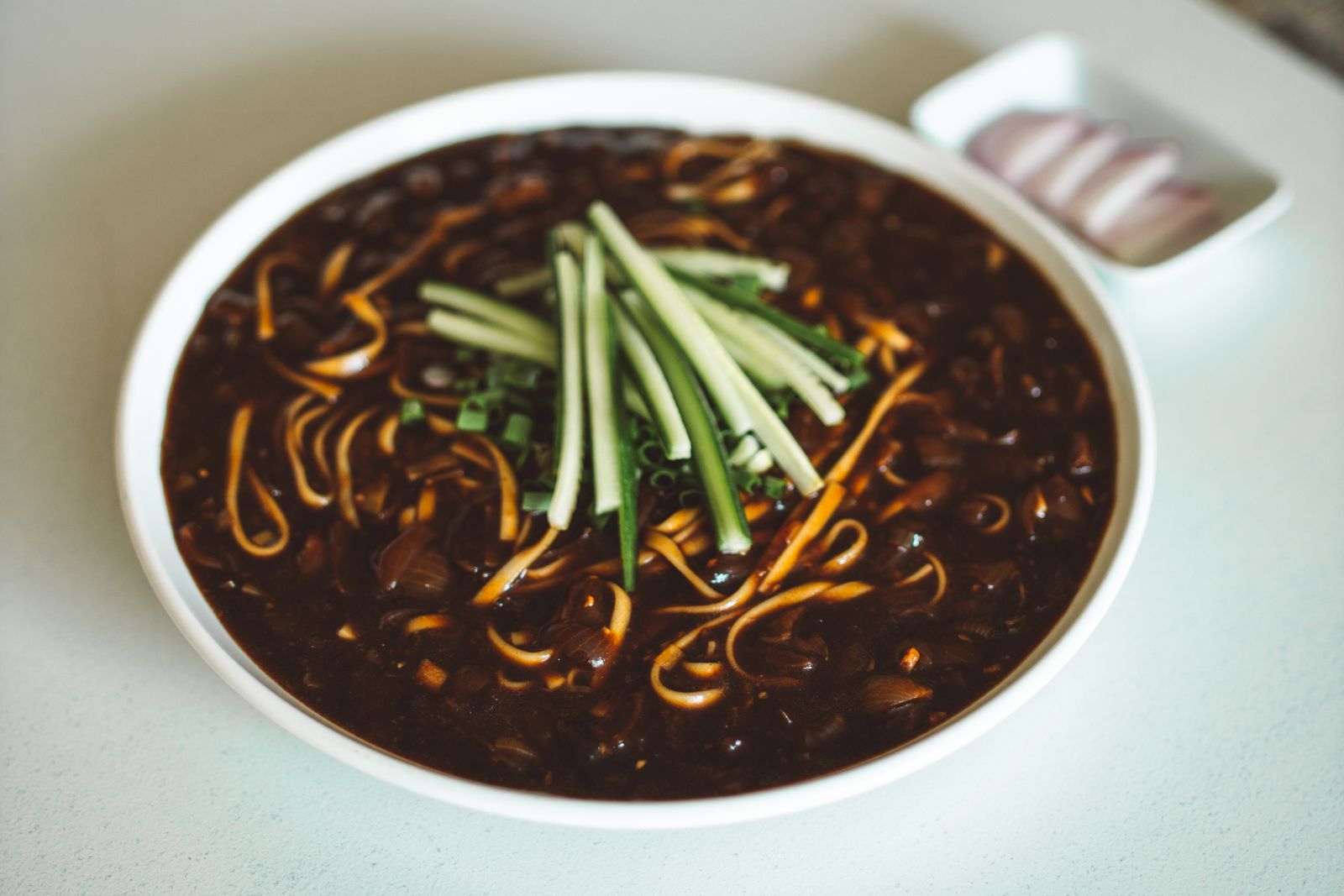
Jajangmyeon. At ₩7,808, the Korean-Chinese black-bean noodle bowl is the cheapest hot restaurant meal of the eight, and there is a Chinese-Korean restaurant in every neighbourhood.
What Pushes the Price Up
A survey average is the price of an ordinary restaurant. These are the things that move your bill above it.
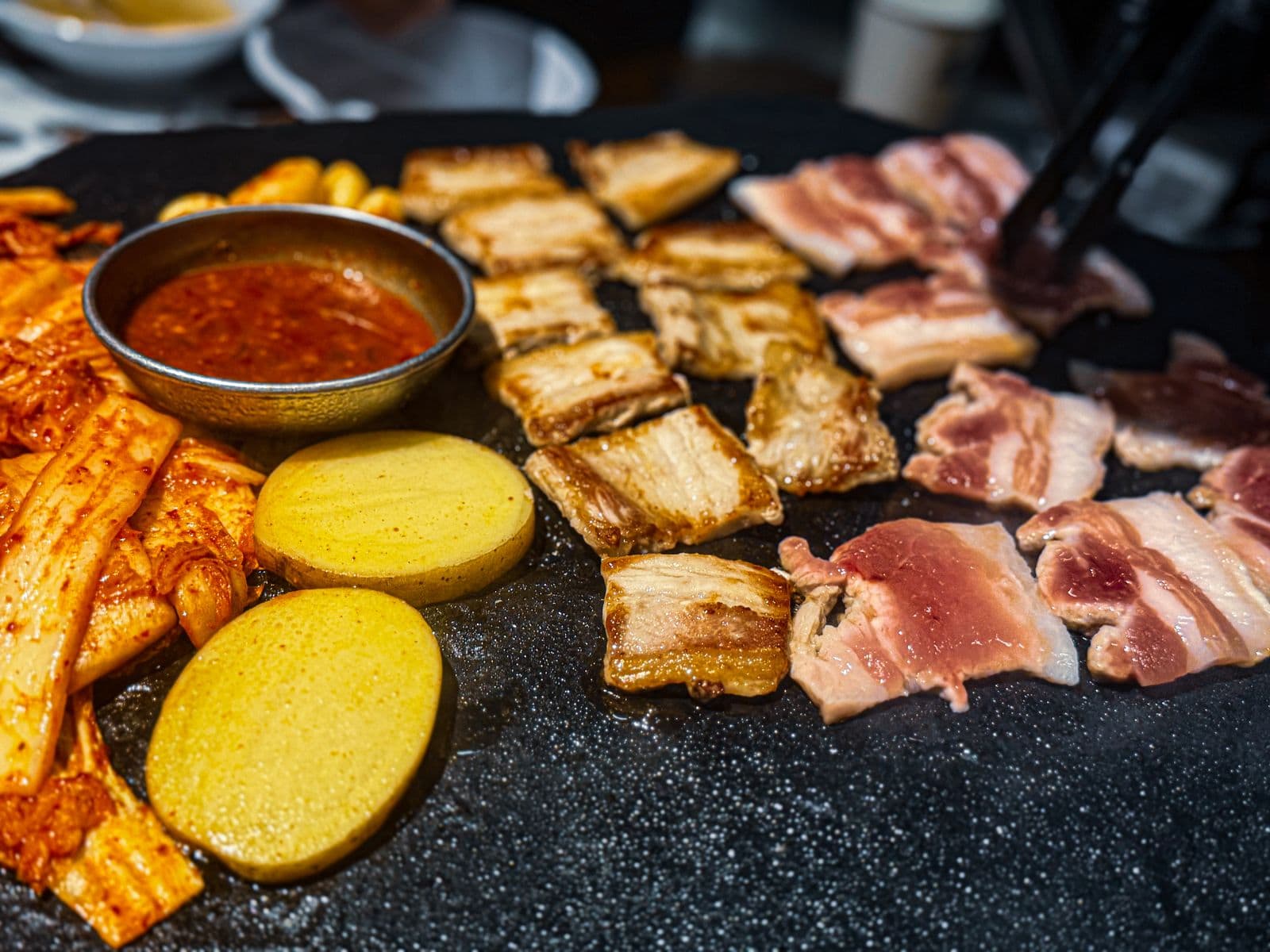
- Barbecue maths. Barbecue is priced per serving of meat, and some barbecue restaurants ask for a minimum order per table. Three servings for two people at the Seoul as-served average is ₩54,462 (about $41) before a single bowl of rice, a stew or a drink.
- The extras. Rice (공깃밥), drinks and add-ons are not in the survey. On a barbecue table they can add a large share of the bill; on a kimchi-jjigae set the rice is already included.
- The famous name. A noodle house with a queue, a Pyongyang-style naengmyeon specialist (our naengmyeon guide explains the styles) or a samgyetang restaurant on the tourist circuit can charge more than the survey average.
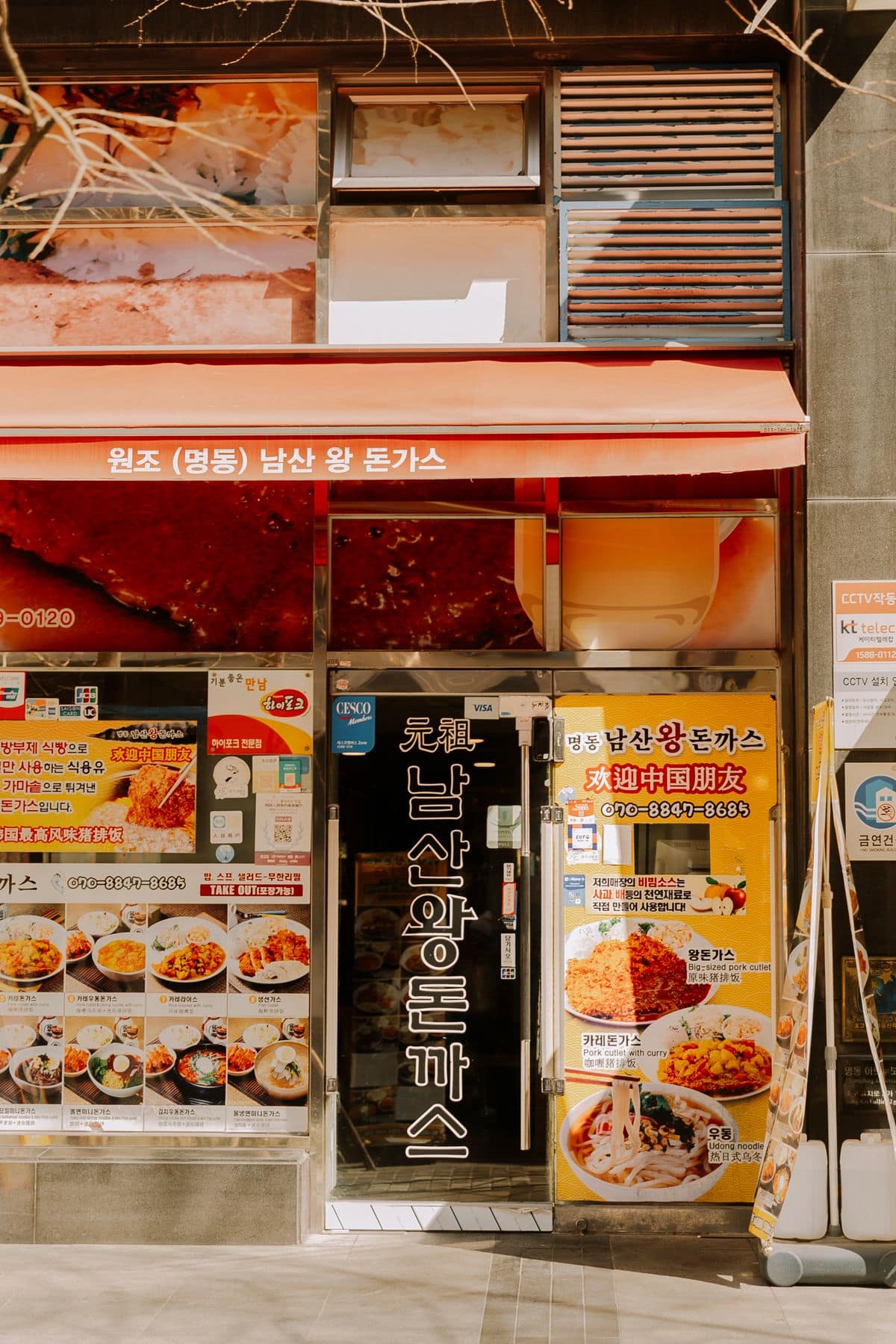
- The neighbourhood. Restaurants on tourist streets in Myeongdong or near palaces post picture menus in several languages. Look at the price on the board before you sit down; the survey number is a guide, not a promise.
- Hotels. Hotel restaurants and buffets often price well above ordinary restaurants.
The good news runs the other way: there is no tipping at ordinary Korean restaurants, and the price on the menu is the price you pay. Hotel restaurants are the exception: they may add a service charge and VAT on top.
You might like: Korean Kiosk Panic Guide: How To Order Food In Seoul
How to Check the Latest Price Yourself
The survey updates monthly; on 30 October 2026 the newest month was September. To read it:
- Open price.go.kr and go to 가격동향 → 외식비 (price trends → eat-out prices).
- Leave 조회유형 on 지역별 (by region) and 기간유형 on 월별 (monthly), pick the month, and press 조회 (search).
- The table lists every region in columns, with 서울 (Seoul) first, and each dish in a row. 환산전 means as served; 환산후 means converted (only samgyeopsal uses it).
If a news article quotes a samgyeopsal price that does not match, check which samgyeopsal row it used: the as-served and the 200 g figures differ by more than ₩3,000 in Seoul.
FAQ
Q: How much is kimbap in Korea?
A: A roll of kimbap averaged ₩3,923 (about $2.96) in Seoul in September 2026, according to the government price survey published on price.go.kr. Other regions were cheaper: ₩3,571 in Busan and ₩3,250 in Daegu. A convenience-store triangle gimbap is about ₩1,200.
Q: How much does a meal cost in Seoul?
A: An everyday Korean lunch costs about ₩8,000 to ₩10,000 ($6 to $7.60): jajangmyeon averaged ₩7,808, a kimchi-jjigae set averaged ₩8,846 and kalguksu ₩10,038 in September 2026. Bibimbap and naengmyeon are around ₩12,000 to ₩12,700. Korean barbecue is the expensive meal, at ₩18,154 per serving of samgyeopsal as served.
Q: Is food in Seoul more expensive than in Busan?
A: Usually, yes. In September 2026 Seoul was dearer than Busan for all eight surveyed dishes. The biggest gap was samgyeopsal as served (₩18,154 against ₩11,500), but most of that is a bigger serving in Seoul; per 200 g the gap is ₩21,321 against ₩18,175.
Q: How much is samgyeopsal per person in Seoul?
A: The Seoul average for one serving was ₩18,154 in September 2026, or ₩21,321 converted to 200 g. Some barbecue restaurants set a minimum order, and rice, stew and drinks cost extra, so budget ₩25,000 or more per person.
Q: Do you tip at restaurants in Korea?
A: No. Ordinary Korean restaurants do not expect a tip, and the price on the menu is what you pay. Hotel restaurants may add a service charge and VAT to the menu price.
Q: Why did the kimbap price change in 2017?
A: It did not jump; the unit changed. Until December 2016 the survey priced "one serving" of kimbap; from January 2017 it prices one roll, so figures before and after are not directly comparable.
Sources
- Korea Consumer Agency (한국소비자원), T-Price (참가격), 외식비 가격동향 (eat-out price trends), price.go.kr/tprice/portal/pricetrend/dineoutpricetrend/getDinerOutTrend.do, regional monthly view (지역별, 월별), read 30 October 2026 for every month from 2025-09 to 2026-09 and for 2024-09 and 2019-09: Seoul and regional averages for kimbap, jajangmyeon, kalguksu, naengmyeon, samgyeopsal (as served and per 200 g), samgyetang, bibimbap and kimchi-jjigae set. The page's notes: data supplied by the Ministry of the Interior and Safety; source line National Data Office (국가데이터처); figures provisional; outlet replacements kept in the series; units (one ordinary serving; kimbap one roll from January 2017; samgyeopsal 100–250 g as served, 200 g converted). Latest month available on 30 October 2026: September 2026.
- Exchange rate: US Federal Reserve H.10 (FRED series DEXKOUS), ₩1,325.06 per US$1, 23 October 2026.
- Convenience-store, café and kimbap-shop prices are from EpicKor's own checked guides, linked in the text: 171 (CU catalogue, October 2026), 450 and 404.
- Photos: JuJu, Sora kim Kim, Roman Odintsov and Elina Volkova on Pexels. Chart drawn by EpicKor from the price.go.kr table. Details in the post's image-sources file.
You Might Also Like
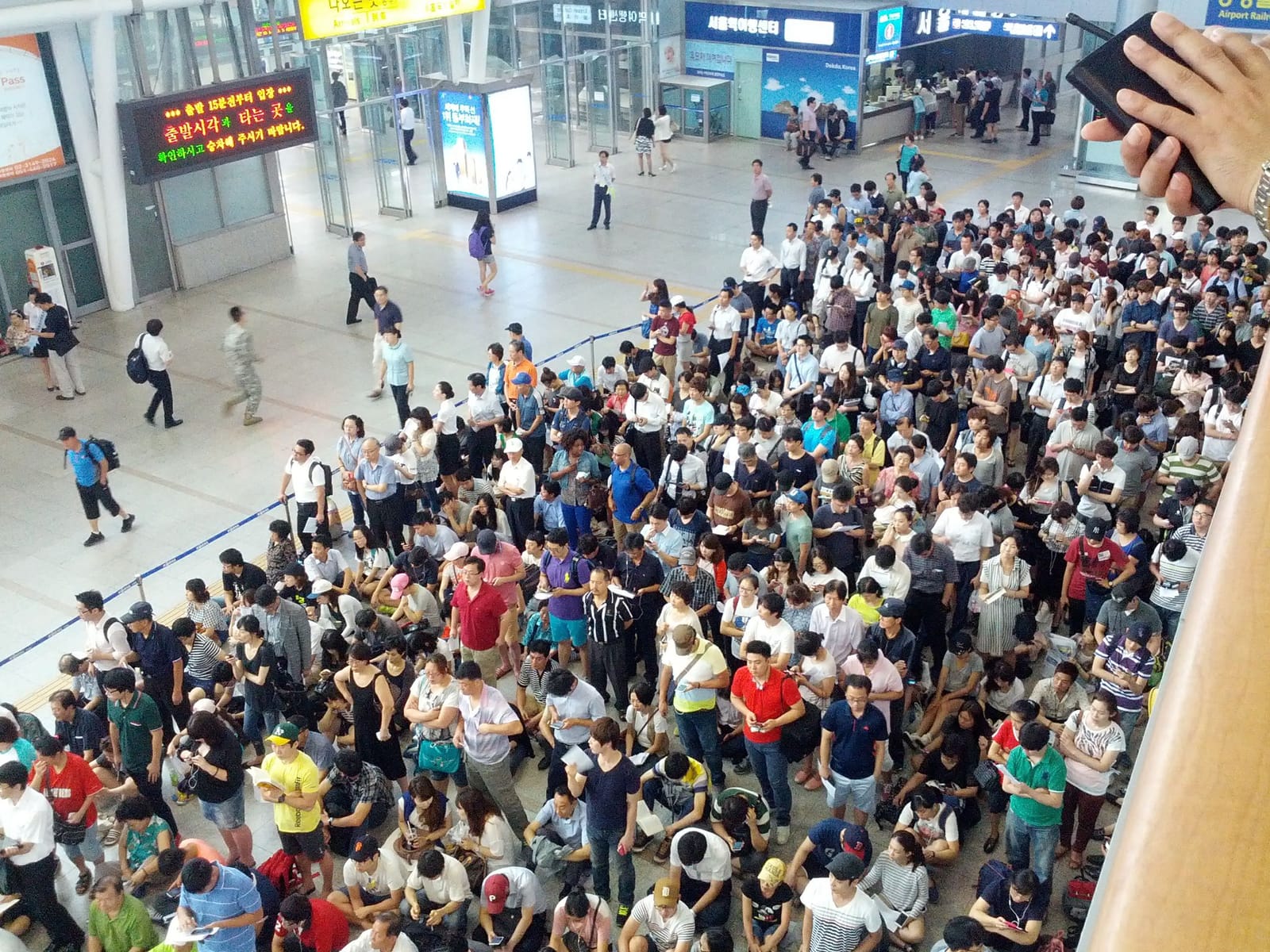
Korea Public Holidays 2027: 15 Weekday Days Off, 7 Substitute Days and the Long Weekends to Book Now
Korea public holidays 2027: 15 weekday days off, 7 substitute Mondays and Tuesdays, and the first full year with Labour Day and Constitution Day as official holidays. Every date, the long weekends, the leave days that bridge them and what closes.
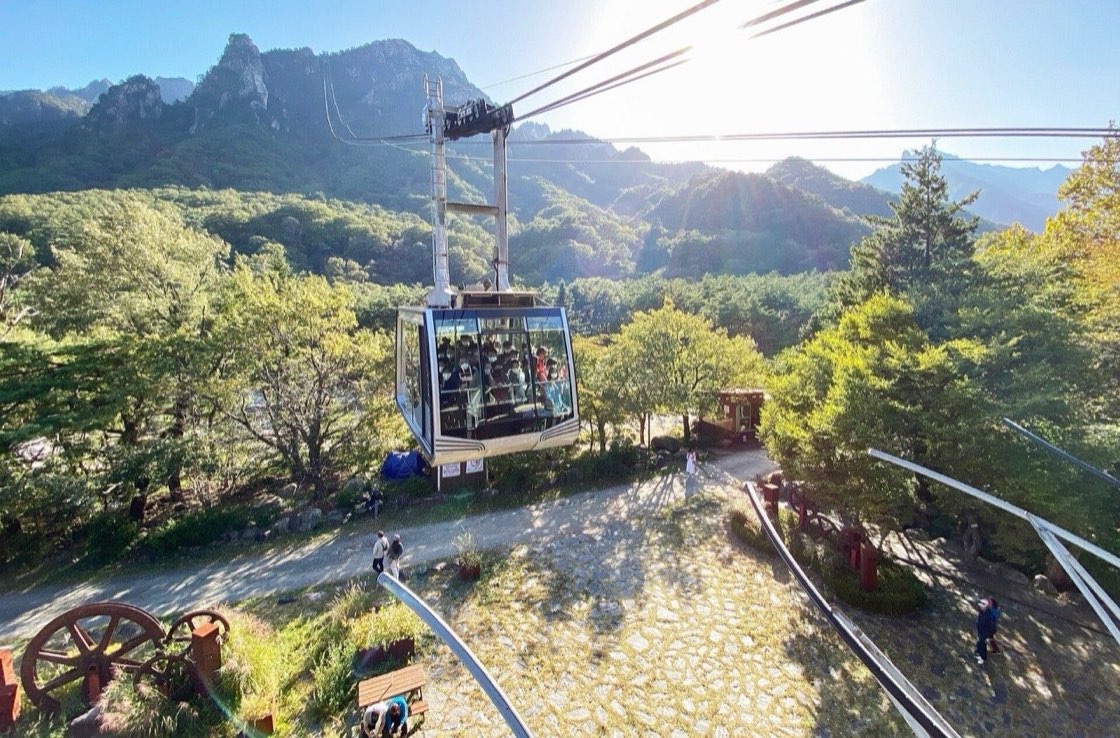
Seoraksan Cable Car in Korea: ₩16,000 Timed Ticket and Real Waits
The Seorak cable car is ₩16,000 return (about $12), not ₩15,000, and every ticket carries a boarding time. On a weekday in late October the wait passed two hours by 11:00.
Korean Bathhouse Prices: What a Mogyoktang Costs in Every Region
A Korean neighbourhood bathhouse (mogyoktang) now costs ₩11,000 in Seoul, the highest in Korea, and ₩8,100 in Gwangju. Government prices for September 2026 by region, what the ticket covers, scrub prices, the age-4 rule and how to use one.