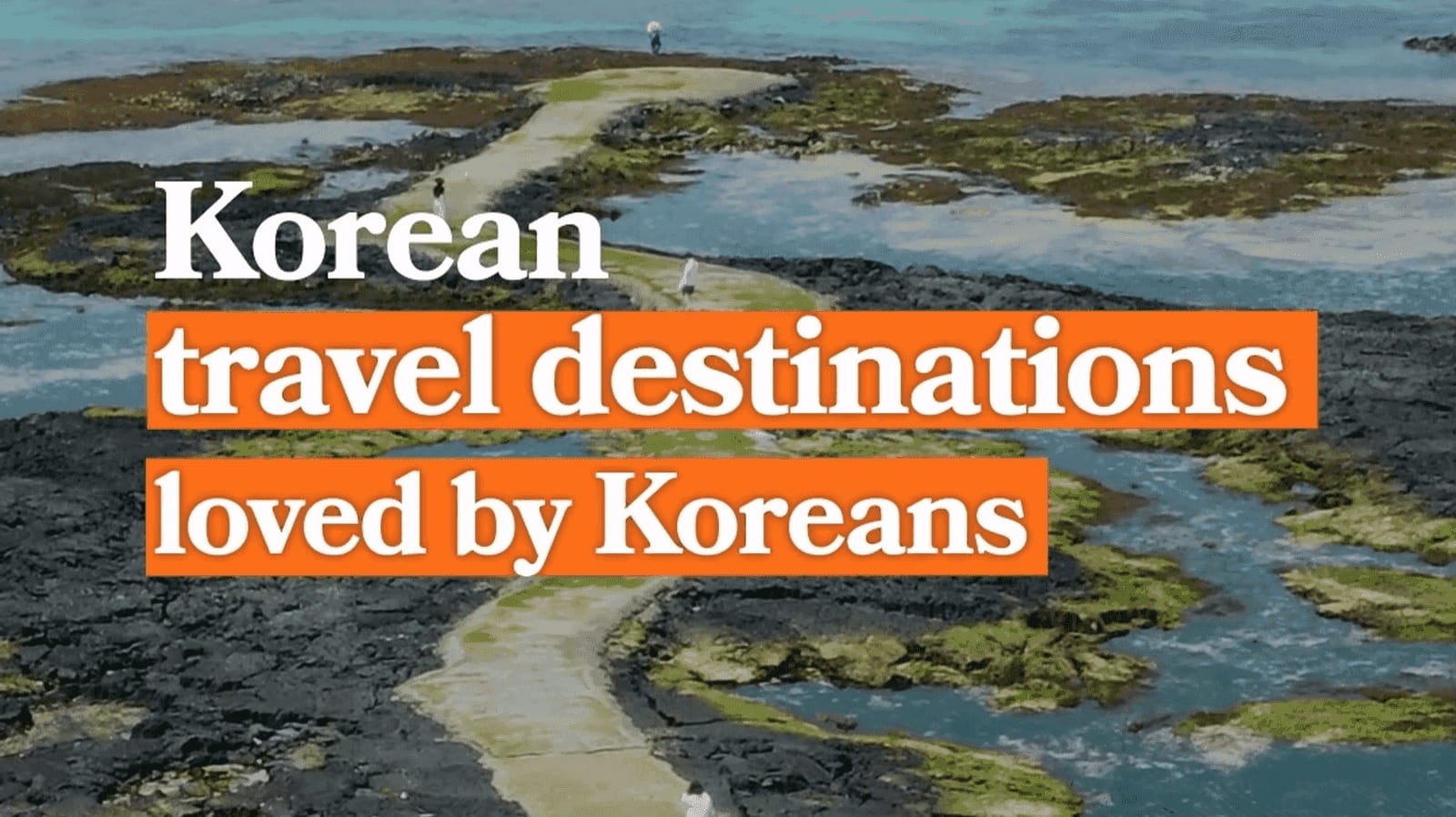
Jeju, Busan, or Gyeongju: Korea Travel Triangle Guide
Jeju, Busan, and Gyeongju are three of the most useful Korea trips outside Seoul, but they solve different travel problems. Jeju gives you volcanic landscapes, coastal drives, haenyeo culture, and slower island time. Busan gives you beaches, seafood, markets, film-festival energy, and a working port-city rhythm. Gyeongju gives you Silla history, royal tombs, temples, museums, and one of Korea's easiest "walk through the past" travel experiences.
This guide helps you choose the right destination instead of trying to force all three into a rushed itinerary. For basic trip prep, pair it with EpicKor's first-time Korea travel guide, best time to visit Korea guide, Seoul safety and etiquette guide, and Gyeongju day-planning guide.
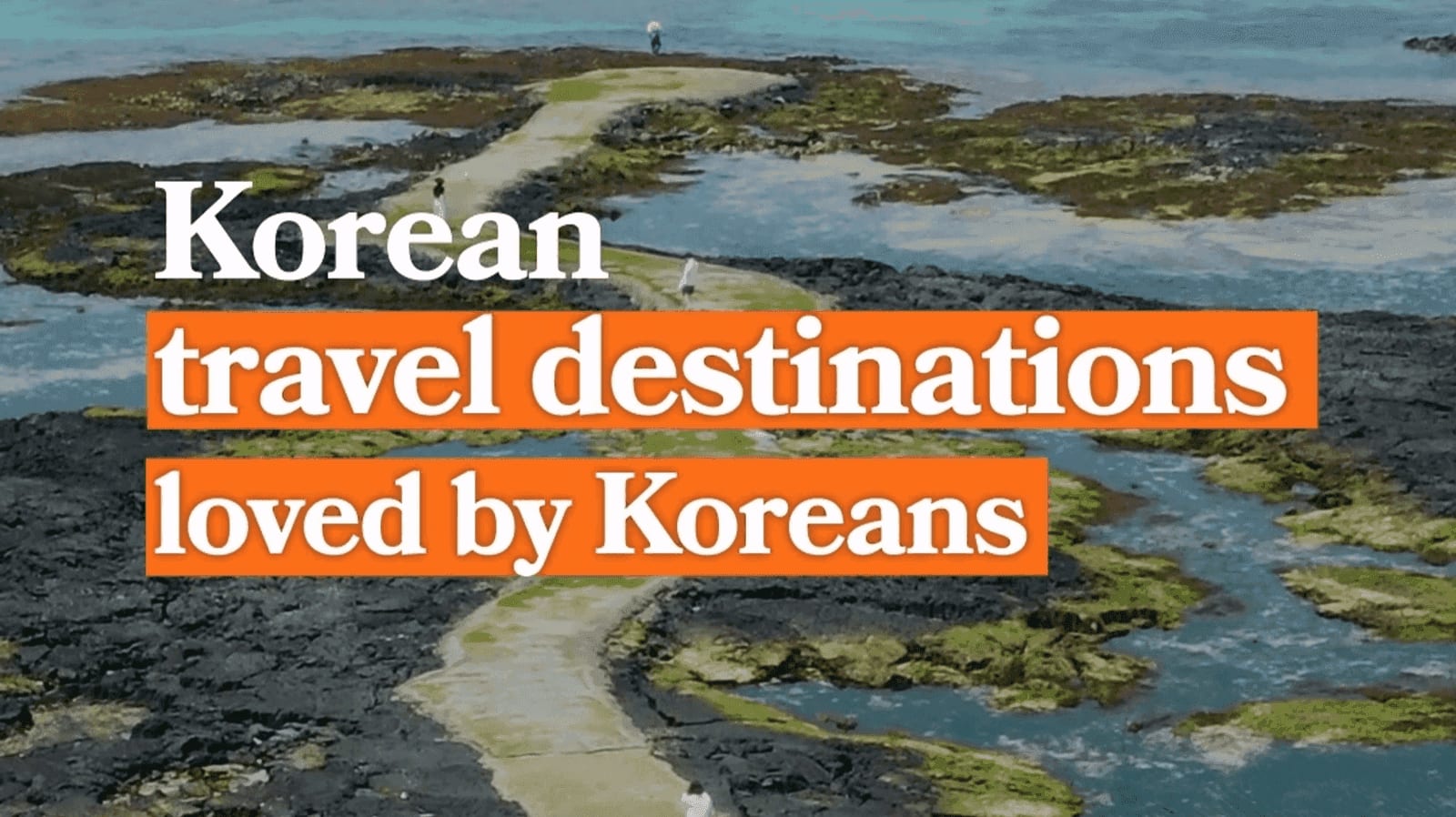
The Short Answer
Choose Jeju if you want nature, driving, coastal scenery, volcanic sites, cafes, and a slower trip. Choose Busan if you want an easy second-city trip with beaches, markets, food, nightlife, and high-speed rail access from Seoul. Choose Gyeongju if you want Korean history, temples, tombs, museums, quiet walking, and a compact culture trip.
Do not treat them as interchangeable "must-see" stops. Jeju often needs flights and a car or careful bus planning. Busan is easiest by KTX from Seoul. Gyeongju is smaller and more history-focused, often reached via KTX to Singyeongju plus local transport. The best choice depends on your time, season, mobility, and whether your trip needs scenery, food, or historical depth.
| Destination | Best for | Trip length | Main planning risk |
|---|---|---|---|
| Jeju | Nature, coast, cafes, volcanic scenery, haenyeo culture | 3-5 days | Underestimating distances and transport |
| Busan | Beach city, seafood, markets, nightlife, port energy | 2-4 days | Spreading sights too far across the city |
| Gyeongju | Silla history, temples, royal tombs, museums, hanok stays | 1-3 days | Treating it as only a quick photo stop |
Korea travel essentials — compare on AmazonAffiliate link. As an Amazon Associate, EpicKor earns from qualifying purchases at no extra cost to you.
How the Three Destinations Feel
Jeju feels physically different from mainland Korea. The horizon is wider, the roads are lower, and the trip often moves through coast, oreum volcanic cones, lava formations, waterfalls, stone walls, wind, and cafes. The official VisitKorea materials consistently frame Jeju around natural landscapes such as Seongsan Ilchulbong, volcanic features, beaches, and island culture. It is the strongest choice if you want Korea to feel less urban.
Busan feels like a city with salt in the air. It has skyscrapers and beaches, trains and hills, fish markets and film-festival prestige, old refugee-history neighborhoods and modern waterfront views. Official Busan tourism materials present the city through beaches such as Haeundae and Gwangalli, Gamcheon Culture Village, markets, coastal walks, and urban night views. It is the strongest choice if you want a second-city trip that still feels easy to enter.
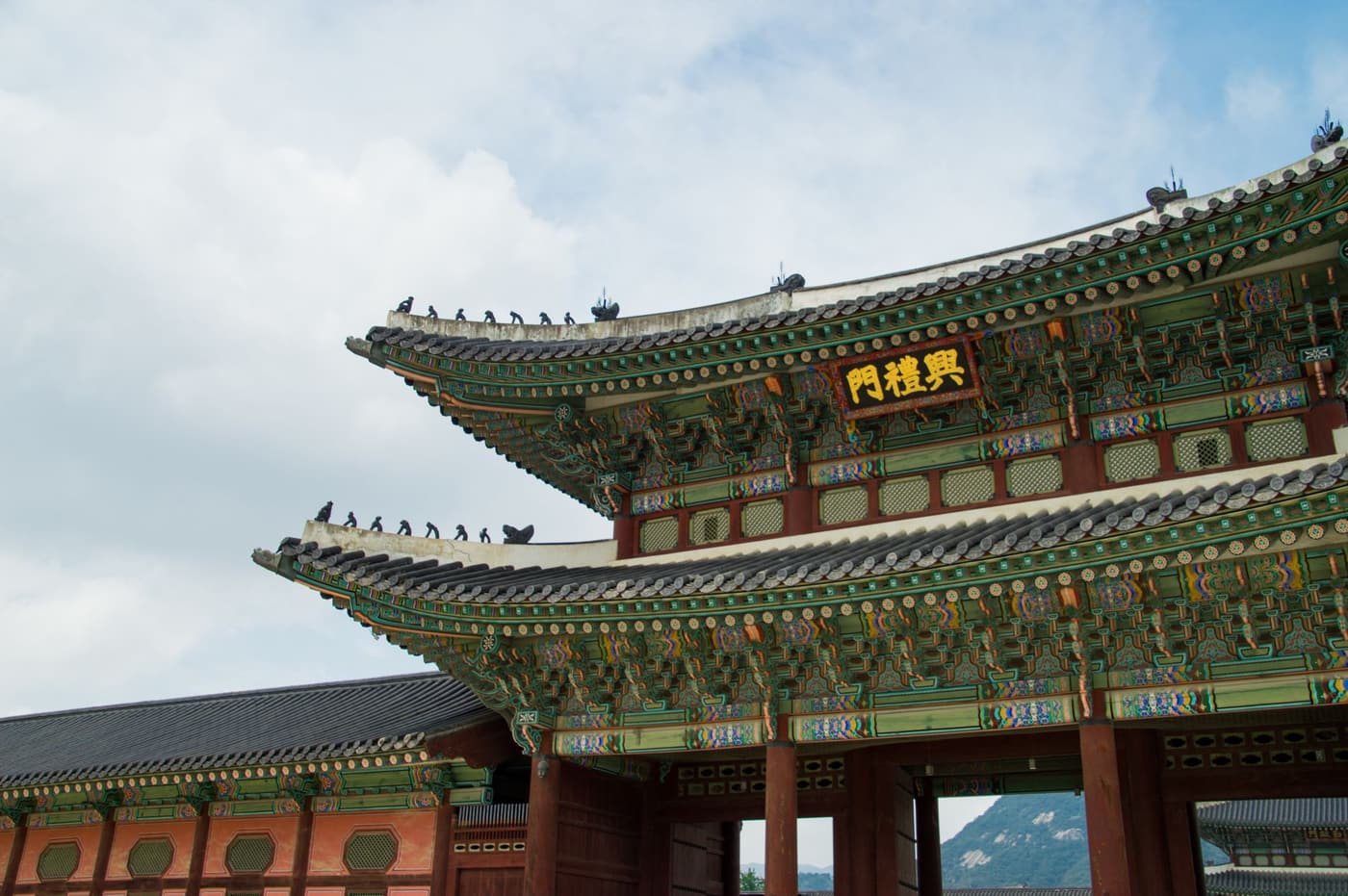
Gyeongju feels like Korean history has been spread across the ground rather than locked in one museum. The city was the capital of the Silla kingdom, and travelers can move between royal tombs, temples, observatory sites, ponds, museum collections, and hanok-style streets. UNESCO lists the Gyeongju Historic Areas as a World Heritage site, and Bulguksa Temple and Seokguram Grotto are also UNESCO-listed. It is the strongest choice if you want Korea's older layers to feel visible.
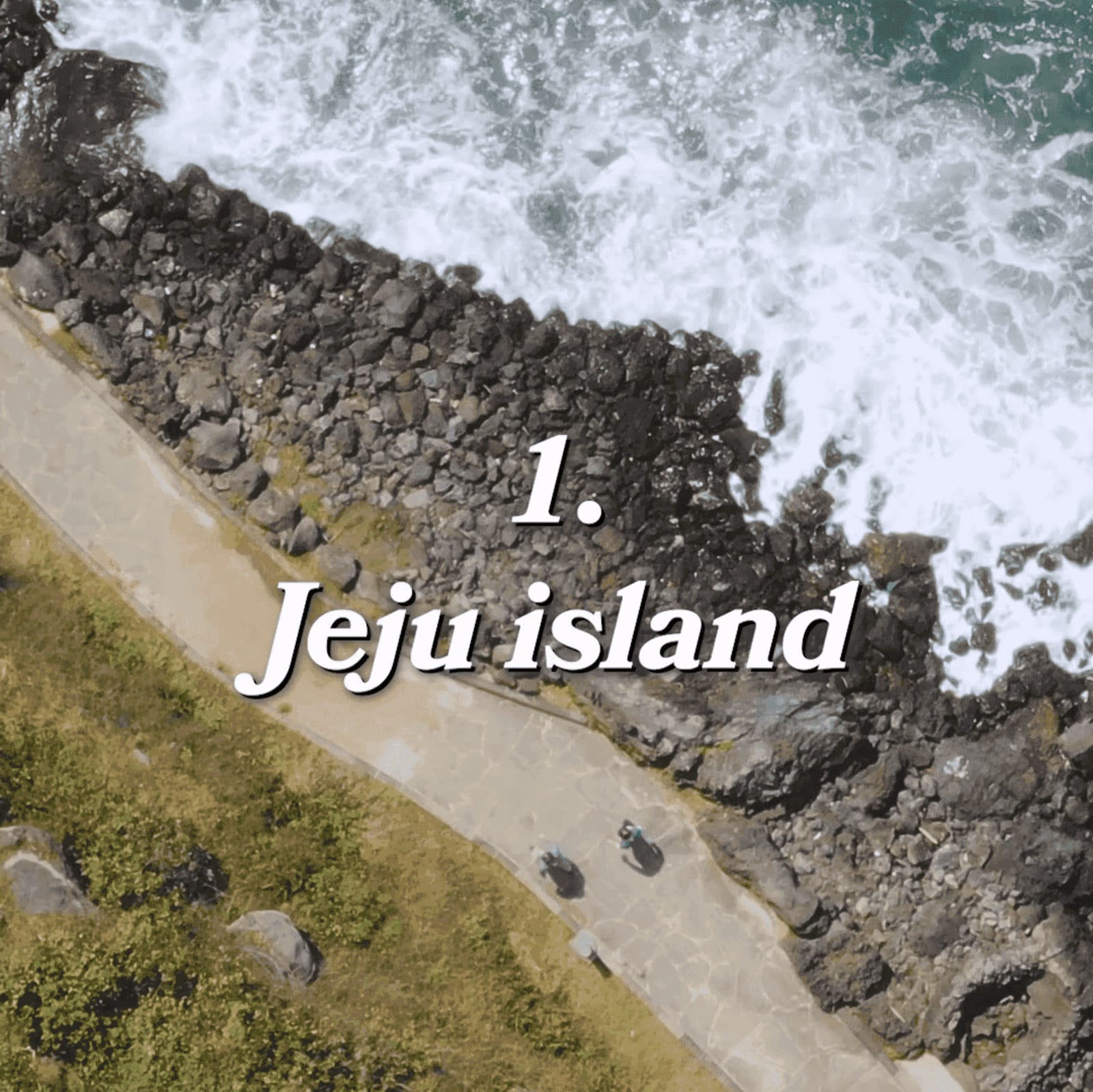
Jeju: Choose It for Landscape and Breathing Room
Jeju is not the best add-on if you have only one spare day. The island rewards time. Even if the flight from Seoul looks short, airport transfers, rental-car pickup, weather, and long drives can eat into the day. If you want to understand Jeju, give it at least three days.
The island's famous places are spread out: Seongsan Ilchulbong on the east, Hallasan in the center, beaches around multiple coasts, waterfalls near Seogwipo, and cafes in many coastal villages. Public buses exist, but travelers who want flexible scenery usually rent a car or plan carefully around bus routes and taxis. Weather also matters. Wind, rain, fog, and sea conditions can change the feeling of the trip quickly.
Jeju is strongest for travelers who want:
- A break from Seoul density.
- Volcanic and coastal scenery.
- Cafe routes and scenic drives.
- Haenyeo culture and seafood.
- A honeymoon, couple trip, family trip, or slower solo reset.
It is weaker if you hate driving, dislike weather uncertainty, or want dense nightlife in one walkable district.
Pack for Korea beyond Seoul: As an Amazon Associate, EpicKor may earn from qualifying purchases. Before adding Jeju or Busan to a Seoul trip, compare Korea travel essentials such as adapters, pouches, compact umbrellas, and small day-bag items.
Busan: Choose It for Food, Beach, and Second-City Energy
Busan is the easiest recommendation for many first-time visitors because it is different from Seoul but still convenient. The KTX from Seoul to Busan makes the trip straightforward, and the city has enough variety for several travel styles: Haeundae and Gwangalli for beach/waterfront mood, Jagalchi and BIFF Square for food and market energy, Gamcheon for colorful hillside views, and coastal temples or walks for scenery.
The planning mistake is trying to treat Busan like one compact neighborhood. It is a large city. Haeundae, Gwangalli, Nampo/Jagalchi, Gamcheon, and the station area are not all next door. Choose a base that matches your priority. Stay near Haeundae for beach and resort-style convenience. Stay near Nampo or Busan Station for markets, ferry/rail access, and older-city routes. Stay near Gwangalli if you want bridge views and nightlife.
Busan is strongest for travelers who want:
- A simple KTX side trip from Seoul.
- Beaches without leaving city infrastructure.
- Seafood, markets, and casual food.
- Night views and a less-polished urban rhythm.
- A trip that works without renting a car.
It is weaker if your main goal is ancient history, quiet temples, or remote nature.

Gyeongju: Choose It for History You Can Walk Through
Gyeongju is often called an open-air museum, but that phrase can make it sound static. The better way to understand it is as a city where historical sites sit inside ordinary movement. You can walk near royal tombs, visit Donggung Palace and Wolji Pond at night, move through museum collections, then continue to cafes, hanok-style streets, and local restaurants.
Because Gyeongju is smaller than Busan and less transport-heavy than Jeju, it can work as a one-night or two-night trip. A rushed day trip is possible, especially from Busan, but staying overnight gives the city its best rhythm. Night views, early walks, and slower temple visits make Gyeongju feel less like a school-trip checklist.
Gyeongju is strongest for travelers who want:
- Silla history and Korean heritage.
- Royal tombs, temples, museums, and UNESCO context.
- A quieter city after Seoul or Busan.
- A manageable culture trip without island logistics.
- Hanok-style stays or night-walk atmosphere.
It is weaker if you want beach nightlife, big shopping districts, or dramatic nature in every direction.
Which Should You Add to a First Korea Trip?
If you have only one extra city after Seoul, choose Busan for convenience and contrast. It is the easiest "Korea is more than Seoul" move for many travelers. If you have five or more extra days and want a different pace, choose Jeju. If you already care about history, temples, and pre-modern Korea, choose Gyeongju even if it looks less flashy online.
| Your trip situation | Best pick | Why |
|---|---|---|
| First Korea trip, 7-8 days total | Seoul + Busan | Strong contrast with simple KTX logistics |
| First Korea trip, 10-12 days total | Seoul + Busan + Gyeongju | City, coast, and history without flight complexity |
| Nature-focused trip | Seoul + Jeju | Jeju gives the clearest non-urban contrast |
| History-focused trip | Seoul + Gyeongju | Palace Seoul plus Silla-era Gyeongju is coherent |
| Food-and-market trip | Seoul + Busan | Markets, seafood, street food, and city neighborhoods pair well |
Season and Weather Notes
Spring and autumn are the easiest seasons for all three. Jeju can be beautiful in spring, but wind and rain still matter. Busan works well in summer if you want beaches, but accommodation near the beach can be more competitive. Gyeongju is especially pleasant in spring blossoms and autumn color, though popular sites can be crowded.
Winter changes the mood. Jeju becomes quieter and windier. Busan is milder than Seoul but still chilly. Gyeongju can feel calm and atmospheric, but shorter days matter. Summer is possible everywhere, but heat and humidity can make packed itineraries feel heavier. If you are traveling in July or August, build slower days and indoor breaks.
Transport Planning
Busan is usually the simplest: KTX from Seoul Station to Busan Station, then subway, taxi, or bus within the city. Gyeongju often involves KTX to Singyeongju Station, then local bus or taxi into the main city area. Jeju usually involves a domestic flight, then rental car, bus, taxi, or hired tour depending on your comfort.
Do not compare only ticket prices. Compare friction. A cheap flight to Jeju can still require airport time, luggage handling, car rental, parking, and weather backup. A slightly longer train trip can be easier because stations place you closer to the city route.
Keep documents and tickets sane: For multi-city Korea travel, compare travel document organizers for passports, rail tickets, SIM notes, receipts, and booking printouts before bouncing between airports and train stations.
See travel document organizers on AmazonQuick Recommendation
For most first-time visitors, the safest order is: Seoul first, Busan second, Gyeongju third if time allows, Jeju only if you can give it enough days. That is not because Jeju is less important. It is because Jeju's payoff depends more on time, weather, and transport comfort.
If your dream image of Korea is coast, wind, black rock, and cafe windows, choose Jeju. If it is seafood markets, beaches, and city lights, choose Busan. If it is tombs, temples, stone, and old kingdom memory, choose Gyeongju. Let the destination solve your actual trip, not someone else's ranking.
Sources and Further Reading
- VISITKOREA Jeju travel information.
- Visit Busan official tourism portal.
- UNESCO World Heritage listing for Gyeongju Historic Areas.
- UNESCO listing for Seokguram Grotto and Bulguksa Temple.
- EpicKor Gyeongju travel guide.
- EpicKor best time to visit Korea guide.
FAQ
Q: Should I visit Jeju, Busan, or Gyeongju first?
For most first-time visitors, Busan is the easiest second destination after Seoul. Choose Jeju if you have more time for nature, and Gyeongju if history is your main priority.
Q: Can I visit all three in one Korea trip?
Yes, but it works best with at least 12-14 days. Seoul, Busan, Gyeongju, and Jeju together can become rushed if you only have one week.
Q: Do I need a car in Jeju?
Not strictly, but a car makes Jeju much easier if you want flexible coastal routes. Without a car, plan around buses, taxis, tours, and fewer stops per day.
Q: Is Busan good without speaking Korean?
Yes. Major tourist areas, transit, hotels, and attractions are manageable for many visitors. Translation apps still help for markets, buses, and smaller restaurants.
Q: Is Gyeongju worth staying overnight?
Yes. A day trip is possible, but overnight gives you better night views, slower temple time, and less pressure to rush through historical sites.
Q: Which destination is best for families?
Busan is easiest for mixed interests, Jeju is strong for nature-focused families with transport planning, and Gyeongju works well for families who enjoy history, walking, and museums.
You Might Also Like
Best Places to Visit in Korea: 2026 Travel Guide
Best places to visit in Korea for first-time travelers: Seoul, Busan, Gyeongju, Jeju, Gangneung, Jeonju, and how to choose your route.
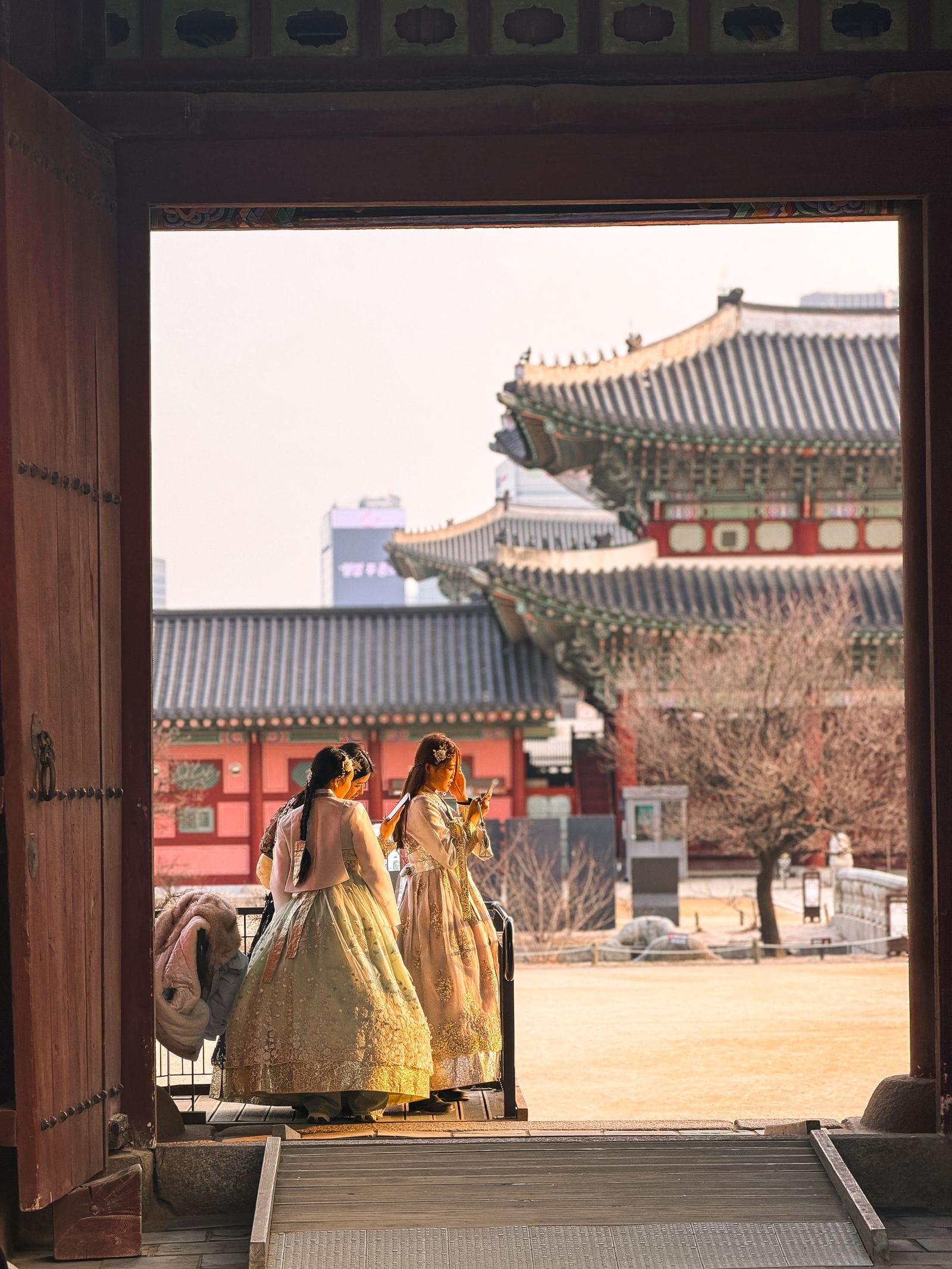
7-Day Korea Itinerary: Seoul, Gyeongju, and Busan by KTX
A practical 7-day Korea itinerary covering Seoul, Gyeongju, and Busan by KTX, with palace days, UNESCO sites, beaches, and food markets.
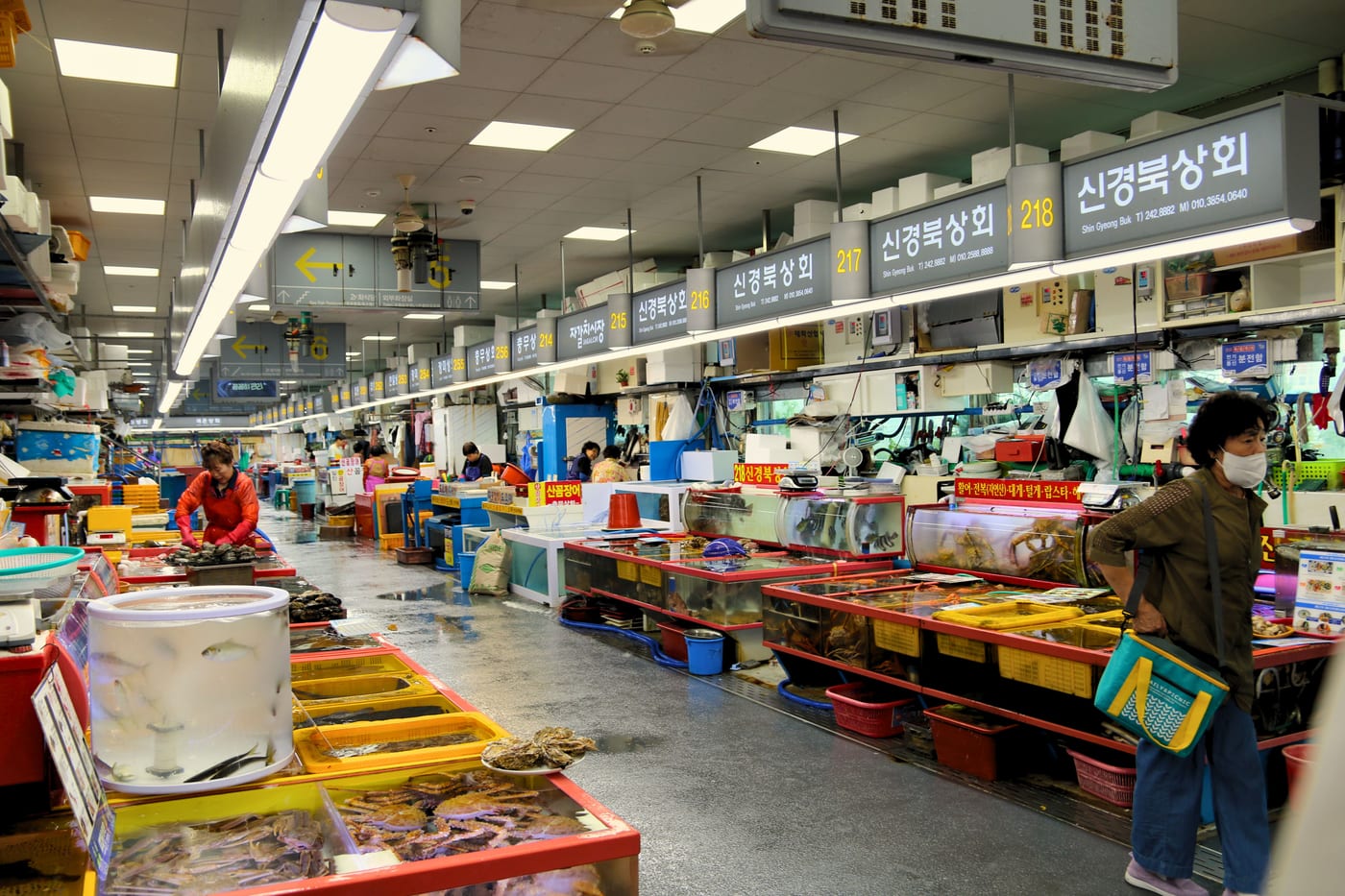
Jagalchi: The Korean Octopus Snack That Contains No Octopus
자갈치 is octopus-shaped, sold abroad as Tako Chips, and named after a Busan fish market rather than the fish that shares its name. Nongshim's own US allergen line declares corvina, anchovy, cutlassfish, pollock and shrimp — and no cephalopod at all.