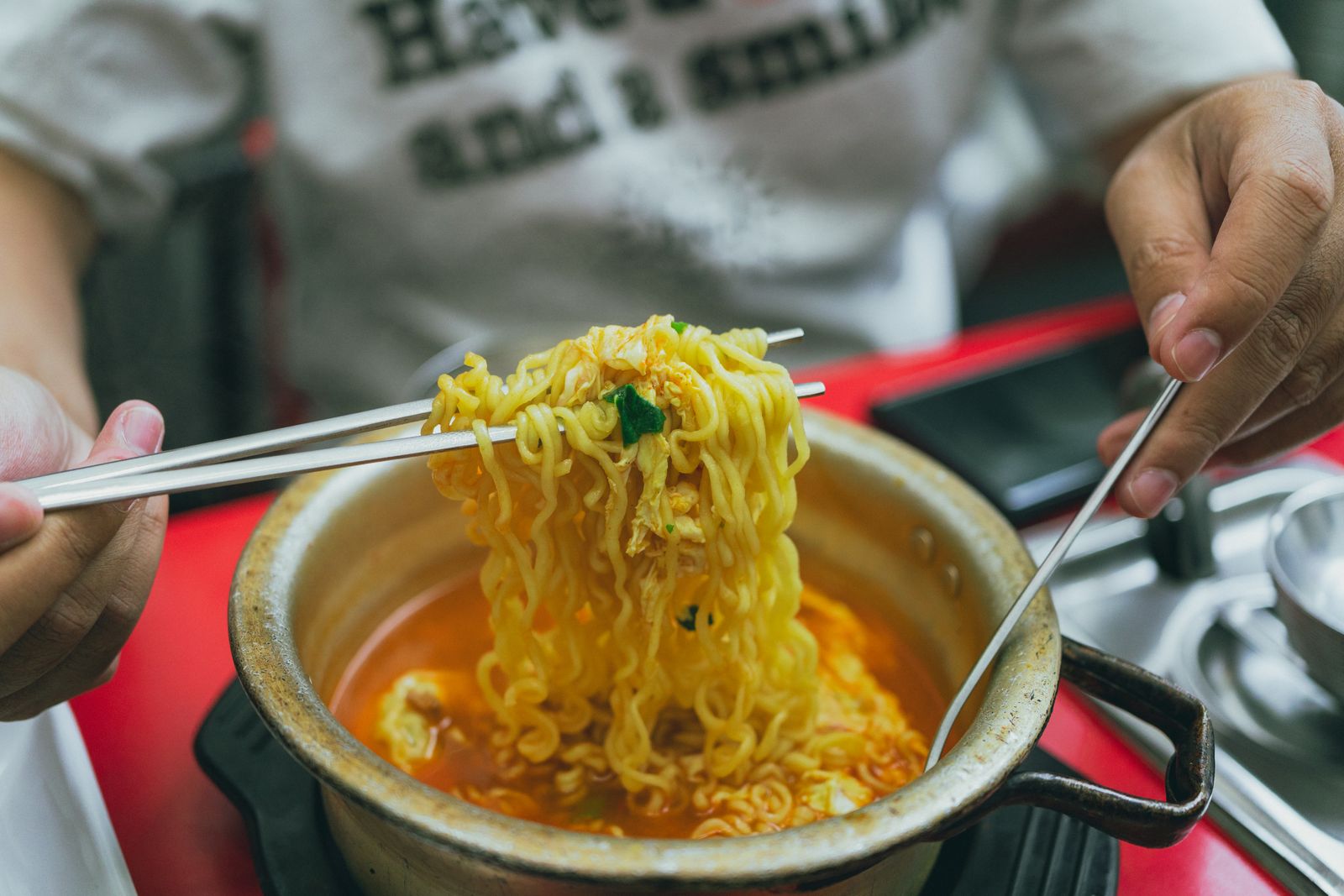
Korean Ramen Went Premium: Why a Packet Now Costs ₩1,900
For about forty years the answer to "how much is a packet of Korean ramyun" was roughly the same number. That stopped.
In the past nine months Korea's two biggest noodle companies both launched a premium packet, and both priced it far above the shelf they were sitting on:
- 삼양1963 — 3 November 2025, ₩1,900 at convenience stores
- 신라면 골드 (Shin Ramyun Gold) — 2 January 2026, ₩1,500, about 1.5× standard Shin Ramyun
That is the actual 2026 story, and it is a different one from the creamy-spicy wave that Buldak Carbonara started. Creamy spicy is now the baseline, not the news.
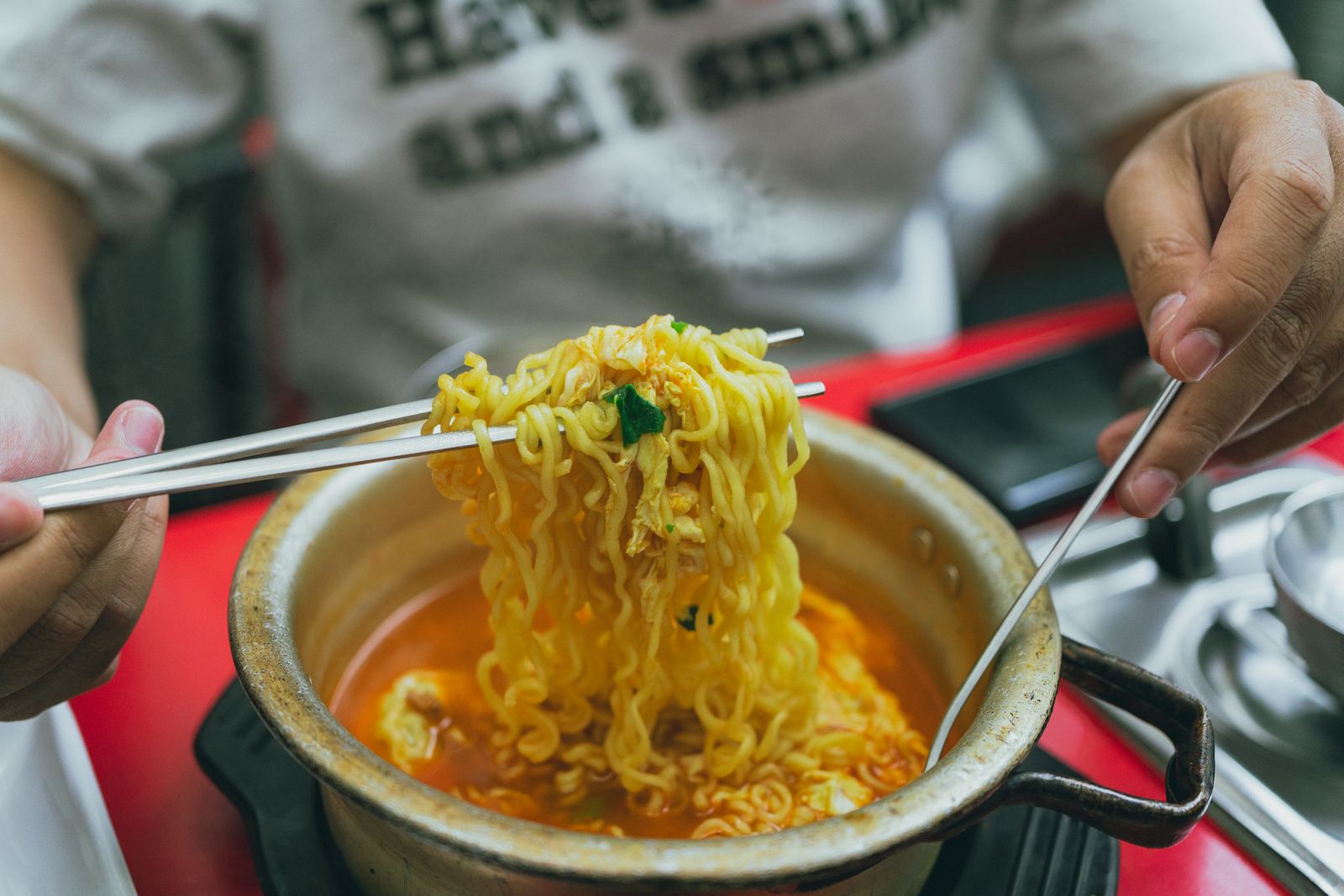
Samyang Buldak Spicy Ramen Carbonara — on AmazonAffiliate link. As an Amazon Associate, EpicKor earns from qualifying purchases at no extra cost to you.
The Short Answer
| Product | Korean | Launched | Convenience-store price |
|---|---|---|---|
| Samyang 1963 | 삼양1963 | 3 Nov 2025 | ₩1,900 |
| Shin Ramyun Gold | 신라면 골드 | 2 Jan 2026 | ₩1,500 |
| Shin Ramyun (standard) | 신라면 | 1986 | around ₩1,000 |
| Shin Ramyun Toomba | 신라면 툼바 | Sept 2024 | standard range |
| Buldak Carbonara | 불닭볶음면 까르보나라 | 2017 | standard range |
Both premium launches are anniversary plays. Shin Ramyun turned 40 in 2026. Samyang 1963 is a modern rebuild of Samyang Ramen, Korea's first instant noodle, from 1963 — and its launch date was chosen very deliberately, which is the best story on this page.
Samyang 1963 and the Date They Picked
On 3 November 1989, prosecutors received an anonymous letter alleging that Samyang Foods fried its noodles in industrial-grade beef tallow. Executives were arrested under food-safety and public-health statutes. The press ran with it.
Investigators and then the courts found the tallow was edible. The Supreme Court acquitted the company on 26 August 1997 — nearly eight years after the accusation.
By then it did not matter. The Dobong-dong plant had shut for about three months, and Samyang's market share had fallen from roughly 60% to 15%. Koreans call the whole episode the 우지 파동, the beef tallow crisis, and it is one of the clearest cases in Korean business history of a company destroyed by a charge that turned out to be false.
Now the part worth pausing on. Samyang launched 삼양1963 on 3 November 2025 — the same calendar date, thirty-six years later — and the product is fried in beef tallow. The exact ingredient.
And it is printed on the front of the bag. Along the bottom edge, under the product name, 삼양1963 declares its own composition: 우지 6.87% — beef tallow, 6.87 per cent — plus 비프추출물 1.05% and 사골풍미분 1.02%, on a 131 g packet. The ingredient that nearly destroyed the company is not buried in a panel on the back. It is a number on the front, in the same size as the weight.
Samyang's vice-chairman framed it directly: after thirty-six years, on the same day, the company was setting the record straight and declaring a new start.
Commercially it worked. About five months in, 삼양1963 was selling roughly seven million packets a month.
If you want the wider picture of how that company now operates, EpicKor's Samyang Foods business deep dive covers the export system Buldak paid for, and the Ottogi deep dive covers the competitor that never left home.
Shin Ramyun Gold, and What Actually Changed
Nongshim's answer arrived on 2 January 2026 for Shin Ramyun's fortieth year. Shin Ramyun launched in 1986; the Gold version is the first serious premium extension of the name.
The interesting difference is not the packaging. Standard Shin Ramyun is built on a beef and shiitake broth. Shin Ramyun Gold's ingredient list specifies a chicken broth base. That is a different bowl, not a richer version of the same one — worth knowing before you assume Gold is "Shin Ramyun but better."
There is one more wrinkle Korean shoppers noticed: a premium Shin Ramyun had already been sold overseas before it came home, and the domestic price attracted comment when it arrived.
At ₩1,500 it sits below Samyang's ₩1,900 but well above the ordinary shelf. Korean reporting through late 2025 described a run of launches breaking the ₩1,500 line — the premium tier is now a real category rather than one company's experiment.
Toowoomba: A Pasta Australia Has Never Had
신라면 툼바 launched in September 2024 and put a word on the shelf that confuses every English-speaking shopper who sees it. Samyang had got there first with 파스타테이블 투움바파스타 in November 2018, which went further and made the noodles pasta-like.
So what is Toowoomba?
투움바 파스타 is Outback Steakhouse's signature dish in Korea, on the menu since 2001 — a cream sauce pasta with Grana Padano, shrimp and mushrooms, with the heat coming from cayenne, crushed red pepper and seafood seasoning.
Toowoomba is a real Australian city. The dish has no connection to it. Outback picked Australian place names for menu branding, the same way Vermont Curry has nothing to do with Vermont. Outback Australia never served it, and Australians generally have no idea it exists.
Outback discontinued it across most markets. It survives mainly in Korea and Brazil.
The result is a small, genuinely odd piece of food history: a dish with an Australian name, invented for an American chain, that only Korea kept — and Korea kept it so thoroughly that it spawned 투움바 라면 and 투움바 떡볶이. It became a domestic flavour category. In Korea, "toomba" now simply means creamy-spicy, and most people using the word are not thinking about pasta at all.
| Flavour lane | What it tastes like | Where it stands in 2026 |
|---|---|---|
| Classic spicy broth | Chilli, garlic, savoury, beef or anchovy base | The baseline. Shin, Jin, Ansungtangmyun |
| Premium broth | Richer stock, thicker noodle, ₩1,500–1,900 | The current move |
| Creamy spicy (까르보·툼바) | Sauce-coated, dairy-softened heat | Mainstream now, not a trend |
| Extreme heat | Buldak and its escalations | Still sells, mostly on camera |
| Stew-style (김치·찌개) | Sour, deep, closer to a Korean stew | Steady, underrated by visitors |
Buldak Carbonara Is Now the Floor, Not the Ceiling
Buldak Carbonara did the hard work. The pink packet, the creamy powder, the sweet heat — spicy enough to feel like an event, creamy enough that more people could join in. That is why it travelled.
But it is now stocked in supermarkets across dozens of countries, which changes the advice. If you can buy it at home, it is a poor use of suitcase space. The reason to buy ramyun in Korea is the things that do not export: limited editions, seasonal packs, convenience-store-only formats, and now the premium tier, which is mostly domestic.
For the full ramyun landscape rather than the trend layer, EpicKor's Korean ramyun guide covers Shin, Buldak and Chapaghetti, Jin Ramen mild vs spicy covers the packet Koreans actually buy most, and the carbo Buldak guide covers how that one flavour went global.
Recreate the trend at home: As an Amazon Associate, EpicKor may earn from qualifying purchases. If Korea made you crave saucy heat, compare Samyang Buldak Spicy Ramen Carbonara, a Korean ramen cooking pot, and a broad Korean food starter pack before building your first home ramen shelf.
See Samyang Buldak Spicy Ramen Carbonara on AmazonThe Convenience Store Recipe Is the Real Culture
Korean ramyun gets more interesting when you stop treating it as a packet and start treating it as a platform.
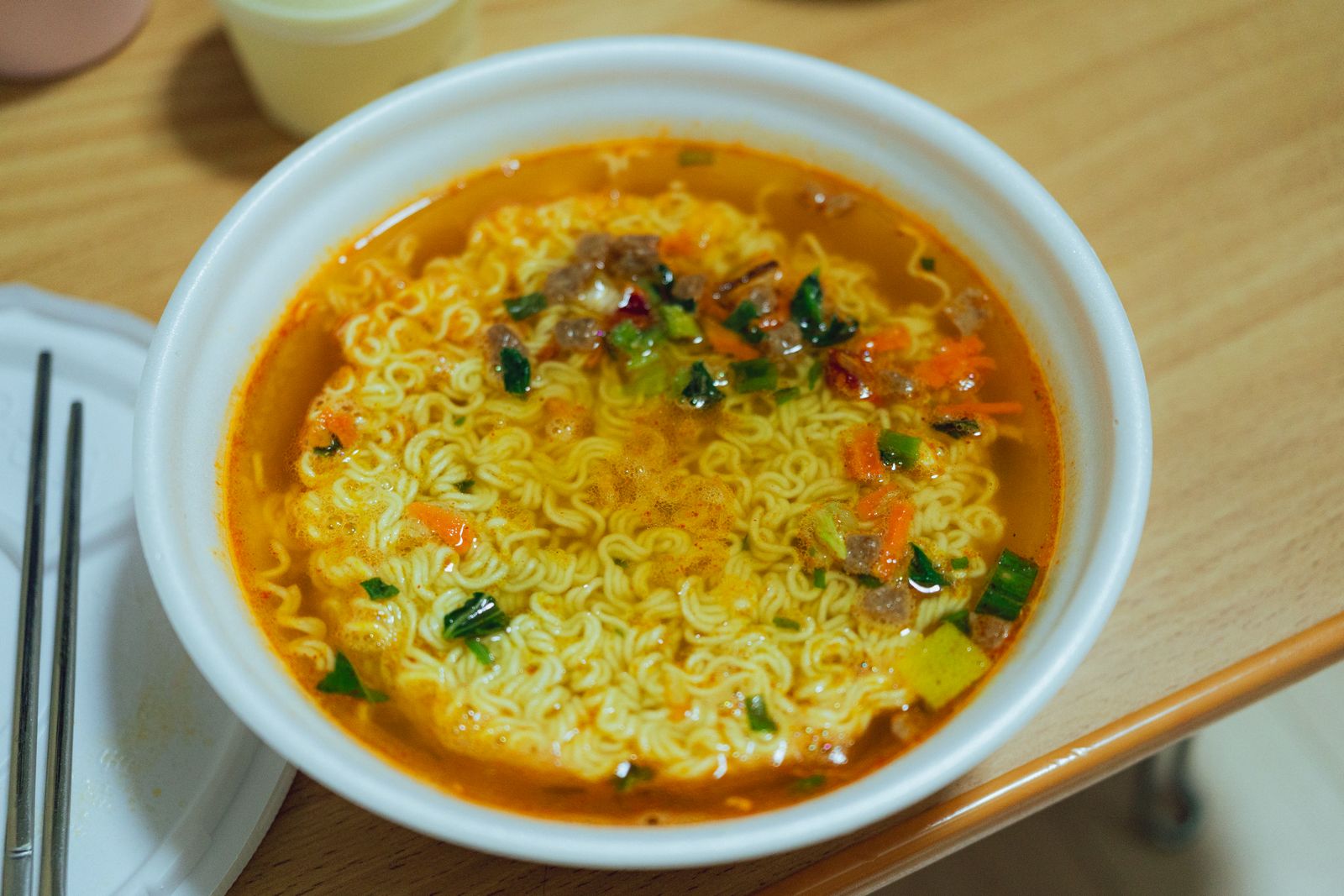
In a Korean convenience store, ramyun becomes a meal through small decisions: cup or bag, soup or stir-fry, egg or cheese, triangle gimbap or sausage, kimchi or pickled radish, more water or less, microwave or hot-water dispenser, table or hotel room.
Common add-ons:
- soft-boiled egg
- sliced cheese
- kimchi
- tuna
- dumplings
- sausage
- triangle gimbap
- green onion
- sesame oil
- seaweed
- tteokbokki sauce
The mistake visitors make is buying the hottest flavour first and then adding six things. Start with one ramyun and one topping. Learn the base, then experiment.
What to Actually Buy in Korea
Do not buy randomly. Build four-pack logic:
- one classic spicy broth
- one premium packet you cannot get at home
- one stew-style or kimchi ramyun
- one wildcard or limited edition
That gives you range — broth against sauce, classic against premium, comfort against challenge.
Prioritise what is hard to find abroad. 삼양1963 and 신라면 골드 are the obvious picks in 2026 precisely because they are new and mostly domestic. Check expiry dates, suitcase space, and your country's food import rules before filling a basket.
For a broader haul, pair ramyun with seaweed snacks, instant coffee, yakgwa, sauce packets and small tools. EpicKor's Korean grocery store tourism guide turns a mart visit into a proper souvenir run, and the seaweed snack, instant coffee mix and kimchi jjigae at home guides cover the add-ons that fit a ramyun shelf.
The Ramen Pot Effect
The small pot matters more than people expect.
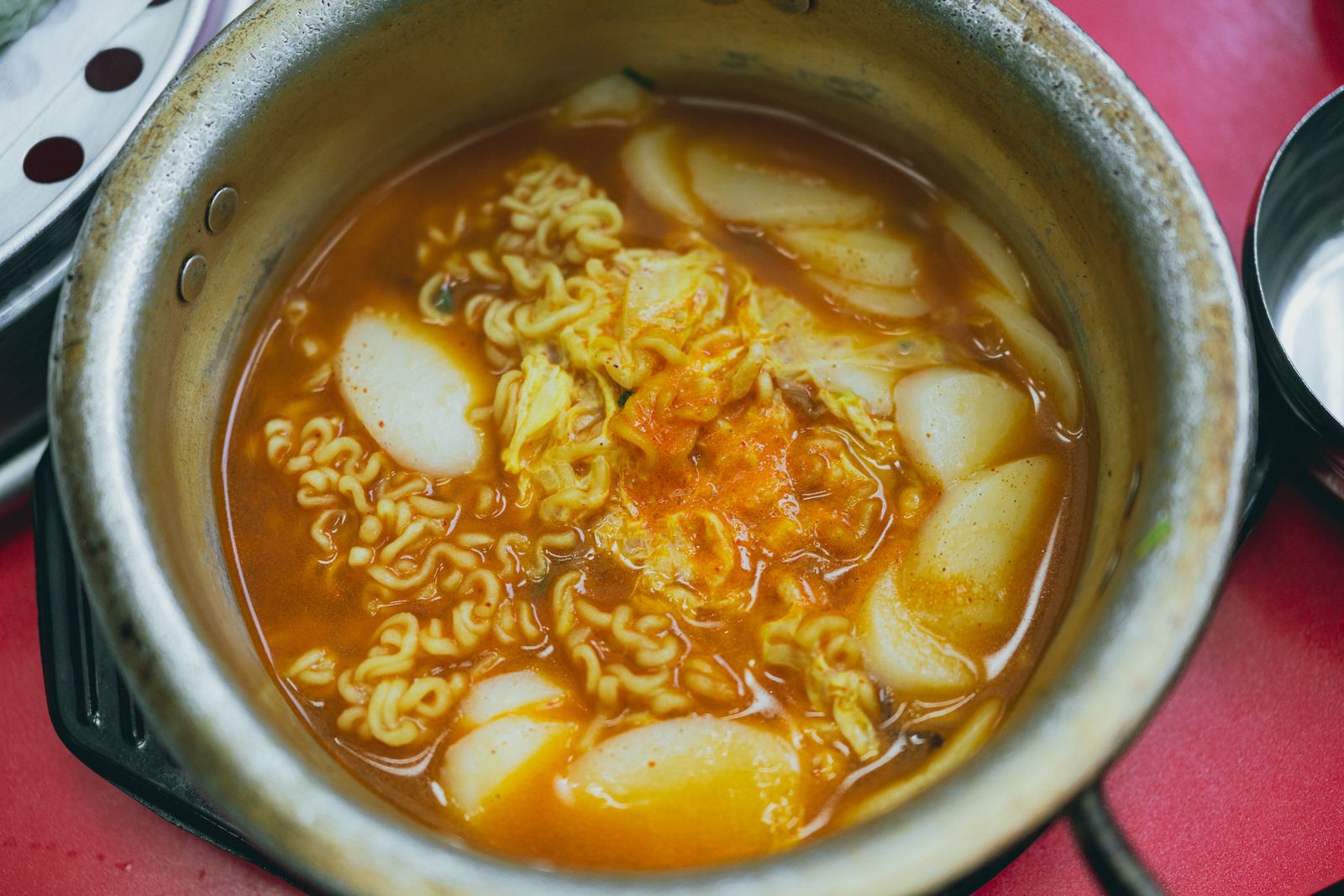
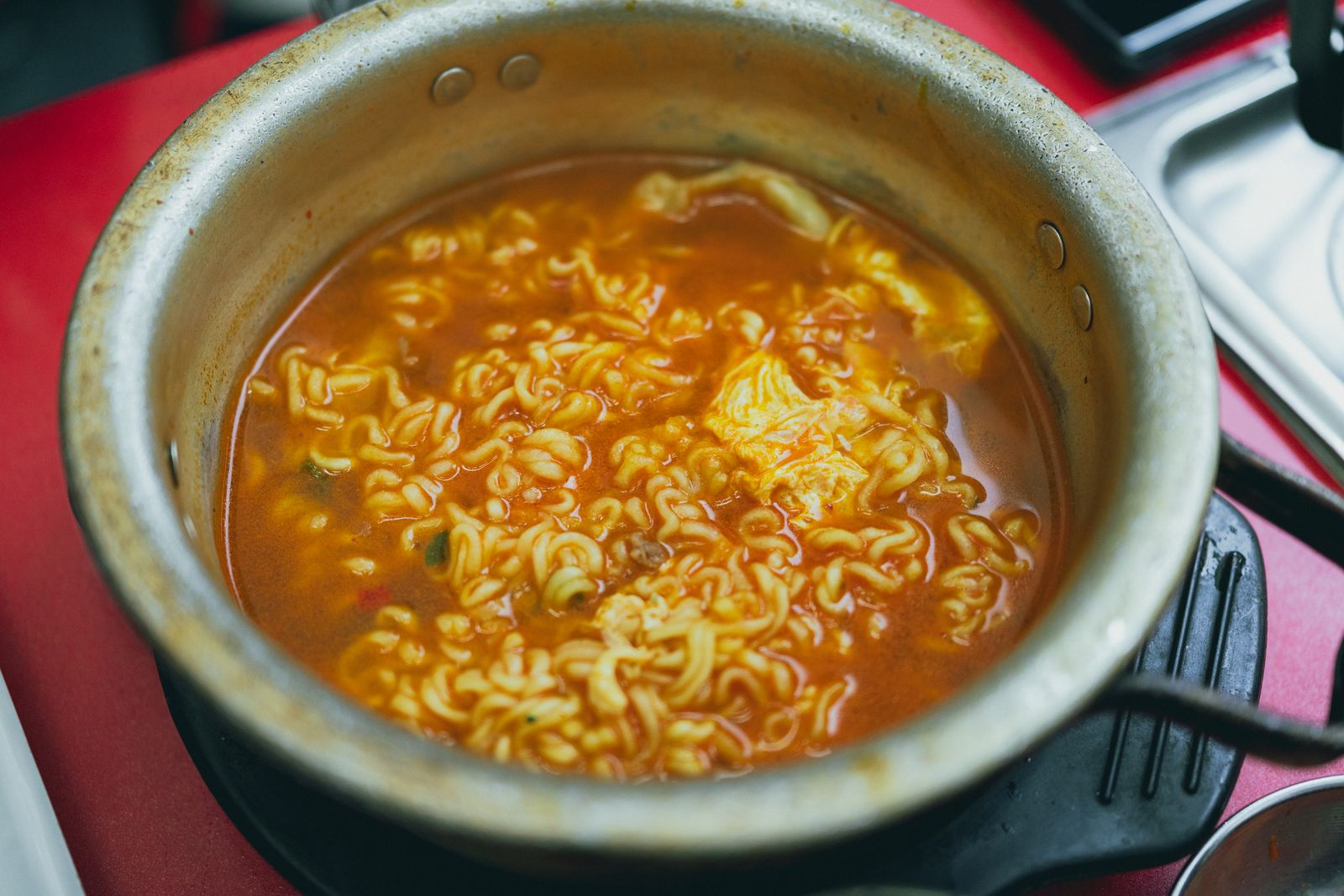
Korean ramyun has a strong visual memory: a gold-toned aluminium pot, boiling noodles, chopsticks lifting the curl, the lid used as a cooling plate. The pot turns a packet into a ritual.
You do not need one. But a small pot changes the experience at home because it supports single-serving cooking, fast boiling, and eating straight from the pot — which is how it is actually done.
If you are writing a post-trip shopping list, split it:
- Food: ramyun, sauces, seaweed, snacks, instant coffee
- Tools: ramyun pot, chopsticks, spoon, small bowl, scissors
- Occasion: K-drama night, rainy day, late-night bowl
When Ramyun Is the Right Call
Ramyun tastes different when the setting is right — after a rainy Seoul walk, at a convenience-store window counter, after shopping when your feet hurt, in a hotel room after a long airport day, or as the cheap meal between two expensive restaurant days.
Do not over-romanticise it. Sometimes ramyun is just ramyun. But in Korea it fills a specific travel gap: fast, warm, familiar enough, local enough, and cheap enough that no reservation is involved. If a restaurant plan collapses — and Seoul's booking culture makes that likely — EpicKor's Korea restaurant reservation guide explains why, and a ramyun bowl saves the evening.
What to Skip
Skip anything you are buying only because the packaging is loud.
Also skip:
- flavours far beyond your spice tolerance
- giant multipacks before testing one
- fragile cup noodles if suitcase space is tight
- products with allergens you cannot read
- several near-identical flavours
- anything already stocked in your local supermarket
And be honest about the premium tier. ₩1,900 is roughly double a standard packet. 삼양1963 and 신라면 골드 are genuinely different products, not marketing reskins — but if you are buying twenty packets to take home, the ordinary shelf is where the value is. Buy one premium packet to taste, not a case.
If you have dietary restrictions, read EpicKor's Korean ingredient label guide first. Ramyun can contain meat, seafood, dairy, egg, wheat, soy, or broth-derived ingredients that the front of the packet does not reveal.
Build a ramyun-night kit: If your favourite Korea souvenir is food, compare Buldak Carbonara ramen, a Korean ramen pot, and Korean stainless steel chopsticks and spoons. The noodles are the start; the table setup makes it repeatable.
See Buldak Carbonara ramen on AmazonSources
Launch dates, prices and sales figures for 삼양1963 and 신라면 골드 come from Korean business and distribution reporting, including ZDNet Korea on the beef-tallow relaunch and Lawtimes on the 36-year gap. The 우지 파동 timeline and the 1997 Supreme Court acquittal are documented in Kyunghyang Shinmun. Toowoomba pasta's Korea-only status and the 신라면 툼바 and 파스타테이블 launch dates are from Korean-language reference material on 투움바 파스타 and 투움바 라면.
Convenience-store prices move and limited editions rotate. Treat the figures above as this year's shelf, not a permanent price list.
FAQ
Q: Why is Korean ramen suddenly more expensive?
A: Because a premium tier appeared. 삼양1963 launched in November 2025 at ₩1,900 and 신라면 골드 in January 2026 at ₩1,500, against a standard packet around ₩1,000. Korean reporting through late 2025 described a run of launches breaking the ₩1,500 line, so this is a category rather than one product.
Q: What is 삼양1963?
A: A modern rebuild of Samyang Ramen, Korea's first instant noodle from 1963, fried in beef tallow. The launch date was the point: 3 November 2025, exactly thirty-six years after the anonymous 1989 tip-off that falsely accused Samyang of using industrial-grade tallow. The Supreme Court acquitted the company in 1997, after its market share had already fallen from about 60% to 15%.
Q: Is Shin Ramyun Gold just a richer Shin Ramyun?
A: Not exactly. Standard Shin Ramyun uses a beef and shiitake broth; Shin Ramyun Gold's ingredient list specifies a chicken broth base. It is a different bowl at about 1.5× the price, released for Shin Ramyun's fortieth year.
Q: What is Toomba ramen?
A: Creamy-spicy ramyun named after 투움바 파스타, Outback Steakhouse's signature dish in Korea. Toowoomba is an Australian city with no connection to the recipe — Outback Australia never served it, and it now survives mainly in Korea and Brazil. 신라면 툼바 launched in September 2024; Samyang's 파스타테이블 투움바파스타 came first in November 2018.
Q: Is Buldak Carbonara still worth buying in Korea?
A: Only if you cannot get it at home, which for most readers is no longer true — it is widely stocked internationally. Spend the suitcase space on the premium packets, limited editions and convenience-store-only formats that do not export.
Q: What should I add to Korean ramyun?
A: Egg, cheese, kimchi, green onion, dumplings, tuna, seaweed or triangle gimbap. Start with one or two so you can still taste the base.
Q: Can I bring Korean ramyun home?
A: Usually yes if it is sealed and your destination allows it, but check your country's food import rules. Avoid opened packages and meat-containing products where those are restricted.
You Might Also Like
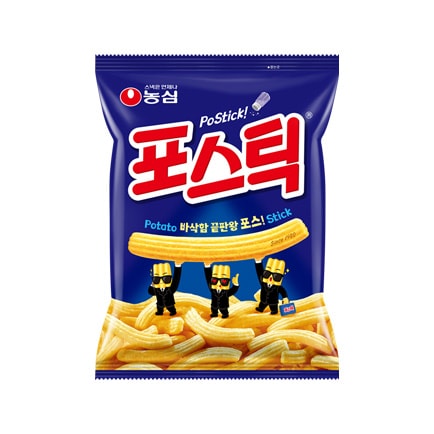
Postick: The Korean Snack That Used to Come With a Ketchup Packet
Postick (포스틱) has been on Korean shelves since 1980, it is only 23% potato, and it shipped with a ketchup sachet until the sachet got too expensive. What it costs now, and the ramyun-powder trick Koreans use on it.
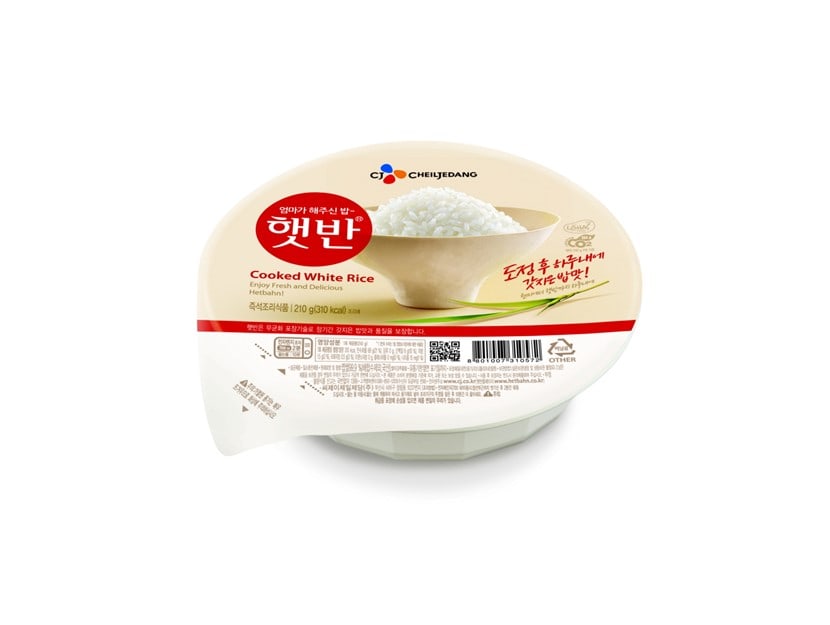
Hetbahn: What Korea's Instant Rice Is Made Of, and How to Heat It Without a Microwave
햇반 is 99.9% Korean rice and water plus 0.1% rice bran extract, sealed in a room cleaner than a hospital ward. The lid prints three cooking times and one of them needs no microwave at all. Prices, varieties, and the mistake almost everyone makes with the film.
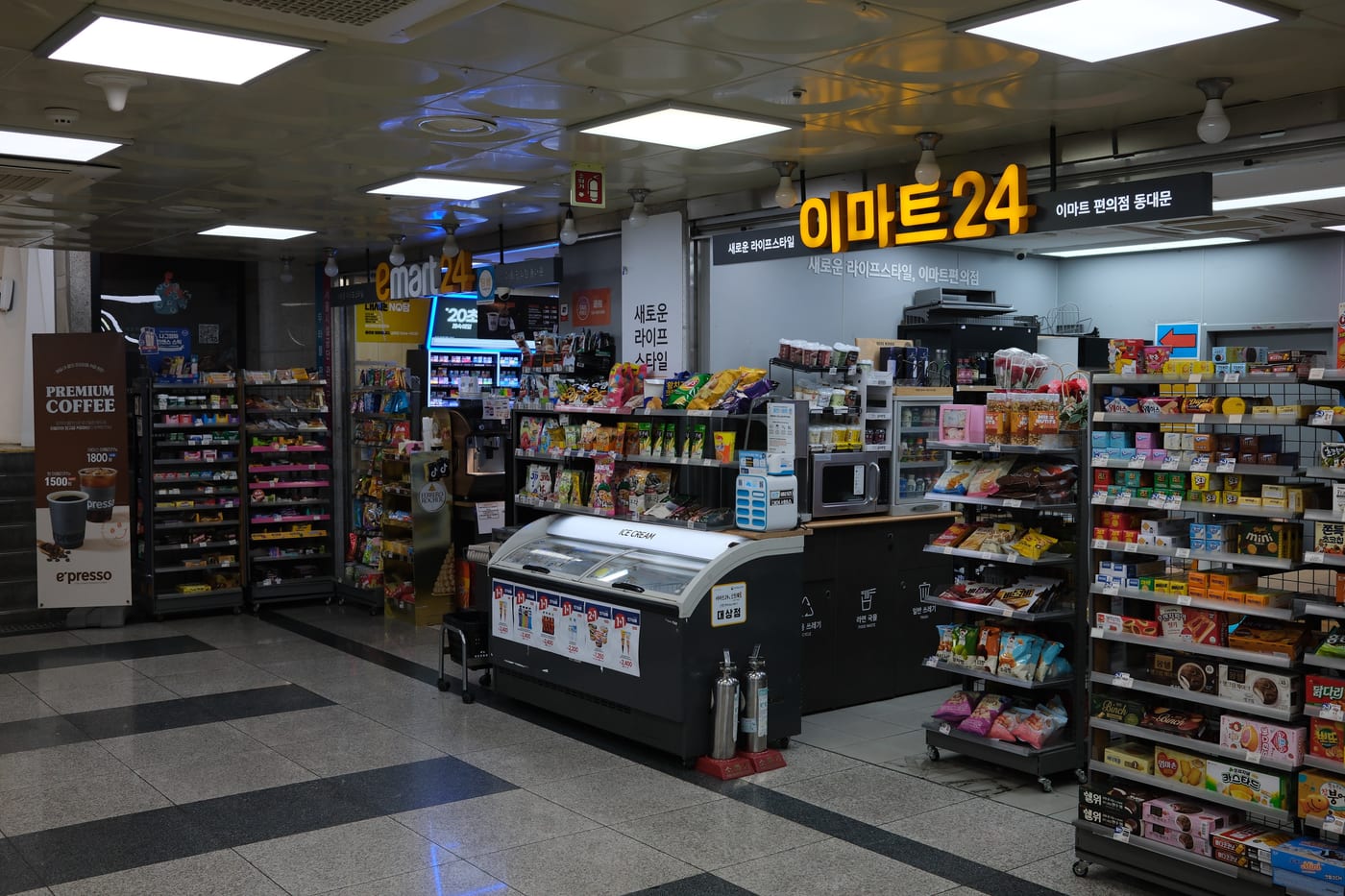
Korean Food Prices in August 2026: What Already Rose, and What Changes on the 25th
Four Korean food makers raised prices within three weeks, and Paris Baguette's 127-item increase lands on 25 August. The exact brands, dates and won amounts, why wheat and corn are behind it, and what it actually changes for a visitor.