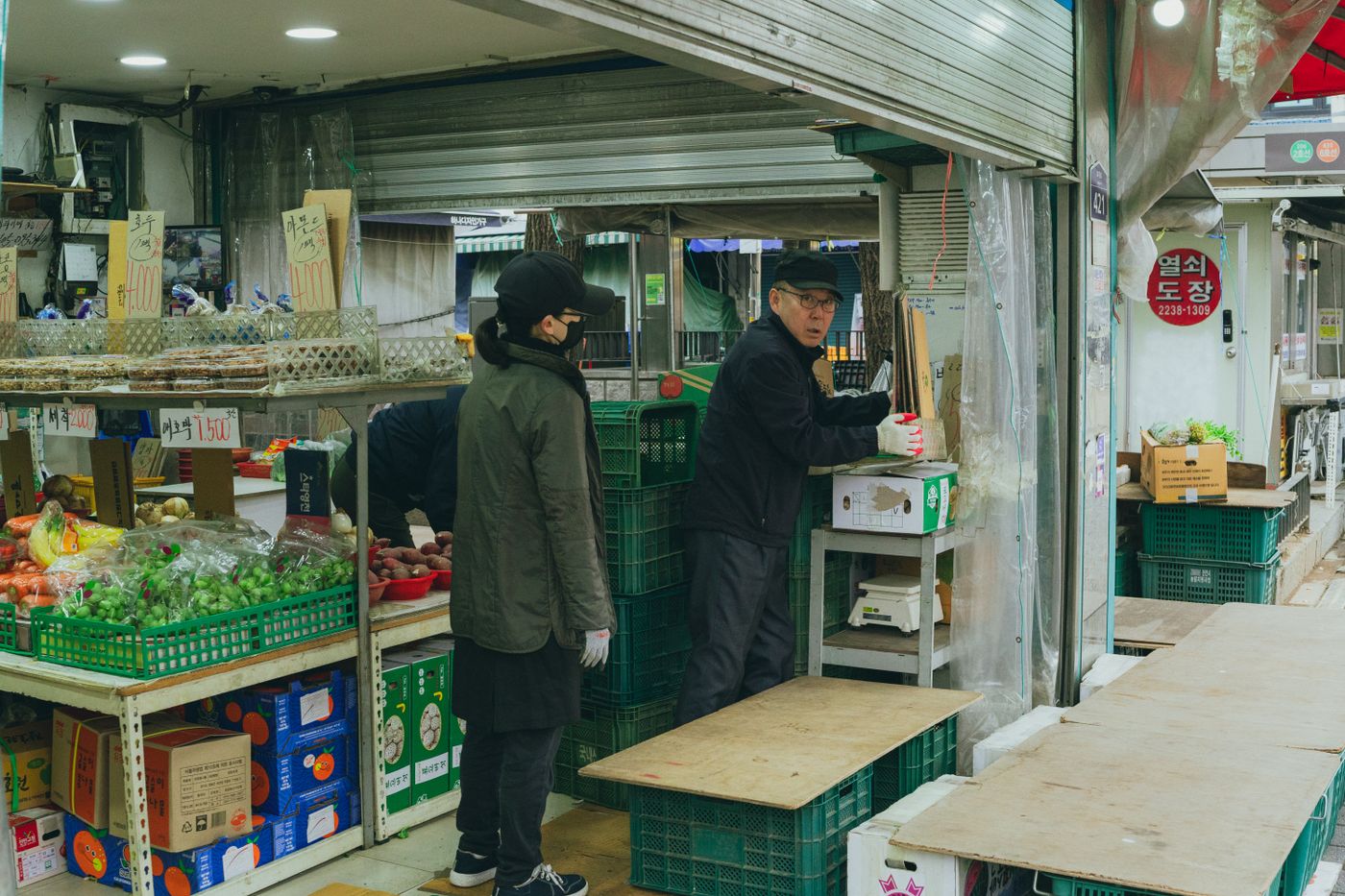
Korean Grocery Store Tourism: What to Buy Before You Fly
Korean grocery store tourism is what happens when the best souvenir is not a magnet.
It is the snack aisle, the ramyeon wall, the seaweed shelf, the instant coffee boxes, the triangle gimbap cooler, the weird seasonal flavor, the tiny receipt you do not understand, and the feeling that a normal Korean grocery run tells you more about daily life than another souvenir shop.
For tourists, grocery stores are not only practical. They are cultural shortcuts. You see what people actually buy, what brands repeat, what flavors are normal, what packaging looks like, and what a country thinks is worth putting near the checkout.
Quick Answer: What Should Tourists Buy At Korean Grocery Stores?
The best Korea grocery souvenirs are light, sealed, legal to bring home, and connected to how Koreans actually eat.
Good categories include:
- Ramyeon or cup noodles.
- Seaweed snacks and gim.
- Korean instant coffee mix.
- Yakgwa and shelf-stable sweets.
- Snack bags in flavors you cannot find at home.
- Sauces like ssamjang or gochujang if your destination rules allow it.
- Tea, grain drinks, or stick beverages.
- Small beauty-adjacent items from mart or convenience-store shelves.
Avoid messy, heavy, fresh, leaking, or customs-risk items unless you understand your destination country's food import rules. For general tourist shopping structure, pair this article with EpicKor's Korea tax refund guide and Korea travel payment setup.
For deeper buying decisions before you pack, use EpicKor's Korean pantry starter kit, Korean instant coffee mix guide, and Korean seaweed snack guide to decide which items deserve luggage space and which are easier to compare after the trip. If you want the Korea-at-home version after unpacking, the Korean tea and grain drinks guide, Korean dosirak lunchbox guide, and kimchi jjigae at home guide turn that grocery curiosity into repeatable meals and drinks.
Korean food starter pack — compare on AmazonAffiliate link. As an Amazon Associate, EpicKor earns from qualifying purchases at no extra cost to you.
Why Grocery Stores Feel So Korean
Korean grocery shopping is dense.
Even a convenience store can feel like a mini food system: lunch, coffee, hangover drink, seasonal dessert, protein drink, fried snack, umbrella, socks, charger, and a last-minute gift can all live in the same small space. Bigger marts add the scale: fresh food, household goods, beauty basics, alcohol, ramen walls, dried seafood, sauces, fruit, and boxed gifts. If you want to eat from that shelf before packing souvenirs, EpicKor's Korean convenience store food guide explains dosirak, ramen, and value labels.
That density is useful for travelers because it compresses culture into a place you can understand without a tour guide.
You do not need perfect Korean to notice patterns. Sweet potato shows up everywhere. Seaweed comes in more forms than expected. Coffee mix still matters. Convenience stores are meal infrastructure, not just snack shops. Seasonal packaging changes quickly. Korea's "small treat" culture is serious.
That is why grocery tourism feels so satisfying. It is cheap enough to experiment, visual enough to enjoy, and practical enough to bring home.
Big Mart, Convenience Store, Or Market?
Each place gives you a different version of Korea.
| Place | Best for | Tourist warning |
|---|---|---|
| Large marts | Ramyeon, sauces, coffee mix, boxed snacks, bulk gifts | Heavy baskets and branch-specific tax-refund rules |
| Convenience stores | Drinks, triangle gimbap, quick snacks, seasonal items | Not everything is practical to pack for a flight |
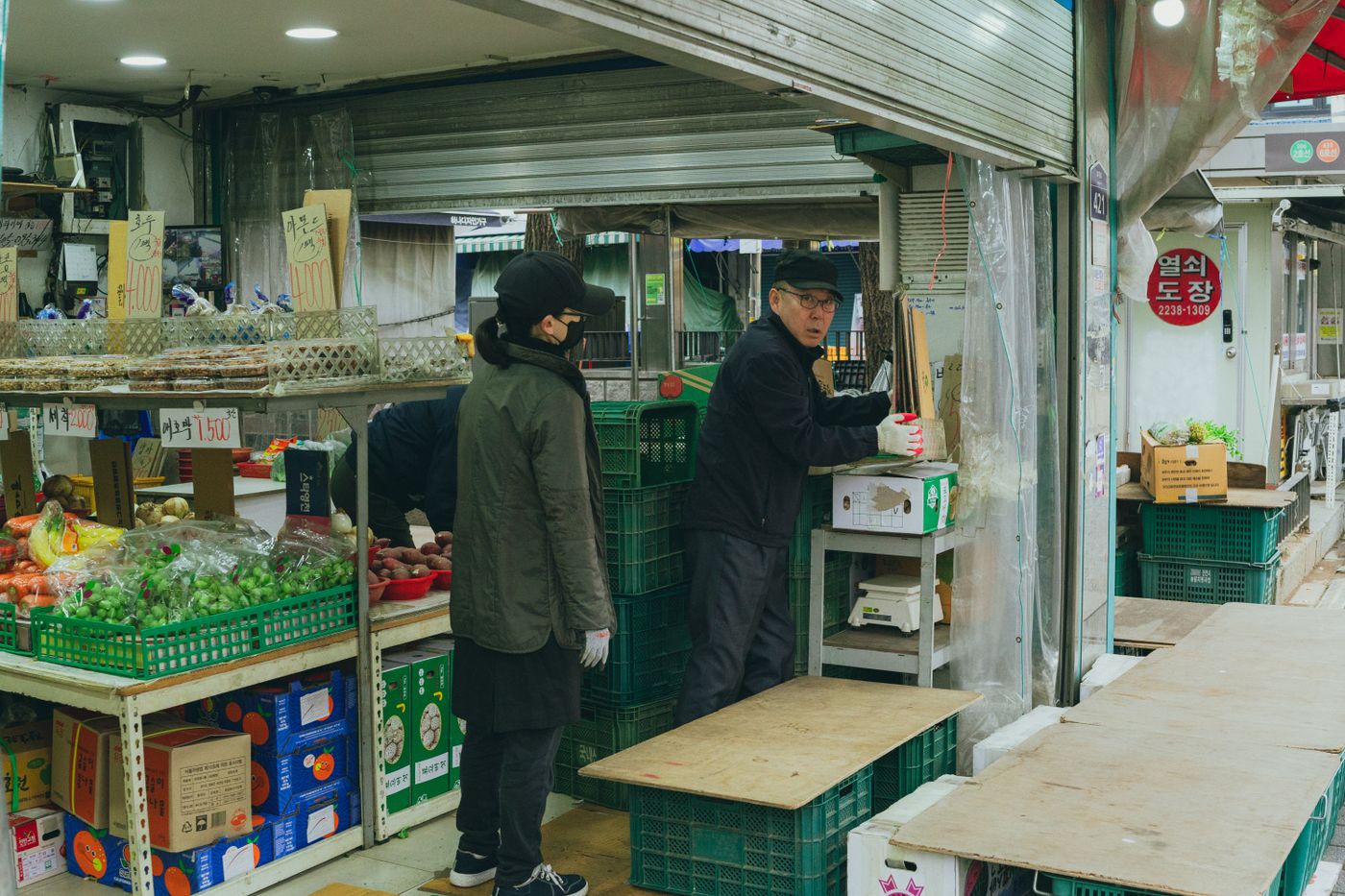
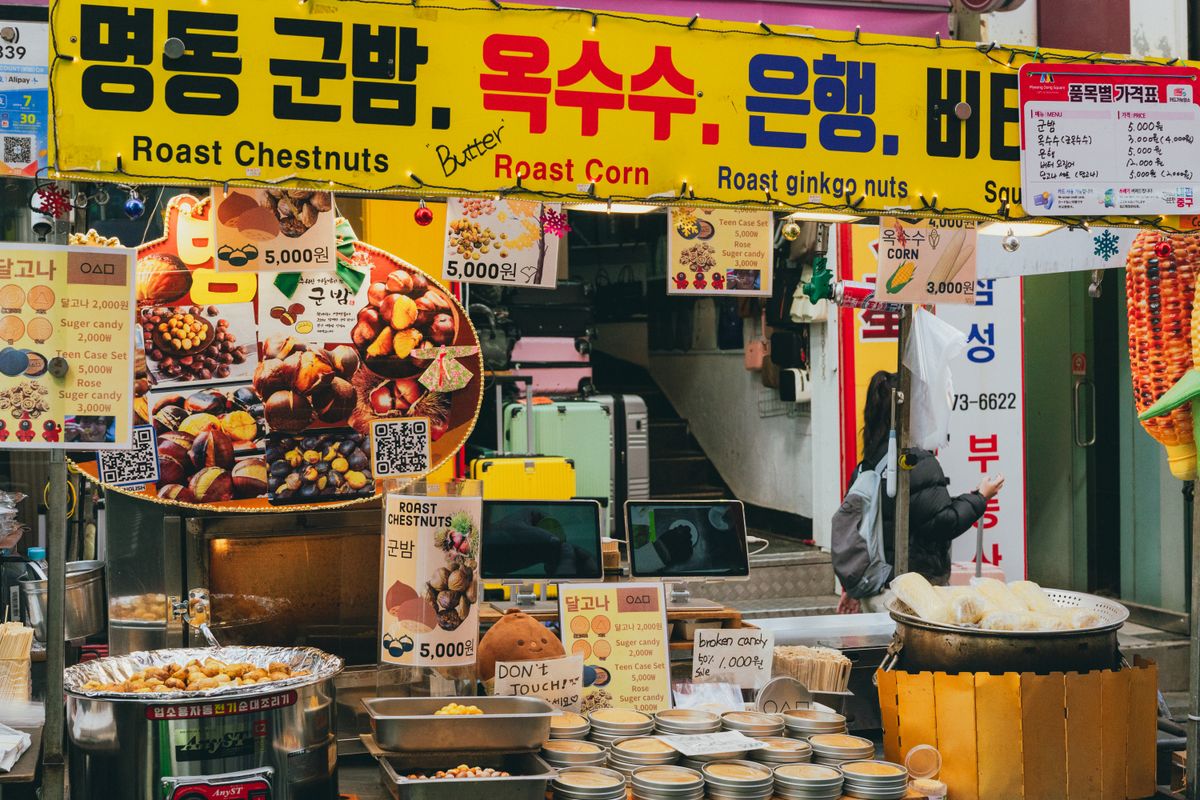
| Traditional markets | Local food atmosphere, dried goods, street snacks, visual culture | Fresh food and unpackaged items may not travel well |
| Airport shops | Last-minute sealed gifts and easy packing | Prices and selection may be less interesting |
Large marts are better when you want to compare. Convenience stores are better when you want daily-life energy. Markets are better when you want sensory memory. Airport shops are better when you forgot everything.
For official current context, E-Mart's company page describes E-Mart, Traders, online malls, and No Brand within its retail business, while CU's official English site lists convenience-store services such as transportation card, ATM, ticket, prepaid, and delivery-related services. Use those as brand-level context, then check the specific branch before building a tight itinerary.
If your market curiosity is less about suitcase snacks and more about choosing a meal from a working seafood floor, use EpicKor's Noryangjin Fish Market guide as a separate food stop plan.
What To Buy If You Want Korea At Home
If the goal is to recreate a Korea feeling after the trip, buy pantry items you will actually use.
Ramyeon is obvious, but it works because it is easy. Choose a few different types instead of buying ten packs of the same viral flavor. Seaweed is light, packable, and useful as a snack or rice topping; EpicKor's Korean seaweed snack guide explains which gim format to buy first. Korean instant coffee mix is one of the easiest ways to recreate office or home nostalgia, and the Korean instant coffee mix guide helps you choose between classic sweet sticks, black sticks, and snack pairings. Yakgwa and honey sweets work for tea, gifts, or K-drama watch nights; the Korean tea and grain drinks guide helps you choose what belongs beside those sweets. If rice is the part of Korean home food you actually want to reproduce, read EpicKor's Korean rice cooker guide before buying a bulky appliance.
Sauces are more complicated. Ssamjang, gochujang, and doenjang are great if you cook, but they are heavier and more customs-sensitive. Always check your home country's rules before packing food. If you do not cook often, a sauce bottle may become suitcase weight with good intentions, so use the Korean pantry starter kit to keep the first shelf small and connected. For the side-dish logic behind those sauces, read EpicKor's Korean banchan guide before filling your basket.
Try the pantry idea before overpacking: As an Amazon Associate, EpicKor may earn from qualifying purchases. If you want Korea-at-home without guessing in a crowded mart, compare a Korean food starter pack, Korean seaweed snacks, or yakgwa before deciding what deserves suitcase space.
See Korean seaweed snacks on AmazonThe Tourist Basket That Actually Works
A smart grocery basket is not the biggest basket.
Build one like this:
- One ramyeon or noodle item you cannot easily buy at home.
- One light salty snack.
- One sweet snack.
- One drink mix or coffee item.
- One small sauce or seasoning only if you cook.
- One giftable item with packaging that will survive the flight.
- One convenience-store item to eat in Korea, not pack.
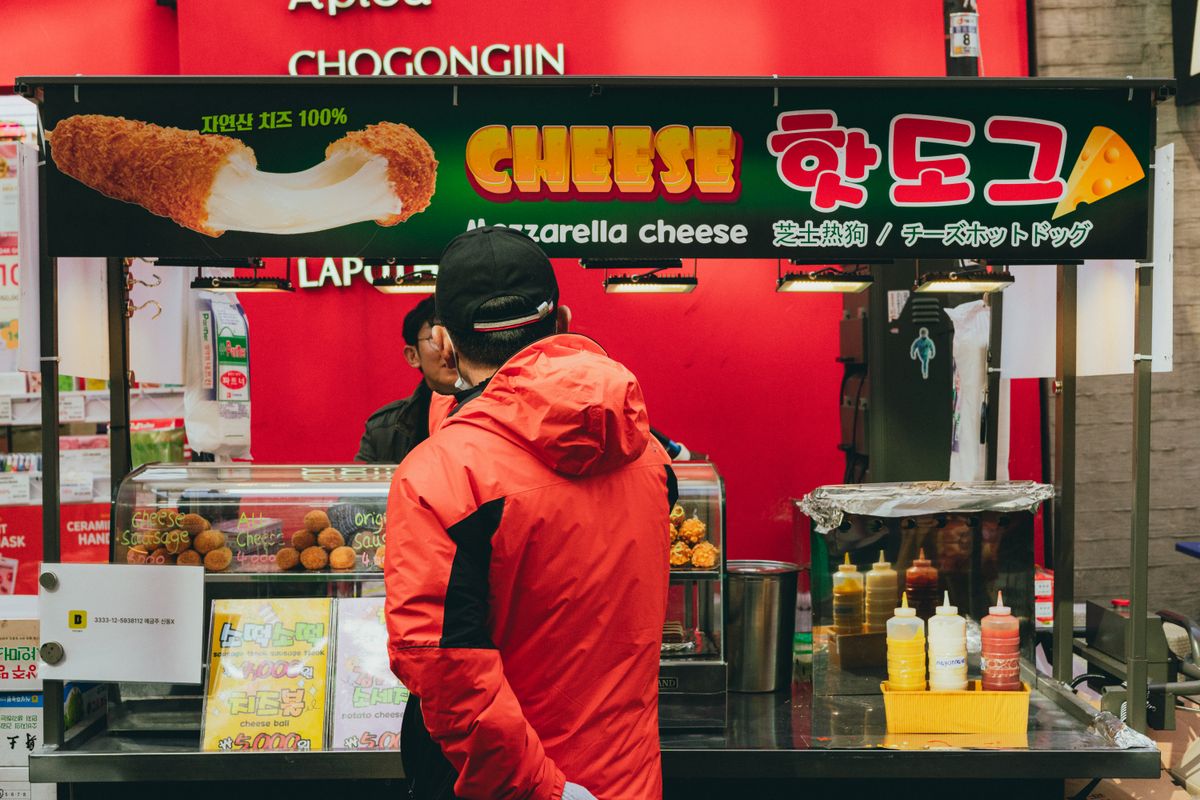
That last category matters. Not everything has to come home. Some grocery tourism is better consumed in the country. A triangle gimbap, banana milk, convenience-store lunch box, or seasonal dessert belongs to the travel day itself.
What To Skip Before A Flight
Skip anything that creates stress at security, customs, or inside your suitcase.
Be careful with:
- Fresh meat, fruit, vegetables, or unpackaged food.
- Liquids and sauces if you do not understand airline and customs limits.
- Fragile glass jars.
- Refrigerated items.
- Strong-smelling foods unless they are sealed well.
- Bulk multipacks that fill half your luggage.
- Items you are buying only because they are viral.
Also remember weight. Grocery souvenirs are deceptively heavy. A few sauces, drinks, and multi-packs can erase the advantage of cheap shopping. Large marts and convenience stores also differ by branch, so avoid assuming every location is open 24 hours, supports tax refund, or carries the same tourist-friendly stock.
For airport flow, read EpicKor's Incheon Airport to Seoul guide in reverse: your departure day needs time for packing, transport, check-in, tax refund, and security. A last-minute mart run is fun until it makes your suitcase impossible.
Where Grocery Tourism Fits In A Seoul Trip
Do grocery shopping near the end, but not at the last minute.
The best timing is usually your second-to-last day. By then, you understand what you liked. You have tried convenience-store foods. You know whether Korean coffee mix, seaweed, ramen, or sweets are actually worth space. You still have time to repack.
If you shop too early, you carry snacks around for days. If you shop too late, you panic-buy. The sweet spot is after the trip has taught you your own taste.
If atmosphere matters more than sealed groceries, use the Gwangjang, Majang, and Dongmyo market guide to choose between street food, a specialist meat meal, and secondhand browsing rather than treating every Seoul market as the same stop.
Build a watch-party box at home: If grocery shopping is part of your Korea obsession, compare Buldak carbonara ramen, yakgwa honey cookies, and a broad Korean snack box before recreating the haul after your trip.
See Buldak carbonara ramen on AmazonWhat To Buy For Different People
The best grocery souvenir depends on who receives it.
For a friend who loves spicy food, ramyeon or sauce makes sense, but only if they actually cook or enjoy heat. For a coworker, individually wrapped sweets are safer than a sauce bottle. For a family member who drinks coffee, Korean coffee mix can explain a whole office culture in one box. For a K-drama friend, snacks and seaweed can become a watch-party kit. For yourself, choose the thing that reminds you of a specific moment: a convenience-store drink after a long subway ride, a seaweed snack after hiking, or a sweet you ate in a hotel room while repacking.
This is where grocery tourism becomes better than generic souvenir shopping. The item has a scene attached to it.
Use this quick match:
| Recipient | Best grocery idea | Why it works |
|---|---|---|
| K-drama friend | Snack box, ramen, coffee mix | Easy to turn into a watch-night setup |
| Office gift | Wrapped sweets or coffee sticks | Shareable and low-mess |
| Home cook | Ssamjang, gochujang, seaweed | Useful beyond one novelty tasting |
| Yourself | One item tied to a trip memory | More meaningful than a giant random haul |
The point is not to prove you found the weirdest flavor. The point is to bring home something that still makes sense after the suitcase is unpacked.
There is also a social reason to keep the haul focused. A good Korea grocery gift lets you tell one clean story: "This is the coffee mix people drink at offices," or "This is the kind of seaweed snack you see everywhere," or "This sweet reminded me of a cafe break after shopping." A random pile of loud packaging can be fun, but a smaller basket with a clear reason is easier for someone else to enjoy.
If you are buying for content, the same rule applies. Film the shelf, the choice, the receipt, and the tasting. Do not turn the trip into a warehouse run. Grocery tourism works because it is close to real daily life.
FAQ About Korean Grocery Store Tourism
Q: Are Korean grocery stores good for souvenirs? Yes, especially for sealed snacks, instant coffee, seaweed, ramen, sweets, and light pantry items. They often feel more personal than standard souvenir shops.
Q: Can I bring Korean food home from a grocery store? It depends on your destination country's customs rules. Sealed dry snacks are often easier than fresh food, meat, fruit, or liquid-heavy items, but you should check official rules before flying.
Q: Is a convenience store enough for grocery tourism? For daily-life discovery, yes. For bigger hauls, large marts offer better selection and comparison. Convenience stores are best for immediate eating and seasonal finds.
Q: Should I shop at the airport instead? Airport shops are convenient for last-minute gifts, but prices and selection may be less interesting than city marts, markets, and convenience stores.
Q: What is the easiest Korean grocery item to buy as a gift? Light, sealed snacks are the easiest. Seaweed snacks, yakgwa, coffee mix, and packaged sweets usually travel better than sauces or fresh food.
Final Take
Korean grocery store tourism works because it is ordinary.
You are not only buying snacks. You are reading Korea's daily habits through shelves: fast lunches, tiny treats, seasonal flavors, coffee rituals, convenience, comfort, and design. Buy less than your excitement tells you to. Choose items with a story. Leave room in your suitcase. The best grocery souvenir is the one you can explain when you open it at home.
You Might Also Like
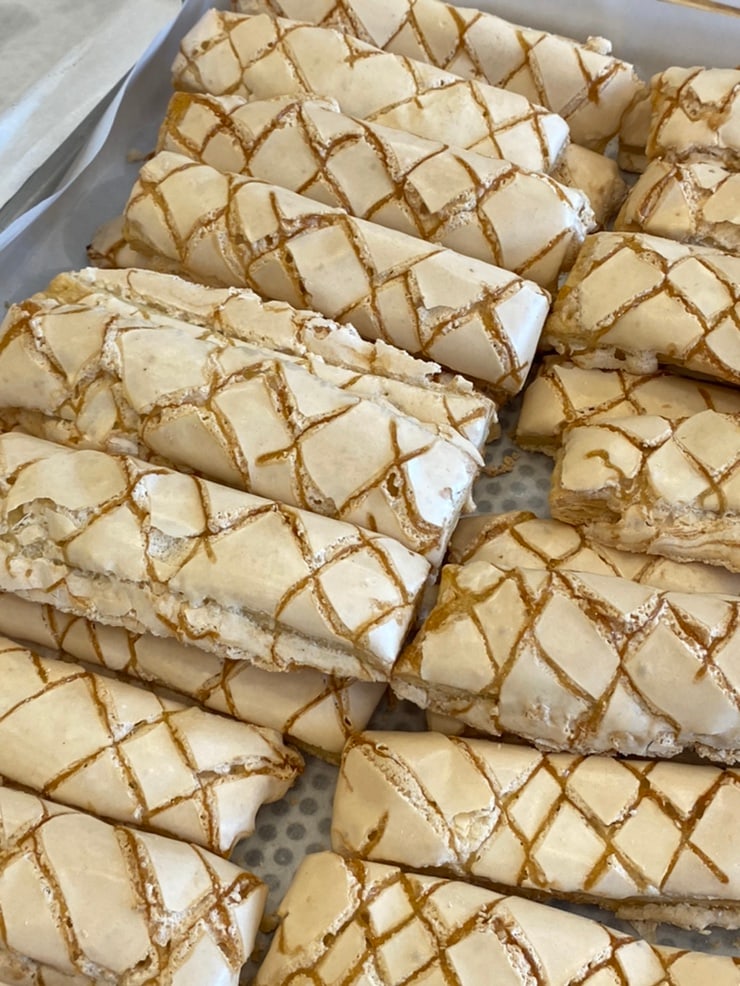
Nunettine: The Korean Snack Whose Real Name Is Italian
누네띠네 is a Korean supermarket staple named after an Italian pastry and a Korean pun at the same time. Most Koreans cannot tell you what it means. Here is the original, the joke, and what it costs.
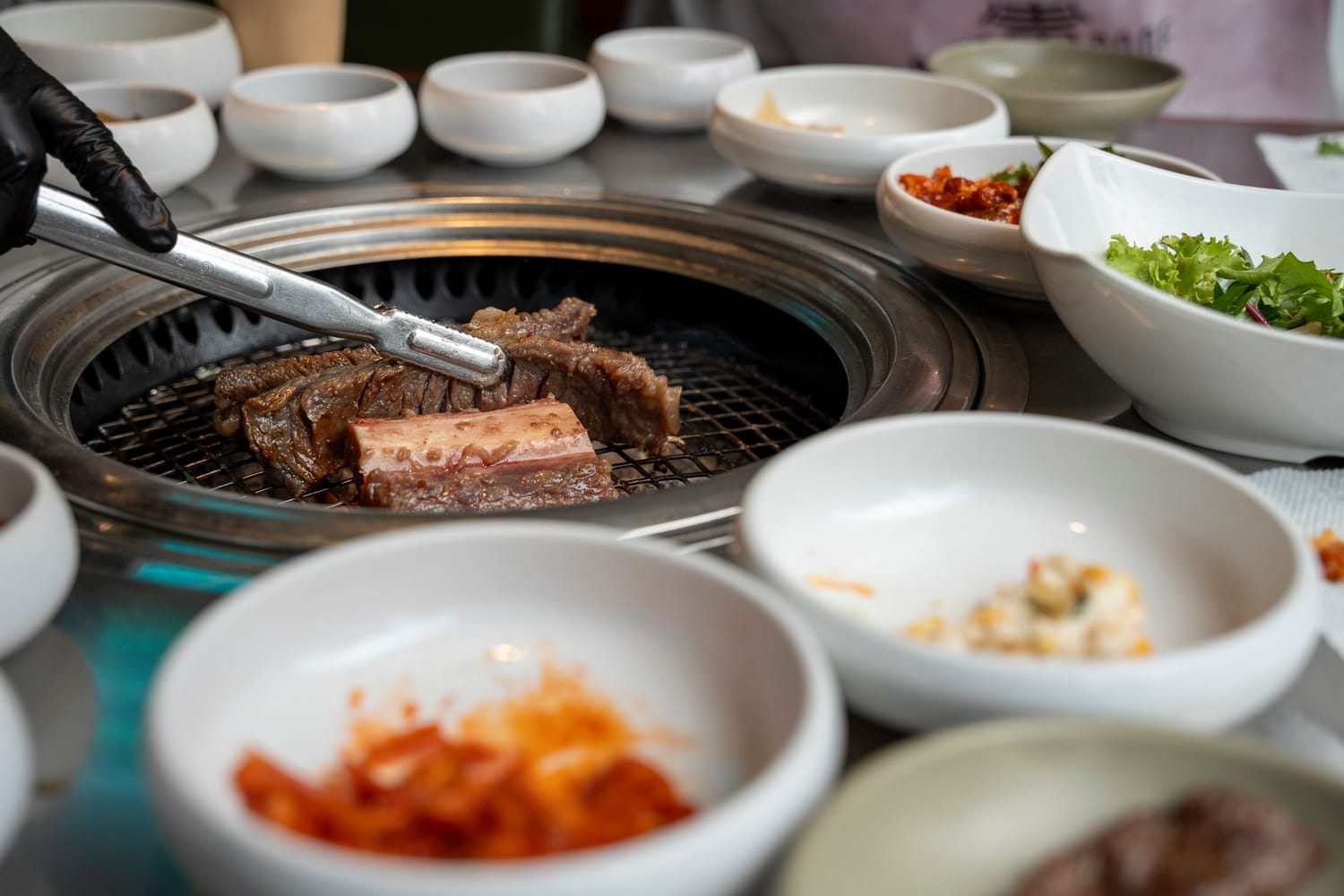
Korean Kitchen Scissors: Why Koreans Cut Meat and Noodles at the Table, and Why It Is Not an Office Scissor
Scissors on a restaurant table look wrong to most of the world and normal to every Korean. The tool is not a desk scissor: thick blades, one serrated edge, big rings, often detachable, built for galbi and cold noodles. Where it came from, and which one to buy.
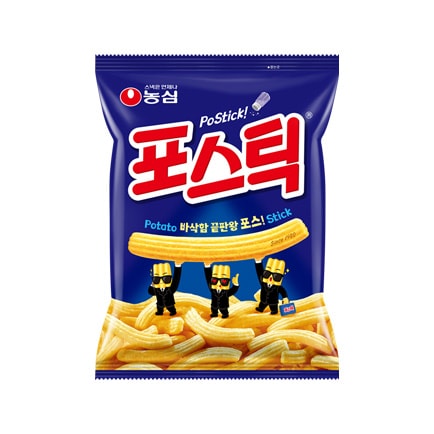
Postick: The Korean Snack That Used to Come With a Ketchup Packet
Postick (포스틱) has been on Korean shelves since 1980, it is only 23% potato, and it shipped with a ketchup sachet until the sachet got too expensive. What it costs now, and the ramyun-powder trick Koreans use on it.