Korean Pantry Starter Kit: Gochujang Has a Printed Heat Number, and Nobody Tells You
Every Korean pantry starter kit guide gives you the same list — gochujang, doenjang, soy sauce, sesame oil, gochugaru — and none of them tell you the two things that decide whether you buy the right tub.
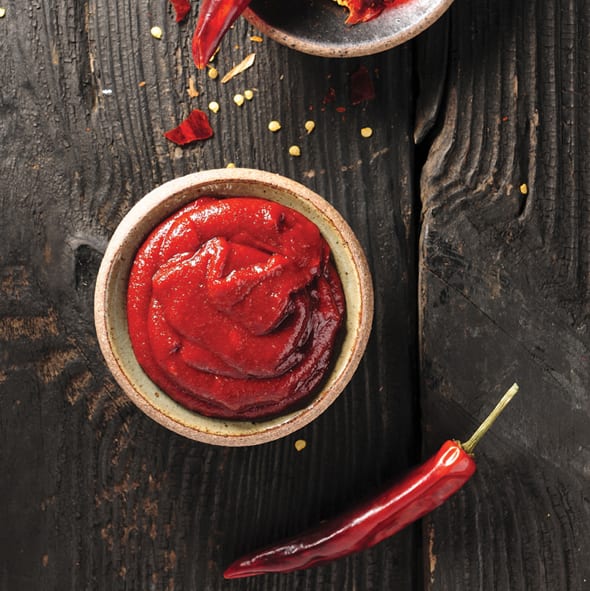
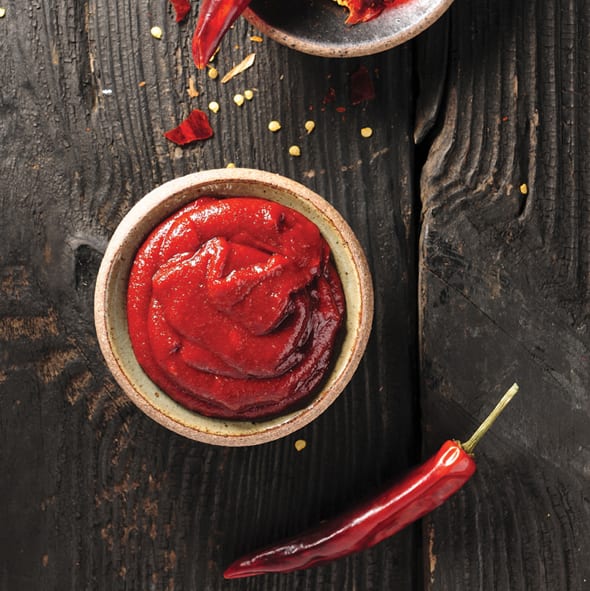
First: gochujang has a spiciness grade printed on the package. The Ministry of Agriculture and the Korea Food Research Institute created a gochujang-specific heat scale in 2010, measured in GHU (Gochujang Hot taste Unit), with five official bands. You do not have to guess how spicy a tub is. The number is on it.
Second: Korea has three different soy sauces and they are not interchangeable. The one an English recipe means by "soy sauce" is usually the one Koreans use least for soup — and the one that looks mildest is actually the saltiest.
There is also a reason to buy sooner rather than later: jang prices are up sharply this year, partly because a tax exemption expired.
This guide covers what to buy in what order, how to read the grade, and what to leave on the shelf.
Buy in This Order
Most starter kits fail because people buy the interesting things first and the boring things never. The order matters more than the list.
| # | Buy | Korean | Why this position |
|---|---|---|---|
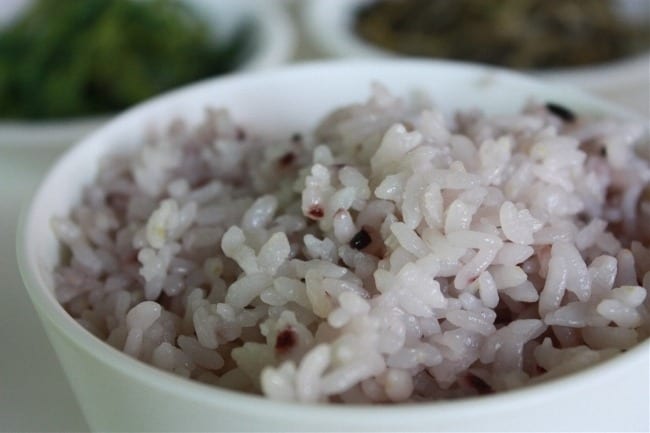
| 1 | Short-grain rice | 쌀 / 밥 | Everything else is a topping. Without this you are buying condiments for nothing. |
| 2 | Gochujang | 고추장 | The single most-used jar. Buy by GHU grade, not by brand. |
| 3 | Toasted sesame oil | 참기름 | Tiny quantities, transforms plain rice and vegetables. Buy small — it goes rancid. |
| 4 | Soy sauce (one of three) | 진간장 or 국간장 | See below. Buying the wrong one is the most common error. |
| 5 | Chilli flakes | 고춧가루 | Colour and clean heat without the sweetness of gochujang. |
| 6 | Seasoned seaweed | 조미김 | Makes plain rice a meal on day one. The fastest win in the kit. |
| 7 | Doenjang | 된장 | Only once you will actually make a stew. It lasts a long time but so does regret. |
Stop at 4 if you are unsure. A rice cooker, gochujang, sesame oil and one soy sauce will cook most of what a beginner wants. For the rice side, see the Korean rice cooker guide; for seaweed, the Korean seaweed snack guide.
Korean gochujang — compare on AmazonAffiliate link. As an Amazon Associate, EpicKor earns from qualifying purchases at no extra cost to you.
The Gochujang Heat Grade Nobody Mentions
In 2010 the Ministry of Agriculture, Food and Rural Affairs and the Korea Food Research Institute introduced GHU — Gochujang Hot taste Unit — a heat scale built specifically for gochujang rather than borrowed from chillies. Five bands:
| Korean label | English | GHU | Buy it if |
|---|---|---|---|
| 순한맛 | Mild | Under 30 | You are cooking for children or you dislike heat |
| 덜 매운맛 | Less spicy | 30–45 | First tub, cautious |
| 보통 매운맛 | Medium | 45–75 | Default first purchase for most people |
| 매운맛 | Spicy | 75–100 | You already cook Korean food regularly |
| 매우 매운맛 | Very spicy | 100 and above | You know exactly why you want this |
GHU is not Scoville, and the difference is deliberate. SHU measures capsaicin in the abstract; GHU is calibrated to how spicy a Korean palate finds the finished paste. For scale: the cheongyang chilli Koreans eat raw is about 1,500 SHU, and gochujang made from it lands near 150 GHU — off the top of the domestic scale.
The practical instruction: look for the band on the tub and buy 보통 매운맛 (45–75 GHU) as a first jar unless you have a reason not to. That single check prevents the most common beginner outcome, which is a tub of gochujang too hot to use, opened once and left in the fridge for two years.
Korea Has Three Soy Sauces
This is where English recipes cause real damage, because they say "soy sauce" as though there is one.
| Korean | What it is | Use for | Watch out |
|---|---|---|---|
| 국간장 (also 조선간장, 집간장) |
Soybean-only meju fermented in brine. Korea's own style. | Soups and stews — seasons without darkening the broth | Lighter in colour but HIGHER in salt. Substituting it by volume will over-salt the dish. |
| 양조간장 | Brewed from soybeans and wheat. Aromatic, rounded. | Dipping, dressings, anything raw | Wasted on long cooking — the aroma you paid for boils off |
| 진간장 (also 왜간장) |
Blended: brewed soy sauce plus acid-hydrolysed soy protein. Made fast, at scale. | Stir-fries and braises — the everyday workhorse | This is what "soy sauce" in most English recipes actually means |
If you buy one: 진간장. It covers stir-fries, braises, marinades and eggs, and it is what most Korean recipes written for a general audience assume.
If you buy two: add 국간장, and remember the trap — it is pale and salty, not pale and mild. Use less than looks right.
Buy 양조간장 last, if at all. It is the nicest to taste and the least necessary in a starter kit.
Prices Went Up, and a Tax Change Is Part of Why
If Korean sauces feel more expensive than the last time you looked, they are.
In the first quarter of 2026 the average price of gochujang was ₩18,716, up 16.8% — the steepest rise among household staples tracked. Specific products moved more: CJ's 해찬들 100% 우리쌀 태양초 고추장 rose 20.1% year on year, while 청정원 순창 products rose about 11.1% and 해찬들 재래식 된장 about 10.1%.
Two causes, and the first is the one an English guide would never surface: the VAT exemption on jang products ended, and raw material costs rose on top of it. This was a policy change, not a harvest failure.
What that means practically:
- The gap between a small tub and a large one is now worth caring about. Buy the size you will finish, but check the per-100g price before defaulting to the small one.
- Gochujang keeps well refrigerated after opening — many months — so a mid-size tub is usually better value than repeat small purchases.
- Doenjang keeps even longer. If you are certain you will make stew, the larger tub is the cheaper decision.
The Culture Behind the Jars
Worth knowing because it explains why Koreans treat these three jars as a set rather than as ingredients.
On 4 December 2024, at the UNESCO intangible heritage committee meeting in Asunción, Paraguay, Korean jang-making culture (장 담그기 문화) was inscribed on the Representative List of the Intangible Cultural Heritage of Humanity. It was Korea's second food-culture inscription after kimjang in 2013, and Korea's 23rd overall.
What was inscribed is not a recipe. It is the practice — fermenting soybeans into meju, then producing doenjang, ganjang and gochujang from the same base, and the beliefs and sharing that surround it. The committee's stated reasoning was about the family and community bonds formed by making and sharing jang together.
That shared origin is the useful part for a cook: doenjang and Korean soy sauce come out of the same fermentation. It is why they taste like relatives, and why a stew seasoned with 국간장 and a stew seasoned with 된장 sit closer together than the colours suggest.
What to Skip on the First Trip
- Doenjang, until you have a stew planned. It is the most-bought and least-used jar in a beginner's kit.
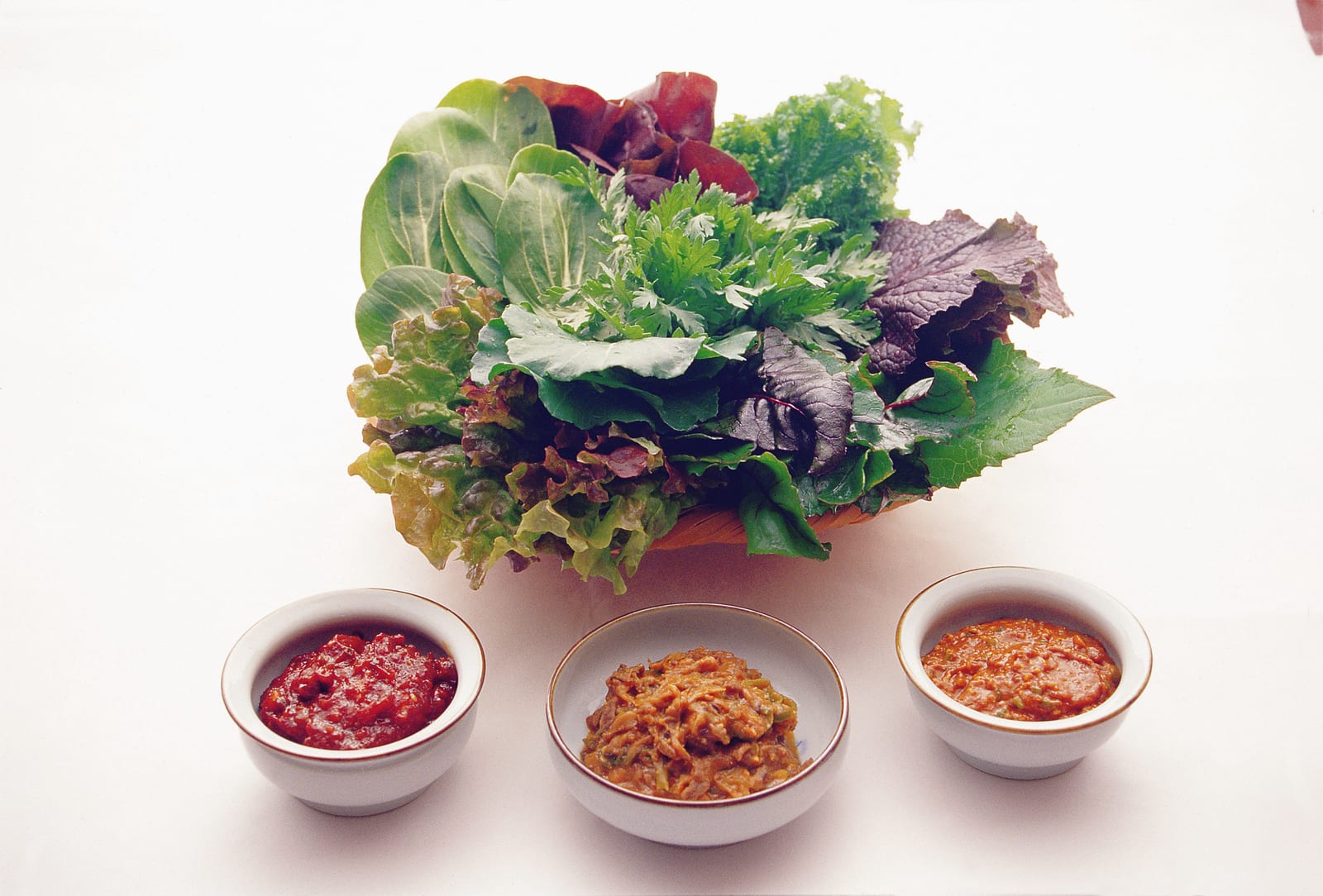
- A full set of banchan sauces. 초고추장, 쌈장, 액젓 and the rest are second-round purchases. 쌈장 is the exception if you plan to eat grilled meat with lettuce.
- A large sesame oil. It oxidises. Small bottle, used fast, replaced.
- Novelty chilli sauces. Buy the standard tub before the limited edition.
- A stone pot, unless you will cook this weekly. See the kimchi jjigae guide for when a ttukbaegi actually earns its shelf space.
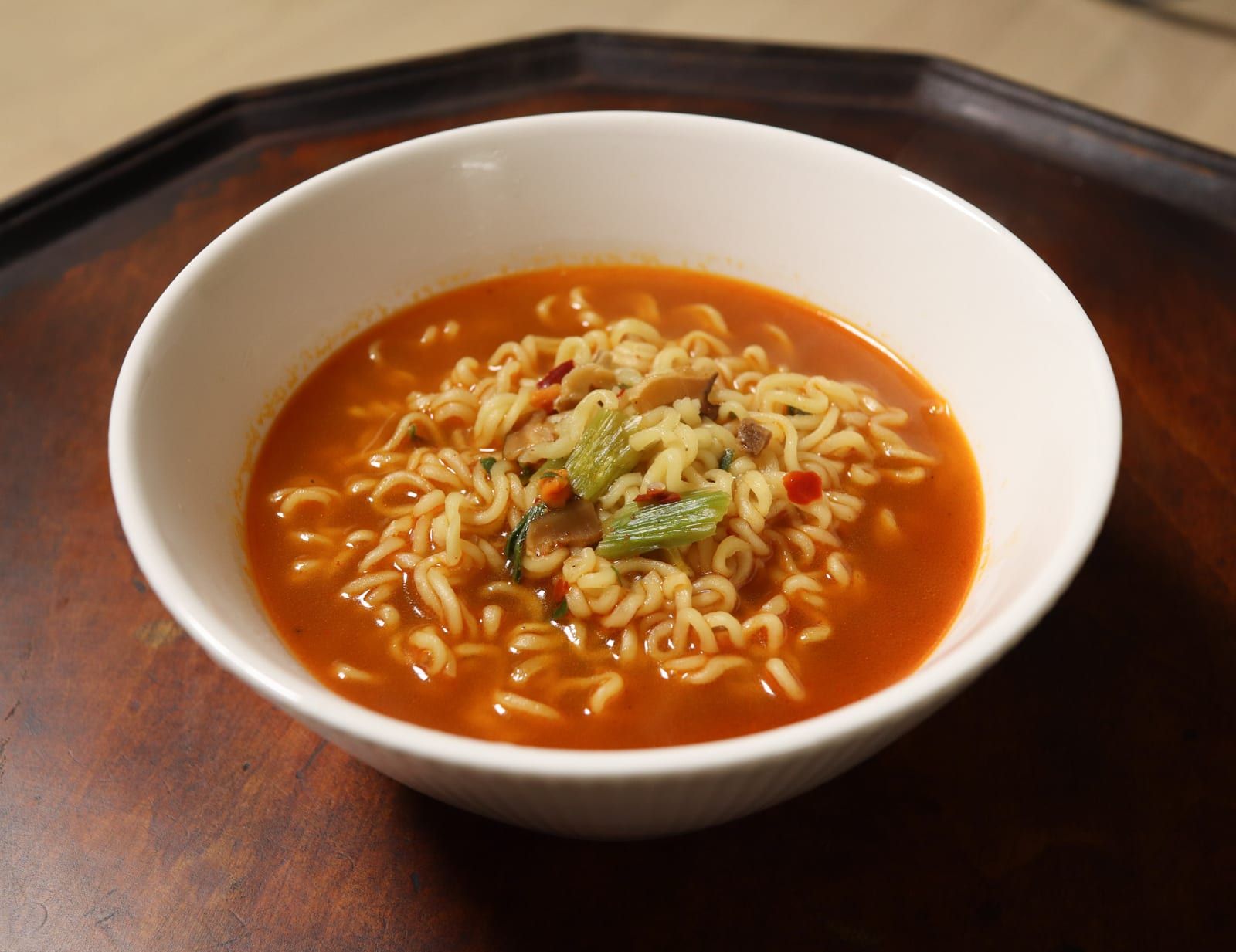
- Bulk ramen multipacks before you have a favourite. Buy singles across a few brands first.
Three Builds
The ₩30,000 build (four items). Short-grain rice, one mid-heat gochujang, a small toasted sesame oil, one bag of 조미김. You can eat well on this immediately: rice with seaweed, rice with gochujang and sesame oil, and the beginnings of bibimbap.
The cooking build (adds four). 진간장, 고춧가루, minced garlic, and one instant stew pouch as a reference point for what you are aiming at. Now you can make stir-fries, braises and a basic stew.
The full build (adds three). 국간장 for soups, 된장 or 쌈장, and 참치 or another pantry protein. At this point you are cooking Korean food rather than assembling it.
Do not skip to the third build. The most common mistake is arriving there on day one and using a third of it.
Shopping in Korea vs Shopping at Home
In Korea, buy the things that are heavy, cheap and hard to find abroad: gochugaru in a proper bag, 조미김 bundles, 김자반, instant stew pouches. Skip liquids in glass — sesame oil and soy sauce are widely available abroad and they are the items most likely to break or leak.
At home, buy the jars. Gochujang, doenjang and soy sauce travel badly and are stocked by most Asian grocers and by Amazon. Paying international shipping on a fermented paste you can buy locally is the classic post-trip error.
Either way, check the date. Gochujang and doenjang are fermented products with long but finite shelf lives, and a discounted tub is sometimes discounted for a reason.
For the rest of the shelf, see the K-wellness snack guide and the Korean tea and grain drinks guide.
Sources Checked
- BizWatch on gochujang heat grading for GHU, its 2010 creation by the Ministry of Agriculture, Food and Rural Affairs with the Korea Food Research Institute, the five bands and their thresholds, and the cheongyang chilli comparison (about 1,500 SHU, roughly 150 GHU as paste).
- Kyunghyang Shinmun on Korea's soy sauce types for the 국간장 / 양조간장 / 진간장 distinction, their production methods and intended uses, including that 국간장 is lighter in colour and higher in salt.
- Seoul Economic Daily on jang price rises for the Q1 2026 gochujang average of ₩18,716 (+16.8%), the 20.1% rise on 해찬들 100% 우리쌀 태양초 고추장, roughly 11.1% on 청정원 순창 and 10.1% on 해찬들 재래식 된장, and the expiry of the VAT exemption on jang products as a cause.
- Korea.kr on the UNESCO inscription and Kyunghyang Shinmun for the 4 December 2024 decision in Asunción, the scope of what was inscribed, and its place as Korea's second food-culture and 23rd overall inscription.
FAQ
Q: How do I know how spicy a gochujang is before I buy it?
A: Read the heat band on the tub. Korea has graded gochujang since 2010 using GHU: 순한맛 under 30, 덜 매운맛 30–45, 보통 매운맛 45–75, 매운맛 75–100, 매우 매운맛 100 and above. Buy 보통 매운맛 as a first jar.
Q: Is GHU the same as Scoville?
A: No. Scoville measures capsaicin generally; GHU is calibrated to how spicy the finished paste tastes to a Korean palate. A cheongyang chilli at around 1,500 SHU makes a paste of roughly 150 GHU, which is above the top domestic band.
Q: Which Korean soy sauce should I buy first?
A: 진간장. It is the everyday workhorse for stir-fries and braises, and it is what most English-language Korean recipes mean by "soy sauce." Add 국간장 second, for soups.
Q: Why is 국간장 saltier if it looks lighter?
A: Because colour and salt are not linked. 국간장 is made from soybean-only meju fermented in brine, which leaves it pale but high in salt, and it exists precisely to season a soup without darkening it. Use less than the colour suggests.
Q: Why did Korean sauces get more expensive?
A: Gochujang averaged ₩18,716 in Q1 2026, up 16.8%, with some products up over 20%. Two causes: the VAT exemption on jang products ended, and raw material costs rose.
Q: What should I not buy on a first Korea trip?
A: Doenjang unless you have a stew planned, large bottles of sesame oil or soy sauce (heavy, breakable, easy to buy at home), and bulk ramen multipacks before you have found a favourite brand.
Q: What is jang-making culture being UNESCO-listed about?
A: On 4 December 2024, Korean jang-making culture was inscribed on the UNESCO Representative List of Intangible Cultural Heritage — the practice of fermenting soybeans into meju and producing doenjang, ganjang and gochujang from that base, along with the sharing customs around it. It was Korea's second food-culture listing after kimjang in 2013.
The Short Version
Rice first, then gochujang at 보통 매운맛, then a small sesame oil, then 진간장. That is a working Korean kitchen.
Everything else — doenjang, 국간장, 쌈장, the fun sauces — is a second trip to the shop, made after you know what you actually cook.
You Might Also Like
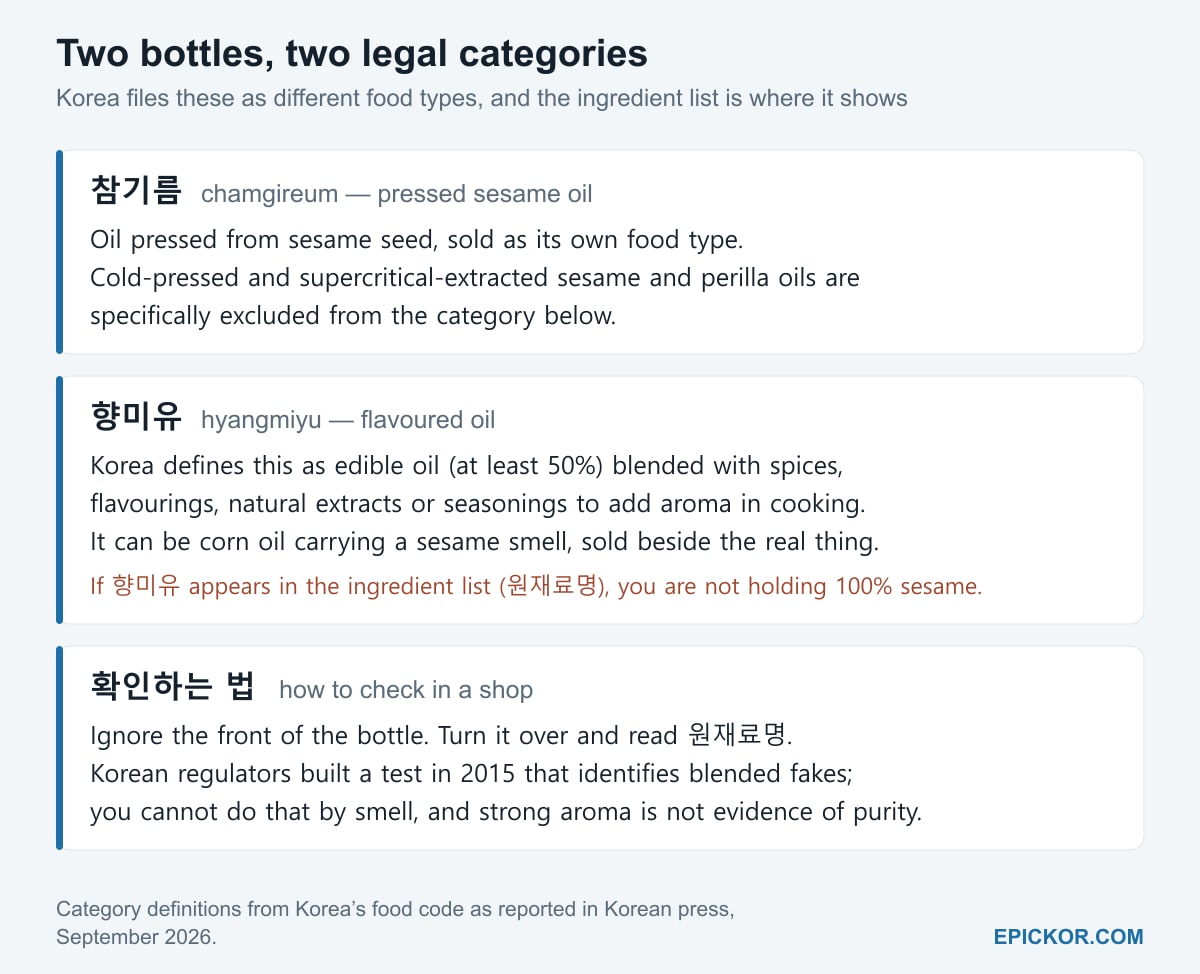
Korean Sesame Oil: The Label Word That Means It Isn't Sesame Oil
A bottle can look like Korean sesame oil and legally be corn oil carrying a sesame smell — Korea files that as 향미유, a separate food type. Imported oil runs ₩700–1,100 per 100ml; Korean-grown runs ₩5,500–6,700, because Korea grows 8–12% of its own sesame.
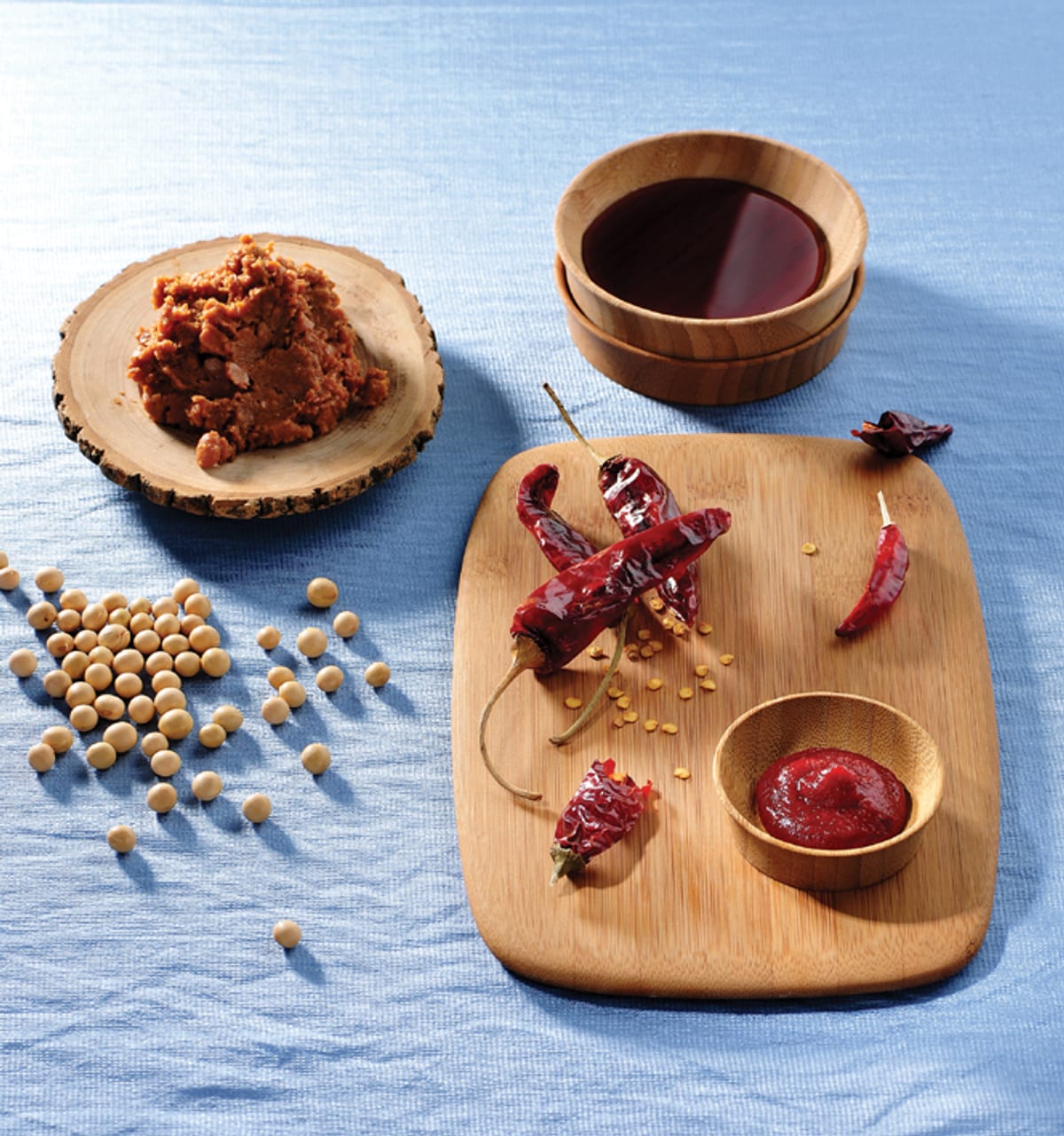
Doenjang vs Gochujang: Which Korean Paste Does Your Dish Need?
Doenjang and gochujang sit side by side on the same shelf, but one is roughly two thousand years old and the other could not exist before the 1600s. What each paste actually is, which dish needs which, and what a tub costs in 2026.
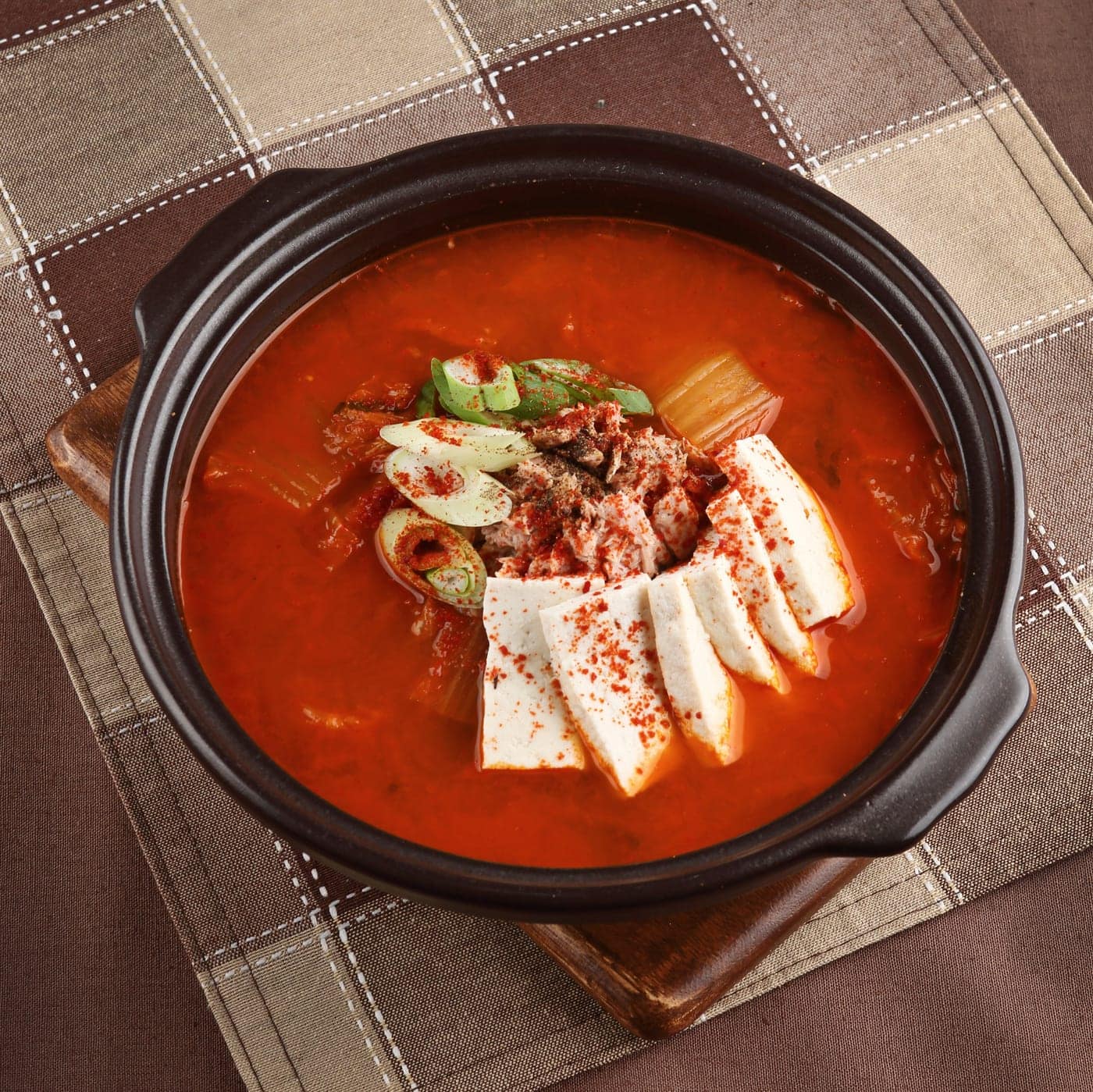
Korean Kimchi Jjigae at Home: You Want 묵은지, Not Just Old Kimchi
English recipes say to use sour kimchi. Korean has two different words for that, and only one of them is what jjigae wants: 묵은지, aged 6 months to 3 years on purpose. What to buy, what it costs, and when the instant pouch is the right answer.