Korea Reservation Culture: Why Seoul Walk-Ins Fail
Korea reservation culture is the reason a casual dinner plan can suddenly become a small strategy game.
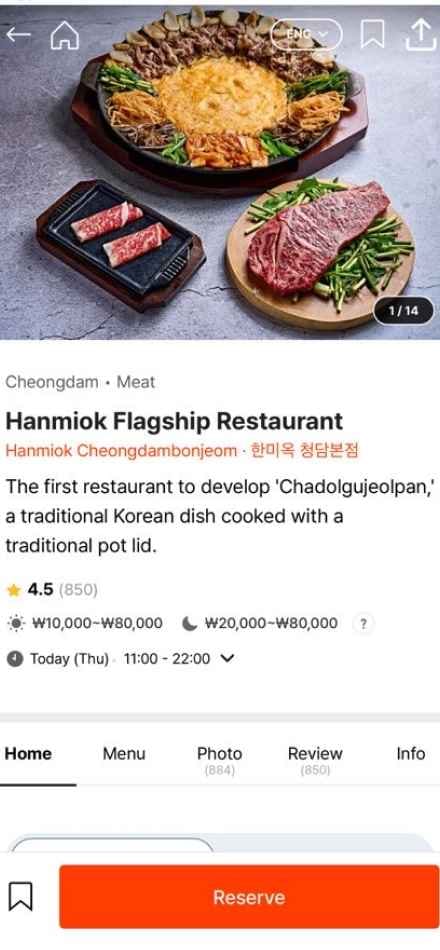
You saw the restaurant on TikTok. It looked effortless: sizzling meat, cold noodles, pretty side dishes, a smiling friend lifting the first bite. You saved the place, walked over at 7:15 p.m., and found a small tablet, a waiting list, a full dining room, and a staff member gently explaining that today is not your day.
This is not because Seoul hates spontaneity. Seoul is full of spontaneous eating. But the places tourists want most are often the exact places where walk-ins fail: tiny restaurants, viral shops, fine dining counters, trendy cafes, beauty-district lunch spots, weekend brunch places, and neighborhood restaurants with loyal regulars.
Quick Answer: Do You Need Restaurant Reservations In Korea?
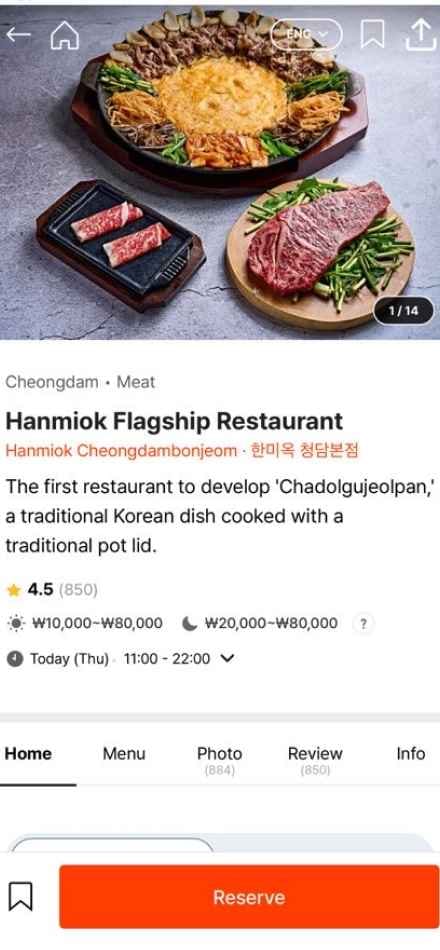
You do not need reservations for every meal in Korea.
You should think about reservations when:
- The restaurant is famous online.
- It is small, counter-style, or chef-led.
- You want dinner on Friday, Saturday, or a holiday.
- You are traveling with a group.
- You need a specific time before a show, clinic, train, or flight.
- The place is listed on a booking platform such as CatchTable or Naver Booking.
- It is fine dining, omakase, course dining, or a tasting menu.
The safer rule is this: walk in for flexible meals, reserve for important meals.
That one sentence saves more Korea trips than any list of "best restaurants."
Lonely Planet Korean Phrasebook & Dictionary — on AmazonAffiliate link. As an Amazon Associate, EpicKor earns from qualifying purchases at no extra cost to you.
Why Walk-Ins Fail In Seoul
Walk-ins fail for four boring reasons that feel personal when you are hungry.
First, Seoul restaurants can be small. A restaurant with twelve seats does not need hundreds of tourists to become impossible. It needs six tables and bad timing.
Second, Korean dining is time-slot sensitive. Lunch rush, office dinner rush, weekend date hours, and post-shopping dinner hours can fill a place quickly.
Third, viral demand is real. A restaurant can become famous because of a short video, a celebrity visit, a drama scene, a Michelin mention, or one excellent noodle shot.
Fourth, some restaurants use reservations, remote waiting systems, or queue tablets instead of a simple "stand here and hope" line.
The tourist mistake is thinking "I am nearby" equals "I have a chance." In Seoul, being nearby is only one part of access. Time, party size, phone number, app friction, and language all matter.
Reservation Channels Tourists Actually See
Korea does not have one universal restaurant reservation system.
You may see:
- Naver Map or Naver Booking.
- CatchTable.
- Phone reservations.
- Instagram DM or profile link.
- Restaurant website forms.
- Hotel concierge calls.
- Queue tablets at the restaurant.
- On-site waiting lists.
- No reservations at all.
For higher-end Seoul restaurants, the MICHELIN Guide Seoul often links out to official booking channels or restaurant pages. CatchTable also has global-facing pages for many Seoul restaurants; for example, some Michelin-listed Seoul restaurants publicly show reservation links through CatchTable.
That does not mean every restaurant is easy for tourists. Some platforms may require a Korean phone number, Korean interface, local payment, or exact cancellation rules. Some restaurants change channels. Some do not want DMs. Some only open slots on a certain day.
So the real skill is not memorizing one app. It is reading the restaurant's current access method.
The Phone Number Problem
The phone number problem is where many tourists get stuck.
Korean reservation systems and waiting tablets often expect a local mobile number. That number may receive a text when your table is ready. If you have no Korean number, you may need a friend, hotel desk, travel eSIM with SMS support, or a platform that supports foreign visitors.
Not every eSIM gives you a Korean voice/SMS number. Many data-only eSIMs are great for maps and translation but useless for receiving a restaurant waiting text. Check this before you depend on a queue system.
If you are traveling for food, your phone setup is not a side detail. It is part of your dinner plan.
For broader setup, read EpicKor's Korea travel essentials guide before choosing SIM, eSIM, card, and app habits.
Which Meals Need Reservations?
Not all meals deserve stress.
Use this matrix.
| Meal type | Reservation need | Tourist strategy |
|---|---|---|
| Famous BBQ restaurant | Medium to high | Reserve if possible or arrive before peak dinner |
| Fine dining or omakase | High | Book early and read cancellation policy |
| Casual neighborhood meal | Low | Walk in outside peak hours |
| Viral cafe or dessert shop | Medium | Go early, expect queue, have backup nearby |
| Group dinner | High | Reserve or split into smaller tables |
| Airport/train day meal | High if time-sensitive | Choose predictable restaurants or book near station |
The Backup Restaurant Rule
Every Seoul food plan should have a backup within ten minutes.
Not a sad backup. A real backup.
If your main plan is a famous pork restaurant, your backup should be another pork, noodle, soup, or BBQ option nearby. If your main plan is a trendy cafe, your backup should be a second cafe that still feels like part of the day. A backup is not failure. It is how locals survive popular neighborhoods.
Tourists often lose too much time trying to rescue one restaurant plan. They stand outside, refresh apps, ask staff the same question twice, and then become too hungry to make good decisions.
In Seoul, the better move is:
- Try the target.
- Ask the wait time.
- If it is bad, move.
- Eat well somewhere else.
- Come back another day if it still matters.
Make reservation friction smaller: As an Amazon Associate, EpicKor may earn from qualifying purchases. If phone calls and waiting tablets make you nervous, the Lonely Planet Korean phrasebook has the four lines this actually needs — how many people, what time, do you take walk-ins, and can I cancel — so you are not freezing at the door.
See Lonely Planet Korean phrasebook on AmazonUseful Korean Phrases For Reservations
You do not need to sound fluent. You need to be clear and polite.
| Need | Simple Korean | Meaning |
|---|---|---|
| Ask if there is a seat | Jari isseoyo? | Do you have seats? |
| Say party size | Du myeong-ieyo | We are two people |
| Ask wait time | Daegi sigan eolmayeyo? | How long is the wait? |
| Ask reservation | Yeyak ganeunghangayo? | Is reservation possible? |
| Cancel politely | Yeyak chwiso hago sipeoyo | I want to cancel the reservation |
Pronunciation does not have to be perfect. A polite tone, clear numbers, and a translated note often work better than overconfident drama Korean.
Watch The Cancellation Policy
Reservations in Korea can carry real cancellation rules.
Fine dining, omakase, course meals, and some popular restaurants may require deposits, card holds, or cancellation fees. Read the time window. Check whether the booking is per person. Confirm whether the restaurant can handle allergies, children, late arrival, or party-size changes.
Do not book three places "just in case" and decide later. That behavior hurts small restaurants and may cost you money.
If you need flexibility, choose restaurants that accept walk-ins or have no-deposit waitlists.
When Walk-Ins Actually Work
Walk-ins work beautifully when you stop trying to force peak-demand restaurants into your schedule.
Good walk-in windows:
- Right at opening.
- Late lunch after the office rush.
- Early dinner before 5:30 p.m.
- Weekdays instead of weekends.
- Rainy days for some casual spots.
- Neighborhoods away from viral streets.
- Solo dining at counter-style places, if accepted.
Bad walk-in windows:
- Saturday dinner.
- Holiday weekends.
- After a concert, festival, or baseball game.
- Around famous shopping streets at peak meal times.
- Any place currently trending online.
If a restaurant matters enough to reshape your trip, reserve. If it does not, let Seoul feed you somewhere else.
Food Areas Where Planning Helps
Different neighborhoods behave differently.
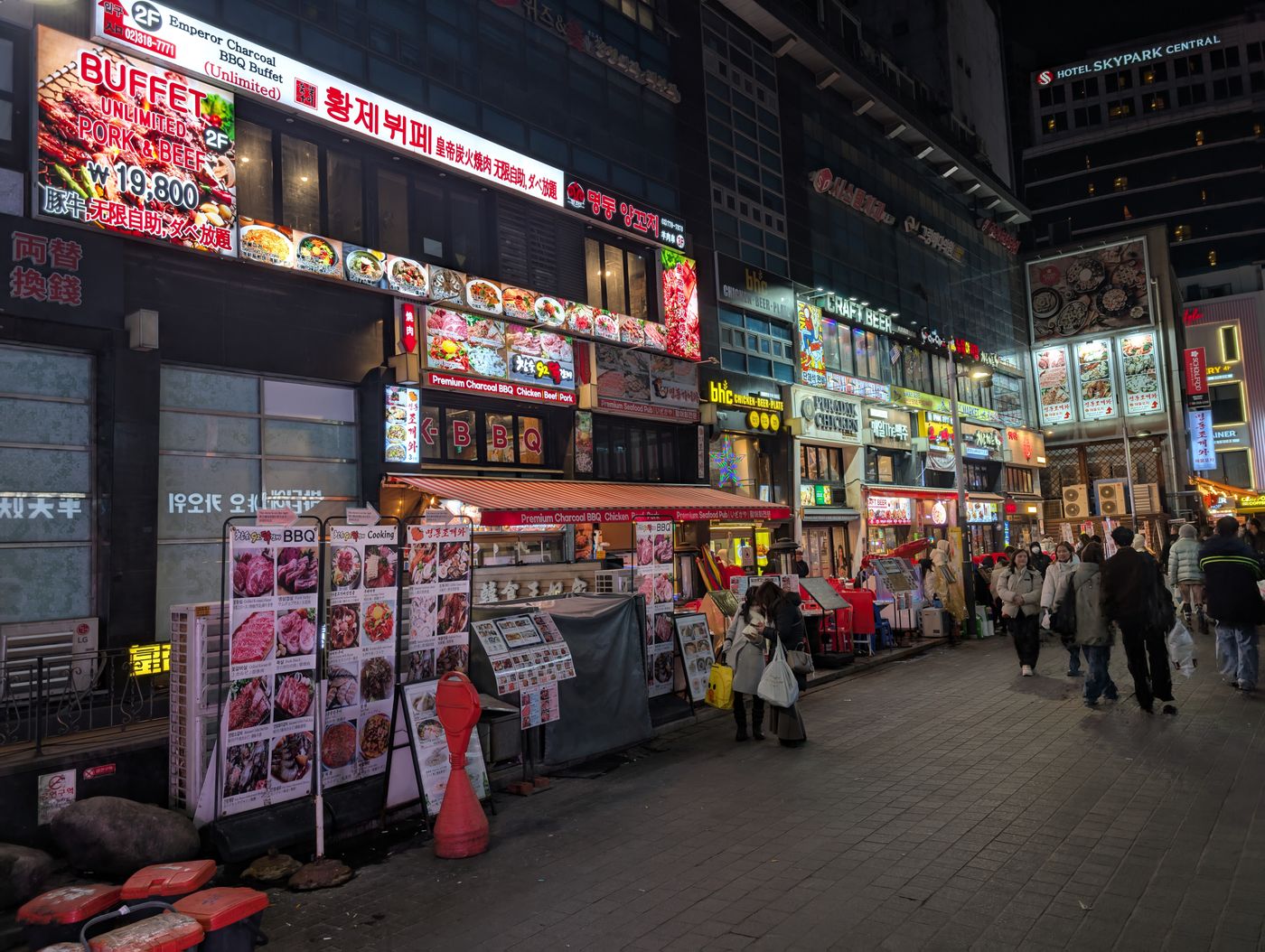
Myeongdong is tourist-friendly but crowded. Hongdae is flexible but can overload around nightlife hours. Seongsu has trendy cafes and queues. Gangnam and Apgujeong can be reservation-heavy for nicer meals. Ikseon-dong and Anguk can be walkable but queue-prone. Near Seoul Station, timing matters if you are catching a train or AREX.
Food planning should match the rest of your day. If you have a skin clinic at 3:00 p.m., do not gamble on a 2:00 p.m. lunch queue across town. If you have a train at 7:00 p.m., do not book a 5:30 p.m. dinner with unpredictable service. If you have a night market plan, eat lightly before arriving.
For food-shopping context, pair this article with EpicKor's Korean grocery tourism guide and Korea convenience store breakfast guide. Reservation culture is one part of the bigger Korea eating rhythm.
Group Travel Makes Everything Harder
A solo traveler or couple can often improvise. A group of five cannot.
Group travel changes the math:
- More seats needed.
- Longer table turnover.
- More allergy or diet questions.
- More late arrivals.
- More disagreement while standing outside.
If you are traveling with a group, reserve one main meal per day or deliberately choose large casual restaurants. Do not expect a tiny viral restaurant to absorb your whole group at 7:00 p.m. because everyone is "already nearby."
Also decide who owns the reservation. One person should hold the booking, screenshot the details, track cancellation windows, and know the map route. Group democracy is wonderful until everyone is hungry and nobody knows which exit to take.
How Hotels Can Help
Hotel staff can be useful when a restaurant only takes phone reservations or Korean-language confirmation.
Ask politely. Give:
- Restaurant name in Korean or map link.
- Desired date and time.
- Party size.
- Your name.
- Phone contact.
- Allergy or dietary concerns.
- Backup time if your first choice is unavailable.
Do not expect hotel staff to negotiate a fully booked restaurant into existence. But they can often clarify whether a place accepts reservations, whether your booking exists, or whether the restaurant says walk-in only.
A Smarter Seoul Food Day
Here is a simple structure:
Morning: flexible breakfast or convenience store.
Lunch: one planned neighborhood meal, ideally before peak rush.
Afternoon: cafe with a backup nearby.
Dinner: reservation if it matters; walk-in if you are open to options.
Late night: convenience store, pojangmacha area, chicken, or simple snack if the day runs long.
That rhythm gives you one anchor without turning the whole trip into an appointment calendar.
Trip planning without overbooking: A small planner or notes setup can save restaurant names, booking times, cancellation windows, and backup options. An Anker 10,000mAh power bank matters more than a planner here: Korean reservation apps, the waiting-list tablet QR and your map are all on the same phone, and a dead battery loses your place in a queue.
See Anker 10,000mAh power bank on AmazonFAQ About Korea Restaurant Reservations
Q: Can I eat well in Korea without reservations? Yes. Many casual restaurants accept walk-ins. Reservations matter most for famous, small, high-demand, group, or time-sensitive meals.
Q: Which apps do tourists need for restaurant booking? It depends on the restaurant. Naver, CatchTable, Instagram, phone calls, hotel help, or on-site waiting tablets may all appear. Always check the restaurant's current page.
Q: Do I need a Korean phone number? Not always, but it helps. Some waiting systems and reservations use Korean SMS. Data-only eSIMs may not receive those messages.
Q: Are cancellation fees common? They can be common for fine dining, omakase, course meals, and popular reservation-only places. Read the policy before booking.
Q: Is it rude to walk in without a reservation? No. It is normal at many casual restaurants. The problem is expecting a guaranteed seat at a small or famous place during peak time.
Final Take
Korea reservation culture is not about making travel stiff. It is about choosing which meals deserve certainty.
Reserve the meal you would be sad to miss. Walk in for the meals where you are happy to discover something nearby. Keep a backup. Watch the phone-number issue. Read cancellation rules. Seoul has enough good food that one full restaurant should not ruin your night.
The best traveler is not the one who books everything. It is the one who knows when spontaneity is fun and when it is just hunger wearing a cute outfit.
You Might Also Like
Noryangjin Fish Market Guide 2026: Buy Seafood In Seoul
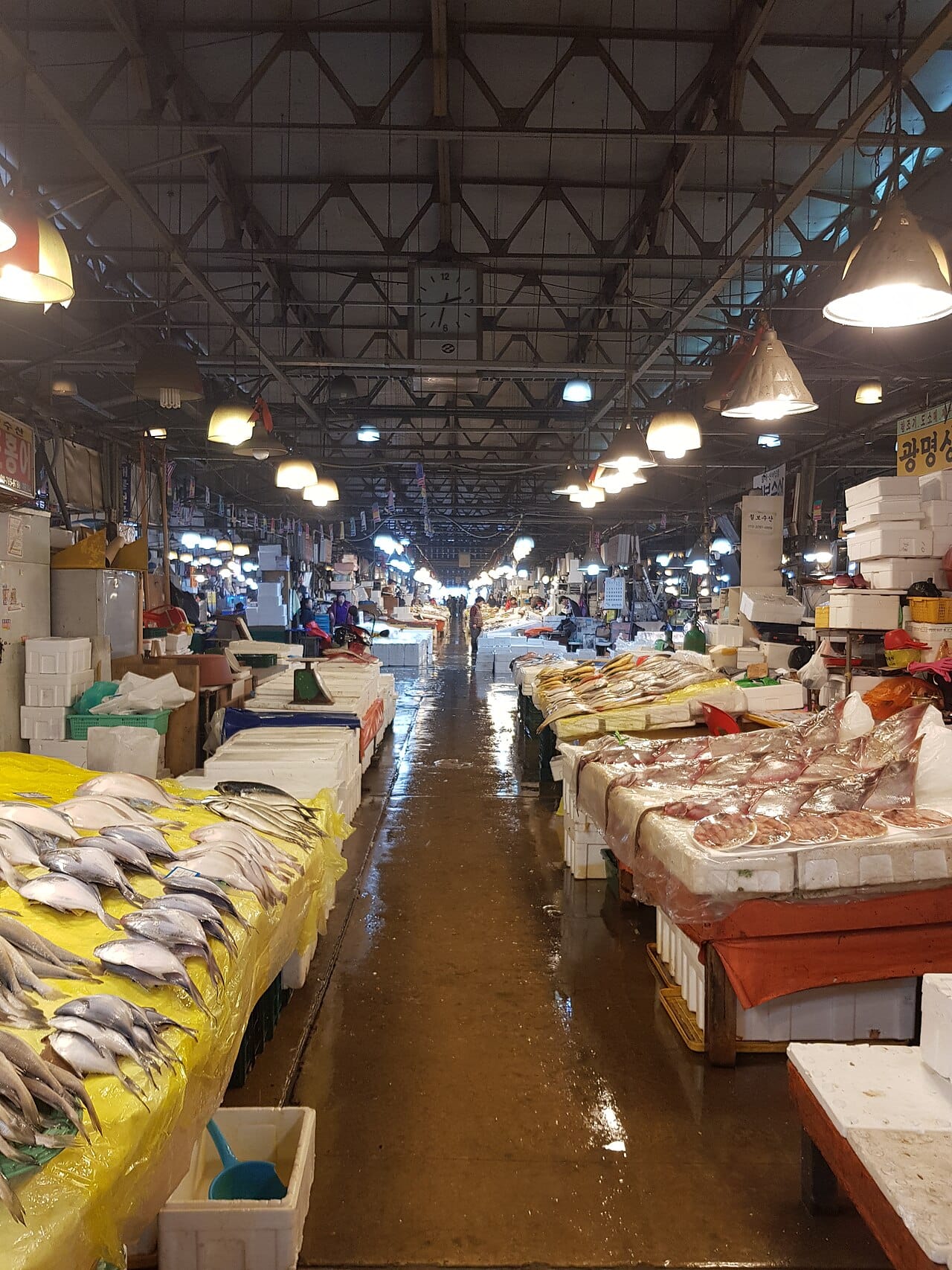
Noryangjin's upstairs chojangjip charge ₩4,000 a head just to set the table, and more if you skip the stew. How the buy-then-cook flow works, what the fees actually are, when to go, and how not to be overcharged.
Korean Department Store Food Halls 2026: What To Eat In Seoul
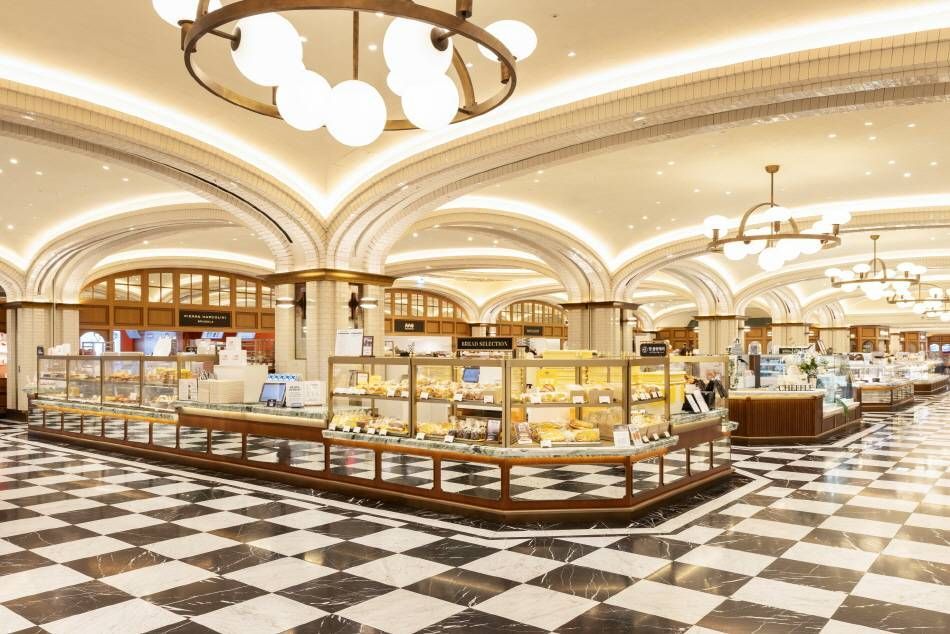
Seoul's department store food halls close at 20:00 on weekdays, earlier than most visitors expect. Real hours for The Hyundai Seoul, Shinsegae Gangnam and Lotte, which basement floor to enter, and how to time a visit so you are not locked out.
Korean Kiosk Panic Guide: How To Order Food In Seoul
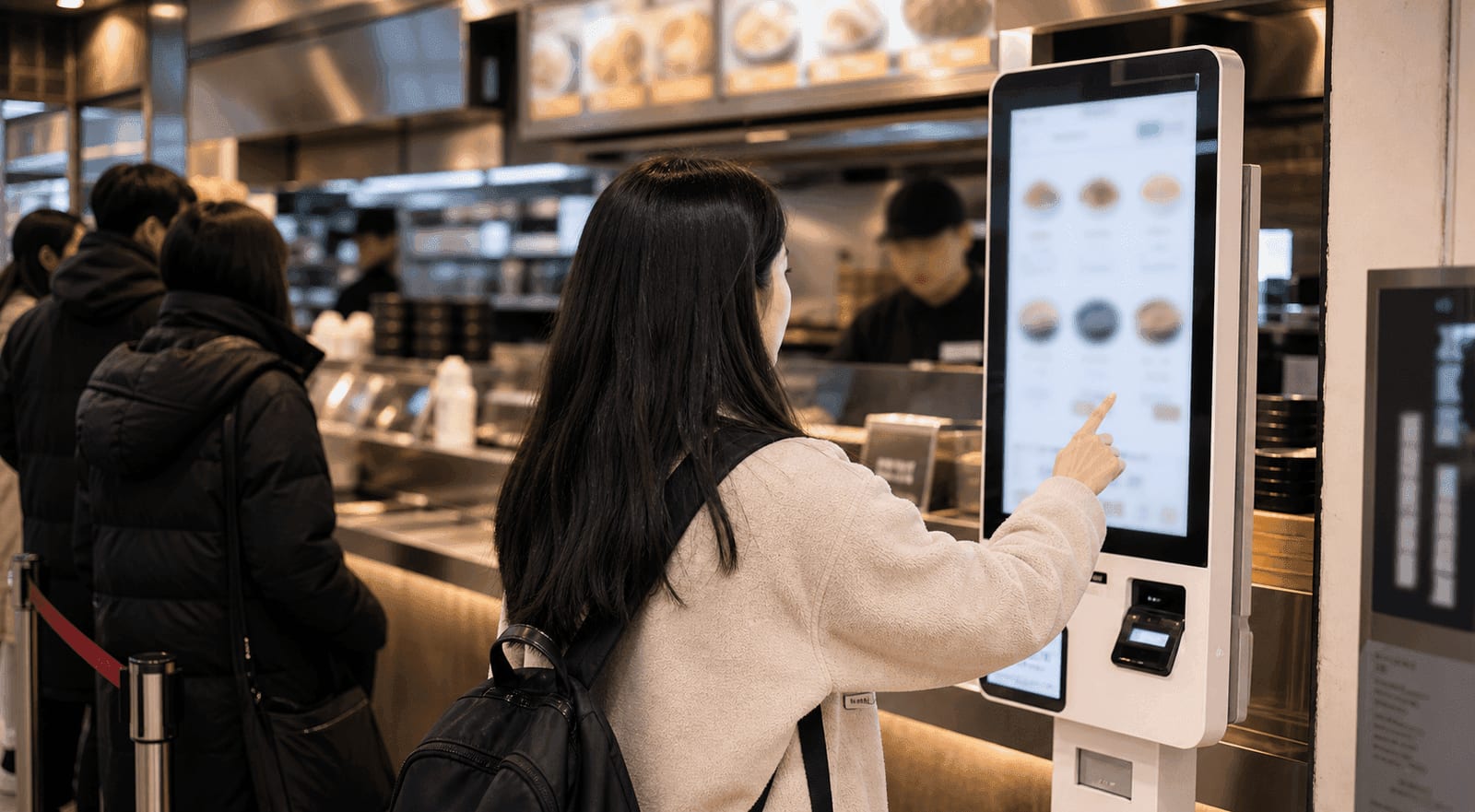
A Korean kiosk panic guide for Seoul travelers: how to order food, choose menus, pay, handle pickup numbers, avoid mistakes, and stay calm.