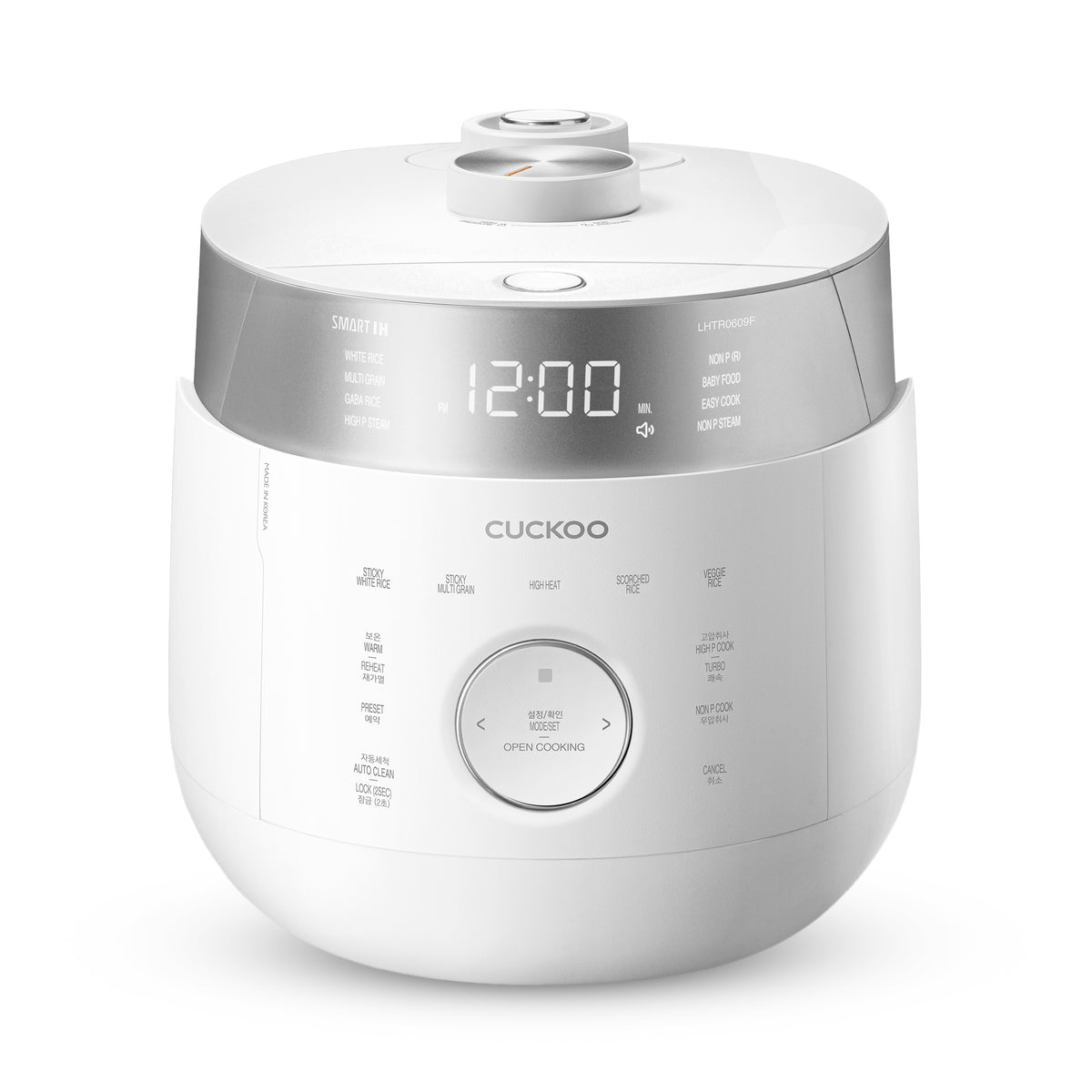
Korean Rice Cooker Guide 2026: Cuckoo, Cuchen, Home Rice
Korean rice cooker culture is easy to underestimate until you live with Korean meals for more than a few days. Rice is not just a side dish that happens in the background. It is the base of breakfast, home dinners, lunch boxes, soups, stews, banchan, grilled meat, leftovers, and late-night comfort food. That is why many Korean households treat the rice cooker as a daily appliance, not a gadget. EpicKor's guide to what Koreans actually eat for breakfast shows how that rice base shifts between a full soup-and-banchan table and a fast egg-and-gim morning.
Brands like Cuckoo and Cuchen became familiar because they solve a real Korean home problem: how to make rice consistently, keep it warm, handle mixed grains, and support a meal rhythm where rice may be needed now, later, and again tomorrow morning. For travelers, K-drama fans, and Korean food lovers, understanding the rice cooker explains a lot about Korean home life.
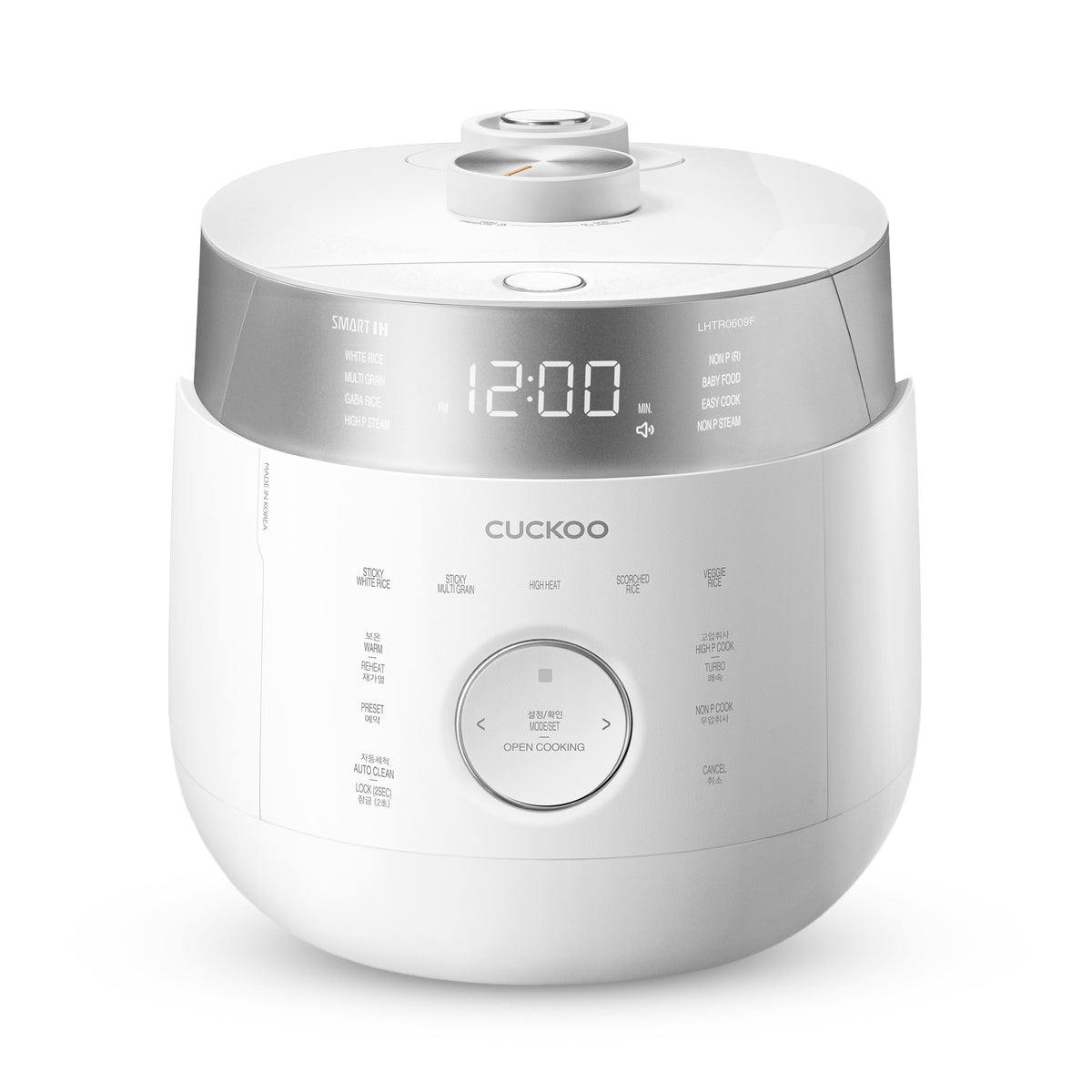
Cuckoo CRP-P0609S, 6-cup (uncooked) high-pressure rice cooker — on AmazonAffiliate link. As an Amazon Associate, EpicKor earns from qualifying purchases at no extra cost to you.
Quick Answer: Why Do Korean Homes Use Rice Cookers?
Korean homes use rice cookers because rice is central to everyday meals, and consistency matters. A good rice cooker can cook white rice, mixed grains, brown rice, porridge, or specialty rice settings with less monitoring than a pot on the stove. Many Korean models also emphasize pressure cooking, keep-warm functions, voice guidance, scheduled cooking, and texture settings.
If you are buying one outside Korea, do not start with the most expensive model. Start with your household size, rice type, counter space, language comfort, cleaning tolerance, and whether you truly need pressure or induction heating. A simple cooker can be enough for occasional rice. A Korean pressure rice cooker makes more sense when rice is part of your weekly routine.
For the food side, pair this guide with EpicKor's Korean grocery store guide, Korean pantry starter kit, Korean BBQ guide, Korean home reset guide, and Korean floor culture guide. Rice cookers make the most sense when you see how Korean meals are structured around bowls, shared dishes, and repeat routines.
Cuckoo, Cuchen, And The Korean Rice Cooker Market
Cuckoo is the Korean rice cooker brand many international shoppers notice first. It is strongly associated with pressure rice cookers and has an official U.S. presence through CUCKOO America. Cuchen is another major Korean rice cooker name, especially familiar inside Korea. Both brands sit in a category where product lines can range from simple electric rice cookers to expensive pressure induction models with many settings.
The brand name matters less than the use case. Some buyers want Korean-style sticky white rice for daily meals. Some want mixed grain rice, known as japgokbap. Some want brown rice, porridge, or baby food settings. Some want a compact cooker for one or two people. Some want a large family model that can sit on keep-warm through the day.
Do not assume a premium Korean rice cooker will automatically fix every rice problem. Rice quality, washing, soaking, water ratio, grain mix, and cleaning habits all matter. A strong cooker gives you control and consistency, but it cannot rescue careless setup every time.
Pressure Rice Vs Basic Rice
The biggest Korean rice cooker question is pressure. A basic rice cooker heats rice and water until the rice cooks, then switches to warm. That can be perfectly fine for many homes. A Korean pressure rice cooker uses sealed pressure to change the cooking environment, often producing a stickier, more cohesive texture that many Korean households like.
Pressure cooking can be especially useful for mixed grains, brown rice, beans, and firmer grains that need more help. It can also shorten or stabilize cooking compared with a basic pot method. But pressure models cost more, have more parts to clean, and may include steam release sounds, voice prompts, gaskets, detachable lids, and maintenance routines.
If you eat rice once a week, a simple cooker may be enough. If you eat Korean meals several times a week, cook mixed grains, or care about the texture of rice with stews and banchan, a pressure model becomes easier to justify.
The middle path is to buy the smallest capable model that fits your real life. A huge premium cooker looks impressive, but it may be wasteful for one person in a small apartment. A compact pressure model can be better than a flagship cooker that is too large to use comfortably.
| Cooker Type | Best For | Tradeoff |
|---|---|---|
| Basic electric rice cooker | Occasional white rice, small budgets, simple kitchens | Less control over texture and mixed grains |
| Micom rice cooker | More settings without full pressure complexity | Can still be slower or less sticky than pressure rice |
| Korean pressure rice cooker | Sticky white rice, mixed grains, daily Korean meals | Higher price, more cleaning, steam release noise |
| Induction pressure model | Serious rice households that want premium control | Most expensive and often more feature-heavy than beginners need |
Rice Types Korean Homes Actually Cook
Plain white short-grain rice is the everyday baseline for many Korean meals. It should be soft, slightly sticky, and cohesive enough to pick up with chopsticks or a spoon. The goal is not dry separate grains like some long-grain rice styles.
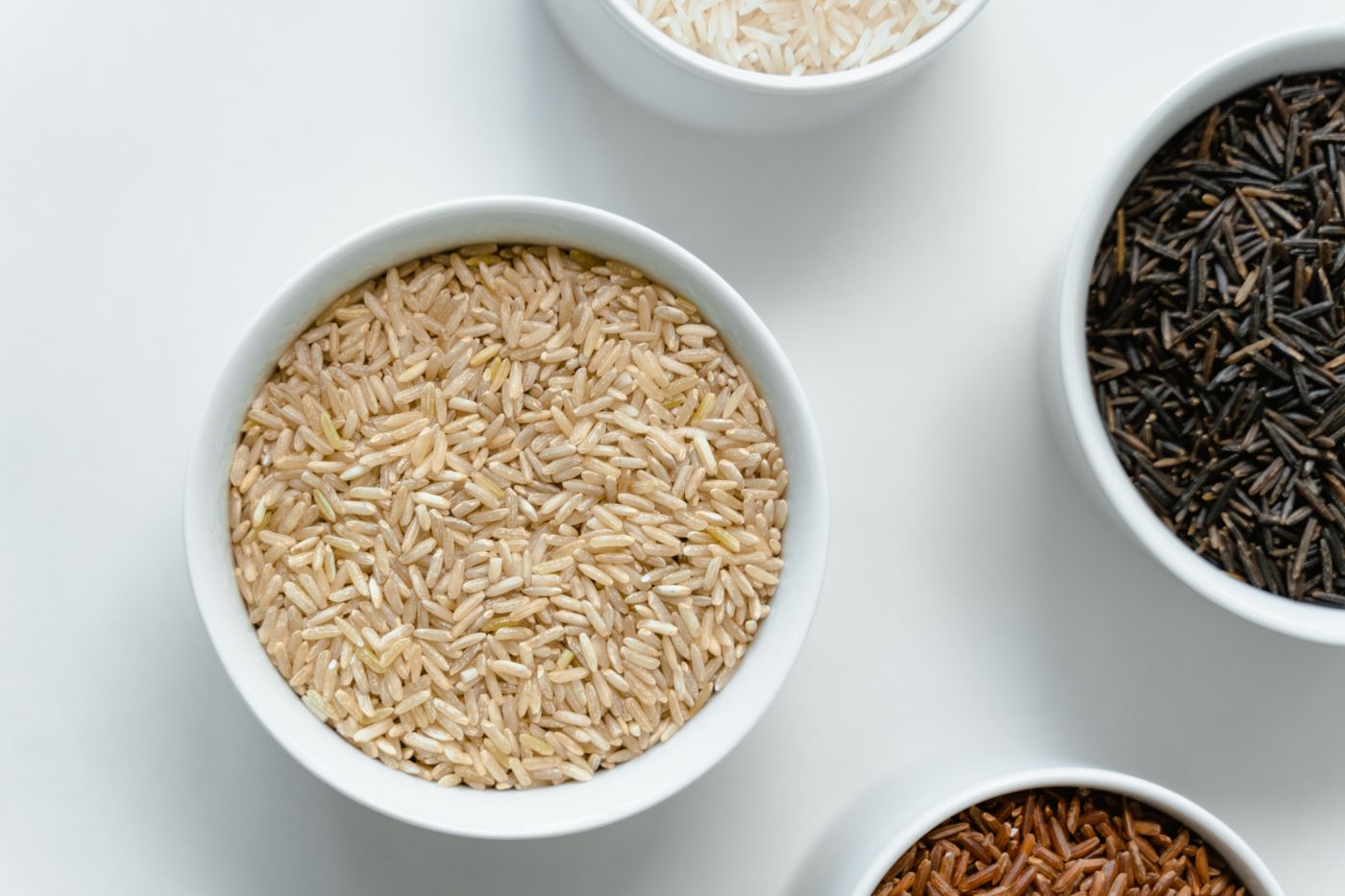
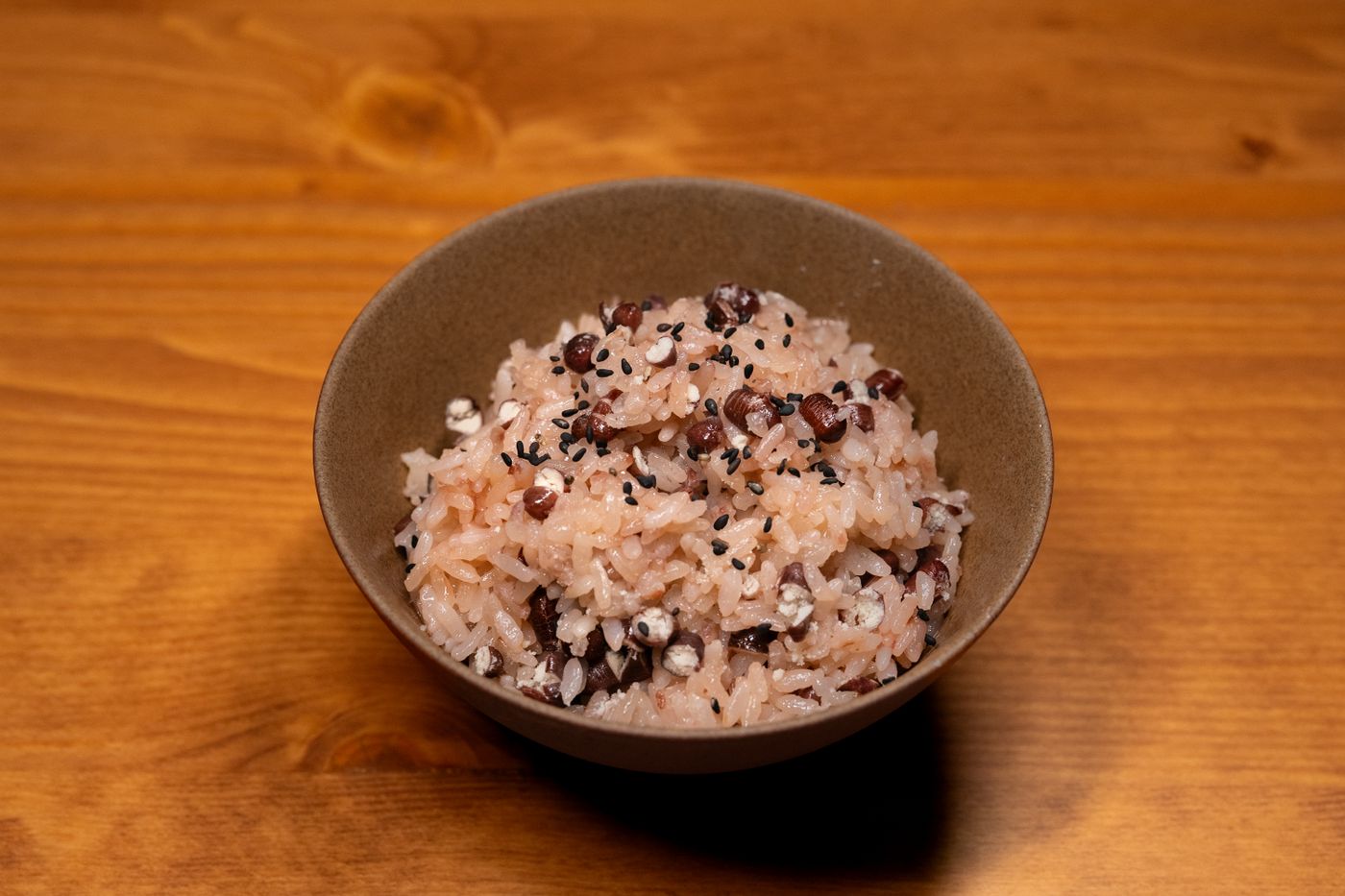
Mixed grain rice, or japgokbap, is also common. It may include brown rice, black rice, barley, millet, beans, sorghum, or other grains. The exact blend varies by household. Mixed grain rice can feel nuttier, chewier, and more filling than plain white rice. It also demands better water control and often benefits from soaking or a dedicated setting.
Porridge, or juk, is another rice cooker use case. Not every home makes it often, but rice cookers with porridge settings can help when someone is sick, recovering, feeding a child, or wanting a soft breakfast.
Then there is leftover rice. Korean homes use rice for fried rice, kimchi fried rice, rice balls, simple breakfast bowls, and quick meals with soup. A rice cooker supports that rhythm because it makes the base ingredient predictable.
Size: The Mistake Many Buyers Make
Rice cooker sizes can confuse shoppers because capacity is often listed in cups, and rice-cooker cups are not the same as standard U.S. measuring cups. The practical question is not the number on the box. It is how many people you feed and how often you want leftovers.
For one person, a small three-cup class cooker is usually enough. For two people, three to six cups can work depending on leftovers. For families, six to ten cups may make sense. If you batch cook rice or host Korean meals, larger capacity helps. If you live alone and want fresh rice often, oversized cookers can be annoying.
Too much empty capacity can affect texture and convenience. A giant cooker used for tiny amounts may not feel efficient. A tiny cooker used for family meals creates repeated cooking cycles. Match the cooker to your normal rice day, not your fantasy dinner party.
Counter space also matters. Korean pressure cookers can be deep, tall, and visually dominant. They need room for the lid, steam release, and cleaning. If your kitchen is small, measure before buying.
What That Costs In Practice
Cuckoo sells three technology tiers in the United States, and the gap between the cheapest and the most expensive is more than four hundred dollars for the same bowl of rice. Prices below are CUCKOO America list prices checked on 15 August 2026; they move with sales, and Amazon prices for the same model are set separately.
| You cook for | Tier | Example model | US list | Skip this tier if |
|---|---|---|---|---|
| One person | Micom (no pressure) | CR-0375F, 3-cup | $119.99 | You mainly eat brown rice or mixed grains — this is where pressure earns its money. |
| One to two | Micom (no pressure) | CR-0675F, 6-cup | $139.99 | Same as above. Fine for white rice, slower and firmer on 잡곡. |
| Two to four | HP twin pressure | CRP-ST0609F, 6-cup | from $259.99 | You cook white rice only and never batch — the Micom does that for $120 less. |
| Family, batch cooking | HP pressure | CRP-P1009S, 10-cup | $279.99 | You live alone. A 10-cup pot half empty cooks worse, not better. |
| Daily rice, mixed grains | IH twin pressure | CRP-LHTAR0609F, 6-cup | $539.99 | Rice is a side dish a few times a week. This tier is for households where rice is the meal. |
| Large family, top tier | IH twin pressure | CRP-OHTR1009FWS, 10-cup | $593.99 | Almost everyone. This is the ceiling, not the default. |
The honest version of this table: most people outside Korea are better served by the $260–$280 pressure tier than by the $540–$594 induction tier. Induction heating and twin pressure make a real difference to 현미 and 잡곡 — brown and mixed grains — and to how rice holds on keep-warm past a day. If you eat white rice a few times a week and finish it the same day, you are paying four hundred dollars for a difference you will struggle to taste.
Keep-Warm Culture And Food Safety
Many Korean rice cookers are built around keep-warm use because rice is often eaten across more than one meal. The keep-warm function can be convenient, but it is not magic. Rice can dry, yellow, develop odor, or lose quality if held too long. Different cookers handle this differently, and household habits vary.
For best taste, cook the amount you need, fluff it after cooking, and store leftovers properly if you will not eat them soon. Many Korean households freeze portioned rice and microwave it later. This can taste better than keeping rice warm too long, especially for small households.
Keep-warm is most useful when a family eats at staggered times, when dinner is close, or when rice will be served again soon. It is less useful if you live alone and forget the cooker for a day.
Cleaning affects keep-warm quality too. Old starch, condensation, and lid parts can create smells. If your cooker has a detachable inner lid, steam cap, gasket, or water collector, clean them regularly.
Features Worth Comparing
The most useful features are not always the flashiest. Look first at cooking modes for the rice you actually eat. White rice, glutinous rice, mixed grain, brown rice, porridge, and quick cook are more meaningful than a long list of settings you will never touch.
Next, look at cleaning. Can the inner lid detach? Is the steam vent easy to clean? Are replacement gaskets available? Does the pot coating require careful handling? Daily appliances fail in daily maintenance, not in marketing copy.
Then consider language and sound. Some Korean cookers have voice guidance. That can be helpful, annoying, or inaccessible depending on your household. If you are sensitive to appliance sounds, read reviews carefully.
Finally, look at voltage and market region. A Korean domestic model may not be ideal for use in the United States or Europe without proper voltage compatibility. Buying through an official regional seller can reduce that risk.
How A Rice Cooker Changes Korean Meal Prep
A Korean meal often starts by asking, "Is there rice?" Once rice is ready, the rest of the meal can be simple. Kimchi, eggs, soup, grilled fish, leftover banchan, seaweed, tofu, canned tuna, or stir-fried vegetables become a meal because the rice anchors everything.
That is why the rice cooker has cultural weight. It reduces the friction between ingredients and dinner. You can come home, reheat soup, pull out side dishes, and have a real meal because the rice is already handled.
For Korean BBQ at home, rice is the quiet balance to meat, ssamjang, garlic, lettuce, and kimchi. For stew, rice softens the salt and spice. For breakfast, rice can turn soup or leftovers into something complete. For lunch boxes, rice gives structure.
Travelers who notice rice cookers in Korean dramas, guesthouses, convenience-store meal kits, or home scenes are noticing a real domestic pattern. The appliance is not decorative. It is infrastructure.
That is why rice-cooker buyers should also understand the small pantry around the rice. EpicKor's Korean seaweed snack guide covers the gim side of quick rice meals, while the Korean pantry starter kit keeps sauces, ramen, rice, and table tools in a sane first-buy order. Once rice becomes a weekly habit, the Korean dosirak lunchbox guide and kimchi jjigae at home guide show how that rice turns into practical meals instead of sitting alone in the cooker.
Buying Checklist
Start with household size. A one-person apartment does not need the same cooker as a family that eats rice twice a day. Then decide whether pressure is worth the price. If you mostly cook jasmine rice or rice once in a while, it may not be. If you cook Korean short-grain rice and mixed grains often, it may be.
Check the bowl coating and replacement parts. Inner pots wear over time, especially if people use metal utensils. A cooker with available replacement parts is more practical than a beautiful model with hard-to-find accessories.
Check cleaning steps. If a model has many detachable parts, that can be good for hygiene but annoying if you hate maintenance. If parts are not detachable, cleaning may be easier but less thorough.
Check the interface. Flat touch panels, Korean-only menus, loud voice prompts, or complicated mode names can frustrate some households. A rice cooker should make dinner easier, not become a puzzle.
Check return options. Rice texture is personal. A model that one reviewer loves may not match your preferred grain, water ratio, or household rhythm.
Beginner Rice Routine
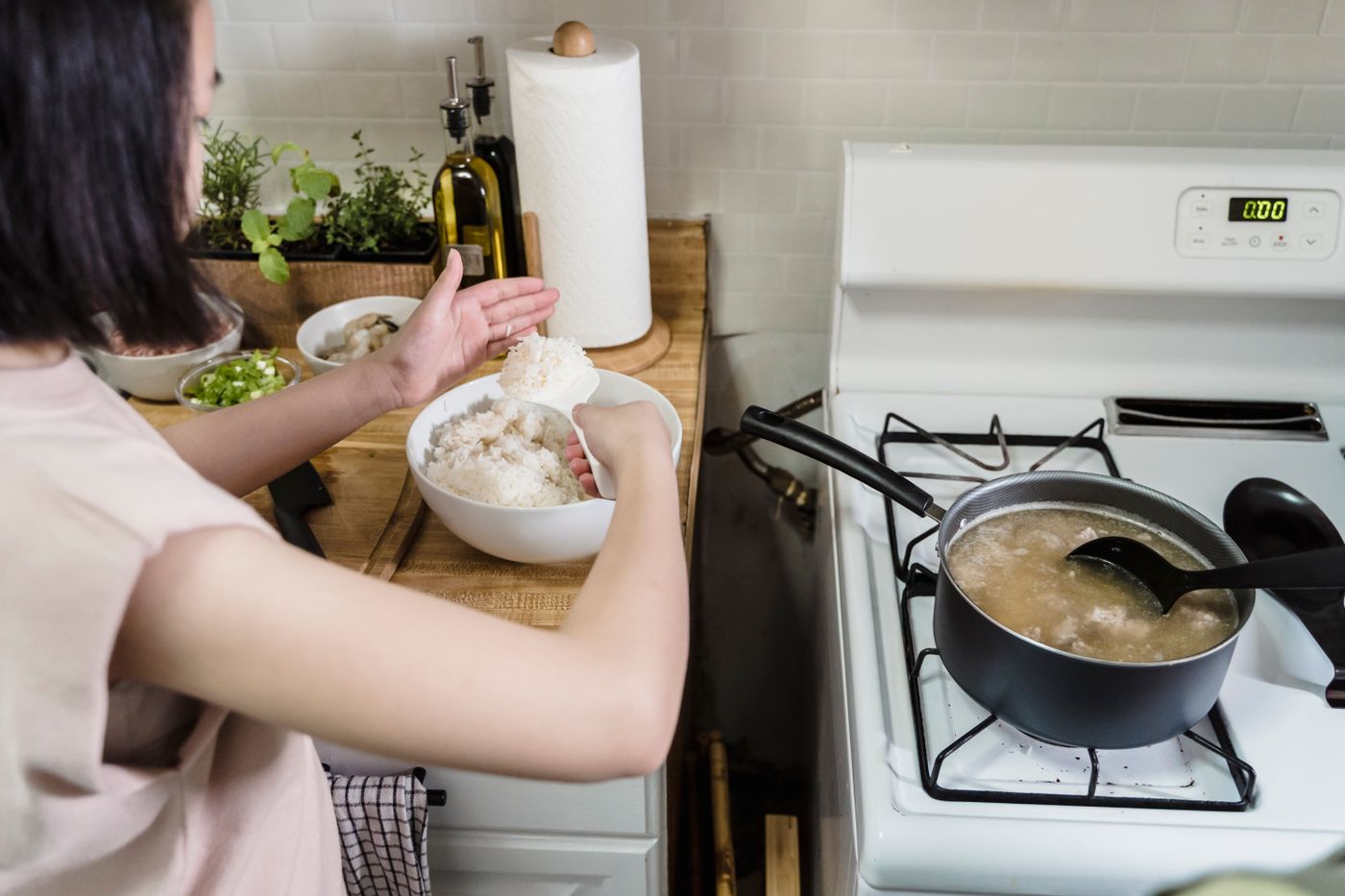
Rinse rice until the water is less cloudy, but do not obsess over making it perfectly clear. Drain well. Add water according to the cooker markings for your rice type, then adjust over time. Korean short-grain rice usually benefits from a short rest or soak, especially if the rice is older or the grain mix is firm.
After cooking, fluff the rice with a rice paddle. This releases steam and evens out texture. Do not scrape the pot with metal utensils. If you are not eating soon, decide whether keep-warm or portion-freezing makes more sense.
Clean after use. Empty the water collector if your cooker has one. Wipe condensation. Wash the inner pot gently. Clean detachable lid parts according to the manual. A rice cooker that smells bad usually has a cleaning habit problem, not only a machine problem.
Who Should Buy A Korean Rice Cooker?
Buy one if you cook Korean meals often, care about rice texture, make mixed grains, feed a household, or want rice ready without stove monitoring. It is also a good buy if you already keep Korean pantry basics at home: short-grain rice, kimchi, seaweed, doenjang, gochujang, soy sauce, sesame oil, and banchan ingredients.
Wait if you are only curious because of K-dramas or social media. Start with a simpler cooker or pot method first. If rice becomes part of your weekly routine, upgrade later.
Do not buy the largest premium model just because it looks official. Buy the one you will actually clean, understand, and use. The best Korean rice cooker is the one that quietly makes rice happen often enough to change how you eat.
Sources Checked
This guide was written from EpicKor Korean home-food coverage, product-image verification, and source checks including the official CUCKOO America rice cooker collection, public background on Cuckoo Electronics, and current buyer guidance from major kitchen-product reviewers. Product names, model availability, prices, voltage support, and replacement parts change often, so verify the exact model in your region before buying.
FAQ
Is a Korean pressure rice cooker worth it?
It is worth it if you cook Korean short-grain rice, mixed grains, brown rice, or rice-based meals often. If you only cook rice occasionally, a simpler cooker may be enough. The value depends on routine, not only brand prestige.
What size rice cooker should I buy?
For one person, a compact three-cup class cooker is usually enough. For two people, three to six cups often works. For families or batch cooking, six to ten cups may make sense. Measure counter space before buying because pressure cookers can be bulky.
What is the difference between Cuckoo and Cuchen?
Cuckoo and Cuchen are both major Korean rice cooker brands with multiple product tiers. Cuckoo is especially visible internationally, while Cuchen is highly familiar in Korea. Compare actual model features, region support, cleaning, capacity, and warranty rather than choosing by brand name alone.
Can I cook mixed grain rice in a rice cooker?
Yes, and this is one reason many Korean households like advanced rice cookers. Mixed grains may need soaking, more water, or a dedicated mixed-grain setting. Start with the manual, then adjust based on your grain blend and preferred texture.
You Might Also Like
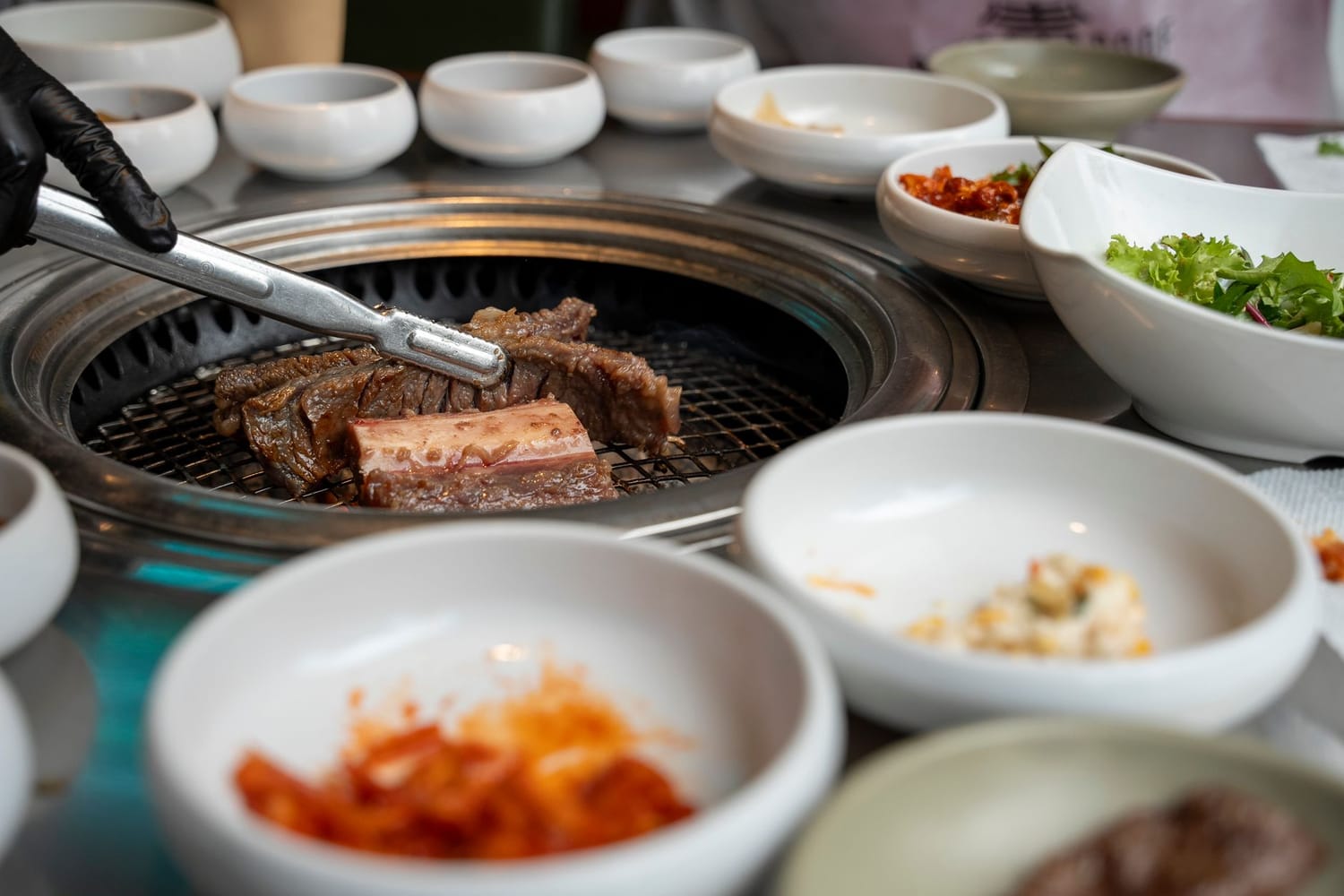
Korean Kitchen Scissors: Why Koreans Cut Meat and Noodles at the Table, and Why It Is Not an Office Scissor
Scissors on a restaurant table look wrong to most of the world and normal to every Korean. The tool is not a desk scissor: thick blades, one serrated edge, big rings, often detachable, built for galbi and cold noodles. Where it came from, and which one to buy.
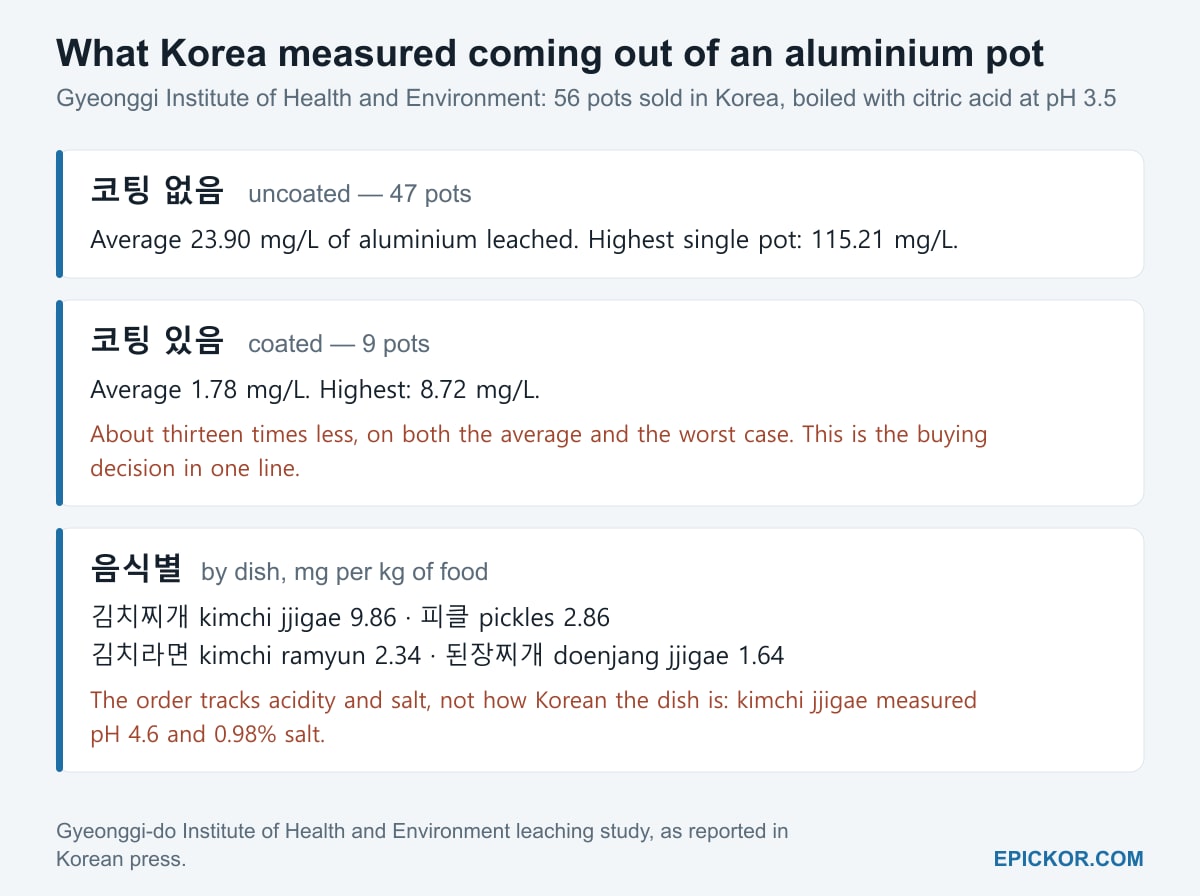
Korean Ramen Pots: Is the Aluminium One Safe?
Korea tested 56 aluminium pots with acid at pH 3.5. Uncoated ones leached 23.90 mg/L on average, coated ones 1.78 — thirteen times less. Kimchi jjigae pulled the most of any dish, against Korea's own safe figure of about 17 mg a day.
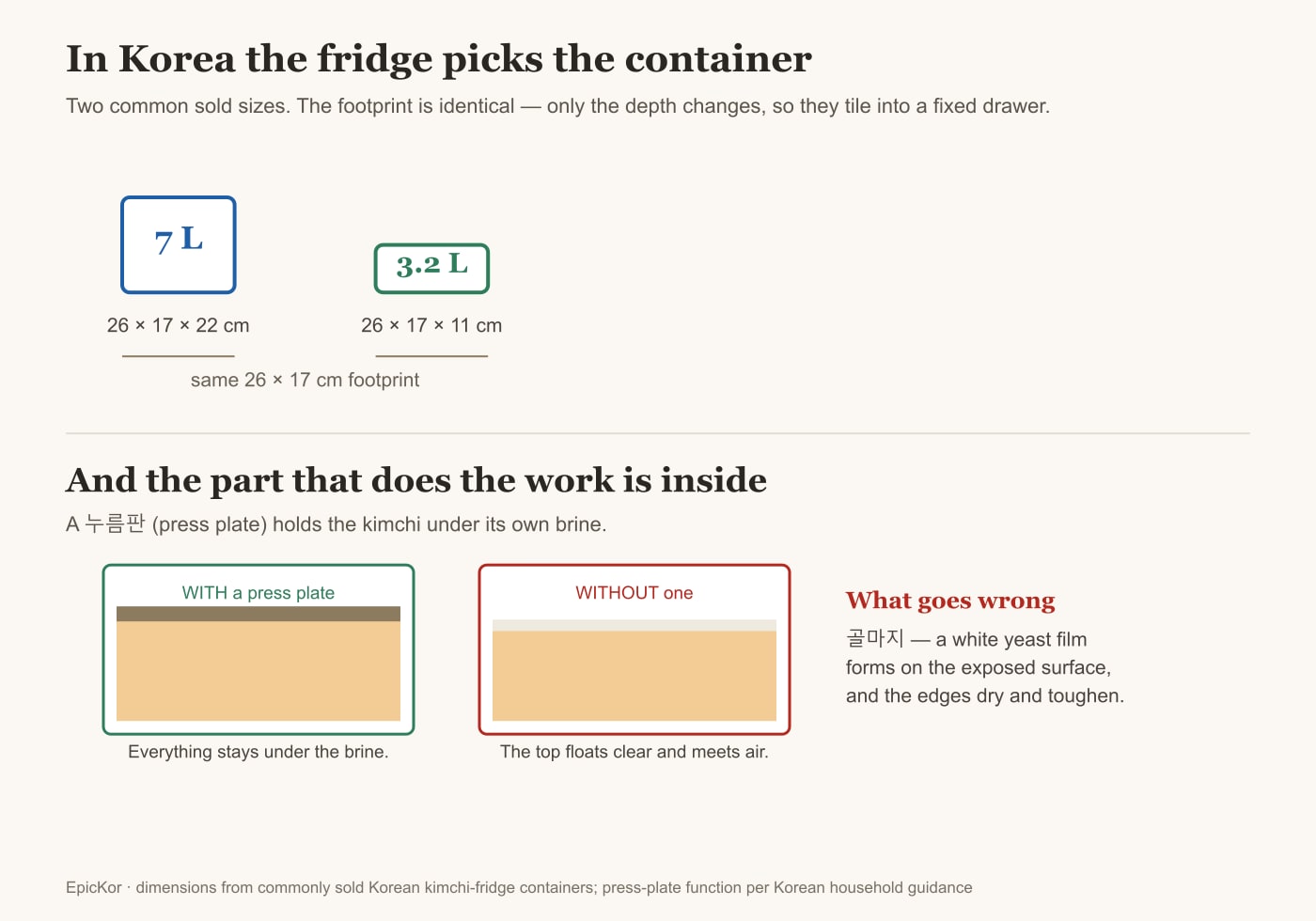
Korean Kimchi Containers: The Press Plate Matters More Than the Lid
English buying guides rank kimchi containers by lid. In Korea the fridge picks the size — 7L and 3.2L share a 26 × 17cm footprint so they tile — and the part that decides whether the kimchi survives is the 누름판, the plate that holds it under its own brine.