Korean Banchan Guide: Side Dishes, Kimchi, and Table Rules
Korean banchan can look like "free side dishes" to a first-time visitor, but that phrase undersells how important they are. Banchan is not decoration around the meal. It is part of the meal's structure. A Korean table often works because rice, soup, stew, grilled food, kimchi, seasoned vegetables, sauces, and small shared dishes create different combinations in every bite.
That is why a bowl of rice can feel complete with only a few side dishes, and why Korean barbecue feels unfinished without lettuce, garlic, kimchi, ssamjang, and pickles. Banchan gives Korean food its rhythm: salty, sour, spicy, fresh, fermented, crunchy, soft, hot, cold, mild, intense.
This guide explains what banchan means, the main types to know, how Korean table settings work, which side dishes travelers should try first, how refills work, and why kimchi and jang sauces carry so much cultural weight. If you're curious why this many-small-dishes system is also credited in Korea's health and longevity story, EpicKor's Korean diet secrets guide picks up that thread.
Korean food starter pack — compare on AmazonAffiliate link. As an Amazon Associate, EpicKor earns from qualifying purchases at no extra cost to you.
Quick Answer: What Is Banchan?
Banchan means Korean side dishes served with rice and a main dish, soup, stew, or shared meal. Common examples include kimchi, seasoned spinach, bean sprouts, braised potatoes, stir-fried fish cake, pickled radish, cucumber salad, dried anchovies, rolled egg, tofu, seaweed, and many regional or seasonal dishes.
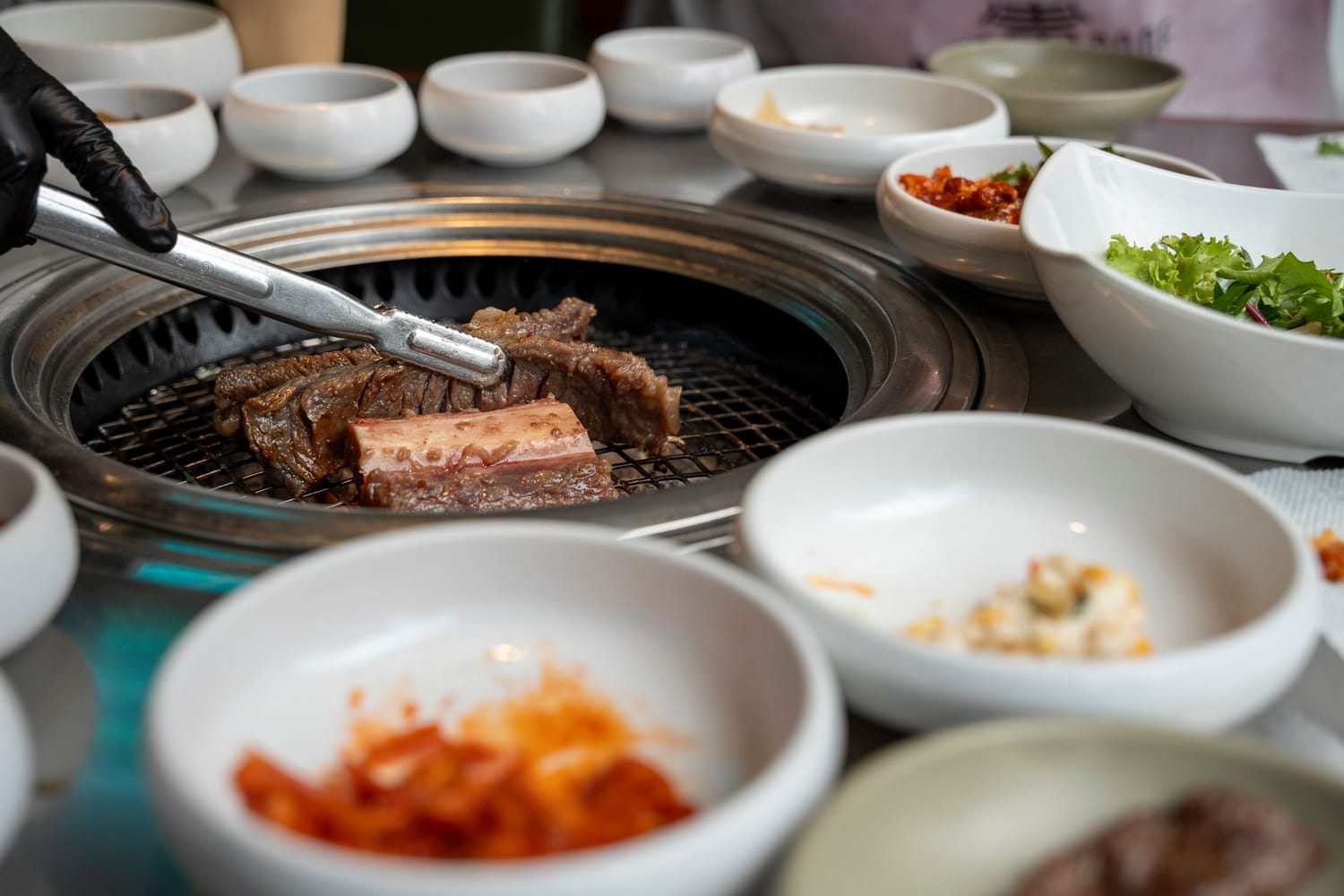
In Korea, banchan is usually placed in the middle of the table so diners can share. Some restaurants give only two or three side dishes. Others give a full spread. The number of plates does not automatically tell you the quality of the meal. A simple soup restaurant with excellent kimchi can be more memorable than a flashy table with many forgettable sides.
For a restaurant-etiquette version of this topic, read our guide to free side dishes, service, and refills in Korea.
| Banchan Type | Examples | Main Flavor Role | Good First Try |
|---|---|---|---|
| Kimchi | Baechu kimchi, kkakdugi, cucumber kimchi | Sour, spicy, fermented contrast | Try with rice or soup, not alone first. |
| Namul | Spinach, bean sprouts, fernbrake, perilla leaves | Seasonal vegetable balance | Spinach or bean sprouts are gentle. |
| Jorim | Braised potato, tofu, beans, fish | Sweet-salty depth | Braised potato is easy for beginners. |
| Bokkeum | Stir-fried fish cake, anchovies, mushrooms | Savory chew and texture | Fish cake is common in casual restaurants. |
| Pickles and fresh sides | Radish, cucumber, onion, peppers | Refreshes rich or spicy food | Pickled radish with noodles or fried food. |
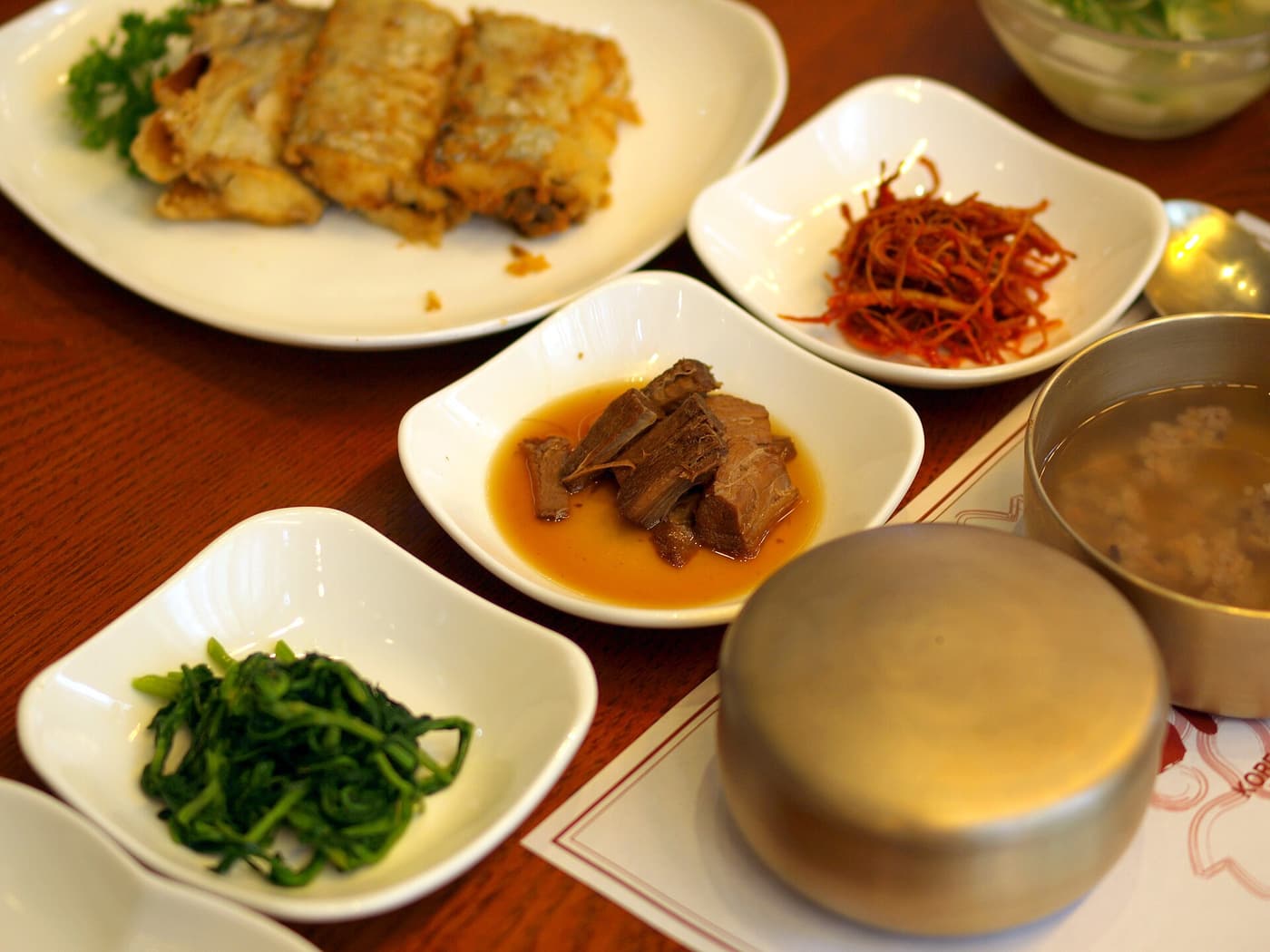
The standard arrangement: rice and soup in front of you, banchan shared in the middle. The layout is the rule, not the decoration. Photo by Alan Chan, CC BY-SA 2.0.
Why Banchan Is Central to Korean Food
The Korea Tourism Organization describes a Korean meal table, or Han Sang Charim, as a spread where rice, soup, kimchi, main dishes, and side dishes sit together. Its Korean food overview explains that banchan are the side dishes eaten with rice and that each diner can combine foods differently.
That last idea is the key. Korean meals are not always about one plated dish that the chef has finished for you. They are often about a table that lets you decide the next bite. Rice plus kimchi tastes different from rice plus grilled meat and ssamjang. Soup plus kkakdugi feels different from soup plus mild bean sprouts. A lettuce wrap can be spicy, garlicky, herbal, or clean depending on what you put inside.
Banchan turns the diner into a participant.
Worth comparing: As an Amazon Associate, EpicKor may earn from qualifying purchases. If you want to practice banchan-style eating at home, compare a basic Korean food starter pack before buying too many single-use ingredients.
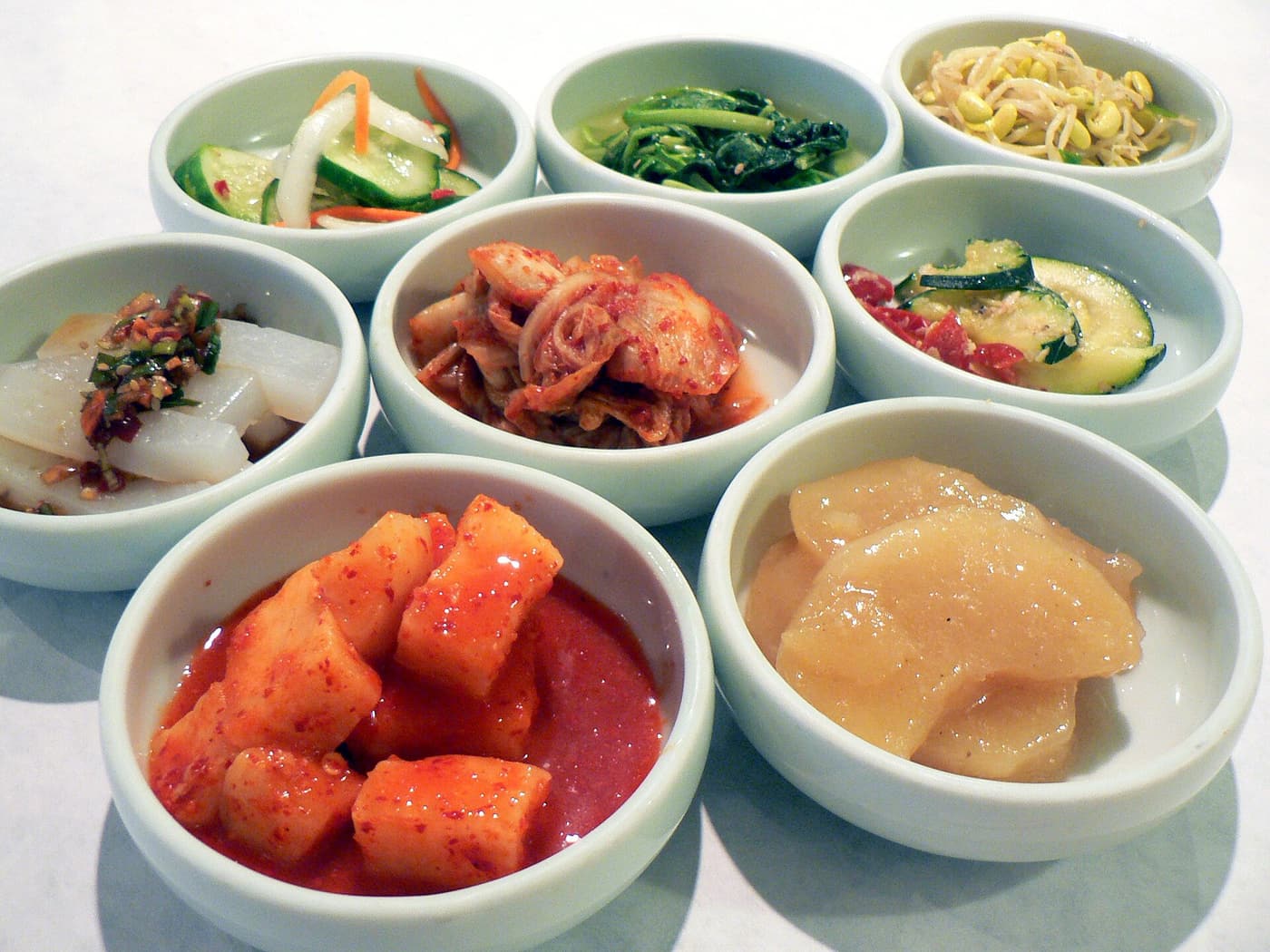
Kimchi is one banchan among many. A normal table carries several at once, and only one of them is the famous one. Photo by stuart spivack, CC BY-SA 2.0.
Kimchi: The Most Famous Banchan
Kimchi is the banchan most foreigners recognize first, but in Korea it is not only a food trend or spicy garnish. It is a daily table item, a preservation technique, a regional food, a family memory, and a national symbol.
UNESCO inscribed kimjang, the making and sharing of kimchi, on the Representative List of the Intangible Cultural Heritage of Humanity in 2013. Its page on kimjang emphasizes the seasonal and communal nature of preparing kimchi. That matters because kimchi is not just "Korean spicy cabbage." It is a practice of storing, sharing, seasoning, and adapting vegetables across households and regions. If you are visiting Insadong, EpicKor's Museum Kimchikan guide turns that background into a practical Seoul stop.
Travelers should try more than one kind:
- Baechu kimchi: napa cabbage kimchi, the most familiar version.
- Kkakdugi: cubed radish kimchi, excellent with beef soups.
- Oi sobagi: cucumber kimchi, crunchy and fresh.
- Baek kimchi: white kimchi, milder and not red-chili heavy.
- Yeolmu kimchi: young radish greens kimchi, often bright and refreshing.
If one kimchi tastes too sour, it may not be "bad." Older kimchi is often used for stews, fried rice, pancakes, or grilled barbecue-side kimchi.
Namul: The Vegetable Logic of the Korean Table
Namul is a broad category of seasoned vegetables, greens, roots, sprouts, mushrooms, and mountain herbs. Seasonings may include sesame oil, garlic, soy sauce, salt, vinegar, gochugaru, doenjang, or perilla oil. The result can be mild, earthy, nutty, spicy, or tangy.
Namul is important because it shows that Korean food is not only barbecue and spicy stew. A home-style table may feel complete because there are small vegetable dishes that change with the season. Bean sprouts bring crunch. Spinach brings softness. Fernbrake brings a deeper mountain flavor. Perilla leaves bring herbal intensity.
For beginners, start with kongnamul muchim, seasoned soybean sprouts, or sigeumchi namul, seasoned spinach. They are common, approachable, and teach the sesame-garlic balance that appears across many Korean side dishes.
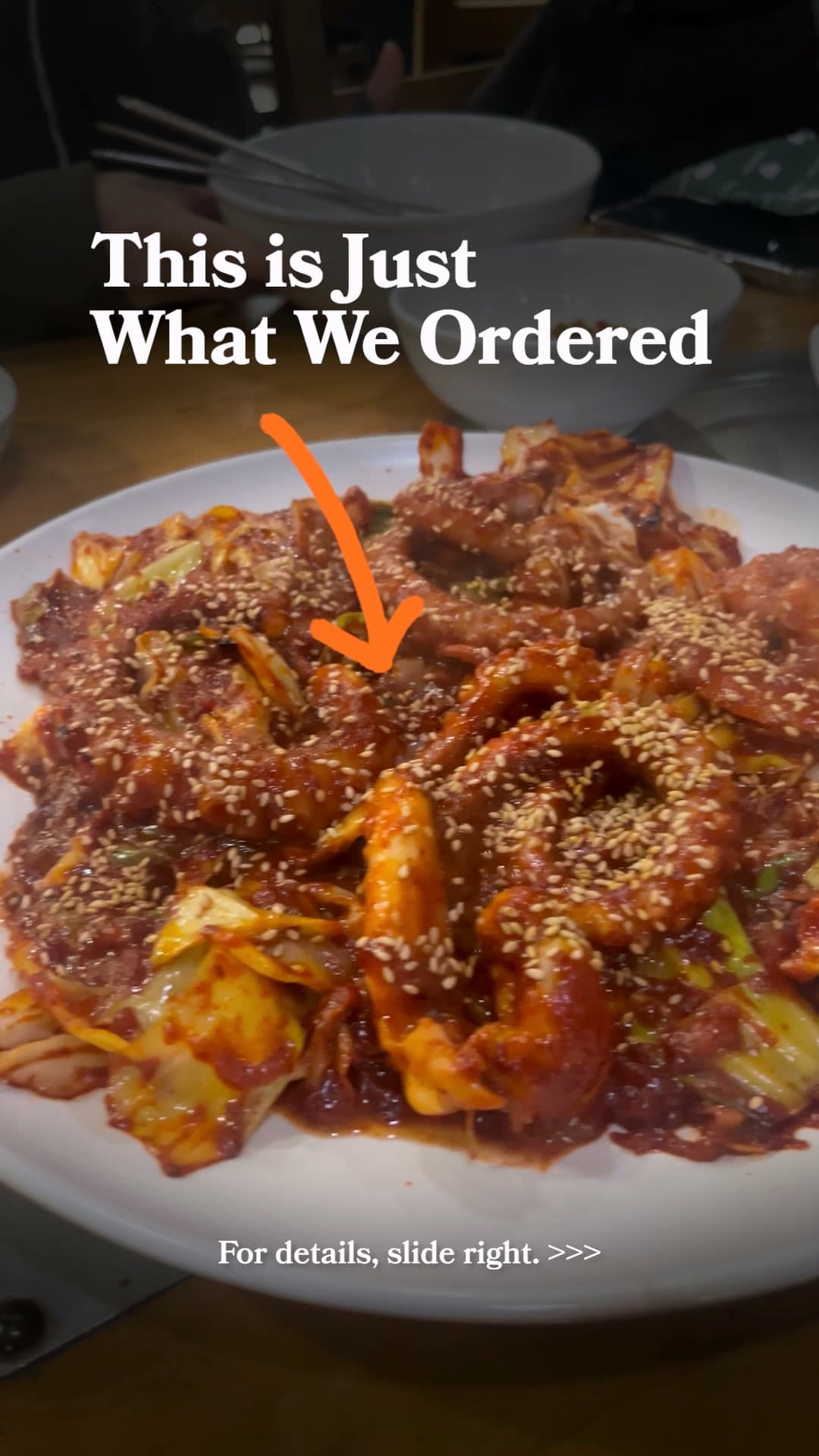
Jang: The Sauces Behind Banchan
Many banchan get their depth from jang, Korea's fermented sauces and pastes. The most useful ones to know are:
- Ganjang: soy sauce, used for seasoning, dipping, braising, and marinades.
- Doenjang: fermented soybean paste, earthy and salty, used in stews, sauces, and vegetable seasoning.
- Gochujang: red chili paste, spicy-sweet-savory, used in sauces and marinades.
- Ssamjang: a thick wrap sauce often made from doenjang, gochujang, garlic, sesame oil, and aromatics.
Korea's jang-making culture was inscribed on UNESCO's intangible heritage list in 2024, according to the Republic of Korea's Permanent Delegation to UNESCO. The announcement describes jang as fermented soybean sauces and pastes that are basic seasonings of Hansik, traditional Korean food. See the official MOFA/UNESCO note on jang-making culture.
This is why a small vegetable dish can taste deeper than it looks. Banchan often carries time: fermented paste, aged soy sauce, seasoned oil, dried seafood, or preserved vegetables.
How to Eat Banchan Without Feeling Awkward
The best way to eat banchan is to use it with rice or the main dish rather than treating each side dish like a separate appetizer. Take a bite of rice, add a small piece of kimchi, then try soup. Wrap grilled meat with lettuce, garlic, and ssamjang. Use pickles to refresh your mouth after rich food. Move around the table.
Basic manners:
- Use your own chopsticks carefully, or use serving utensils if provided.
- Do not dig through a shared dish looking for the best piece.
- Do not put half-eaten food back into a shared plate.
- Ask for refills only for food your table will finish.
- At self-service banchan bars, take small amounts first.
Korea is practical about dining, so do not freeze. Just be clean, modest, and attentive.
Which Banchan Should Travelers Try First?
If the table feels overwhelming, start with approachable side dishes before jumping into intense fermented flavors.
| Beginner-Friendly Banchan | Why Try It | Best Pairing | Flavor Level |
|---|---|---|---|
| Rolled egg | Soft, familiar, slightly savory | Rice, lunch boxes, home-style meals | Mild |
| Seasoned spinach | Nutty sesame flavor | Rice, bibimbap, grilled fish | Mild |
| Bean sprouts | Crunchy and refreshing | Soup, rice, spicy dishes | Mild to medium |
| Braised potato | Sweet-salty and familiar | Rice, casual diners | Mild |
| Kkakdugi | Classic radish kimchi crunch | Seolleongtang, gukbap, beef soup | Medium |
If you want to understand how banchan appears in daily meals, read our guide to Korean breakfast foods. If you are shopping for edible souvenirs, pair this with our guide to Korean snacks and food souvenirs. For barbecue-table sauce logic, the ssamjang guide explains how fermented paste turns meat, lettuce, rice, and garlic into one balanced wrap.
Restaurant Banchan vs. Home Banchan
Restaurant banchan is designed for speed, consistency, and the main menu. A noodle shop may give only kimchi and pickled radish because that is all the meal needs. A barbecue restaurant gives wrapping ingredients because meat is the focus. A baekban place may advertise variety because the side dishes are the appeal.
Home banchan is more flexible. Families may prepare a few side dishes for the week, buy some from a supermarket or side-dish shop, and combine them with rice, soup, eggs, tofu, fish, or leftovers. In modern Korea, many people do not make every banchan from scratch. Side-dish stores, markets, online delivery, and convenience foods are part of real life.
That is why "Korean table" content online can be misleading. A huge spread is beautiful, but ordinary meals are often simpler.
Build the flavor base first: For home cooking, compare staples like gochujang and ssamjang before chasing rare ingredients.
See gochujang on AmazonCan Banchan Be a Meal?
Yes, especially with rice and soup. A simple Korean meal can be rice, kimchi, one vegetable banchan, one protein banchan, and soup. A lunchbox may contain rice with several small sides. A convenience-store meal may imitate the same structure in a packaged format.
But banchan is usually not meant to replace the main dish entirely in restaurant dining. It supports the main order, stretches the flavor, and makes the table feel complete.
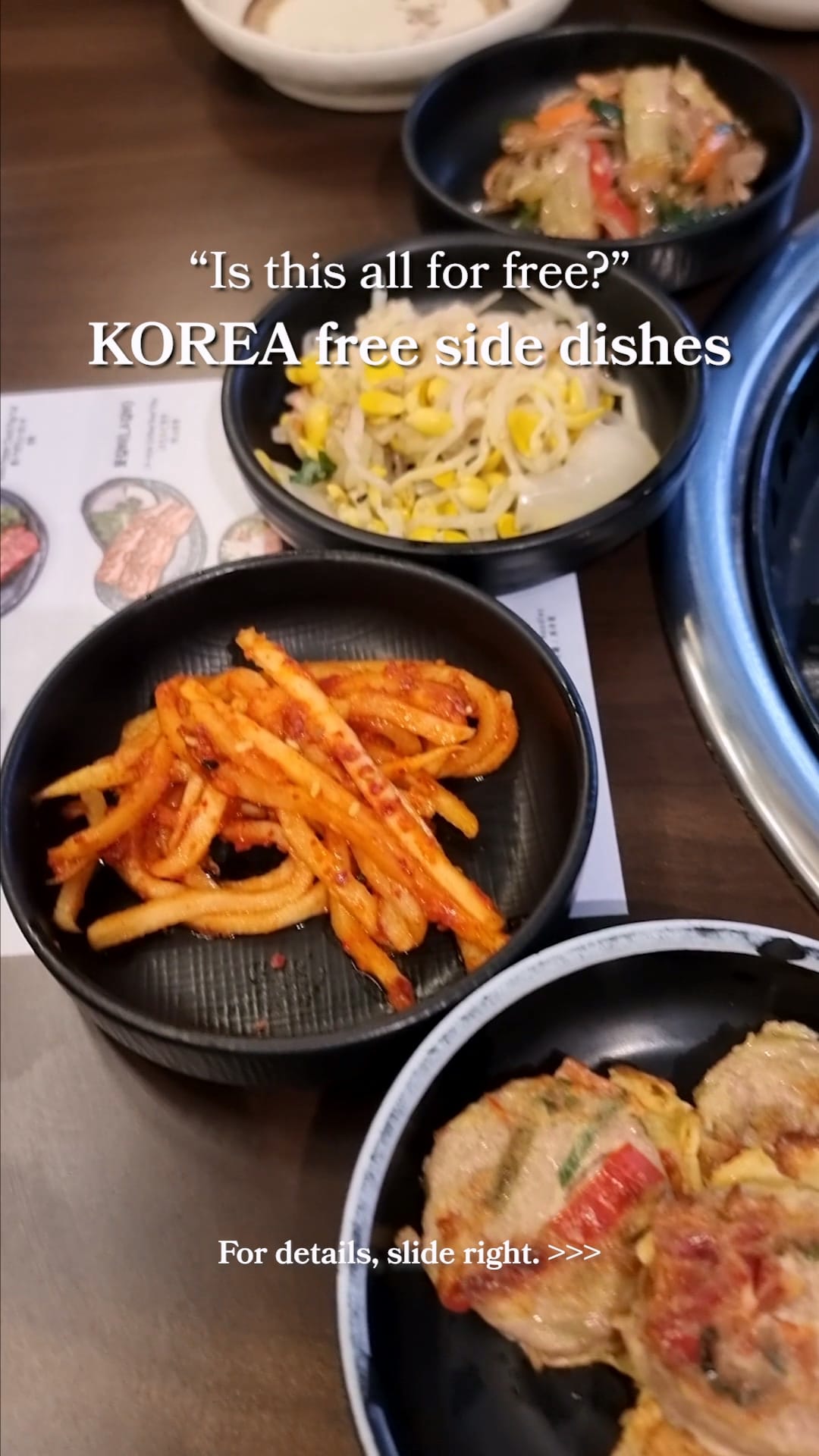
Video Insight: Banchan Culture
FAQ
Q: What does banchan mean?
Banchan means Korean side dishes served with rice and other dishes. They can include kimchi, seasoned vegetables, braised foods, stir-fried items, pickles, eggs, tofu, seafood, or regional specialties.
Q: Is kimchi a banchan?
Yes. Kimchi is the most famous banchan, although it is so central to Korean meals that many people treat it as a table essential rather than just another side dish.
Q: Are banchan refills free?
Often, basic banchan refills are free at casual Korean restaurants, but not always. Premium dishes, rice, meat, noodles, and special items usually cost extra.
Q: How many banchan are normal?
It depends on the restaurant. A noodle shop may give one or two. A barbecue restaurant may give several. A baekban restaurant may give a larger rotating spread.
Q: Is banchan spicy?
Some banchan is spicy, especially kimchi or chili-seasoned vegetables, but many side dishes are mild, nutty, sweet-salty, or fresh.
Q: Can vegetarians eat banchan?
Some banchan is vegetarian-friendly, but many vegetable dishes may include seafood seasoning, anchovy broth, shrimp paste, fish sauce, or meat-based flavoring. Ask carefully if you have dietary restrictions.
You Might Also Like
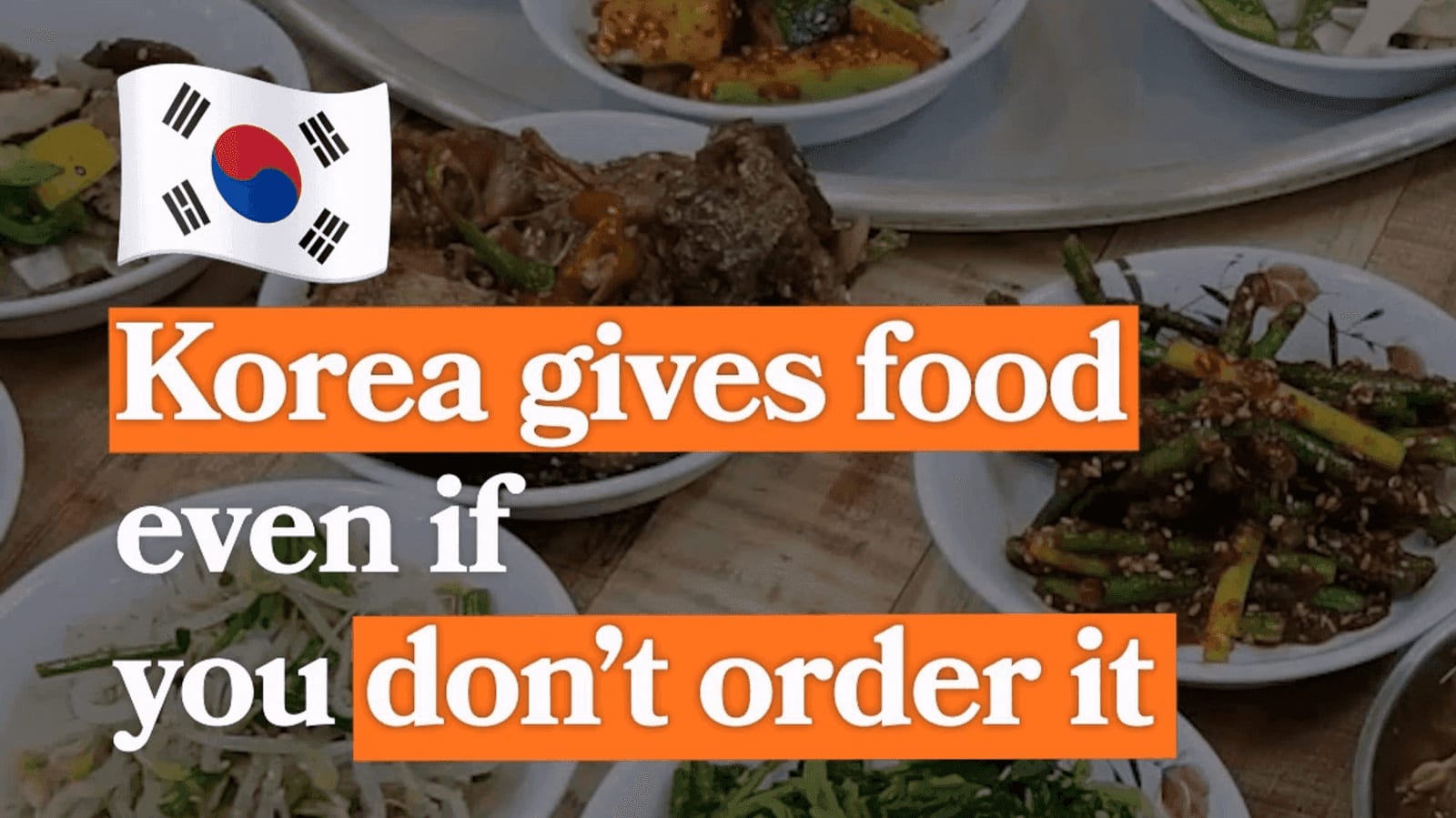
Free Side Dishes in Korea: Banchan, Service, and Refills
A practical guide to free side dishes in Korea, why banchan arrives without ordering, refill etiquette, service items, and restaurant manners.
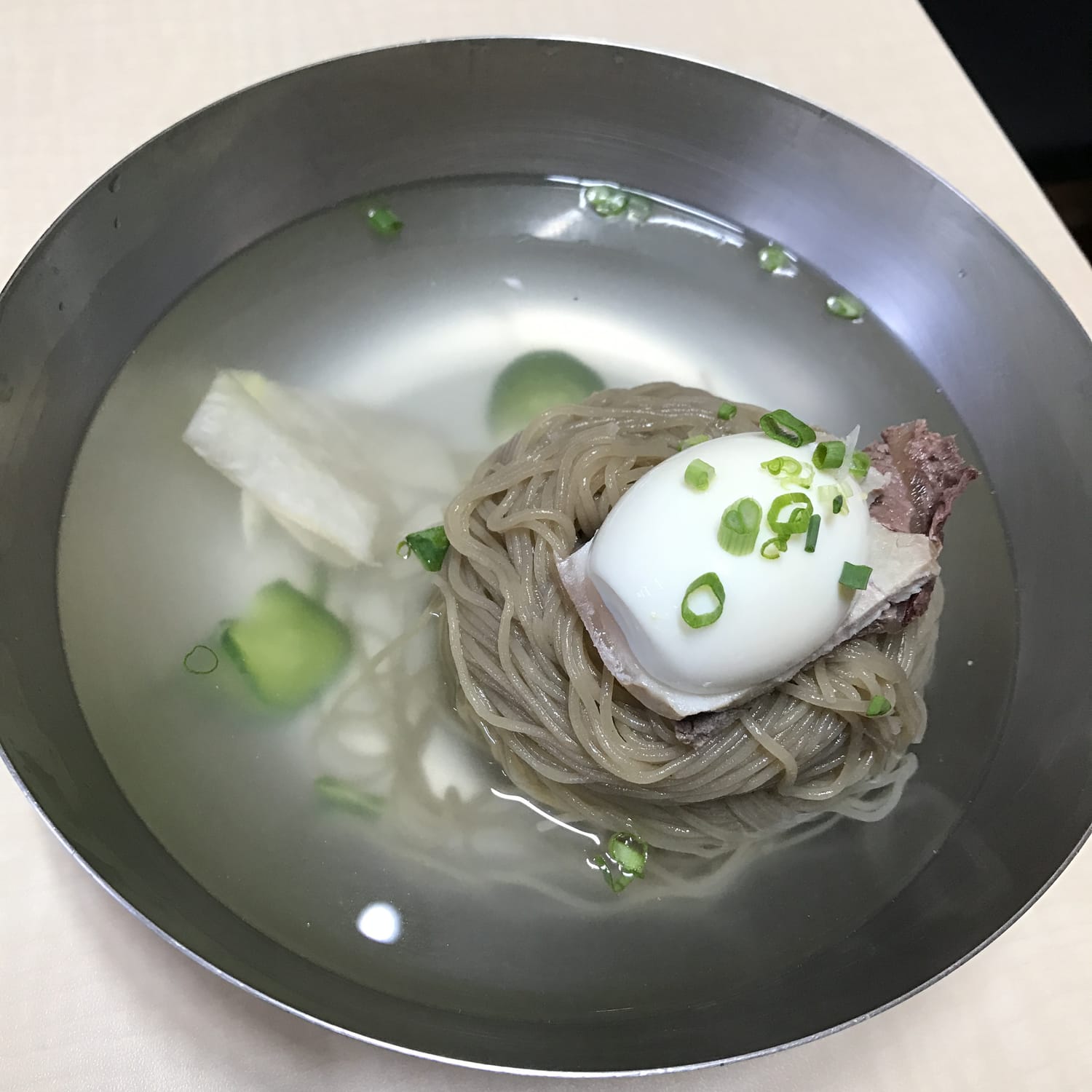
The One Korean Food Foreigners Never Learn to Love: Hamheung Naengmyeon, and Why Koreans Can't See the Problem
Foreigners who eat cheonggukjang and even hongeo still will not pay for this twice. A Korean creator who fed foreigners for years says naengmyeon was the overwhelming number one refusal, and Koreans, who rank it first every summer, cannot see why.
Korean Kitchen Scissors: Why Koreans Cut Meat and Noodles at the Table, and Why It Is Not an Office Scissor
Scissors on a restaurant table look wrong to most of the world and normal to every Korean. The tool is not a desk scissor: thick blades, one serrated edge, big rings, often detachable, built for galbi and cold noodles. Where it came from, and which one to buy.