
Yongsan Seoul Guide: Park, War Memorial, Cafes, and Food
Yongsan is one of the most useful Seoul neighborhoods to understand in 2026 because it does not fit one simple travel label. It is historical, political, military, residential, global, and suddenly very cafe-friendly. You can visit the War Memorial of Korea in the morning, walk toward the newly opened public spaces around the former U.S. military base, eat near Samgakji or Sinyongsan, and finish with a cafe or bar around Yongridan-gil.
That mix is exactly why Yongsan can feel confusing. It is not as instantly photogenic as Bukchon, not as shopping-focused as Myeongdong, not as club-heavy as Hongdae, and not as luxury-coded as Cheongdam. Yongsan is better read as Seoul's transition zone: old military geography becoming public parkland, low-rise streets becoming cafe corridors, and everyday restaurants sitting beside new developments.
This guide explains what to do in Yongsan, how to plan the route, which stops are worth your time, and how to connect the area with the rest of Seoul.

Korea: A History (Eugene Y. Park) — on AmazonAffiliate link. As an Amazon Associate, EpicKor earns from qualifying purchases at no extra cost to you.
Quick Answer: Is Yongsan Worth Visiting?
Yes, Yongsan is worth visiting if you want a Seoul day that combines history, local food, cafes, and a less obvious city walk. The most practical route is to start at The War Memorial of Korea, move toward Samgakji or Sinyongsan for lunch, explore Yongridan-gil for cafes, and add Yongsan Park or Yongsan Children's Garden if the public-access area and your schedule match.
If you only have two or three days in Seoul, Yongsan is not the first stop for every traveler. First-time visitors may prioritize palaces, markets, Myeongdong, Hongdae, and the Han River. But if you want a neighborhood that explains modern Seoul's layers, Yongsan gives you more meaning per block than many trendier places.
| Yongsan Stop | Best For | Time Needed | Nearest Subway Logic |
|---|---|---|---|
| War Memorial of Korea | Korean War history and context | 1.5-3 hours | Samgakji Station |
| Yongridan-gil | Cafes, restaurants, low-rise Seoul streets | 1-2 hours | Sinyongsan or Samgakji |
| Yongsan Park / returned-site areas | Urban change and open space | 45-90 minutes | Ichon, Seobinggo, or nearby access points |
| Yongsan Children's Garden | Family-friendly public space and events | 1-2 hours | Check current entrance details |
| Itaewon extension | International food and nightlife | Evening | Itaewon or Noksapyeong |
Start With the War Memorial of Korea
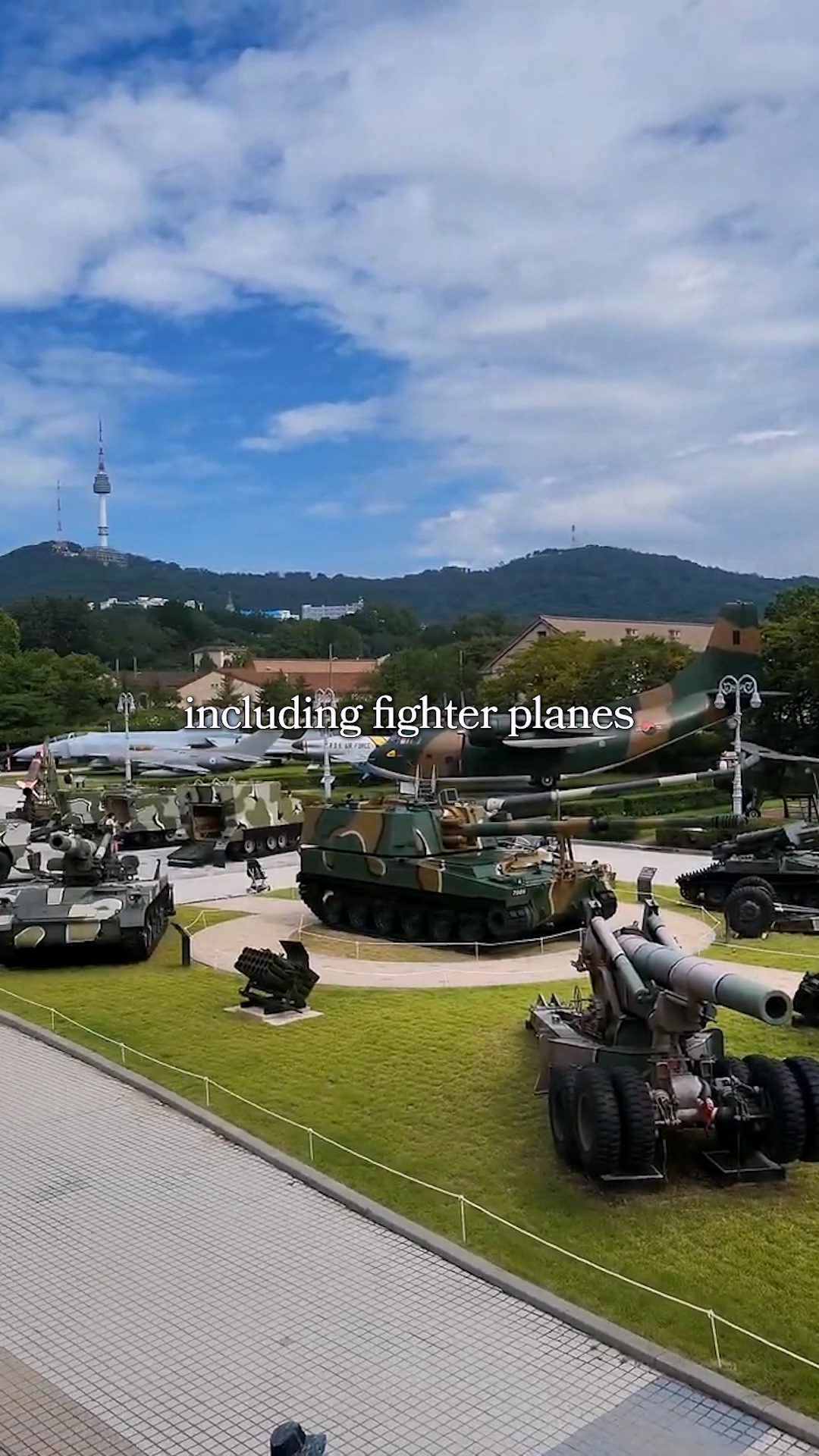
The War Memorial of Korea is the anchor attraction in Yongsan. It is not a small museum you rush through between cafes. VisitKorea notes that the memorial was established in 1994, houses about 33,000 artifacts, and displays about 10,000 across indoor and outdoor exhibitions. The official VisitKorea listing also gives the address as 29 Itaewon-ro, Yongsan-gu, Seoul, with general operating hours of 09:30-18:00 and Monday closures; check the official site before visiting because special exhibitions and notices can change. See the VisitKorea listing for The War Memorial of Korea.
For travelers, the museum does two things. First, it explains why Korea's modern identity is inseparable from war, division, reconstruction, and security. Second, it gives Yongsan itself a deeper context. This neighborhood was not randomly military-adjacent; it has long been tied to foreign presence, state power, and strategic geography.
If you are not a museum person, still consider walking the outdoor exhibition and main grounds. If you are interested in Korean history, give yourself enough time for the indoor halls instead of treating the site as a quick photo stop.
Worth comparing: As an Amazon Associate, EpicKor may earn from qualifying purchases. Before a history-heavy Seoul day, Korea: A History makes the War Memorial, the palaces and the modern neighbourhoods legible as one sequence rather than three unrelated stops.
See Korea: A History on AmazonUnderstand Yongsan Park and the Returned-Site Story
Yongsan Park is not just another green space. It sits inside one of Seoul's biggest long-term urban transformations: the gradual return and public opening of areas connected to the former Yongsan U.S. military base. That is why some sections, names, entrances, reservation rules, and public-access details can change over time.
The Ministry of Land, Infrastructure and Transport announced in late 2025 that public access to the returned-site area would be made easier, including temporary opening without advance reservation for certain areas, while continuing environmental monitoring. For current planning, check official Korean government or Seoul tourism pages before setting your route, especially if you are visiting with children or trying to attend an event. The government release is available through MOLIT.
The travel meaning is simple: Yongsan is becoming more walkable and public, but it is still a changing district. Build flexibility into your day. If one entrance, event, or section is not convenient, you can still pair the War Memorial with cafes, restaurants, Ichon, the National Museum area, or Itaewon.
Yongridan-gil: Cafes, Restaurants, and the New Yongsan Mood
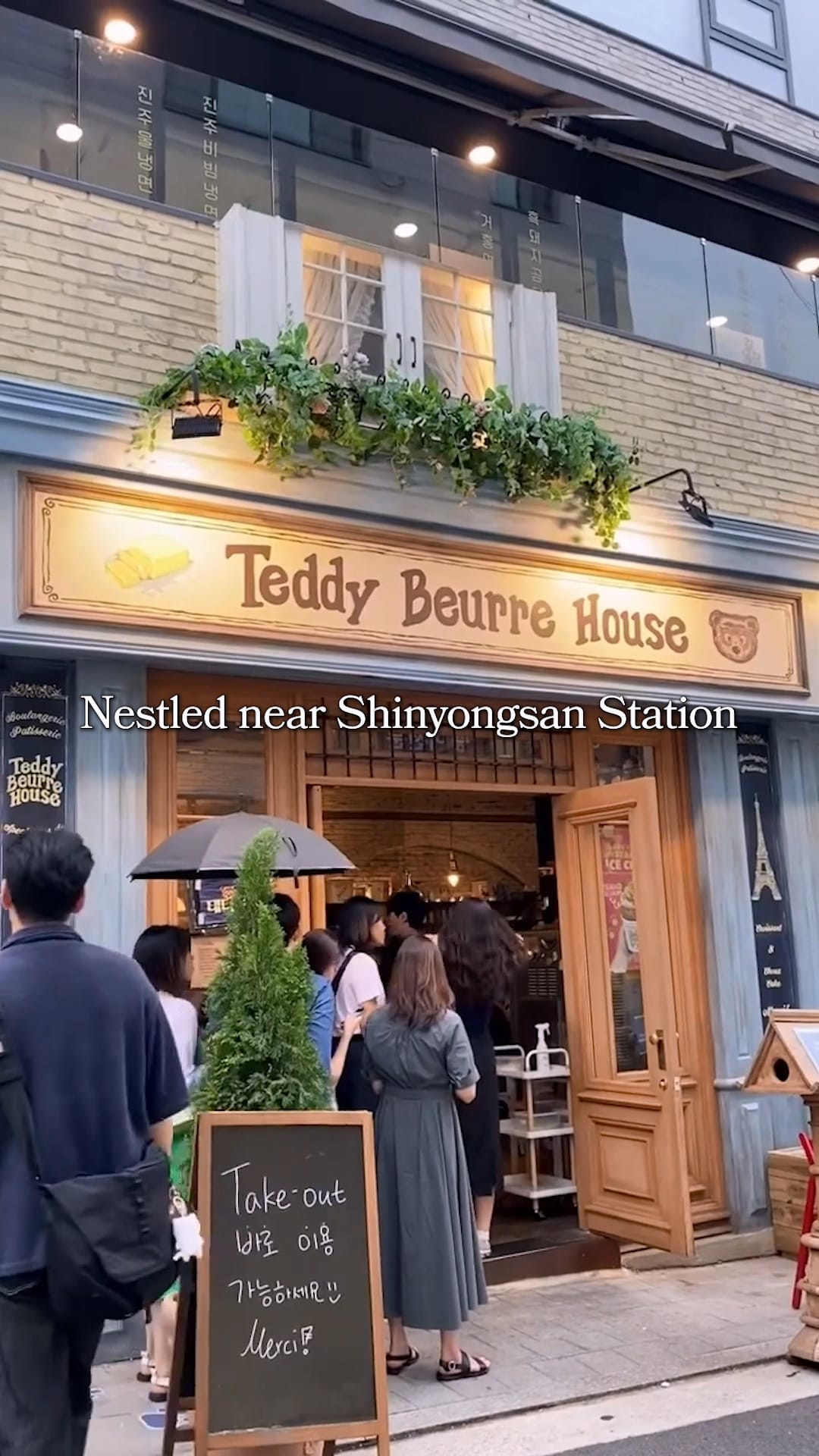
Yongridan-gil is the nickname often used for the cafe and restaurant streets around Sinyongsan and Samgakji. It became popular because it offered a different Seoul mood from polished Gangnam or hyper-famous Hongdae. The appeal is low-rise streets, remodeled buildings, small restaurants, design-conscious cafes, wine bars, bakeries, and a slightly hidden feeling even though the area is central.
Travelers should keep expectations realistic. Yongridan-gil is not a single gate or official attraction. It is more like a walking zone. Some spots are excellent; some are just ordinary businesses benefiting from the neighborhood's popularity. The best way to enjoy it is to pick one cafe or lunch place, then leave time to wander instead of hunting every viral address.
If you dislike lines, go on a weekday or earlier in the day. If you want atmosphere, late afternoon into dinner works well. If you need a guaranteed meal, make a shortlist before arriving because popular restaurants can have waits.
A Practical Half-Day Yongsan Itinerary
Yongsan is compact enough for a half day, but it rewards pacing. Do not stack too many indoor and outdoor stops if the weather is hot, rainy, or freezing.
| Time | Plan | Why It Works | Adjustment |
|---|---|---|---|
| 09:30-12:00 | War Memorial of Korea | Start with context before the cafe streets | Shorten to outdoor exhibits if you are not a museum person. |
| 12:00-13:30 | Lunch near Samgakji or Sinyongsan | Easy transition into Yongridan-gil | Choose Korean soup, noodles, BBQ, or casual fusion. |
| 13:30-15:00 | Yongridan-gil cafe walk | Low-pressure neighborhood time | Go weekday to reduce wait stress. |
| 15:00-16:30 | Yongsan Park area or Ichon extension | Add open space after food and cafes | Check current access before relying on one entrance. |
| Evening | Itaewon, Noksapyeong, or Han River | Yongsan connects naturally to nearby evening zones | Use subway or taxi depending on weather. |
For neighborhood planning, compare Yongsan with our guides to Seoul cafes, Myeongdong, Hongdae, and Yongsan as Seoul bases, and Seoul subway etiquette. If you are choosing between Seoul's current trend districts rather than only Yongsan, EpicKor's Seongsu vs Hannam guide explains how those two neighborhoods differ.
Food in Yongsan: What to Eat
Yongsan's food scene works because it is mixed. You can find old-school Korean restaurants, military-base-influenced international food nearby, modern bakeries, Japanese-style small restaurants, wine bars, barbecue places, and trendy dessert cafes. For travelers, the best strategy is to choose by time of day:
- For lunch, look around Samgakji and Sinyongsan for soup, noodles, tonkatsu, Korean home-style meals, or casual restaurants.
- For afternoon, use Yongridan-gil for cafes, bakeries, and dessert.
- For dinner, consider barbecue, small plates, wine bars, or an Itaewon extension.
- For a more classic Korean food day, combine Yongsan with our guide to Korean banchan and table rules.
This area can be harder for spontaneous large groups because small trendy restaurants may have limited seats. If you are traveling with four or more people, shortlist a few backup options.
Should You Stay in Yongsan?
Yongsan can be a good base if you want central transit and a less tourist-saturated feel than Myeongdong. It connects well to Seoul Station, Itaewon, the Han River, central Seoul, and parts of Gangnam depending on your exact station. However, "Yongsan" is a large district. Staying near Yongsan Station, Sinyongsan, Samgakji, Ichon, or Itaewon will feel very different.
If this is your first Seoul trip and you want maximum convenience for palaces, shopping, and airport buses, compare Yongsan with Myeongdong, Hongdae, Jongno, and Gangnam before booking. If you want history, cafes, trains, and quick access to multiple sides of the city, Yongsan is a strong contender.
Pack lighter for a Yongsan walking day: A Repel windproof umbrella and an Anker 10,000mAh power bank are the two that matter for this one — Yongsan Park is almost entirely open ground with no shelter, and the War Memorial is a two-hour phone-in-hand walk.
See Repel windproof umbrella on AmazonHow to Get Around Yongsan
For most visitors, subway plus walking is enough. Samgakji is useful for the War Memorial. Sinyongsan works for cafes and restaurants. Yongsan Station is useful for trains, malls, and connections. Ichon can connect you toward museum and park areas. Itaewon and Noksapyeong are nearby but not always a pleasant walk depending on weather and route, so use transit or a short taxi when needed.
Do not underestimate Seoul summer humidity or winter wind. A route that looks short on the map can feel longer after a museum visit and a heavy lunch. Build one cafe break into the plan.
Who Will Like Yongsan Most?
Yongsan is best for travelers who like neighborhoods with layers. If you only want postcard Seoul, choose palaces, Namsan, Bukchon, and markets first. If you like seeing how a city changes, Yongsan is fascinating because the transformation is still visible.
It is also a good second-trip neighborhood. After you have already seen the most famous Seoul highlights, Yongsan gives you a day that feels current without being only trend-chasing.
Video Insight: Yongsan Hotspots
FAQ
Q: What is Yongsan famous for?
Yongsan is known for the War Memorial of Korea, Yongsan Station, its connection to the former U.S. military base, new park spaces, electronics history, Itaewon nearby, and the cafe/restaurant streets around Yongridan-gil.
Q: Is Yongsan good for first-time Seoul visitors?
It can be, especially if you like history and cafes. But first-time visitors with limited time may want to see palaces, markets, Myeongdong, Hongdae, and the Han River first.
Q: How long should I spend in Yongsan?
A practical half day is enough for the War Memorial, lunch, and a cafe walk. A full day works if you add park areas, Ichon, Itaewon, or the National Museum area.
Q: Is the War Memorial of Korea free?
General admission is commonly listed as free, though special exhibitions may differ. Always check the current official listing before visiting.
Q: What subway station is best for Yongsan?
Use Samgakji for the War Memorial, Sinyongsan for Yongridan-gil, Yongsan Station for trains and mall access, and Ichon for park or museum extensions.
Q: Is Yongridan-gil an official street?
It is more of a popular nickname for the cafe and restaurant area around Sinyongsan and Samgakji than a single official tourist street with one entrance.
Yongsan is one of the neighbourhoods compared in EpicKor's Seoul neighbourhood guide — character, nearest station, whether it is worth staying in, and how long each actually takes.
Next in the series: Haebangchon and Mullae.
You Might Also Like
Do Koreans Speak English? Ask Someone Under 35 — What Actually Happens on a Seoul Street
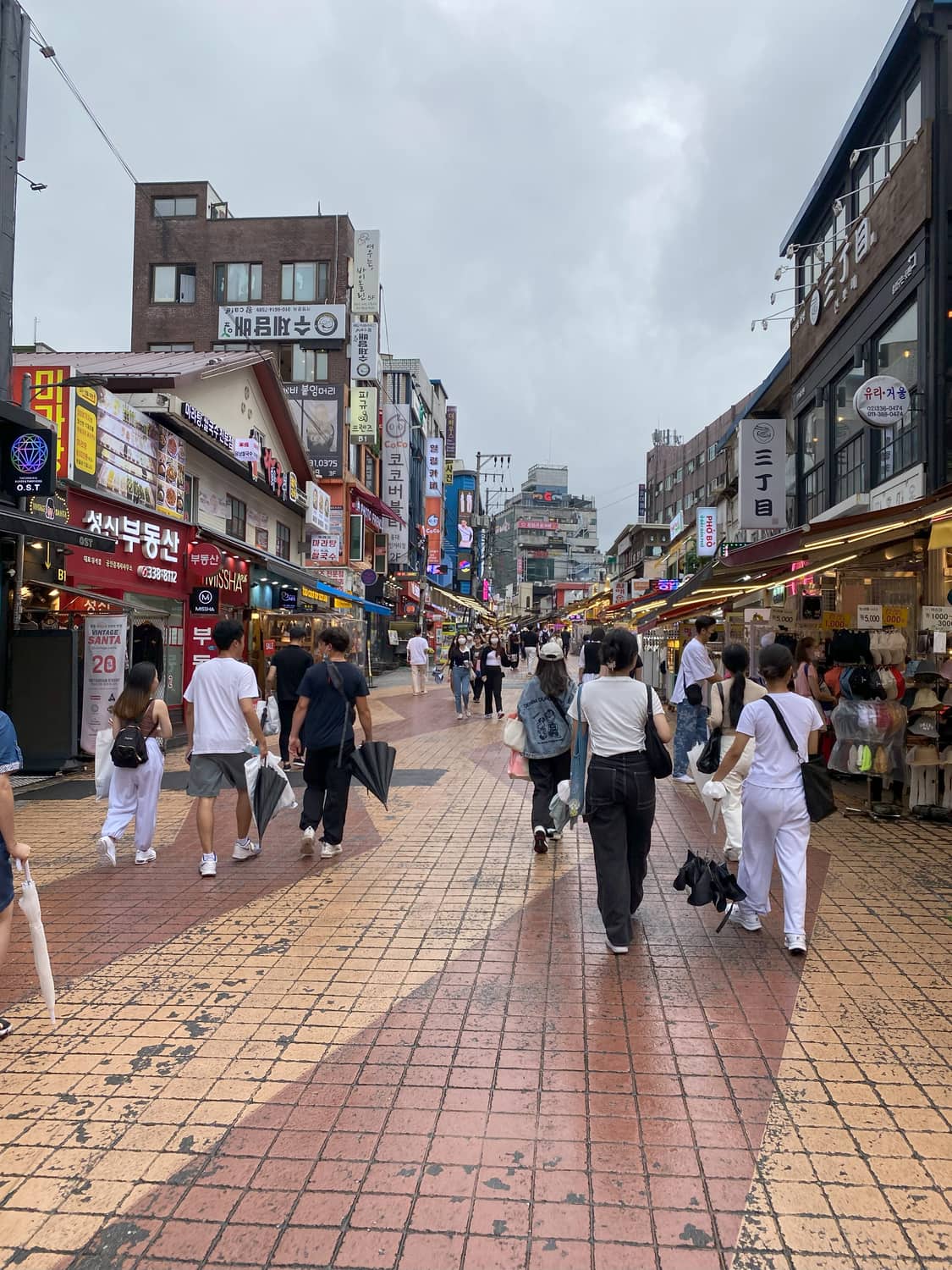
Yes, if you ask the right person. Stop a Korean in their twenties or thirties on a Seoul street and you will almost always get an answer in English. The forum answer that says otherwise is twenty years old. Who to ask, how to ask, where English is built in.
Gwangjang Market's Second Floor: Seoul's Vintage Arcade, and the One Day It's Shut
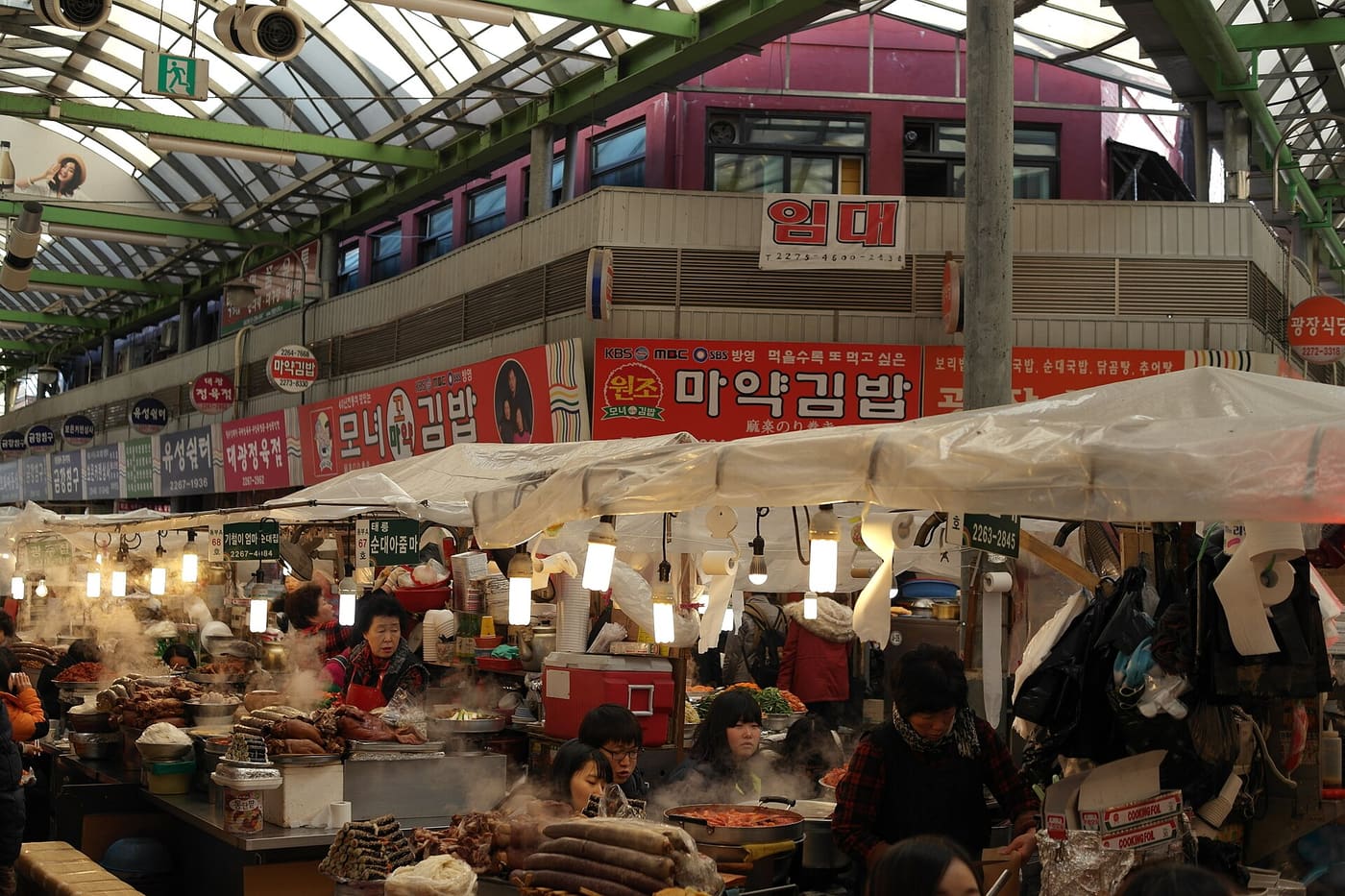
Everyone knows Gwangjang for the food alley that never closes. Above it is a vintage arcade signed 수입구제 where most items run under ₩20,000 — and it shuts every Sunday, which is exactly when visitors turn up.
Where to Buy Luggage in Seoul: Namdaemun, Real Prices, and When Not to Bother
You shopped too well and now you need another suitcase. Namdaemun is the answer, but the underground arcade shuts on the 2nd and 4th Sunday, the bag shops close for Chuseok, and a cheap case is not always cheaper than shipping.