Bringing a Dog or Cat to Korea: Microchip, Rabies Titer and Quarantine
Last updated: 29 October 2026. Every rule below was read that day on the Animal and Plant Quarantine Agency's own pages (농림축산검역본부, APQA, apqa.go.kr, formerly qia.go.kr): the dog and cat entry procedure page, the "new import quarantine method" page and its 24-question FAQ, and APQA's rabies-free country list (dated 4 April 2023). Quarantine periods and fees are from the Enforcement Rule of the Act on the Prevention of Contagious Animal Diseases (가축전염병 예방법 시행규칙, version in force from 1 October 2026), Article 36 and Annexes 8, 18 and 19. ₩1,334 = US$1 (Federal Reserve, 16 October 2026). Sources at the end.
Can you bring a dog or cat to Korea without quarantine? Yes, if three things line up. The animal needs a microchip, a rabies neutralising antibody result of at least 0.5 IU/ml from a blood sample taken within 24 months before arrival, and a health certificate signed by the exporting country's government that records both. A dog or cat that meets all three is cleared by the APQA officer at the airport and released the same day (당일, dangil). Unlike destinations that require a fixed stay, Korea sets no minimum number of days.
The catch is what happens if one item is missing. There is no fixed number of days to wait out. The animal is held at a quarantine facility until the missing piece is fixed: a chip implanted, a rabies shot given, then a new blood test that comes back at 0.5 IU/ml or higher. You pay for all of it, including the government lab's ₩110,000 (US$82) titer test. This guide covers each requirement, who is exempt, where the inspection desks are at Incheon, what it costs, and the limits on how many animals you can bring.
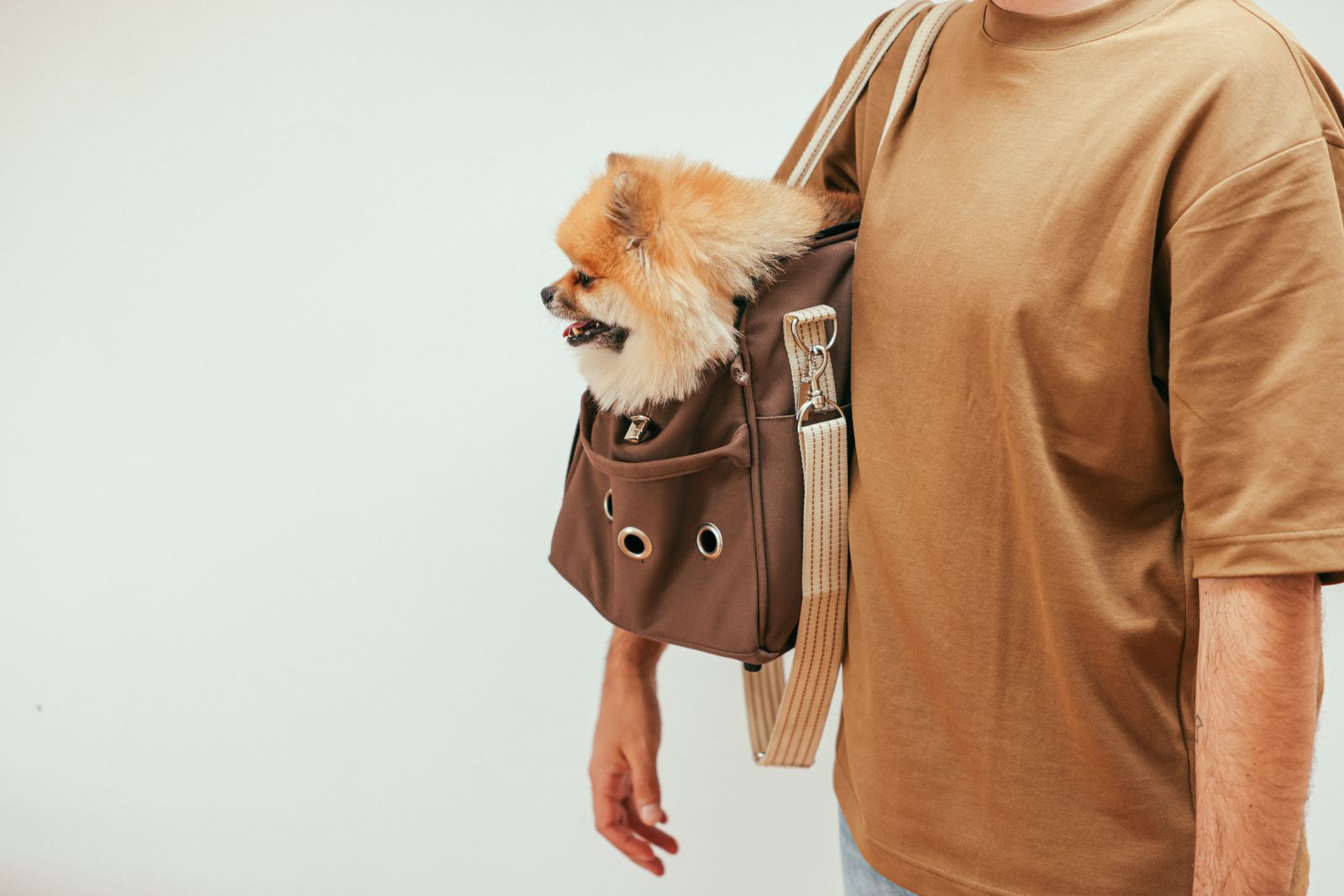
Flying a small dog or cat in the cabin? The Sherpa Original Deluxe is the soft carrier with a spring-wire frame that presses down to fit under most airline seats. Check your airline's size limit, then see it on AmazonAffiliate link. As an Amazon Associate, EpicKor earns from qualifying purchases at no extra cost to you.
Quick Guide: Korea's Dog and Cat Import Rules in 2026
| Question | Answer | Source |
|---|---|---|
| Microchip | Required for every dog and cat, at any age. ISO 11784/11785 chips are read by APQA's scanners; any other type, you bring a reader or a new chip is implanted | APQA import method page, FAQ Q14 |
| Rabies titer | 0.5 IU/ml or more, by FAVN or RFFIT, at an approved lab or the exporting government's lab | APQA import method page |
| How old the titer can be | Blood drawn within 24 months before arrival in Korea | APQA procedure page, FAQ Q4 |
| Waiting period after the test | None named. APQA's pages set only the 24-month window | APQA import method page |
| Who skips the titer | Animals under 90 days old, and animals from APQA's rabies-free list. They still need the chip and certificate | FAQ Q5, Q7 |
| Certificate | Issued or endorsed by the exporting country's government. An EU pet passport replaces it only if issued in the EU and you depart from an EU country | APQA procedure page |
| Quarantine if compliant | Same day release | Enforcement Rule, Annex 8 |
| Quarantine if not | Held until the chip is implanted and/or a new titer reaches 0.5 IU/ml. No certificate at all: the animal is sent back | Annex 8, FAQ Q3 |
| Extra rule | Cats from Australia, dogs and cats from Malaysia: Hendra and Nipah proof (a no-cases statement, or a blood test within 14 days of export plus 60 days in a case-free place), or 21 days held | APQA procedure page, FAQ Q10 |
| How many without notice | Up to 9. Ten or more need an advance import declaration | APQA import method page, Rule Art. 36 |
| Fees | Quarantine application ₩10,000 ($7.50) per application. Government titer test ₩110,000 ($82) per animal if you need one in Korea | Rule Annexes 19 and 18, FAQ Q18 |
Petmate Sky Kennel (28 in) — a hard IATA-style crate for cargo or checked dogs. If your dog is too big for the cabin, it will travel in the hold, and airlines want a rigid crate with ventilation on all sides and secure fastenings. Petmate's 28-inch size is for dogs of about 15–30 lb; measure your dog standing before you pick a size, and check your airline's crate rules first, because the listing itself is not an airline approval. Cats and small dogs flying in the cabin do not need this. As an Amazon Associate, EpicKor earns from qualifying purchases at no extra cost to you.
See the Petmate Sky Kennel on AmazonThe Three Documents Korea Checks
Why Korea is strict about rabies is the first answer in APQA's own FAQ: the disease still turns up in the country. Six people in Korea caught rabies between 1999 and 2004, and in April 2012 a rabid dog was found in Hwaseong, Gyeonggi Province, the first south of the Han River in 13 years. So APQA wants proof of identity (the chip), proof of immunity (the titer) and a government signature on both. The certificate has to show the chip number together with the titer result, so the two are tied to the same animal.
1. Microchip
APQA's FAQ is direct: all dogs and cats of every age must be microchipped, and the chip number must appear on the export certificate. The agency's scanners read the international standard, ISO 11784/11785. The FAQ (Q14) gives the options for a different chip type: bring a reader that can read it, or have a new ISO chip implanted.
If the chip cannot be read on arrival, or the number differs from the certificate, FAQ Q15 says the quarantine period is extended until a new chip has been implanted. A duplicated number in Korea's own registry triggers a separate identification procedure (Q15-1).
2. Rabies vaccination, then the titer test
The rabies neutralising antibody test (광견병 중화항체가 검사, gwanggyeonbyeong junghwahangchega geomsa) measures whether the vaccine has worked. APQA accepts two lab methods, FAVN (fluorescent antibody virus neutralisation) and RFFIT (rapid fluorescent focus inhibition test), done by an internationally approved rabies laboratory or the exporting country's government. APQA points to the European Commission's list of approved labs and to Taiwan's.
The pass mark is 0.5 IU/ml or more, and the result is valid when the blood was drawn within 24 months before the animal lands in Korea. Count the 24 months from the blood draw, not from the lab's report date.
What APQA does not set is a waiting period after the test, which some other destinations impose. On APQA's pages the only time rule is the 24-month window. Your airline or your own country's export authority may still have its own timing rules.
FAQ Q23 covers a failed test. If the result comes back under 0.5 IU/ml, APQA tells owners to decide with their vet whether to give another vaccine dose or wait and re-test.
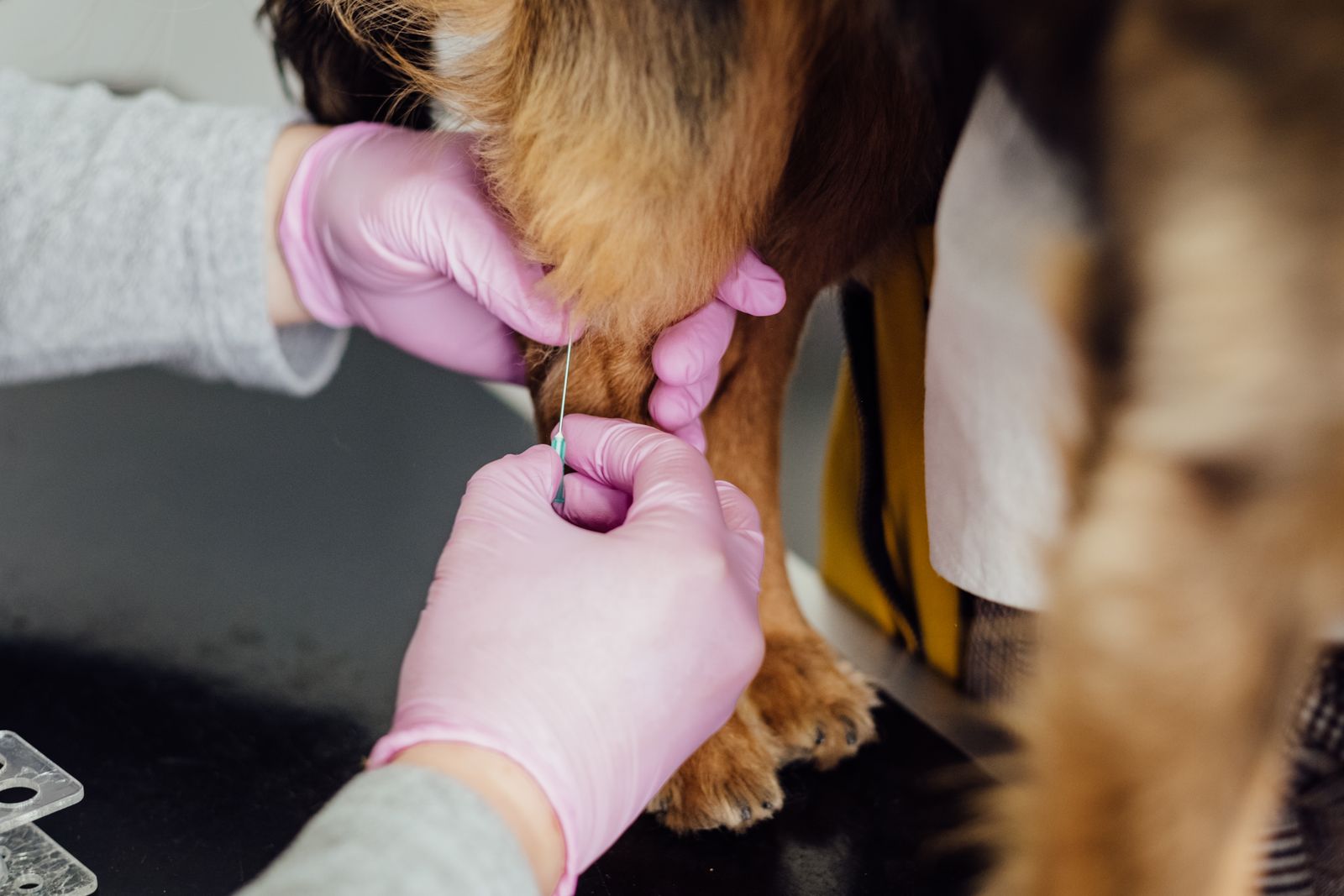
3. The government health certificate
The certificate must be issued or endorsed by the exporting country's government. A letter from your own vet is not enough. APQA's FAQ (Q9) lists what it must contain:
- date of birth
- microchip number
- rabies antibody result, test date and the name of the testing lab
- name of the issuing authority, issue date, and the issuing officer's name and signature
- a statement that the animal is clinically healthy and shows no risk of spreading a contagious animal disease
The EU pet passport exception is narrower than many guides suggest. APQA's page says a passport replaces the certificate only when it was issued in an EU member state and the departure country is also an EU member state. A dog with a French passport flying in from London or Dubai still needs a government certificate.
APQA's pages give no "issued within X days" rule for the certificate. That is the point where English-language guides disagree, and the official pages do not settle it. Check with your exporting authority and your airline, which often have their own windows.
How Long Is Pet Quarantine in Korea? The Legal Table
The legal answer is in Annex 8 of the Enforcement Rule (검역기간, "quarantine periods"). For dogs and cats it does not give a number of days. It gives conditions (the last row is not in Annex 8; it comes from APQA's procedure page and FAQ Q10):
| Your animal | Situation on arrival | Quarantine period |
|---|---|---|
| 90 days or older, from a country not on the rabies-free list | Chip read, titer 0.5 IU/ml or more | Same day |
| No chip | Until the chip is implanted | |
| No titer test | Until a rabies shot is given and a titer of 0.5 IU/ml or more is confirmed | |
| Titer below 0.5 IU/ml | Until a titer of 0.5 IU/ml or more is confirmed | |
| Neither chip nor titer | Until chip, rabies shot and a passing titer | |
| Under 90 days, or from the rabies-free list | Chip read | Same day (no chip: until implanted) |
| Cat from Australia; dog or cat from Malaysia | No Hendra/Nipah proof | 21 days held, released if healthy (APQA procedure page, FAQ Q10) |
A note under the table lets the head of APQA shorten or extend these periods depending on the exporting country's animal-disease situation. Article 37(5) also lets APQA set separate methods and periods for dogs and cats carried by short-term visitors and for guide dogs for blind people.
In practice, "until a titer is confirmed" is the expensive part. The animal is vaccinated in Korea, the vaccine needs time to raise antibodies (FAQ Q23 refers to a test taken 30 days after vaccination), the blood goes to a lab, and only a passing result ends the hold. APQA gives no average number of days, so plan for weeks, not hours, if you arrive without a valid titer.
Who pays during a hold
FAQ Q18 says the owner pays for everything: transport to the facility, daily care, the antibody test, the microchip, and the certificate fee. For tests done by the government, the FAQ gives ₩110,000 (US$82) per animal for the rabies antibody test, which matches Annex 18 of the Rule (형광항체중화시험, the fluorescent antibody neutralisation test, ₩110,000 per head). The rabies vaccine, chip and transport are agreed between you and the vet clinic or company doing them.
Where the animal stays: the quarantine facility at the airport or port where you arrive, or the nearest one if that port has none (Q16). Feeding and care are the owner's responsibility during the hold (Q19). The one exception the FAQ names is the Incheon Airport holding facility on Yeongjong Island, where care can be handed to an appointed caretaker.
Is Your Country Rabies-Free? APQA's List
Animals from rabies-free countries skip the titer but still need the chip and the government certificate. The latest list APQA has posted, an attachment dated 4 April 2023 and linked from the import page, groups them by region. The list itself is governed by APQA's notice on quarantine methods for designated items (지정검역물의 검역방법 및 기준, Annex 9):
| Region | Rabies-free countries and areas (APQA, 4 April 2023) |
|---|---|
| Americas | Guam, Guadeloupe, Martinique, Barbados, Saint Vincent and the Grenadines, Aruba, Jamaica, Cayman Islands, Hawaii |
| Asia | Maldives, Bahrain, Brunei, Cyprus, Singapore, United Arab Emirates, Japan, Kuwait, Hong Kong |
| Africa | Réunion, Mauritius, São Tomé and Príncipe, Seychelles, Djibouti, Cape Verde, Comoros |
| Oceania | New Caledonia, New Zealand, Micronesia, Vanuatu, Samoa, Wallis and Futuna, Kiribati, Papua New Guinea, French Polynesia, Fiji, Australia |
| Europe | Germany, Latvia, Luxembourg, Lithuania, Liechtenstein, Montenegro, Malta, Belgium, Bulgaria, San Marino, Sweden, Switzerland, Slovenia, Iceland, Ireland, Andorra, Estonia, United Kingdom, Austria, Italy, Czech Republic, Portugal, Finland |
Three things readers miss:
- The mainland United States and Canada are not on the list. Only Hawaii and Guam are. A dog flying from Los Angeles, Toronto or New York needs the titer.
- Several big EU countries are missing, including France, Spain, the Netherlands and Denmark. An older version of APQA's page listed France and Denmark; the current attachment does not. Check before assuming your EU country qualifies.
- The list moves. APQA says a country is removed automatically when it reports rabies to the World Organisation for Animal Health (WOAH), and added after it declares itself free (Montenegro was added in the 2023 update). Confirm with APQA before you fly.
You might like: What You Cannot Bring Into Korea: Beef Jerky, Sausage, Mango, Adderall and CBD
Arrival Day at Incheon: What Happens at the Desk
The pet procedure is part of Korea's normal arrival process.
- On the plane, fill in the customs declaration form handed out by the crew and tick the box for quarantine items (검역대상물품). Under Article 38 of the Rule, declaring the animal on this form, or simply telling the quarantine officer, counts as the required declaration.
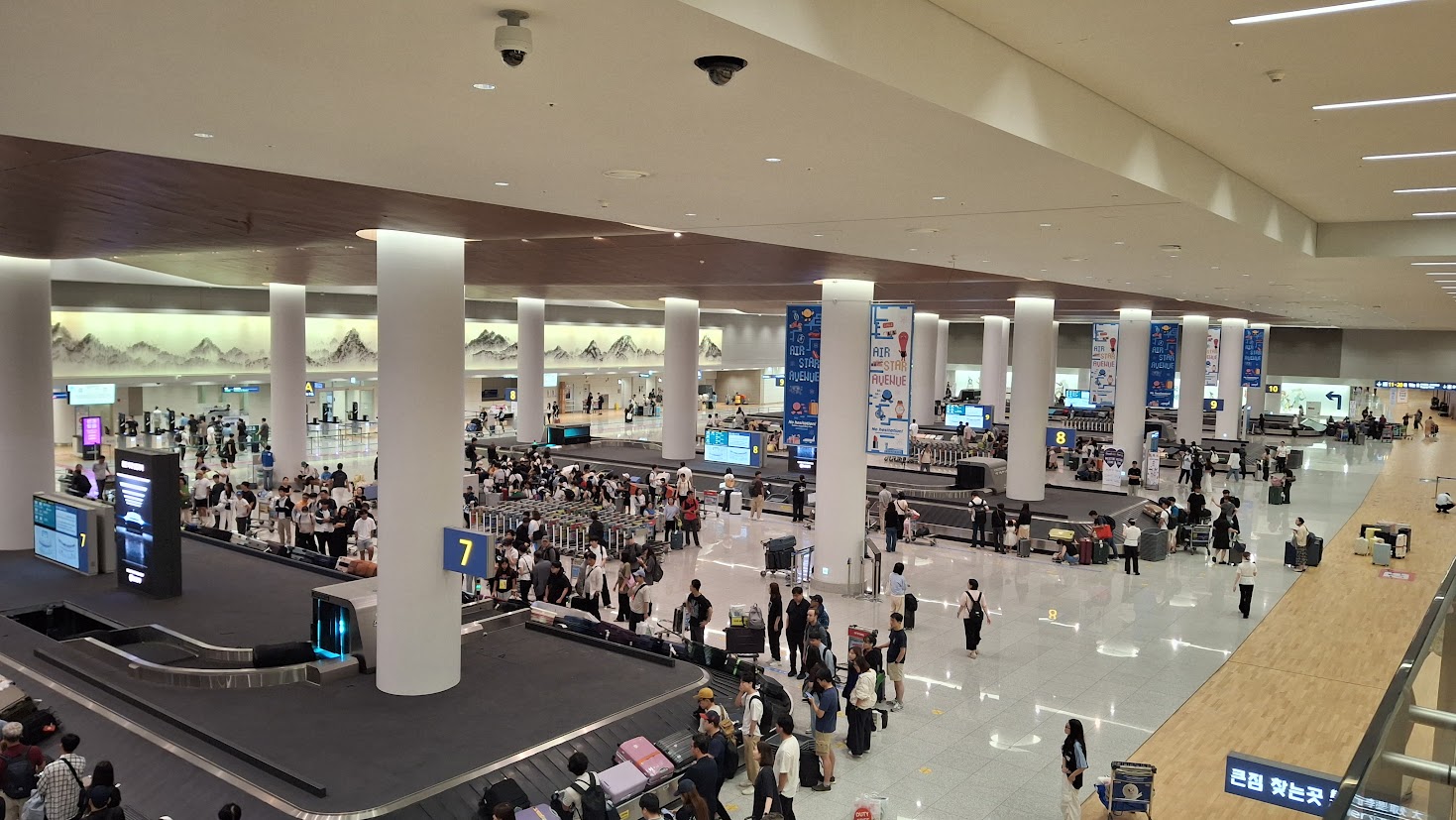
- In the baggage hall, go to the animal quarantine desk (동물검역대), which sits at the baggage-claim carousels listed below, and hand over the government certificate. APQA's page says this happens before you pass the customs inspection counter.
- The officer reads the chip, checks the certificate against it and examines the animal. If everything matches, you leave together.
APQA's page gives the desk locations:
| Terminal | Animal quarantine desks | APQA phone (pets arriving) |
|---|---|---|
| Incheon T1 | In front of baggage carousels 4, 11, 12 and 19 | 032-740-2671 |
| Incheon T2 | In front of carousels 1, 13 and 20; carousel 8 is listed as planned | 032-740-2021 |
| Incheon cargo terminal (pets shipped as cargo) | Cargo building | 032-740-2680 |
No certificate means no entry. FAQ Q3 says an animal arriving without a government certificate cannot be brought in, and APQA's procedure page calls it subject to return (반송, bansong). A certificate that exists but does not meet the requirements leads to the hold described above, at a separate facility.
Other airports and seaports with APQA offices
You do not have to fly into Incheon. APQA's FAQ lists animal quarantine contacts at these entry points:
| Airports | Phone | Seaports | Phone |
|---|---|---|---|
| Gimpo (Seoul) | 02-2664-2601 | Busan Port | 051-974-0408 |
| Gimhae (Busan) | 051-971-1925 | Incheon Port | 032-722-8238 |
| Jeju | 064-746-0761 | Pyeongtaek Port | 031-684-6397 |
| Daegu | 053-982-5096 | Gunsan Port | 063-460-9433 |
| Cheongju | 043-273-0586 | Gwangyang Port | 061-798-4921 |
| Muan | 062-975-6033 | Sokcho Port | 033-635-9125 |
APQA's own pages give different numbers for some offices. The procedure page lists Daegu as 053-984-5096, Cheongju as 043-263-4219 and Busan Port as 051-600-0400, and also names Yangyang Airport (033-672-3862). The import method page lists Gunsan Port as 063-460-9430 (the FAQ says 9433) and Gwangyang Port as 061-798-4924 (the FAQ says 4921), and adds Gangneung Port (033-662-2074). If one number does not answer, try the other. APQA's head-office animal quarantine division is on 054-912-0426.
Fees, Head Counts and the 10-Animal Rule
Fees. Annex 19 of the Rule sets the quarantine application fee for dogs and cats at ₩10,000 per application (1만원 신청건당), not per animal. The same ₩10,000 applies when you leave Korea with a pet and APQA issues the export certificate at its airport office. If you need a titer test done in Korea, the government price is ₩110,000 per animal (Annex 18).
How many. APQA's page says you can bring up to nine dogs and cats without advance notice. Article 36 of the Rule makes ten or more dogs and cats subject to an advance animal import declaration (동물수입신고서) filed with APQA. Two groups are excluded from that count: nursing puppies or kittens imported with their mother, and animals imported for research. The filing deadline is set by an APQA notice, and APQA can change the quantity, timing or place of the import after it receives the declaration. Anyone moving a breeding group or a rescue transport should contact APQA before booking flights.
You might like: Korean Pet Parent Culture 2026: Dog Strollers And Cafes
If You Already Live in Korea: Test Here Before You Leave
This is the rule that saves expats the most trouble. FAQ Q24 says a titer result from one of Korea's four approved labs is accepted when you come back, provided the result is 0.5 IU/ml or more, the blood was drawn within 24 months before your return, and you bring the original report plus a government certificate from the country you are returning from.
The four labs APQA names (FAQ Q20) are:
- Choong Ang Vaccine Laboratory (중앙백신연구소), Yuseong-gu, Daejeon, +82-42-863-9322
- Komipharm International (코미팜), Siheung, Gyeonggi, +82-31-498-6106
- KBNP (고려비엔피), Yesan, South Chungcheong, +82-42-498-2121 (ext. 159)
- APQA Seoul Regional Office, infectious disease testing division (서울지역본부 전염병검사과), Gangseo-gu, Seoul, +82-2-2650-0662 (ext. 0657). It takes requests online at eminwon.qia.go.kr/eminwon/rabies.
Usually your Korean vet draws the blood, separates the serum and sends it with a request form. If the dog then leaves for a two-year posting abroad, the same result covers its return as long as the blood draw is still under 24 months old. A chip implanted in Korea can be done at any clinic registered as an animal registration agent (동물등록 대행업체), searchable on animal.go.kr.
Common Mistakes That Lead to a Hold
- A titer that is not tied to the chip. The certificate must show the chip number with the titer result. If your paperwork lists one without the other, or a different chip number, expect a hold.
- A titer more than 24 months old on landing day. Count from the blood draw to your arrival date, not your departure date.
- A vet certificate instead of a government one. Korea wants the exporting government's signature or endorsement.
- An EU passport on a non-EU departure. It only replaces the certificate when you depart from the EU.
- Assuming your country is rabies-free. France, Spain, the Netherlands, mainland US and Canada are not on APQA's list.
- Forgetting Australia or Malaysia. Without Hendra and Nipah paperwork (either a government statement that Hendra and Nipah have not occurred in the exporting country or region since they were first reported, or a blood test within 14 days before export plus proof the animal was kept for 60 days in a place free of both), cats from Australia and dogs and cats from Malaysia are held for 21 days even with a perfect titer.
You might like: Jindo Dog: Korea's National Treasure Breed
FAQ
Q: How long is pet quarantine in Korea?
A: There is no fixed period. A microchipped dog or cat with a rabies titer of 0.5 IU/ml or more, drawn within 24 months before arrival and recorded on a government certificate, is released the same day. If anything is missing, the animal is held until it is fixed: a chip implanted, or a rabies shot followed by a new passing titer. Cats from Australia and dogs and cats from Malaysia without Hendra and Nipah proof (either a government statement that Hendra and Nipah have not occurred in the exporting country or region since they were first reported, or a blood test within 14 days before export plus proof the animal was kept for 60 days in a place free of both) are held for 21 days, under APQA's procedure page and FAQ Q10.
Q: Does my puppy or kitten need a rabies titer to enter Korea?
A: Not if it is under 90 days old. APQA exempts animals under 90 days from the titer test, but they still need a microchip and a government certificate that shows their date of birth, so the officer can confirm the age.
Q: Is there a waiting period after the rabies blood test?
A: APQA's pages do not set one. The only time rule is that the blood must have been drawn within 24 months before the animal arrives in Korea. Your airline and your own country's export authority may have their own rules.
Q: Do dogs from the United States need a titer for Korea?
A: Yes, unless they come from Hawaii or Guam. The mainland United States is not on APQA's rabies-free list, so dogs and cats aged 90 days or older need a FAVN or RFFIT result of at least 0.5 IU/ml.
Q: Can I use an EU pet passport to enter Korea?
A: Only if it was issued in an EU member state and you are departing from an EU member state. Otherwise you need a health certificate from the exporting country's government.
Q: How much does Korean pet quarantine cost?
A: A compliant animal costs ₩10,000 (about $7.50) per quarantine application. A non-compliant animal costs much more: you pay transport, daily care, the chip, the vaccine and the rabies antibody test, which is ₩110,000 (about $82) per animal at the government lab.
Q: How many pets can I bring into Korea?
A: Up to nine dogs and cats without advance notice. Ten or more need an advance animal import declaration to APQA under Article 36 of the Enforcement Rule.
Sources
- Animal and Plant Quarantine Agency (농림축산검역본부), 개고양이 검역절차 (입·출국 시), apqa.go.kr/livestock/qua/livestock_outforeign_hygiene_inf.jsp, read 29 October 2026: certificate contents, 24-month blood-draw rule, 0.5 IU/ml, EU pet passport condition, nine animals without notice, Australia/Malaysia Hendra and Nipah rule with 21-day hold, customs-form declaration, return without certificate, Incheon T1 and T2 desk locations, phone numbers, ₩10,000 export certificate fee.
- APQA, 개·고양이 수입검역방법, apqa.go.kr/livestock/qua/livestock_newdog_hygiene_inf.jsp, read 29 October 2026: chip and titer rule, FAVN and RFFIT methods, exemptions for under-90-day and rabies-free animals, quarantine periods by situation, ISO 11784/11785 reader note, approved-lab links, port and airport phone numbers.
- APQA, 새로운 수입검역방법 FAQ (Q1–Q24), apqa.go.kr/livestock/qua/livestock_faq.jsp, read 29 October 2026: rabies in Korea (six human cases 1999–2004, rabid dog in Hwaseong April 2012, Q1), documents, return without certificate, chip implanting in Korea, 24-month validity, under-90-day rule, extended quarantine, certificate contents, Hendra/Nipah, non-ISO chips, holding location, owner-paid costs and ₩110,000 titer fee, Incheon caretaker exception, Korea's four approved labs, retest advice, acceptance of Korean results on return.
- APQA, 해외 광견병 비발생국(지역) 현황 조정 (rabies-free country list, 4 April 2023), attachment to apqa.go.kr/viewwebQiaCom.do?id=52639; the list is governed by the APQA notice 지정검역물의 검역방법 및 기준, Annex 9.
- 가축전염병 예방법 시행규칙 (Enforcement Rule of the Act on the Prevention of Contagious Animal Diseases), in force from 1 October 2026, law.go.kr: Article 31 (dogs and cats as designated quarantine items), Article 36 (advance declaration for 10 or more dogs and cats), Article 37(4)–(5) (quarantine periods and special cases), Article 38 (declaration on the customs form), Annex 8 (quarantine periods), Annex 18 (serum test fees, rabies FAVN ₩110,000), Annex 19 (quarantine application fee, dogs and cats ₩10,000 per application).
- Exchange rate: US Federal Reserve, ₩1,334 per US$1, 16 October 2026.
- Photos: Cup of Couple, freestocks.org and Batuhan Küçükdemir on Pexels; AirportTerminalGuy on Wikimedia Commons (CC BY 4.0). Details in the post's image-sources file.
You Might Also Like

Nutcracker in Seoul 2026: Dates, ₩10,000 Seats and How Foreigners Book
The Korea National Ballet Nutcracker runs 11–27 December 2026 at the Seoul Arts Center, from ₩10,000 (US$7.55) to ₩120,000. Tickets open 4 November at 13:00 KST, the SAC website refuses overseas cards, and Universal Ballet plays Sejong Center 17–30 December.
Seoul Climate Card: Tourist Pass Prices After the 30-Day Pass Ended
Seoul's Climate Card 30-day pass is gone: last top-up 31 August, last ride 29 September 2026. Visitors can still buy 1- to 7-day passes for ₩5,000–₩20,000 (US$3.75–$15). Residents move to the K-Pass based Climate Pass.
Drunk Driving in Korea: 0.03% Covers Bikes and E-Scooters Too
Korea's 0.03% drink limit covers bikes and e-scooters: ₩30,000 (US$22) on a Ttareungi, ₩100,000 on a scooter, up to ₩20 million for a first offence in a car.