Korean Convenience Store Food Guide: Dosirak and Snacks
Korean convenience store food is not just emergency food. For students, office workers, travelers, and late-night Seoul wanderers, CU, GS25, 7-Eleven, Emart24, and other stores can function like tiny food courts. You can build breakfast, lunch, a ramen snack, a rice bowl, dessert, coffee, hangover food, and a train meal from shelves that change constantly.
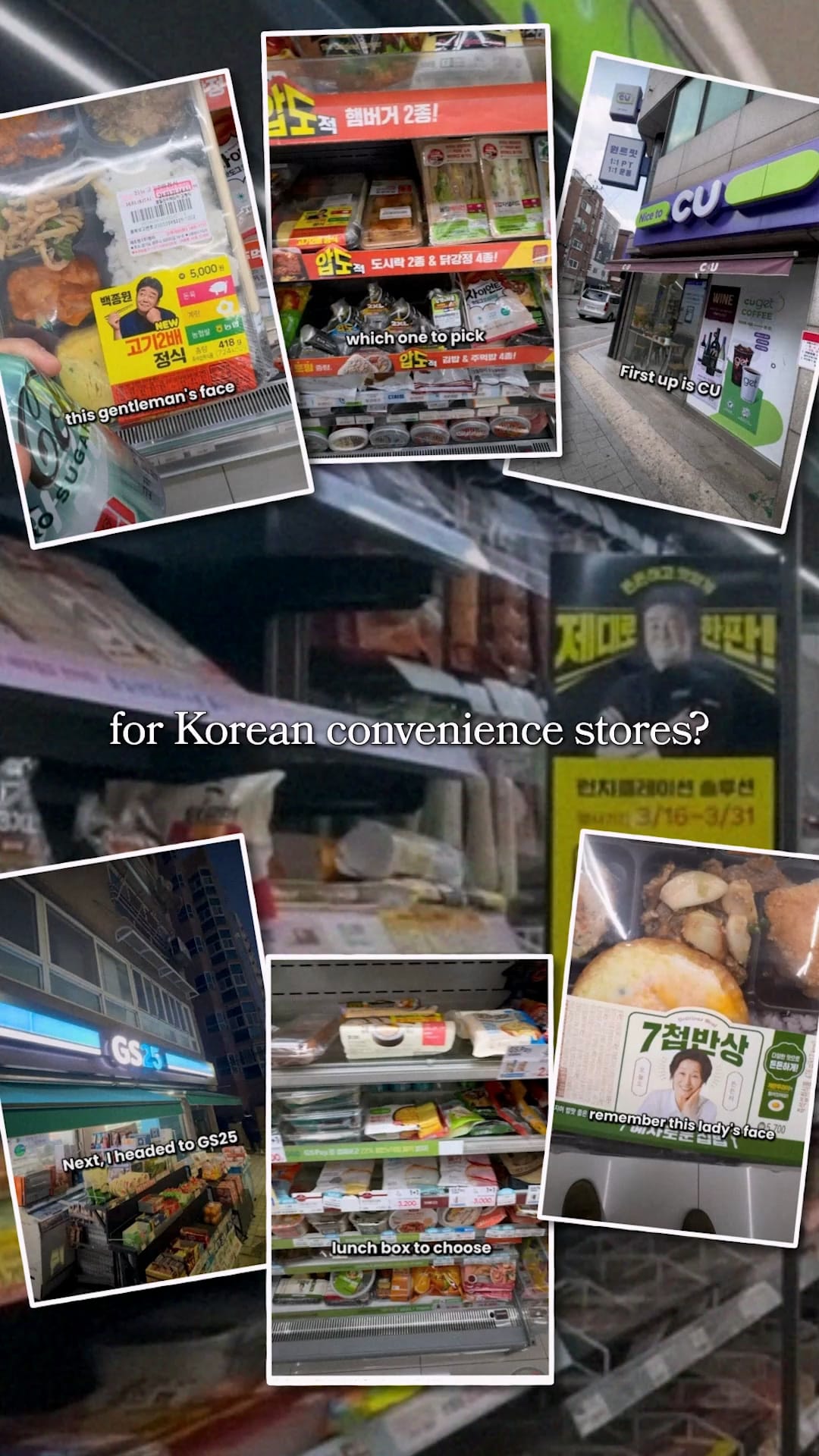
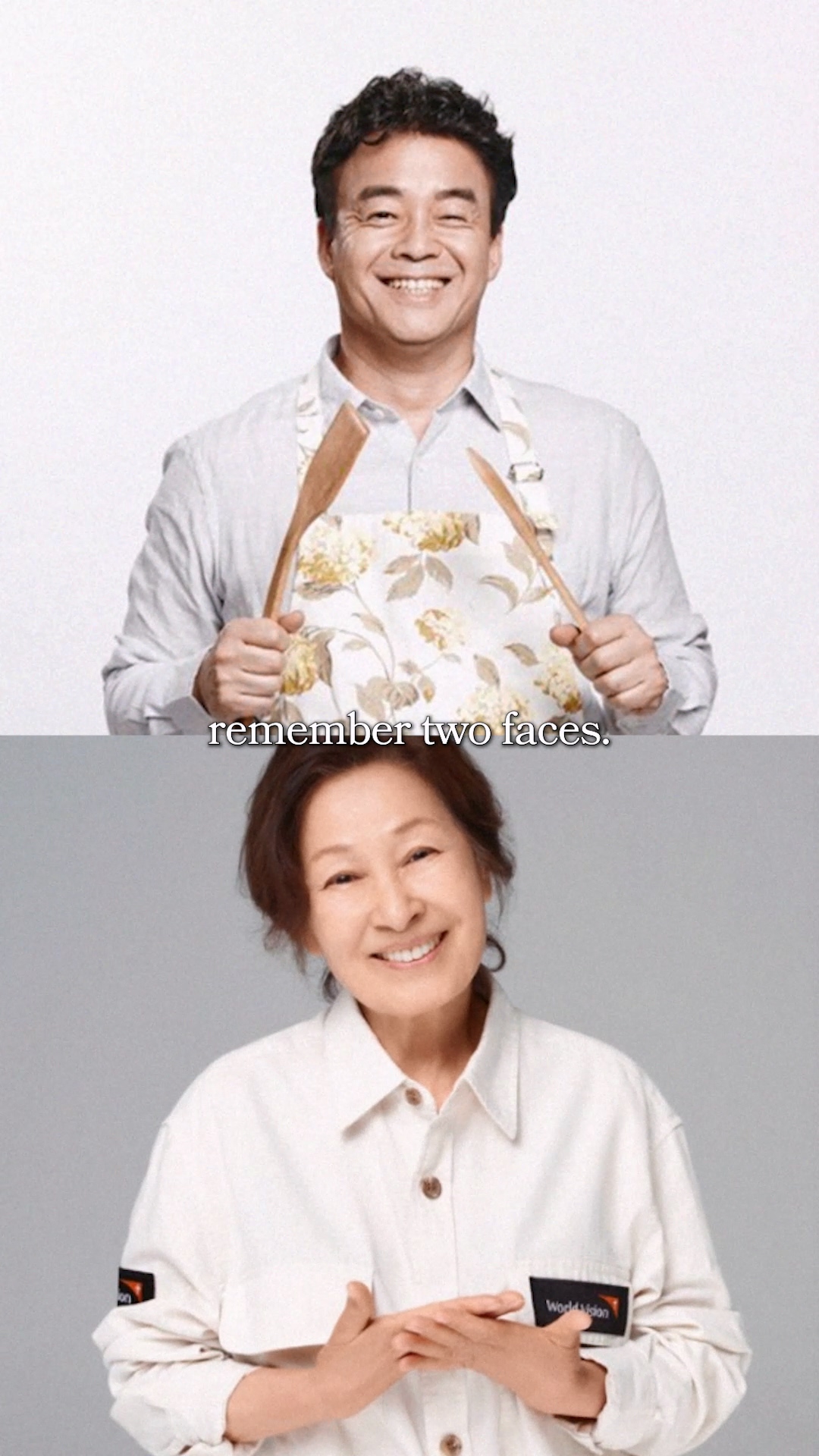
Two names explain a lot about why Koreans trust certain convenience-store meals: Baek Jong-won and Kim Hye-ja. Baek Jong-won is a restaurant entrepreneur, TV personality, and practical food educator whose name signals mass-market taste. Kim Hye-ja is a beloved actress whose GS25 lunch boxes helped create the Korean internet word hyejaropda, meaning generous or good-value in a way associated with her name.
This guide explains how to read Korean convenience store food, what those celebrity names mean, what travelers should actually buy, and how to avoid choosing a sad plastic box when better options are one shelf away.

Quick Answer: What Should You Eat at Korean Convenience Stores?
Start with food that convenience stores do especially well: dosirak lunch boxes, triangle gimbap, gimbap rolls, cup ramen, refrigerated rice bowls, sandwiches, boiled eggs, protein drinks, banana milk, coffee, seasonal desserts, and packaged Korean snacks. If the snack shelf is what catches your eye first, EpicKor's Korean snacks guide explains what to buy, taste, and pack, while the Viyott yogurt guide covers the refrigerated dessert tourists often notice. If the ramen shelf is what caught your eye first, EpicKor's Korean ramyeon bag-vs-cup guide helps you choose between cup noodles, bag noodles, and Hangang machine ramyeon. If you see a Baek Jong-won product at CU or a Kim Hye-ja-style value lunch box at GS25, understand it as a trust signal, not a guarantee that every item is perfect.
For a first traveler basket, choose:
- one rice-based item, such as dosirak or triangle gimbap;
- one soup or ramen item;
- one drink;
- one small sweet or snack;
- one practical item like tissues, wet wipes, or a T-money top-up if needed.
If you are building an actual morning meal, EpicKor's Korean convenience-store breakfast guide gives a more specific order-by-order plan.
| Food Type | Best For | Beginner Pick | Watch Out For |
|---|---|---|---|
| Dosirak lunch box | Cheap complete meal | Pork, chicken, bulgogi, or mixed side-dish box | Microwave timing and limited stock at peak hours |
| Triangle gimbap | Fast breakfast or train snack | Tuna mayo, beef, kimchi fried rice | Wrapper instructions can confuse first-timers |
| Cup ramen | Late night, rain, quick comfort | Classic spicy ramen or mild udon | Spice level and hot-water station manners |
| Ready-to-eat side dishes | Hotel-room meal upgrade | Egg, kimchi, tofu, fish cake, salad | Check allergens and refrigeration |
| Seasonal desserts | Fun snack discovery | Cream bread, pudding, yakgwa-style sweets | Viral items sell out quickly |
Why Korean Convenience Store Food Is Different
The Korean convenience store is dense. It is not only chips and soda. It is a commuter breakfast stop, lunch backup, late-night ramen kitchen, parcel counter, coffee stand, ticket point, payment station, and small grocery store.
GS25's own site describes fresh food categories such as dosirak, gimbap, rice balls, burgers, sandwiches, and simple meals on its official product pages. BGF Retail, which operates CU, describes CU as a convenience-store brand designed to provide merchandise and services tailored to customer lifestyles. Those corporate descriptions sound dry, but they explain the reality: convenience stores compete hard on ready-to-eat meals. See GS25's official fresh food category page and BGF's overview of BGF Retail and CU.
That competition is good for travelers. It means you can often eat better from a Korean convenience store than from a random tourist trap near a station.
Worth comparing: As an Amazon Associate, EpicKor may earn from qualifying purchases. If this guide makes you want a Korea-style snack drawer at home, compare Korean snack options before buying a huge mixed box.
Baek Jong-won: Why His Name Works on Convenience Food
Baek Jong-won matters because his public image is practical. He is not known only for luxury cooking. He is associated with everyday taste, restaurant operations, approachable recipes, and food that should work for ordinary people. That makes him a natural fit for convenience-store products, where the question is not "Is this fine dining?" but "Will this taste satisfying for the price, after reheating, in a small store near my office?"
CU has worked with Baek Jong-won across ready meals and other food products. Korean media reports tied to BGF Retail have described Baek collaboration products as a major ready-to-eat category for CU, especially after renewed attention from food entertainment shows. Because exact products change frequently, treat Baek's name as a category clue: strong seasoning, familiar Korean comfort, and mass-market taste.
For travelers, that can be useful. If you do not know how to read every label, a familiar chef-brand collaboration may feel safer than a random product with no context.
Kim Hye-ja and the Meaning of "Hyeja-like"
Kim Hye-ja's convenience-store impact is one of Korea's best food-branding stories. GS Retail's own magazine describes the return of Kim Hye-ja lunch boxes after their earlier run, noting the public association with good value and the slang around hyejaropda or hyejaseureopda. In Korean internet usage, the term became shorthand for something generous, cost-effective, or better than expected for the price. See GS Retail's magazine feature on the Kim Hye-ja lunch box return.
The lesson is bigger than one product. Korean convenience-store customers are value-sensitive and online-review sensitive. A lunch box that looks generous can become a meme. A product that feels stingy can also become a meme, but not in the way a brand wants.
That is why celebrity food branding in Korea is not only about fame. The celebrity face must match the product promise. Kim Hye-ja's warm, trusted image fit a generous home-style lunch box. Baek Jong-won's practical food image fits mass-market flavor engineering.
What It Costs in 2026
The convenience-store meal is Korea's price benchmark, which is exactly why Koreans track its inflation so closely. Here is where it actually sits.
| Item | Korean | Typical price (July 2026) |
|---|---|---|
| Lunch box, budget line | 도시락 | from about ₩3,500 (CU runs the lowest entry price) |
| Lunch box, standard | 도시락 | ₩4,500–6,700 |
| GS25 "Hyeja" line | 혜자로운 도시락 | around ₩4,000 with 10+ side items |
| Triangle gimbap | 삼각김밥 | ₩1,200–1,900 |
| Cup ramyeon | 컵라면 | ₩1,500–2,500 |
The shift worth knowing: the ₩6,000 lunch box is now normal. For years the convenience-store dosirak was shorthand for the cheapest possible hot meal in Korea, and Korean coverage in 2026 has been marking the moment that framing stopped being true. It is still good value against a restaurant, but it is no longer automatically the cheapest thing you can eat.
The word that means the opposite, and the lawsuit it caused
Hyeja-like only makes sense because Korean already had a word for the opposite, and that word is a small piece of internet history worth knowing.
Singer Kim Chang-ryeol (김창렬) fronted a convenience-store instant-food line, Kim Chang-ryeol's Pojangmacha (김창렬의 포장마차), starting in 2009. Shoppers found the packaging impressive and the contents thin, and Korean internet users coined 창렬하다 (changryeol-hada) — flashy outside, disappointing inside, bad value. It became a general-purpose insult for any overpriced, underfilled product.
He sued the manufacturer for damaging his reputation. On February 3, 2017, the Seoul Central District Court ruled against him, holding it could not conclude the company had made products defective enough to damage his image.
So the two words work as a pair, and Koreans use them constantly when judging a lunch box: 혜자 means you got more than you paid for, 창렬 means you got less. If you learn only two pieces of convenience-store slang in Korea, learn these.
How to Choose a Dosirak Lunch Box
A Korean dosirak is a boxed meal, usually rice plus main protein plus side dishes. Convenience-store dosirak can be surprisingly good, but quality varies by freshness, brand, store turnover, and whether you like the seasoning style.
Use this checklist:
- Choose a store with high foot traffic for better turnover.
- Check the date and time label.
- Look for visible protein and enough side dishes.
- Check whether sauce is separate or already mixed.
- Microwave according to the package, not guesswork.
- Add soup, ramen, or a drink only if you are actually hungry.
Do not expect a convenience-store dosirak to beat a good restaurant meal. Expect it to be efficient, affordable, and culturally interesting.
Traveler Combos That Actually Work
The easiest mistake is buying too many random items. Build a combo.
| Situation | Convenience Store Combo | Why It Works | EpicKor Pairing |
|---|---|---|---|
| Early train | Triangle gimbap + boiled egg + coffee | Portable and not messy | Korean breakfast guide |
| Hotel-room dinner | Dosirak + soup cup + kimchi or salad | Feels like a small meal | Banchan guide |
| Late-night snack | Cup ramen + seaweed snack + water | Classic and satisfying | Subway snack guide |
| Shopping break | Ice cup drink + seasonal bread | Fast sugar and caffeine | Grocery tourism guide |
| Budget lunch | Baek or Hyeja-style lunch box + tea | Value-focused and filling | Ingredient-label guide |
If you are nervous about Korean ordering, convenience stores pair well with EpicKor's kiosk panic guide because both teach you how Korea's self-service food systems feel in real life.
How to Use the Microwave and Hot-Water Area
Most larger Korean convenience stores have a microwave and hot-water dispenser. The basic etiquette is simple:
- Pay first unless the store clearly expects otherwise.
- Remove sauce packets or lids that should not be microwaved.
- Follow the package time.
- Do not block the area while choosing chopsticks or filming.
- Clean small spills if you make them.
- Use the ramen hot-water line carefully.
If you cannot read the package, watch what locals do or ask staff briefly. A simple "microwave?" with the product in hand is usually understood.
What to Skip
Buy the dosirak with the latest sell-by time, not the one in front. Stock rotates front-to-back, so the freshest box is usually behind the others. Locals check the label without thinking about it, and it is the single highest-value habit in the whole store.
Skip the fresh case late at night unless it is discounted. Fresh items get marked down (마감 할인) as their sell-by time approaches. Paying full price for a box that expires in two hours is the one genuinely bad deal here.
Skip the giant hot meal if you are about to move. A soup dosirak is not a subway snack, a cream dessert is not a summer walking food, and a very spicy ramyeon is a poor choice before a long bus ride.
Skip anything that looks old, damaged, swollen, or unrefrigerated when it should be cold.
Also skip the idea that one store represents all Korean convenience food. Product lines rotate quickly. If one location is disappointing, try another chain or a larger branch near an office district, university, train station, or apartment area.
Recreate the easiest shelf first: Instead of chasing every viral product, compare Korean seaweed snacks or a Korean food starter pack to build a small, repeatable Korea-at-home snack shelf.
Why This Matters Culturally
Korean convenience-store food is a mirror of modern Korea: speed, value, branding, limited space, work schedules, one-person meals, seasonal trends, celebrity trust, and constant product testing. It is not traditional in the hanok-and-palace sense, but it is deeply Korean in the way people actually live.
If you want to understand everyday food beyond restaurants, spend fifteen minutes studying the refrigerated shelf. You will see inflation anxiety, diet trends, spicy trends, protein trends, idol and TV tie-ins, local flavors, and the country's obsession with making a complete meal more convenient.
That convenience-store logic also explains why Korean retail leadership matters. EpicKor's Chung Yong-jin and Shinsegae guide looks at the public-facing owner-executive model behind major consumer brands and the risks that come with retail visibility.
Video Insight: Convenience Store Gurus
FAQ
Q: Is Korean convenience store food good?
Often, yes. Korean convenience stores compete strongly on ready meals, snacks, drinks, and seasonal items, but quality still depends on the product and store turnover.
Q: What is a dosirak?
Dosirak means a boxed meal or lunch box. Convenience-store dosirak usually includes rice, a main protein, and several side dishes.
Q: Who is Baek Jong-won?
Baek Jong-won is a Korean restaurant entrepreneur and food personality known for practical, mass-market cooking and food-business expertise.
Q: Why are Kim Hye-ja lunch boxes famous?
Kim Hye-ja lunch boxes became associated with generous value, helping create Korean slang that describes something as unusually good for the price.
Q: Can tourists use convenience-store microwaves?
Yes. Pay first, follow the package instructions, remove unsafe lids or packets, and avoid blocking the microwave area.
Q: What should I buy first at a Korean convenience store?
Try triangle gimbap, a simple dosirak, cup ramen, a Korean drink, and one snack. That gives you the basic daily-life experience without overbuying.
You Might Also Like
Yonsei Cream Bread: Korea's 100-Million-Unit Convenience Store Bun
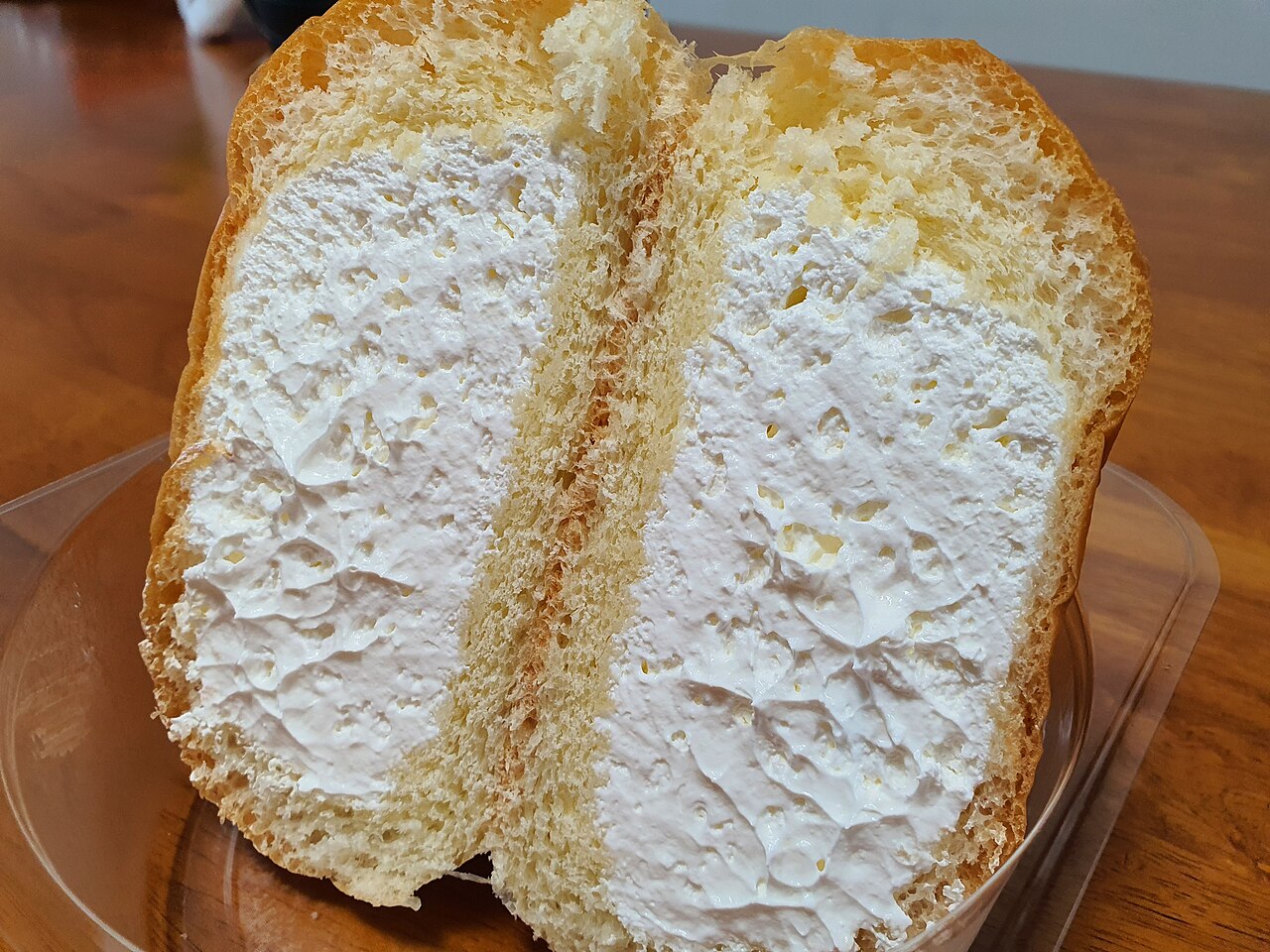
Yonsei Cream Bread sells about 45 units a minute in Korea and passed 100 million in April 2026. Around 80% of its weight is cream, it is CU-exclusive, there are 39 varieties, and Koreans eat it frozen. Here is how to buy the right one.
Korean Dosirak Lunchbox Guide 2026: Gim and Sides
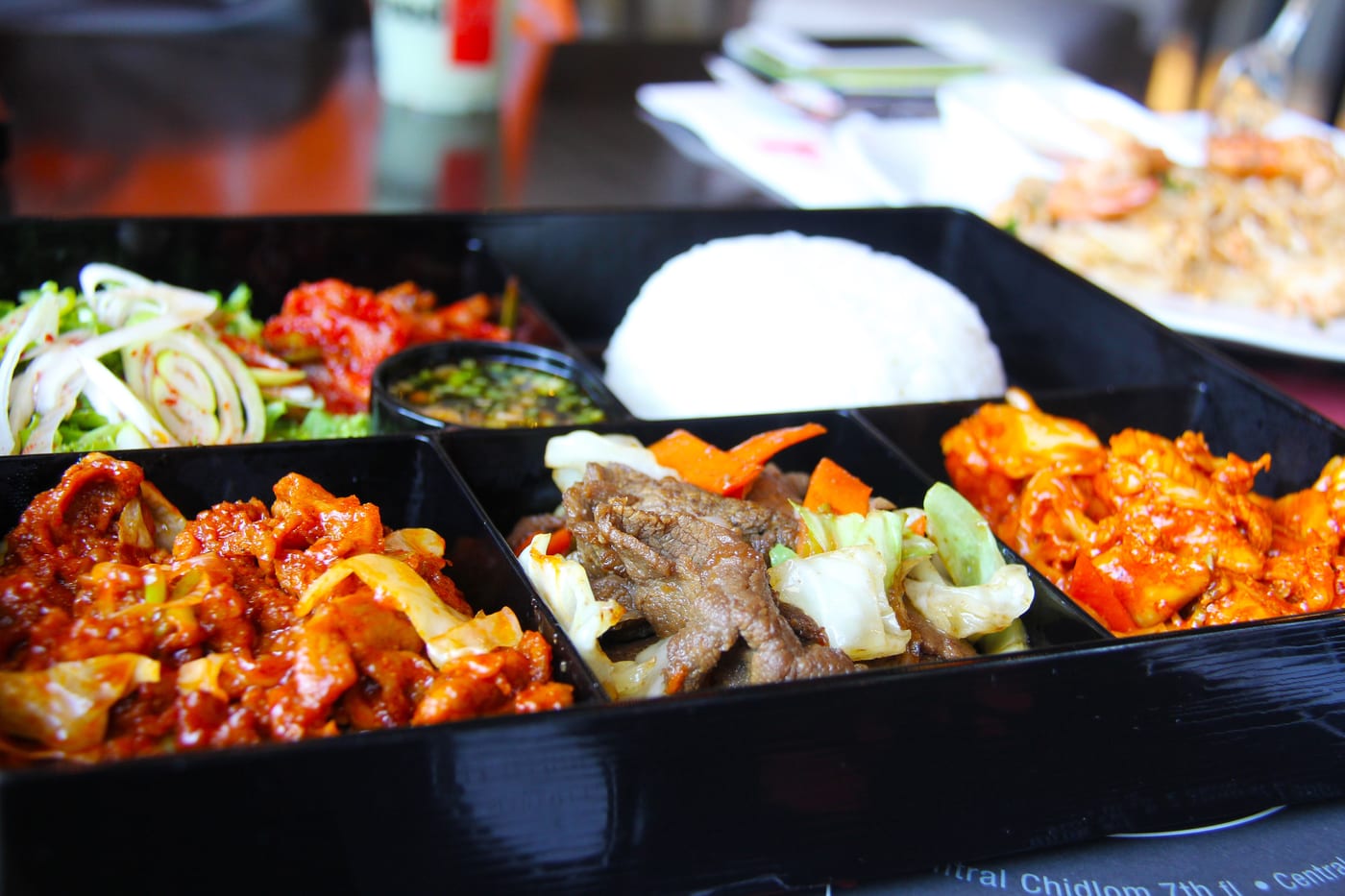
A Korean dosirak lunchbox guide for rice, gim, banchan, containers, convenience-store boxes, picnic meals, and what to buy at home.
Korean Department Store Food Halls 2026: What To Eat In Seoul
A guide to Seoul department store food halls: The Hyundai, Shinsegae, Lotte, basement eats, gift sets, rainy-day routes, and mistakes.