Korean Department Store Food Halls 2026: What To Eat In Seoul
Korean department store food halls are one of the easiest ways to understand modern Seoul food culture without planning a restaurant crawl. They sit under luxury floors, subway stations, cosmetic counters, fashion pop-ups, supermarkets, bakeries, gift counters, and takeout stalls. You can eat alone, hide from rain, buy a dessert box, compare Korean brands, and watch how Seoul turns shopping into a full-day food route.
For travelers, the biggest mistake is treating a Korean department store food hall like a generic mall cafeteria. It is not. The best ones are part grocery, part bakery street, part gift market, part lunch court, part luxury basement, and part social media stage. The food is not always the cheapest in Seoul, but the convenience and variety are hard to beat.
Quick Answer: Are Korean Department Store Food Halls Worth It?
Yes, Korean department store food halls are worth visiting if you want a low-friction way to try many foods in one place. They are especially useful for first-time travelers, rainy days, solo meals, family groups, gift shopping, and people who want Korean desserts or packaged foods without navigating a full traditional market.
Go for bakery items, gimbap, mandu, banchan, premium fruit, Korean sweets, food gifts, ready-to-eat lunch boxes, famous pop-up desserts, coffee, and seasonal products. Do not go expecting the cheapest meal in the city. Go because the selection is dense, polished, and easy.
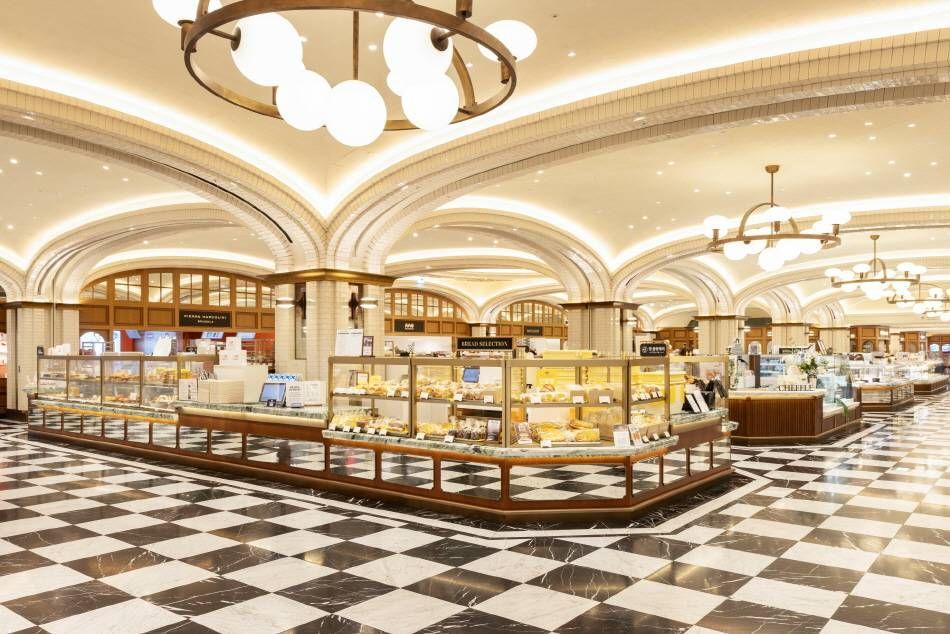
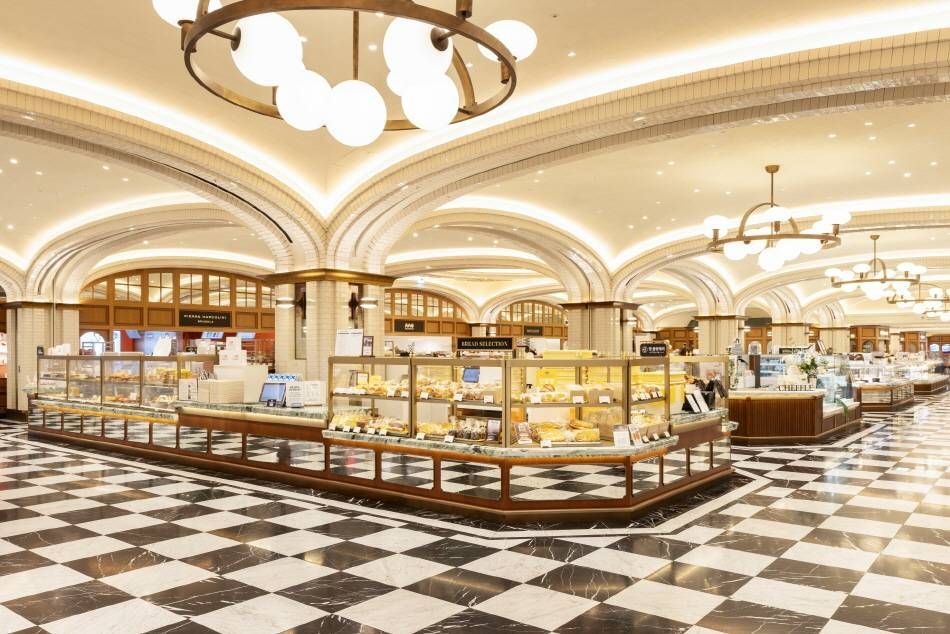
The best food hall depends on your route. Lotte Department Store near Myeongdong is convenient for tourists. Shinsegae has strong gift and luxury shopping energy. The Hyundai Seoul in Yeouido is known for its experiential retail mood and big indoor space. Major branches can change tenants, pop-ups, and queues, so treat this article as a strategy guide rather than a fixed stall list.
The single most useful thing to know is when they close, because it is earlier than you think. Korean department stores are not evening venues. They shut at 20:00 on weekdays, stretching to 20:30 on Friday, Saturday and Sunday. Visitors who plan a food hall as an after-dinner stop routinely arrive to shuttered counters.
| Food hall | Where, and how you get in | Hours |
|---|---|---|
| The Hyundai Seoul 더현대 서울 | Yeouido, Parc.1 — food floor is B1. Yeouido Station 여의도역 Exit 3, then the underground walkway through IFC Mall, about 10 minutes and entirely indoors | Mon–Thu 10:30–20:00 · Fri–Sun 10:30–20:30 |
| The Hyundai Seoul, restaurant floor | Same building, dining level | 10:30–22:00 — the one late option |
| Shinsegae Gangnam 신세계 강남점, Sweet Park 스위트파크 | Banpo, B1 dessert hall. Express Bus Terminal Station 고속터미널역 connects straight into the food floor — you arrive inside it, not outside the building | Mon–Thu 10:30–20:00 · Fri–Sun 10:30–20:30 |
| Lotte Department Store 롯데백화점 본점 | Myeongdong / Euljiro-ipgu Station 을지로입구역, on the corner immediately above the station | Same 10:30 opening, 20:00–20:30 close |
| Bakery counters inside | e.g. London Bagel Museum 런던베이글뮤지엄, The Hyundai B1 | 10:30–20:30, queues form well before closing |
Hours checked August 2026 against each store's own branch pages. Individual counters inside a hall can close 30 minutes before the building does.
Three planning consequences follow from that table.
First, the restaurant floor is the exception — The Hyundai Seoul's dining level runs to 22:00, so if you want a department-store meal in the evening, that is the floor to aim for, not the basement.
Second, two of the three are weather-proof from the platform, which matters more in Seoul than the hours do. Express Bus Terminal Station opens directly into Shinsegae Gangnam's food floor, and Yeouido Station Exit 3 reaches The Hyundai through IFC Mall without going outside. On a rainy or 34°C day, that is the actual reason to pick one of these over a market.
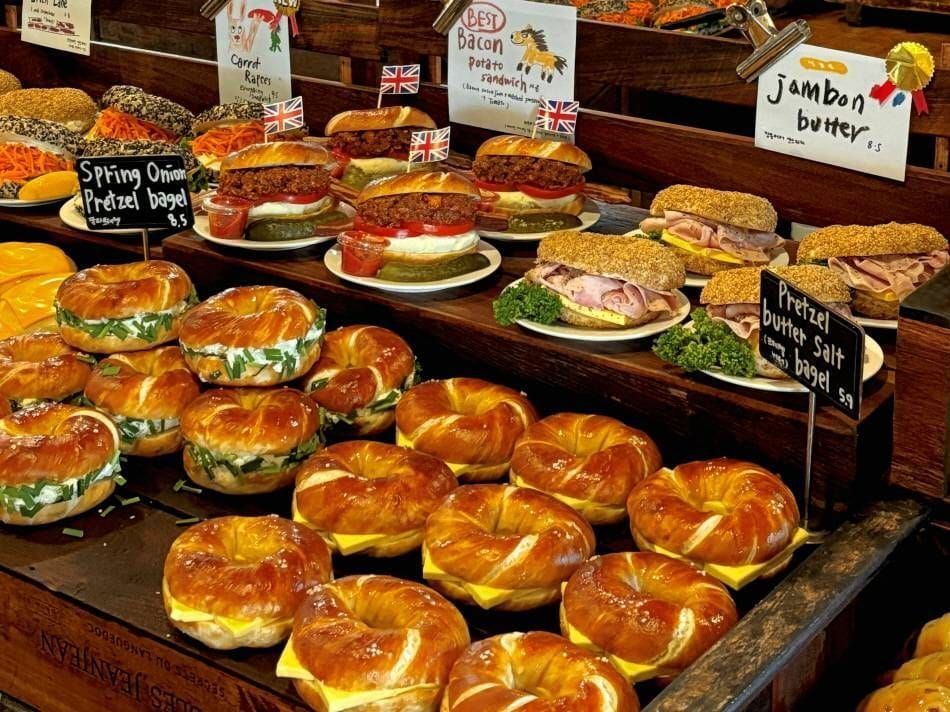
Third, a famous bakery counter effectively closes earlier than its posted time, because popular items sell out — and it costs more than the headline number suggests. At London Bagel Museum, a plain bagel 플레인 베이글 is ₩3,800 and most filled varieties run ₩4,700–4,900 as of August 2026, but the things people actually queue for are the assembled ones: the counter cards in the photo below read 5.9 and 8.5, meaning ₩5,900 for a pretzel butter salt bagel and ₩8,500 for a jambon-butter. Budget ₩7,000–9,000 for a bagel with cream cheese, not ₩4,000.
O'Food gochujang, ssamjang and doenjang set — on AmazonAffiliate link. As an Amazon Associate, EpicKor earns from qualifying purchases at no extra cost to you.
The Basement Is the Destination, Not the Afterthought
English-language guides treat the food hall as somewhere to refuel between shopping floors. Korean retail data says the opposite, and the numbers are worth knowing before you plan a route.
Shinsegae Gangnam's Sweet Park 스위트파크 opened on 15 February 2024 as a dedicated dessert floor: roughly 5,300㎡ (1,600평) rebuilt to hold 43 brands. In its first month it drew about 1.4 million visitors — an average of over 46,000 a day. In its first year, dessert sales at the Gangnam store more than doubled, up 108 percent, and dessert's share of the store's total food sales rose from 15 percent to 30 percent.
The number that explains the whole strategy is this one: 45 percent of the people who bought something at Sweet Park in 2024 had not shopped at Shinsegae Gangnam at all in the previous year (41 percent in 2025). The dessert basement is not a convenience for existing customers. It is how the store acquires new ones.
That is why the food floors keep getting better. Shinsegae Gangnam became the first single store in Korea to pass ₩3 trillion in annual sales, in 2023, and has stayed above it for three consecutive years. The Hyundai Seoul reached ₩1 trillion in two years and nine months — the fastest in Korean department store history — and it did so without Hermès, Louis Vuitton or Chanel, the three anchors that normally carry a Korean flagship. What carried it instead was the experiential floors: the food hall, the pop-ups, the indoor greenery.
For a traveler, the practical translation is simple. The basement is where these stores are competing hardest, so it is the floor most worth your time — and the reason a dessert counter has an hour-long queue is that the store spent a great deal of money to make sure it would.
Bibigo Korean BBQ seaweed snack — the food-hall shelf item that actually ships. If the basement makes you want to take the snack shelf home, start with the seaweed: it is the same product on the food-hall counter, and it survives a suitcase. The O'Food gochujang, ssamjang and doenjang set covers the pastes a food-hall dish is actually built from. As an Amazon Associate, EpicKor earns from qualifying purchases at no extra cost to you.
See the seaweed snack on AmazonWhy Seoul Food Halls Feel Different
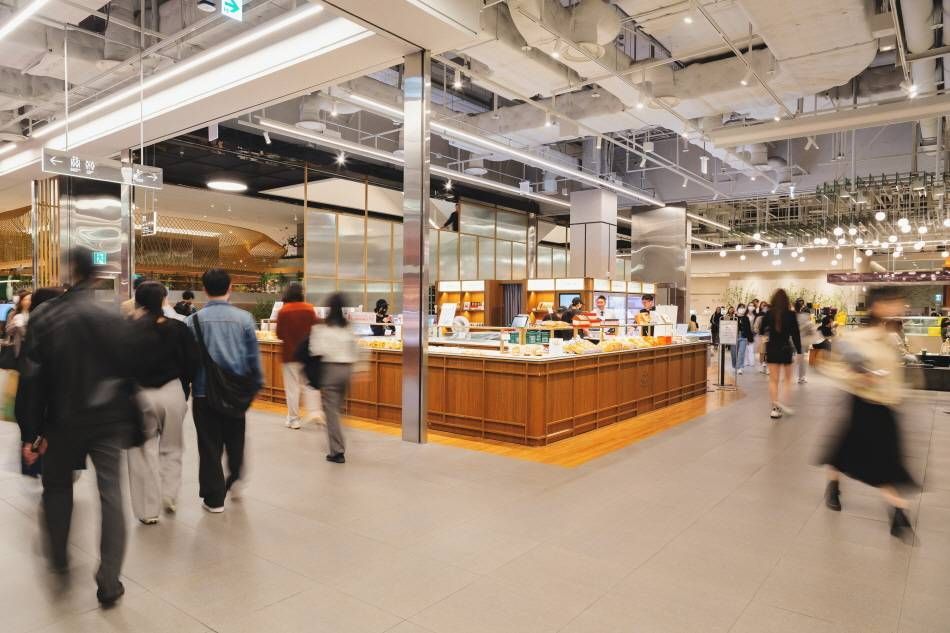
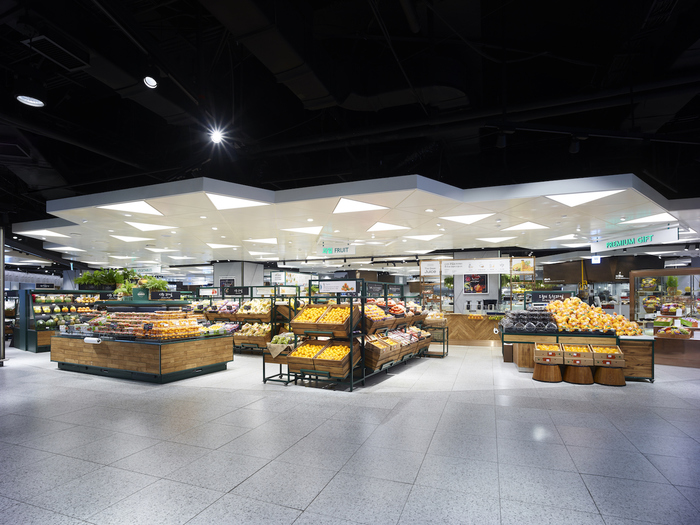
Seoul's department stores compete on experience, not only products. A food hall has to do more than feed people who got tired while shopping. It has to create reasons to visit, post, queue, sample, gift, and return. That is why you see premium bakeries, fruit counters, limited desserts, imported foods, famous local names, lunch boxes, cafes, and seasonal pop-ups packed into the same basement level.
This fits a broader retail shift in Seoul. Vogue's reporting on Seoul retail highlights how shopping remains a major part of tourist spending and how Korean department stores are leaning into experiential spaces, indoor gardens, art, and "retailtainment" rather than plain transaction floors. That context matters because food halls are not a side feature. They are one of the easiest parts of the experience for tourists to use.
For visitors, food halls solve practical problems. You may not know where to eat near Myeongdong. You may have a family group where one person wants noodles, another wants a pastry, and another wants coffee. You may need a gift that looks nicer than a convenience-store snack bag. You may need a clean restroom, air-conditioning, tax refund shopping, or a place to wait while someone else tries on clothes.
That is why food halls belong in the same planning category as EpicKor's Korea tax refund guide, Korean grocery store tourism guide, and Seoul shopping route guide. They are not only food. They are travel infrastructure.
What To Eat First
Start with items that are harder to choose outside a food hall. A random bowl of noodles may be better in a neighborhood restaurant, but a curated basement gives you efficient access to many categories.
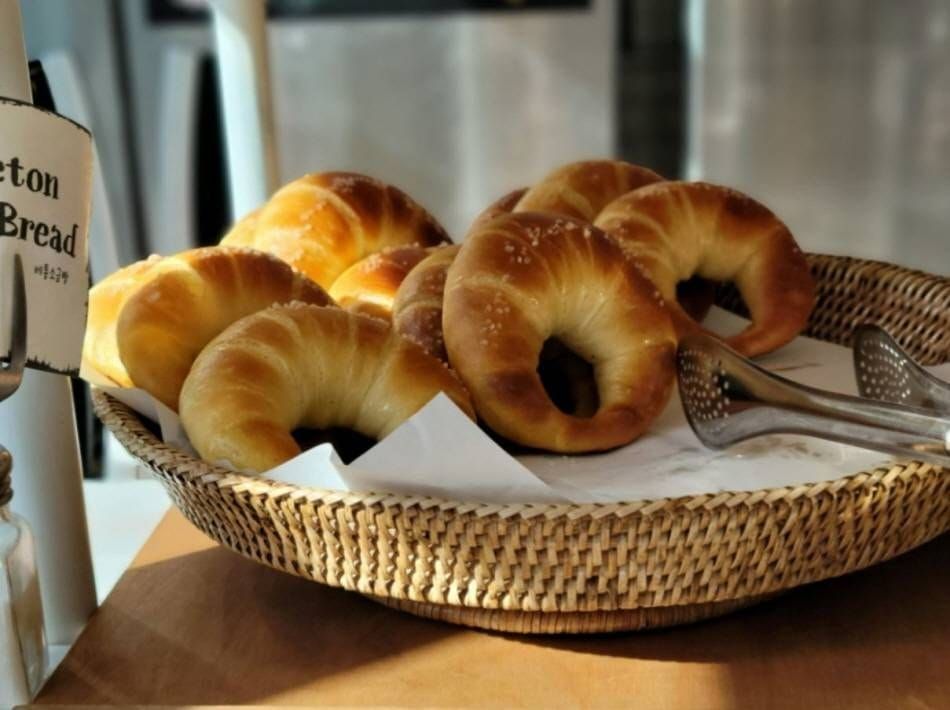
Bakery items are an easy win. Seoul has a serious bakery culture, and department store bakeries often package items beautifully. Look for salt bread, cream buns, castella, red bean pastries, financier-style sweets, roll cakes, and seasonal fruit desserts.
Gimbap and lunch boxes are useful when you need something fast. They are not always the most atmospheric meal, but they are clean, portable, and easy to understand. If you are catching a train, heading back to a hotel, or building a picnic, they work.
Mandu and hot counter foods are good when you want comfort without a long restaurant wait. Dumplings, croquettes, skewers, fried snacks, and warm rice dishes can turn a department store stop into a real meal.
Premium fruit and dessert boxes are the category that surprises many visitors. Korea treats fruit as a gift item, so department stores can make fruit look like jewelry. Prices may shock you, but the display explains something real about Korean gift culture.
The Food Hall Strategy By Traveler Type
Solo travelers should use food halls for low-pressure eating. You can browse, buy a small portion, sit if seating is available, or carry food back to your hotel. This is easier than entering a restaurant where portions are built for two or language anxiety feels high.
Families should use food halls when tastes split. Kids can choose bakery or fried snacks, adults can buy rice dishes or fruit, and nobody needs to commit to one restaurant. The only issue is seating. Some branches have clear seating areas; others are crowded and takeout-oriented.
Couples should treat the food hall as part of a route, not the entire date. Eat something small, buy a dessert box, walk to a nearby cafe, then continue shopping or sightseeing. The food hall is a good transition between plans.
Serious food travelers should be selective. Food halls are efficient, but they are not a replacement for markets, neighborhood restaurants, and specialist shops. Use them to compare trends and packaging, then leave room for meals elsewhere. If you want the hands-on seafood-market version of that decision, compare it with EpicKor's Noryangjin Fish Market guide.
Gift shoppers should pay attention to packaging. Department stores are excellent for neat boxes, seasonal sets, premium snacks, tea, fruit, and desserts that feel presentable. If you are visiting friends in Korea or bringing something to a host, this category matters.
| Traveler Type | Best Food Hall Use | Biggest Mistake |
|---|---|---|
| First-time tourist | Easy lunch, dessert sampling, packaged snacks | Spending the whole day inside and missing nearby streets. |
| Solo traveler | Low-pressure meal and hotel-room takeout | Buying too many small items without a place to sit. |
| Family group | Multiple food choices in one clean indoor stop | Arriving at peak lunch with no seating plan. |
| Gift shopper | Premium fruit, sweets, teas, boxed snacks | Buying fresh or fragile items too early in the trip. |
| Food-focused traveler | Trend scan, bakery comparison, pop-up discovery | Treating polished counters as the whole Seoul food scene. |
Department Stores To Put On A Seoul Route
Lotte Department Store near Myeongdong is practical because many tourists are already nearby. If your hotel is around Myeongdong, Euljiro, City Hall, or Jongno, it is a simple indoor stop. It also pairs with cosmetics shopping, tax refund errands, and nearby street food.
Shinsegae Department Store has a more classic luxury department store mood. It is useful for gift shopping, polished food displays, and travelers who want the old-school Seoul shopping feel rather than only trendy pop-ups.
The Hyundai Seoul in Yeouido is a different kind of destination. It is known less as a quick basement stop and more as a full retail space with visual scale, indoor greenery, pop-ups, and a crowd that comes to browse as much as buy. If your itinerary already includes Yeouido, IFC Mall, the Han River, or a rainy-day indoor plan, it can make sense.
Hyundai Department Store branches, Lotte branches, Shinsegae branches, and Galleria-style luxury areas all have different moods. Do not assume every food hall is identical. Tourist-heavy locations are easier. Local branches may be less English-friendly but more revealing about everyday Seoul shopping.
How To Avoid A Bad Food Hall Visit
Do not arrive starving at peak lunch. Crowds change the experience. If you are already hungry and overwhelmed, every counter looks confusing and every queue feels personal. Go slightly before or after lunch, browse once, then decide.
Do not buy cold gifts at the start of a long day. Premium fruit, cream cakes, dairy desserts, and refrigerated banchan look tempting, but they are annoying if you still have five hours of sightseeing. Save fragile items for the end of the day.
Do not assume every famous-looking line is worth it, and do not assume you can beat it by arriving early. At Sweet Park, Kitchen205 키친205 has run queues of about an hour, and Beton 베통, the salt-bread counter, is worse than that in a way the posted hours do not reveal: a Korean reviewer who arrived fifteen minutes before weekend opening still missed the last available purchase. For the counters with a reputation, the choice is not "early or late" — it is "queue from before opening, or accept you are not getting one today."
That is the honest counter-argument to this entire article. If your Seoul trip is four days long, an hour in a basement queue for one pastry is an expensive way to spend it, and the pastry is very unlikely to be the best thing you eat in Korea. Buy from the counter with no line, which is usually excellent, and spend the hour on a neighbourhood you have not seen.
Do not ignore the supermarket section. Some department store basements have grocery or premium food areas where packaged items, sauces, teas, snacks, fruit, and ready-to-eat foods are more useful than the flashy counters.
Do not forget receipts. If your food hall stop is part of a bigger department store shopping day, read EpicKor's Korea tax refund guide first. Food, opened consumables, and store policies can vary, but your receipt habit should be organized from the beginning.
Rainy Day And Heat Day Planning
Food halls are most valuable when Seoul weather is working against you. In summer, you may need air-conditioning between subway rides. During jangma rainy season, outdoor markets and walking routes become less pleasant. In winter, a basement food hall gives you warmth, toilets, coffee, and a meal without another taxi.
On a rainy day, build an indoor route instead of pretending you will enjoy wet sidewalks all afternoon. Start with a department store, eat lightly, shop, move through subway-connected malls, then leave outdoor neighborhoods for later. Pair this with the Korea rainy season guide or Korea summer packing guide if your trip falls in the humid months.
The two indoor approaches in the hours table are what make this real rather than aspirational: Express Bus Terminal Station opens into Shinsegae Gangnam's food floor, and Yeouido Station Exit 3 reaches The Hyundai through the IFC Mall walkway. You can arrive, eat, shop and leave without stepping outside once.
On a hot day, food halls can be a cooling stop between Myeongdong, Namdaemun, City Hall, Yeouido, Gangnam, or COEX routes. The trick is not to overeat heavy fried food at 2 p.m. Choose fruit, cold drinks, light rice dishes, or bakery items you can save.
What To Buy As A Food Souvenir
The best food hall souvenirs are sealed, light, durable, and connected to Korea. Think tea, snacks, coffee, seaweed, sweets, packaged rice crackers, premium cookies, sauces if packed safely, and gift boxes that can survive luggage.
Be careful with fresh fruit, cream cakes, refrigerated banchan, seafood, meat, and anything that may break import rules in your destination country. A melon that looks perfect in Seoul may be impossible to bring home legally. A beautiful cake may not survive a subway ride.
The same rule quietly disqualifies the station snack visitors ask about most. Deli Manjoo is baked and sold within minutes, does not travel, and has no shelf-stable version worth buying — so treat it as something to eat on the way to the food hall rather than something to pack.
If the food hall makes you want a Korea-at-home shelf, compare EpicKor's Korean pantry starter kit, Korean instant coffee mix guide, and Korean seaweed snack guide before turning a polished department-store browse into an oversized suitcase haul.
For gifts inside Korea, department store packaging is powerful. For gifts outside Korea, durability matters more than luxury presentation. If the item is for your hotel room or a same-day picnic, buy freely. If it is crossing a border, think like customs and luggage handlers.
Etekcity digital luggage scale — settle the overweight question in the hotel room, not at the check-in desk. A food-hall day ends with jars, boxes and a heavy bag; this is the eleven-dollar item that decides what gets posted home instead. A TOPBAG travel wallet keeps the tax-refund receipts flat. As an Amazon Associate, EpicKor earns from qualifying purchases at no extra cost to you.
See the luggage scale on AmazonA Simple 2-Hour Food Hall Itinerary
Use the first 15 minutes to walk the whole floor without buying. This prevents impulse mistakes and helps you understand where the bakeries, hot foods, grocery area, seating, and gift counters are.
Use the next 30 minutes for a small meal. Choose one main item, not five snacks. Gimbap, mandu, rice bowl, noodles, or a lunch box works.
Use 20 minutes for dessert scouting. Look at bakeries, fruit desserts, pop-ups, and packaged sweets. If something needs refrigeration, decide whether you are going straight back to your hotel.
Use 20 minutes for souvenirs. Compare snacks, teas, coffee, and gift boxes. Think about weight and customs before packaging.
Use the final 35 minutes for the department store around it. This is where the food hall becomes part of a better shopping route: beauty floors, fashion, pop-ups, restrooms, tax refund, and nearby subway access.
Sources Checked
Hours were checked in August 2026 against each store's own branch pages, including Hyundai Department Store's The Hyundai Seoul branch page.
The retail figures in this article come from Korean sources rather than English ones, because the English coverage does not carry them. Sweet Park's opening date, floor area, brand count, first-month footfall and the share of buyers new to the store are from Shinsegae Group's own newsroom and Korean trade press (Shinsegae Group Newsroom, Electronic Times). The ₩3 trillion and ₩1 trillion store records are from Korean business press (Hankyung, Sisa Journal-e). The queue observations at Kitchen205 and Beton are from a Korean first-person review, The Edit's Sweet Park visit. Bagel prices are from Korean menu listings cross-checked against the price cards visible in the counter photograph above. Broader Seoul retail context: Vogue, "Setting Up Shop in Seoul".
Branch details, pop-ups, individual counters and prices change frequently, so verify a specific store's current floor guide before travelling across town for one item.
FAQ
Q: Are Seoul department store food halls expensive?
They can be more expensive than markets or neighborhood restaurants, especially for premium fruit, luxury gift boxes, and famous pop-up desserts. But they can still be reasonable for bakery items, lunch boxes, snacks, and quick meals compared with the convenience they provide.
Q: Which Seoul food hall is best for first-time tourists?
The best first stop is usually the one already near your route. Lotte near Myeongdong is convenient for many tourists, Shinsegae works well for classic department-store shopping, and The Hyundai Seoul is better when you want a larger experiential retail stop.
Q: Can I eat alone in a Korean department store food hall?
Yes. Food halls are one of the easiest solo dining options in Seoul because you can buy small portions, browse without pressure, and avoid restaurants where portions or seating feel awkward for one person.
Q: What should I not buy before flying home?
Avoid fresh fruit, cream desserts, refrigerated foods, meat, seafood, and anything your destination country may restrict. For luggage, sealed snacks, tea, coffee, seaweed, and shelf-stable sweets are usually more practical.
Final Take
Korean department store food halls are not the most traditional food experience in Seoul, but they are one of the most useful. They show how Korea packages taste, convenience, gift culture, retail design, and weather-proof travel into one basement floor.
Use them strategically. Eat something small, compare trends, buy the gifts that make sense, keep your receipts, and then go back outside when Seoul is ready for you again.
You Might Also Like
Noryangjin Fish Market Guide 2026: Buy Seafood In Seoul
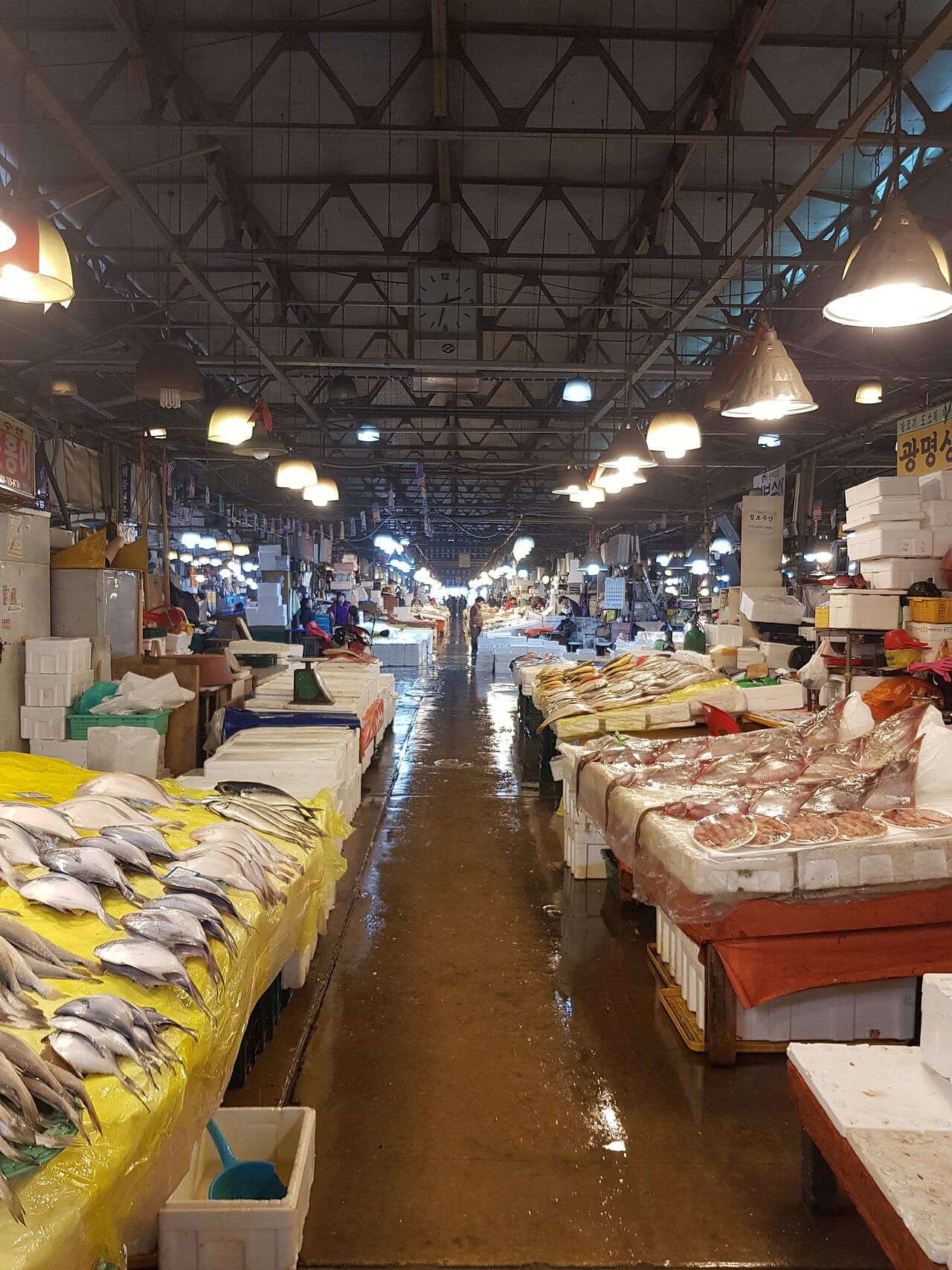
Noryangjin's upstairs chojangjip charge ₩4,000 a head just to set the table, and more if you skip the stew. How the buy-then-cook flow works, what the fees actually are, when to go, and how not to be overcharged.
Korean Kitchen Scissors: Why Koreans Cut Meat and Noodles at the Table, and Why It Is Not an Office Scissor
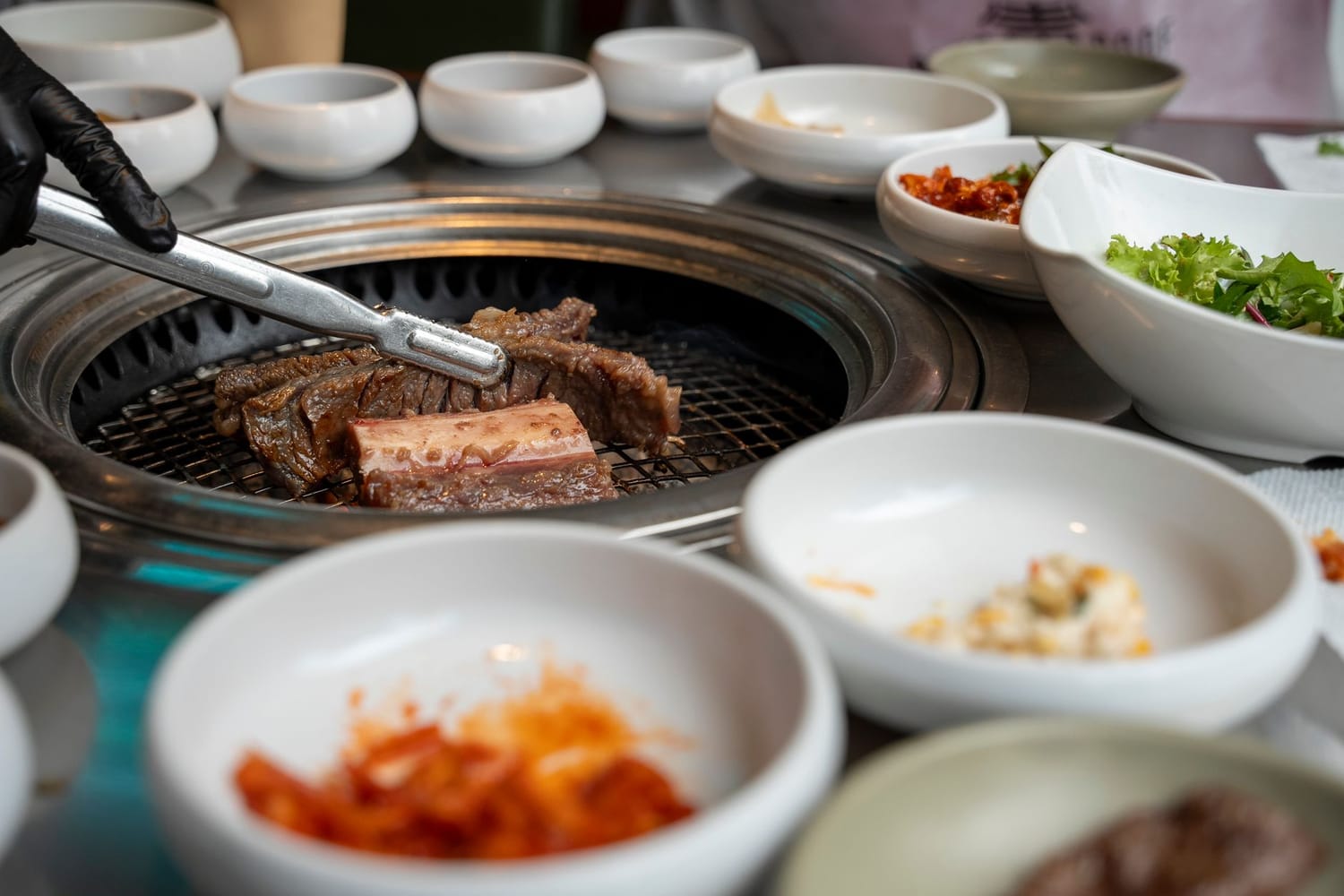
Scissors on a restaurant table look wrong to most of the world and normal to every Korean. The tool is not a desk scissor: thick blades, one serrated edge, big rings, often detachable, built for galbi and cold noodles. Where it came from, and which one to buy.
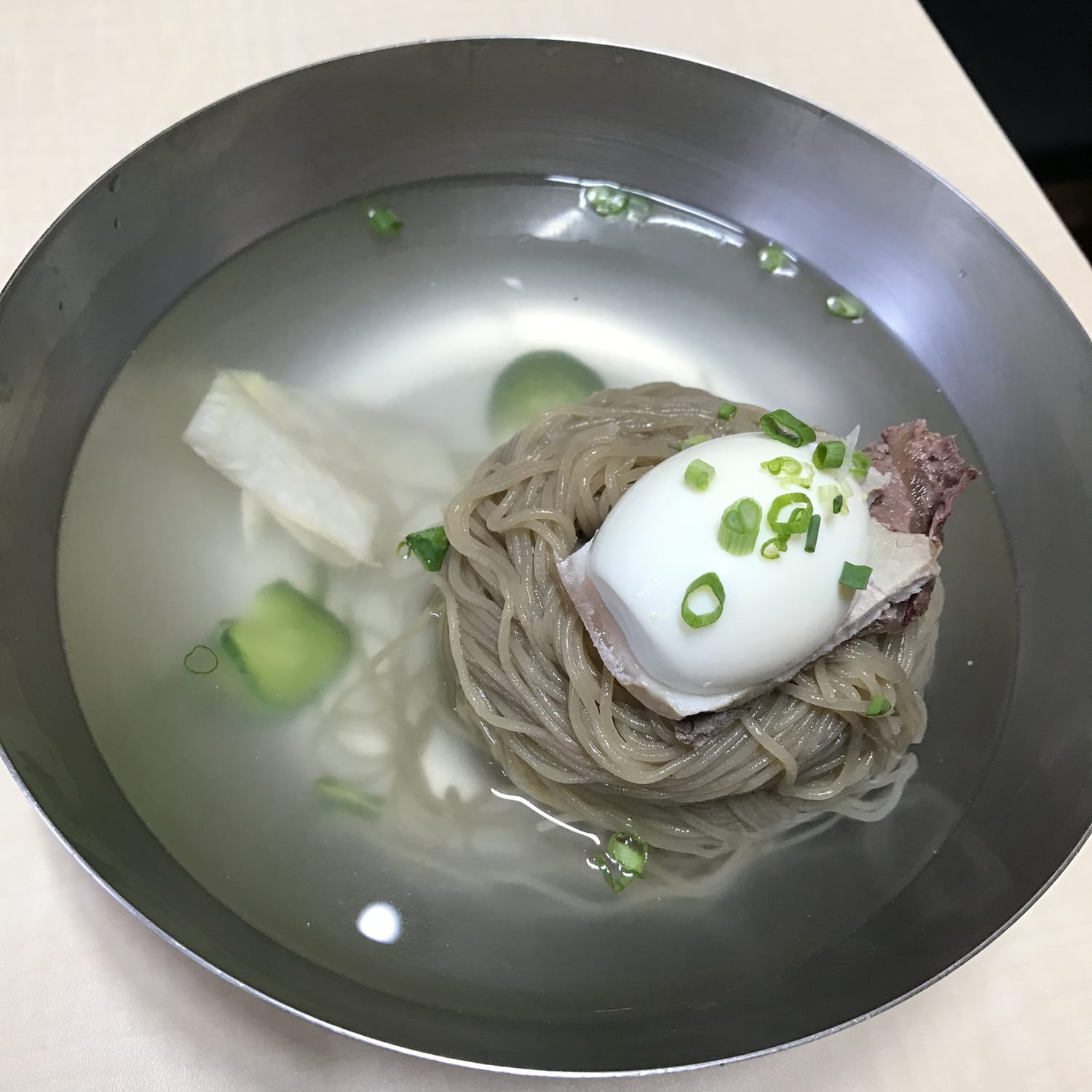
The One Korean Food Foreigners Never Learn to Love: Hamheung Naengmyeon, and Why Koreans Can't See the Problem
Foreigners who eat cheonggukjang and even hongeo still will not pay for this twice. A Korean creator who fed foreigners for years says naengmyeon was the overwhelming number one refusal, and Koreans, who rank it first every summer, cannot see why.