Korean Rainy Day Food: Pajeon, Makgeolli, Noodles, and Soups
When it rains in Korea, people often joke about pajeon and makgeolli. The pairing is real enough to become cultural shorthand: hot savory pancake, cool cloudy rice wine, and the sound of rain outside. But Korean rainy day food is bigger than one pancake. It can also mean kalguksu, sujebi, ramyeon, kimchi jjigae, tteokbokki, fried chicken delivery, fish cake soup, hotteok, or a convenience-store cup noodle eaten while your socks dry.
The point is comfort. Rain slows the day, changes transit plans, makes outdoor sightseeing harder, and pushes people toward warm, shareable, easy food. For travelers, knowing rainy-day foods turns bad weather from a ruined itinerary into a different kind of Korea day.
This guide explains why pajeon and makgeolli became famous, what else Koreans eat when it rains, what to order in Seoul, how to handle rainy-season travel, and how to enjoy the mood without forcing alcohol.
Korean kimchi stew with tofu — compare on AmazonAffiliate link. As an Amazon Associate, EpicKor earns from qualifying purchases at no extra cost to you.
Quick Answer: What Do Koreans Eat When It Rains?
The classic answer is pajeon and makgeolli, especially green onion pancake or seafood pancake with cloudy rice wine. But common rainy-day choices also include kalguksu, sujebi, ramyeon, kimchi stew, hot soups, tteokbokki, fried chicken, delivery food, convenience-store noodles, and market snacks.
If you want the focused version of the famous pairing, EpicKor's pajeon and makgeolli guide explains the history, taste, ordering, and safety details. This article covers the wider rainy-day food map.
| Rainy-Day Food | Best For | Why It Works | Alcohol Needed? |
|---|---|---|---|
| Pajeon or haemul pajeon | Shared meal with friends | Sizzling, savory, crispy, easy to share | No |
| Makgeolli | Traditional rainy-day mood | Tangy rice wine balances fried pancakes | Yes, optional |
| Kalguksu or sujebi | Warm noodle comfort | Hot broth and soft dough feel restorative | No |
| Ramyeon | Fast solo or convenience-store meal | Spicy, hot, cheap, immediate | No |
| Kimchi jjigae | Rainy dinner | Deep, sour, spicy stew with rice | No |
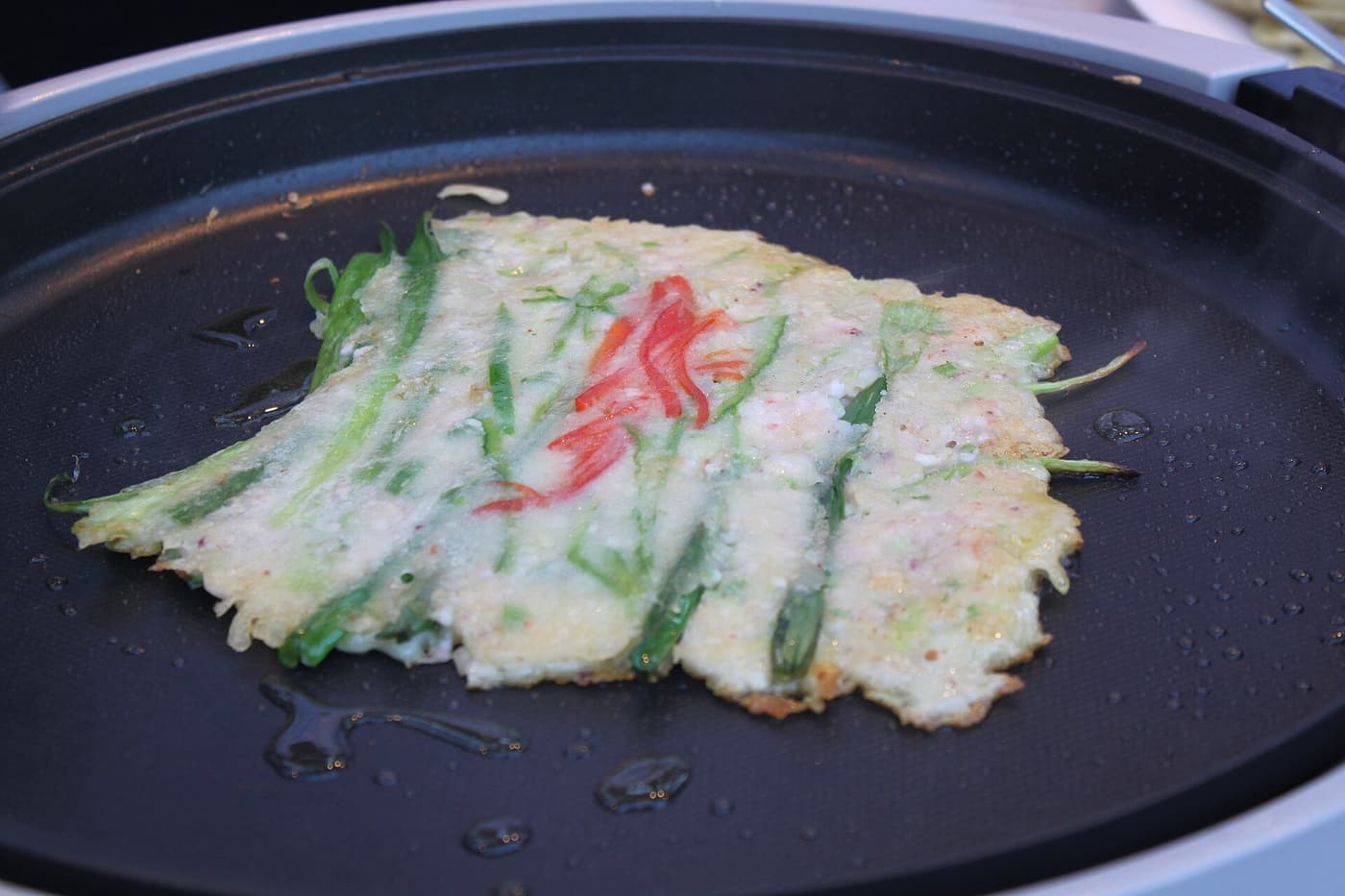
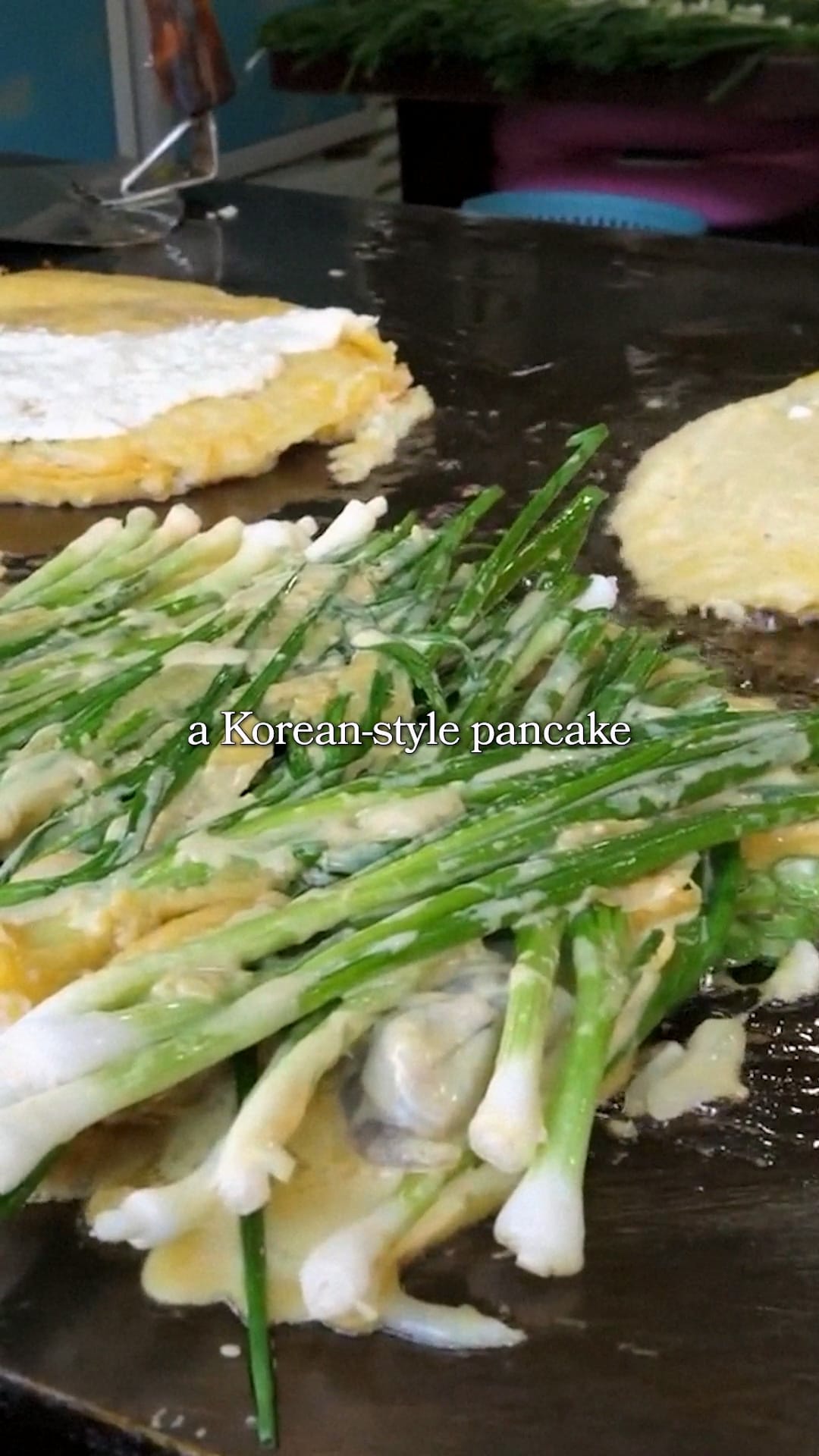
The sound is the point. Batter hitting hot oil is close enough to rain on a window that Koreans link the two directly. Photo via World to Table, CC BY-SA 3.0.
Why Pajeon and Makgeolli Became the Famous Pair
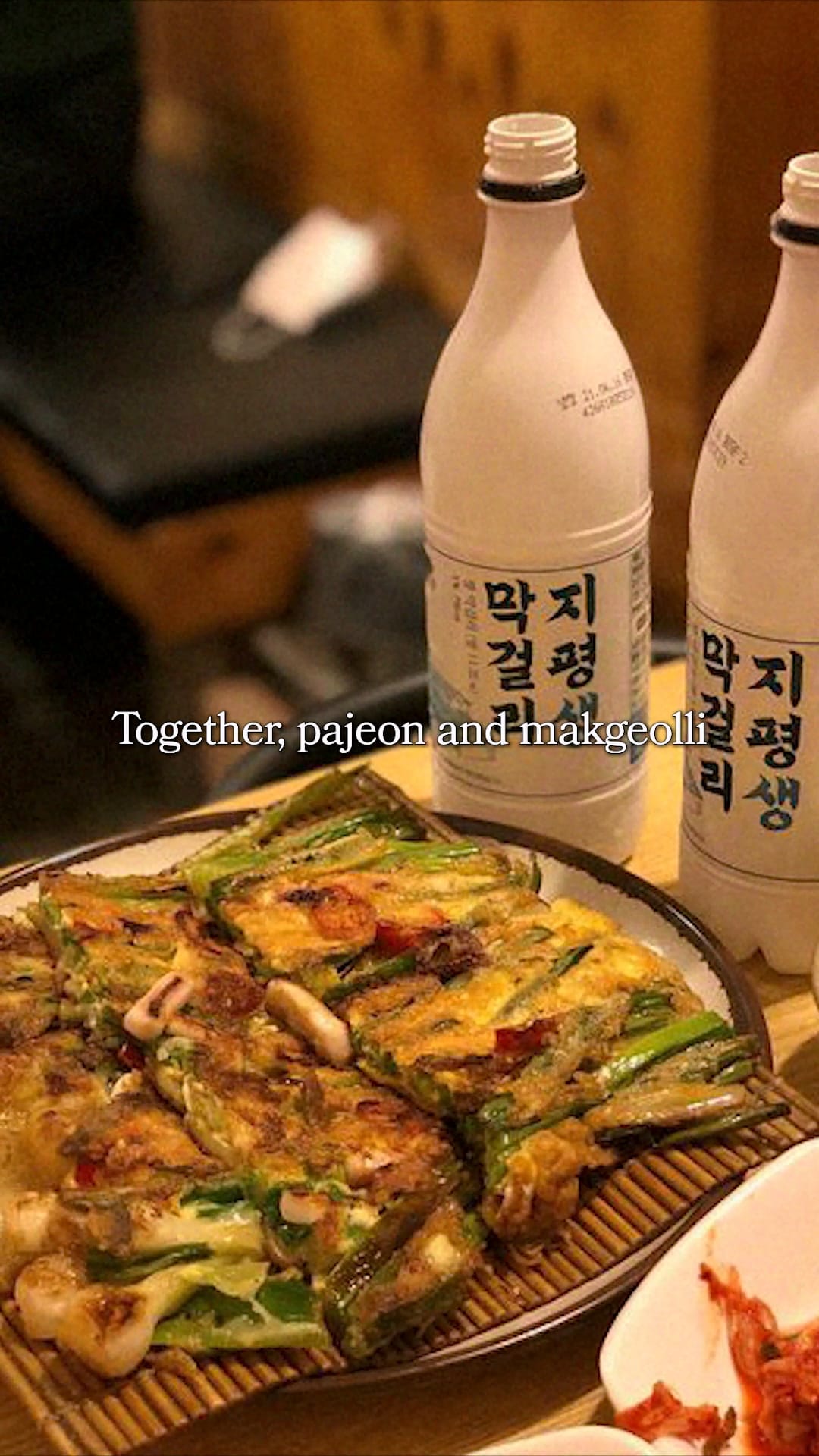
The common explanation is sensory and historical. The sound of batter frying in oil resembles rain hitting a roof or window. The food is hot, savory, and shareable. Makgeolli has older associations with farmers, fields, rest, and casual communal drinking. When rain interrupted outdoor work or city plans, a warm pancake and a cloudy drink made sense.
VisitKorea's makgeolli material describes makgeolli as an unrefined rice wine and notes its long association with regional breweries and traditional food culture. Its makgeolli food entry describes a milky appearance and generally lower alcohol than soju, though exact products vary. For broader drink context, see EpicKor's Korean drinks besides soju guide.
But do not turn the tradition into a rule. Many Koreans do not drink makgeolli. Many rainy days involve delivery food, noodles, coffee, or staying home. The phrase survives because it feels instantly shareable.
Rainy-day pantry shortcut: As an Amazon Associate, EpicKor may earn from qualifying purchases. When the pajeon craving turns into a full comfort-food night, compare Korean kimchi stew with tofu as an easy standby dish.
See Korean kimchi stew with tofu on Amazon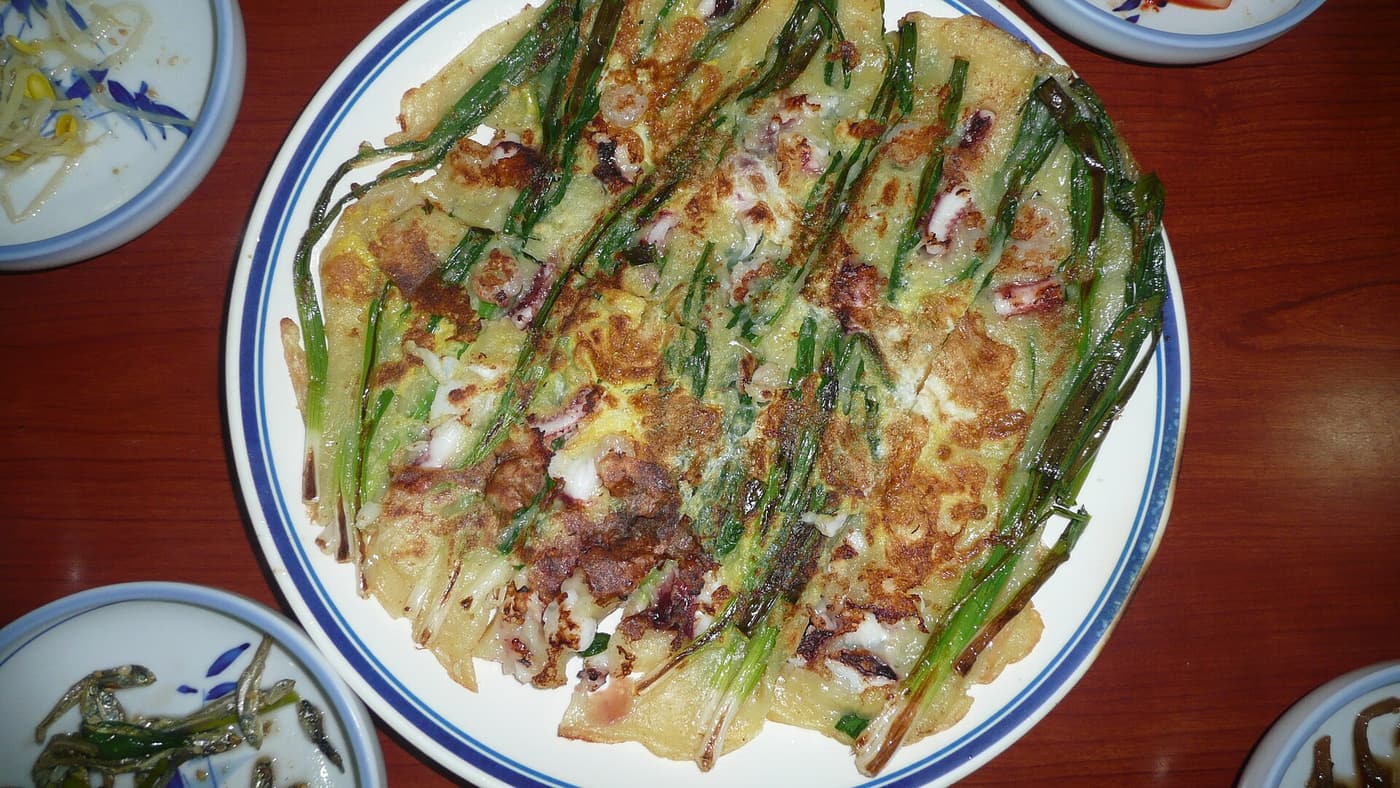
Served, it is shared and torn rather than portioned. One pancake between two people with a kettle of makgeolli is the whole ritual. Photo by Brucke-Osteuropa, CC0.
Kalguksu and Sujebi: Rainy Broth Comfort
Kalguksu is knife-cut noodle soup. Sujebi is hand-torn dough flake soup. Both are excellent rainy-day foods because they deliver hot broth, soft wheat texture, and a feeling of being warmed from the inside.
Kalguksu can be seafood-based, chicken-based, anchovy-based, or vegetable-heavy depending on the restaurant. Sujebi often feels more rustic and homey. Both can arrive with kimchi that matters more than tourists expect. Sharp kimchi cuts through the mild broth and gives the meal its rhythm.
If you are sightseeing in rain, noodle soup is often easier than a long barbecue meal. Search nearby, choose a busy local shop, and avoid crossing the city for one viral bowl unless the weather is calm.
Ramyeon: The Fastest Rain Fix
Ramyeon is the no-drama rainy-day answer. You can eat it at a convenience store, in a guesthouse, after a hike, beside the Han River if conditions allow, or at home while watching rain hit the window.
The appeal is obvious: hot, spicy, cheap, and fast. Add egg, cheese, kimchi, tuna, rice, or convenience-store kimbap if you need more food. If you are shopping for instant noodles, EpicKor's Korean ramen trends guide and Korean grocery tourism guide help you choose without buying only the loudest package.
Stews: Kimchi Jjigae, Doenjang Jjigae, and Budae Jjigae
Korean stews are ideal when rain turns the day cold, gray, or tiring. Kimchi jjigae uses aged kimchi for sour depth. Doenjang jjigae brings fermented soybean comfort. Budae jjigae is heavier, built around sausage, ham, noodles, kimchi, and spicy broth.
These meals work because they come with rice and side dishes. The table feels complete without needing complicated ordering. If you are new to Korean side dishes, read EpicKor's Korean banchan guide before your first local stew meal.
For a hotel-room or Korea-at-home version, kimchi stew packs and pantry basics are easier than trying to recreate a full restaurant table.
Fried Chicken and Delivery Food
Rain also makes people want delivery. Korean fried chicken, tteokbokki, jokbal, bossam, pizza, bunsik, and late-night snacks all become realistic rainy-day choices, especially when going outside feels unpleasant.
For visitors, delivery can be tricky because apps, phone numbers, Korean addresses, and payment methods may be difficult. Some hotels or guesthouses can help; others may not. If you cannot order delivery, choose a nearby restaurant or convenience store instead of fighting an app for an hour.
EpicKor's Korean food delivery guide explains why delivery is central to modern Korean eating, while the convenience store food guide gives a simpler backup when apps fail.
What to Eat During Jangma
Jangma, Korea's rainy season, is not one cozy drizzle. It can include humidity, heavy downpours, flooding risk, transport delays, slippery sidewalks, and sudden plan changes. Food planning should be practical.
Choose places close to your route. Prioritize indoor neighborhoods. Avoid long walks for a restaurant if rain is intense. Keep one convenience-store backup near your accommodation. Carry a small umbrella, but understand that strong rain may require changing the whole day.
| Weather Situation | Food Plan | Why | Travel Note |
|---|---|---|---|
| Light drizzle | Pajeon, cafe, market snack | Still walkable and atmospheric | Control umbrella near crowds. |
| Heavy rain | Nearby soup, stew, or mall food court | Reduces transit stress | Avoid basement flooding-prone shortcuts. |
| Hotel recovery night | Convenience-store ramyeon or dosirak | Fast and low effort | Use microwave/hot water politely. |
| Group dinner | Jeon, fried chicken, stew, or BBQ | Shareable and flexible | Book or arrive early in bad weather. |
| No alcohol mood | Kalguksu, sujebi, tteokbokki, tea | Comfort without drinking pressure | Makgeolli is optional, not required. |
For gear and routing, use EpicKor's Korea rainy season travel guide and summer packing list.
Where to Try Rainy-Day Food in Seoul
You do not need one famous restaurant. Choose by neighborhood:
- Insadong or Jongno for jeon, makgeolli, traditional pubs, and old-center atmosphere.
- Gwangjang Market for bindaetteok and market energy.
- Myeongdong or city-center malls for easy indoor food during heavy rain.
- Hongdae or Yeonnam for cafes, fried chicken, and casual dinner.
- Near your hotel for soup, noodles, or convenience-store backup.
If rain is light, a market can be memorable. If rain is heavy, pick shelter over romance.
Alcohol Is Optional
Makgeolli is part of the famous rainy-day image, but alcohol is not required. You can eat pajeon with tea, water, soda, or a non-alcoholic drink. If you do drink, pace yourself. Makgeolli can taste light while still adding up, especially when shared from bowls.
Never let a food tradition pressure you into drinking. The real rainy-day mood is shared warmth, not proving tolerance.
Make it feel like a pocha table: A small Korean ramen cooking pot turns rainy-day noodles into a simple shared-table ritual at home without needing a full restaurant setup.
See Korean ramen cooking pot on AmazonWhat to Cook at Home
If you want the Korea-at-home version, start simple:
- kimchi jjigae with tofu and rice;
- instant ramyeon with egg and kimchi;
- store-bought pajeon mix with scallions;
- frozen dumplings in broth;
- rice with gim and a hot soup;
- tteokbokki kit with fish cake.
The goal is not to recreate a perfect Seoul rainy alley. It is to understand why hot, savory, shared food feels right when the weather turns inward.
Useful Korean Phrases for a Rainy Food Day
You do not need perfect Korean to eat well, but a few phrases help:
- Pajeon hana juseyo. Please give us one pajeon.
- Haemul pajeon isseoyo? Do you have seafood pajeon?
- Makgeolli han byeong juseyo. Please give us one bottle of makgeolli.
- Sul an masyeoyo. I do not drink alcohol.
- An maepge haejuseyo. Please make it not spicy, if possible.
- Jigeum baedal dwaeyo? Is delivery available now?
In busy restaurants, short and clear is better than long translation-app paragraphs. Pointing at a menu photo, confirming quantity with fingers, and saying thank you will solve most situations. If you have allergies, use a translated allergy card rather than relying on pronunciation in a loud restaurant.
Rainy-Day Food Mistakes to Avoid
Do not schedule three famous food stops during heavy rain. Wet shoes, taxi delays, and umbrella crowds make every transfer feel longer. Do not assume every jeon restaurant is quiet and romantic; rainy evenings can make popular places crowded. Do not drink makgeolli quickly just because it tastes gentle. And do not let a viral restaurant override common sense if weather alerts, flooding, or transit disruption are in play.
The practical Korean move is flexible comfort. If pajeon is nearby, great. If the nearest safe option is kalguksu, that is also a rainy-day win. If the storm is ugly, convenience-store ramyeon in dry clothes may be the smartest meal of the trip.
Video Insight: Rainy Day Comfort Food
FAQ
Q: Why do Koreans eat pajeon when it rains?
The common explanation combines sound, comfort, farming memory, and social habit. The sizzle of frying pancake resembles rain, and the food is warm and easy to share.
Q: What is the best Korean rainy-day food besides pajeon?
Kalguksu, sujebi, kimchi jjigae, ramyeon, tteokbokki, fried chicken, and hot soups are all strong rainy-day choices.
Q: Do I have to drink makgeolli with pajeon?
No. Makgeolli is traditional and popular, but pajeon works with tea, water, soda, or any drink you prefer.
Q: What should tourists eat during heavy rain in Seoul?
Choose nearby soup, stew, noodles, mall food, or convenience-store meals. Heavy rain is not the time to cross the city for one famous restaurant.
Q: Is rainy season a bad time to visit Korea?
Not necessarily, but you need indoor backup plans, waterproof packing, and flexible food choices.
Q: Can I make Korean rainy-day food at home?
Yes. Start with kimchi stew, ramyeon with egg, frozen dumplings in broth, or a simple scallion pancake before attempting more complex dishes.
Rainy-day noodles is part of EpicKor's Korean ramyun guide — every packet compared by soup base and verified Scoville, with current Korean prices.
Also in the section: Naengmyeon compared and The ramyun guide.
You Might Also Like

Korea Drinks Guide: Makgeolli, Somaek, Beer, and More
A Korea drinking guide for travelers covering makgeolli, beer, somaek, traditional sool, highballs, non-alcoholic options, etiquette, and food pairings.
Korean Kitchen Scissors: Why Koreans Cut Meat and Noodles at the Table, and Why It Is Not an Office Scissor
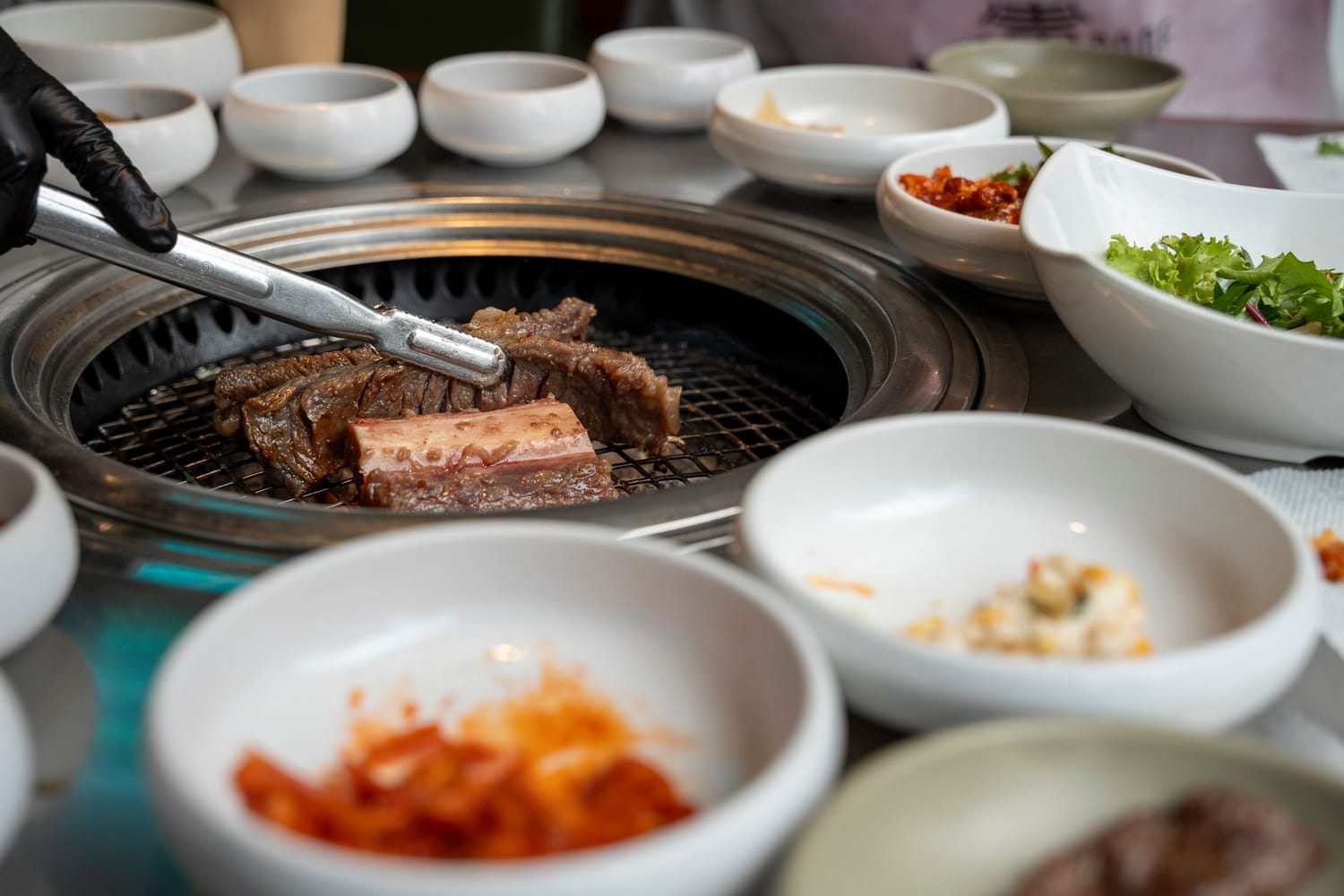
Scissors on a restaurant table look wrong to most of the world and normal to every Korean. The tool is not a desk scissor: thick blades, one serrated edge, big rings, often detachable, built for galbi and cold noodles. Where it came from, and which one to buy.
The One Korean Food Foreigners Never Learn to Love: Hamheung Naengmyeon, and Why Koreans Can't See the Problem
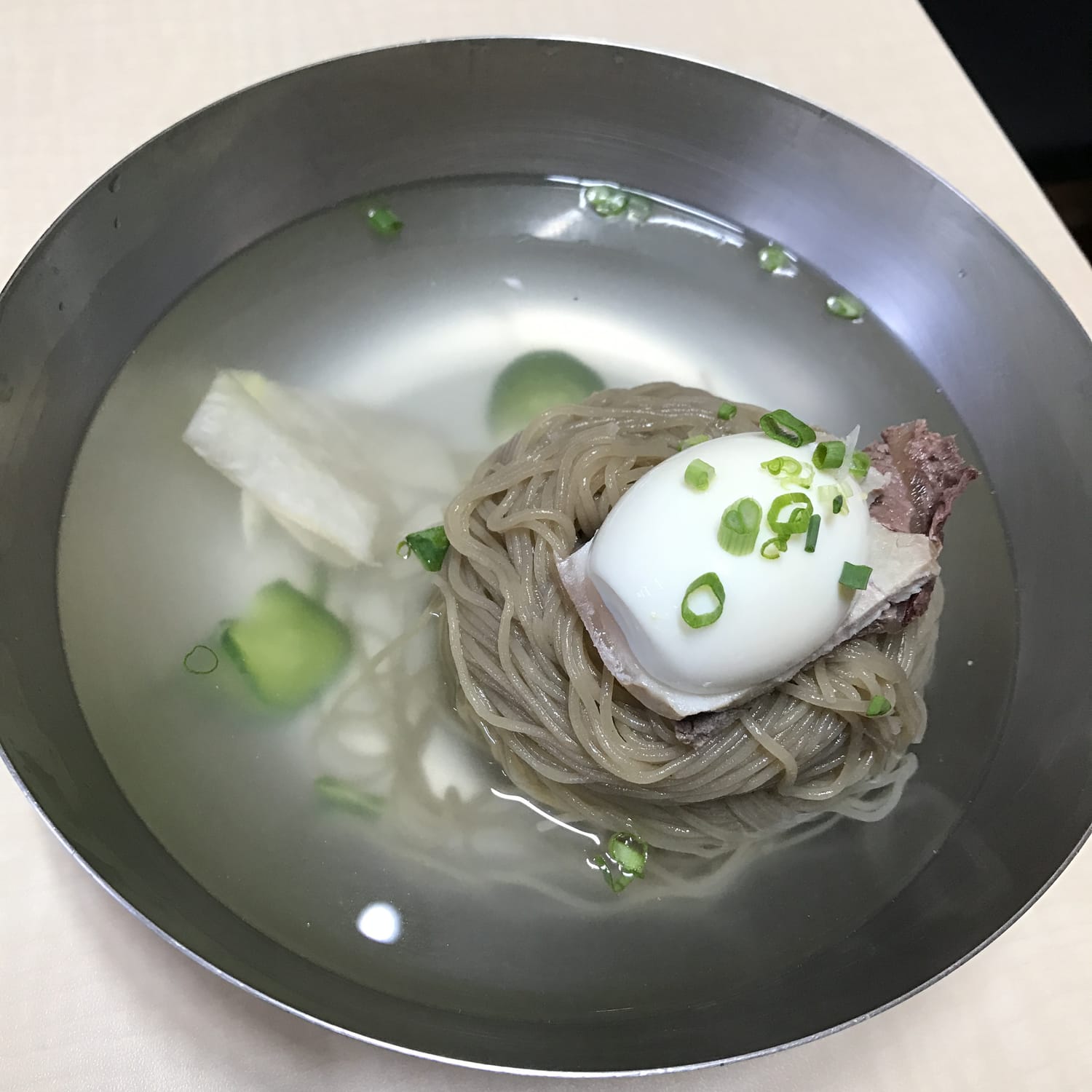
Foreigners who eat cheonggukjang and even hongeo still will not pay for this twice. A Korean creator who fed foreigners for years says naengmyeon was the overwhelming number one refusal, and Koreans, who rank it first every summer, cannot see why.