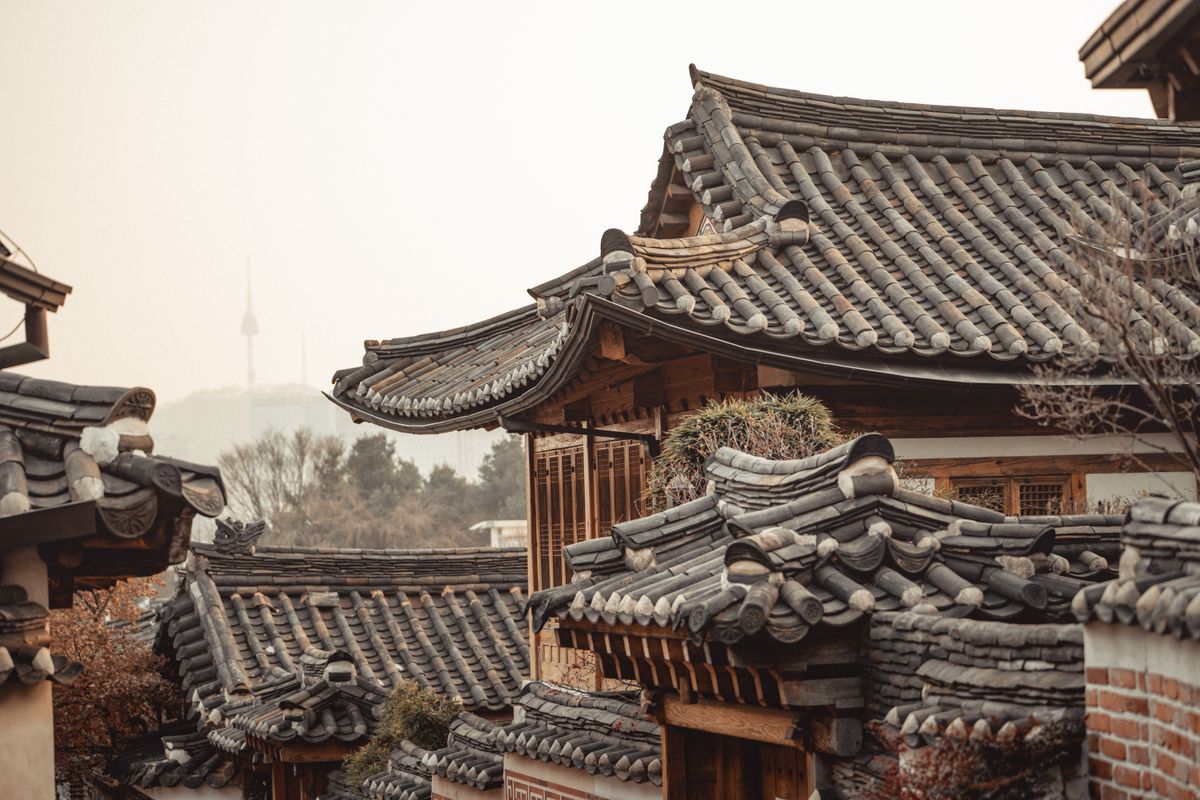
Korean Floor Culture: Shoes, Ondol, Slippers, Low Tables
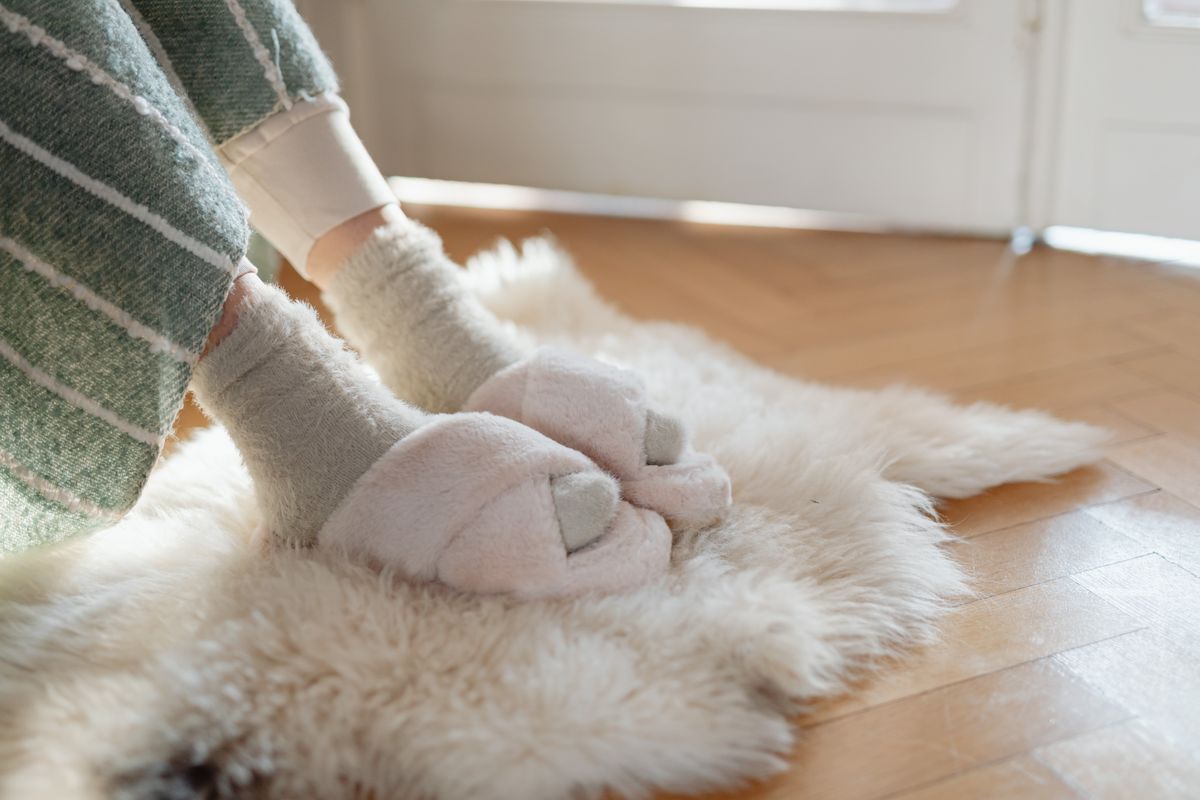
Korean floor culture starts before you sit down. It starts at the door, where outside shoes come off, indoor slippers may appear, bags get placed carefully, and the floor becomes part of daily life instead of just something under furniture.
For many visitors, this is one of the first Korean home habits that feels different. You may see low tables, floor cushions, heated floors, bedding laid on the floor, slippers in bathrooms, and a sharp mental boundary between "outside dirt" and "inside clean." In hotels, hanok stays, guesthouses, Korean apartments, restaurants, jjimjilbangs, clinics, schools, and some traditional spaces, the rules shift slightly, but the logic stays connected: the floor is usable space.
This guide explains why Korean homes start at the floor, how ondol shaped the habit, why shoes come off, when slippers matter, and what foreigners should do as guests.
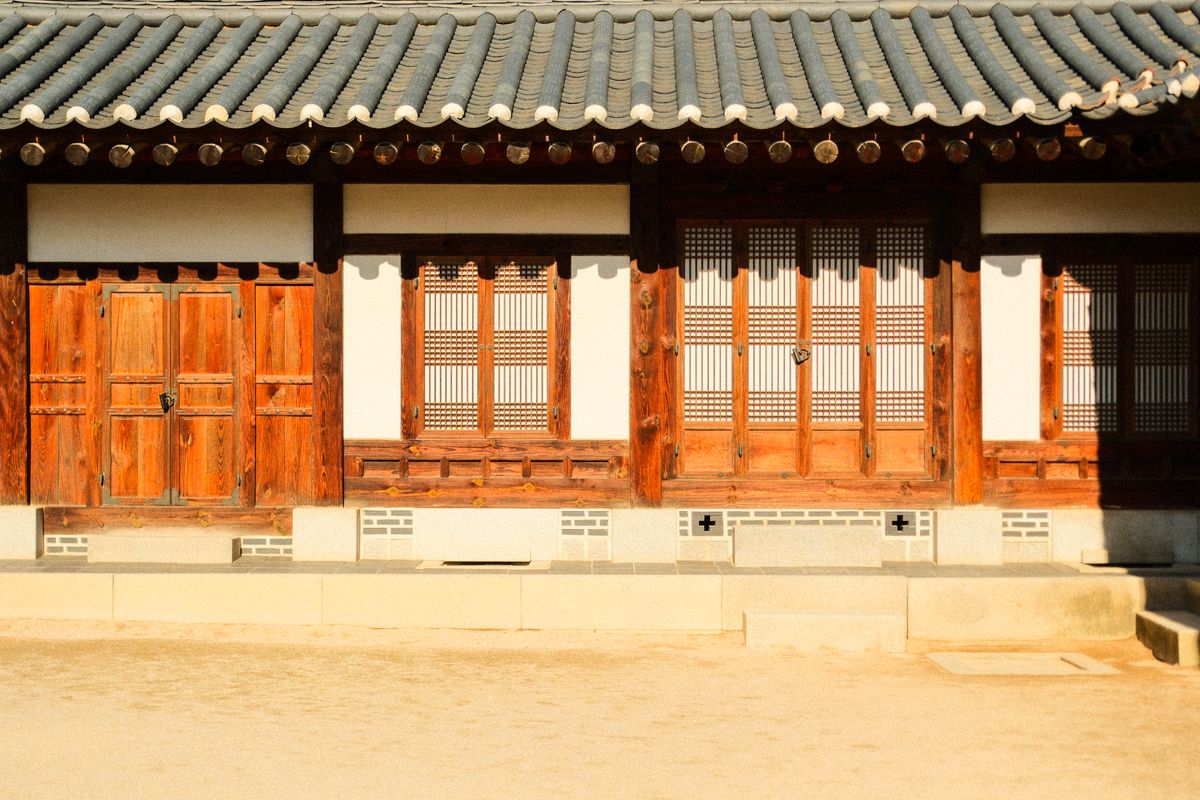
Quick Answer: Why Do Koreans Take Off Shoes Indoors?
Koreans take off shoes indoors because the home floor is treated as clean, usable living space. People may sit, stretch, eat, play with children, fold laundry, sleep, and relax on or near the floor. Outside shoes bring dirt, dust, rain, street residue, and bathroom-floor contact into that space.
This habit also connects to ondol, Korea's heated-floor tradition. Historically, warm floors made floor-level living comfortable in winter. In modern apartments, underfloor heating continues that relationship between heat and the floor. The result is a home culture where the floor is not an afterthought; it is a major comfort surface.
That does not mean every Korean sits on the floor all day. Modern Korean homes also have sofas, beds, desks, dining tables, and office chairs. The point is that the floor remains socially and practically important in a way many visitors from shoe-on cultures may not expect.
| Habit | What It Means | Visitor Tip |
|---|---|---|
| Shoes off at entrance | Outside and inside are separate zones | Pause at the doorway and follow the host's lead |
| Indoor slippers | Some homes prefer foot covering without outdoor dirt | Use guest slippers if offered, but do not wear bathroom slippers around the home |
| Heated floor | The floor can be a comfort surface in winter | Do not block heating controls or complain before learning how it works |
| Low tables and cushions | Eating, snacking, tea, and gathering can happen near the floor | Sit modestly and avoid pointing feet at people or food |
| Floor bedding | Some hanok and guesthouse stays use mats or floor bedding | Air out bedding if instructed and keep luggage off clean bedding |
Indoor slippers and house shoes — compare on AmazonAffiliate link. As an Amazon Associate, EpicKor earns from qualifying purchases at no extra cost to you.
If you want to understand modern Korean etiquette more broadly, EpicKor's Korean age system guide, Korean male terms guide, and Korean photo booth culture guide show how everyday rules can carry social meaning beyond their surface.
Ondol: The Warm Floor Behind The Habit
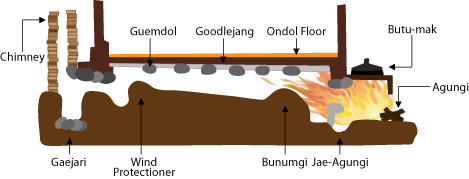
Ondol is the traditional Korean heated-floor system. In older forms, heat and smoke from a firebox traveled under a raised masonry floor through flues before exiting through a chimney. The floor absorbed and radiated heat, making a room comfortable from below. For background, ondol and the related agungi firebox are often described as key parts of traditional Korean heating.
Modern Korean apartments do not use the old smoke-under-stone system. They usually use modern underfloor heating, but the cultural memory remains: a warm floor is normal, desirable, and deeply tied to home comfort.
This matters because furniture habits follow heating habits. If the warmest surface in winter is the floor, then sitting, sleeping, eating, reading, and gathering closer to the floor make sense. Low tables, floor cushions, thin mats, folded bedding, and heated living rooms all belong to the same logic.
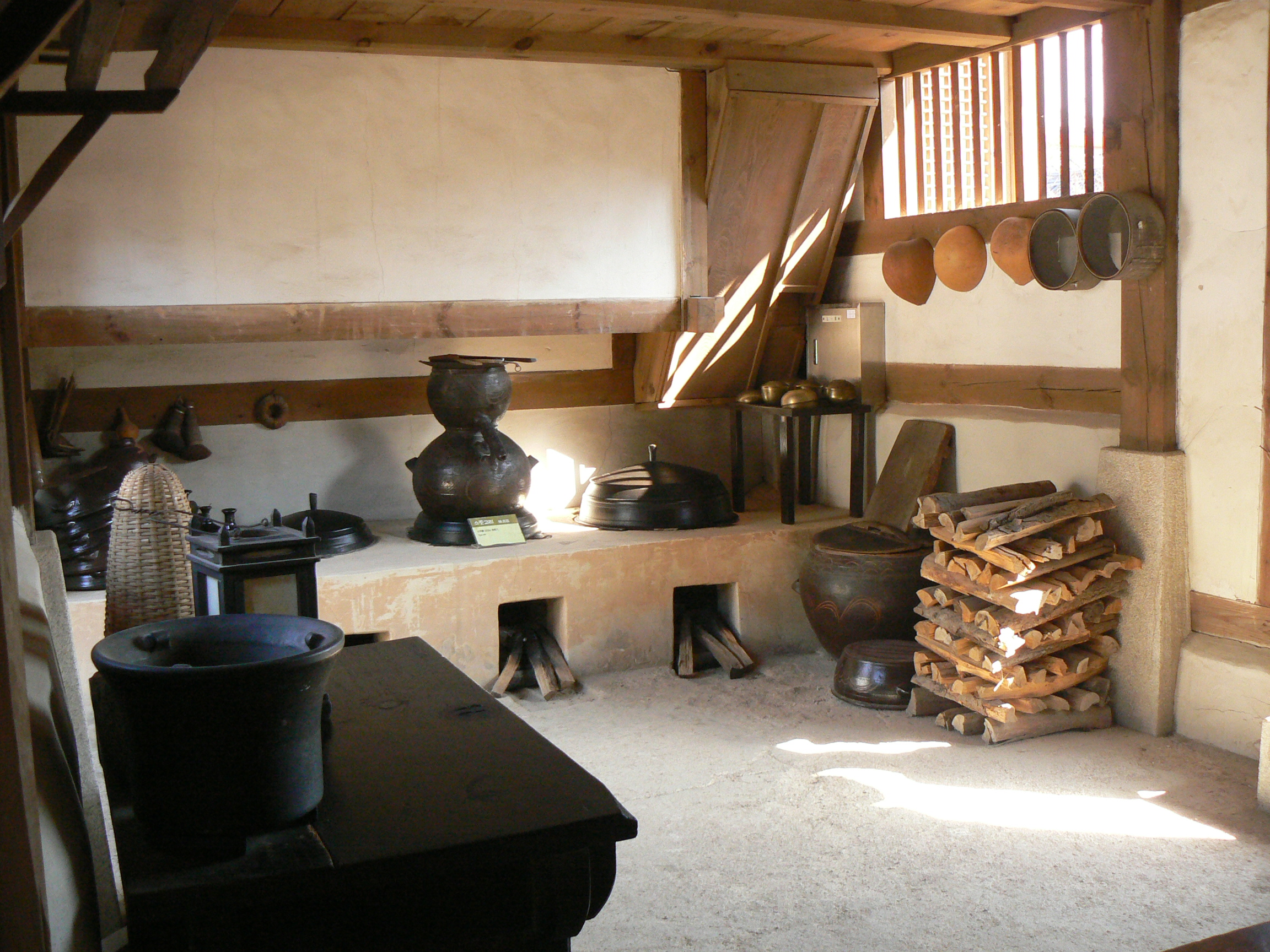
Ondol also changes how people think about comfort. In some countries, warmth means a fireplace, radiator, carpet, or forced-air system. In Korea, it can mean stepping onto a warm floor after a cold day. That is why visitors staying in a hanok, pension, or Korean apartment may notice that the room feels different from a Western-style heated room.
The caution: do not romanticize every floor as old Korea. A modern apartment with underfloor heating, a smart thermostat, a sofa, and a TV is modern life. The tradition matters, but Korean homes are not museum sets.
Shoes, Slippers, And The Entrance Zone
The entrance area in a Korean home is usually a boundary. The lower entrance step or shoe area is where outside shoes stay. The raised interior floor is the clean zone. Even if you do not know the Korean word for it, you can usually read the architecture: shoes belong below or beside the entry, not in the main room.
As a guest, the safest routine is:
- Stop at the entrance.
- Watch where the host places shoes.
- Remove your shoes before stepping fully inside.
- Point shoes neatly toward the exit if appropriate.
- Wear guest slippers only if offered.
- Keep socks clean and hole-free.
Clean socks matter more than visitors expect. If you know you will visit a home, temple stay, traditional restaurant, clinic, or shoe-off space, wear socks you are comfortable showing. Bare feet may be acceptable in some casual settings, but socks are usually safer and more polite.
Slippers vary. Some homes use indoor slippers. Some prefer socks only. Some provide bathroom slippers that should stay in the bathroom. This is a common foreigner mistake: wearing bathroom slippers back into the living room. Bathroom slippers are not general house slippers. If a pair is clearly placed in the bathroom, leave it there.
Set up a clean indoor routine at home: As an Amazon Associate, EpicKor may earn from qualifying purchases. If Korean floor culture made you rethink shoes indoors, compare indoor slippers and house shoes, floor cushions and low tables, and Korean culture books. The goal is not to copy a home perfectly; it is to understand why the floor matters.
Low Tables, Floor Sitting, And Everyday Life
Low tables in Korea are not only traditional decor. They can be practical household furniture. A low table can become a place for fruit, tea, late-night snacks, delivery food, homework, laptop work, folding laundry, board games, or watching TV.
Floor sitting also appears outside homes. Some Korean restaurants have floor seating, though many now offer chairs or mixed seating. Jjimjilbangs, ondol rooms, hanok stays, and pension rooms may use floor mats or low tables. Korean family gatherings may still include people sitting around a low table for snacks or fruit after a meal.
For visitors, the challenge is physical. Floor sitting can be uncomfortable if you are not used to it. Knees, hips, backs, and ankles may complain. That does not mean you are disrespectful. It means your body has different habits.
If you need a chair, ask politely where possible. In restaurants, check photos before booking. In hanok stays, read room descriptions carefully. In temple stays, ask about seating and mobility if needed. Korea is modern and diverse, but some spaces still assume floor-level comfort.
When sitting near a low table, avoid stepping over food, placing feet toward dishes, or putting bags on the eating surface. Keep your phone, camera, and belongings from spreading across shared floor space. If bedding is laid out, do not walk over it with dirty socks or place luggage on it.
Modern Apartments Are Not Traditional Museums
One mistake foreigners make is turning every Korean home detail into an ancient tradition. Modern Korean apartments are modern. Many have beds, sofas, robot vacuums, air purifiers, kitchen islands, desks, gaming chairs, and Western-style dining tables. People work long hours, order delivery, watch streaming shows, charge phones, and live like modern urban people.
But the floor still matters.
Modern underfloor heating makes winter comfortable. Shoe-off habits keep interiors cleaner. Floor space gives children room to play. Low tables are convenient for snacks. Foldable mats and bedding make rooms flexible. Slippers bridge clean floors and cold feet. Even in a very modern apartment, the floor can remain active space.
This flexibility is important in dense cities. A room can be a living room by day, sleeping space at night, study space in the afternoon, and delivery-food zone during a drama marathon. Furniture can be lighter, foldable, or easier to move. The floor is part of that adaptability.
Compare it with a home culture built around shoes, wall-to-wall carpet, raised beds, fixed dining rooms, and central heating. Neither is automatically better. They just train the body differently. In Korea, many people are comfortable using the floor directly because the home has been organized around that possibility.
Guest Etiquette In Korean Homes And Stays
If you are invited to a Korean home, the shoe rule is the first test, but not the only one.
Be careful with luggage. Suitcase wheels roll through streets, stations, bathrooms, sidewalks, and airports. Do not drag a suitcase across a clean living-room floor unless the host says it is fine. Wipe wheels if needed. Put luggage near the entrance, on a mat, or where the host indicates.
Bring socks. If you are wearing sandals, carry socks in your bag. This is especially useful for home visits, temple stays, some restaurants, clinics, traditional guesthouses, and hanok spaces.
Watch bathroom slippers. If you see plastic slippers inside a bathroom, use them there and leave them there. Do not carry bathroom wetness into the living area.
Ask before changing heating controls. Underfloor heating can take time to warm or cool. Turning it high because you feel cold for ten minutes can make the room too hot later. In guesthouses and rentals, learn the controller or ask the host.
Keep food and floor boundaries clear. If a low table is used for eating, do not place dirty bags on it. If people sit on the floor, do not step between bodies and food carelessly.
Hotels, Hanok Stays, And Restaurants
Hotels in Korea vary. International hotels usually feel familiar: shoes may stay near the entrance, beds are standard, bathrooms are Western-style, and staff will not expect you to know every household custom. But even in hotels, many Korean guests still remove shoes or change into slippers because it feels cleaner.
Hanok stays are different. Many use floor bedding, low tables, and ondol-style rooms. That can be wonderful if you expect it and frustrating if you imagined a Western hotel bed. Read photos carefully. "Traditional room" often means floor-level sleeping. If you have back or mobility concerns, confirm before booking.
Restaurants can also vary. Some older or traditional restaurants have raised floor seating where shoes come off. Many modern restaurants use chairs. Some offer both. If you are traveling with older relatives, kids, or anyone with knee pain, check seating photos before choosing a place.
Temple stays and jjimjilbangs have their own rules. Temple spaces emphasize modesty and respect. Jjimjilbangs are bathhouse and relaxation spaces where floor lounging is normal, but shoe, clothing, and bathing rules are specific. Do not transfer one setting's rules carelessly to another.
For more on Korean public-space movement, EpicKor's Korea coin laundry guide and Korea temple stay guide show how small etiquette details can affect everyday travel comfort.
Make floor comfort practical, not performative: If you want a home setup inspired by Korea, compare indoor slippers, floor cushions and low tables, and small laundry bags. Clean floors stay easier when outdoor shoes, indoor wear, and fabric clutter each have a place.
FAQ
Q: Why do Koreans remove shoes at home?
Because the home floor is treated as clean living space. People may sit, eat, relax, play, sleep, or fold laundry near the floor, so outside shoes are kept away from the interior.
Q: What is ondol?
Ondol is Korea's heated-floor tradition. Older systems used heat from a firebox moving under the floor through flues. Modern Korean homes usually use modern underfloor heating, but the floor-centered comfort habit continues.
Q: Should I wear socks in a Korean home?
Yes, socks are usually a safe choice. If you are wearing sandals, carry clean socks when visiting homes, traditional restaurants, temple stays, or shoe-off spaces.
Q: Are indoor slippers required?
Not always. Some homes provide guest slippers, some prefer socks, and some have bathroom-only slippers. Follow the host's lead. Never wear bathroom slippers around the living space.
Q: Do Korean people still sleep on the floor?
Some do, especially in hanok stays, guest rooms, pensions, or flexible family spaces. Many Koreans also use beds. Modern Korea includes both floor bedding and Western-style beds.
Q: Is floor sitting uncomfortable for foreigners?
It can be, especially if you are not used to it. If you have knee, hip, back, or mobility issues, check seating before booking restaurants, hanok stays, or temple programs.
Bottom Line
Korean floor culture is a practical system, not a random rule. Shoes come off because the floor is clean living space. Ondol made warm floors central to comfort. Slippers, socks, low tables, mats, and floor bedding all fit that logic.
As a visitor, you do not need to master every custom. Start at the entrance, remove shoes, watch the host, respect bathroom slippers, keep luggage wheels off clean floors, and treat the floor as part of the room. Once you understand that, Korean homes, hanok stays, temple rooms, and floor-seat restaurants make much more sense.
You Might Also Like
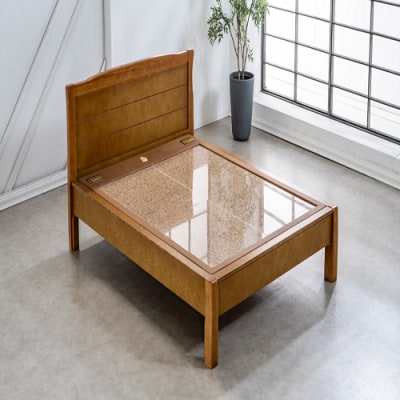
Korean Stone Beds: What They Cost, and Why Anyone Sleeps on Rock
A Korean stone bed is a slab of granite in a wooden frame, heated from underneath, and the entry model costs ₩3,470,000 — about $2,510. Here is what 돌침대 actually is, why Koreans buy it, and the one thing Korean doctors say you must add to it.
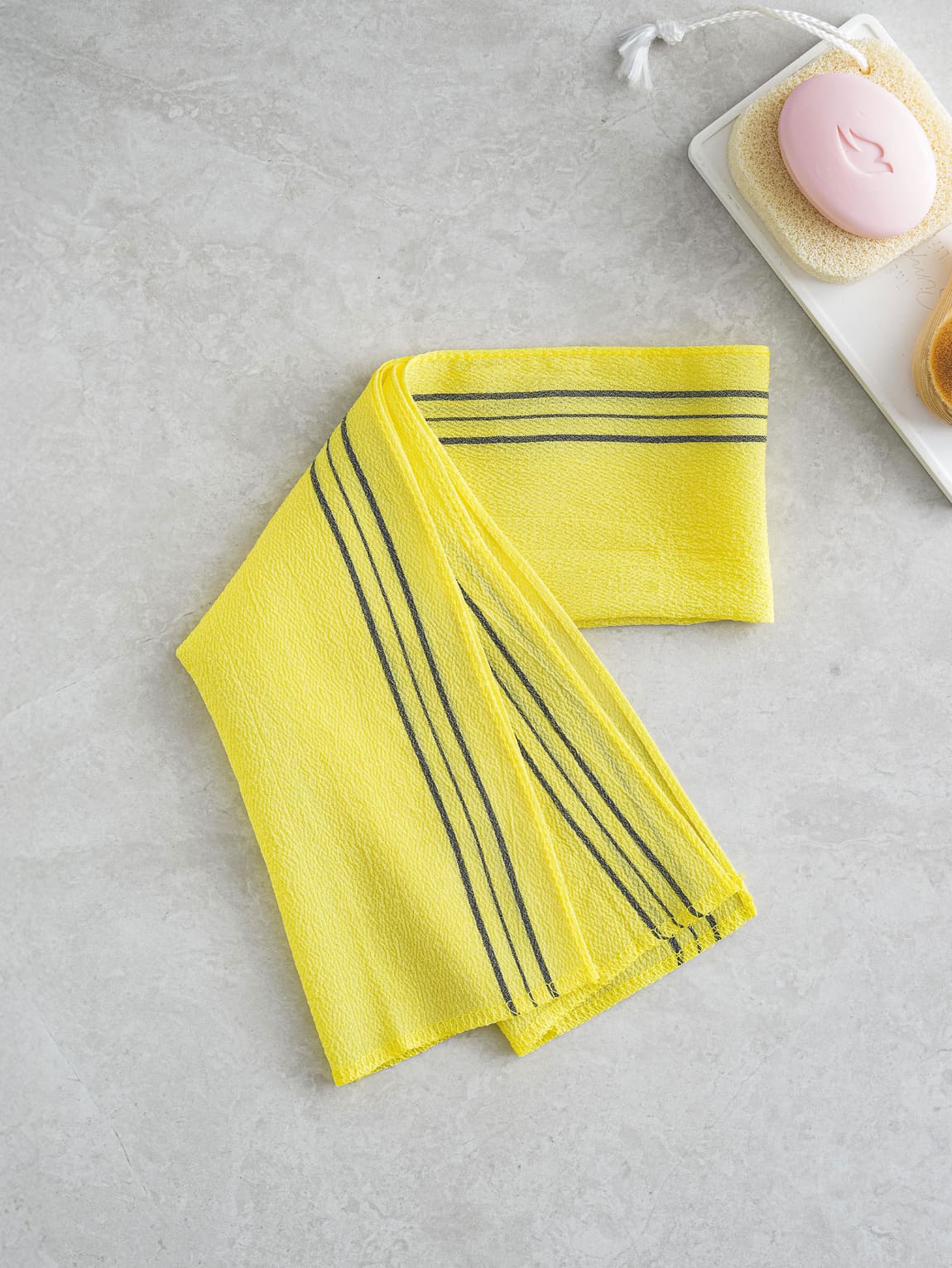
Korean Exfoliating Towels: What the Colours Mean, and How Often to Use One
English listings sell Korean exfoliating towels by a colour code — pink soft, blue coarse, green standard. Korean sources have no such code; green was simply the first one made. The real variable is the soak, and Korean dermatologists cap use at once a week.
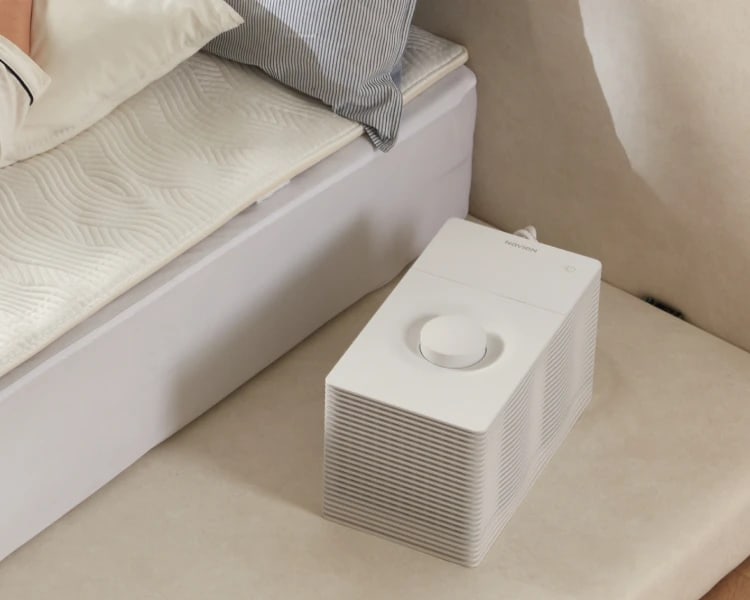
Korean Heated Mattress Pads: Water vs Electric, and Why Korea Has Both
Korea sells two kinds of heated bed mat: an electric one and one with a small boiler that pumps warm water through the mattress pad. Here is why the second category exists, what Korea's own safety regulator says about both, and which to buy.