
Suwon Day Trip from Seoul: Hwaseong Fortress, Haenggung, and Food
Suwon is one of the easiest day trips from Seoul that still feels like a real change of scene. It gives you UNESCO-listed fortress walls, royal history, a walkable old-city core, Haenggung-dong cafes, famous galbi, and enough modern life to keep the day from feeling like a museum assignment.
The key is not to treat Suwon as "Seoul but farther." Suwon has its own logic. The fortress is not one gate you photograph and leave. Hwaseong Fortress surrounds part of the city, climbing hills, crossing flat streets, and giving you choices: a long wall walk, a palace stop, a cafe break, a market-style food route, or a sunset view.
This guide explains how to plan a Suwon day trip, what to see at Hwaseong Fortress and Hwaseong Haenggung, how much walking to expect, where Haenggung-dong fits, what to eat, and when to choose Suwon over other Seoul-area trips.

Korean culture and history books — compare on AmazonAffiliate link. As an Amazon Associate, EpicKor earns from qualifying purchases at no extra cost to you.
Quick Answer: Is Suwon Worth a Day Trip From Seoul?
Yes. Suwon is worth a day trip if you want Korean history without a long intercity journey. It is especially good for travelers who like walking, fortress views, traditional architecture, local food, and neighborhoods that feel less saturated than central Seoul.
UNESCO describes Hwaseong Fortress as a late-18th-century Joseon fortress surrounding the center of Suwon, built by King Jeongjo for defensive purposes, as a new political base, and to house the remains of his father, Crown Prince Jangheon. UNESCO also notes the walls are 5.74 km long and incorporate defensive features such as gates, observation towers, command posts, secret gates, and bastions. See the UNESCO World Heritage Centre page for Hwaseong Fortress.
If you only have one day, choose three anchors: Hwaseong Fortress, Hwaseong Haenggung, and Haenggung-dong food/cafes.
| Suwon Stop | Best For | Time Needed | Beginner Tip |
|---|---|---|---|
| Hwaseong Fortress wall | UNESCO history, views, walking | 1.5-3 hours | You do not need to walk the entire wall. |
| Hwaseong Haenggung | Royal temporary palace context | 45-75 minutes | Pair it with nearby cafes and streets. |
| Haenggung-dong | Cafes, small shops, newtro streets | 1-2 hours | Best after the fortress or palace. |
| Suwon galbi | Local food identity | 1.5 hours | Check price and portion before sitting. |
| Evening view | Photos and slower atmosphere | 45-90 minutes | Plan your return train or subway first. |
Why Hwaseong Fortress Matters
Hwaseong Fortress is not only old stone. It is a planned city project tied to King Jeongjo's politics, filial devotion, military planning, and late Joseon practical learning. Korea.net explains that construction began in January 1794 and was completed by 1796, after King Jeongjo relocated his father's tomb and envisioned Suwon as a new royal city. See Korea.net's background on Hwaseong Fortress construction.
That story matters because it makes the wall more than a scenic loop. You are walking through a project that combined defense, politics, urban planning, and symbolic memory. UNESCO notes that Hwaseong differed from fortresses in China and Japan because it combined military, political, and commercial functions and made use of the terrain.
In practical terms, you can experience that by walking just one strong section rather than trying to conquer the full distance.
Worth comparing: As an Amazon Associate, EpicKor may earn from qualifying purchases. Before a history-heavy Seoul-area trip, compare Korean culture and history books so Suwon, palaces, and fortress cities connect into one story.
How to Get to Suwon From Seoul
The simplest route depends on where you start. Many travelers reach Suwon by Seoul Subway Line 1, ITX, Mugunghwa, or other rail options, then transfer by bus, taxi, or walking route toward the fortress area. The exact best route changes with your hotel, date, and tolerance for transfers.
Use Naver Map or Kakao Map on the day. Search for Suwon Station, Hwaseong Haenggung, Janganmun, or Paldalmun depending on the route you want. If you are new to Korean transit, read EpicKor's Korea app setup guide, payment setup guide, and Seoul subway etiquette guide before the day trip.
Do not underestimate the final local leg. Suwon Station is useful, but the fortress area is not simply outside the station door for every route. A short taxi can be worth it if weather is bad or your group is tired.
A Realistic Suwon Day Trip Itinerary
For a first visit, do not try to walk every wall section, visit every museum, eat every famous food, and still return relaxed. Choose a route that leaves space.
| Time | Plan | Why It Works | Adjustment |
|---|---|---|---|
| Morning | Seoul → Suwon → fortress gate area | Arrive before crowds and heat | Taxi from station if needed. |
| Late morning | Walk one fortress section | Gives views and historical context | Shorten if weather is harsh. |
| Lunch | Suwon galbi, local meal, or casual Korean food | Food anchors the day | Reserve or shortlist backups. |
| Afternoon | Hwaseong Haenggung and Haenggung-dong | History plus cafes and streets | Swap order in summer heat. |
| Evening | Sunset wall view or early return | Protects energy and transit | Check last comfortable train/subway. |
For a longer Korea route, compare Suwon with EpicKor's Jeonju day trip guide, DMZ tour guide, and best places to visit in Korea.
Hwaseong Haenggung and Haenggung-dong
Hwaseong Haenggung was a temporary palace used when the king visited Suwon. It gives the fortress day a human and royal center. The wall shows defense and planning; the palace shows how royal movement and city design connected.
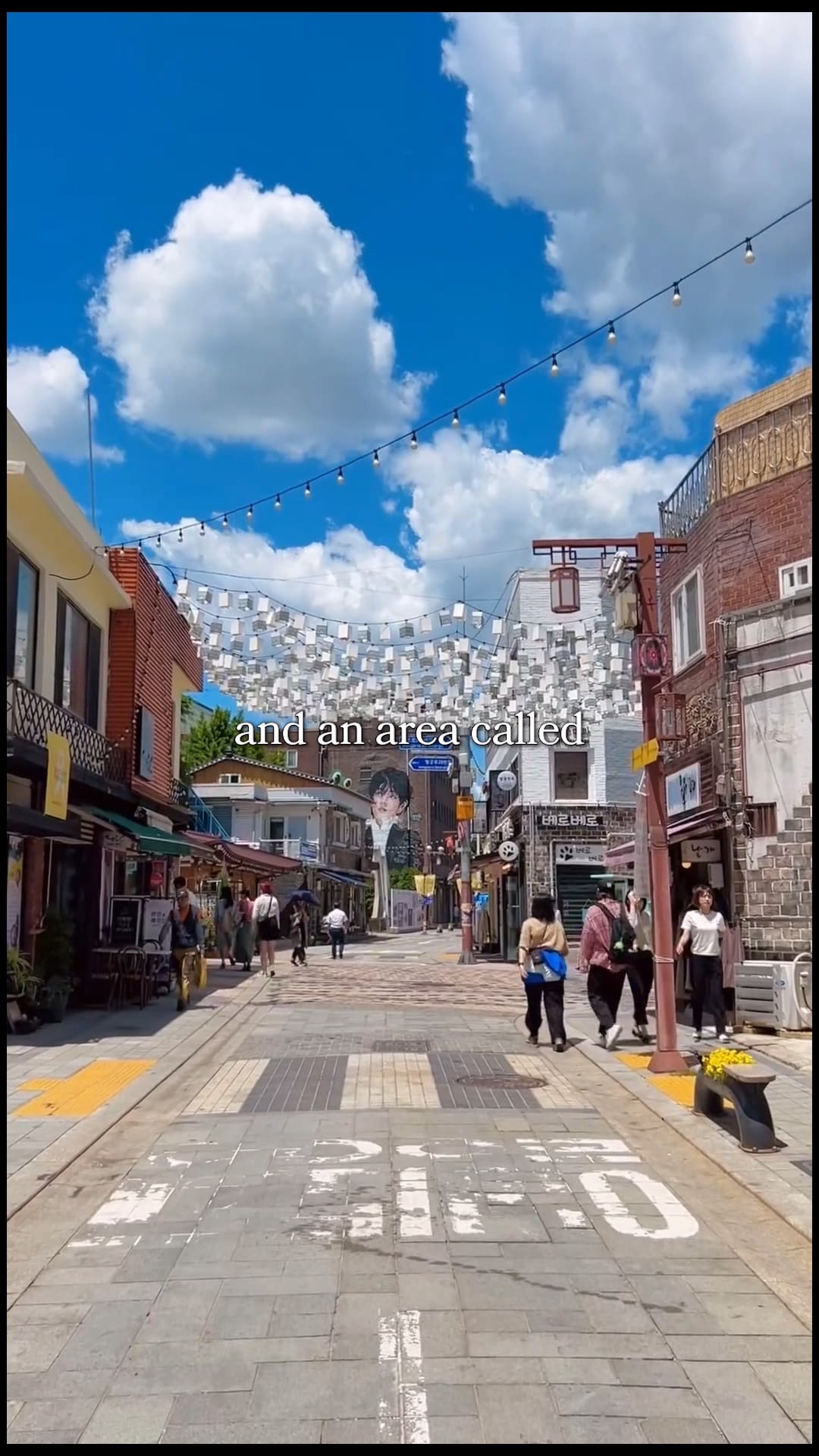
Nearby Haenggung-dong gives the day its modern layer. Old houses, small cafes, shops, restaurants, and photo-friendly streets create the newtro mood that younger Korean visitors like. This is not the same as wandering Hongdae or Seongsu. It is slower and more history-adjacent.
The trick is to keep the cafe break in service of the route. Eat, rest, cool down, then continue. Do not let one cafe line consume the day if the fortress is the reason you came.
What to Eat in Suwon
Suwon is famous for galbi, especially large beef ribs often marketed as Suwon wang galbi. It can be a memorable meal, but it is not always cheap. Check the menu and portion size before ordering, especially if you are solo or budget-sensitive.
If galbi is too heavy or expensive, choose a simpler meal near the fortress area: noodles, gukbap, bibimbap, dumplings, fried chicken, cafe food, or market snacks. A good day trip does not fail because you skipped the most famous dish.
If the table includes many side dishes, EpicKor's Korean banchan guide will help you understand what is included, what may be refillable, and how the meal structure works.
Walking-day helper: For a fortress day that mixes trains, hills, and cafes, compare Korea travel essentials like a compact umbrella, day bag, and power bank before overpacking.
Best Season and Weather Tips
Spring and autumn are easiest for Suwon because the fortress involves outdoor walking. Summer can be hot and humid, with rain risk. Winter can be clear and beautiful but cold, especially on exposed wall sections.
Bring comfortable shoes. The fortress includes slopes, stairs, stone paths, and exposed areas. A perfect-looking outfit that cannot handle walking will make the day worse. In summer, start earlier, carry water, and use cafes strategically. In winter, wear real layers.
EpicKor's best time to visit Korea, rainy season guide, and summer packing list can help choose the right day.
Common Suwon Mistakes
Avoid these:
- starting too late and arriving during the hottest part of the day;
- assuming Suwon Station equals fortress entrance;
- trying to walk the entire wall without checking energy;
- choosing galbi without checking price;
- spending too long in a cafe line;
- forgetting the return route;
- treating the UNESCO site as only a photo background.
The best Suwon day balances three things: one serious historical walk, one good meal, and one relaxed neighborhood break.
Suwon vs. Other Seoul Day Trips
Choose Suwon when you want history that still feels physically walkable. The fortress gives you views, movement, and a sense of urban design. It is less emotionally heavy than the DMZ, less food-saturated than Jeonju, and easier than planning a far regional trip. That makes it a strong second or third full day for travelers who have already seen one palace in Seoul and want to understand how royal power looked outside the capital.
Choose the DMZ instead if your priority is modern division and security history. Choose Jeonju if your priority is hanok streets and food identity. Choose Incheon or the airport area if your schedule is shaped by flights. Choose the Korean Folk Village if you want a more curated traditional-life attraction with performances and reconstructed scenes.
Choose Gyeongju instead if you want Silla history, UNESCO temples, royal tombs, and a slower overnight heritage route; EpicKor's Gyeongju travel guide is the better fit for that plan.
Suwon is best when you want a real city, not a sealed attraction. Cars pass, residents walk dogs, students sit in cafes, and the fortress remains part of the urban fabric. That can be less tidy than a theme park, but it is more interesting. You are seeing how Korea maintains a heritage site while people continue living around it.
Photo and Walking Strategy
For photos, do not only stand at the first gate. Walk until the wall starts changing elevation or the city opens below you. Early morning and late afternoon usually give softer light. Midday can be harsh, especially in summer, but it is still manageable if you use palace interiors, cafes, and shaded streets as breaks.
For walking, decide your maximum before you start. A full-wall ambition sounds romantic at breakfast and feels different after stairs, lunch, sun, and the return trip. A good half route with attention is better than a full loop you barely remember.

Video Insight: The Charm of Suwon
FAQ
Q: How far is Suwon from Seoul?
Suwon is south of Seoul and can be reached by subway or rail, but the exact time depends on your starting station and transfer plan.
Q: Is Hwaseong Fortress free?
Access rules and fees can vary by facility and section, so check current Suwon cultural foundation or official tourism information before visiting.
Q: Do I need to walk the whole fortress wall?
No. The wall is long enough that many travelers should choose one scenic section rather than forcing the full loop.
Q: What food is Suwon famous for?
Suwon is famous for galbi, especially large beef ribs, but casual meals near the fortress area can also make a good day trip.
Q: Is Suwon good in summer?
It can be, but heat, humidity, and rain make pacing important. Start early, carry water, and plan indoor or cafe breaks.
Q: Should I visit Suwon or Jeonju?
Choose Suwon for an easy Seoul-area fortress day. Choose Jeonju for a longer food-and-hanok city experience that feels farther from Seoul.
You Might Also Like
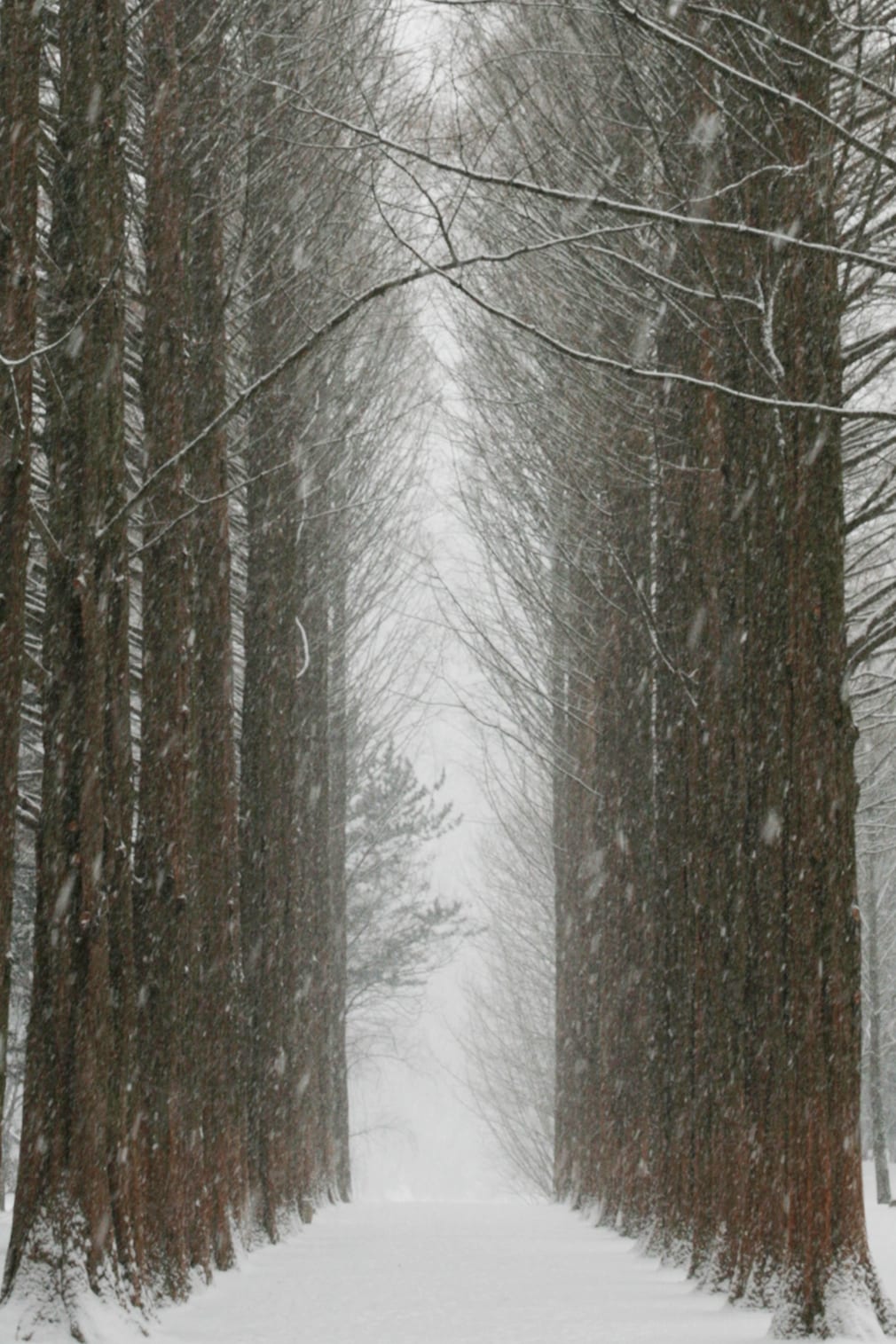
Nami Island Day Trip from Seoul 2026: Ferry, Foliage, and Trees
Plan a Nami Island day trip from Seoul: how to get there, the ferry, the famous tree-lined lanes, free-roaming animals, and the best season to visit.

Boryeong Mud Festival 2026: Seoul Day Trip and Packing
A practical Boryeong Mud Festival 2026 guide: confirmed dates, ticket zones, what to pack, how to get there from Seoul, and what to avoid.
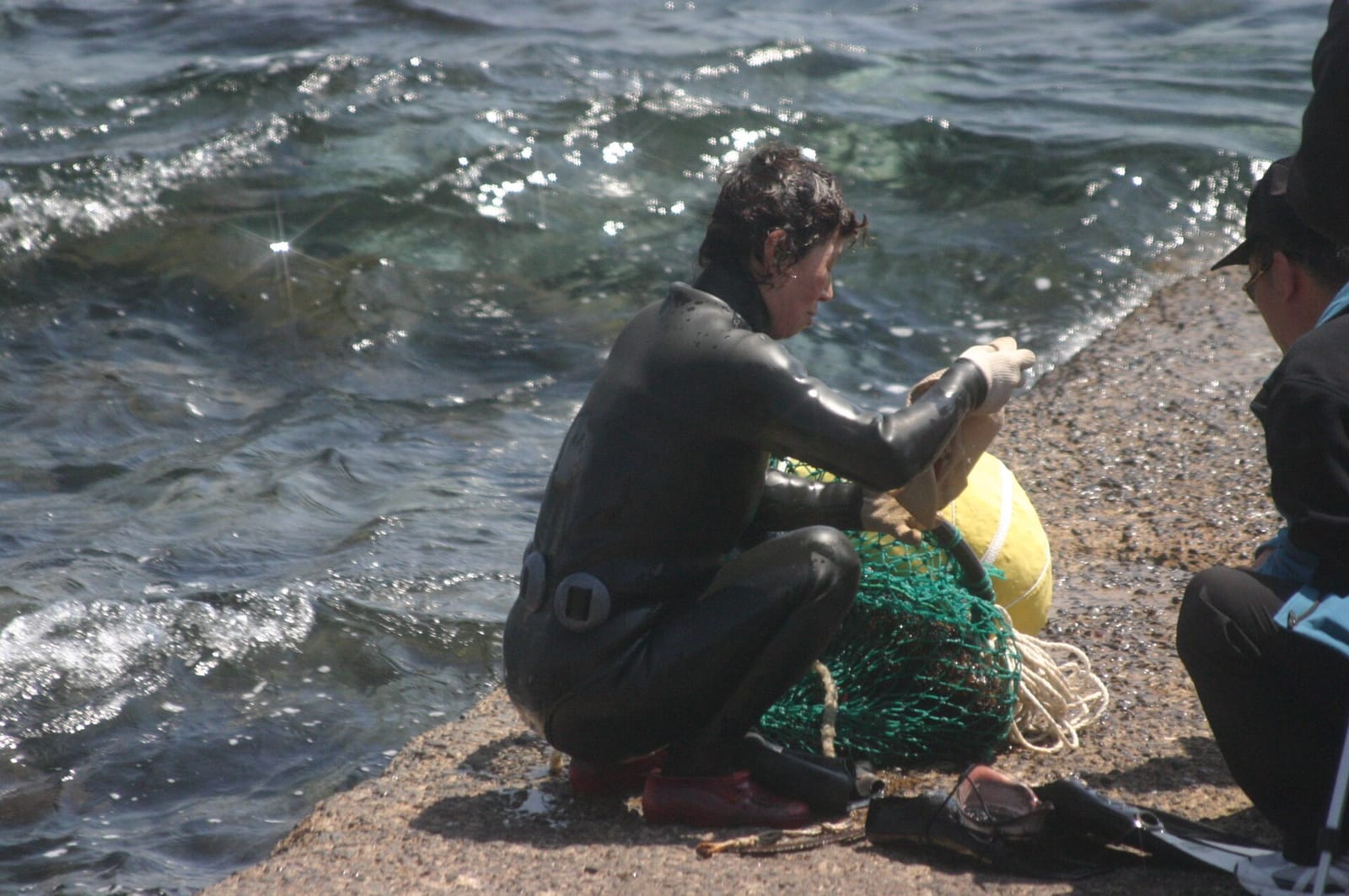
Haenyeo of Jeju: Korea's Free-Diving Sea Women, Explained
Who the haenyeo of Jeju are: Korea's free-diving sea women, their UNESCO-listed culture, diving ranks, and how to see them respectfully today.