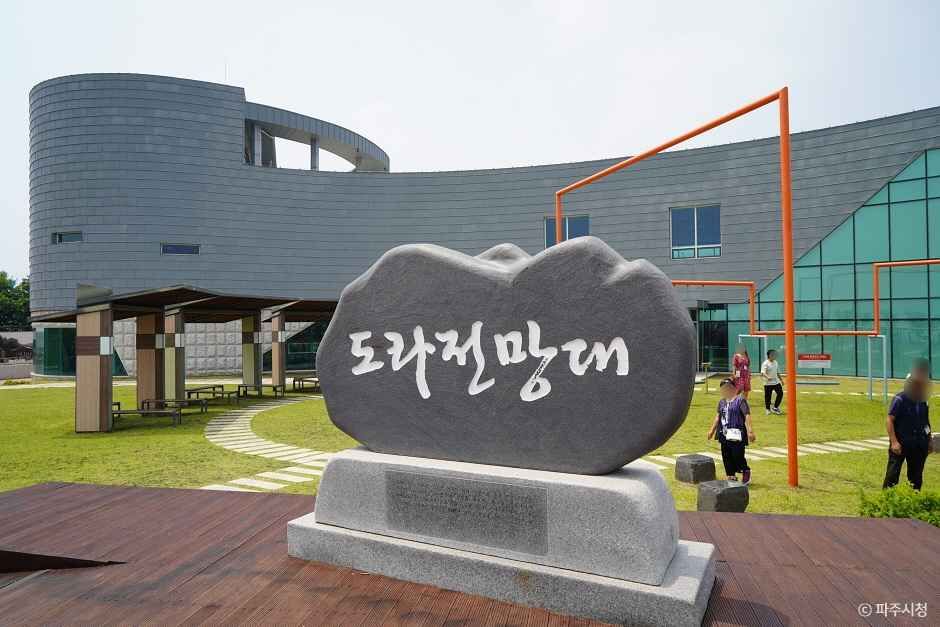
DMZ Tour from Seoul: Third Tunnel, Dora Observatory, and JSA
A standard DMZ tour from Seoul usually focuses on Imjingak, the Third Infiltration Tunnel, and Dora Observatory in Paju. It does not automatically include Panmunjeom or the Joint Security Area. As of this July 2026 update, the Korea Tourism Organization's regional DMZ guidance says Panmunjeom remains closed for civilian tours. Security conditions can change with little notice, so confirm the exact route immediately before paying.
That distinction matters because many listings use “DMZ tour” and “JSA tour” as if they were interchangeable. They are not. The DMZ is a 4-kilometer-wide buffer created by the 1953 Armistice Agreement. The Civilian Control Zone extends beyond it on the South Korean side. Panmunjeom sits inside the DMZ and has separate access controls under the United Nations Command framework.
This guide explains what a normal Paju tour includes, what the sites mean, how physically demanding the tunnel is, and how to choose a trip without turning a place of ongoing division into a checklist attraction.
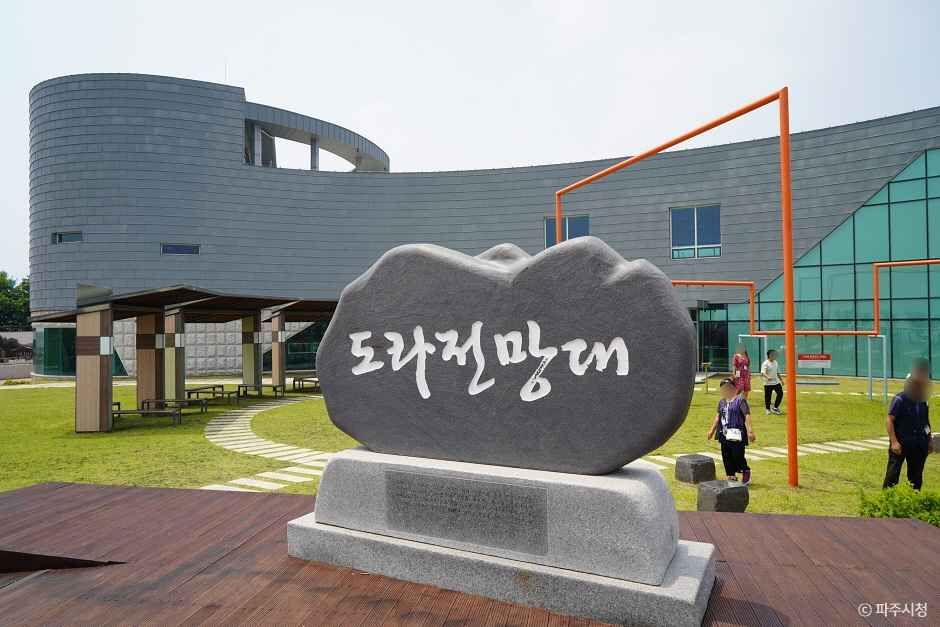
Dora Observatory is part of the controlled Paju DMZ route, not a place travelers can drive into independently.
DMZ Tour from Seoul: The Quick Answer
Book through the official Paju DMZ Peace Tourism channel or a reputable operator that states the route, ID rules, pickup point, cancellation policy, and whether admission fees are included. Bring the original passport or accepted identification named by the operator. Expect military checks, schedule changes, restricted photography, and walking on steep slopes.
| Site | What it shows | Typical access | Planning note |
|---|---|---|---|
| Imjingak | War memory, displaced families, rail and peace symbols | Public tourist area | Can be visited without entering the controlled route |
| Third Tunnel | One of the infiltration tunnels discovered south of the DMZ | Controlled tour | Steep, damp, and physically demanding |
| Dora Observatory | Views toward the DMZ, Gaeseong, and border landscape | Controlled tour | Visibility depends on weather and security |
| Panmunjeom/JSA | Armistice meeting area and blue conference buildings | Separate restricted program | Currently closed for civilian tours in KTO guidance |
Books on Korean history and society — compare on AmazonAffiliate link. As an Amazon Associate, EpicKor earns from qualifying purchases at no extra cost to you.
The safest source for current civilian status is VISITKOREA's Regional DMZ Attractions, which explicitly marks Panmunjeom tours as closed. For the Paju route, use the municipal DMZ Peace Tourism reservation site and verify the day's notices.
DMZ, Civilian Control Zone, and JSA Are Different Places
The Military Demarcation Line is the line between the two sides. The DMZ extends roughly 2 kilometers north and south of it. The Civilian Control Line sits farther south in some areas and regulates civilian access to sensitive border zones. A traveler can therefore enter a controlled area near the DMZ without standing on the Military Demarcation Line.
Panmunjeom, including the Joint Security Area, is a specific site where armistice talks and inter-Korean meetings have taken place. The blue conference buildings seen in news footage are not part of every Paju tour. If a seller advertises “see the JSA” while the official civilian program is suspended, ask for a written explanation of what the bus will actually visit.
This vocabulary is more than technical detail. It helps travelers avoid paying a JSA premium for a route that only stops at an observatory overlooking border areas.
Imjingak: Begin with the Human History
Imjingak is the public-facing gateway to many Paju tours. It includes memorials, the Freedom Bridge area, rail remnants, Mangbaedan altar, exhibitions, and newer tourism facilities. Families displaced from northern hometowns have used Mangbaedan for remembrance, especially around major holidays.
The site makes the division personal before the tour enters military-controlled space. Slow down at the memorials. Read what an object commemorates rather than treating old locomotives and bridges as dramatic photo props. Paju's official Imjingak tourism page describes the damaged railway infrastructure, memorials, and the bridge's connection to prisoners returning after the Korean War.
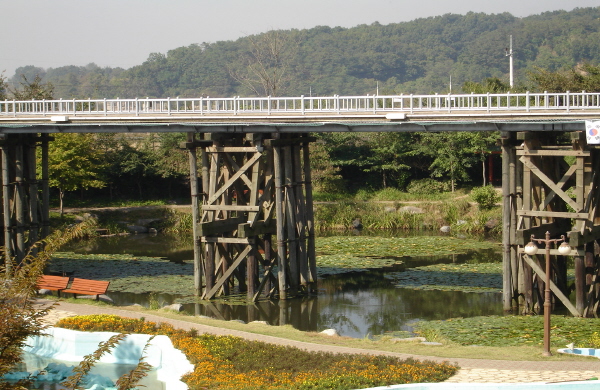
Imjingak is a place of family separation, war memory, and peace symbolism, not only a departure terminal.
If you want more context before the trip, EpicKor's Korean surname and clan guide explains why ancestral hometown and lineage can carry strong emotional meaning. The Seoul temple guide offers a different, quieter way to understand Korean memory and public ritual.
The Third Tunnel: What the Visit Is Actually Like
The Third Infiltration Tunnel was discovered in 1978. Visitors normally descend through a modern access passage to a limited section. The walk can feel steep, humid, and confined. Hard hats are commonly required, and tall visitors may need to stoop. Photography is restricted in the tunnel itself.
This is not a casual underground attraction for everyone. Travelers with heart, respiratory, knee, balance, or claustrophobia concerns should review the operator's physical-access notes and consider staying in the exhibition area. Do not let a group timetable pressure you into a descent that feels unsafe.
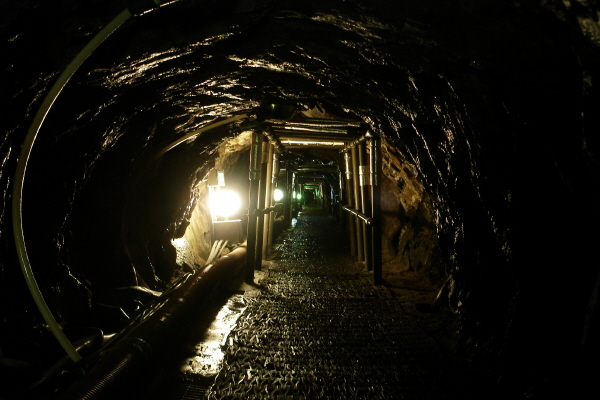
The tunnel descent is the most physically demanding part of many Paju DMZ itineraries.
The tunnel is often presented as proof of the unresolved security conflict, but a responsible guide should distinguish documented history from sensational language. Listen for sources, dates, and the limits of what visitors can see.
Read beyond the tour script: As an Amazon Associate, EpicKor may earn from qualifying purchases. Compare books on Korean history and society before or after the visit so a half-day itinerary is not your only explanation of the peninsula's division.
Dora Observatory: Weather Determines the View
Dora Observatory looks north across the border landscape. On a clear day, visitors may see Kaesong, surrounding mountains, farmland, and settlements through telescopes or large windows. Haze, rain, dust, and military restrictions can reduce or eliminate the view.
VISITKOREA's Dora Observatory page says individual visits are not allowed and access is through the DMZ Peace Tour from Imjingak. It also tells visitors to carry identification.
Do not choose a tour solely because a promotional photo shows a perfectly clear skyline. The observatory still has value when visibility is poor because the terrain, briefing, and location explain how close ordinary communities are to a militarized boundary.
JSA Status: Do Not Buy an Outdated Promise
The Joint Security Area is the famous cluster of blue conference buildings at Panmunjeom. It has operated under unique security protocols, and civilian access has repeatedly changed after political or military incidents. A page explaining the site's normal structure is not proof that tours are operating today.
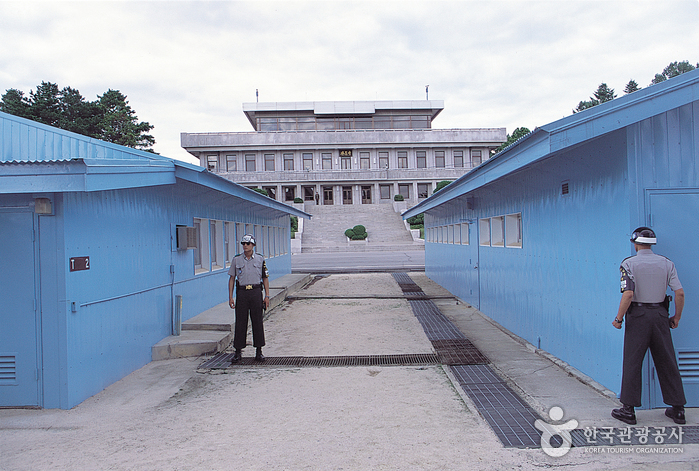
This is the recognizable JSA scene, but current KTO guidance says civilian Panmunjeom tours are suspended.
As of the date at the top of this article, VISITKOREA marks the civilian program closed. If that changes later, expect separate booking, identification, age, clothing, and conduct rules. Never assume you can step across the Military Demarcation Line inside a conference building. That experience depends on the exact security program and may not be offered even after limited tours resume.
Choosing a Half-Day or Full-Day Tour
A half-day route is enough for the core Paju circuit if pickup is efficient. A full-day product may add suspension bridges, memorial sites, shopping stops, or unrelated attractions. More hours do not automatically mean more DMZ access.
| Question | Good listing | Warning sign |
|---|---|---|
| What sites are included? | Names each stop and possible substitutes | Uses only “DMZ/JSA experience” |
| What ID is required? | States original passport or accepted ID | Says no documentation needed |
| What happens after closure? | Explains refund or replacement route | Promises access regardless of security |
| How difficult is the tunnel? | Mentions slope and mobility limits | Calls it effortless for everyone |
| Where are pickup and return? | Provides exact place and estimate | Hides transport details until payment |
Check whether lunch, admission, hotel pickup, and shopping stops are included. A cheaper tour may return to Seoul earlier and leave more time for the Seoul hanok guide or a museum. A longer history-focused day can pair well with the Jeonju historical itinerary on another date, but not on the same day.
Passport, Clothing, and Photography Rules
Carry the original identification specified by the official program or operator. A phone photo may not be accepted. Names on the booking should match the document. Security staff may inspect the bus or change the route.
Wear closed, comfortable shoes for the tunnel. Bring a light layer because underground and observatory temperatures can differ from Seoul. Avoid clothing with provocative political slogans or costumes that trivialize the site. JSA-specific dress codes matter only if an authorized JSA program is actually operating, but respectful clothing is sensible everywhere.
Photography rules can change by stop and direction. Follow the guide and military personnel. Do not photograph checkpoints, soldiers, equipment, or restricted terrain after being told not to. A deleted photo is a small consequence compared with delaying the entire group.
Keep the controlled-zone essentials together: Compare a travel document organizer for your passport, booking confirmation, emergency details, and transit cards. The original passport still needs to be removed for inspection.
See travel document organizer on AmazonSafety, Cancellations, and Ethical Travel
Authorized tours operate under strict controls, but “safe” does not mean guaranteed. Border tensions, weather, military exercises, health measures, or local incidents can close part or all of a route. Buy from a provider with a clear cancellation policy and keep the rest of the day flexible.
Avoid jokes about crossing the border, staged military poses, or treating North Korean residents seen through a telescope as entertainment. The landscape represents an unresolved war, separated families, and people living under different political systems. Responsible tourism leaves room for uncertainty and empathy.
Frequently Asked Questions
Q: Is the DMZ safe to visit from Seoul?
Authorized routes are tightly controlled, but closures can occur. Follow official instructions, carry required ID, and choose an operator with a clear disruption policy.
Q: Is the JSA included in a normal DMZ tour?
No. It is a separate restricted program. Current KTO guidance says Panmunjeom civilian tours are closed, while other Paju DMZ sites continue under controlled routes.
Q: Do I need my passport for a DMZ tour?
The Paju route and operators commonly require original identification. Confirm the exact accepted document before departure; a copy or phone image may not work.
Q: Can I visit Dora Observatory independently?
No. VISITKOREA states that it is reached through the controlled DMZ Peace Tour departing from Imjingak after reservation.
Q: How difficult is the Third Tunnel walk?
It involves a steep descent and ascent in a confined, damp space. Travelers with mobility, respiratory, heart, balance, or claustrophobia concerns should review the access notes carefully.
Q: What happens if the tour route closes?
Operators may substitute stops, delay departure, or cancel. Read the written policy before payment and do not accept a verbal guarantee of military-zone access.
Official Sources
You Might Also Like
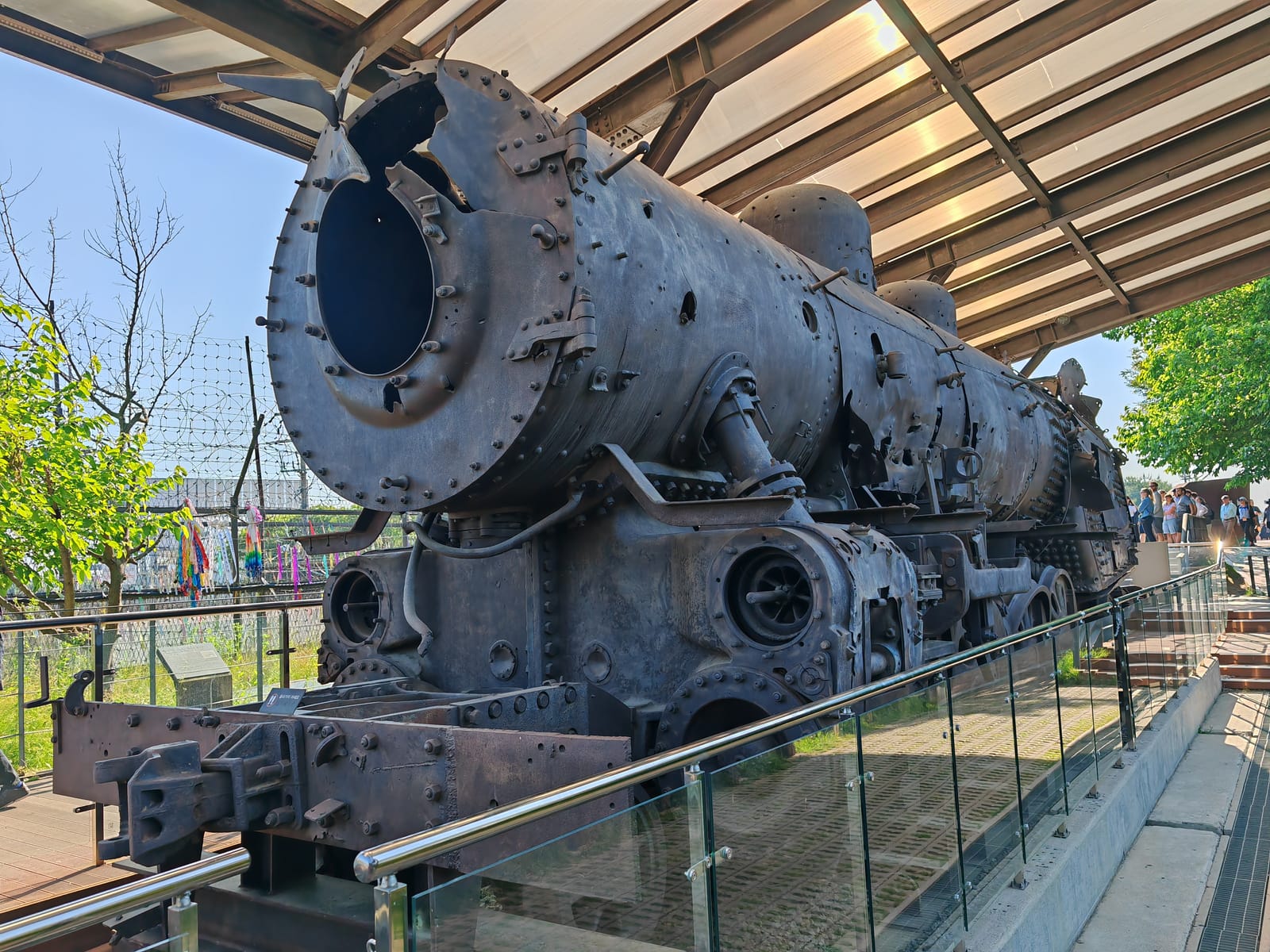
DMZ Tour from Seoul: What You Need to Know Before Visiting
A practical DMZ tour from Seoul guide covering Imjingak, Dora Observatory, the Third Tunnel, passport rules, tour limits, timing, and what to pack.
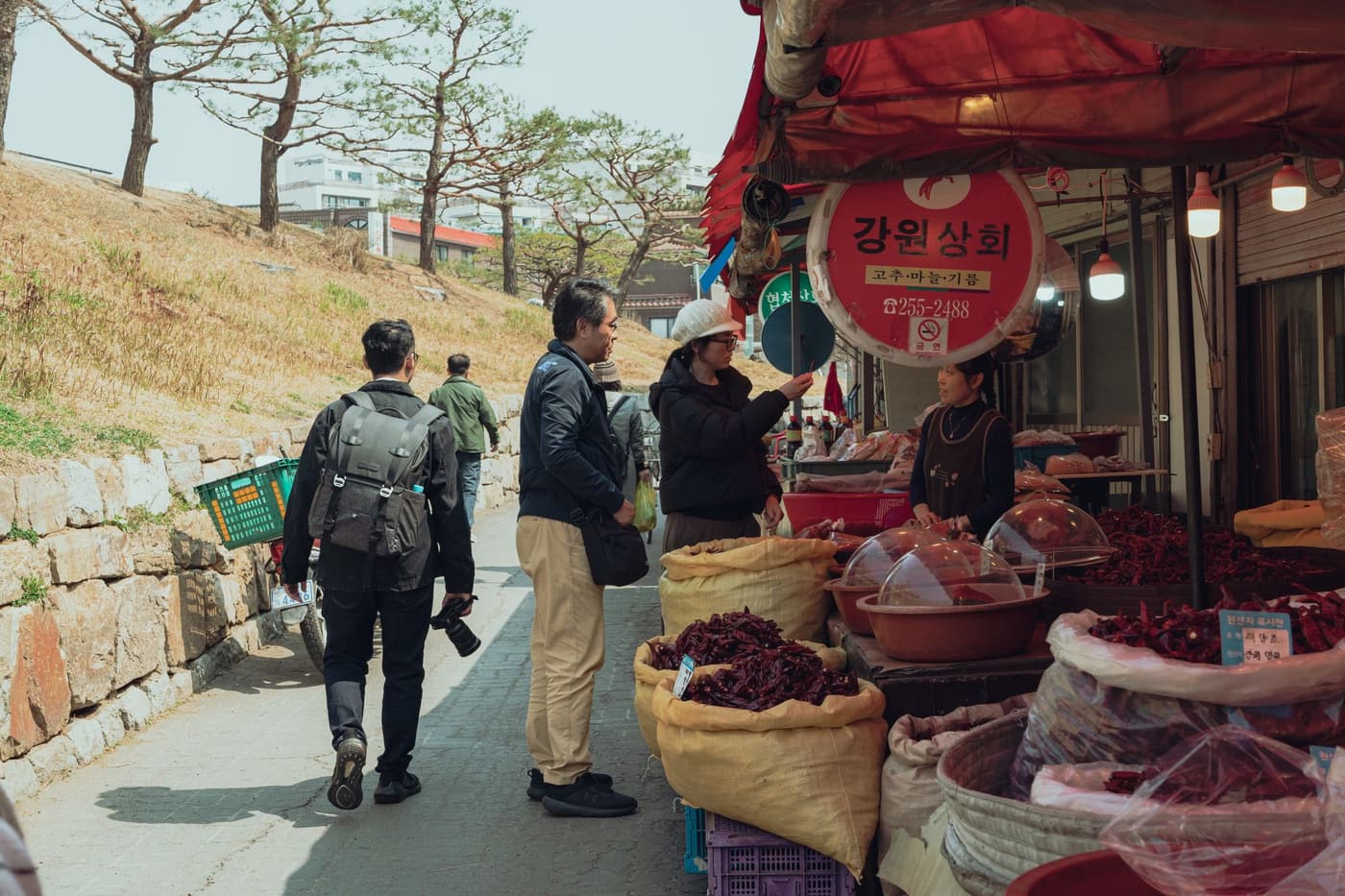
Namdaemun vs Dongdaemun: Which Seoul Market to Visit
Namdaemun closes around 17:00 and many stalls shut on Sundays. Dongdaemun's wholesale floors open at midnight. Which Seoul market fits your trip, with real hours, August 2026 prices, and the station exits that put you in the right alley.
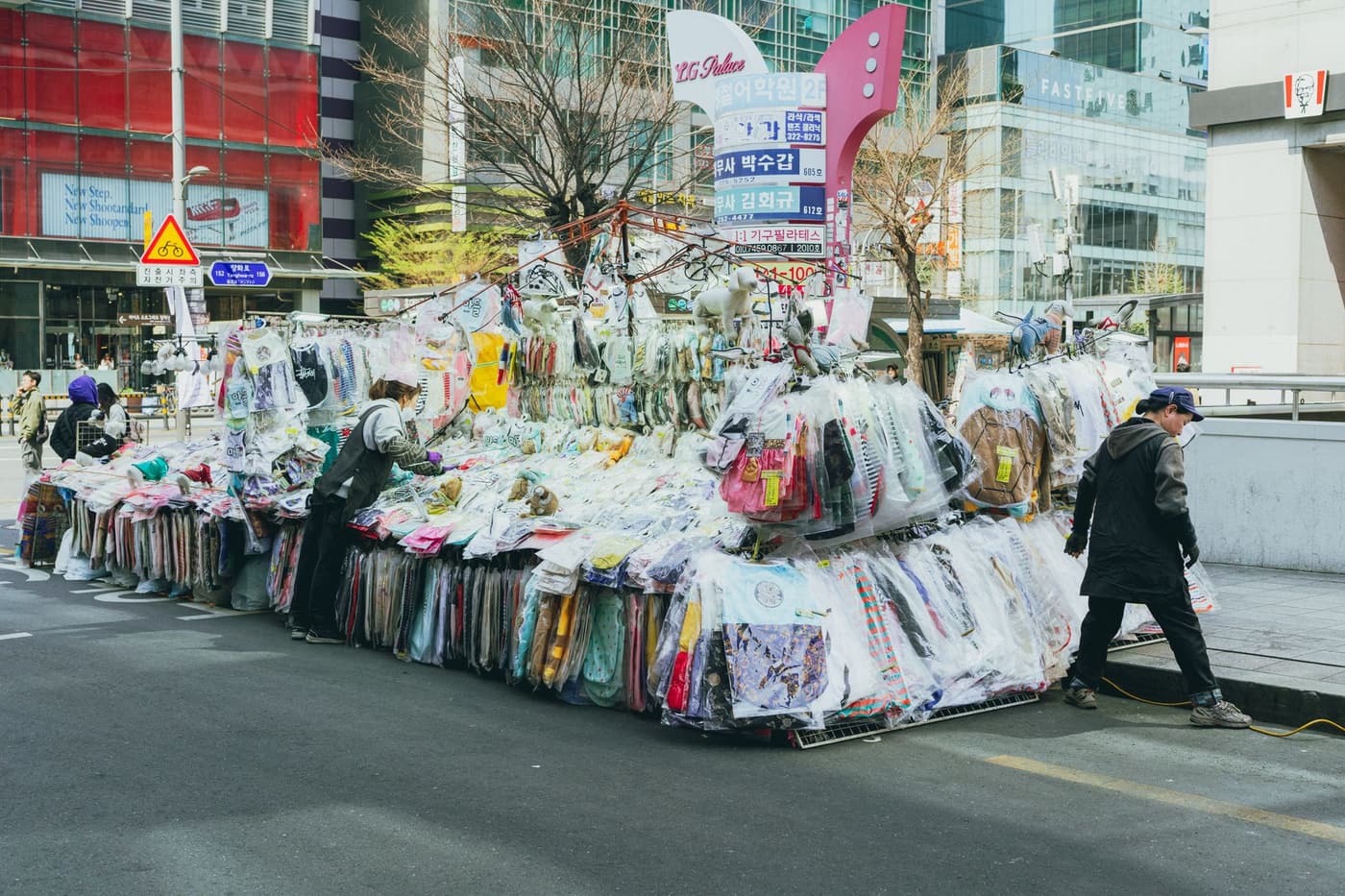
Hongdae vs Itaewon vs Gangnam: Seoul Nightlife Guide
Hongdae vs Itaewon vs Gangnam guide for Seoul travelers: compare nightlife, shopping, food, transit, and where to stay or spend your night.