Best Time to Visit Korea: Four Seasons and Weather Guide
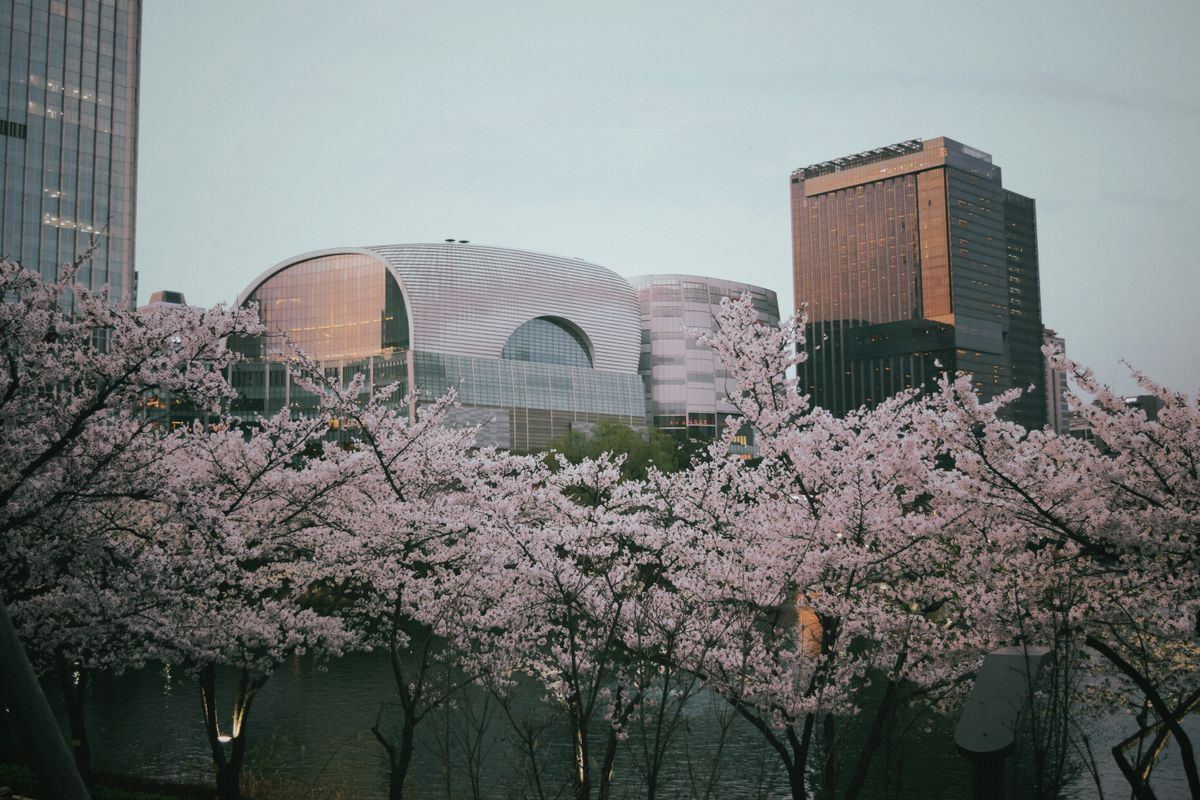
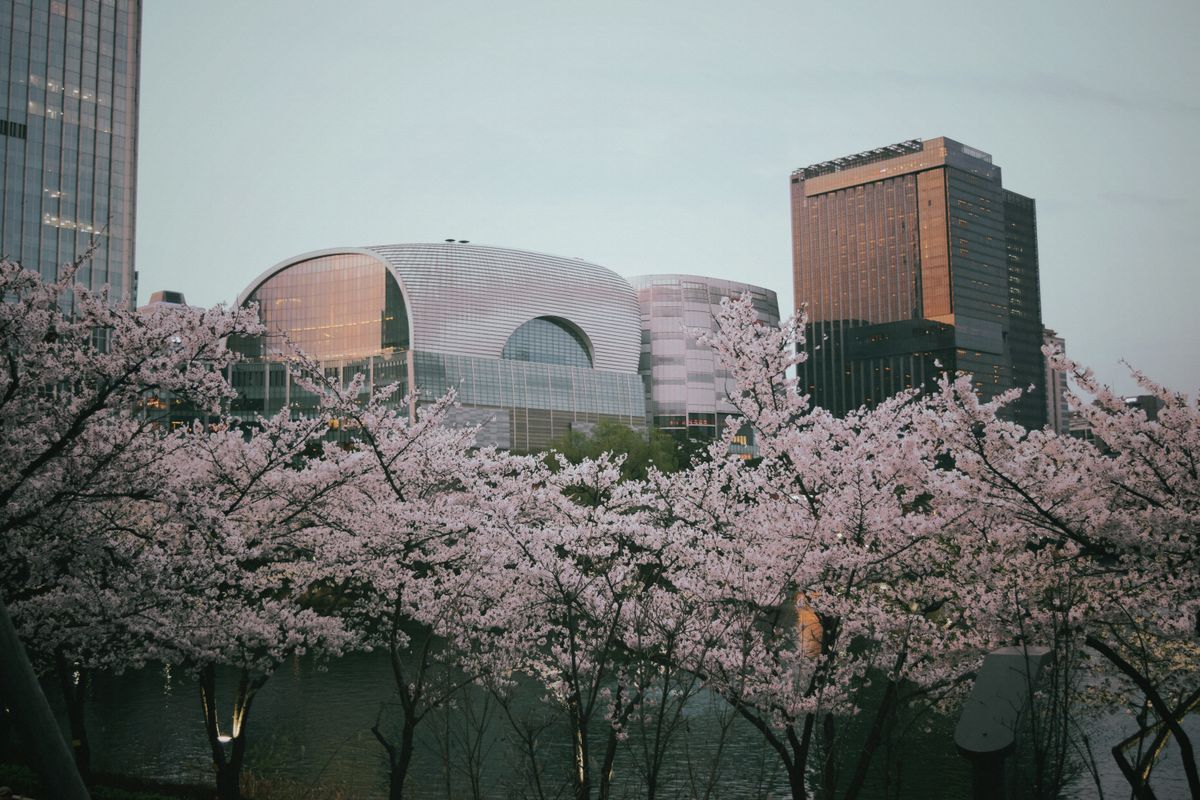
The best time to visit Korea for most first-time travelers is late April to May or late September to October. These windows usually offer comfortable walking weather, lower humidity than summer, and more reliable outdoor days than the rainy season.
That does not make summer or winter a mistake. Summer brings beaches, night festivals, long evenings, and intense green landscapes. Winter brings skiing, clear dry days, street-food steam, and fewer crowds at many sights. The right season depends on whether you value flowers, foliage, swimming, snow, prices, festivals, or simple walking comfort.
Korea has a temperate, monsoon-influenced climate with four distinct seasons. It is neither tropical nor Arctic. Seoul's normal August mean temperature is about 26.1°C, while January averages about -1.9°C, according to Korea Meteorological Administration 1991–2020 normals. Extremes can feel harsher, so averages are planning tools—not forecasts.
Quick Answer: Which Month Is Best?
Choose May for mild weather after the busiest cherry-blossom period. Choose October for crisp air and the beginning or peak of foliage in many regions. Choose April for blossoms if you accept crowds and uncertain bloom timing. Choose June for early summer before the deepest heat, while recognizing that rainy-season timing varies. Choose January or February for snow sports and real winter.
| Travel goal | Strong window | Main tradeoff |
|---|---|---|
| First trip with lots of walking | Late April–May; late September–October | Popular dates can cost more |
| Cherry blossoms | Late March–early April, varying by region and year | Short peak, crowds, rain or wind can end blooms |
| Beaches and water festivals | July–August | Heat, humidity, heavy rain, typhoon risk |
| Autumn foliage | Mid-October–early November, varying by region | Mountain weekends get crowded |
| Skiing and snow activities | January–February | Cold, dry air, short daylight |
| Lower-crowd city travel | November; parts of February | Brown landscapes or cold snaps |
Korea travel essentials — compare on AmazonAffiliate link. As an Amazon Associate, EpicKor earns from qualifying purchases at no extra cost to you.
National holidays, school breaks, major festivals, and local events can matter more than the month. Check your exact dates before booking transport.
Korea Weather by Month at a Glance
Seoul is a useful reference, not a national promise. Busan and Jeju are generally milder in winter; mountain areas and inland Gangwon can be much colder. Southern spring often arrives earlier, while autumn color and winter cold advance differently by elevation and latitude.
| Month | Typical travel feel | Pack first |
|---|---|---|
| January | Cold, dry, occasional snow; ski season | Insulated coat, gloves, lip balm |
| February | Still winter; cold snaps alternate with hints of spring | Warm layers and wind protection |
| March | Variable, windy, cool mornings; early flowers in the south | Layered jacket, mask if air quality is poor |
| April | Blossoms and mild afternoons; busy weekends | Light jacket and flexible flower plan |
| May | Comfortable walking weather, greener landscapes | Sun protection and light evening layer |
| June | Warm to hot; humidity rises; rain risk increases | Breathable clothes and umbrella |
| July | Rainy, hot, humid; heavy downpours possible | Quick-dry clothing and indoor backups |
| August | Usually the hottest period; tropical nights and storms possible | Cooling plan, water, sun and rain gear |
| September | Early heat can linger; later weeks become pleasant | Summer clothes plus one light layer |
| October | Crisp, dry-feeling outdoor weather and foliage | Walking shoes and layers |
| November | Rapid cooling; late foliage in some southern areas | Warm jacket and dry-skin care |
| December | Cold, dry winter begins; festive city lights | Insulated outerwear and gloves |
Do not use this table to decide tomorrow's clothes. Check the Korea Meteorological Administration forecast shortly before each day trip.
Spring: March to May
Spring is a transition, not three months of perfect blossoms. March can still feel wintery, especially after sunset. April brings rapid warming and the famous flower season. May is often the easiest month for long city walks, hiking, palace visits, markets, and day trips.
Cherry-blossom dates move every year and differ between Jeju, Busan, Gyeongju, Seoul, and colder inland areas. A warm spell can accelerate opening; rain and wind can shorten the best viewing window. Book a spring trip for Korea as a whole, not one exact tree forecast. Palaces, rivers, cafes, museums, and neighborhoods still work if petals arrive early.
Spring can also bring dry air, windy days, and episodes of poor air quality or yellow dust. Use a current air-quality app and official advisories rather than assuming every hazy day has the same cause. Sensitive travelers should keep medication and a well-fitting mask available.
For a first multi-city route, EpicKor's 10-day Korea itinerary shows how Seoul, Gyeongju, and Busan fit together in spring without turning every day into a blossom chase.
Build one adaptable day bag: As an Amazon Associate, EpicKor may earn from qualifying purchases. Compare Korea travel essentials such as a light layer, small pouch, tissues, and adapter before the trip, then buy ordinary consumables locally instead of overpacking for every possible spring day.
Summer: June to August
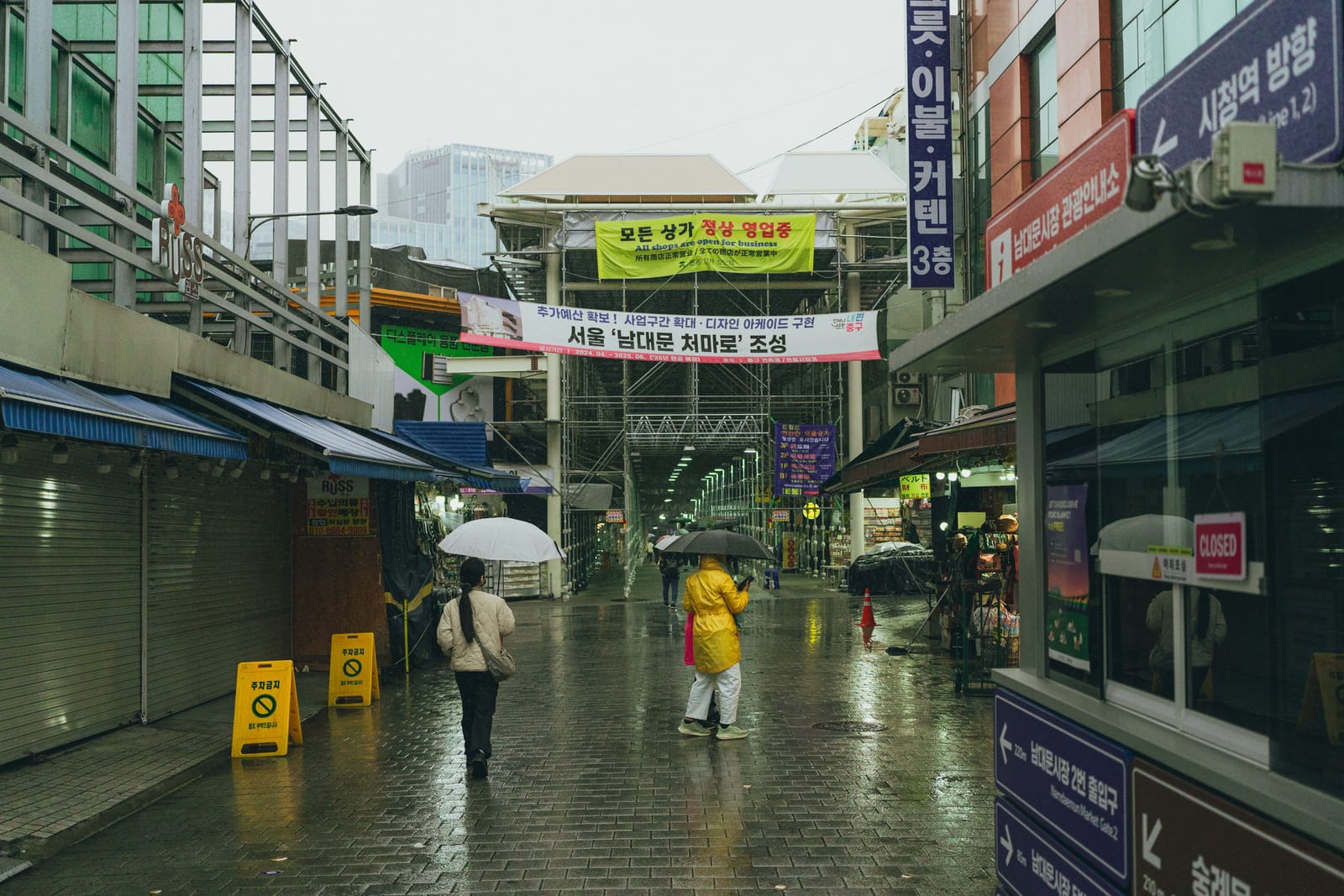
Korean summer is hot and humid, with a concentrated rainy period called jangma. The Korea Meteorological Administration describes jangma as part of the East Asian monsoon, usually progressing northward from southern Korea in late June. Exact start, end, and rainfall vary each year.
Seoul's 1991–2020 climate normals show that about 63% of annual precipitation falls in June, July, and August. That does not mean it rains continuously for three months. It means summer can deliver a large share of the year's water through rainy spells, sudden downpours, and storms.
June may offer good early-summer travel before the strongest heat, but it is not guaranteed dry. July often combines rain and humidity. August can be intensely hot, with warm nights that make recovery and sleep harder. Typhoons can affect Korea between summer and autumn; impacts range from distant rain to major transport disruption.
Plan shorter outdoor blocks, air-conditioned breaks, a second pair of shoes, and one indoor route per neighborhood. For detailed gear, read the Korea rainy-season packing guide and July–August packing list.
Autumn: September to November
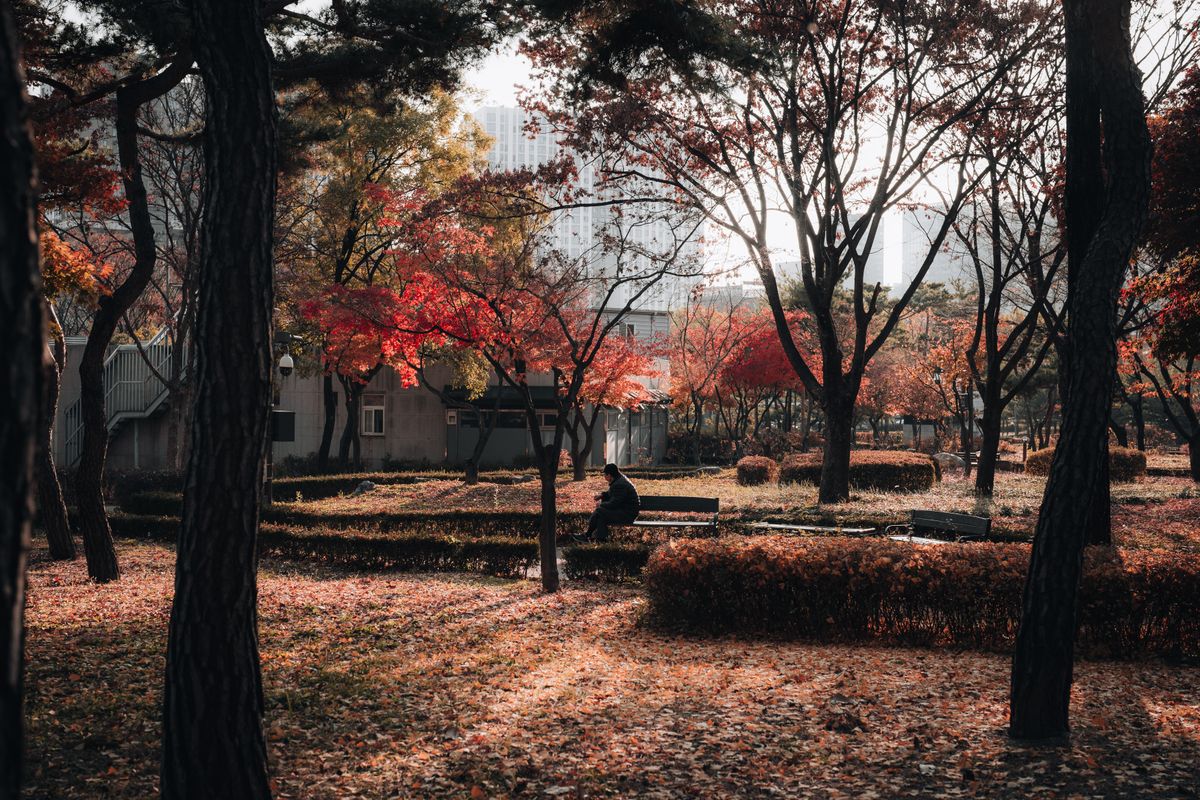
Autumn is many travelers' favorite season, but early September can still feel like summer. The most dependable crisp-weather experience often arrives later in September and continues through October. November cools quickly, especially at night.
Foliage timing moves from colder mountains and northern areas toward cities and the south. Elevation matters: Seoraksan can color before central Seoul, while southern destinations may remain attractive later. Weather can shift the peak, so use a current foliage report instead of last year's viral calendar.
October weekends at famous mountains, Nami Island, and palace areas can be crowded. Reserve intercity trains and popular accommodations early. If a peak report does not match your dates, choose good landscapes rather than chasing a single red tree. Seoul's palaces, Olympic Park, Seoul Forest, university campuses, and neighborhood hills still offer seasonal atmosphere.
EpicKor's 2026 Korea autumn foliage guide compares Seoul, Seoraksan, Nami Island, and Naejangsan by timing, transit, and crowd risk.
Winter: December to February
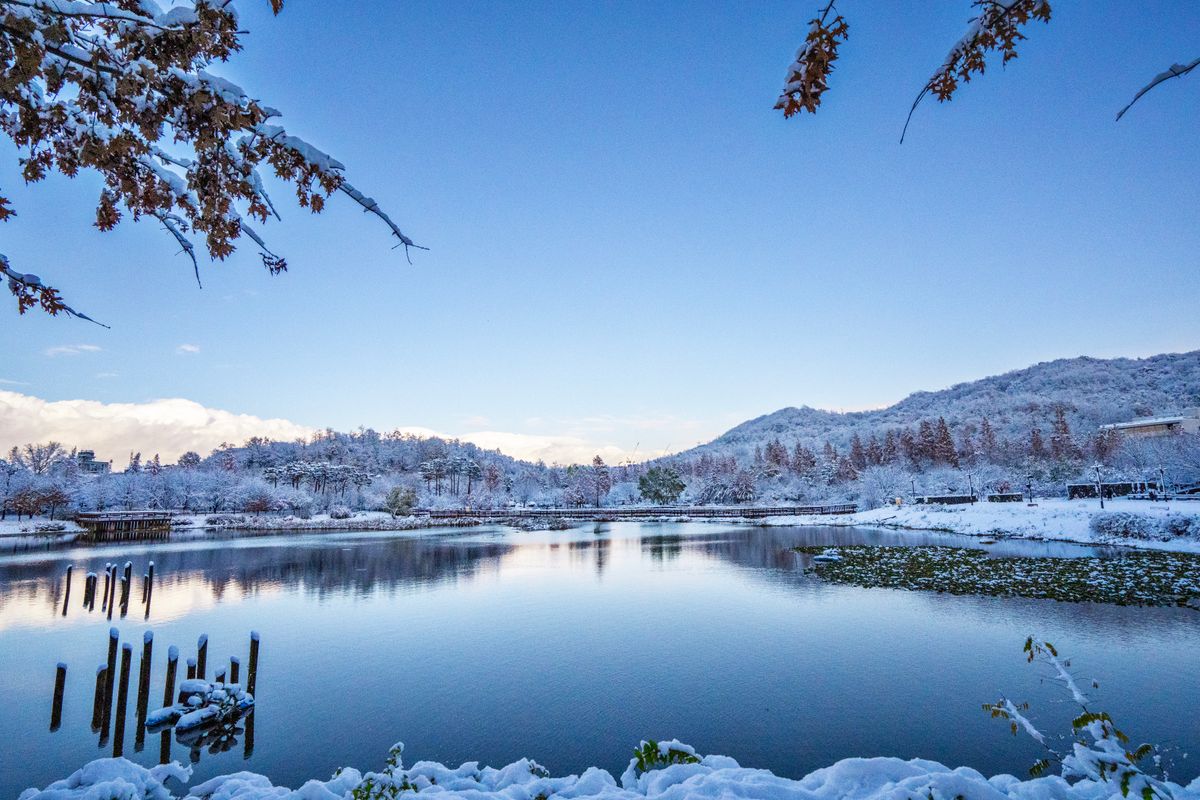
Winter is cold and relatively dry. Seoul's January normal mean is below freezing, and wind can make exposed palace courtyards, bridges, and river parks feel sharper. Mountain resorts are colder. Busan and Jeju are milder but not beach-warm.
Snow in Seoul is possible, not guaranteed. Do not build a city trip around daily postcard snow. Ski resorts use their elevation, colder locations, and snowmaking to offer a more dependable winter-sports plan, while exact operating dates still depend on conditions.
Indoors can be strongly heated, so layers work better than one outfit designed only for the street. Wear a warm outer layer that opens easily, cover hands and ears, and use shoes with traction after snow or freezing rain. Dry air can irritate skin and lips.
For local clothing logic, see why black long padding dominates Korean winter streets. If skiing is your priority, check the resort's official operating notice rather than relying on an old season calendar.
Seoul, Busan, Jeju, and Mountains Are Different
Regional variation matters. Seoul has a large seasonal temperature range. Busan's coastal position usually makes winter milder, though wind and dampness can still feel cold. Jeju has a maritime climate, but Hallasan can be snowy while the coast is wet and windy. Gangwon mountain areas cool earlier, receive more winter snow, and can have rapid weather changes.
A Korea trip that crosses regions needs layers even within one season. A warm Seoul afternoon does not guarantee a warm mountain sunset. A dry Busan morning does not guarantee calm Jeju ferry conditions. Check the forecast for each destination, not one national weather widget.
Rain, Heatwaves, Typhoons, and Air Quality
Weather hazards deserve practical respect without panic.
- During heavy rain, avoid underpasses, stream paths, steep wet slopes, and flooded roads.
- During heatwaves, move strenuous walks to morning or evening, hydrate, and take real cooling breaks.
- During a typhoon, follow official transport, park, ferry, and flight notices. Do not go to the coast for dramatic photos.
- During poor-air episodes, reduce strenuous outdoor activity if official guidance or your health requires it.
- During winter cold waves, protect exposed skin and watch for ice on shaded paths.
Travel insurance, flexible bookings, and an indoor backup day protect more than a perfect packing list. If a national park closes a trail, closure is the answer—not a challenge to find another entrance.
Prepare for changeable rain, not a fantasy forecast: Compare compact travel umbrellas for wind resistance and packed size. In Korea, pair the umbrella with quick-dry shoes and an indoor route; no umbrella makes a flooded street a good walking plan.
See compact travel umbrellas on AmazonHoliday and Crowd Timing Matters
Weather is only half the decision. Cherry-blossom weekends, summer beach season, autumn foliage weekends, ski weekends, school holidays, and major concerts increase demand. Seollal and Chuseok can change intercity transport, family travel, restaurant hours, and attraction schedules.
The holiday itself is not necessarily a bad time to visit. Seoul can feel calmer while cultural programs operate at selected sites. The risk is assuming every business follows normal hours or that a last-minute train will be available. Read the Korean holiday closure guide and reserve long-distance travel early.
Packing Strategy by Season
Spring and autumn reward layers: a shirt, mid-layer, and light jacket that can adjust between sunny afternoons and cool nights. Summer rewards breathable, quick-dry clothing, extra socks, sun protection, and a plan for wet items. Winter requires a real insulated coat, warm base layers, gloves, and traction—not a decorative scarf over thin clothes.
Pack for one week of realistic combinations, not twelve separate weather personalities. Laundry is easier than carrying four seasons in one suitcase. The Korea packing guide covers a practical 7- to 14-day system.
FAQ About the Best Time to Visit Korea
Q: What is the single best month to visit South Korea? May and October are the safest all-around choices for many first-time visitors because they usually combine comfortable temperatures with good outdoor conditions. Exact weather and crowds still vary.
Q: When is Korea's rainy season? Jangma generally affects travel from late June into July, beginning earlier in the south, but dates and intensity change each year. Heavy rain can also occur outside the named period.
Q: Is Korea too hot to visit in August? No, but August requires a heat-first itinerary. Use mornings and evenings for long walks, schedule air-conditioned breaks, hydrate, and watch heat and storm advisories.
Q: Does it snow in Seoul every winter? Seoul receives snow, but continuous snow cover is not guaranteed. For dependable snow activities, plan around a ski resort and verify current operating conditions.
Q: When can I see cherry blossoms in Korea? Bloom usually moves from southern regions in late March toward Seoul and colder areas around early April, but annual weather shifts the dates. Treat any forecast as provisional.
Q: When is autumn foliage best in Korea? Mid-October through early November is a useful planning range, with mountain and northern areas often changing earlier than central Seoul and southern destinations.
Sources and Update Note
This guide was updated on July 17, 2026. Climate normals describe long-term patterns; always check the live forecast and official safety notices for your dates.
You Might Also Like
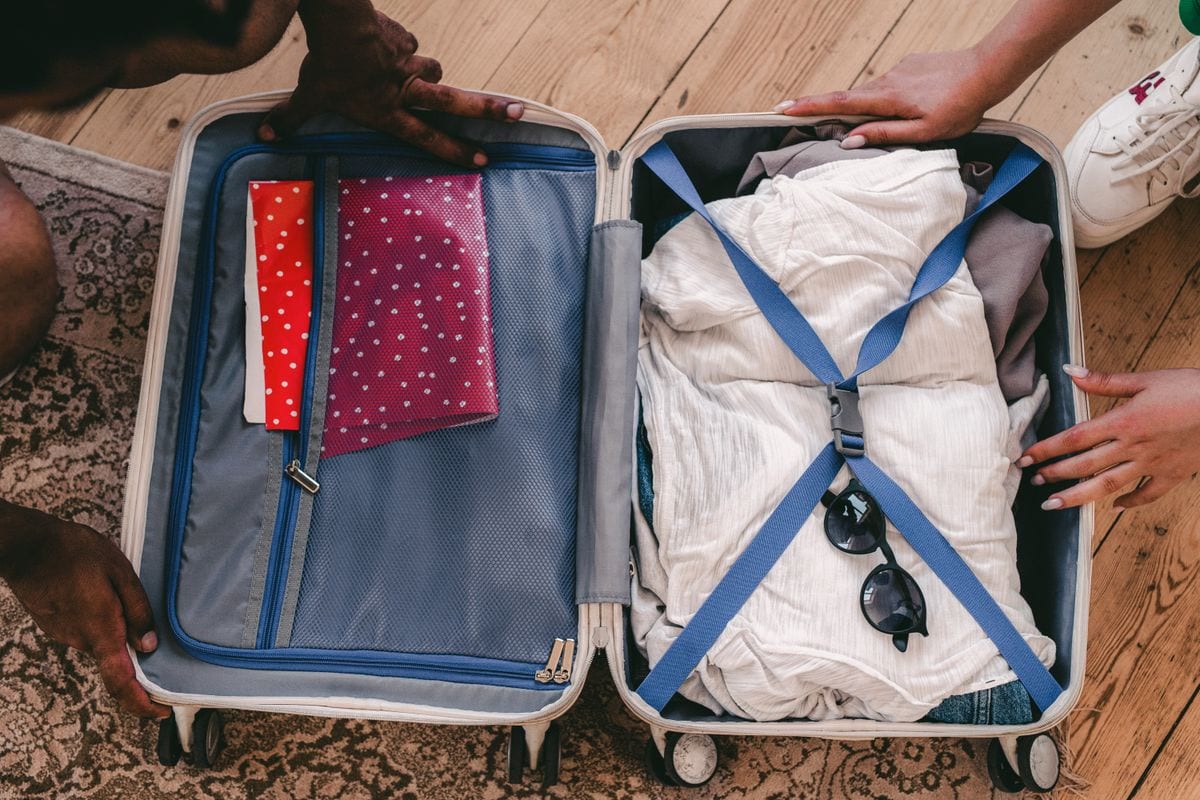
Korea Summer Packing List: July and August Essentials
A Korea summer packing list for July and August: what tourists need for heat, rain, mosquitoes, festivals, payments, and airport days.
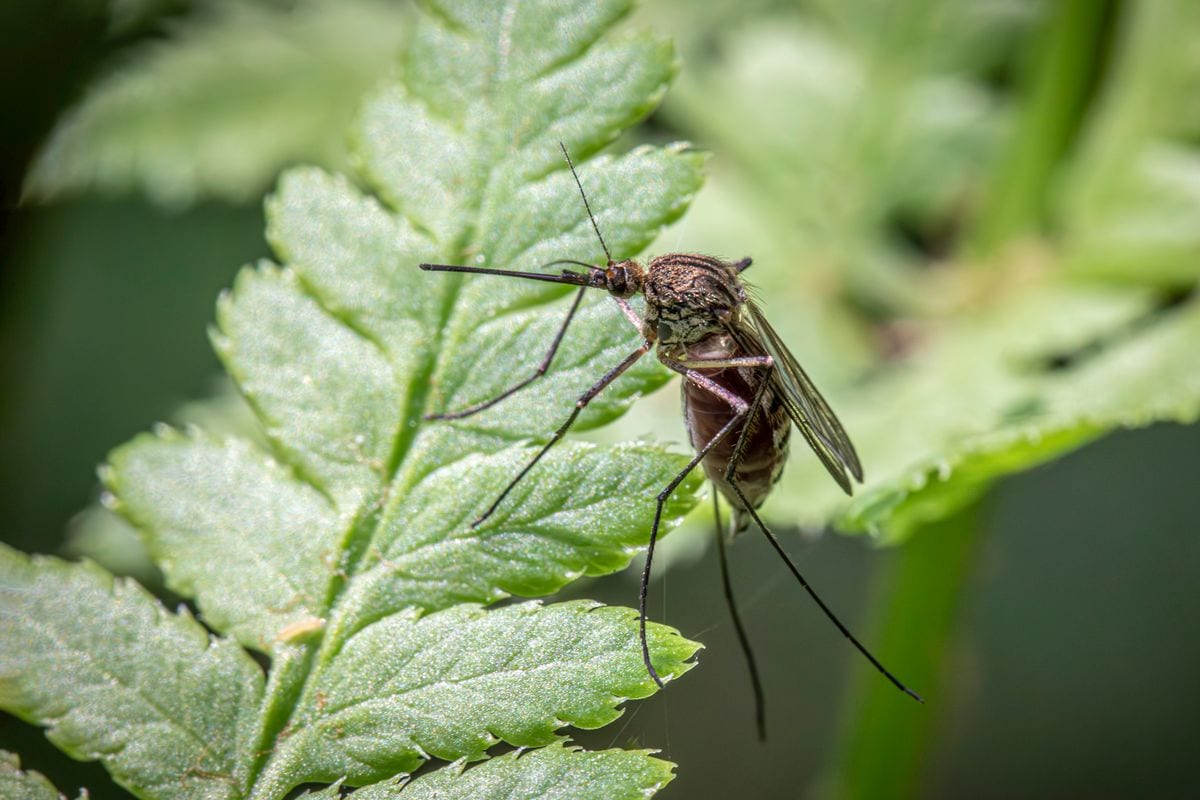
Korea Mosquito Season Guide: Packing and Local Buys
A Korea mosquito season guide for tourists: when bites are likely, what to pack, what to buy locally, repellents, clothing, and summer travel habits.
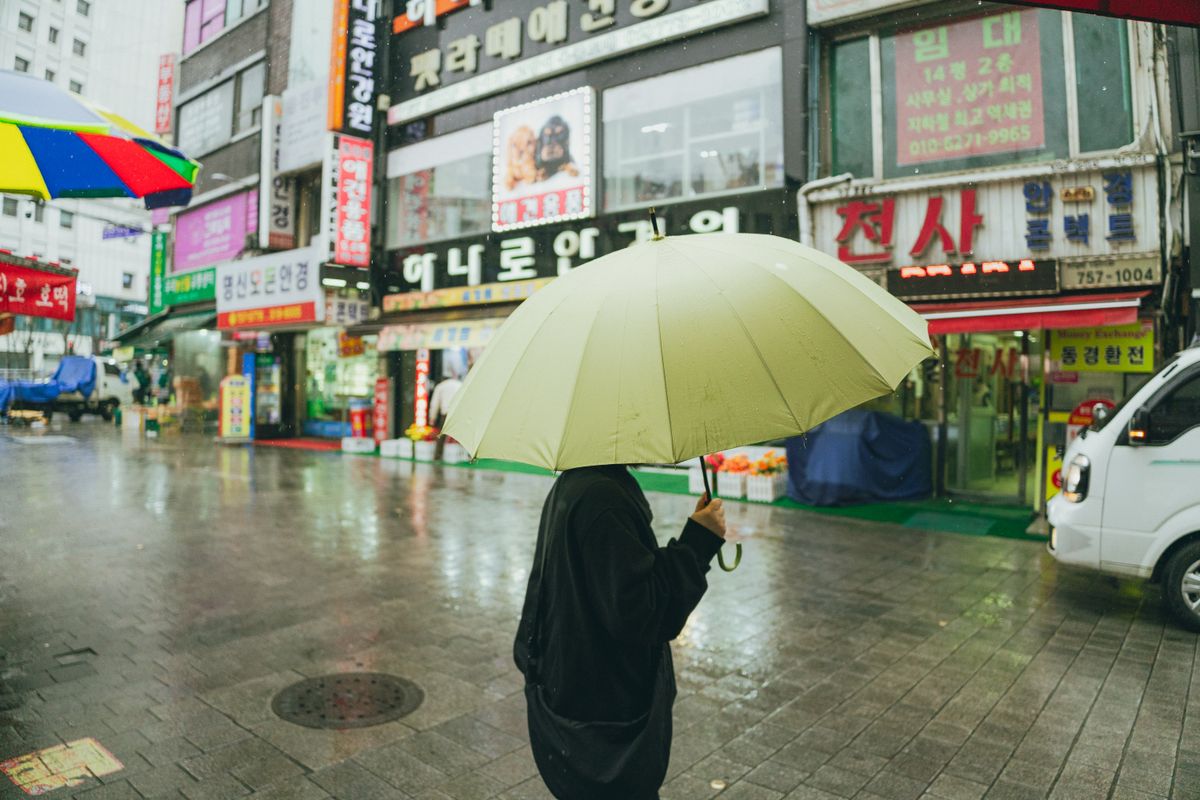
Korea Rainy Season Guide: What to Pack for Jangma
A practical Korea rainy season travel guide for jangma: what to pack, what to wear, where plans break, and how to stay dry in Seoul.